The Faroe Islands are particularly good at making a cruise passenger feel they should immediately leave the cruise port.
Tórshavn is perfectly lovely, but beyond it sit the landscapes you probably booked the itinerary for: turf-roofed villages wedged beneath mountains, waterfalls dropping towards the road, black beaches and sea cliffs disappearing periodically into cloud. Fred. Olsen’s 2027 Greenland sailing from Liverpool, for example, calls at Tórshavn before continuing to Reykjavík and Greenland, making the Faroes the first properly dramatic North Atlantic day of the trip.
The difficulty is that you may only have eight hours, and Faroese weather has never shown much respect for spreadsheets. So should you use them chasing scenery, or stay in one of the world’s smallest capitals and accept that you don’t need to photograph every mountain available?
Tórshavn cruise port: the case for staying in town
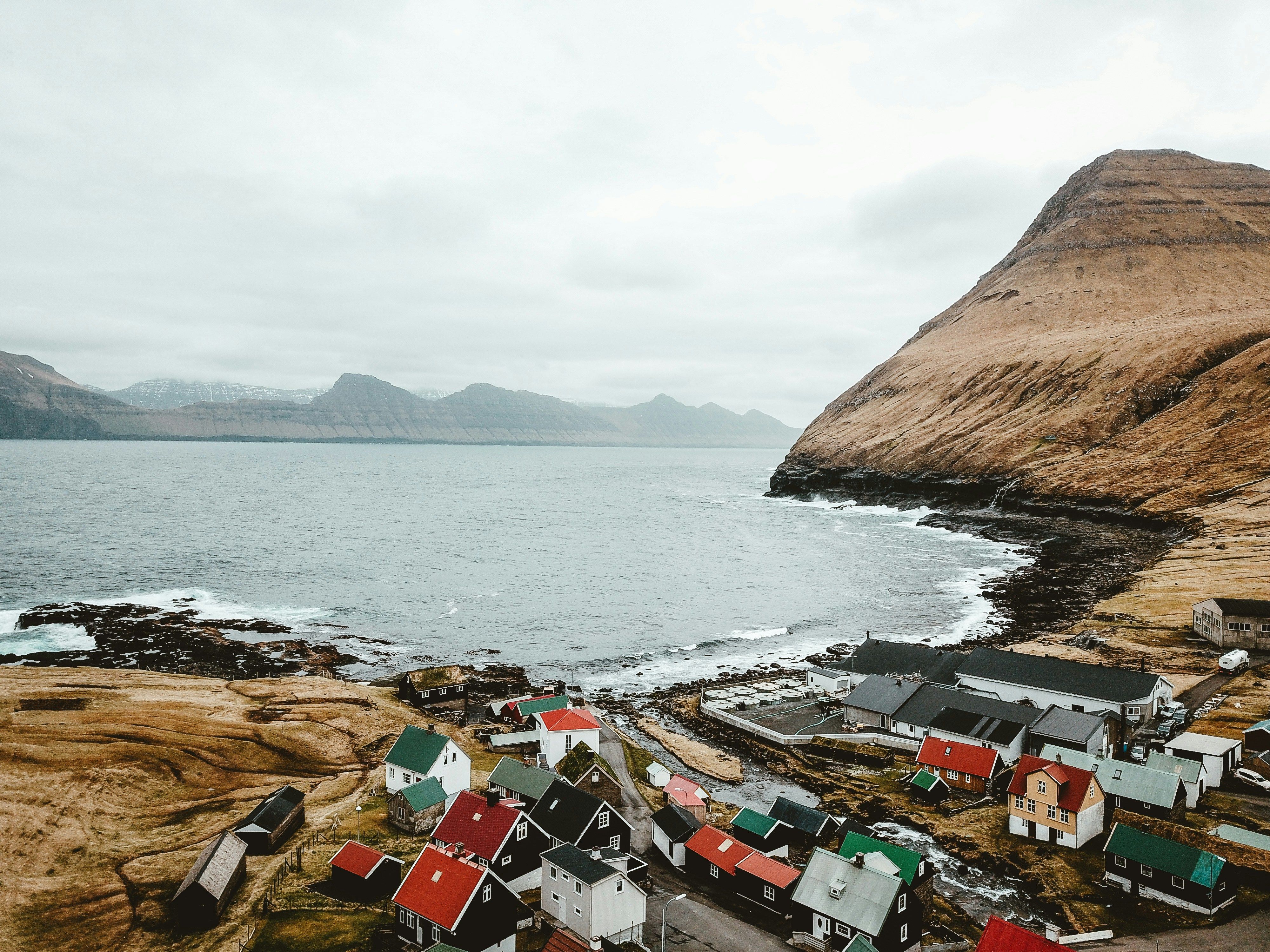
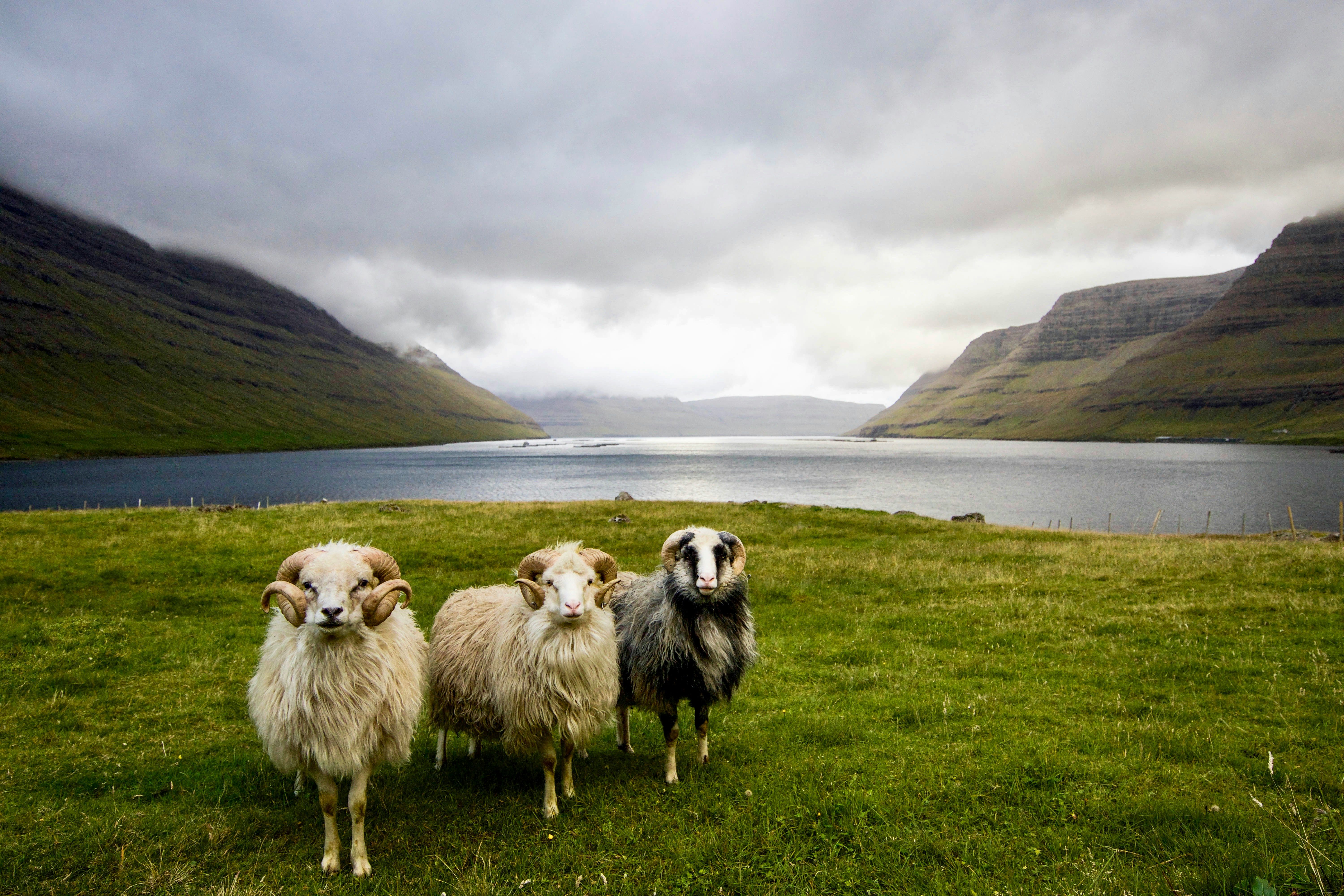
Staying in Tórshavn isn’t the consolation prize it can initially feel like.
Cruise ships berth close to the centre, while tenders, when used, land near it too. The harbour sits beside Tinganes and the Old Town, so within minutes you can be among the black-tarred, turf-roofed houses that form the historic heart of the Faroese capital.
Tórshavn has only around 20,000 residents, but there’s enough here for a satisfying port day: Tinganes, where the Faroese parliament has roots going back more than a thousand years; the lanes of á Reyni; Skansin fort; the National Gallery; the National Museum and a surprisingly serious restaurant and café scene.
The main advantage is freedom. You can walk almost everywhere, and Tórshavn’s red municipal buses are free for visitors if you want to go farther. There’s no timetable anxiety, no heroic 7.15am coach departure and very little chance of spending your final hour in the Faroes watching the estimated arrival time on Google Maps develop a personal grudge against you.
On a grey, wet or windy day, I’d be particularly tempted to stay. The Faroese tourist board itself recommends museums, galleries, cafés and swimming as perfectly respectable responses when the weather turns. This is a nation sufficiently familiar with rain that nobody expects you to fight it on principle.
Kirkjubøur: the easiest way to see beyond Tórshavn
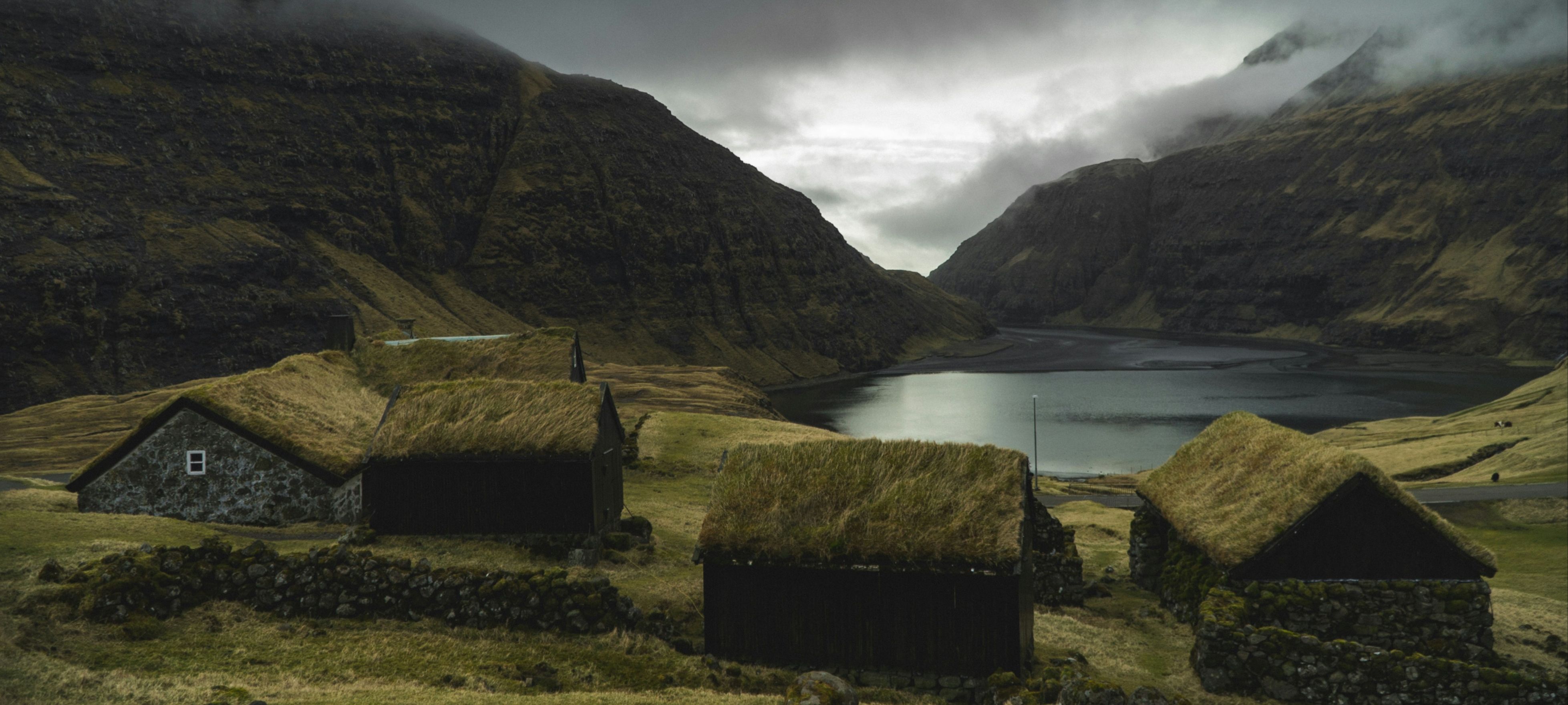
If staying entirely in the capital feels insufficiently adventurous, Kirkjubøur is the neatest compromise.
The historic village lies around 15 kilometres from Tórshavn and contains some of the Faroes’ most important medieval remains, including the unfinished St Magnus Cathedral, St Olav’s Church and Roykstovan, a farmhouse whose oldest sections date back roughly 900 years.
It’s also unusually easy to reach without buying an excursion. Tórshavn’s municipal bus network serves Kirkjubøur, and those buses are free, although services to the surrounding villages are less frequent than city routes and should be checked carefully against your ship’s schedule.
Walkers can make more of it. The old village path between Tórshavn and Kirkjubøur is six kilometres long and takes roughly one hour and 40 minutes, with views over Hestur, Koltur and Sandoy. It’s rated medium rather than murderous, although muddy Faroese grass has probably ended several people’s confidence in their footwear.
For a first visit, a bus one way and walk the other gives you history, landscape and enough physical exertion to justify something substantial afterwards.
Saksun, Tjørnuvík and Gjógv: when it’s worth booking an excursion
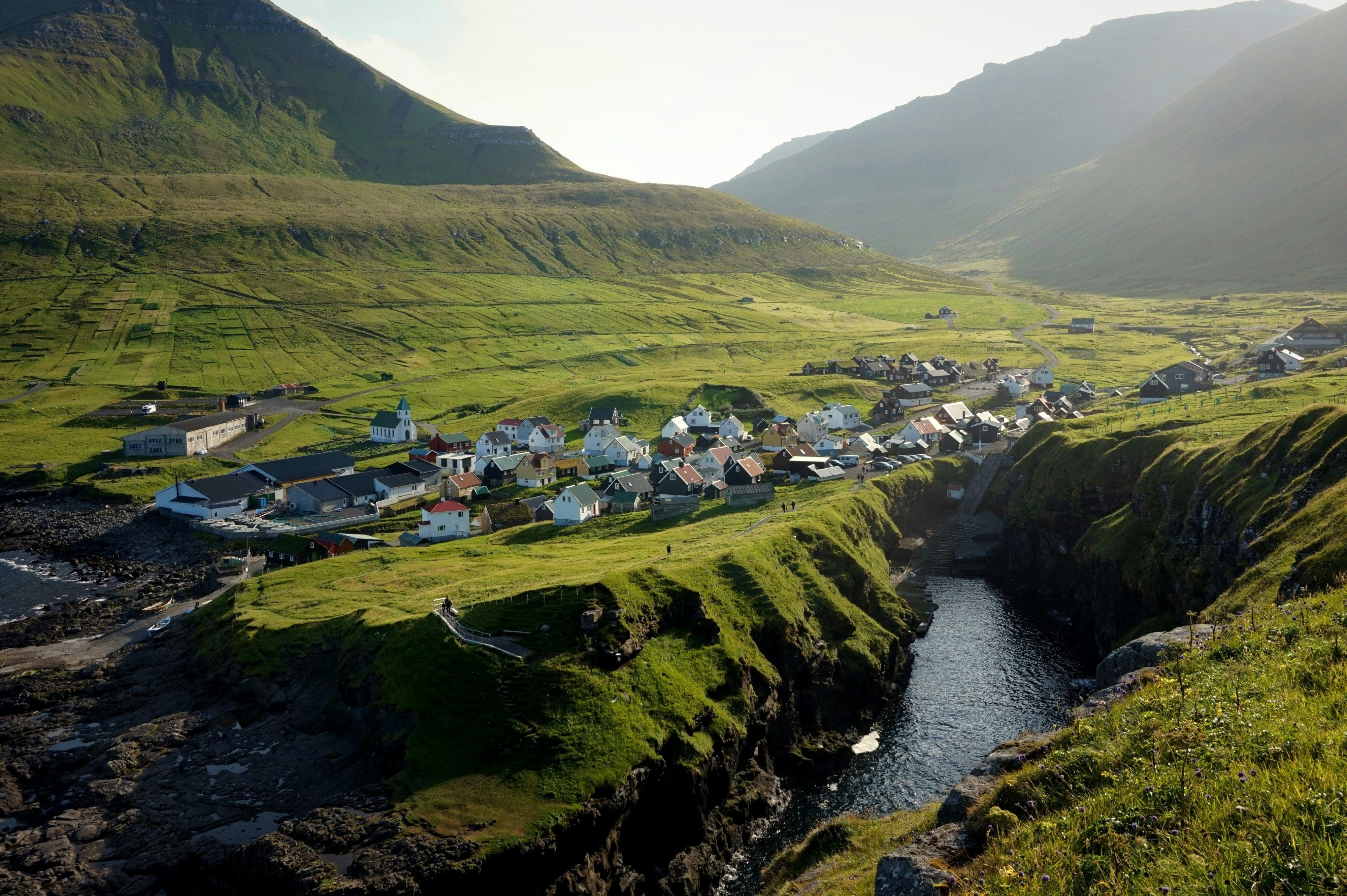
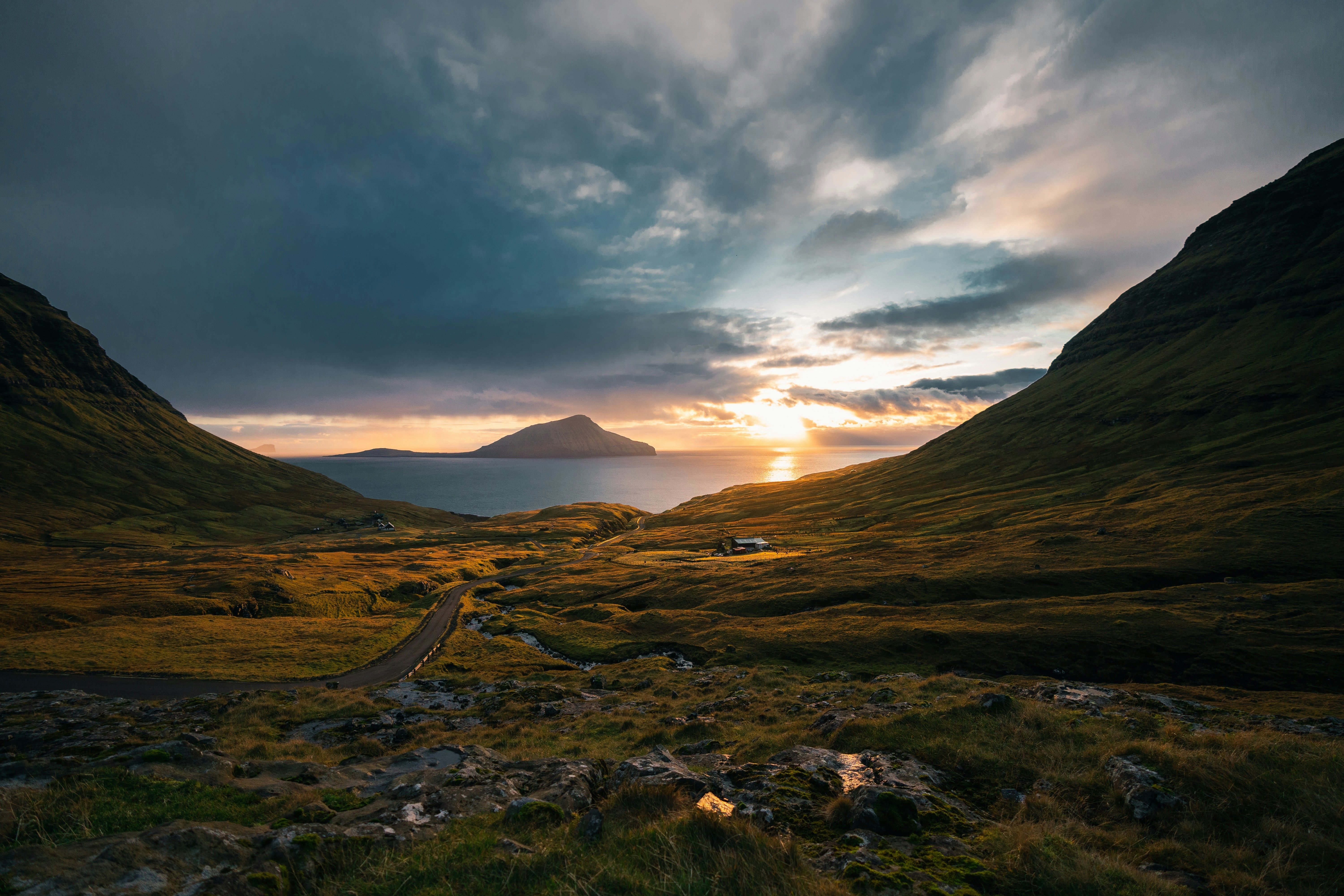
If the forecast is good and your ship has a long call, this is where I’d consider committing to a full-day tour.
Saksun is the postcard. Eleven people live in the tiny village, which sits above a tidal lagoon inside a natural amphitheatre of mountains. Tjørnuvík sits farther north beside a black beach, looking across to the sea stacks known as Risin and Kellingin. Gjógv, on neighbouring Eysturoy, is built around a 200-metre natural sea gorge and has fewer than 50 residents.
Tour operators package the three together from Tórshavn, often adding Fossá waterfall and the mountain roads of Eysturoy. That works because the landscapes are close enough to combine by road without reducing the entire day to coach upholstery.
Trying to reproduce the same route independently by public transport is much less elegant. There is no public bus to Saksun, while Gjógv requires connections and some departures are limited or request-only. For a land-based holiday this is merely logistical texture. With an all-aboard time, it becomes considerably more interesting than you want it to be.
This is the day to pay somebody else to understand the buses.
Vestmanna bird cliffs: the best choice for wildlife
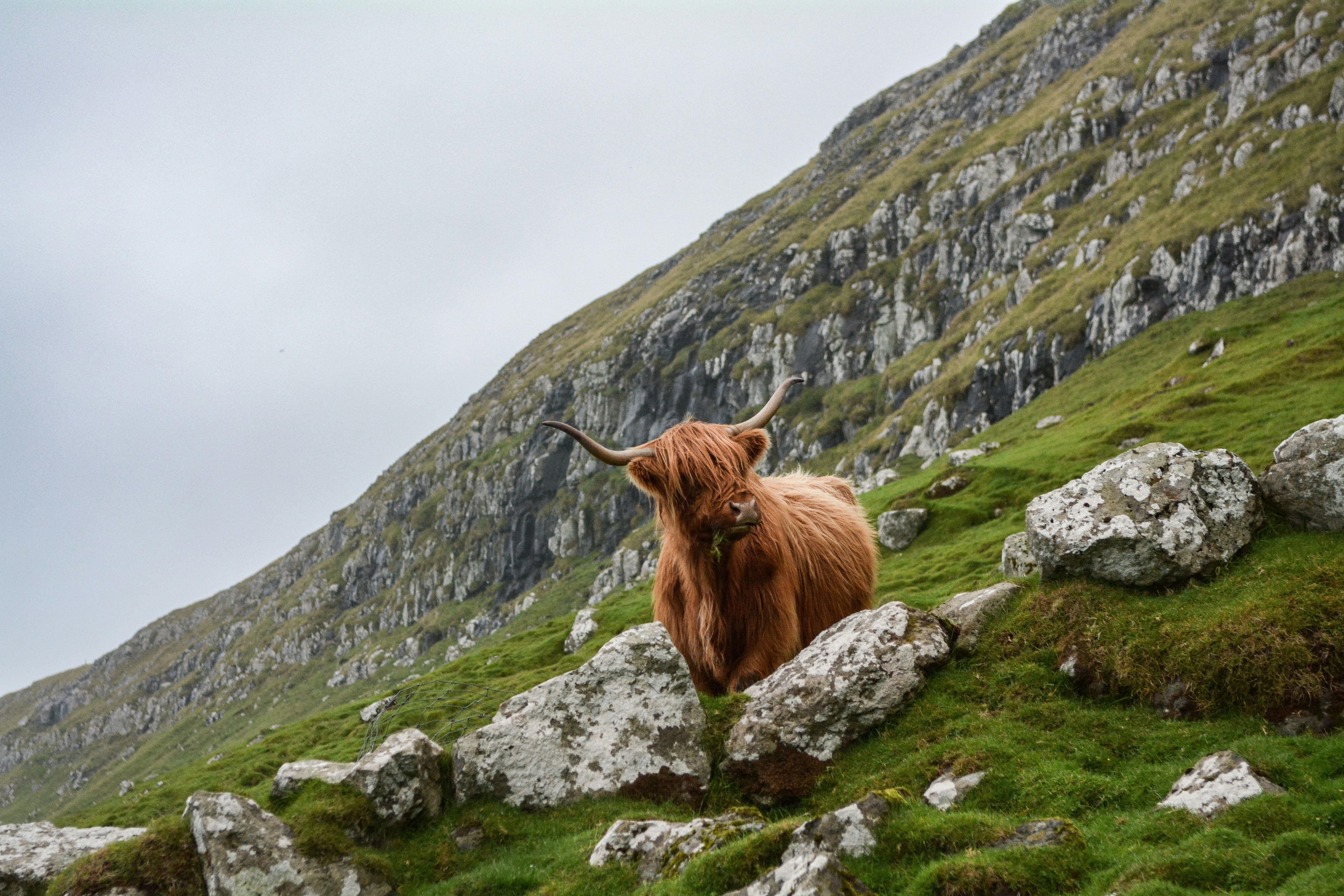
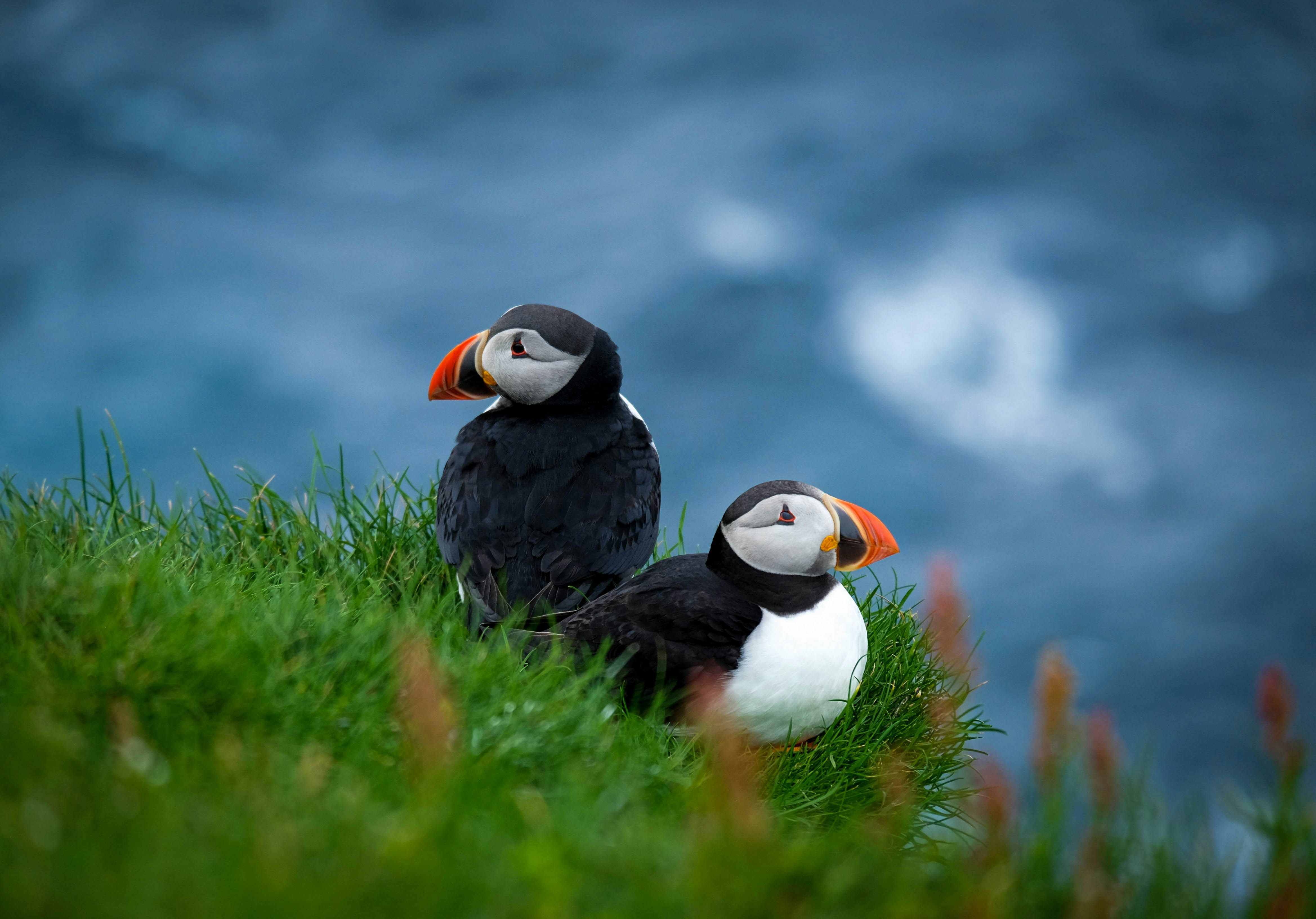
For something more focused, the Vestmanna bird cliffs make an excellent alternative to the grand village circuit.
Boat trips run beneath sheer cliffs and into sea caves, with nesting puffins, guillemots, razorbills and fulmars during the summer season. The boat portion typically lasts around two hours, and organised day tours from Tórshavn add villages such as Kvívík and Leynar.
Puffins are generally present from late April until late August, so timing matters if they’re the main reason you’re going.
So does the weather. The cliff trips are explicitly weather-dependent and routes can change for safety, which is worth remembering before mentally committing yourself to a very specific photograph involving a puffin and excellent light.
If the boat runs, this is probably the best excursion for passengers who want genuinely wild scenery without spending the whole day driving between viewpoints.
So should you stay in Tórshavn or chase the scenery?
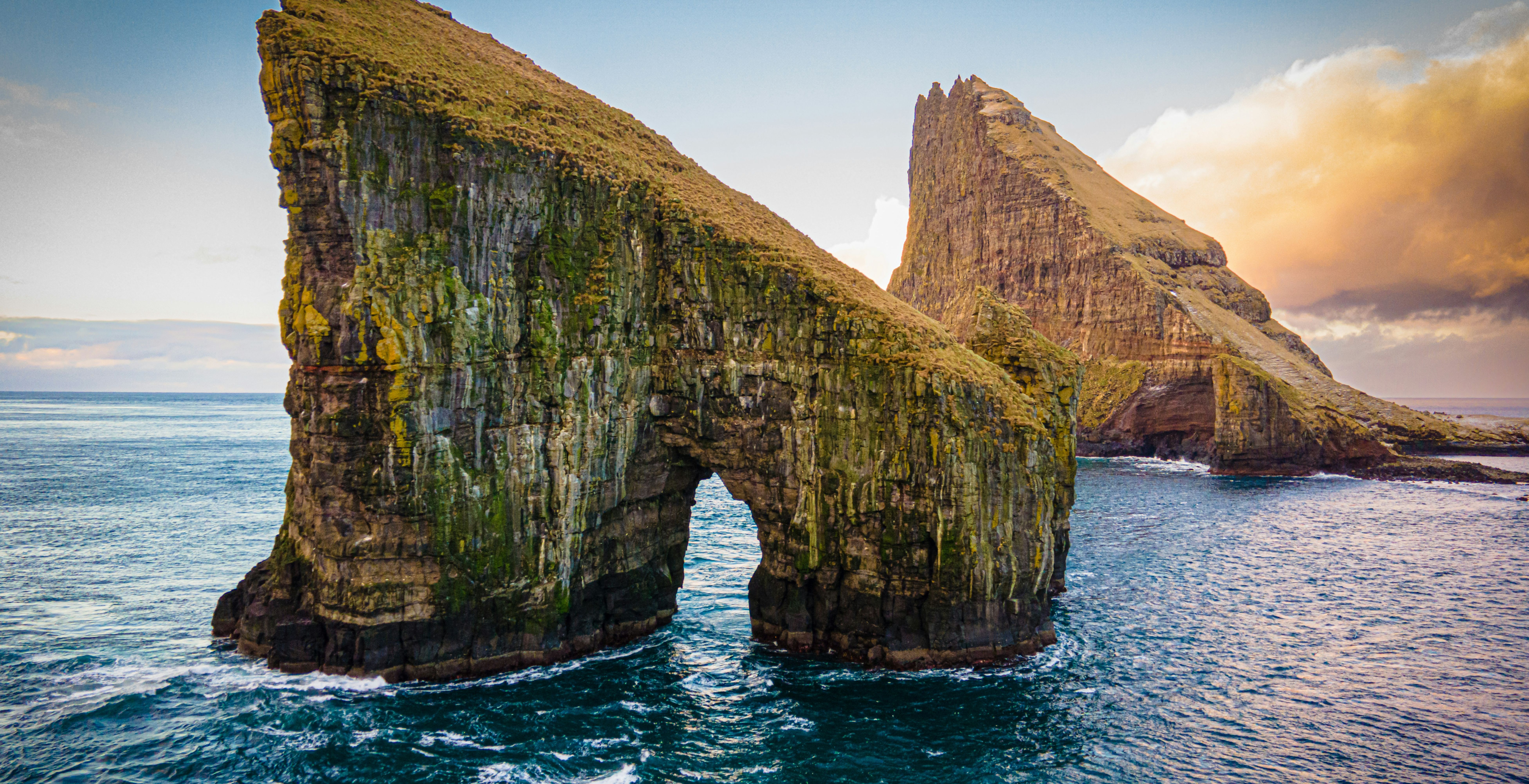
For a short call, poor forecast or first visit where you’d rather not spend half the day watching the clock, stay in Tórshavn and perhaps add Kirkjubøur. You’ll get history, Faroese architecture, good food and enough landscape to remind you that you’re sitting in the North Atlantic.
With eight or more hours and decent weather, I’d go farther. Saksun, Tjørnuvík and Gjógv give you the huge scenery that explains why the Faroes have acquired such a disproportionate share of the internet’s landscape photography, while Vestmanna is the stronger choice for birdlife and being physically among the cliffs.
The mistake is assuming Tórshavn has to be escaped.
The Faroe Islands contain plenty of spectacular places. They also contain one tiny capital where you can walk off your ship, wander through a thousand years of history and be eating lunch before everybody on the excursion coach has finished adjusting their seat belts.