Iceland has spent years persuading visitors that the correct way to see it is by hiring a car, joining Route 1 and driving around the island while periodically pulling over because somebody has spotted another waterfall.
There is another way. Several cruise itineraries effectively create a maritime version of the Ring Road, using Reykjavík, Ísafjörður, Akureyri, Seyðisfjörður, Djúpivogur and Heimaey to sample a different part of the country each day. Viking’s seven-night Iceland’s Natural Beauty route, for example, links exactly those six ports on departures in 2027.
You won’t reach every lava field, hot spring and sheep-adjacent lay-by that a road trip allows. But choose carefully between independent days and excursions and you can see a surprising amount of Iceland without once discussing collision-damage waivers.
Reykjavík cruise port: explore independently, but check where you dock
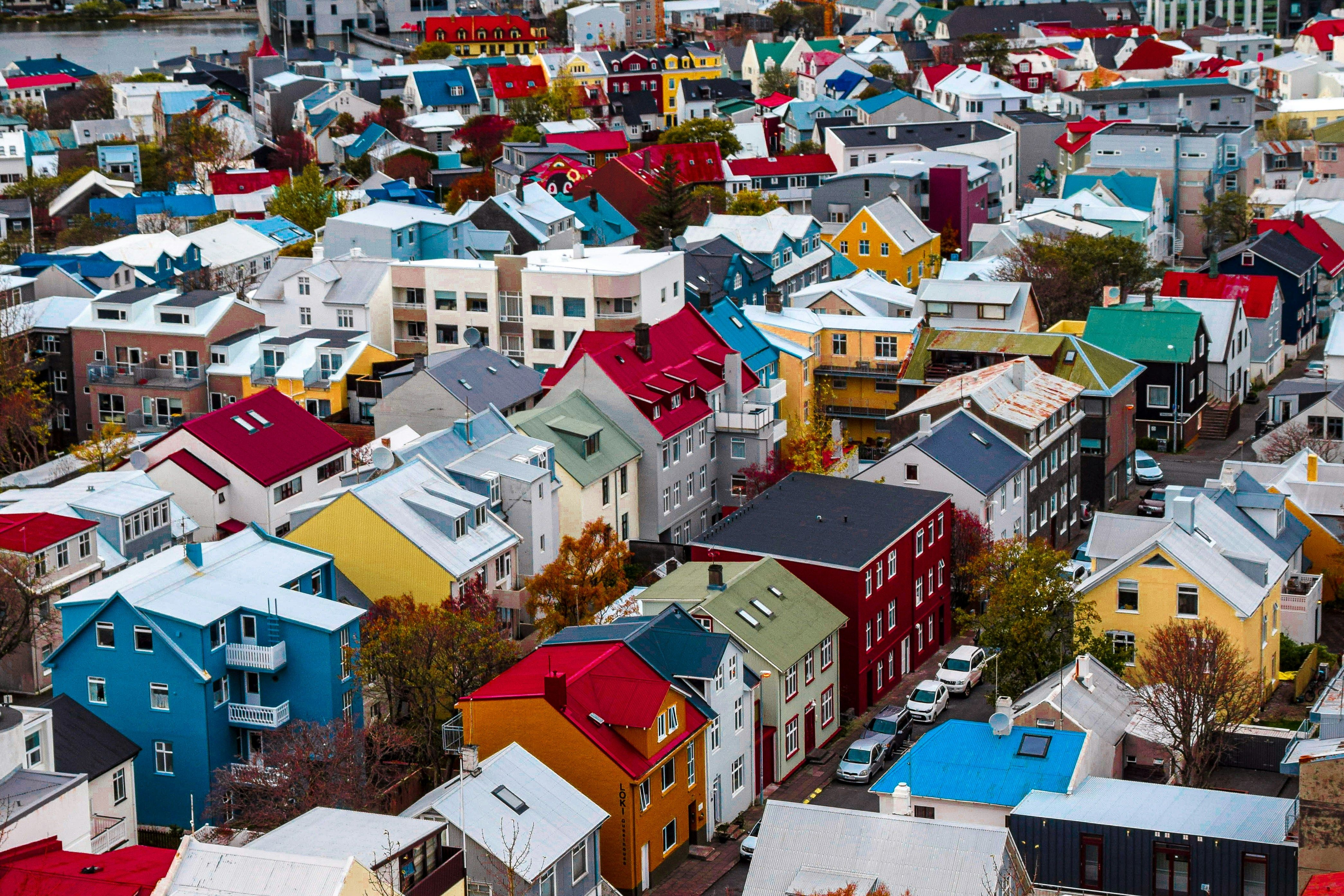
Reykjavík is the easiest place to assume you can simply walk off the ship and into town. Sometimes you can.
Miðbakki sits at the Old Harbour, beside central Reykjavík, restaurants, museums and whale-watching departures. Skarfabakki, the city’s main cruise terminal, is around four kilometres from the centre, with buses, taxis and a perfectly possible walk connecting the two. Ships can also use Hafnarfjörður, around 12 kilometres away, which makes checking the actual berth rather more useful than repeatedly enlarging the itinerary map.
If Reykjavík is the beginning or end of your cruise, I’d keep the city relatively independent and use any extra pre or post-cruise time for the bigger excursions beyond it. Central Reykjavík is compact enough for Hallgrímskirkja, the harbour, museums and a proper lunch without supervision.
The port name matters, though. “Reykjavík” can mean stepping into the Old Harbour or starting the day on bus number 16. Both are manageable. Only one allows you to be eating a cinnamon bun almost immediately.
Ísafjörður cruise port: stay for the town or leave for Dynjandi
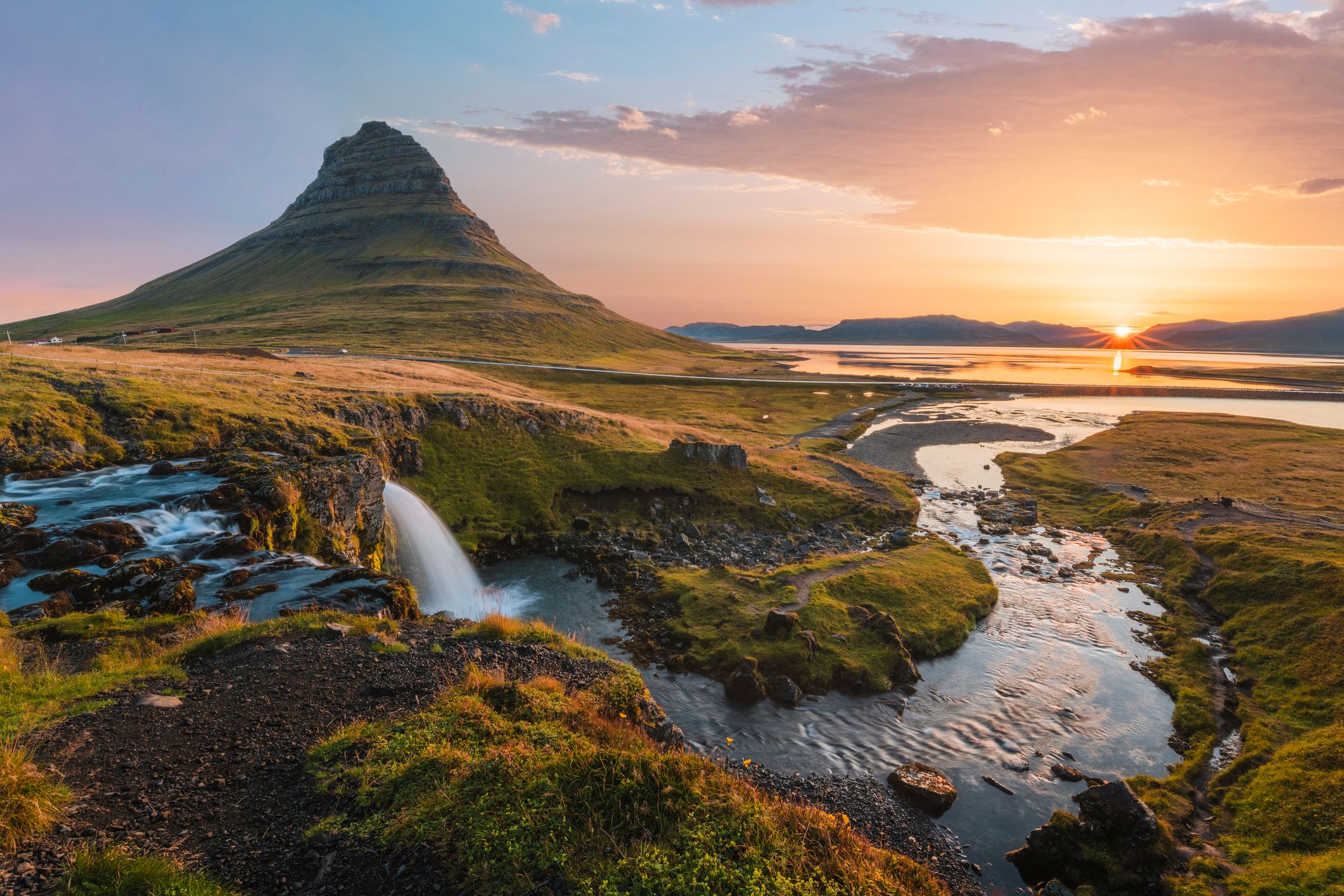
Ísafjörður is where the maritime Ring Road starts feeling properly remote. The town curls around the water beneath steep mountains in the Westfjords, a region where roads have historically had to negotiate with the geography rather than overcome it.
You can easily spend a quieter day here independently. Visit Westfjords maps a 1.8km Old Town route through 19th-century streets and a longer 4.3km loop around the settlement, while the Westfjords Heritage Museum covers the fishing culture that shaped the region.
But this is also a port where an excursion substantially changes what you see. Dynjandi, the great stepped waterfall of the Westfjords, drops roughly 100 metres through a sequence of six falls. Once there, allow around 45 to 60 minutes to follow the path past the lower cascades towards the main fall.
If you want an easy day, stay in Ísafjörður. If you want the Westfjords to look like the Westfjords you saw when booking the cruise, go out into them.
Akureyri cruise port: the day to go inland
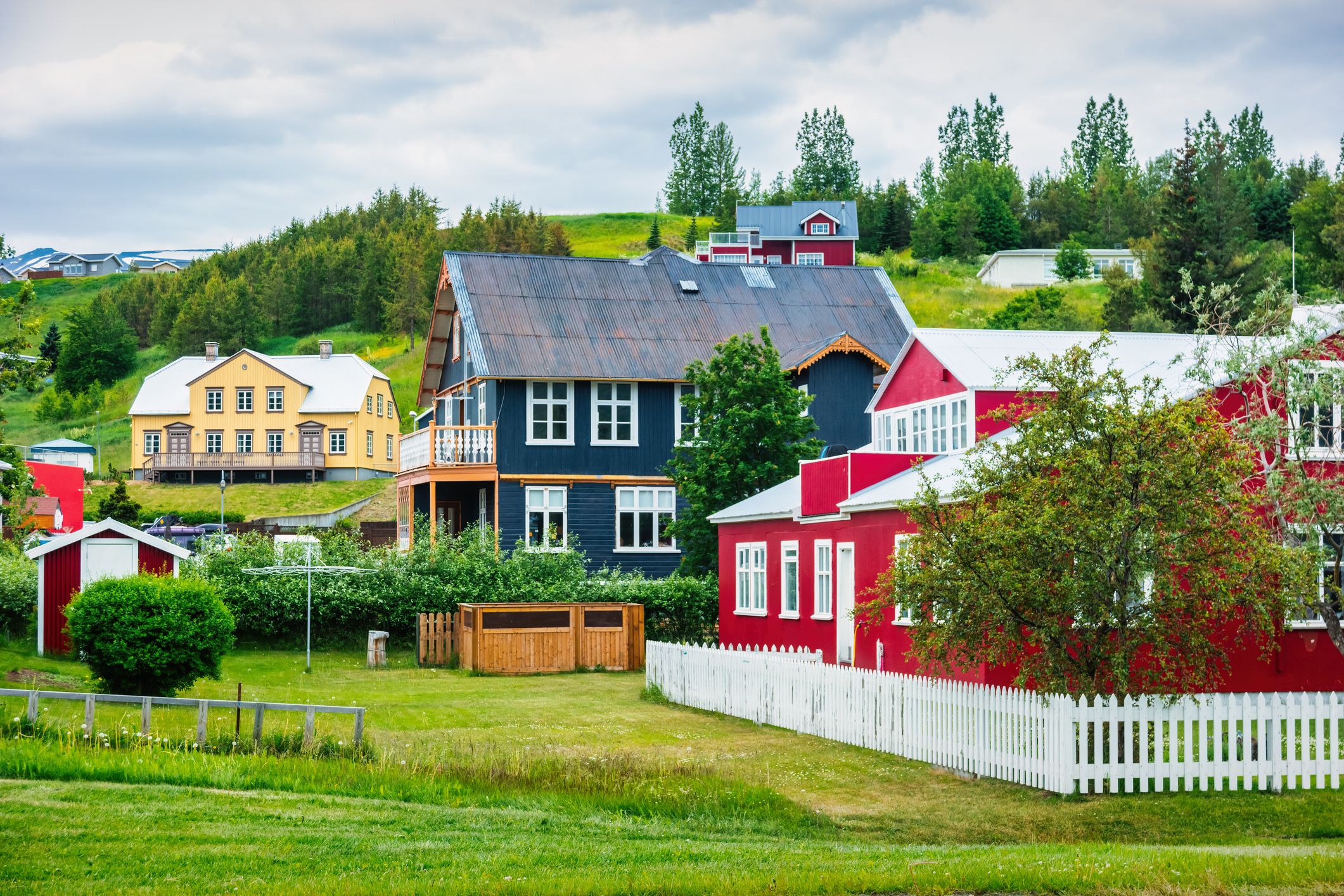
Akureyri makes a very good argument for abandoning the ship for several hours.
Most vessels berth within around ten minutes’ walk of the centre, so staying locally is entirely viable. Akureyri has an old town, art museum, botanical garden, geothermal swimming pool and whale-watching departures close to the centre. It is also Icelandically enormous, by which I mean roughly 20,000 people live there.
But northern Iceland’s big landscapes sit within striking distance. Goðafoss is around 30 kilometres east of Akureyri, while the Mývatn region adds lava formations, volcanic landscapes, caves and a lake scattered with around 50 small islands and skerries. Both form part of the wider Diamond Circle touring route.
If you only book one substantial landscape excursion on the cruise, Akureyri is a strong candidate. Staying in town is pleasant. Heading towards Goðafoss and Mývatn makes it obvious why the ship came this far north.
Seyðisfjörður cruise port: this time, stay put
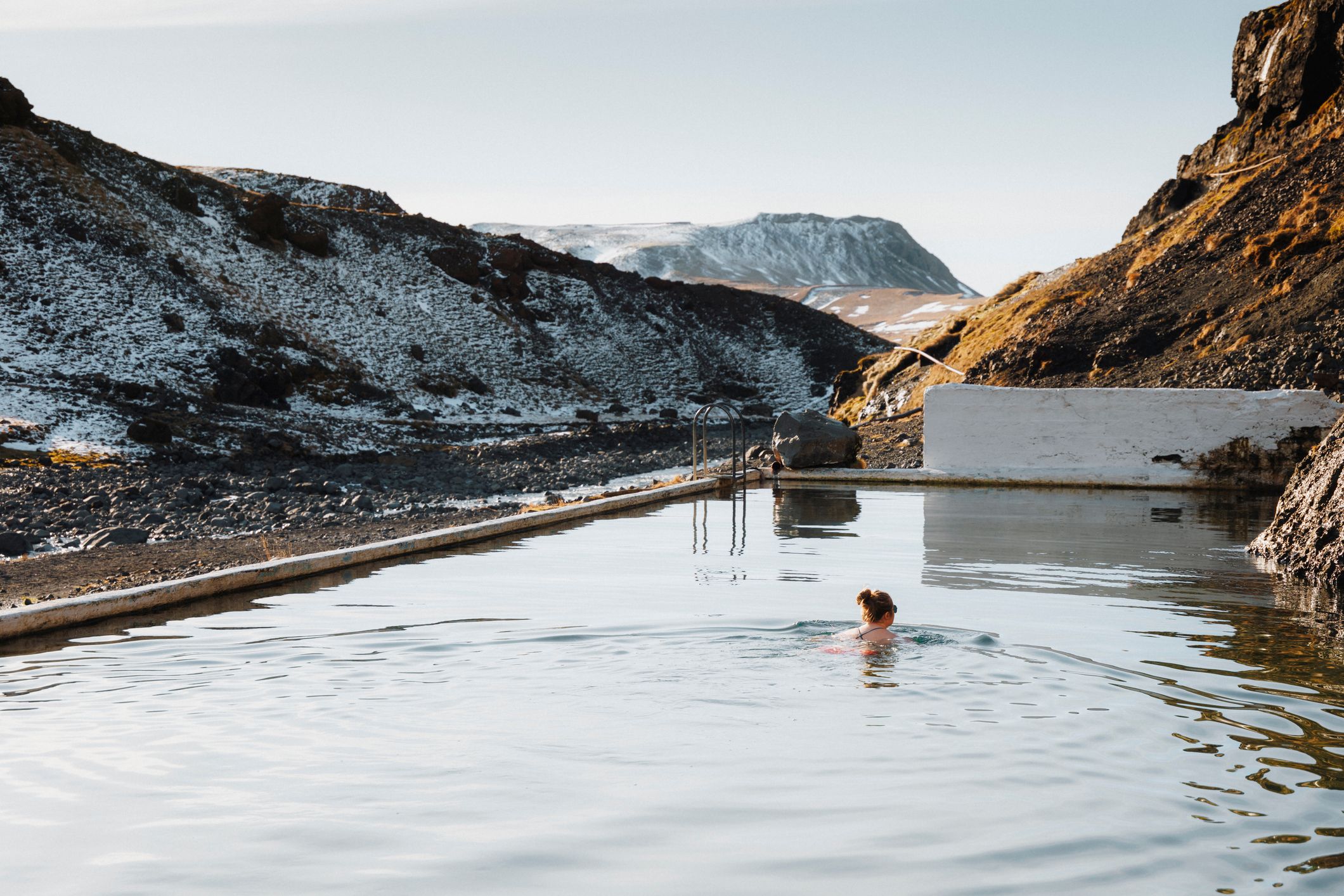
Seyðisfjörður is the corrective to the belief that every Icelandic port requires immediate removal from the port.
Around 700 people live in this Eastfjords town, surrounded by mountains and waterfalls. Its colourful early 20th-century wooden houses, arts scene, rainbow-painted street and blue church are all within the settlement, while walking trails lead straight from town towards waterfalls and the Tvísöngur sound sculpture in the hills.
You can go farther. Gufufoss waterfall is a short drive away, and the road climbing over Fjarðarheiði towards Egilsstaðir is spectacular in its own right. But unless you have a particular excursion in mind, I’d resist the instinct to immediately get on a coach.
Seyðisfjörður is one of the ports where the place you’ve sailed into is the attraction. It seems rude to spend two hours arriving somewhere this pretty and then flee it within nine minutes.
Djúpivogur cruise port: Iceland at a deliberately slower pace

Djúpivogur is smaller and stranger again.
The East Iceland fishing village belongs to the international Cittaslow movement, which promotes local food, craft and a slower pace of life. Its trading history dates to 1589, while Langabúð, the town’s oldest surviving building from 1790, now serves as a cultural centre.
Its most famous landmark is Eggin í Gleðivík, 34 oversized stone eggs representing bird species nesting locally, arranged beside the water on old industrial plinths. It sounds like the sort of public artwork somebody would invent after being asked to make Iceland slightly more Icelandic, but it is rather lovely.
This is another good independent port. Walk the waterfront, see the eggs and Langabúð, then continue around Búlandsnes for black-sand shoreline and views towards the pyramid-shaped Búlandstindur mountain.
Djúpivogur won’t give you a checklist of blockbuster attractions. That is largely the point.
Heimaey cruise port: volcanoes, puffins and a town that nearly disappeared
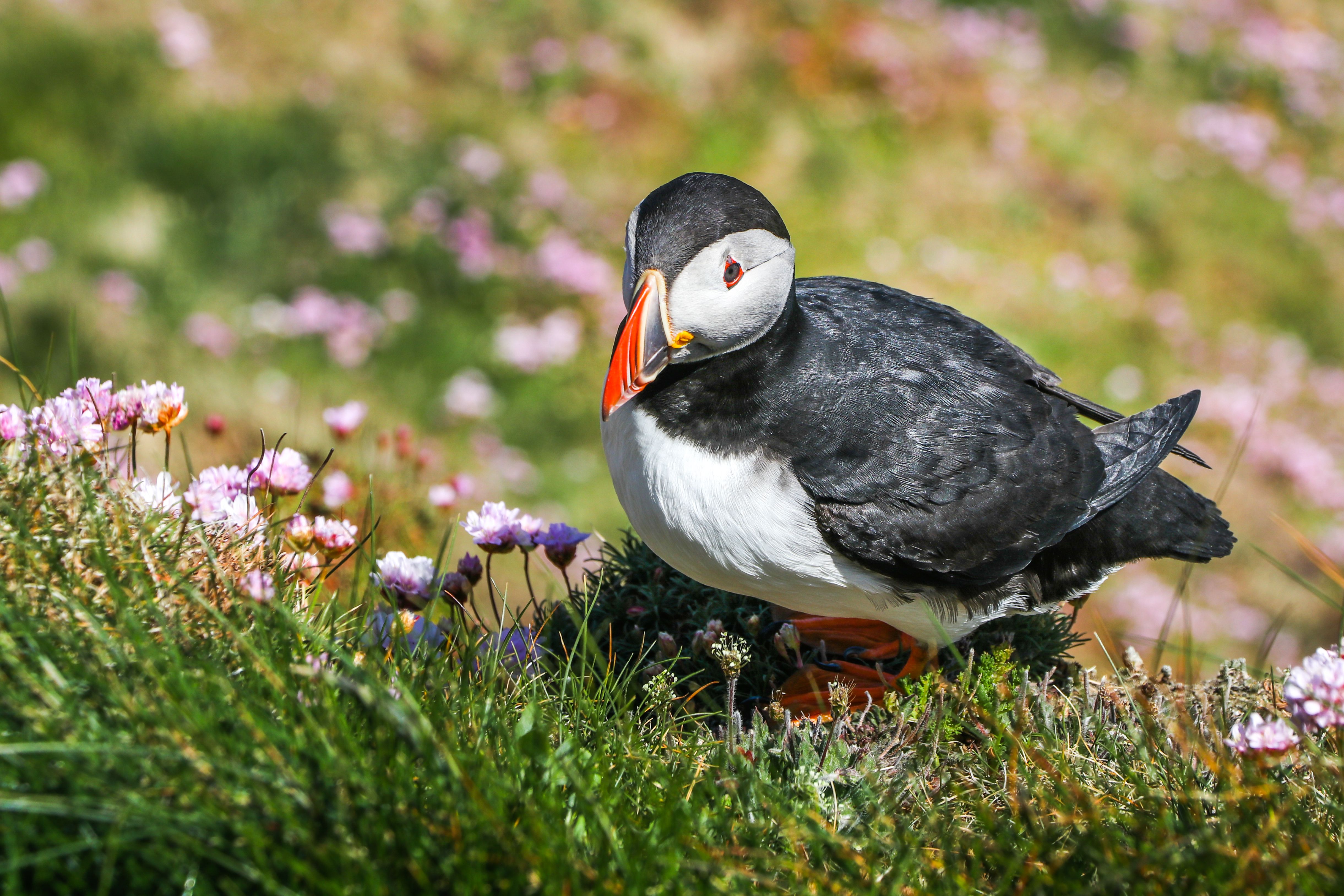
Then you reach Heimaey, the largest inhabited island in the Westman Islands, and suddenly the geology becomes considerably less theoretical.
In January 1973, a fissure opened beside the town and began the eruption that created Eldfell. Nearly the entire population was evacuated overnight, and lava and ash ultimately destroyed almost 400 homes and businesses. The eruption lasted around five months. Eldheimar museum now tells the story around the remains of a house buried during the disaster.
The town and museum are easy to combine independently, and walkers can continue up Eldfell itself. Visit South Iceland specifically recommends visiting Eldheimar before hiking the volcano, which has the helpful effect of explaining why the ground beneath your feet is several decades younger than many of the people walking on it.
For wildlife, a short island tour gets you farther out towards Stórhöfði and Heimaey’s puffin areas during the summer season. It’s one of the few cruise ports where a museum, a volcano and several thousand seabirds can all plausibly compete for your afternoon.
Is an Iceland cruise a good alternative to the Ring Road?
A cruise won’t replace a road trip if your ambition is to disappear inland, stop whenever the landscape looks interesting or spend several hours debating whether a gravel track constitutes a road.
What it does remarkably well is variety. Ísafjörður gives you the Westfjords, Akureyri opens up volcanic northern Iceland, Seyðisfjörður and Djúpivogur show two very different versions of the east, and Heimaey finishes with a landscape reshaped within living memory. Reykjavík bookends the whole thing without requiring you to return a hire car with a previously undocumented noise coming from beneath it.
The trick is not treating every port in the same way. Go independently in Reykjavík, Seyðisfjörður and Djúpivogur. Consider heading farther afield from Ísafjörður and Akureyri. On Heimaey, you barely need to choose, because the town and the landscape have rather inconveniently grown into one another.
You won’t have driven Iceland’s Ring Road.
You may, however, have sailed a fairly convincing version of it.