If mainland Britain feels a bit busy these days, the Outer Hebrides have a simple response: a long Atlantic horizon and a stretch of empty white sand the length of a London postcode. Seen from the sea, this island chain is surprisingly easy to navigate, which is why so many small ships and ferries now knit their way up its spine each summer.
Where exactly are the Outer Hebrides?
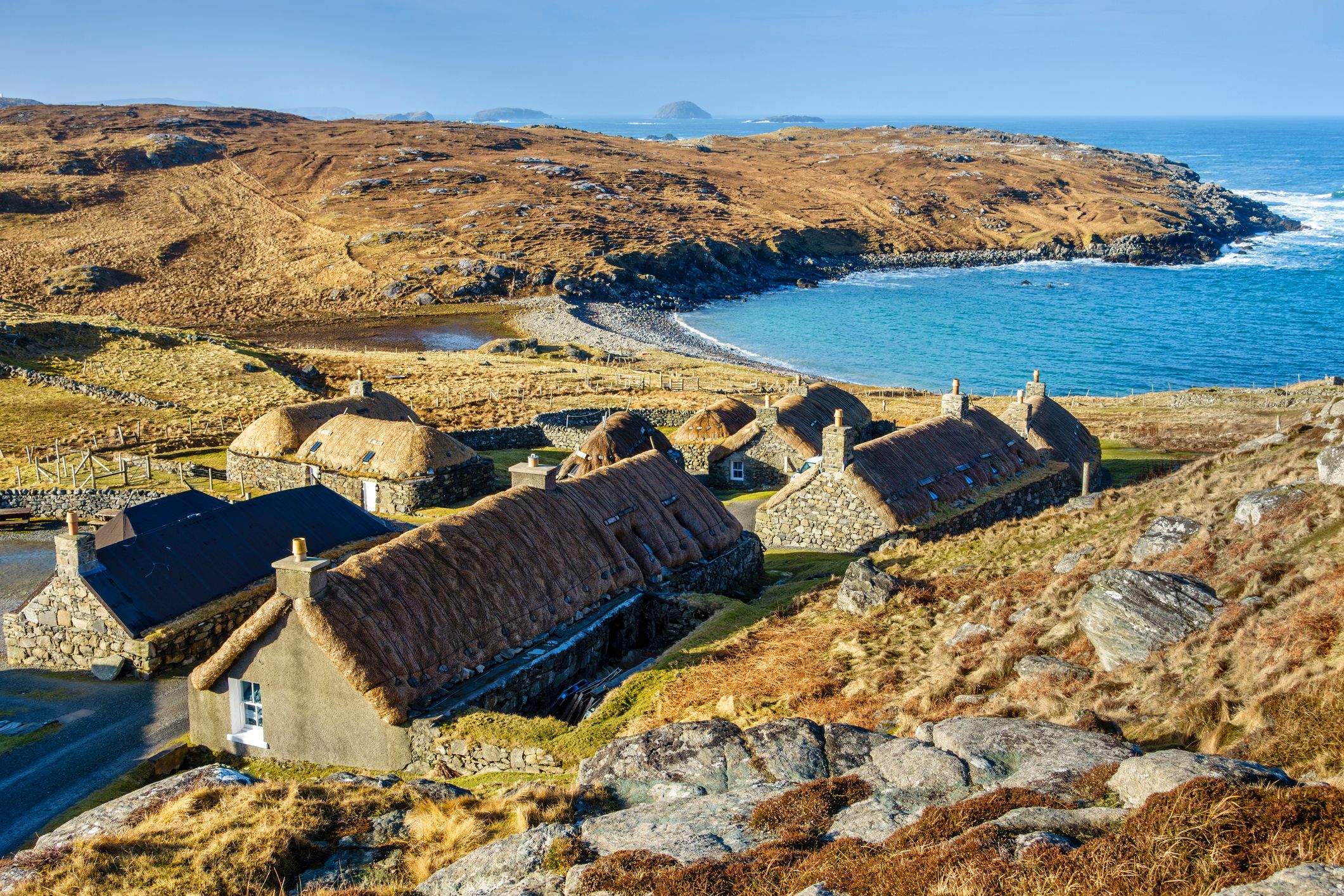
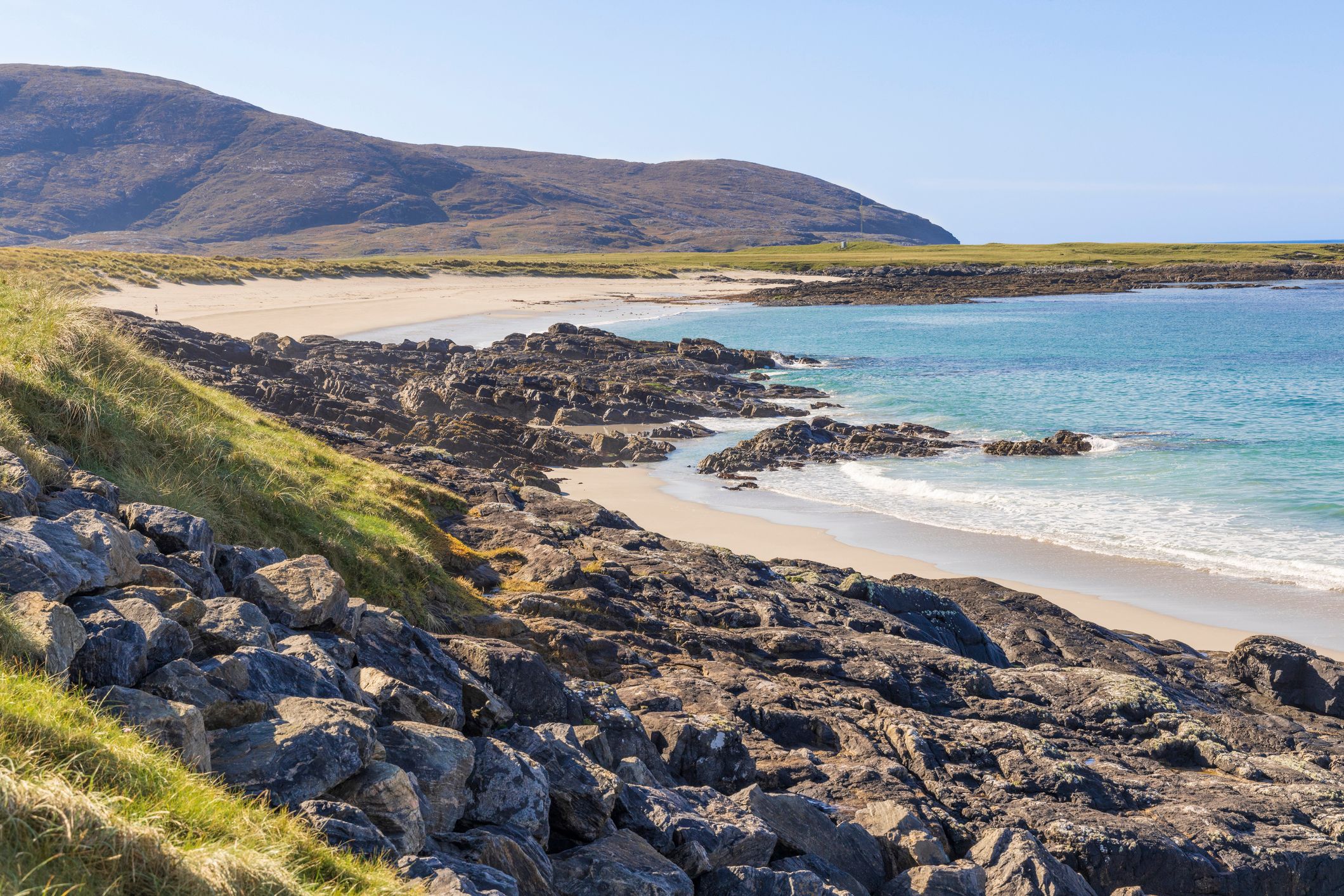
Picture Scotland, then slide your finger left until you almost fall off the map. The Outer Hebrides, or Western Isles, run for about 130 miles off the northwest coast, from Barra in the south to Lewis in the north, with Harris, North Uist, Benbecula, South Uist and a scatter of smaller isles in between.
The big names on a cruise itinerary are usually:
- Stornoway, the main town on Lewis and the hub for larger ships and ferries
- Harris, plus its poster-child beaches Luskentyre and Scarista, think pale sand and turquoise water
- The Uists and Benbecula, low-lying and wild, with long Atlantic beaches and vast machair
- Barra and Vatersay, where planes land on the beach and the ferries feel like local buses with better views
Out beyond even this chain lies St Kilda, a separate UNESCO World Heritage archipelago that sits forty miles into the Atlantic.
Why the islands work so well from a ship
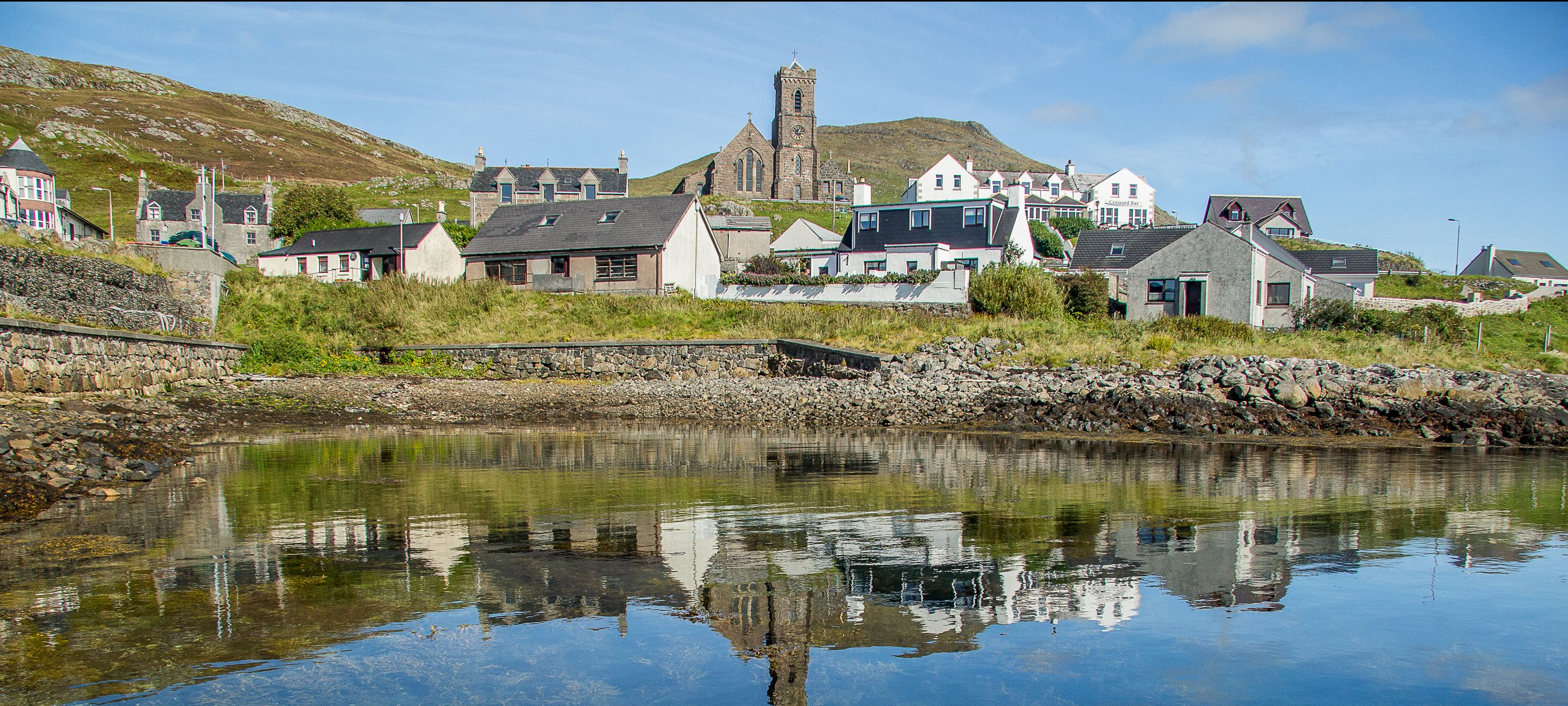
The Hebrides were built for sea travel long before anyone thought of cabin categories. Roads between islands are recent. Harbours, on the other hand, are everywhere, from the busy deep water terminal at Stornoway to tiny piers where the ship looks comically oversized next to the village.
Coming in by water gets you three things you do not get from a land trip alone. First, the sense of how remote the chain really is; a day of low Atlantic swell tells you more than any brochure language about “wild edges”. Second, access to smaller, harder to reach islands such as Mingulay, Vatersay or the Shiant Isles, which are much easier to drop into on a small ship than to reach by stitching together ferries.
Third, you see the big landscapes as they are meant to be seen, from sea level: Harris’s mountains rising straight out of the water, long beaches unrolling either side of a tiny settlement, sea eagles circling over the stern while dolphins do their best to upstage them.
When to sail the Outer Hebrides
You can technically arrive at any time of year, but for cruise purposes the season runs from late spring to early autumn.
Most guides agree that late April to the end of June is the sweet spot, with long daylight, plenty of wildlife activity and slightly kinder weather. May and June often bring the driest conditions and brilliant light without the busiest summer crowds, and they are also prime months for seabirds and wildflowers on the machair.
July and August have the warmest sea temperatures and the most sailings, but also school holidays, higher prices and midges in calmer, sheltered spots. If you prefer a quieter deck and do not mind an extra layer, September can be lovely, with softer light and fewer people.
Winter trips exist, usually on hardy small ships, and offer dark skies, wild storms watched from inside, and the occasional aurora. They are magical and slightly unhinged, which may be exactly what you want.
Types of trip: cruise ship or DIY ferry hop?
There are three main ways to “sail the Outer Hebrides” if you are thinking cruise rather than yacht charter.
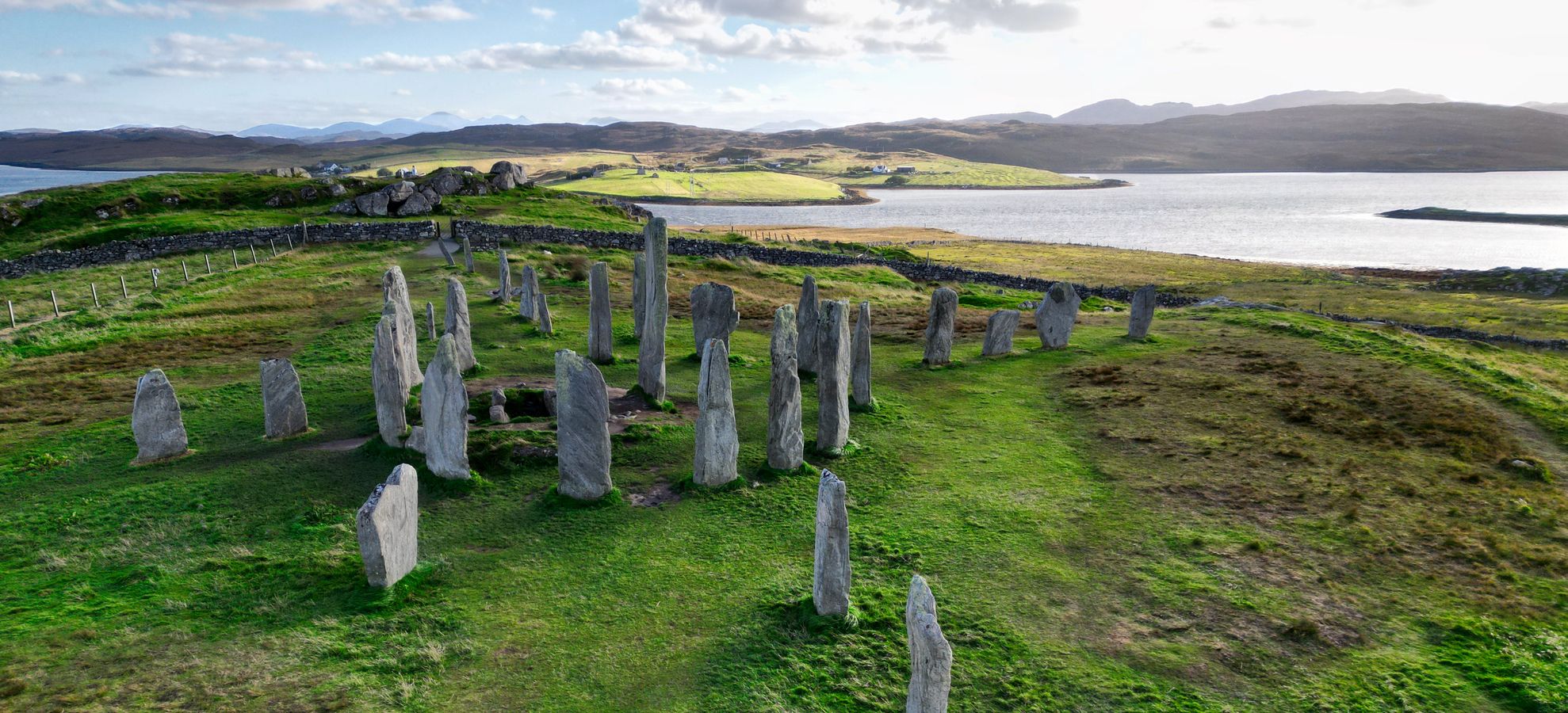
Larger ocean ships tend to dip in and out on British Isles or Iceland routes, usually calling at Stornoway on Lewis. You will get a day for the standing stones at Callanish, possibly the Butt of Lewis lighthouse and a quick look at Harris’s beaches if you move briskly. It is a good taste, but you will leave with the feeling you have skimmed the surface.
Small ship cruises, on the other hand, are built around the islands. Lines such as Hebridean Island Cruises, Hebrides Cruises, The Majestic Line and expedition brands like HX run itineraries that stir together Barra, the Uists, Harris, Lewis and, when weather behaves, St Kilda. These are typically seven to ten nights, often sailing from Oban, and feel more like a floating country house or guesthouse that simply changes view every morning.
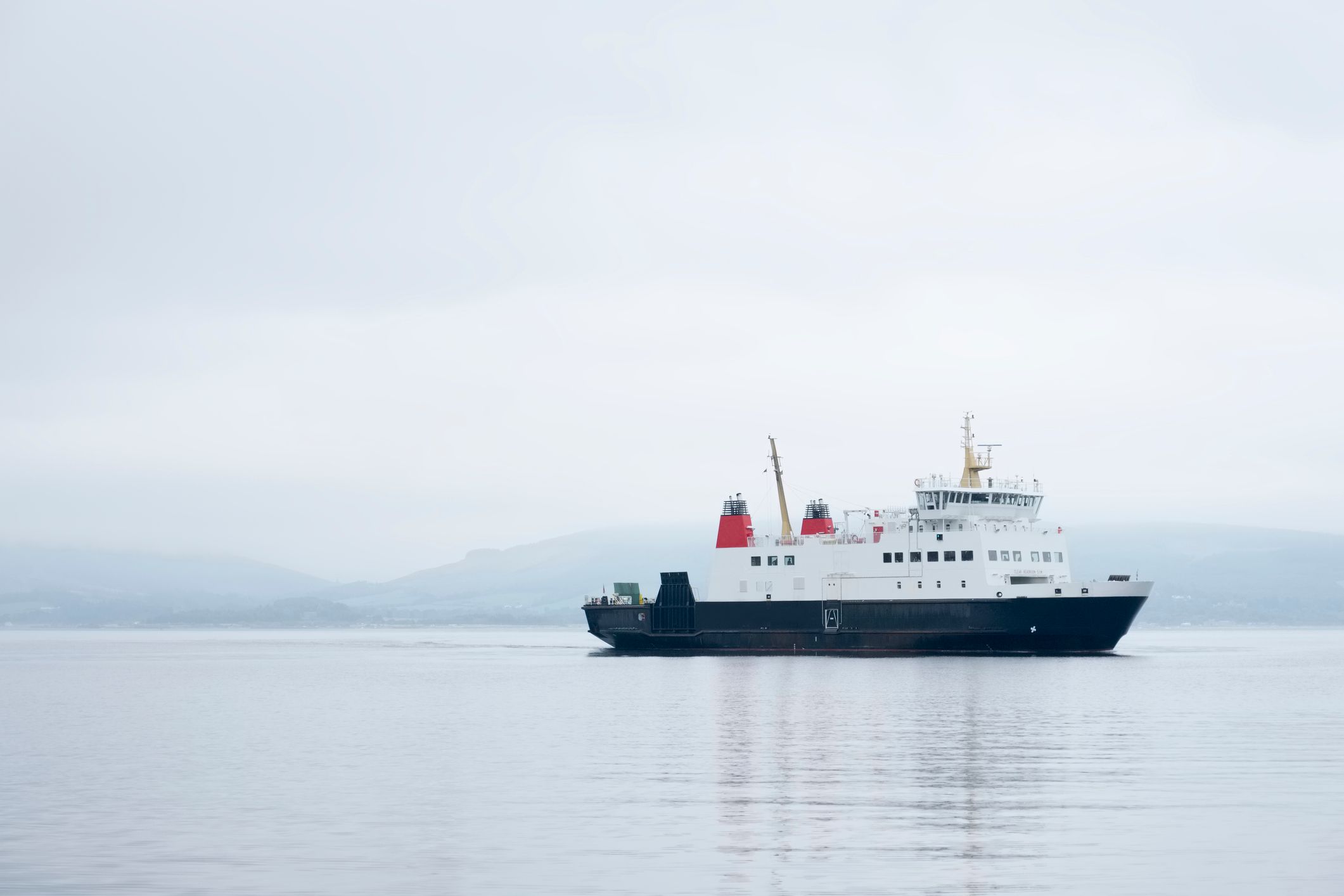
Then there is the CalMac option. Caledonian MacBrayne ferries run the Island Hopscotch routes that locals actually use, including the classic Oban to Barra to the Uists to Harris to Lewis chain, returning to Ullapool. This is not a cruise in any formal sense; you will be booking your own accommodation and possibly panicking about late-running connections like a true islander. It is also an excellent way to see how the islands fit together, especially if you like the idea of mixing ferries with occasional small-ship day cruises.
Key stops along the chain
You could spend an entire article on each island, but if you are looking at a route map and wondering what you are actually signing up for, here is the short version.
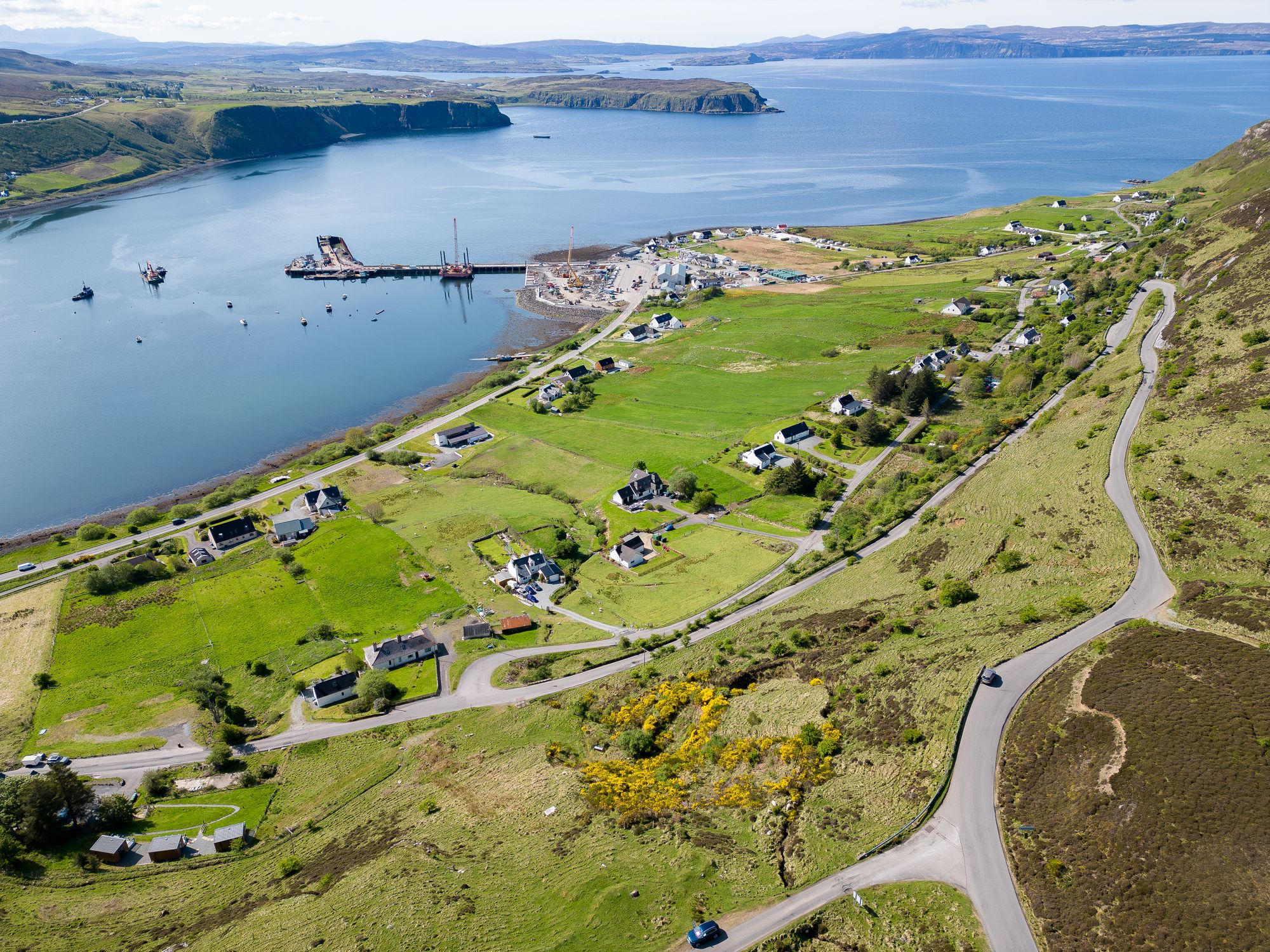
Lewis and Harris are technically one island, divided by a border and a sense of personality. Lewis is bigger, with peat moor, cliffs and the main town of Stornoway, plus the Neolithic Callanish stones, which look even better when the ship’s tender is the last thing in the bay and the tour buses have gone. Harris is famous for its beaches, its tweed and a landscape that looks like the Highlands have wandered too close to the sea.
The Uists and Benbecula feel quieter and more spacious again. North and South Uist are connected by causeways and pinned between long Atlantic beaches on one side and sea lochs on the other. This is where you begin to see more birds than people, especially if your skipper nudges close to places like the Monach Isles or the shallow banks that attract seals and dolphins.
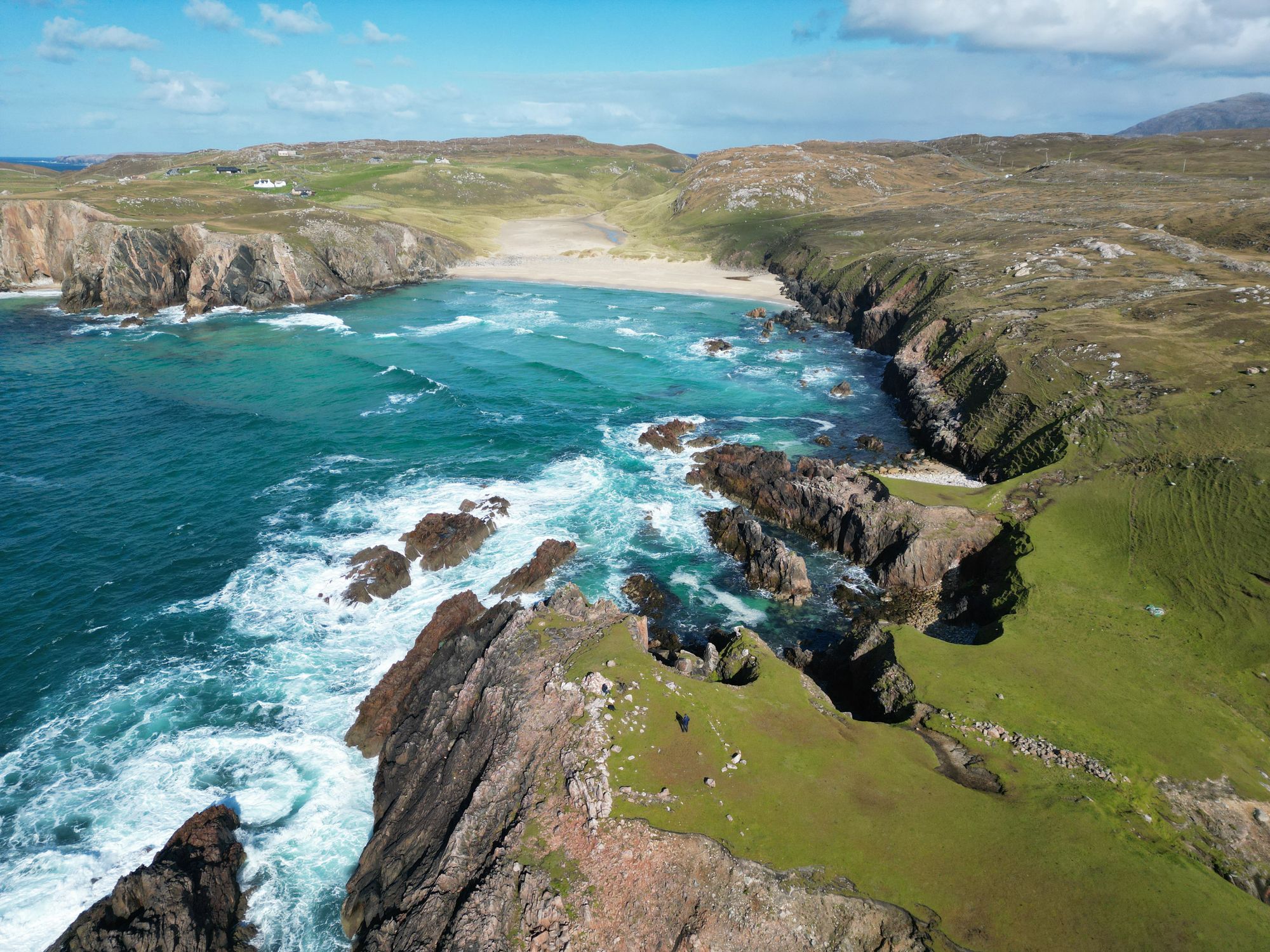
Barra and Vatersay are the finale at the southern end. Barra’s claim to fame is the airport where the runway is the beach, complete with actual tide times in the flight schedule. Vatersay, linked by causeway, has curves of sand that look imported from the Caribbean until you step into the water and remember you are still in the North Atlantic.
If St Kilda appears on your itinerary, treat it as a very welcome bonus rather than a guaranteed stop. Those 400 foot cliffs and thousands of seabirds do not come with calm seas on demand. When conditions allow, the combination of seabird colonies, abandoned village and sheer geology is one of the most extraordinary experiences in British waters.
What it is actually like on board
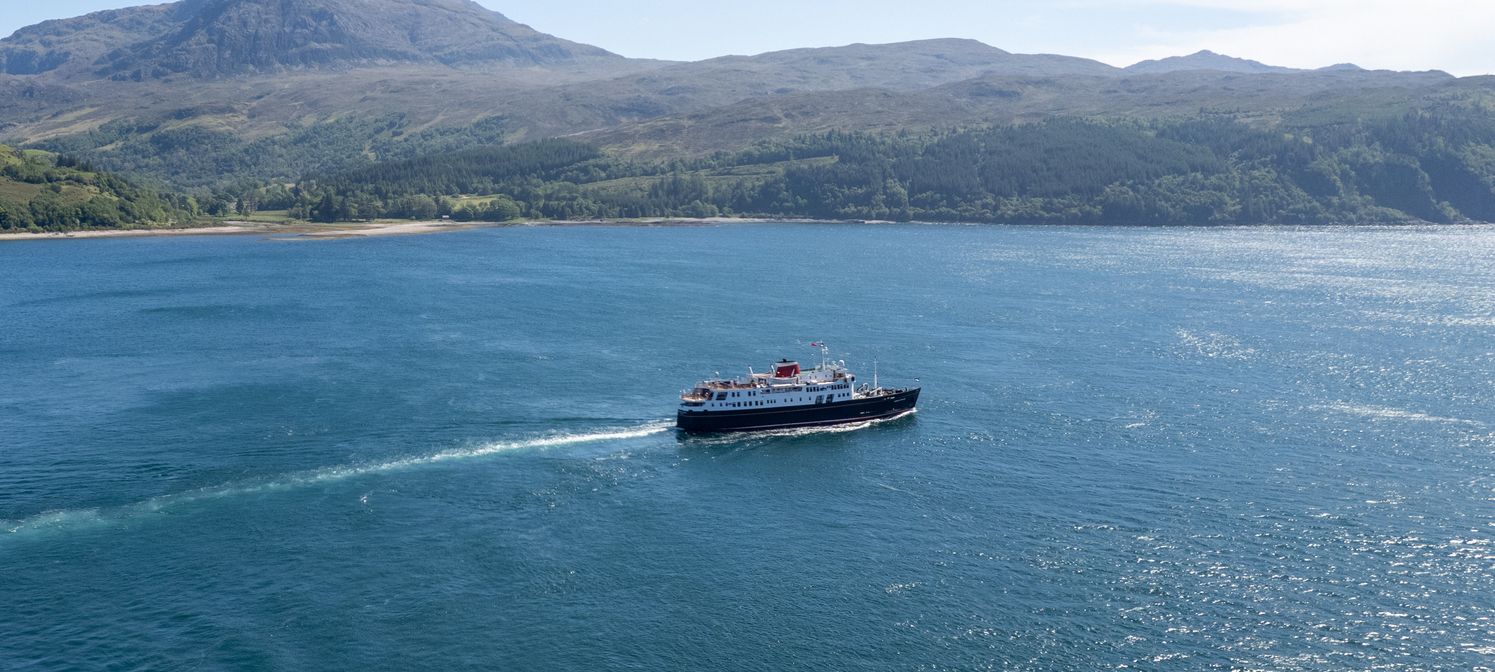
Even in summer, the Outer Hebrides remind you that this is the Atlantic, not an ornamental lake. Swell is usually long and rolling rather than dramatic, but if you are prone to seasickness, bring the usual remedies and consider a smaller, slower vessel that can tuck in close to land when needed.
Days tend to slide between gentle sailing and shore time. On wildlife focused cruises you might spend an hour at the rail listening to the guide get genuinely excited about a distant splash, then take a tender into a sea loch for a walk up to a ruined church or a crofting village. On more itinerary led trips, you will be doing a mix of coach tours, short hikes and semi-heroic amounts of tea drinking in community cafés.
Behaviour on deck is casual, even on the smarter small ships. Outdoor gear, layers and a hat that does not attempt escape at every gust will be more useful than anything involving sequins. Shoes should cope with both wet gangways and the odd hill path. If your idea of “shore excursion” is mostly cafés and photos, you will fit in just as well.
Weather, wildlife and midges
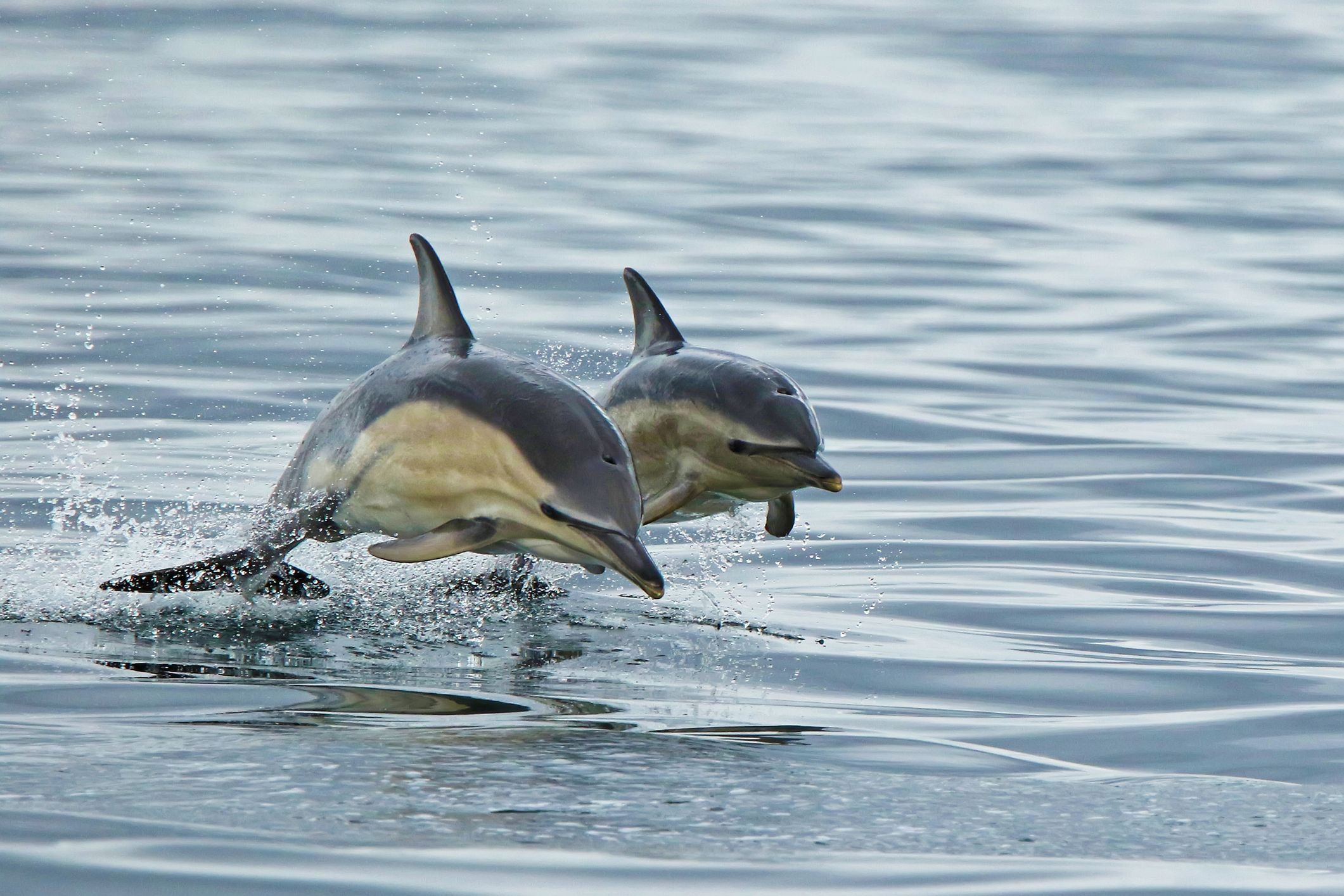
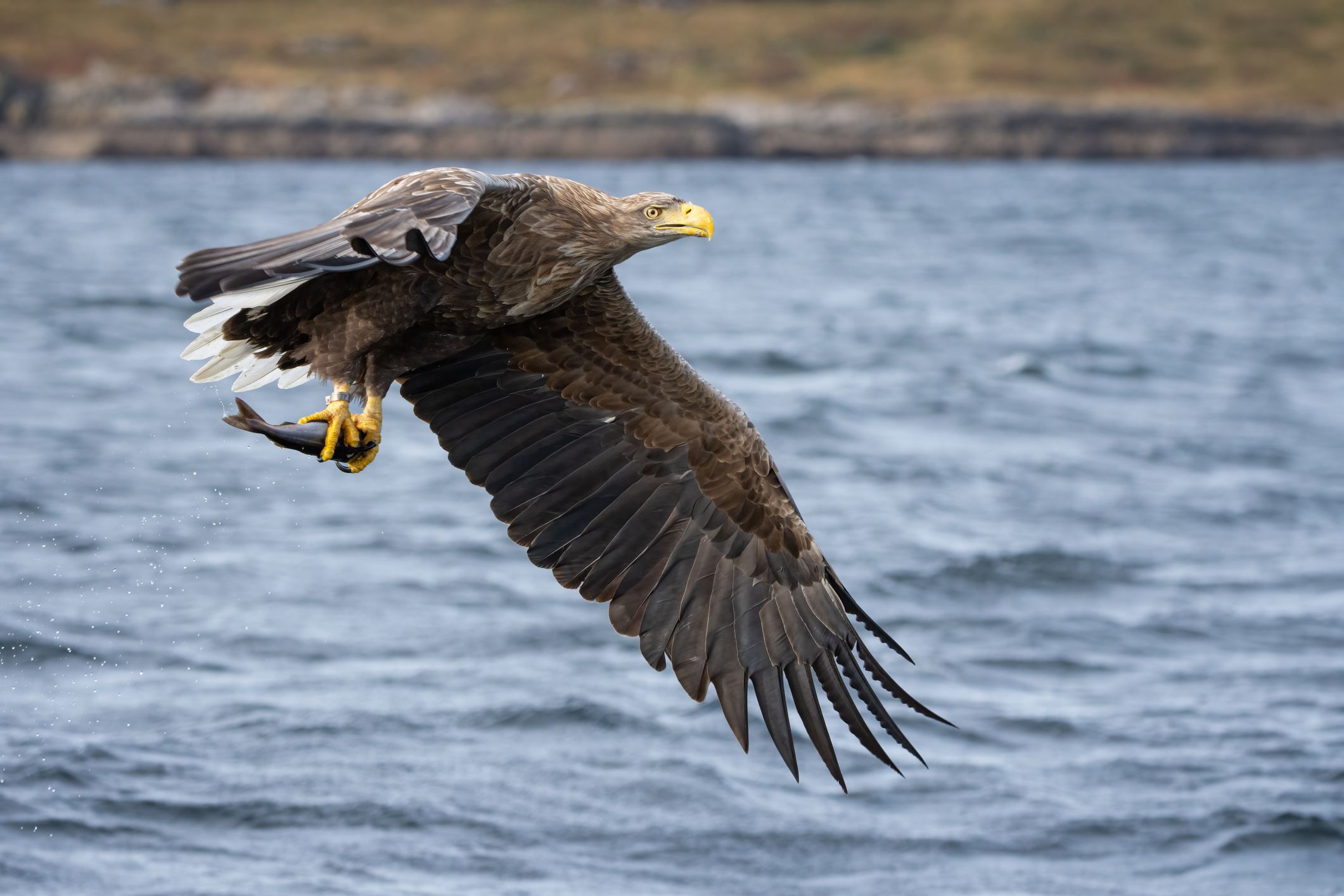
The weather changes often and quickly. This is an advantage if you have just had three days of low cloud, because the odds of a sudden blue sky moment are surprisingly high. The light is one of the main draws; on a clear evening in June it barely gets dark at all.
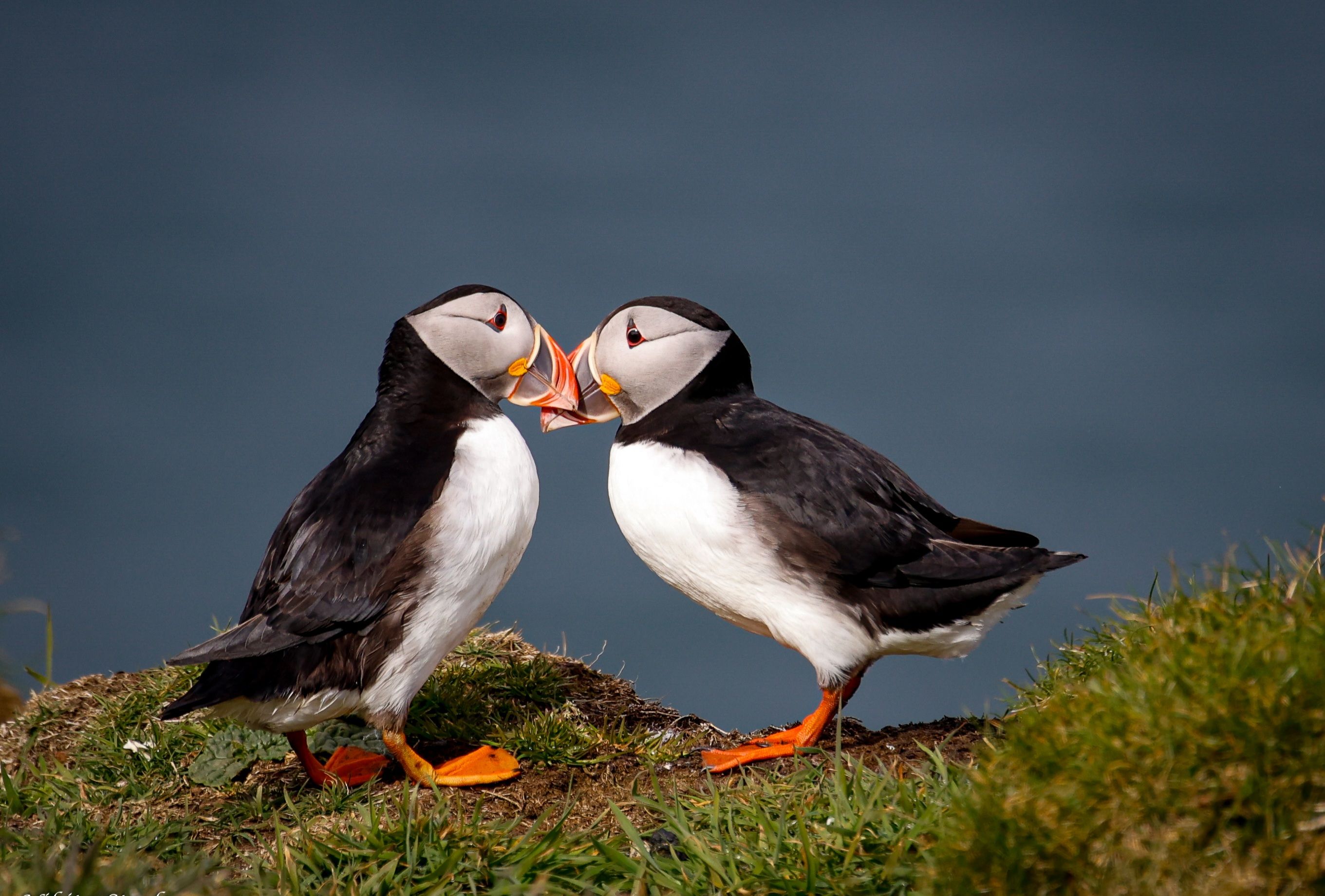
Wildlife is quietly superb. Sea eagles, golden eagles, puffins on certain islands, gannets, dolphins, porpoises and the occasional minke whale all put in regular appearances on small ship itineraries, particularly around the Shiants and St Kilda. Guides on specialist vessels tend to be genuinely knowledgeable rather than just good at pointing in a vague direction, which makes a difference when you are trying to distinguish “distant rock” from “very still seal”.
As for midges, the islands are breezier than the mainland, which helps. They are most noticeable in calm, humid conditions near fresh water from June to August. On deck, moving air and open sea do most of the work for you; on shore, a dab of repellent and the willingness to keep walking rather than standing in a damp field complaining usually does the rest.
How to choose the right trip
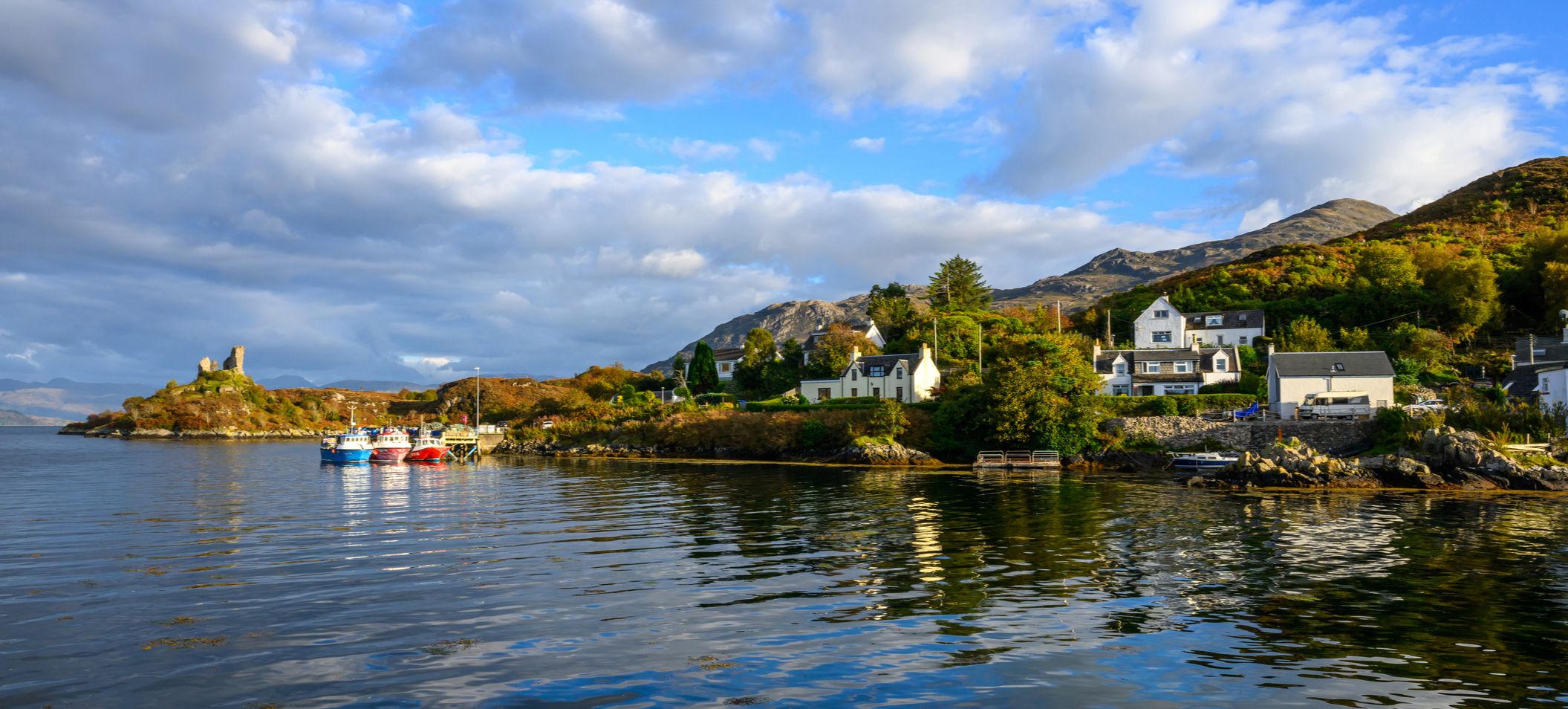
The question is not so much “can I sail the Outer Hebrides” as “which version suits me”.
If you like the familiarity of bigger ships and want to bolt a Hebridean day onto a wider British Isles or Iceland itinerary, look for routes that include Stornoway and perhaps an anchorage off Harris or the Uists.
If you want something that feels like it has been designed around the islands themselves, lean towards the small ship lines and read their itineraries carefully. Some put more emphasis on wildlife, others on culture and history; some build in a serious attempt at St Kilda, others focus on the main chain and spend more time exploring it slowly.
If you positively enjoy timetables, CalMac’s Island Hopscotch tickets let you stitch together your own grand tour, connecting Oban, Barra, the Uists, Harris and Lewis into a DIY cruise that swaps sundowners for coffee in ferry terminals.
Whichever route you pick, the essentials are the same. Pack more layers than you think you need, fewer “smart” outfits than your inner pessimist recommends, and leave room in your mental schedule for the way these islands work on you.
The Outer Hebrides are not trying to seduce anyone. They are simply getting on with being themselves: a long run of rock, sand and sea, best approached from a ship, with a mug of something warm in one hand and the rail under the other.