From a distance, an Antarctic penguin colony looks rather charming. Hundreds of little black-and-white figures dotted across the snow, waddling between their nests and the sea. Then you get closer and discover the noise, the squabbling and, perhaps most memorably, the smell.
The photographs tend to leave that bit out.
For passengers on an Antarctic expedition cruise, visiting a penguin colony can be one of the great wildlife experiences. But what actually happens when you go ashore, how close can you get, and when are you most likely to see chicks?
What happens when you visit a penguin colony in Antarctica?
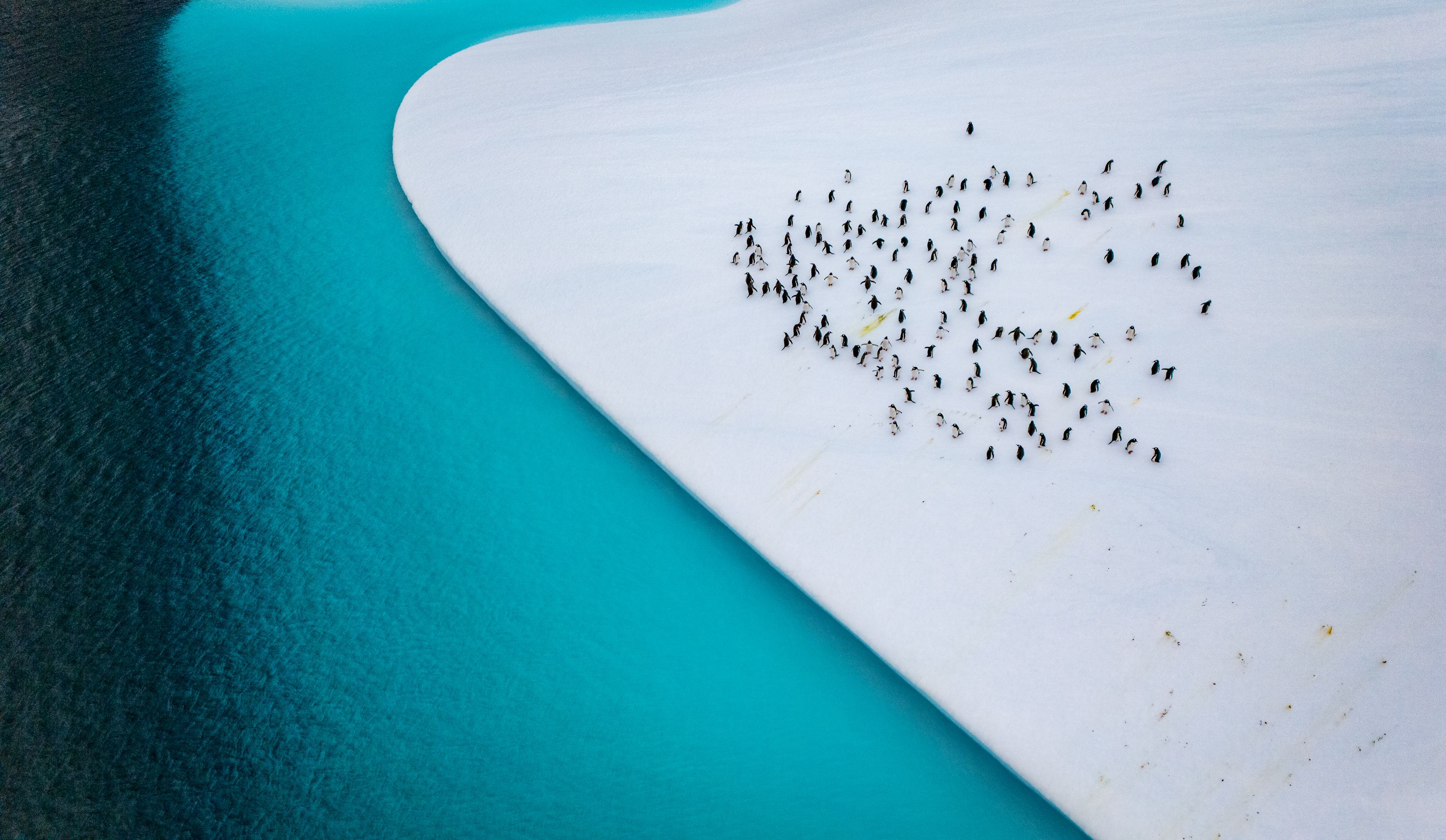
Most expedition ships use small inflatable boats, known as Zodiacs, to take passengers ashore. The journey can be spectacular in itself, passing icebergs and towering cliffs, occasionally with penguins darting through the water alongside.
Before landing, the expedition team assesses the conditions and establishes where visitors can safely walk. You'll generally be wearing waterproof boots, and your clothing and equipment will have been cleaned to prevent the spread of foreign organisms and disease.
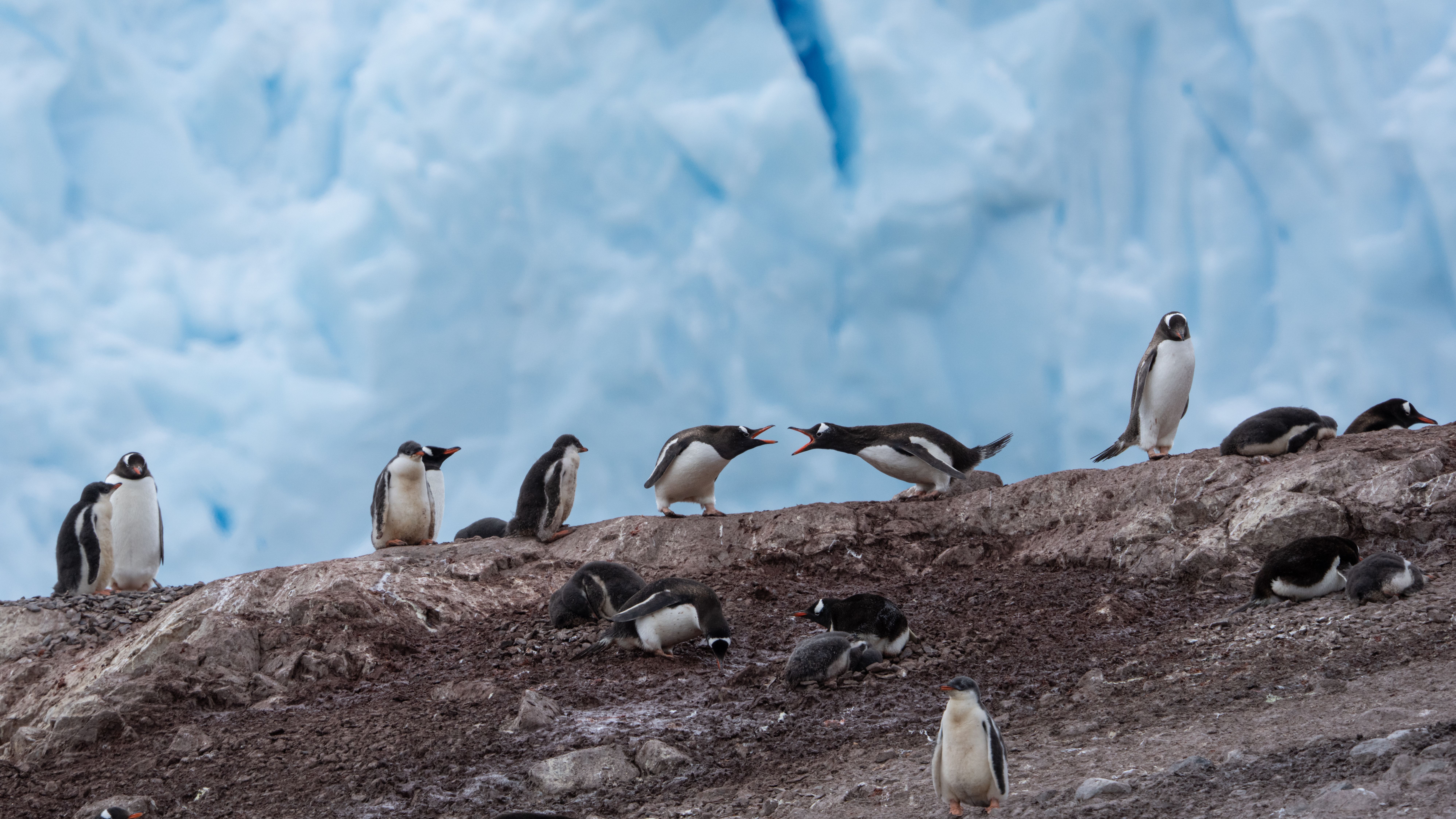
Once ashore, the entertainment is entirely unscripted. Penguins are surprisingly argumentative creatures. They defend their nests, squabble with neighbours and occasionally steal stones from one another. Some colonies contain thousands of birds, creating a tremendous racket of calls, squawks and braying noises.
Then there's the guano. Penguin colonies can be smelt from a considerable distance, although it's remarkable how quickly you stop noticing when there's a particularly entertaining domestic dispute unfolding in front of you.
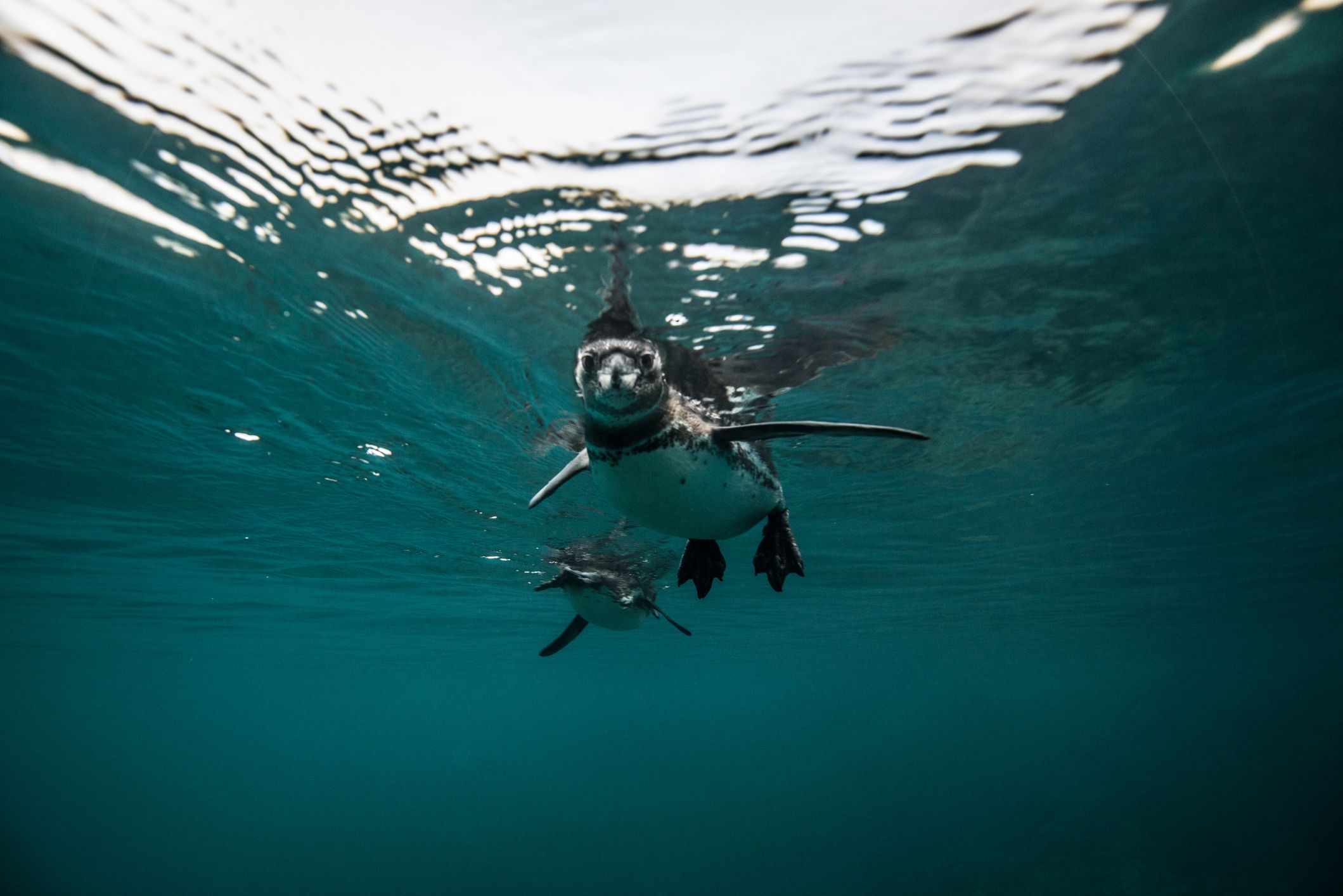
Watching penguins move between land and sea is equally absorbing. On shore, they're often comically ungainly, negotiating rocks and snowdrifts with varying degrees of success. In the water, they're extraordinarily agile, swimming at speed and sometimes leaping clear of the surface.
It's rather like discovering that somebody who's incapable of walking down the stairs without falling over is secretly an Olympic swimmer.
How close can you get to penguins in Antarctica?
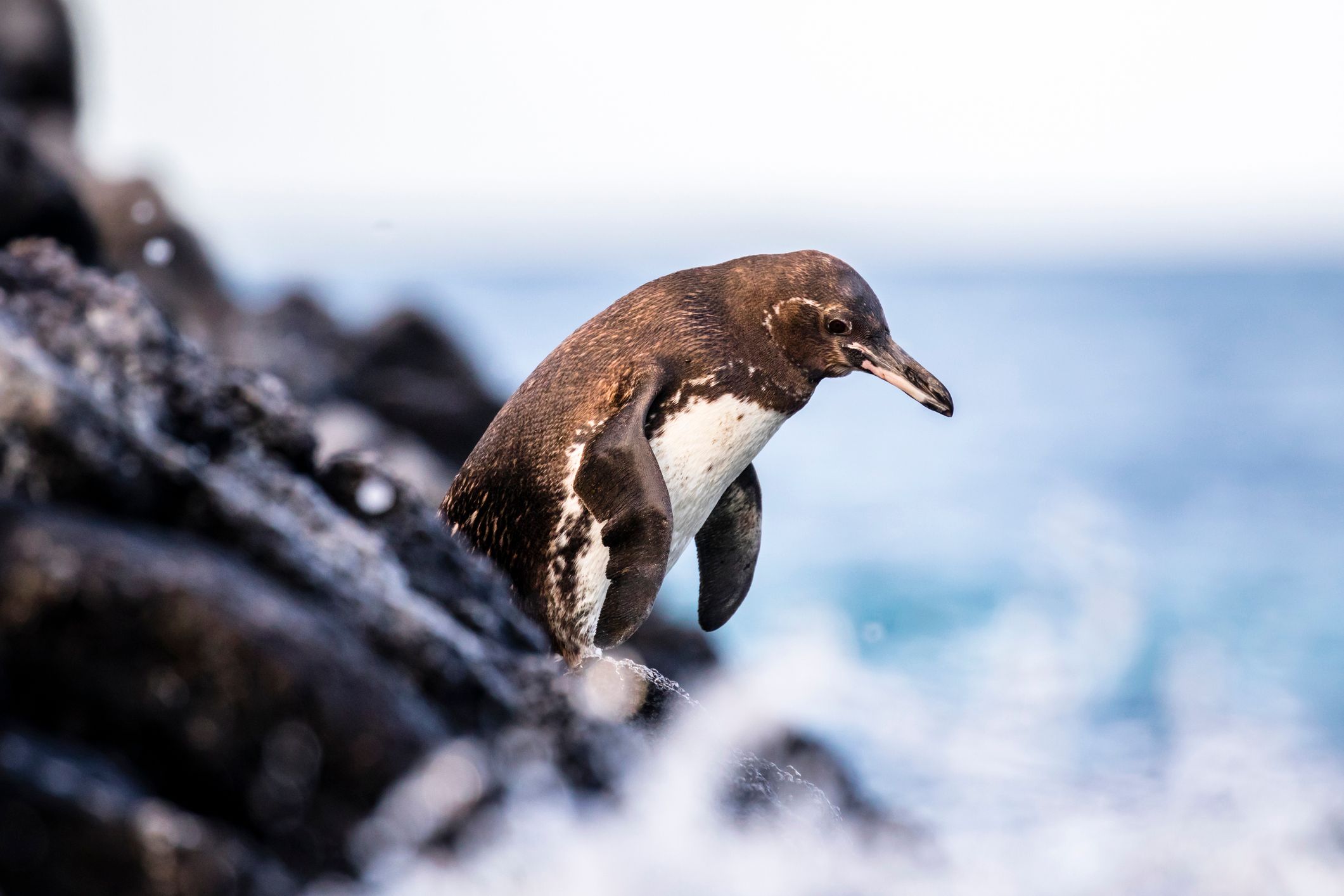
There's a persistent idea that Antarctic penguins are so curious about humans that they'll happily come over to investigate. Sometimes they do, but visitors mustn't encourage it.
The International Association of Antarctica Tour Operators (IAATO) advises keeping at least five metres away from penguins on land, with greater distances necessary in some circumstances. You mustn't touch or feed them, and guides may ask you to move farther away if an animal appears disturbed.
It's particularly important to avoid blocking the established routes penguins use between their nests and the water. These so-called penguin highways are essential for birds returning from feeding trips, often carrying food for their chicks.
And if a penguin approaches you? Stay calm, follow your guide's instructions and give it room to continue on its way. Getting a photograph isn't worth interfering with an animal's routine.
The best encounters are often those in which the birds carry on behaving as though you weren't there.
Which penguin species can you see on an Antarctic cruise?
Three species are particularly common around the Antarctic Peninsula and South Shetland Islands.
Gentoo penguins have distinctive orange-red bills and white markings above their eyes. Chinstraps are named for the fine black line beneath their heads, while Adélie penguins have black heads and striking white eye rings.
All three are fascinating to observe, particularly during the breeding season, when colonies become crowded with nesting pairs and hungry chicks.
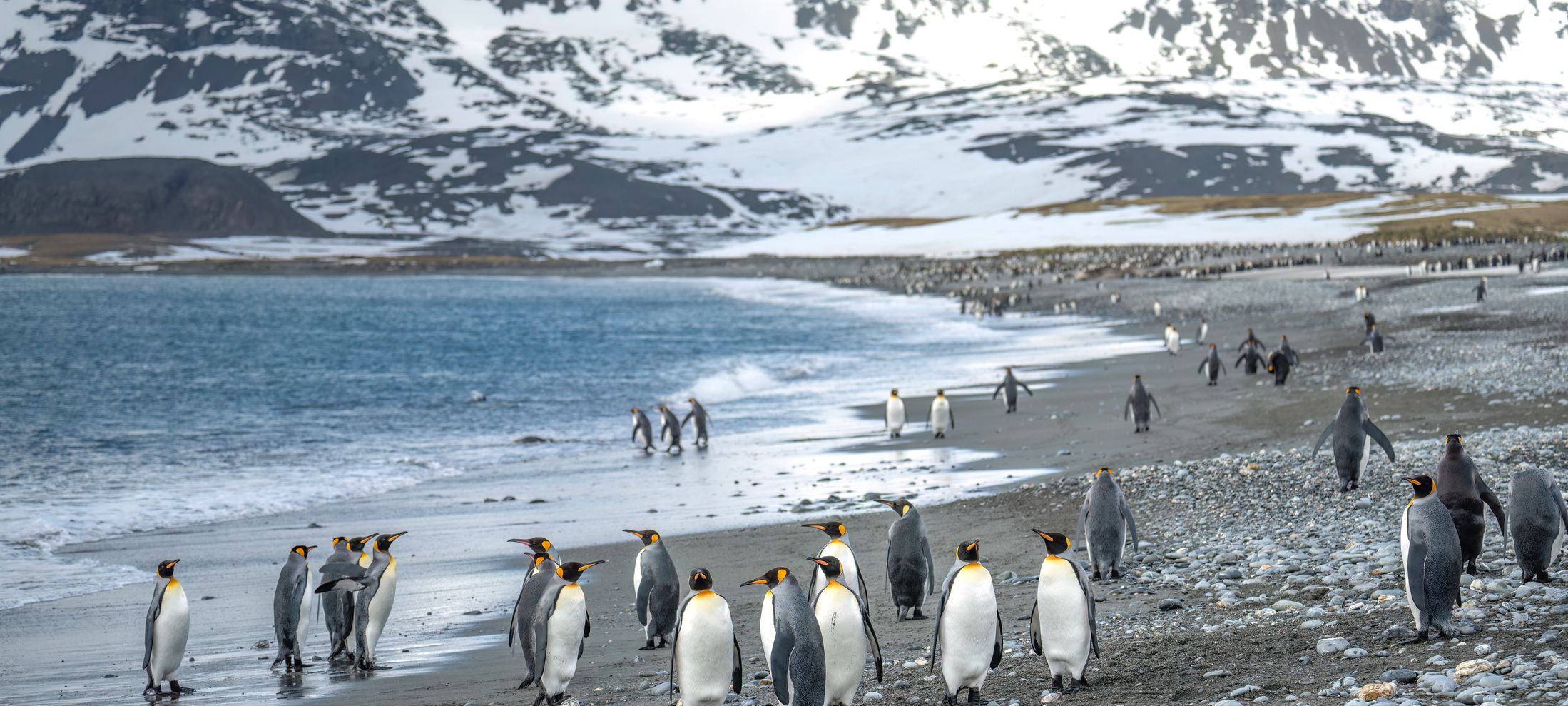
Emperor penguins are a different proposition. Despite their enormous popularity, they're rarely encountered on standard Antarctic Peninsula cruises, as their breeding colonies are generally located in remote sea-ice habitats.
For king penguins, look instead at expedition itineraries visiting South Georgia, where immense colonies are among the island's principal attractions.
When is the best time to see penguin chicks in Antarctica?

The Antarctic cruise season generally runs from November to March, with penguin behaviour changing as the summer progresses.
November and December are particularly interesting for nesting activity, as birds establish territories, court partners and lay eggs.
By late December and January, chicks begin appearing in many colonies. Parents make regular journeys to sea to find food, returning to feed increasingly demanding youngsters.
During February, chicks become more independent, sometimes gathering together in groups called crèches. Later in the season, some adults undergo their annual moult, replacing their feathers before returning to the water.
The precise timing varies by species, location and environmental conditions, but January and early February are especially appealing if seeing chicks is a priority.
Bear in mind that no operator can guarantee a particular encounter. Weather, ice and wildlife protection requirements can all affect where ships land. IAATO also limits shore visits to 100 passengers at a time, with expedition staff supervising the landing.
How to see penguins on an Antarctic expedition cruise in 2027
If you'd like to visit a colony rather than simply spot penguins from the ship, choose a landing-capable expedition cruise.
HX Expeditions' 12-day Highlights of Antarctica programme includes several days exploring the Antarctic Peninsula region, with escorted shore landings and small-boat excursions where conditions permit.
For a longer adventure, HX's Life Returns: Springtime Expedition to Antarctica is scheduled to depart on 23 October 2027, with an itinerary encompassing the Falkland Islands, South Georgia and Antarctica.
Swan Hellenic also offers Antarctic Wonders aboard SH Diana, departing 8 December 2027. Its expedition programme includes opportunities for Zodiac excursions and shore visits, with possible stops at penguin breeding sites. A February 2027 departure aboard SH Vega is another option for late-summer wildlife watching.
Landings and sightings are never guaranteed, so look carefully at the time allocated to Antarctic exploration and what activities are included in the fare. You can also read our guide to stepping ashore in Antarctica for more practical advice.
Ultimately, there's something wonderful about travelling thousands of miles, crossing one of the world's most notoriously rough stretches of ocean and finding yourself completely absorbed by two penguins arguing over a pebble.
They probably won't notice you've come all that way. But you'll certainly remember them.