You probably already know there will be penguins, ice and a great deal of weather. What surprises most people about an Antarctic cruise is everything around that: the rules, the gear, the small ships, and the fact that your boots get their own spa treatment. Here are ten things worth knowing before you book.
Antarctica starts long before you see ice
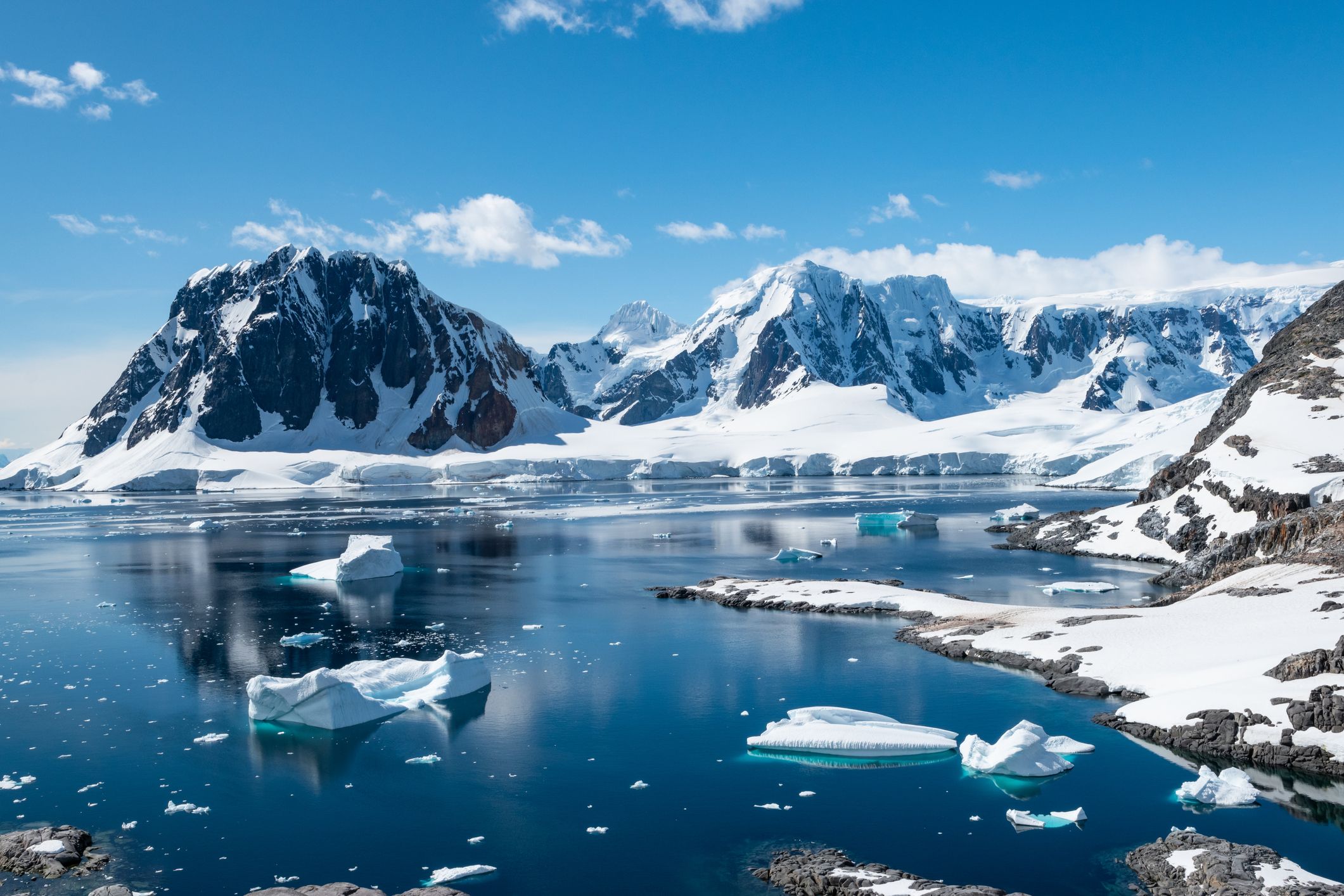
Most visitors reach Antarctica by ship from southern South America, usually from Ushuaia or Punta Arenas. That means at least two days crossing the Drake Passage before any icebergs appear. Expedition lines such as HX Expeditions, Quark Expeditions, Silversea, Ponant and Viking focus on this route, usually on small ice strengthened ships carrying a few hundred guests rather than thousands.
So the trip is not just a quick photo stop. It is a full blown voyage with sea days, lectures and a lot of time to get used to your waterproofs. If you really cannot face the Drake (one of the planet's most nortoriously rough patches of ocean), a handful of “fly and cruise” trips use charter flights from Chile to meet the ship in the South Shetland Islands, but availability is limited and prices rise accordingly.
Not every Antarctica cruise lets you step on the continent
A slightly awkward truth: some “Antarctica” itineraries never actually land. Large conventional cruise ships that call at the peninsula are usually “cruise by” only. You get the views from deck, perhaps a zodiac ride if numbers allow, then sail away again.
If you want to set your boots on snow, visit penguin rookeries and walk among the ice formations, you need an expedition style voyage on a smaller ship that follows the guidelines of the International Association of Antarctica Tour Operators (IAATO). These rules limit the number of visitors in each landing site and cap the maximum number of people ashore at 100 at any one time, with at least one guide for every 20 guests.
There is a strict dress code, and it starts at your doorstep
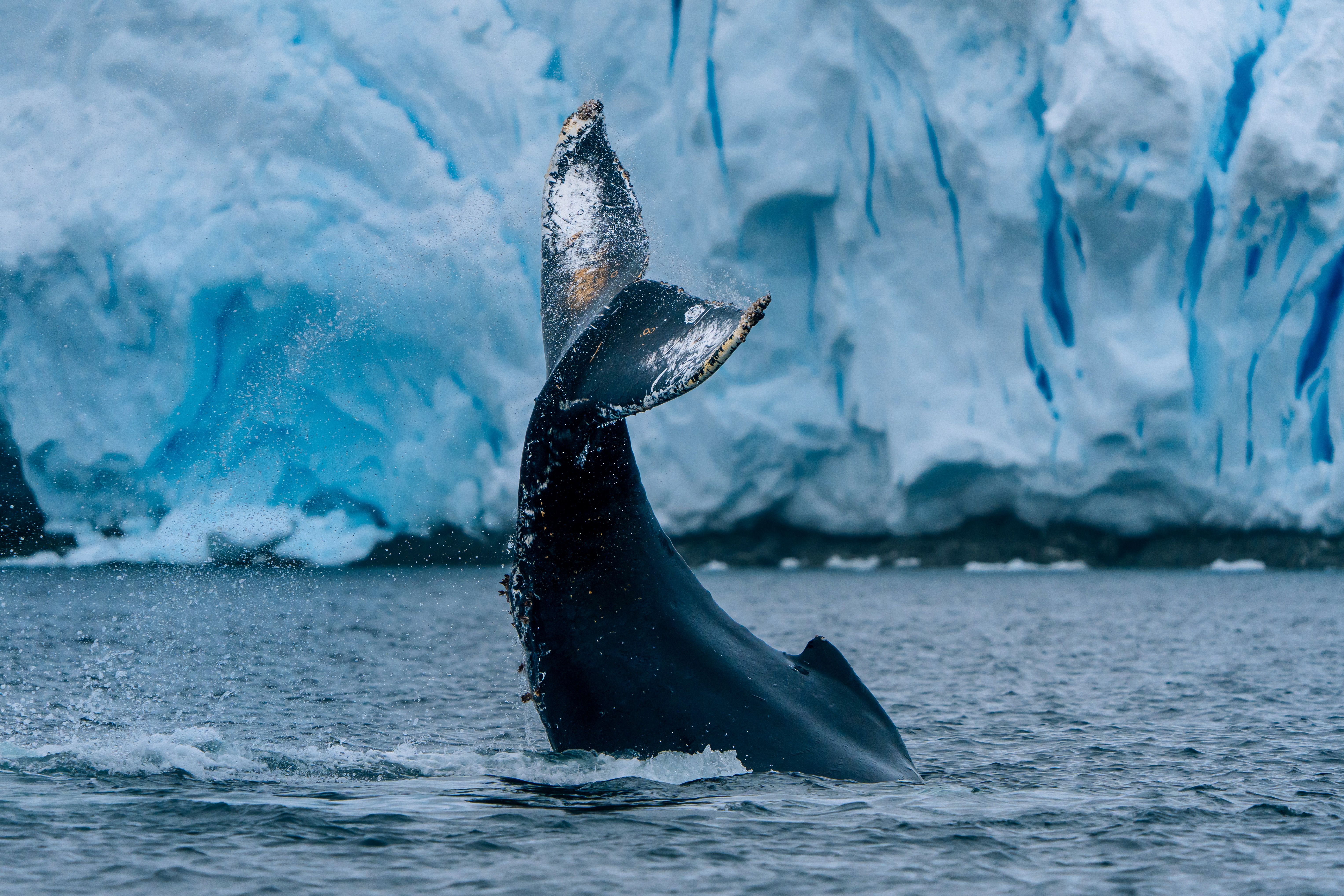
The good news is you probably will not need to buy a new parka. Most expedition lines provide a heavy waterproof jacket, sometimes as a loan, often as a souvenir. Knee high insulated “muck boots” are issued for all landings, which you pick up while still on board.
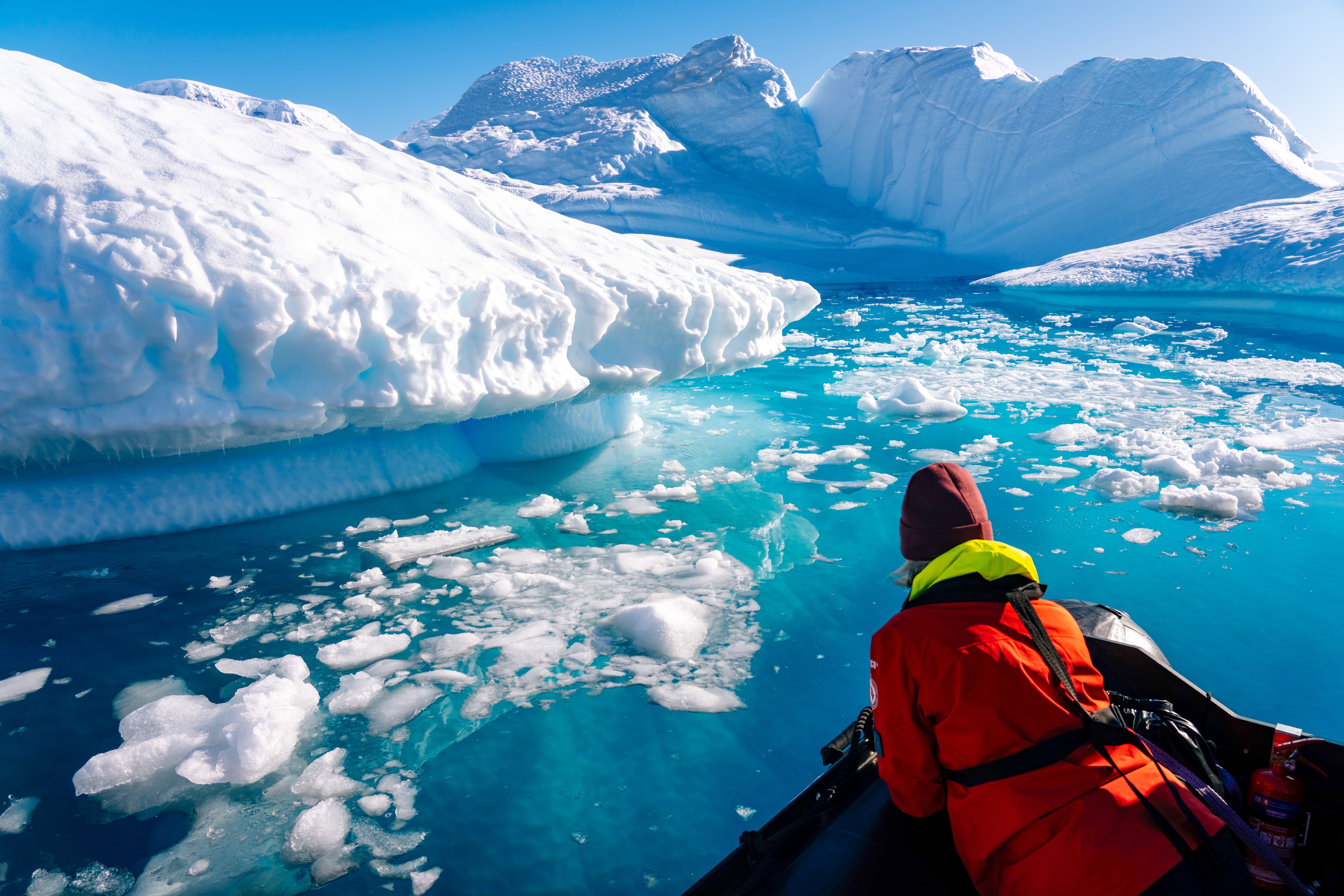
What you must bring is everything that goes underneath. Layers are the law: thermal base layers, a warm mid layer, windproof gloves, a beanie and proper waterproof trousers for bouncing around in zodiacs. Cotton is about as useful as a chocolate ice axe. Imagine a cold, wet speedboat ride that occasionally delivers sideways sleet and dress accordingly.
Your boots will be cleaner than your phone

Antarctica takes biosecurity very seriously. Before the first landing you will sit through a briefing that covers how to avoid importing seeds, soil or crumbs. Staff will ask you to vacuum Velcro fastenings on backpacks, clean tripod feet and brush every ridge of your muck boots (which will be issued to you).
Each time you leave or return to the ship, you walk through disinfectant trays and scrub brushes so that nothing unwanted travels between landing sites. IAATO’s visitor guidelines spell out these procedures to prevent non native species getting a foothold in fragile ecosystems.
It might feel like a faff, but it's one of the reasons Antarctica still looks astonishingly pristine.
The daily schedule is more safari than cruise


A typical day on a peninsula expedition has the rhythm of a game drive rather than a city tour. Expedition leaders and the bridge team scan the weather and ice charts, then decide which landing sites or zodiac cruises are realistic.
You might spend the morning stepping around gentoo penguins at Cuverville Island, then switch plans in the afternoon when the wind changes and head for a glacier lined bay instead. There is almost always one shore landing and one zodiac cruise on a good day, sometimes two of each if conditions behave themselves.
Land time is not a free for all. Because only 100 people can be ashore at once, guests are rotated in small groups, often with colour coded tags and carefully timed briefings.
The rulebook for wildlife encounters ensure's wildlife stays protected

Those close up penguin photos you have seen everywhere are not quite the whole story. IAATO guidelines set minimum distances for wildlife, typically five metres for penguins and seals, more for whales.
The key thing to understand is that you never approach animals, and if they do approach, it's essential to move away where possible. Young penguins in particular are notorious for wandering over to inspect boot laces. Guides will gently move you back if they start getting close.
You also cannot bring food ashore, you must avoid standing on “penguin highways” that lead from nest to sea, and you absolutely do not collect souvenirs. The only thing you bring back is photos and a faint smell of guano.
There is far more colour than white
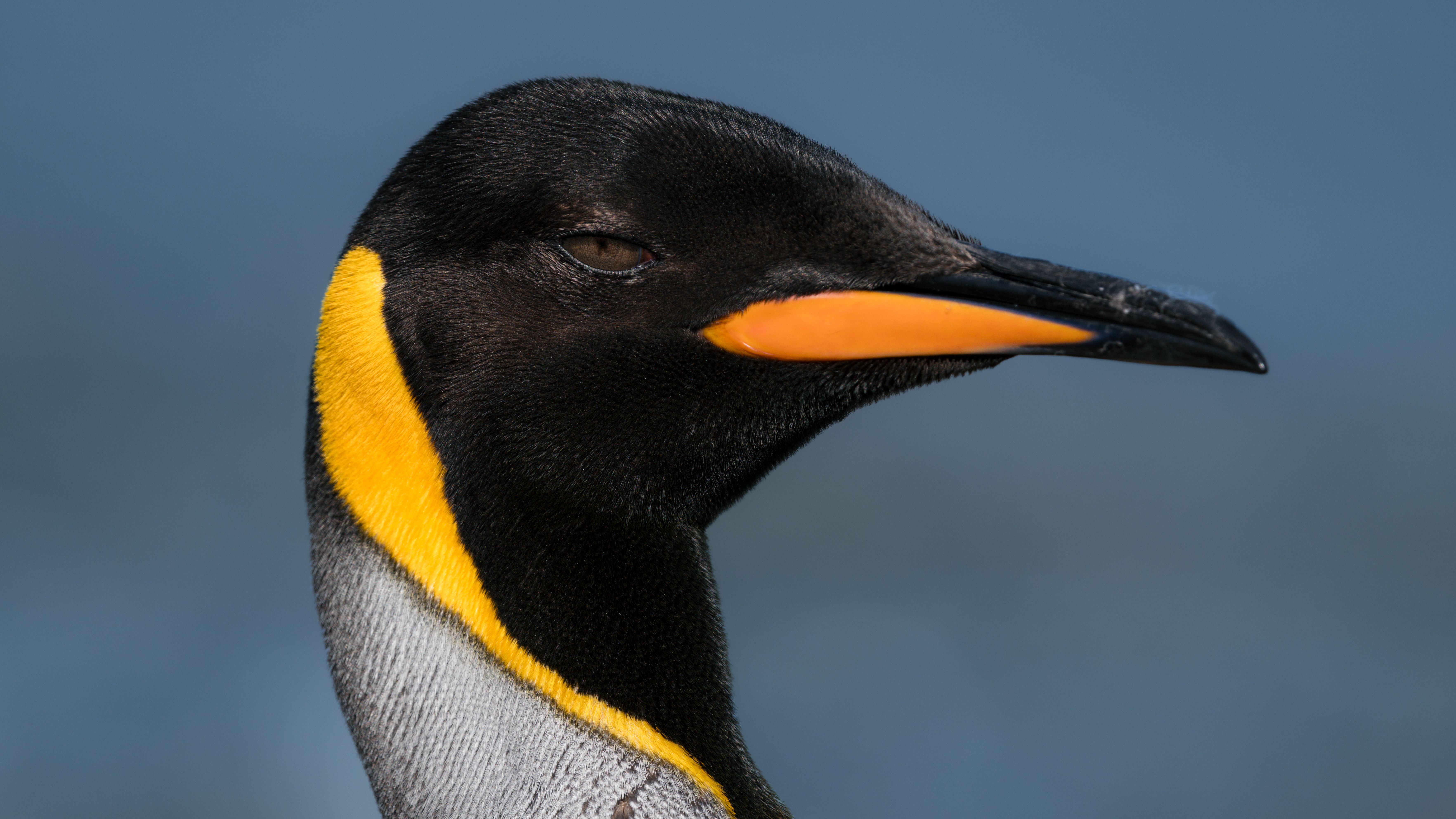
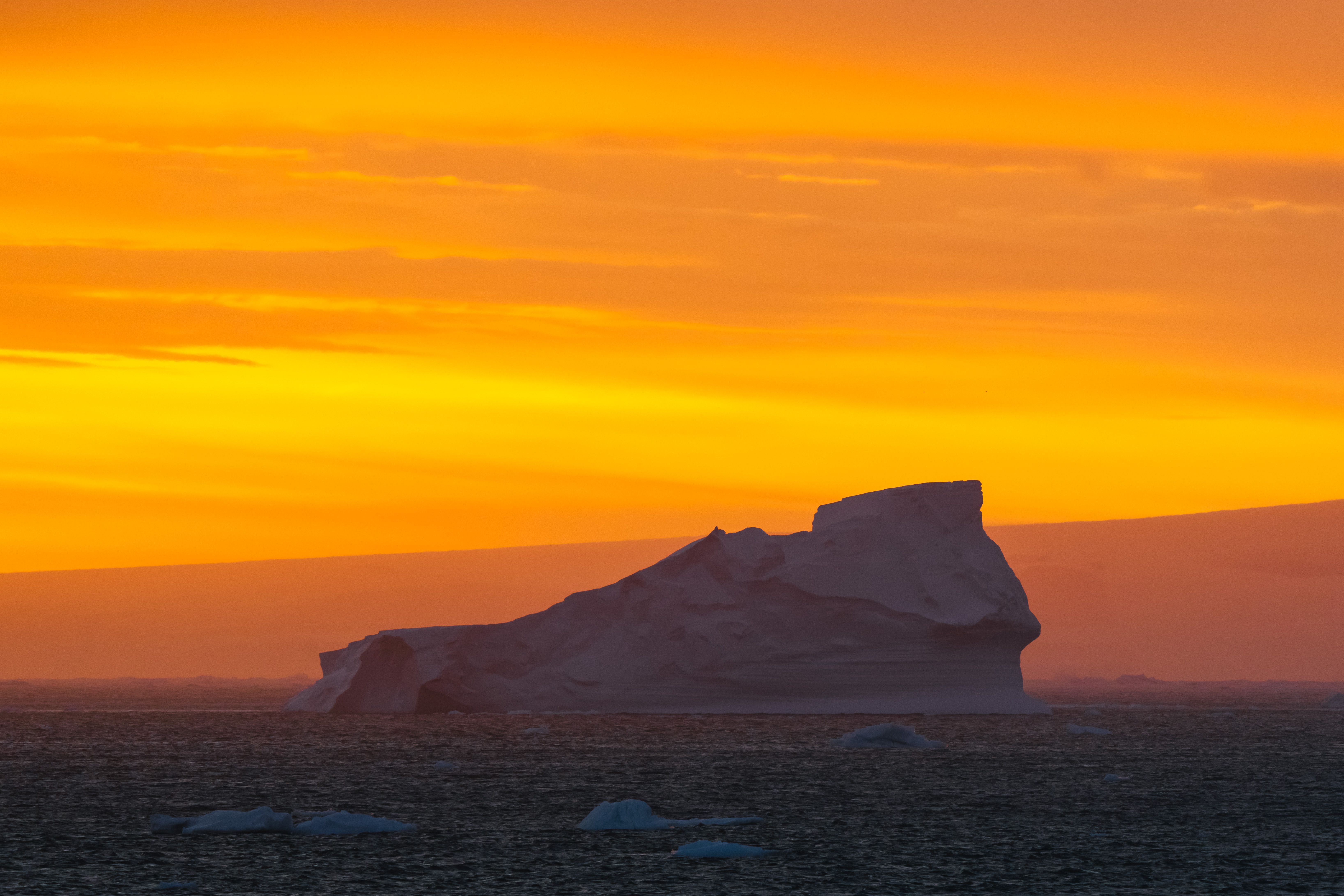
First timers often expect a monochrome world, then spend the week frantically adjusting their camera settings. Icebergs come in shades of aquamarine, jade and deep blue, depending on trapped air and age. Volcanic rock on islands like Deception appears in rusty reds and charcoal blacks. Lichen paints the cliffs in orange and green splashes.
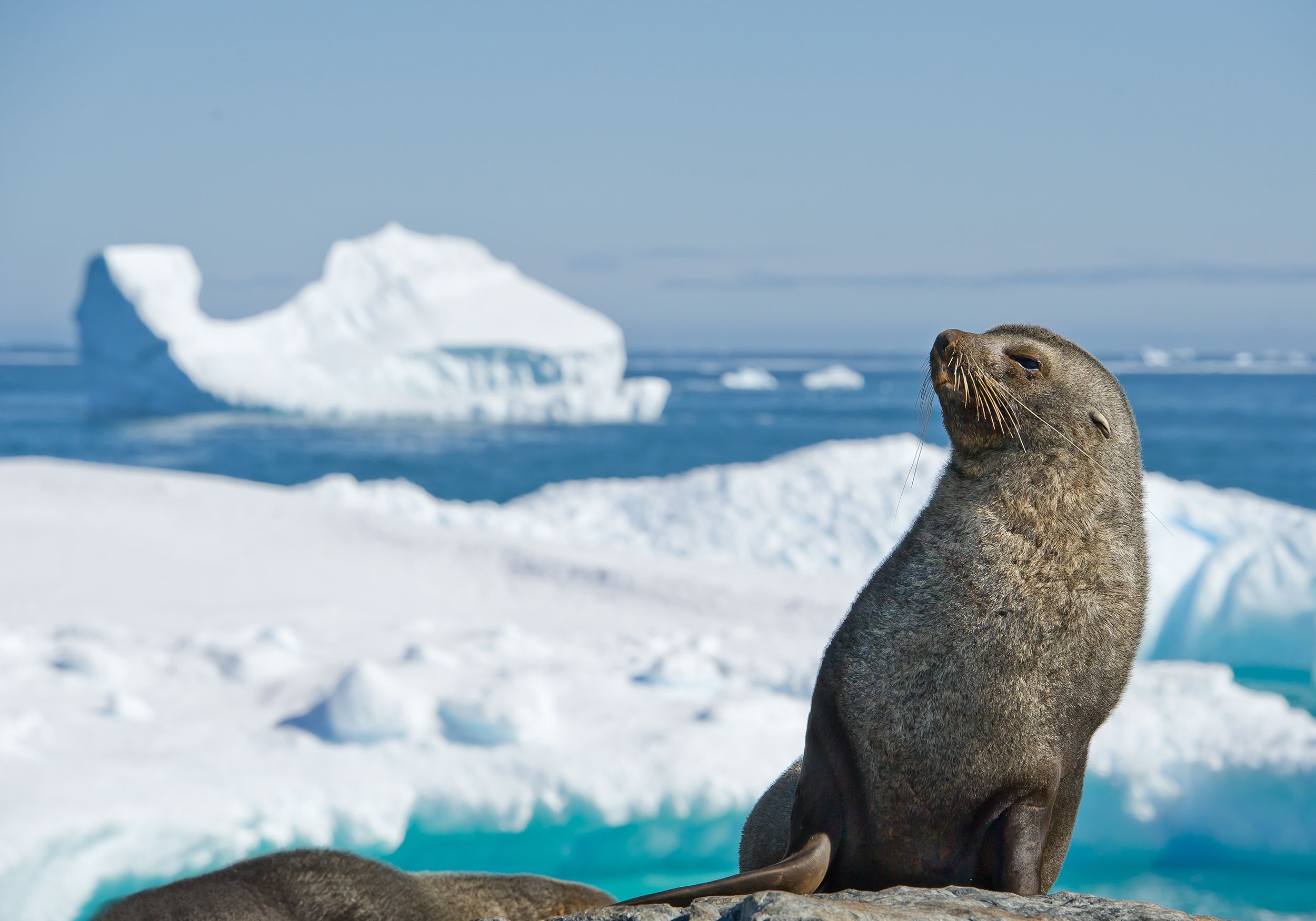
Even the animals come in unexpected hues. King penguins in nearby South Georgia have golden collars, macaroni penguins sport punk yellow eyebrows, and leopard seals look like something designed by a fashion house that specialises in apex predators.
The cast list goes well beyond penguins
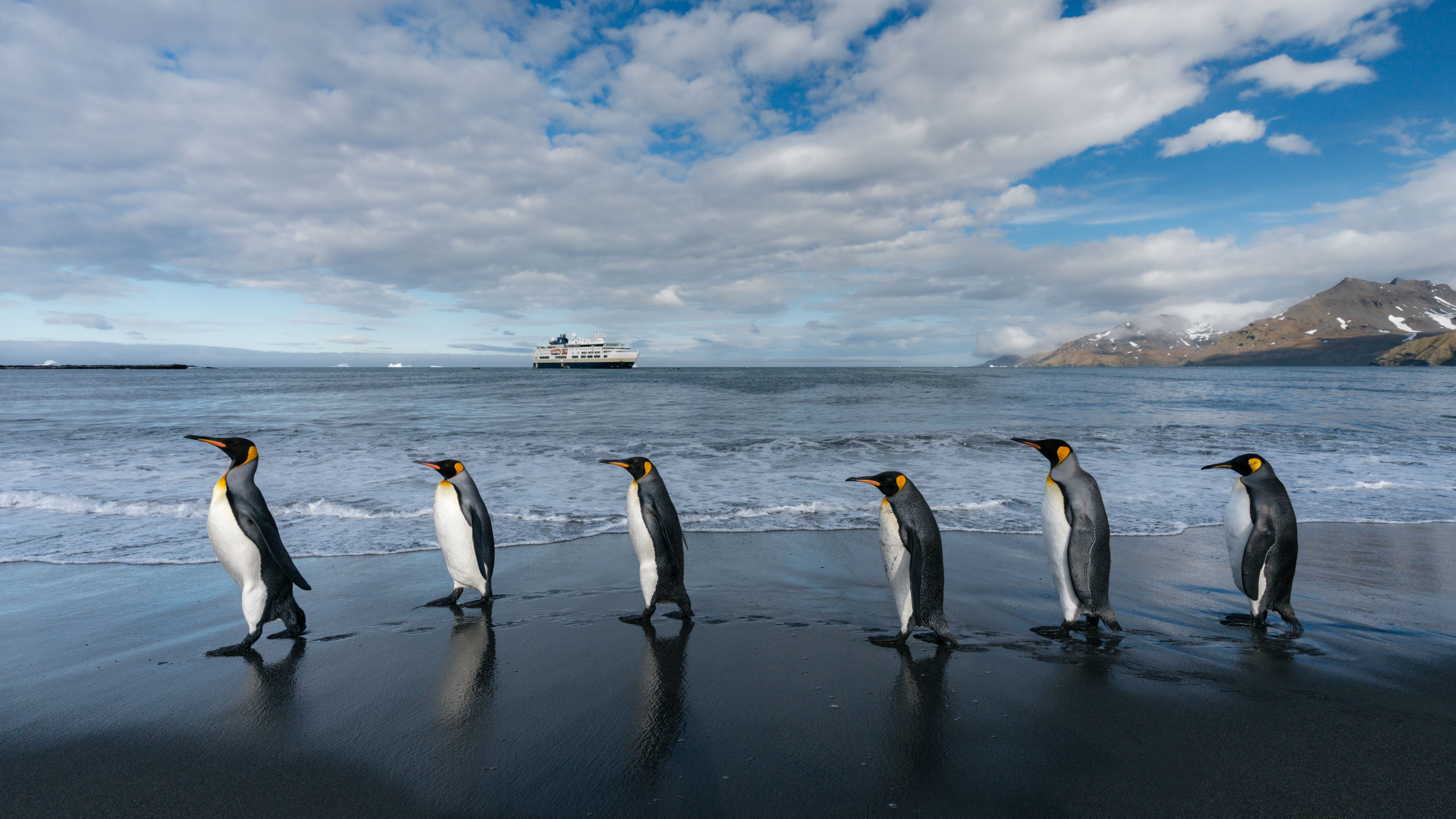
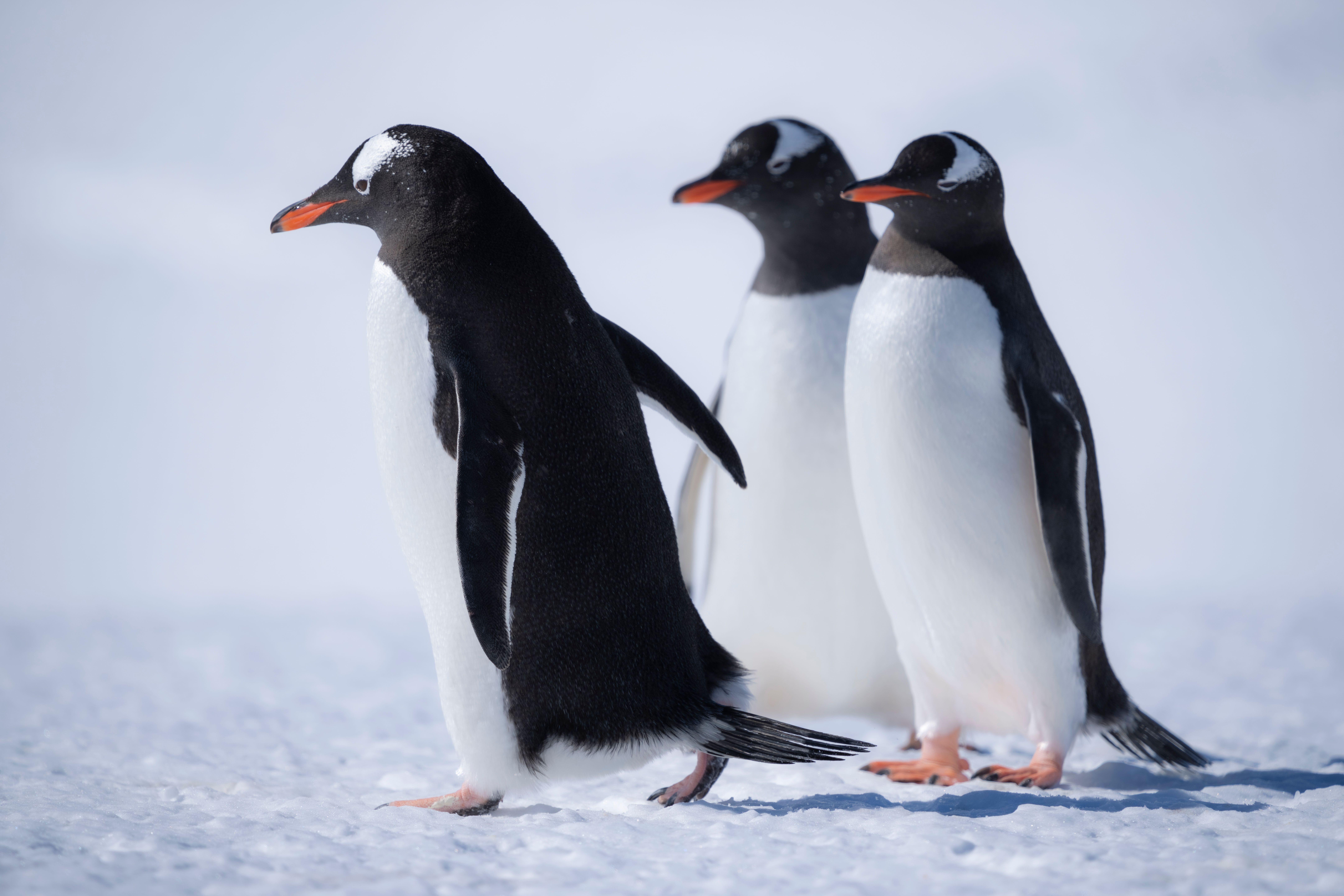
Yes, you will see penguins, often in industrial quantities. Common species on peninsula itineraries include gentoo, Adélie and chinstrap penguins, each with its own personality and haircut.
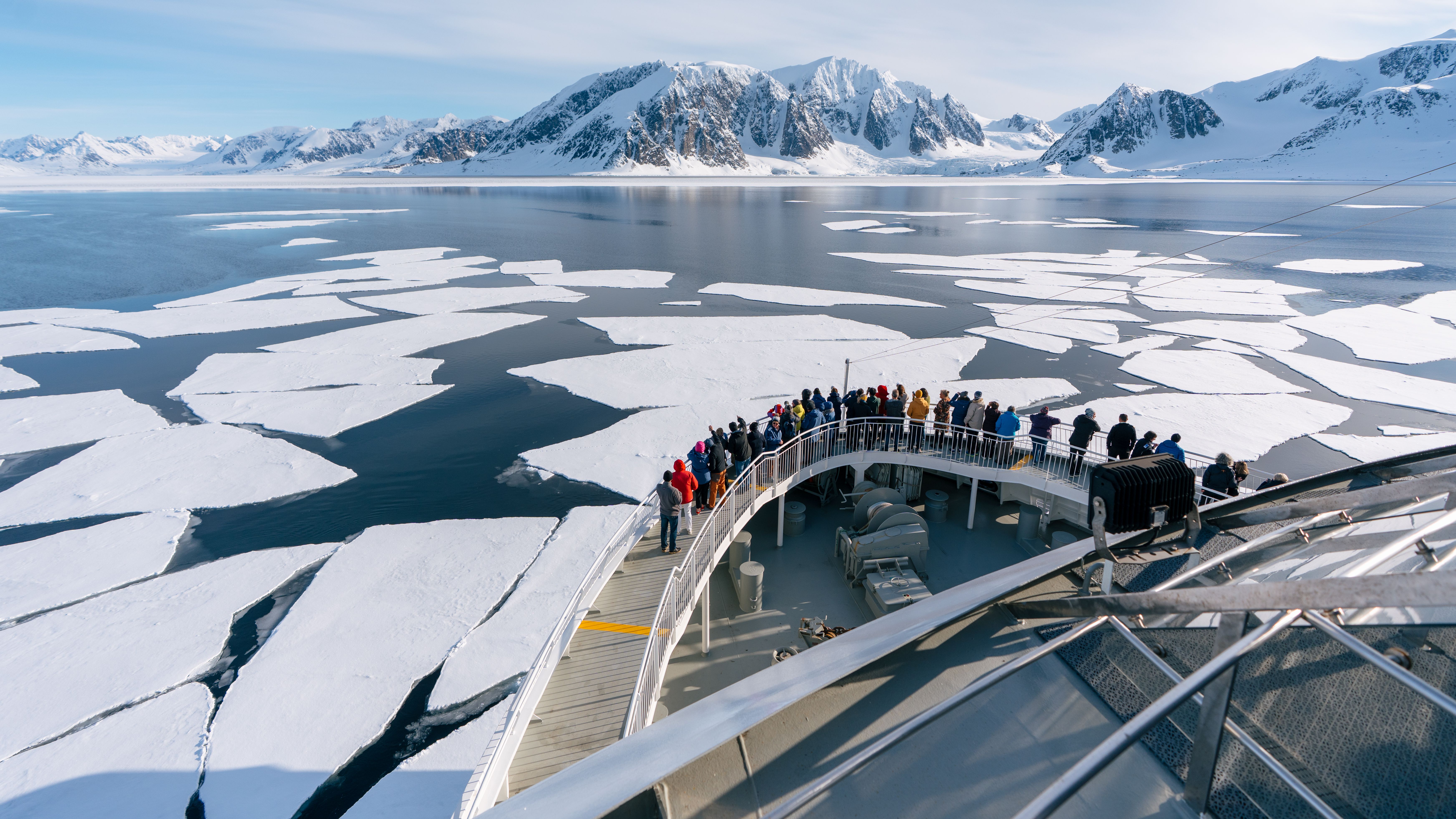
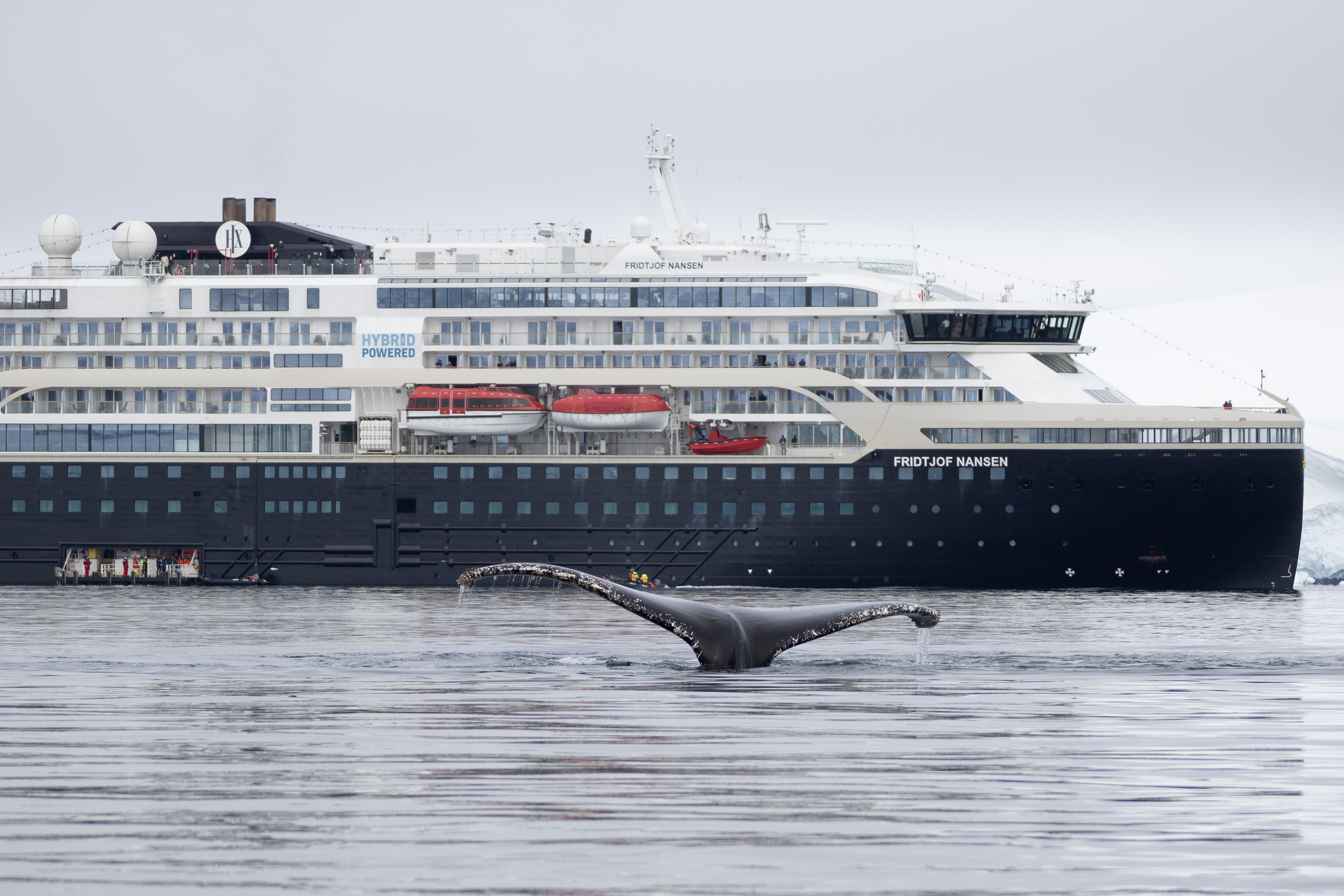
But most visitors are surprised by what else turns up. Humpback whales feed in the rich waters of the Gerlache Strait and often approach zodiacs out of curiosity. Minke and fin whales appear as dark arcs, while orcas sometimes travel in family pods that surface in perfect synchrony. Antarctic fur seals tussle on beaches, Weddell seals nap on the ice and skuas patrol the colonies with the air of opportunistic pickpockets.
On some voyages you may also spot more obscure characters such as sheathbills, which behave rather like Antarctic pigeons, or tiny shrimp like krill glowing orange in the water, the foundation of the whole food chain.
Science is not an optional extra


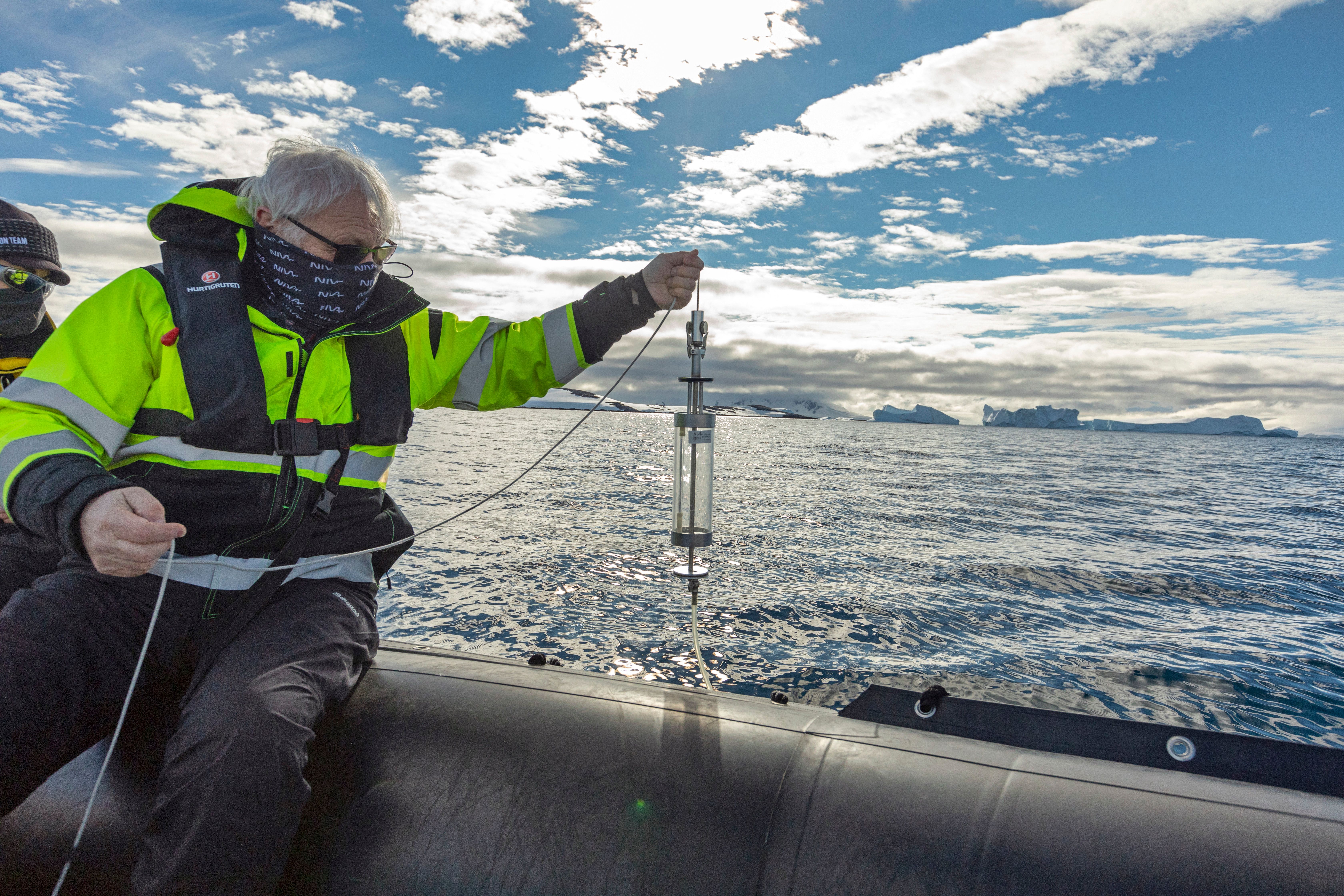
Most expedition ships now carry a sizeable science team. On lines such as HX, Ponant and Viking, guest scientists and naturalists run talks on glaciology, climate and wildlife behaviour, then invite passengers to help with simple data collection: counting whales, photographing cloud types or logging sea ice conditions.
This is not a full career change into field research, but it does make the place feel more alive. You start to notice the difference between first year and multi year ice, learn why some penguin colonies are thriving while others shrink, and understand why everyone gets touchy about krill fishing.
Picking a ship is really about picking a style

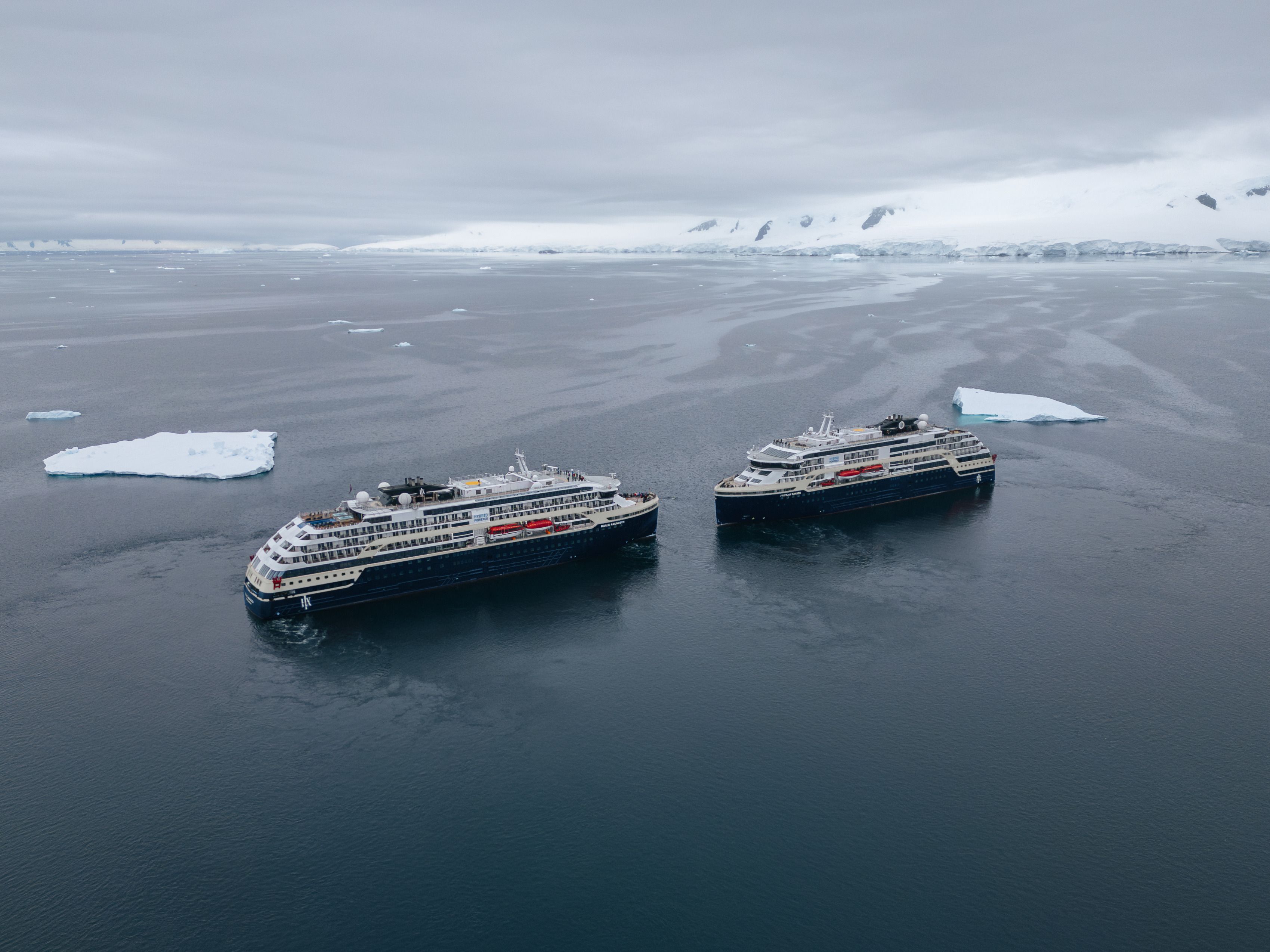
With visitor numbers now topping one hundred thousand people a season, according to IAATO, you have more choice than ever. Some lines skew adventurous, with camping on the ice, kayaking and polar plunges. Others lean towards comfort, with larger suites, fine dining and perhaps a spa to recover from the zodiac rides.
Small specialist operators such as Quark, Aurora and HX Expeditions specifically focus on the polar regions, running compact ships that feel more like moving base camps than floating resorts. If we had to nudge you towards one name, HX is our first suggestion, thanks to its long Norwegian coastal heritage, science-led expedition teams and hybrid-powered ships that are designed with these waters in mind. At the more overtly luxurious end, brands like Silversea and Viking fold Antarctica into a wider portfolio of high-end cruising, pairing serious itineraries with white tablecloths and wine lists to match.
The important bit is to match your expectations to the product. If you want in-depth lectures, long days ashore and a ship that feels geared around landings and learning, look at the expedition-focused operators, HX very much included. If your idea of a good time is icebergs outside and caviar inside, the luxury lines may suit you better. Either way, check that the company belongs to IAATO and that the itinerary promises multiple landings rather than only scenic cruising.
The strangest thing you might bring home is how small you felt
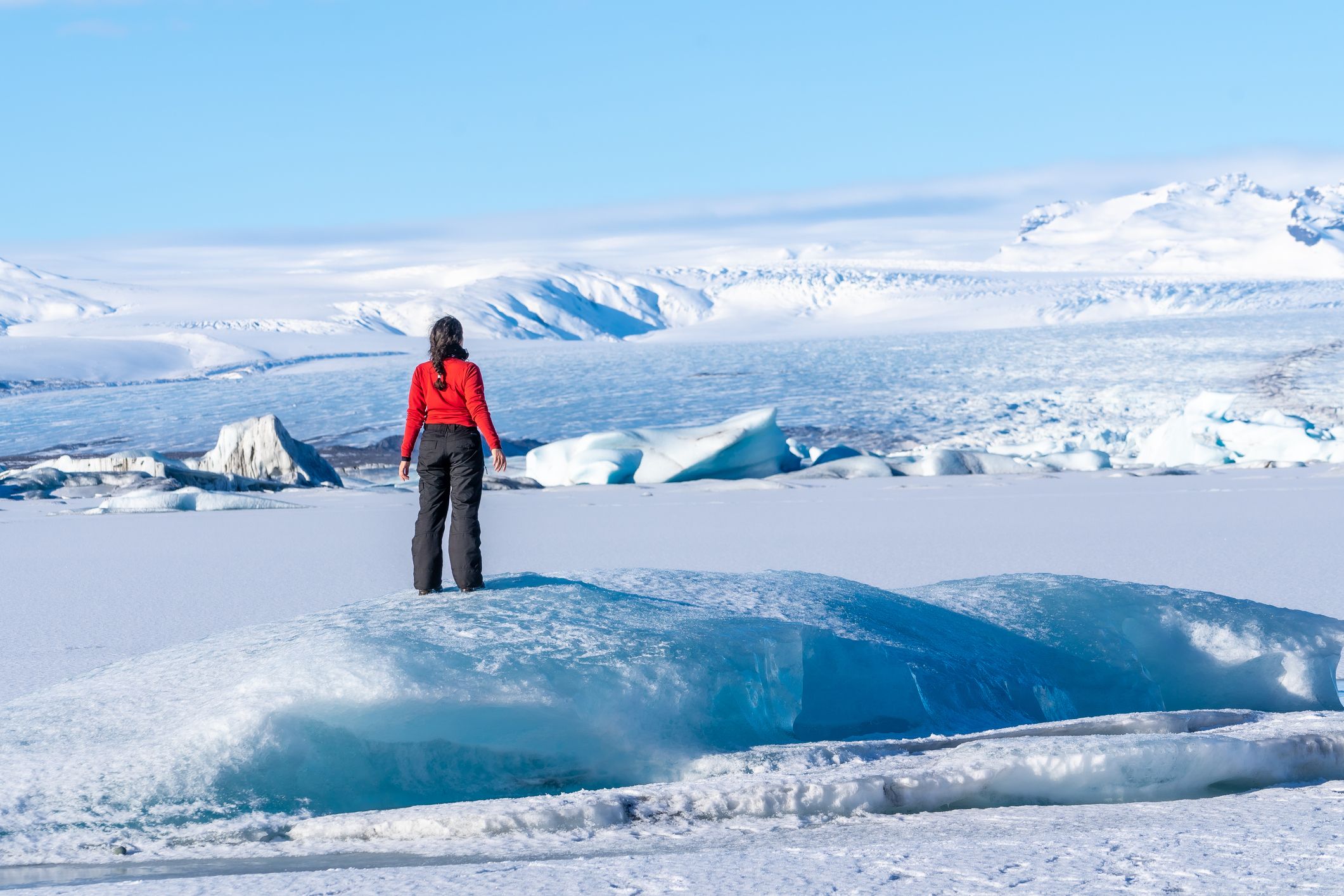
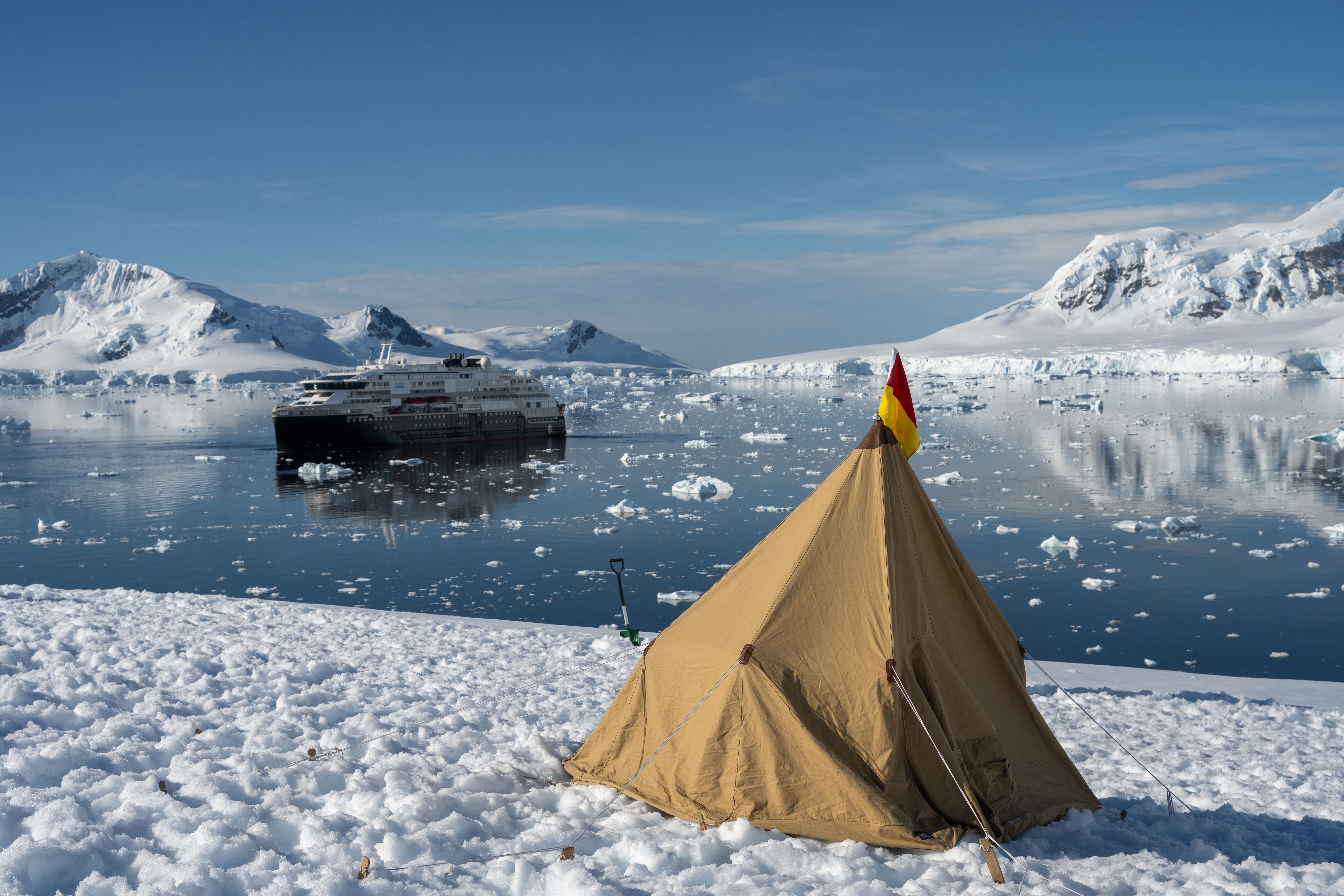
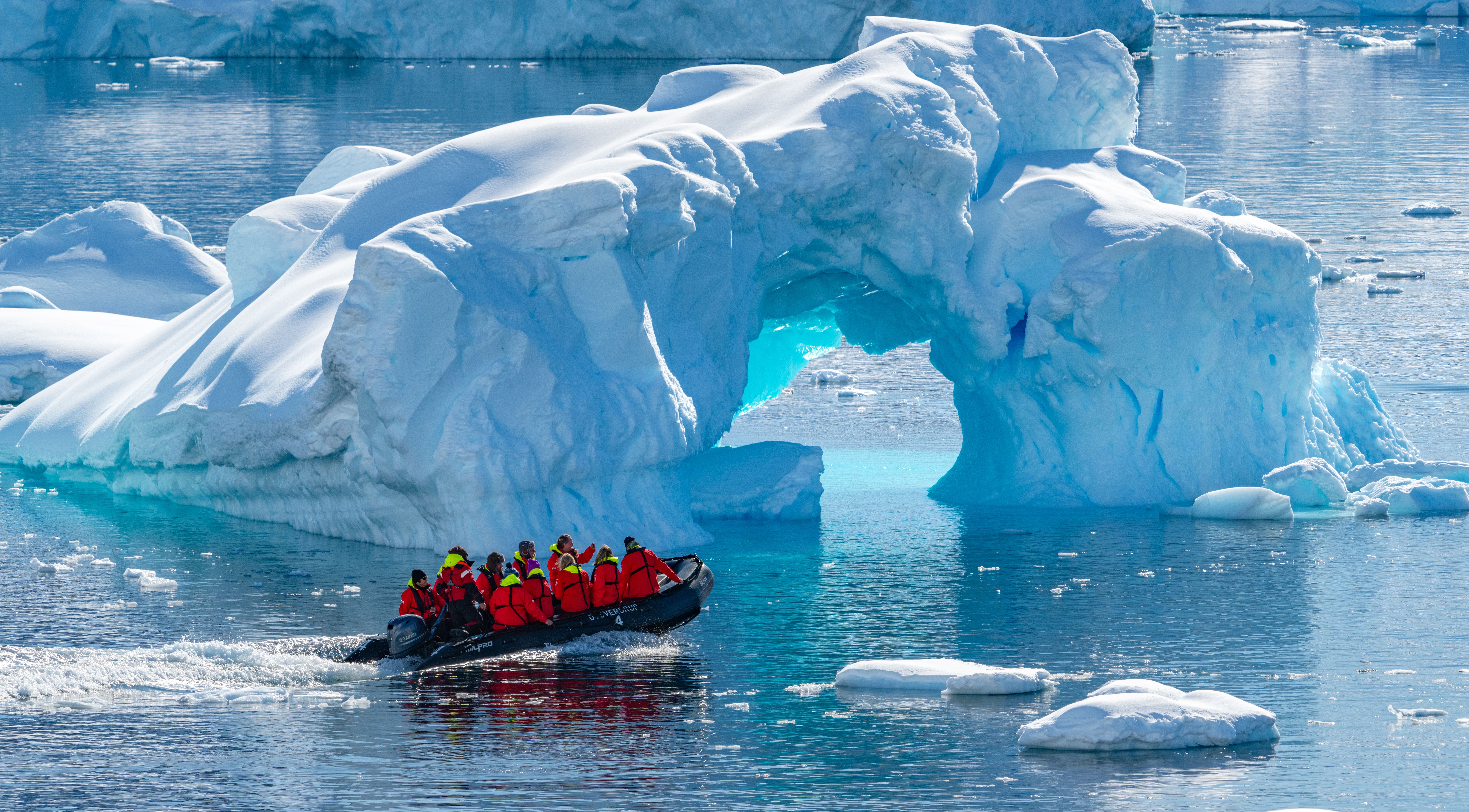
Antarctica has a habit of rearranging your sense of scale. Peaks on the Antarctic Peninsula rise straight from the sea to more than two thousand metres, yet distances are so deceptive that you would swear they were half that height. Your ship, which seemed substantial in Southampton, looks like a child’s toy next to a tabular iceberg.
For many people this is the real surprise. The trip is full of logistics and gear lists and rules about boot brushes, but what lingers is the feeling of floating through a landscape that does not care you are there at all. In a world of queues and noise, a week of that is oddly addictive.