Antarctica has no cruise terminals, no convenient little shuttle buses and very few places where you can comfortably step off a boat. The penguins, meanwhile, have made absolutely no effort to accommodate visitors.
Yet every summer, thousands of travellers do manage to set foot on the world's most remote continent, often within sight of enormous glaciers and colonies of remarkably unconcerned seabirds.
The secret is choosing the right kind of cruise.
While some ships sail past Antarctica without allowing passengers ashore, smaller expedition vessels are equipped to take visitors onto its beaches and islands. There's a little more preparation involved than your average Mediterranean excursion, and the weather has the final say, but the experience can be extraordinary.
Here's what actually happens when you leave the ship, and what first-time expedition passengers should know before booking.
Can cruise passengers actually land in Antarctica?
Yes, provided you're travelling aboard a ship equipped and permitted to conduct Antarctic landings.
The International Association of Antarctica Tour Operators (IAATO) has strict rules governing these visits. Ships carrying more than 500 passengers aren't permitted to land passengers in Antarctica, while those carrying 201 to 500 face additional restrictions on where and when they can do so.
Only 100 visitors from a ship may be ashore at any one site at a time, with at least one actively guiding expedition team member for every 20 visitors. Smaller groups may be required at particular locations.
This makes the size of your ship important. A vessel carrying 150 passengers can generally rotate its guests ashore more quickly than one carrying 450, although the number of expedition guides and available boats matters too.
It's also worth checking exactly where you'll land. Many Antarctic Peninsula excursions visit offshore islands, so stepping ashore doesn't necessarily mean setting foot on the Antarctic mainland itself.
If that's something you're particularly keen to do, ask whether the itinerary includes possible mainland landing sites, rather than assuming every Antarctic voyage offers the opportunity.
What happens on an Antarctic Zodiac excursion?

Most Antarctic expeditions begin in Ushuaia, Argentina, followed by approximately two days crossing the Drake Passage.
Once you've reached the Antarctic Peninsula, the daily routine changes considerably.
The expedition team assesses the weather, sea ice and potential landing sites before deciding where to explore. Passengers receive a briefing covering conditions, wildlife rules and the day's proposed activities.
Then comes the Zodiac.
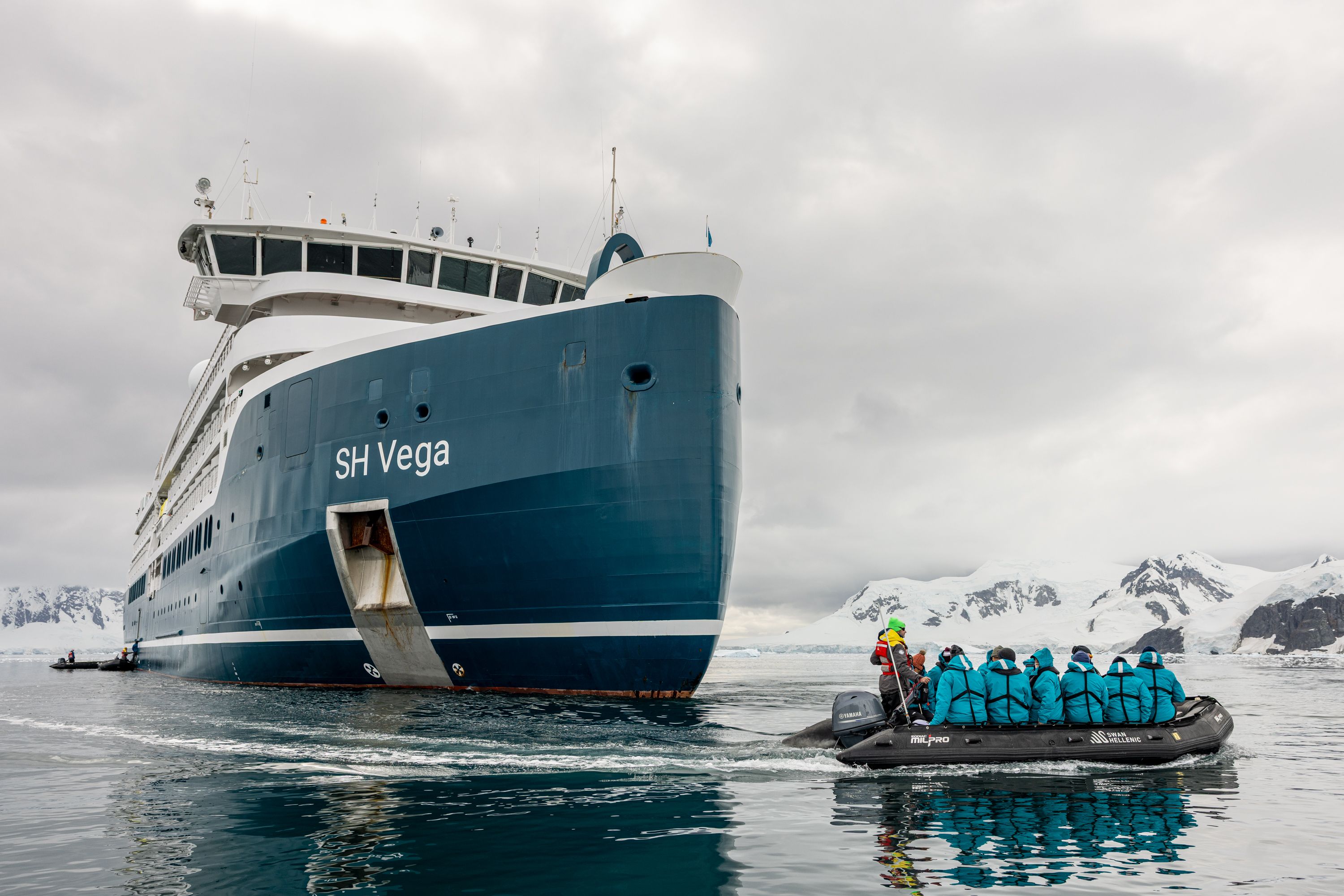
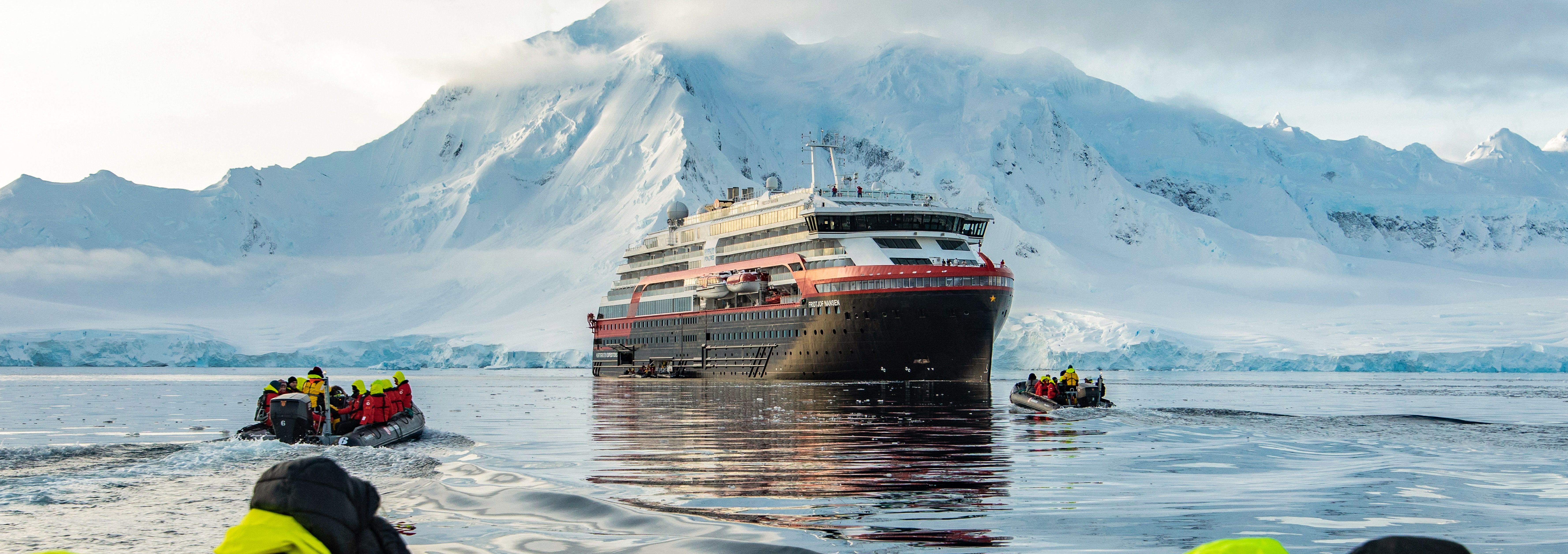
These inflatable boats carry small groups from the expedition ship to the coastline, often negotiating floating ice and remarkably clear water along the way.
Getting aboard usually involves stepping from a shipboard platform into a boat held steady by the crew. You'll be wearing a lifejacket, waterproof outer layers and insulated boots, with guides helping you through the transfer.
At the landing site, you may step directly onto rocks or shingle, or into shallow water before walking ashore. These are known as wet landings, although the idea is to keep the water outside your boots.
The scenery can be astonishing. One moment you're aboard a comfortable expedition ship; the next you're standing on a beach surrounded by penguins, with ice-covered mountains rising above the bay.
There's generally no jetty, café or conveniently positioned public toilet. Antarctica remains reassuringly committed to doing things its own way.
What can you actually do ashore in Antarctica?
Landing excursions vary enormously.
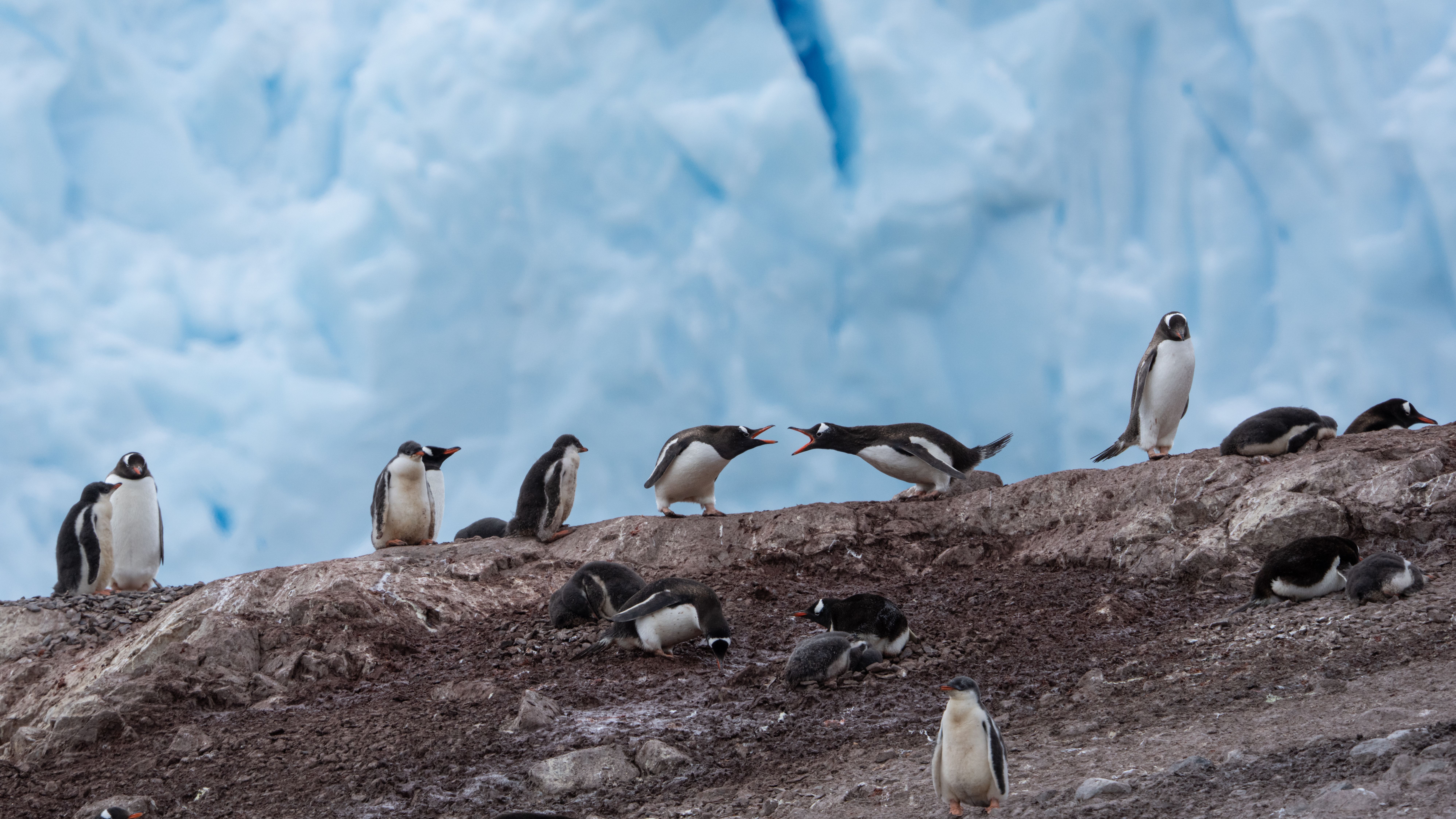
At some sites, passengers follow a marked route through a penguin colony, stopping at designated viewpoints to watch the birds moving between their nesting grounds and the sea.
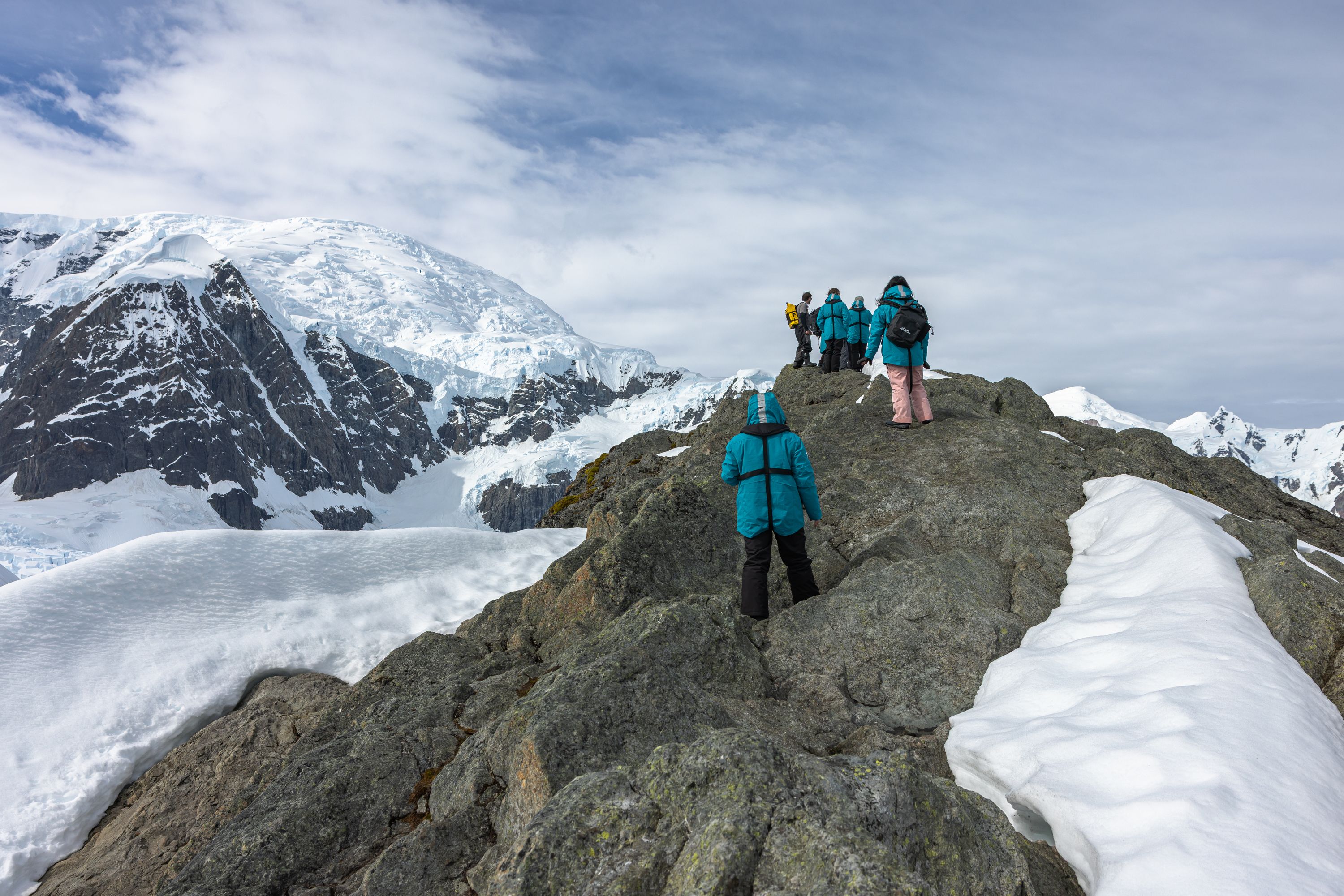
Elsewhere, guides might lead short walks across snow-covered slopes or rocky beaches, explaining the landscape, wildlife and history of Antarctic exploration.
You could visit a historic research station, examine the remains of an early expedition hut or simply stand looking out across an enormous glacier.
One possible landing site is Mikkelsen Harbour on Trinity Island, where gentoo penguins, seabirds and seals can be found. It's specifically mentioned as a potential stop on Swan Hellenic's Antarctic Peninsula itineraries.
Some operators also offer kayaking, longer hikes or overnight camping, although these are generally optional activities and may involve additional charges or fitness requirements.
And there are rules. IAATO advises visitors to remain at least five metres from wildlife on land, with greater distances necessary for certain species or circumstances. You mustn't feed, touch or disturb animals, and you're expected to remain within areas approved by your guides.
If a penguin decides to approach you, the correct response is to give it space rather than regard the encounter as an invitation for a photograph together.
For the 2026–27 season, wildlife disease precautions are particularly important. IAATO requires visitors to avoid sitting or lying down in wildlife areas and prohibits placing equipment on the ground there, helping to reduce the risk of spreading avian influenza and other diseases. Passengers must also clean and disinfect their boots and equipment as directed before and after excursions.
Do you need to be particularly fit to land in Antarctica?

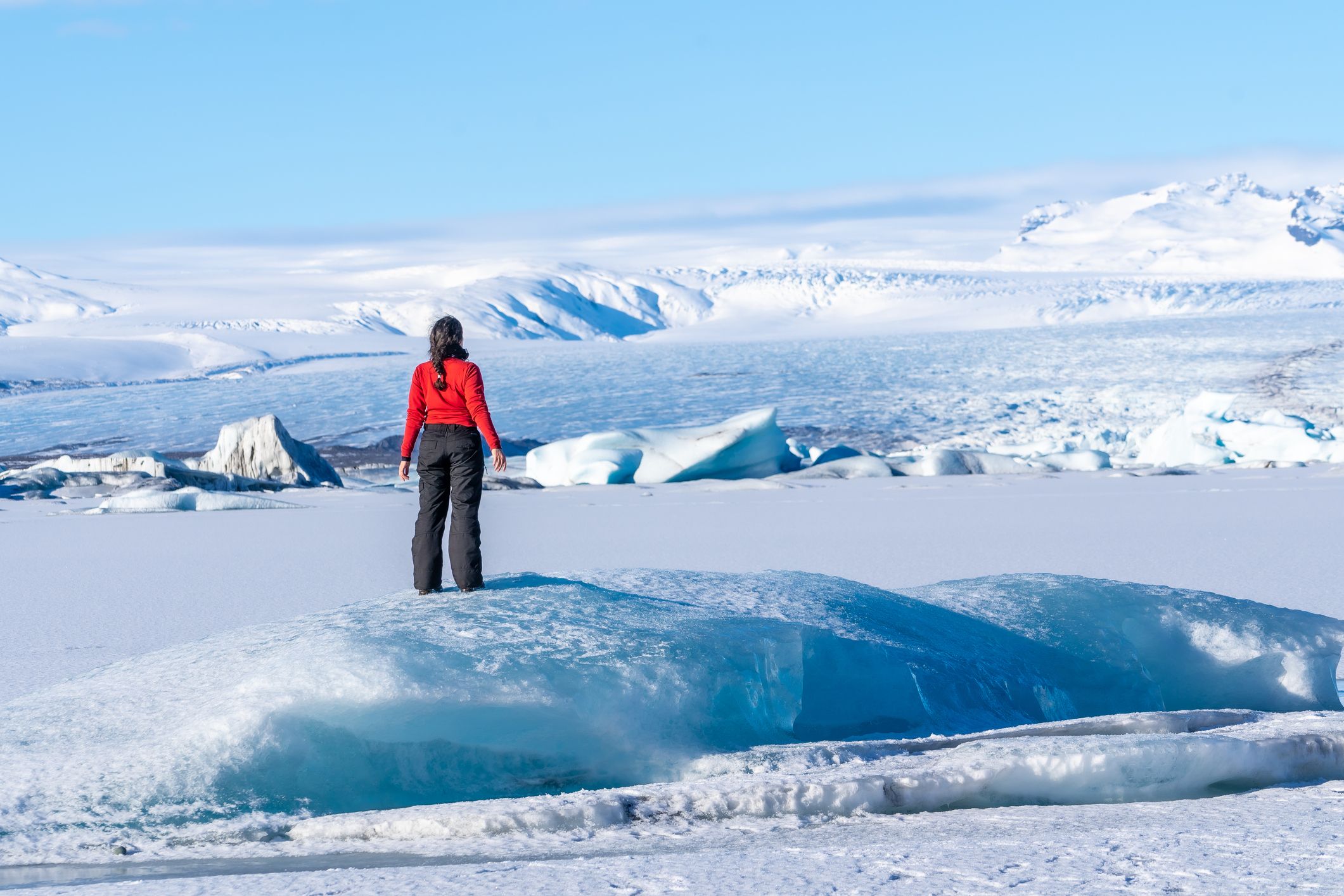
You don't need to be an experienced mountaineer, but good mobility makes a significant difference.
The most demanding part of an Antarctic landing may be getting in and out of the Zodiac, particularly when the sea is moving or the shoreline is uneven.
You'll also need to walk on surfaces that can be slippery, snowy, muddy or covered in loose stones.
Swan Hellenic advises passengers with mobility limitations to discuss their individual requirements before booking. Although its expedition ships have accessible facilities, participation in Zodiac operations and shore landings cannot be guaranteed for wheelchair users or passengers who may struggle with transfers.
The same principle applies to expedition cruising more broadly: accessibility onboard doesn't necessarily mean accessibility ashore.
If you have concerns about balance, mobility or medical conditions, ask the operator specifically about Zodiac transfers and the likely terrain, rather than relying on a general statement that the ship is accessible.
And don't forget the Drake Passage. Its notorious seas can make the journey to Antarctica considerably more adventurous than the excursions themselves.
What happens if the weather prevents an Antarctic landing?
Sometimes, you simply won't get ashore.
Strong winds, heavy swell, drifting ice or poor visibility can make a landing unsafe, even when the ship has reached its intended destination.
Wildlife activity can also affect access. Expedition teams may decide to avoid particular areas if animals are breeding, moulting or showing signs of disease.
In these circumstances, the captain and expedition leader might select a different location, arrange a scenic Zodiac cruise or spend more time exploring from the ship.
A Zodiac excursion without a landing can still be spectacular. Travelling between enormous icebergs, watching seals resting on floating ice or encountering humpback whales from a respectful distance may prove just as memorable as stepping onto land.
But it's important to understand the distinction before booking. An expedition cruise offers opportunities to land, not a guarantee of particular landings. The advertised itinerary is necessarily flexible, and the final decisions rest with the expedition team.
Which Antarctic cruises in 2027 include landing opportunities?
Several operators have published Antarctic itineraries for 2027 that specifically include Zodiac excursions and shore landings.
HX Expeditions operates its 12-day Highlights of Antarctica voyage aboard MS Roald Amundsen and MS Fridtjof Nansen. The programme includes guided Zodiac landings, lectures from the expedition team and opportunities to observe penguins, seals and whales.
HX also has an Antarctic Circle Expedition departing on 18 February 2027, designed to explore farther south when ice conditions permit. Both itineraries include shore landings among their planned expedition activities.
Swan Hellenic offers a more intimate experience aboard its smaller expedition ships. Its nine-night Antarctic Wonders voyage aboard SH Vega, departing Ushuaia on 22 February 2027, includes expedition landings and Zodiac excursions among its advertised activities. Potential sites include Mikkelsen Harbour and other locations around the Antarctic Peninsula.
The operator also has a departure on 3 March 2027, offering a late-season opportunity to explore the region. Published departure dates don't confirm remaining cabin availability, and no operator can promise that a particular landing will take place.
What should you check before booking your first Antarctic expedition?
Beyond confirming that your ship actually conducts landings, pay attention to how many days the voyage spends in Antarctic waters.
A nine-night itinerary from Ushuaia may provide around four days of exploration, with much of the remaining time spent crossing the Drake Passage. Longer expeditions can offer additional opportunities, but they may also spend more time travelling to distant regions.
Check what's included in the fare, too. Guided landings are generally part of the expedition experience with HX and Swan Hellenic, but activities such as kayaking and camping may cost extra.
Both operators provide expedition clothing or equipment as part of their published packages, although the precise inclusions differ. You'll still need suitable thermal layers, gloves and other personal essentials.
Finally, make sure your travel insurance specifically covers Antarctica, expedition activities and emergency medical evacuation. The Foreign, Commonwealth & Development Office warns that medical facilities are extremely limited and rescue assistance may take several days to arrive.
Is stepping ashore in Antarctica worth it?
For many travellers, it's the defining moment of an Antarctic expedition.
There's something extraordinary about standing on a remote beach, surrounded by wildlife that has no particular interest in your presence, and looking out towards a landscape almost entirely untouched by human settlement.
You don't need to climb a mountain or embark on a demanding trek to appreciate it. Simply being there can be enough.
Of course, Antarctica retains the right to change your plans at a moment's notice. The weather may intervene, the ice may close in or a colony of penguins may require a little more privacy.
But on a continent where human visitors are very much the exception, perhaps that's exactly as it should be.