By February, Antarctica's summer is getting rather lively. Penguin chicks are preparing to leave home, humpback whales are feeding in the bays and the continent's almost endless daylight is finally giving way to spectacular sunsets.
It's an excellent time for an expedition cruise, particularly if wildlife is your priority. Retreating sea ice can also open up more remote stretches of coastline, although the weather remains gloriously indifferent to anyone's holiday plans.
So what's the difference between visiting in February and March, and which should you choose?
Is February a good time to visit Antarctica?
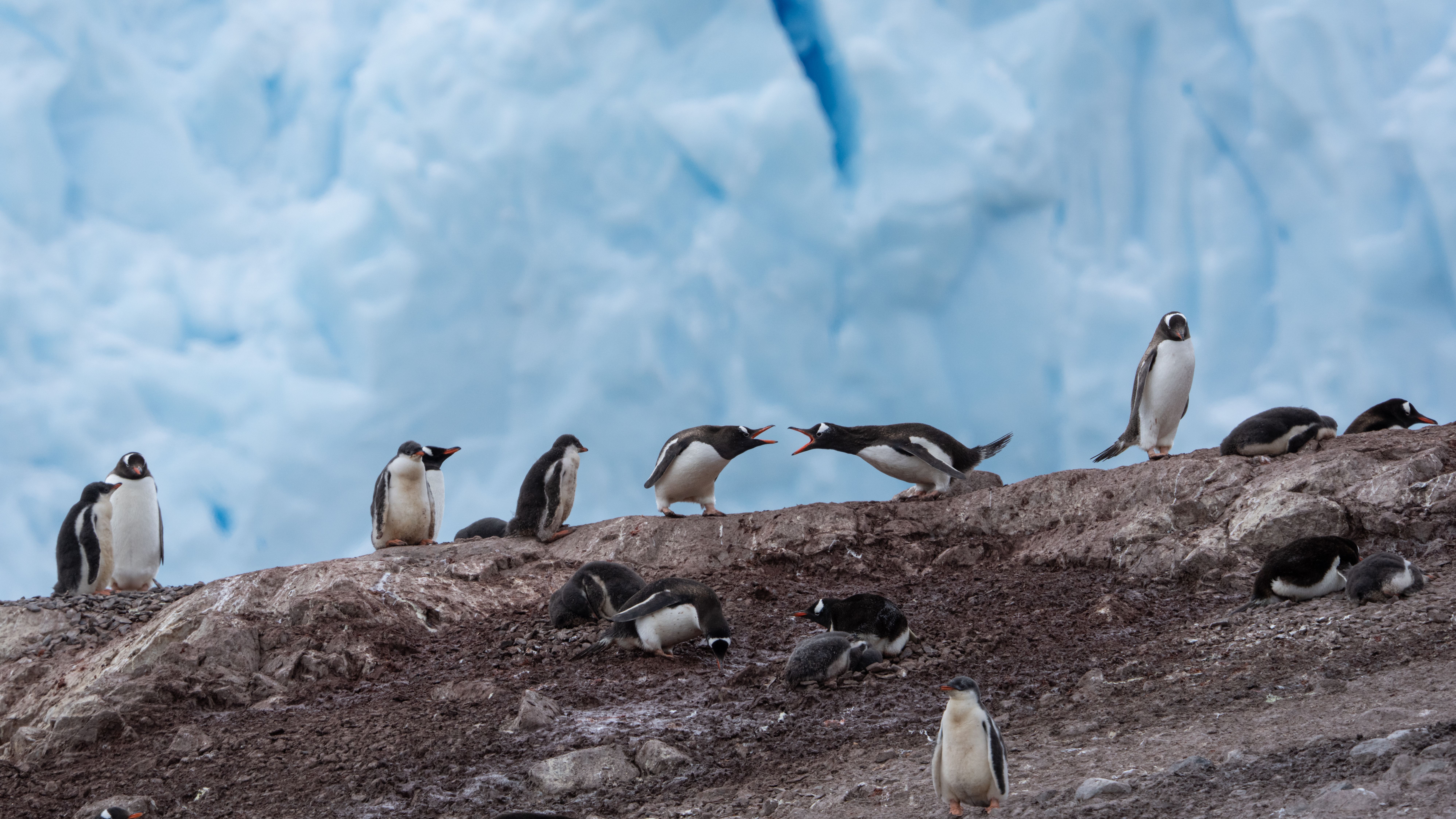
February is one of the best months for Antarctic wildlife encounters.
Gentoo, chinstrap and Adélie penguin chicks are growing rapidly, with some beginning to shed their fluffy down before heading to sea. The colonies are wonderfully chaotic, as hungry youngsters pursue adults around the rocks with very little regard for personal space.
There's also a considerable amount of penguin guano. Antarctica looks immaculate in photographs, but its breeding colonies have rather different ideas about housekeeping.
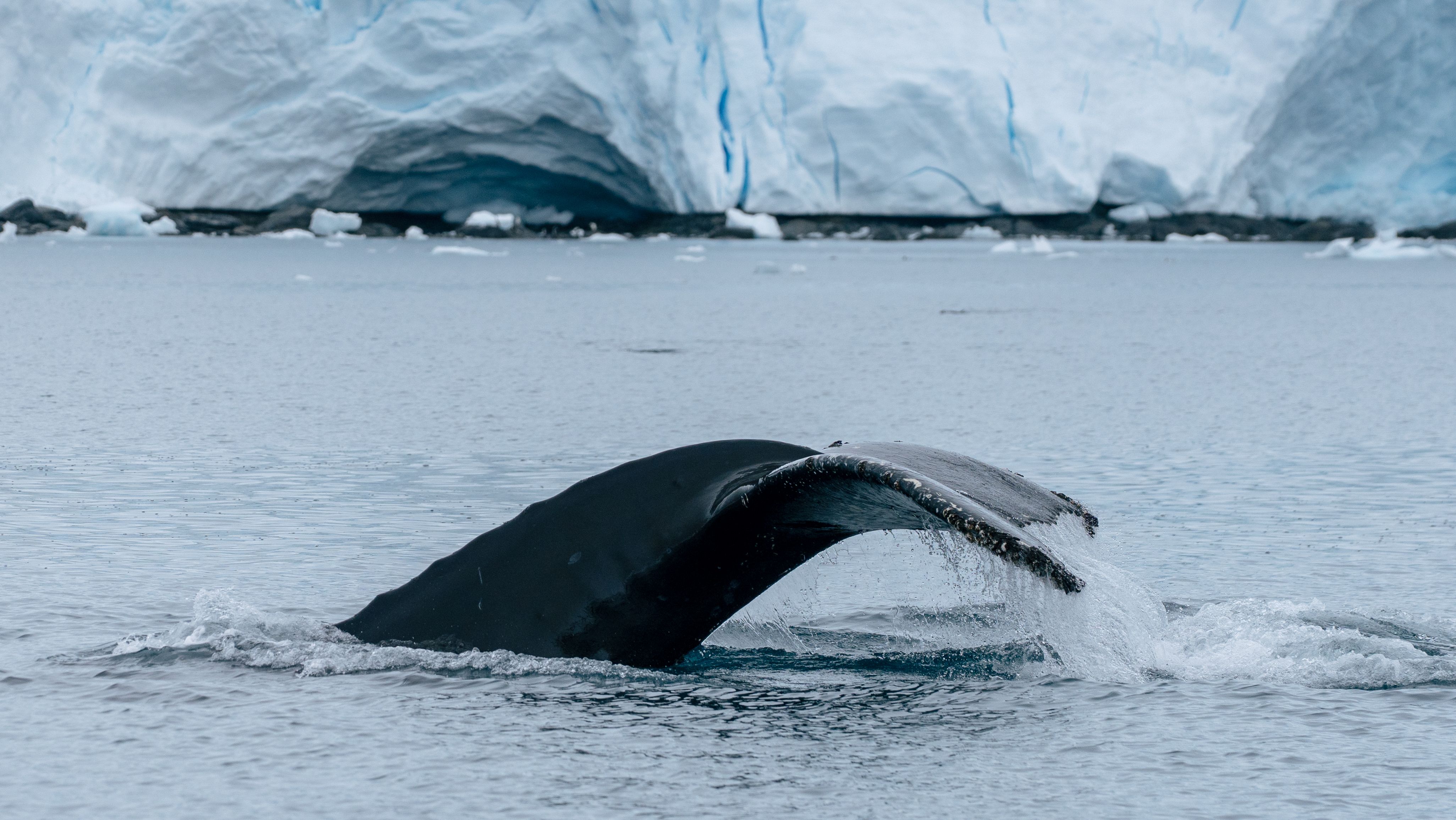
Humpback whales are another major attraction. Having travelled south to feed on krill, they're frequently spotted surfacing and diving around the Antarctic Peninsula. February and March are widely considered prime whale-watching months.
Sea ice generally reaches its annual minimum in February, potentially improving access to places farther south, including the Antarctic Circle. Reaching it is never guaranteed, however.
What is Antarctica like in March?
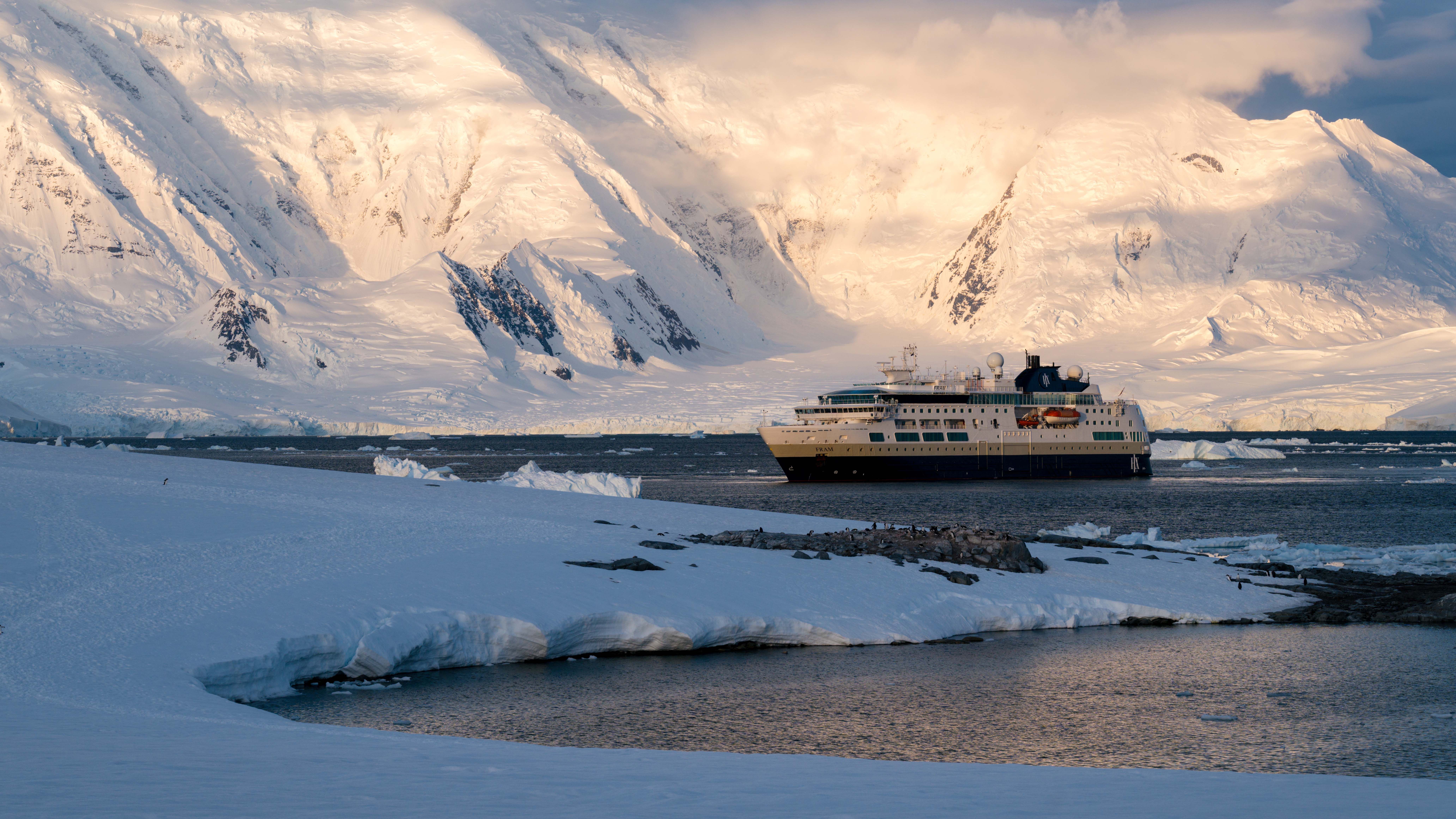
March brings the beginning of Antarctic autumn, when the low sun casts beautiful pink and gold light across the ice.
Whale watching can remain exceptional, particularly around the Antarctic Peninsula, but penguin colonies gradually become quieter as chicks fledge and adults finish their breeding season.
The scenery is spectacular. Retreating coastal snow reveals dark volcanic rock, enormous blue icebergs drift through sheltered bays and the shorter days produce some of the season's finest photographic conditions.
The trade-off is increasingly unpredictable weather. Storms, strong winds and changing ice conditions can affect landings, particularly towards the end of March.
If you're choosing purely on wildlife variety, February probably has the edge. For whales and atmospheric photography, March is a very tempting alternative.
What happens on an Antarctic expedition cruise?
Most Antarctic Peninsula cruises depart from Ushuaia in Argentina, crossing the famously unpredictable Drake Passage over approximately two days.
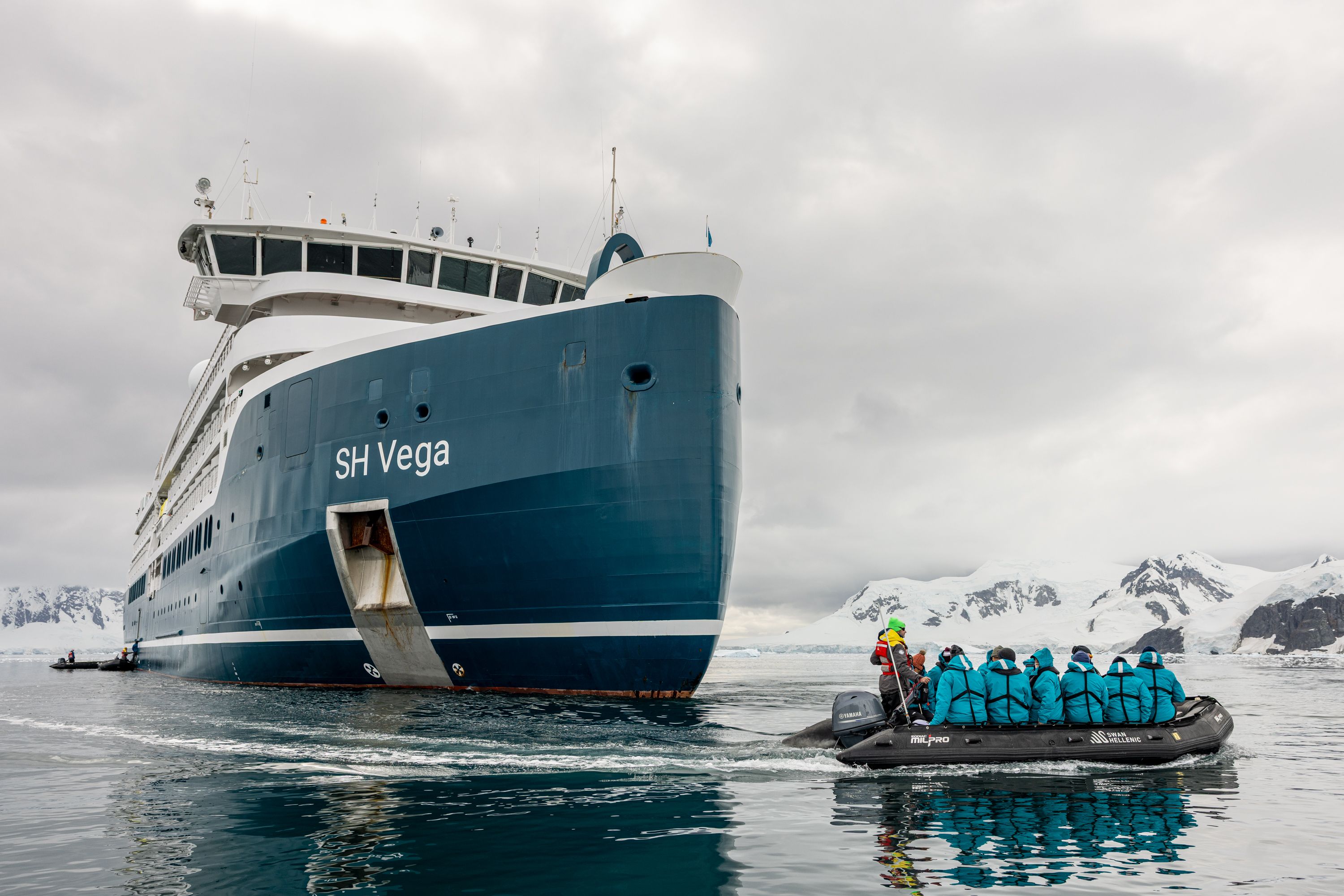
Once in Antarctica, passengers explore aboard Zodiacs, the small inflatable boats used for wildlife watching and reaching landing sites.
Excursions might involve walking near penguin colonies, visiting historic research stations or cruising between icebergs. Some operators also offer kayaking and guided hikes.
There's no guarantee of visiting particular locations. Expedition leaders make daily decisions based on weather, ice and wildlife conditions, while strict environmental guidelines govern how visitors behave ashore.
It's worth checking how many days an itinerary actually spends in Antarctic waters. A 12-day holiday doesn't necessarily mean 12 days with penguins.
Which Antarctic cruises are departing in February and March 2027?
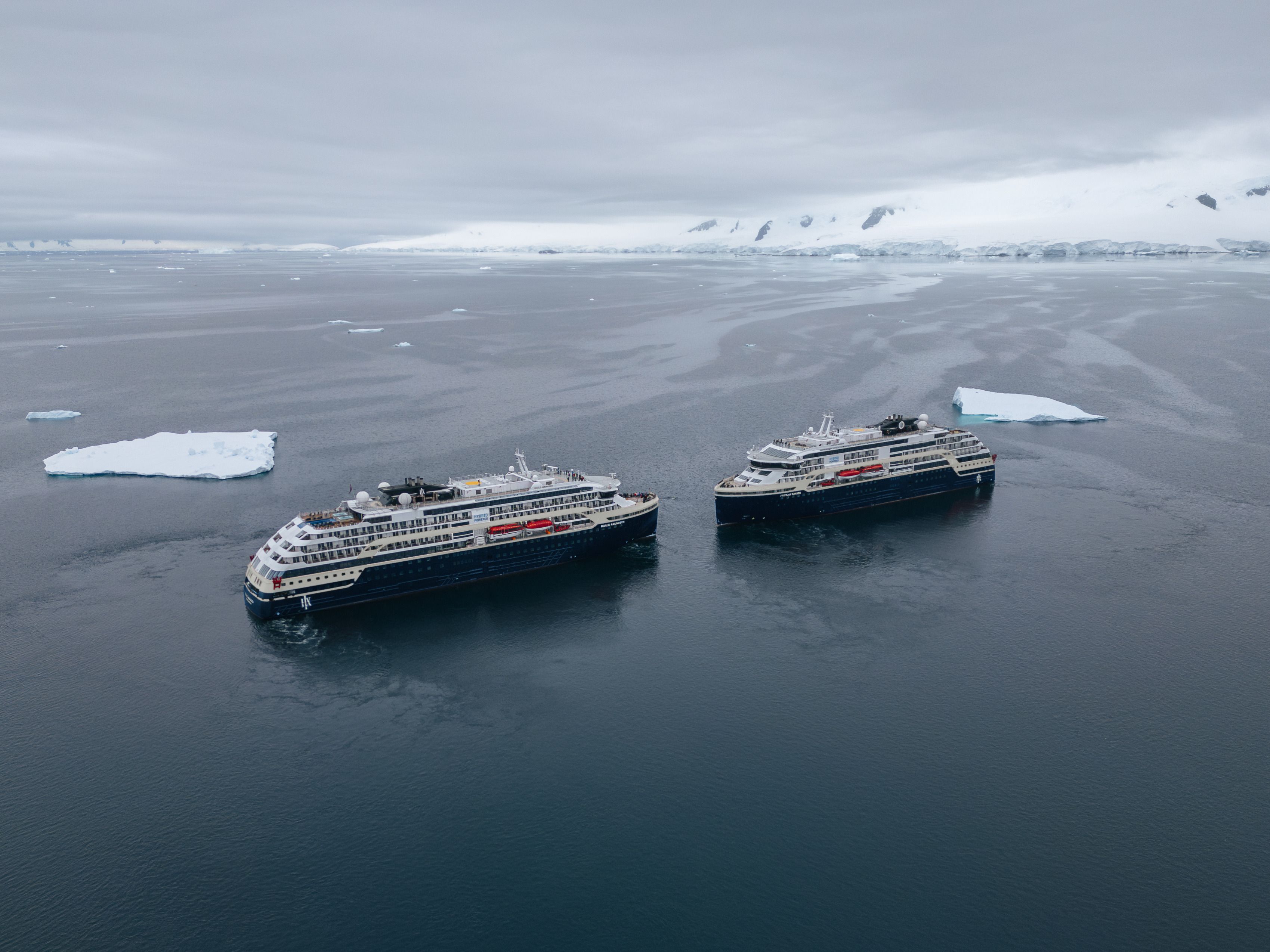
Several expedition operators have confirmed late-season voyages.
Swan Hellenic's SH Vega departs Ushuaia on 22 February 2027 for a nine-night Antarctic Wonders expedition, with another departure on 3 March. A 13-night voyage towards the Antarctic Circle follows on 12 March.
HX Expeditions also offers late-season sailings, including a 19-day Antarctica & Falklands Expedition departing on 19 March 2027 aboard MS Fridtjof Nansen. The itinerary combines Antarctic wildlife encounters with visits to the Falkland Islands and Patagonia.
Sailings and availability can change, and even confirmed itineraries remain subject to conditions once underway.
Should you visit Antarctica in February or March?
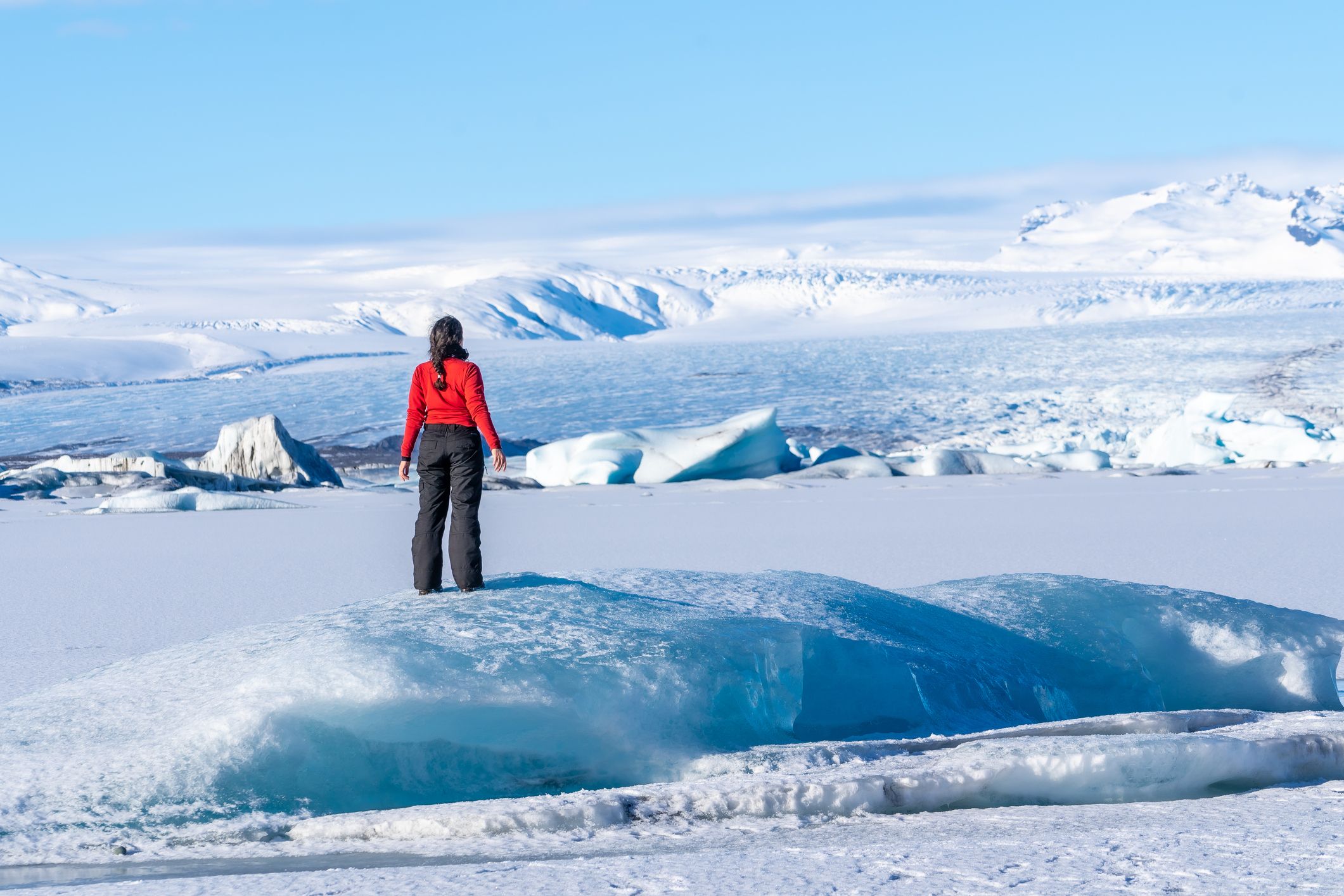
Both months offer extraordinary opportunities to encounter Antarctic wildlife, with fewer hours of daylight than the height of summer but plenty to reward travellers willing to venture south.
February is the stronger all-round choice for penguin activity and whales. March brings wonderful light, excellent whale-watching opportunities and a more autumnal atmosphere.
Either way, there aren't many holidays where you can spend breakfast watching icebergs drift past your window and the afternoon following a pod of humpback whales through an Antarctic bay.
Just don't expect the penguins to be particularly interested in your arrival.