Cruise ships are remarkably self-contained places. They have restaurants, theatres, medical centres, shops and enough laundry facilities to make a medium-sized hotel jealous. Some even have their own parks.
There's another facility you won't find advertised on the deck plans, however. Most large ocean-going cruise ships have a dedicated space for storing the bodies of passengers or crew who die during a voyage.
It's a sobering detail, but an entirely practical one. With thousands of people travelling together, sometimes for weeks at a time, cruise operators must be prepared for medical emergencies, including those that end in death.
So what happens if someone dies while their ship is at sea? Who confirms the death, how are relatives supported, and what happens when the nearest port is several days away?
The procedures are carefully managed, although they're more complicated than simply returning to shore.
What happens immediately after someone dies on a cruise ship?

The first priority is medical care.
If a passenger collapses or suffers a serious medical emergency, the ship's medical team can provide emergency treatment, including resuscitation where appropriate.
Cruise ship medical centres are equipped to manage a range of emergencies, although their capabilities vary according to the ship's size, itinerary and facilities. Industry guidelines developed by the American College of Emergency Physicians include equipment such as defibrillators, cardiac monitors, ventilators and diagnostic facilities.
These medical centres are designed to stabilise seriously ill passengers and arrange further treatment ashore where necessary. They aren't substitutes for fully equipped hospitals.
If someone dies despite treatment, or is discovered dead in their cabin, the medical team and ship's officers follow established procedures to confirm and document what has happened.
Where a doctor is available, they may confirm the death and record the available medical evidence. Establishing the official cause of death, however, isn't always straightforward. Depending on the circumstances and the laws involved, further certification or investigation may be required ashore.
The captain is responsible for ensuring that the incident is properly recorded and reported to the relevant authorities.
For the crew, this means managing two responsibilities simultaneously: treating the deceased person with dignity and ensuring that their family receives appropriate support.
Do cruise ships really have morgues?
Yes. Large cruise ships generally have refrigerated mortuary facilities, allowing a deceased person's body to be kept safely and respectfully until arrangements can be made ashore.
These facilities are discreetly located in operational areas of the vessel, away from passenger accommodation and public spaces.
The World Health Organization's International Medical Guide for Ships recommends preserving a body in refrigerated storage while awaiting examination or transfer ashore. It also emphasises the importance of retaining evidence where a death is unexpected or its cause is uncertain.
The size and arrangements of onboard mortuaries vary between vessels. There's no single capacity that applies to every cruise ship, and it would be misleading to suggest that all ships have identical facilities.
The existence of a morgue can sound rather unsettling, particularly when you're accustomed to thinking of a cruise ship as somewhere devoted to relaxation and entertainment. In practice, it's a necessary provision for a vessel that may be travelling hundreds of miles from the nearest hospital.
And no, deceased passengers aren't ordinarily buried at sea. Modern maritime medical guidance strongly favours preserving the body for transfer ashore, with burial at sea considered only in exceptional circumstances where retaining it is impossible or presents a serious risk.
How are families informed and supported after a death onboard?

If someone dies while travelling with a partner, relative or friend, the ship's officers and guest-care staff should provide immediate assistance.
This can include arranging somewhere private for the family to spend time, helping them contact relatives at home and explaining what will happen next.
Cruise Lines International Association (CLIA), the industry's principal trade body, has published guest-care guidance covering serious incidents onboard.
It recommends that cruise operators assess each family's needs individually, potentially providing complimentary calls home, assistance with personal belongings, help arranging accommodation or onward travel, and access to counselling.
Some operators have dedicated shoreside care teams that work alongside the ship's crew to coordinate these arrangements.
If the deceased person was travelling alone, the cruise company may need to contact the emergency contact listed in their booking.
The manner and timing of notification will depend on the circumstances, particularly where relatives are in different countries or authorities are involved.
Importantly, CLIA's recommendations describe measures that operators should consider, rather than a promise that every family will receive precisely the same assistance. Individual company policies and the circumstances of the death determine what's available.
For those travelling with the deceased, there's also the difficult question of whether to remain onboard or leave the ship at the next suitable port.
Cruise operators may help coordinate alternative travel, but immigration arrangements, local authorities and insurance cover can all influence what happens.
What happens to the body if the ship is several days from port?
Ordinarily, the deceased person's body remains in the ship's refrigerated mortuary until it can be transferred to the appropriate authorities ashore.
A death doesn't automatically mean the cruise must end or that the vessel will immediately divert to the nearest harbour.
Whether a ship changes course depends on several factors, including the circumstances of the death, the availability of appropriate facilities, instructions from authorities and the practicalities of reaching a suitable port.
If someone dies during an Atlantic crossing, for example, the vessel may still be several days from land. Provided the body can be stored appropriately and the relevant authorities have been notified, the ship may continue its voyage.
Maritime medical guidance recognises that procedures will depend on the ship's flag state, the jurisdiction involved and the arrangements available at the next port. The port where the body is disembarked isn't necessarily the closest one geographically.
Authorities need to be able to receive the deceased person, carry out any required examinations and process the necessary documentation. Local funeral directors, the ship's port agent and the cruise company's shoreside team may all be involved.
Where a death is suspicious or unexplained, the ship may also receive instructions about preserving evidence and arranging further investigation.
Who investigates a death at sea?
One of the more complicated aspects of a death onboard is deciding which country's authorities are responsible.
Cruise ships operate internationally, often carrying passengers from dozens of countries while registered under a flag that has little connection with either their departure point or their destination.
A ship might be registered in the Bahamas, carrying British passengers through Italian waters before arriving at a Greek port.
The legal arrangements can therefore involve the vessel's flag state, the country where the death occurred, the country receiving the body and, in some circumstances, the deceased person's country of residence.
For UK-flagged vessels, the Maritime and Coastguard Agency's reporting procedures require deaths to be entered into the ship's official records, including relevant information about the circumstances.
There are also specific public-health reporting requirements. For example, ships bound for United States ports must report deaths onboard to the US Centers for Disease Control and Prevention, including deaths unrelated to infectious disease.
An unexplained death may involve police, forensic specialists or a coroner-equivalent authority. A post-mortem examination may be necessary, particularly if the cause is uncertain or there are concerns about the circumstances.
For families, this can mean that paperwork and official investigations take place in a country they hadn't originally intended to visit.
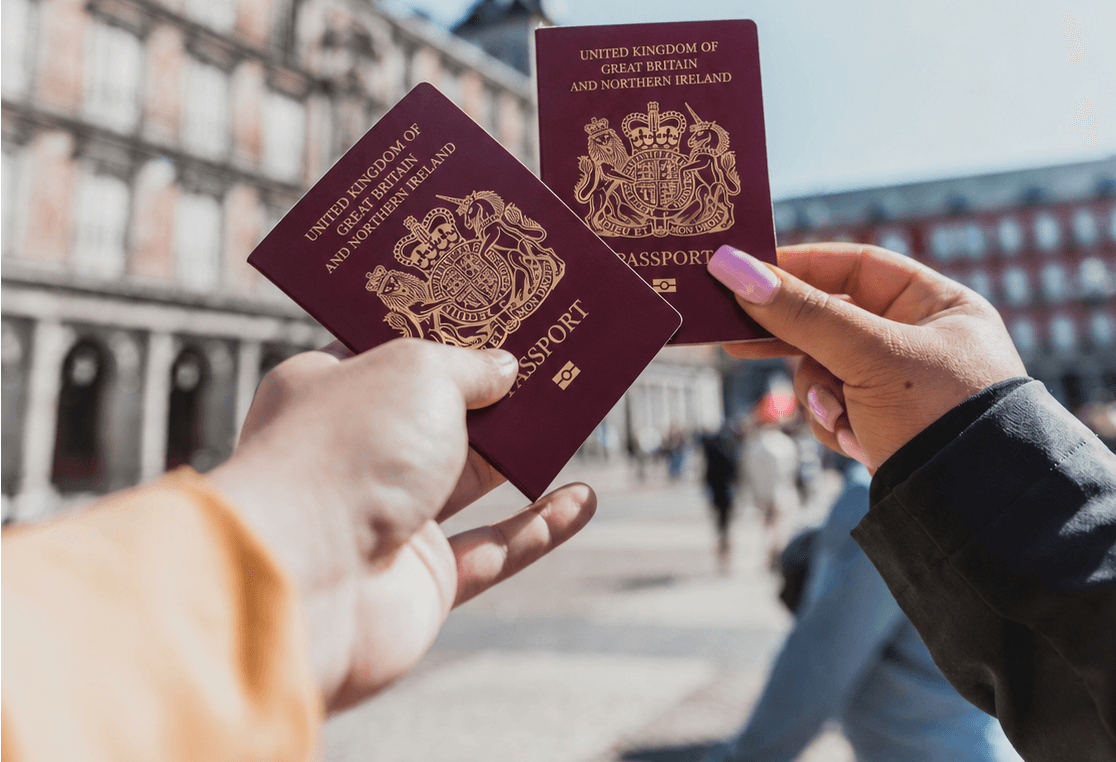
What happens if a British passenger dies on a cruise abroad?
If a British passenger dies during an international cruise, the family may need help navigating several legal and administrative systems.
The Foreign, Commonwealth & Development Office (FCDO) provides guidance for British nationals dealing with deaths overseas. British consular staff can explain local procedures, provide information about funeral directors and assist families in understanding their options.
They can't normally pay funeral or repatriation expenses, however.
An important complication concerns where the death is legally registered. UK government guidance states that deaths occurring aboard foreign-registered ships must be registered in the country where the vessel is registered. The practical arrangements may also involve authorities at the port where the body is landed.
Once the necessary local procedures have been completed, the family can arrange for the deceased person to be returned home. This process is known as repatriation.
An international funeral director will usually coordinate with a local funeral director, obtaining the necessary documents and arranging suitable transport.
The FCDO warns that repatriation can take time, particularly where a post-mortem examination or police investigation is required.
Families may also choose burial or cremation overseas, depending on local rules and their wishes. It's a difficult process to manage from another country, which is why prompt contact with the cruise operator, insurer and consular services can be so important.
Does travel insurance cover a death on a cruise?

Travel insurance can make an enormous difference, although the level of assistance depends on the policy.
Some policies include repatriation of remains, emergency assistance and additional accommodation or transport expenses for accompanying relatives.
Others impose restrictions, exclusions or financial limits that could leave families facing substantial costs.
The FCDO advises families to contact the deceased person's travel insurer as soon as possible. Insurers may have approved funeral directors and assistance providers who can coordinate the necessary arrangements.
If there's no suitable insurance, relatives may be responsible for arranging and funding the return of the body themselves.
Cruise passengers should check whether their policy includes overseas medical care, repatriation following death and assistance for travelling companions. It's also worth confirming that the geographical area of cover includes the entire itinerary.
The costs and practicalities of returning someone from a Mediterranean port can differ considerably from doing so after a remote expedition cruise.
Does the cruise continue if someone dies onboard?
Usually, the voyage can continue, although the captain and relevant authorities determine whether any change is necessary.
The ship still has thousands of passengers and crew to look after, and a death caused by illness or other natural circumstances doesn't necessarily affect its ability to operate safely.
For most passengers, there may be little visible indication that anything has happened.
The crew will generally manage the situation discreetly, respecting the privacy of the deceased person and their family.
Other passengers shouldn't expect an announcement identifying someone who's died, particularly where doing so would unnecessarily disclose personal or medical information.
The situation would be different if the death formed part of a wider emergency, involved a suspected crime or required changes to the ship's operation.
For the family, of course, the fact that life onboard continues can be particularly difficult. The restaurants remain open, entertainment carries on and fellow passengers may be enjoying their holidays only a short distance away.
It's an unusual contrast, and one that makes compassionate support from the crew especially important.
How common are deaths on cruise ships?
Deaths onboard cruise ships do occur, but assessing how frequently is more difficult than it might appear.
Cruise operators don't publish a consistent, comprehensive global dataset covering every death among passengers and crew. Individual incidents may be reported to flag-state authorities, port officials or public-health agencies, depending on their circumstances.
The CDC, for example, collects reports of deaths aboard ships travelling to US ports, but those figures don't provide a complete picture of the worldwide cruise industry.
Cruise passengers also come from a wide range of age groups, including older travellers and people living with existing medical conditions.
A death occurring during a voyage therefore doesn't necessarily indicate that the cruise itself contributed to it.
Without consistent international reporting and reliable comparisons with similarly aged populations travelling on land, broad claims about the relative risk of dying on a cruise would be difficult to substantiate.
What can be said is that cruise ships are expected to have procedures for serious medical emergencies and for managing a death when one occurs.
What should you know before travelling?
Few people want to contemplate dying on holiday, and for good reason. There's quite enough to think about when planning a trip without adding international death certification to the itinerary.
But a small amount of preparation can make an exceptionally difficult situation easier for those left behind.
Make sure your emergency contact details are accurate, that a trusted person knows where to find your insurance information and that your policy includes appropriate medical and repatriation cover.
If you're travelling with a serious medical condition, discuss the itinerary with your healthcare professional and check the ship's medical capabilities before booking, particularly if the voyage involves several days away from land.
Ultimately, a death at sea is managed through a combination of medical care, maritime procedures and coordination with authorities ashore. There may be complicated paperwork and considerable logistical work behind the scenes, but the purpose is straightforward: to treat the deceased person with dignity and help their family through an extraordinarily difficult experience.
It's a part of cruising that rarely appears in the brochures, and understandably so. Nevertheless, knowing that the necessary arrangements exist offers a little reassurance about what happens when a holiday takes the saddest possible turn.
Editorial research note: This article is grounded in CLIA's published guest-care policies, the CDC's guidance on cruise ship medical facilities and death reporting, the WHO's International Medical Guide for Ships, maritime medical guidance and the FCDO's guidance on deaths overseas, last reviewed on 19 October 2026. Processes vary by vessel, flag state and local law. For a stronger investigative feature, I'd seek an on-record interview with a cruise-line medical director or guest-care manager to describe how these procedures work in practice, without identifying bereaved families.