Cruise ports, like restaurants and seaside towns, tend to suffer from their own successes. First comes discovery, then the social posts, the bigger ships, the transfer coaches and then, before you know it, a once modest waterfront is now absorbing several thousand people before lunchtime. After that, local officials start talking about “coexistence”, “mobility” and “sustainability”, which are usually signs that somebody somewhere has had enough of being pinned against a wall by a queue for the shuttle bus.
The most interesting phase however, probably comes just before oversaturation: when a port's still commercially successful, still very much in the brochures, but has started to feel the strain. This is typically when cruise lines, port authorities and city governments begin making small adjustments to things like berth policy, passenger caps, tourist taxes and terminal design, before eventually, another port, slightly down the coast and much less famous, starts looking suspiciously appealing to the big lines.
How a cruise port gets too popular

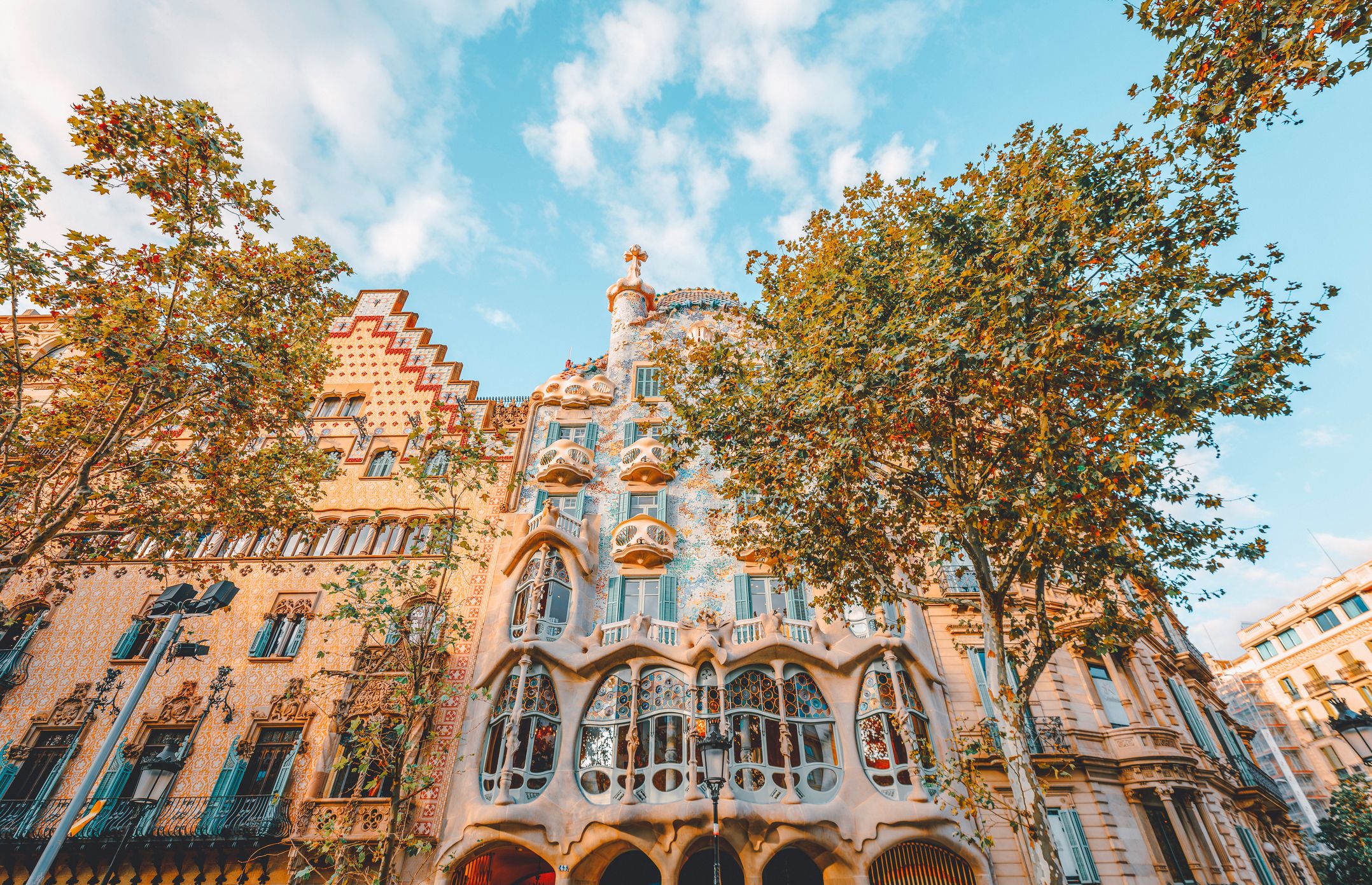
Barcelona
There is no official five-stage theory of cruise-port overexposure but the pattern is fairly easy to recognise. A place becomes desirable because it is beautiful, famous or conveniently close to something beautiful and famous. Ships multiply. Day-tripper infrastructure grows around them. More people start arriving at the same hours, often aiming for the same handful of landmarks, and the city slowly stops feeling like a city and starts feeling like a theme park. What makes cruise pressure especially visible is the timing and concentration. A destination may be able to absorb large annual numbers quite happily, yet still feel overwhelmed between 10am and 2pm when several ships discharge their guests at once.
That's why the really useful metric is not always total tourism, but density and timing. Greece’s prime minister made exactly this point when announcing a new cruise levy for Santorini and Mykonos, saying the country does not have a structural overtourism problem everywhere, but did have significant issues in certain destinations during certain weeks and months. Trouble usually begins not when a port becomes popular in the abstract, but when popularity develops on a schedule.
Barcelona cruise tourism and the point where growth becomes the problem
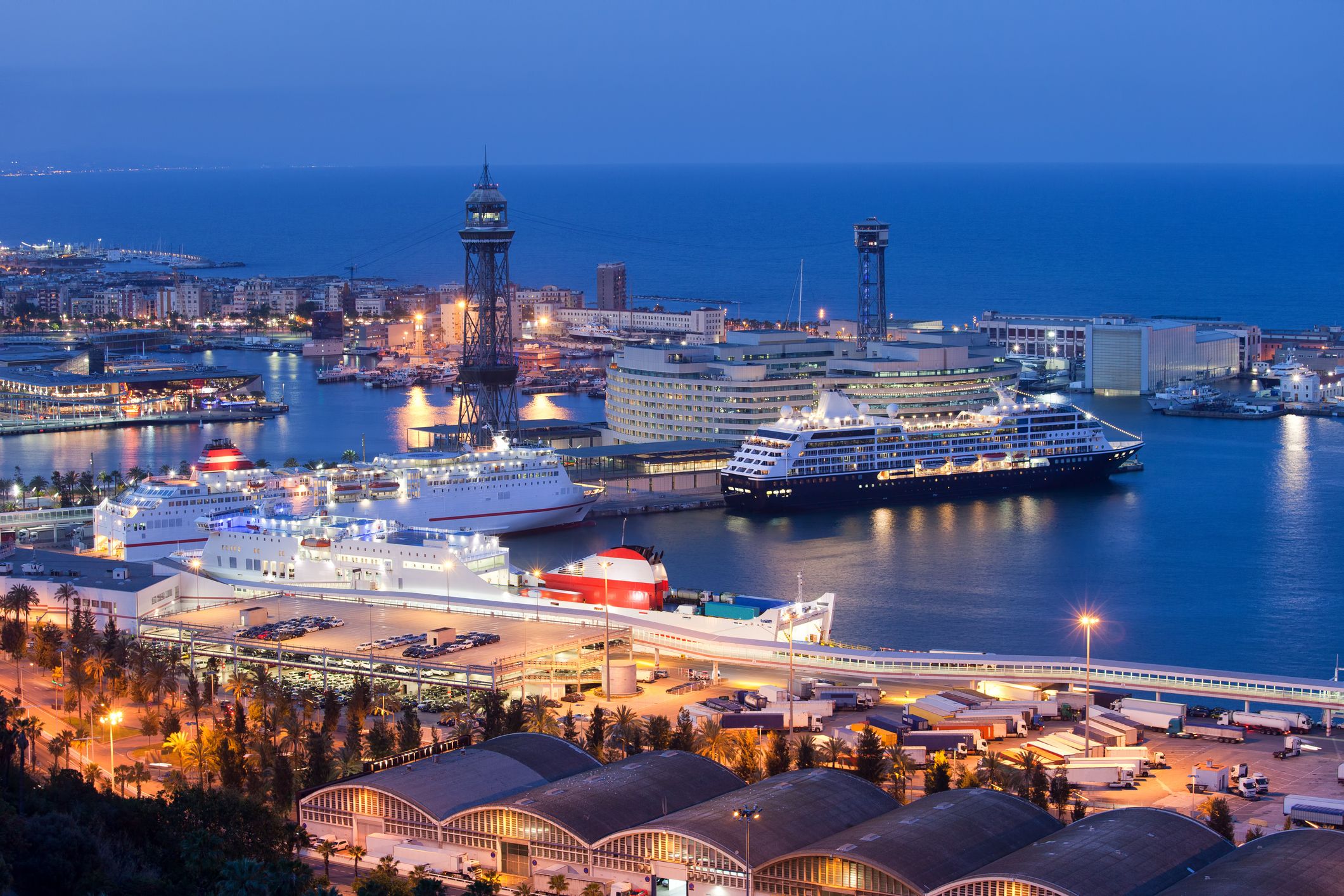
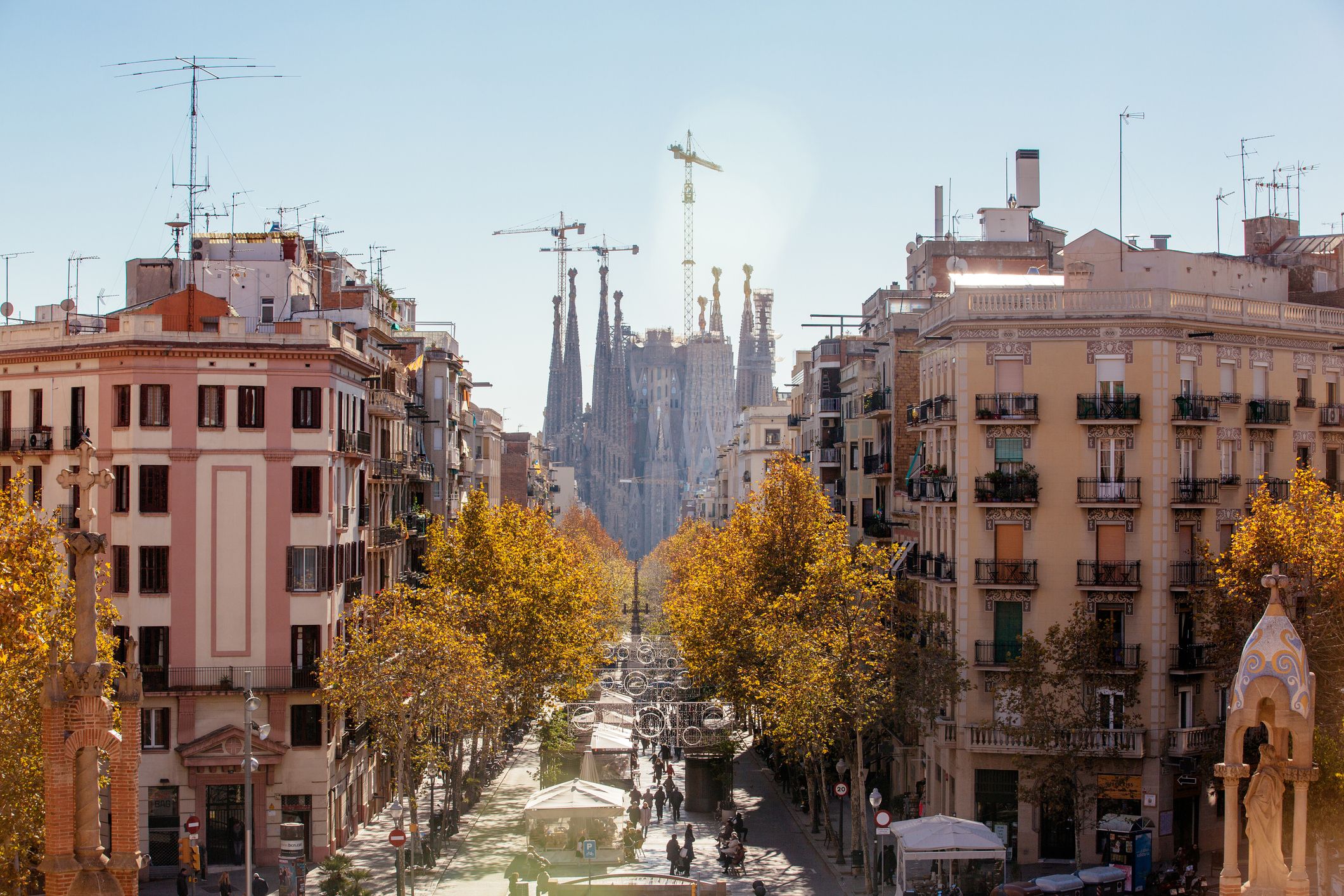
Barcelona is perhaps the clearest current example of a port moving from simple success into active management. In July 2025, the city council and the Port of Barcelona signed an agreement to reduce the number of cruise terminals on the Adossat wharf from seven to five, demolishing the oldest three and building a new public terminal in their place. The port framed the move as part of a more sustainable and responsible management model, while Reuters reported that the plan would cut simultaneous passenger capacity from 37,000 to 31,000 by 2030. Reuters also noted that ship calls were up 21 per cent and passenger numbers up 20 per cent in the first five months of 2025, reaching 1.2 million over that period. At that point, you are no longer talking about hypothetical pressure. You are talking about numbers that have started walking around the city in actual shoes.
The interesting part is what the agreement prioritises. Barcelona’s new public terminal is intended to favour homeport cruises and small vessels, not simply more throughput for its own sake. That tells you something important about how mature ports try to correct course. They do not always begin by saying “fewer tourists, full stop”. More often, they start by asking which kinds of cruise traffic create more value, disperse pressure more sensibly or fit the city better operationally. Growth does not end. It gets edited.
Dubrovnik cruise limits and how a port starts rationing itself
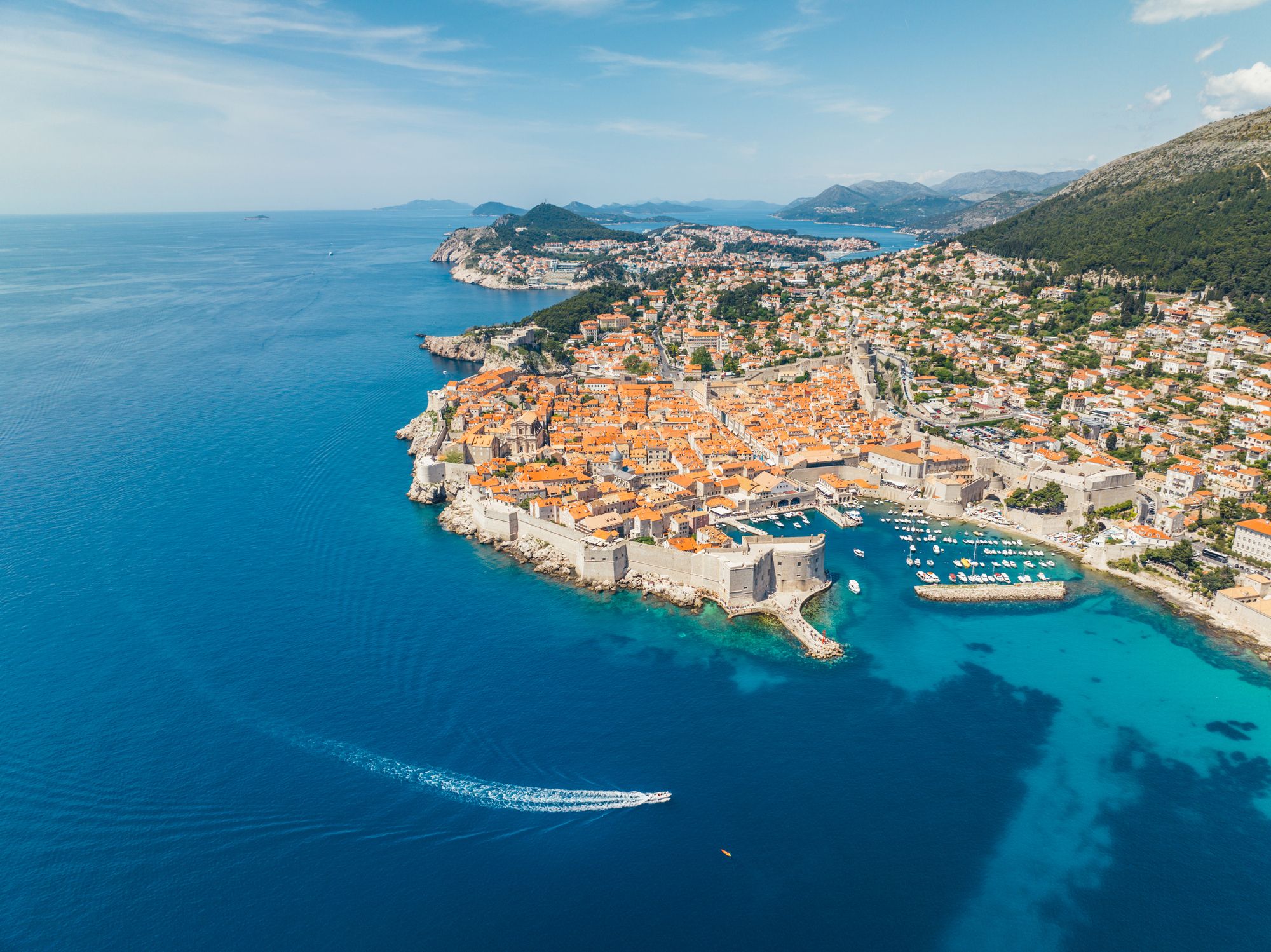
Dubrovnik has been living with this conversation long enough that it now feels almost post-graduate about it. The city’s “Respect the City” approach has for years been associated with limits on ship numbers and with the now-familiar 4,000-passenger threshold for the historic core. The Scottish government’s international evidence review on cruise levies summarises Dubrovnik’s rules as including a minimum stay of eight hours for vessels over 500 passengers, a 12-hour minimum for ships carrying more than 4,000 passengers, and a maximum of 4,000 cruise passengers in the inner city at one time. The Port of Dubrovnik’s 2027 berthing policy continues to frame 4,000 as the relevant maximum for cruise passengers visiting the inner city.
That is a revealing combination of measures. It is not just about limiting numbers. It is also about stretching time. If passengers stay longer, arrivals can be spaced, bottlenecks soften, and the city has a better chance of behaving like a place people are visiting rather than a venue hosting an evacuation drill. This is one of the first things ports do before the headlines get too sour. They start tinkering with choreography. When you cannot eliminate demand, you try to stop it all turning up at the same gate at 10.30 in the morning.
Santorini cruise caps and why taxes appear next
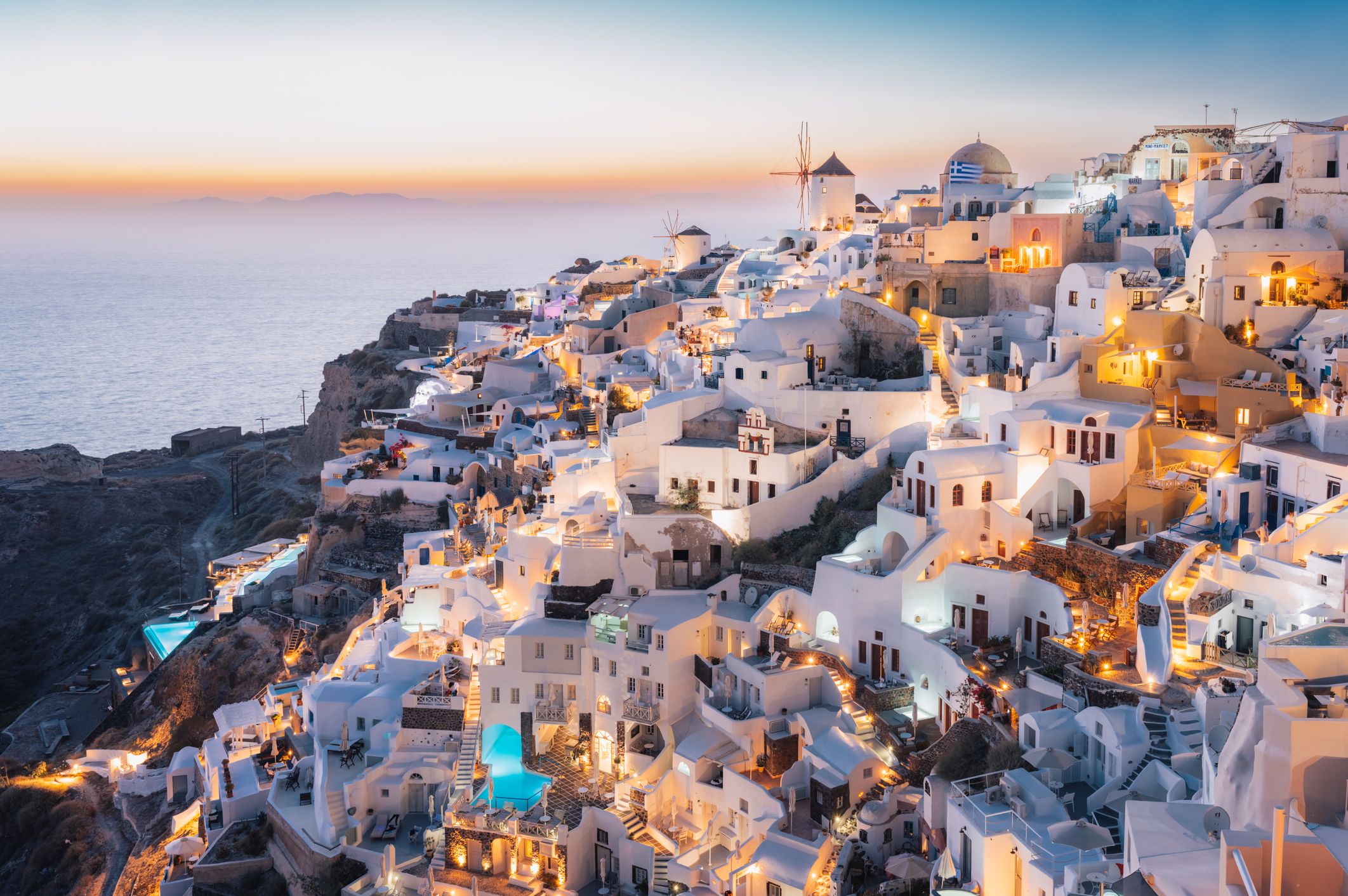
Santorini has moved into an even more explicit version of this logic. The Municipal Port Fund of Thira’s berthing policy for 2025 and 2026 states that cruise passengers visiting the island will not exceed 8,000 on the same day in either year. It also sets out an allocation system that weighs factors such as stay duration, low-season calls and company cancellations when processing arrivals. In other words, Santorini is not merely counting heads. It is trying to shape behaviour. A port has reached a fairly advanced stage of self-awareness when its berth allocation starts reading like a school admissions policy.
Then came the money. Reuters reported in September 2024 that Greece planned a 20-euro levy on cruise visitors to Santorini and Mykonos during peak summer season, with the prime minister saying that cruise shipping had burdened those islands and that part of the revenues would be returned to local communities for infrastructure. The message is obvious enough: if you are going to arrive in very large numbers at a place with limited carrying capacity, you should probably help pay for the consequences. This is usually the phase at which a port stops asking politely for moderation and starts putting a price on impatience.
Venice and the point where a port loses the argument entirely

Venice is the cautionary tale everybody cites because Venice has the decency to be both dramatic and familiar. In 2021, Italy banned large cruise liners from the Venice Lagoon after years of dispute and after UNESCO threatened to place the city on its endangered list if no action was taken. Reuters described the move as a decision to defend Venice’s ecosystem and heritage, effectively prioritising residents, conservation bodies and the city’s physical vulnerability over cruise convenience. Once a destination reaches that stage, the conversation is no longer about fine-tuning arrivals or smoothing out the coach queues. It is about accepting that the old operating model has lost the political argument.
And yet the story does not end with a ban. It simply moves. Euronews reported in 2024 that, as Venice continued to clamp down and Norwegian Cruise Line removed the city from its itineraries, passengers were seeing alternatives such as Ravenna, Trieste, Koper, Rijeka and Zadar instead. That is the bit cruise planning rarely says out loud. Popularity does not disappear. It migrates. The pressure that once landed in one iconic place begins looking for nearby substitutes with enough infrastructure, enough romance or at least enough coach parking to keep the programme alive.
What cruise lines do before the backlash becomes official
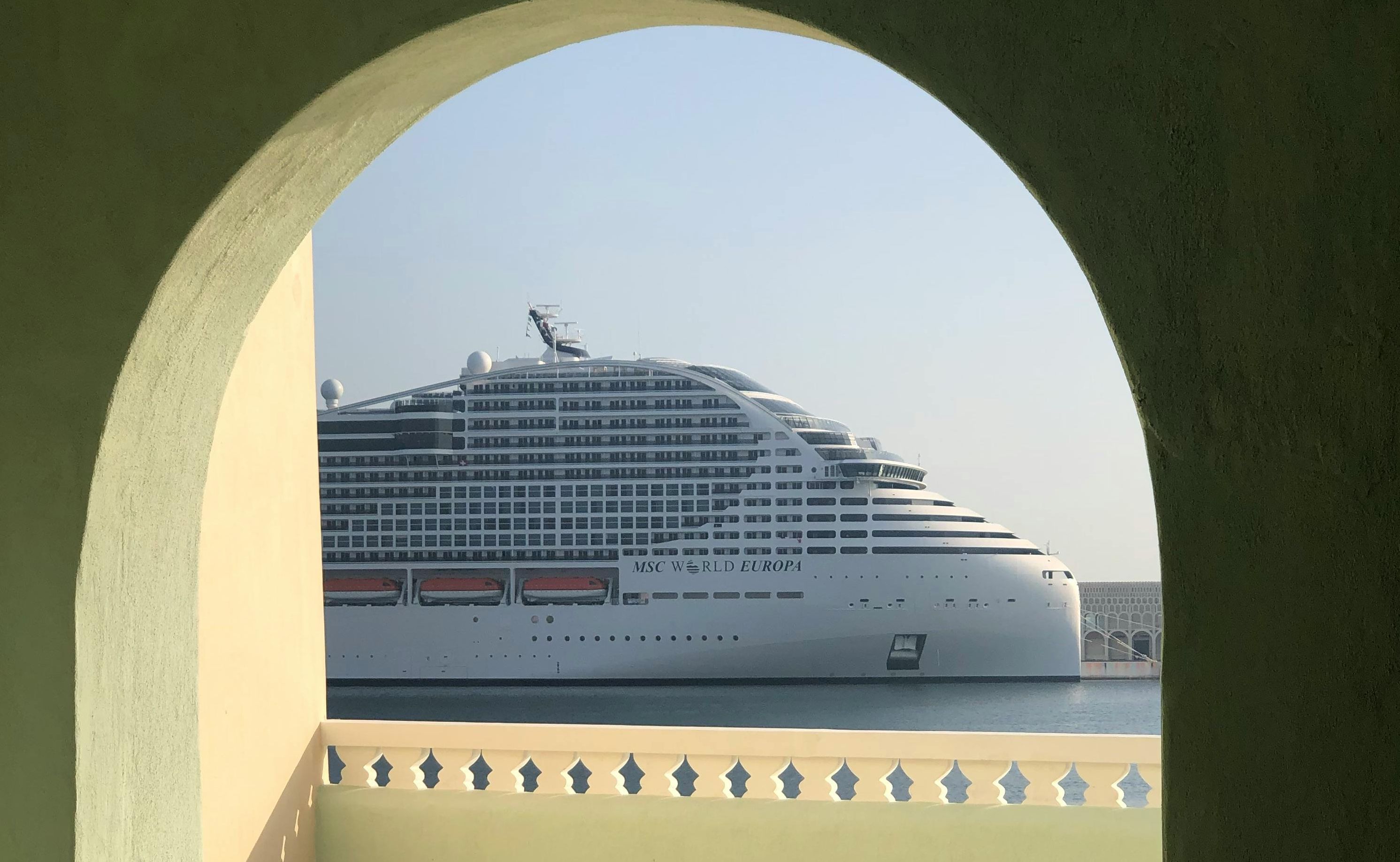
This is where the life cycle gets most interesting. Cruise lines are rarely waiting passively for a destination to slam the door. They can see the signs too. Before the open warfare phase, they start doing small, strategic things. They drop a stop for a sea day. They swap the famous port for the practical one. They favour homeport calls over pure transit traffic. They move toward smaller vessels, longer stays or shoulder-season schedules. Tarragona’s current growth tells you how this can look in practice. The port says it expects a record 2026 season with 81 calls and 160,000 passengers, up sharply on 2025, with luxury traffic a particularly strong area of growth. Sometimes the “next” port benefits precisely because the previous one became too successful to remain frictionless.
Amsterdam offers another form of pre-emptive recalibration. DutchNews reported in January 2026 that the city was considering ending sea cruises by 2035, after previously deciding to cut the number of cruise ships allowed to dock from 190 to 100 by 2026 and to remove the sea cruise terminal from Veemkade by 2035. That is a city trying to get ahead of its own future. It is not merely reacting to one bad summer. It is asking whether the current model fits the place it wants to be. That sort of question tends to produce itinerary changes long before the average passenger notices what has happened.
What this means for future cruise itineraries
The important thing for passengers to understand is that cruise geography is not fixed. A port’s success can alter its own prospects. The more desirable a call becomes, the more likely it is to attract restrictions, rerouting, taxes, caps or substitutes. That does not always make the holiday worse. Sometimes it improves it. Secondary ports can be less clogged, better integrated with their surroundings and much easier to enjoy without feeling like part of an invasion. The smartest cruise planning of the next few years will not just be about finding the famous places. It will be about finding the places still in the sweet spot, popular enough to be interesting, but not yet so popular that the local council has started learning the phrase “passenger dispersal strategy” by heart.
In other words, a cruise port has a life cycle much like any other travel darling. Discovery. Boom. Friction. Regulation. Reinvention. The clever bit is spotting where a destination sits on that curve before the brochures catch up. By the time everybody is writing about overtourism, the really interesting adjustments have already begun.