Vietnam stretches for roughly 1,650 kilometres from north to south, so a cruise calling at Ha Long Bay, central Vietnam and Ho Chi Minh City is not giving you three variations on the same place. It’s giving you three very different regions, each with its own food, history and pace.
The complication is that cruise itineraries are not always especially candid about geography. “Hanoi (Ha Long Bay)”, “Hue/Da Nang (Chan May)” and “Ho Chi Minh City (Phu My)” can all involve substantial transfers, and that should shape what you try to do ashore.
Ha Long Bay or Hanoi: choose scenery or the city
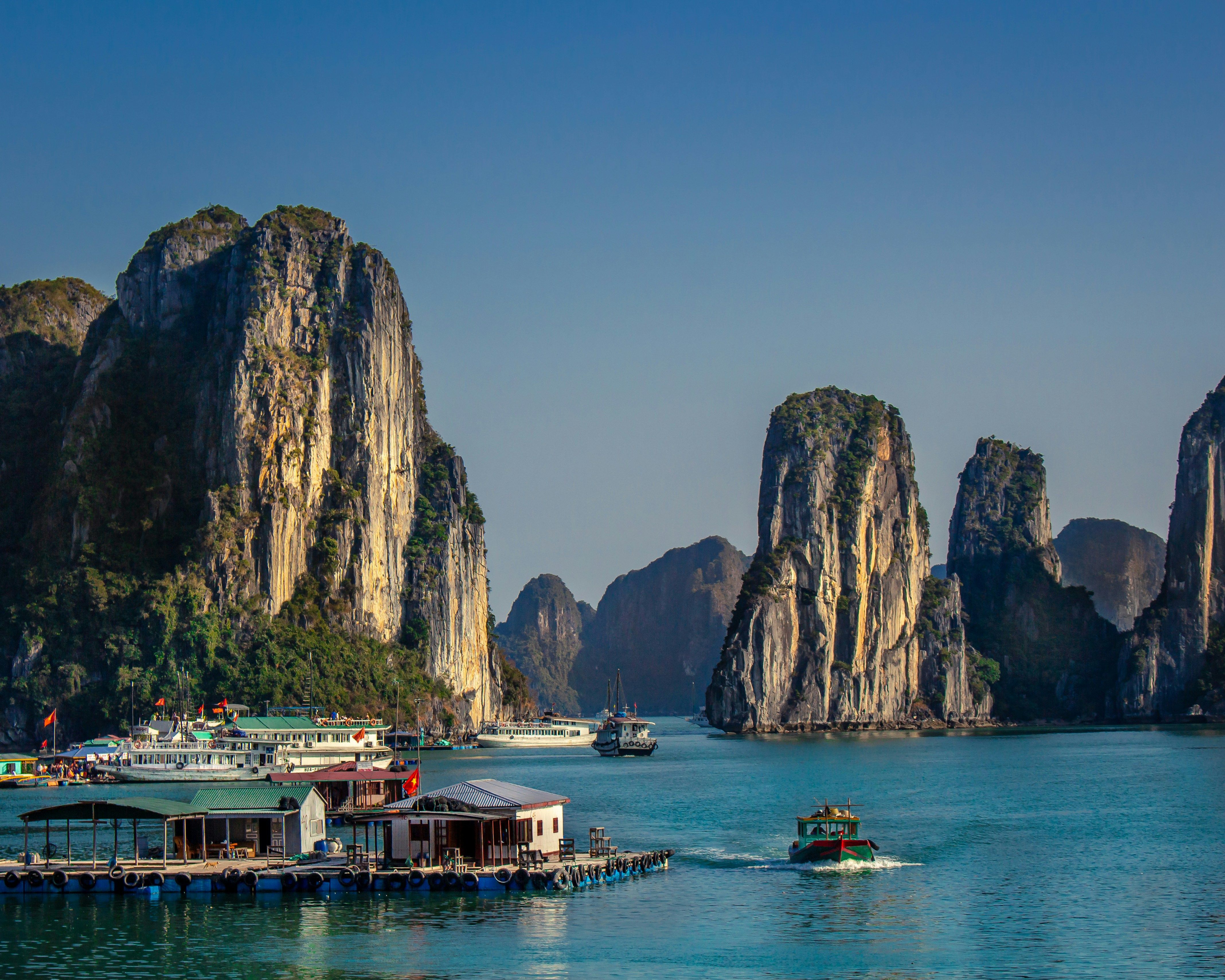
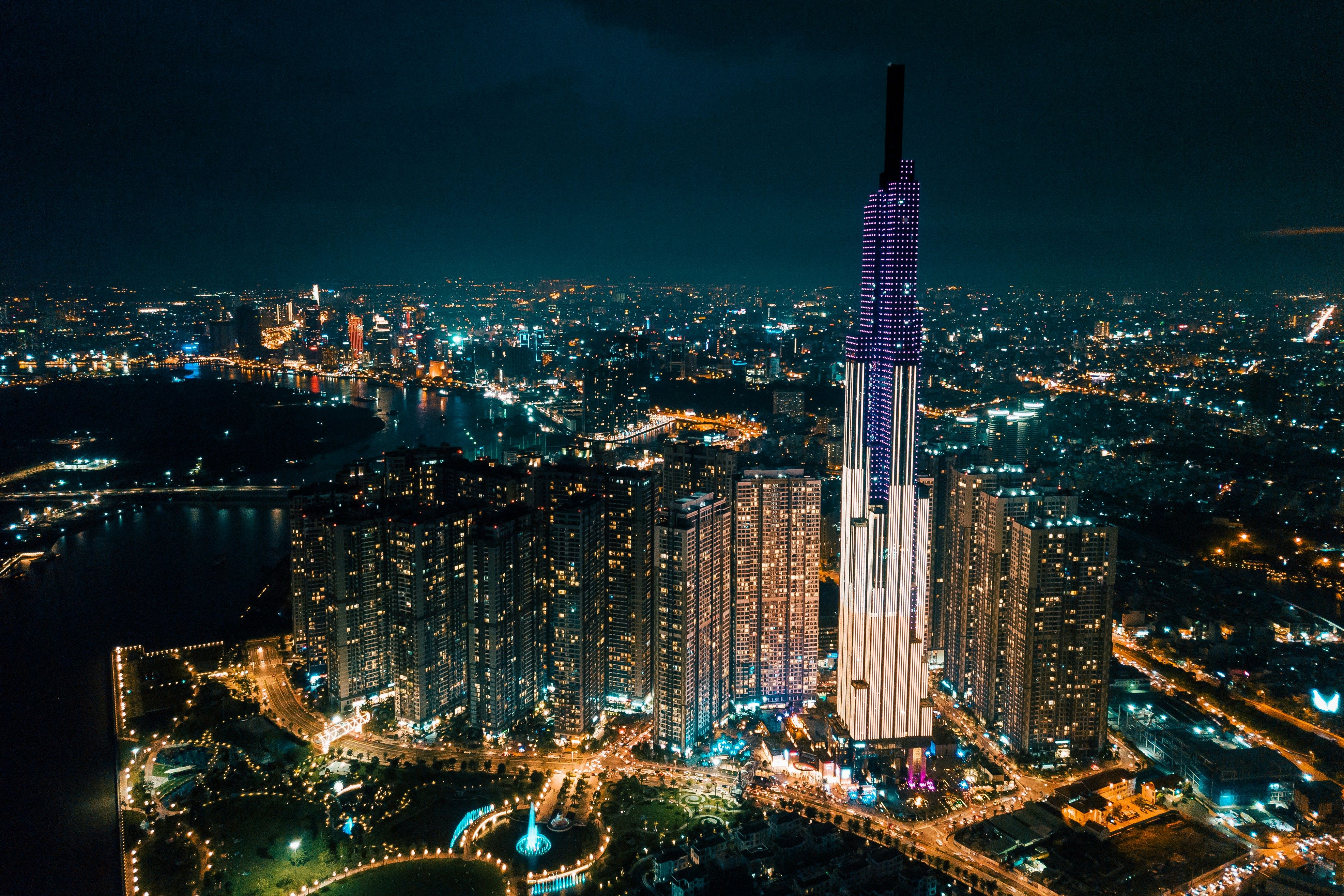
Ha Long is the easiest port on this route to get right because staying near the ship is already a major attraction. The UNESCO-listed Ha Long Bay–Cat Ba Archipelago contains 1,133 islands and islets, with limestone towers rising directly from the water. A boat trip through the bay therefore makes an excellent port day without requiring much logistical ambition.
Hanoi is the more culturally substantial option, but it comes with a much longer day. Ha Long Bay lies around 165 kilometres from the capital, so a visit to the Old Quarter, Temple of Literature or the city’s museums means committing a sizeable portion of the call to the road.
On a long call or overnight, Hanoi is absolutely worth it. On a shorter one, I’d stay with Ha Long and enjoy the rare situation in which the famous attraction has had the courtesy to position itself beside the cruise port.
Chan May: Hue, Da Nang or Hoi An?
Central Vietnam is trickier because three very good places compete for one day.
Hue is the strongest choice for history. It became capital of unified Vietnam in 1802 and remained the political, cultural and religious centre of the Nguyen dynasty until 1945. The Imperial City, royal tombs and Perfume River make it the most substantial historical excursion from Chan May.
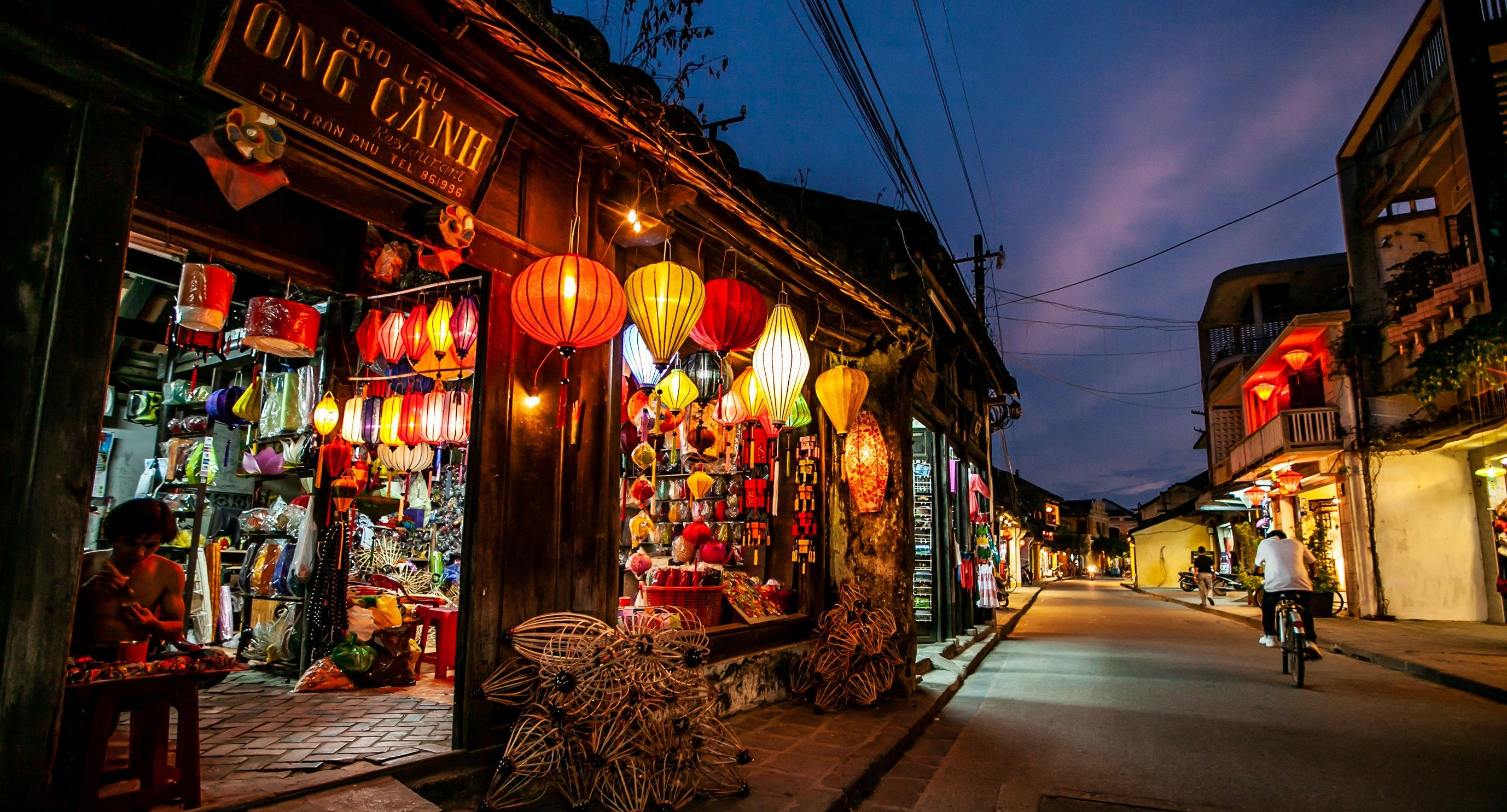
Hoi An offers something quite different. The UNESCO-listed old town was an international trading port from the 15th to 19th centuries, with Vietnamese, Chinese, Japanese and later European influences still visible in its street plan and architecture. Da Nang, meanwhile, is the least monument-heavy option, with beaches, markets and a contemporary city feel that can be refreshing after several days of temples and heritage sites.
The mistake is trying to do all three. From Chan May, transfers already eat into the day, and adding Hue, Da Nang and Hoi An together usually produces an excellent survey of central Vietnam’s road network. Pick the one that interests you most and spend some actual time there.
Ho Chi Minh City from Phu My: the transfer matters
For large ships, Ho Chi Minh City usually means Phu My, around 80 miles away and roughly 90 minutes by road in good conditions. That makes this the port where pre-planning matters most.
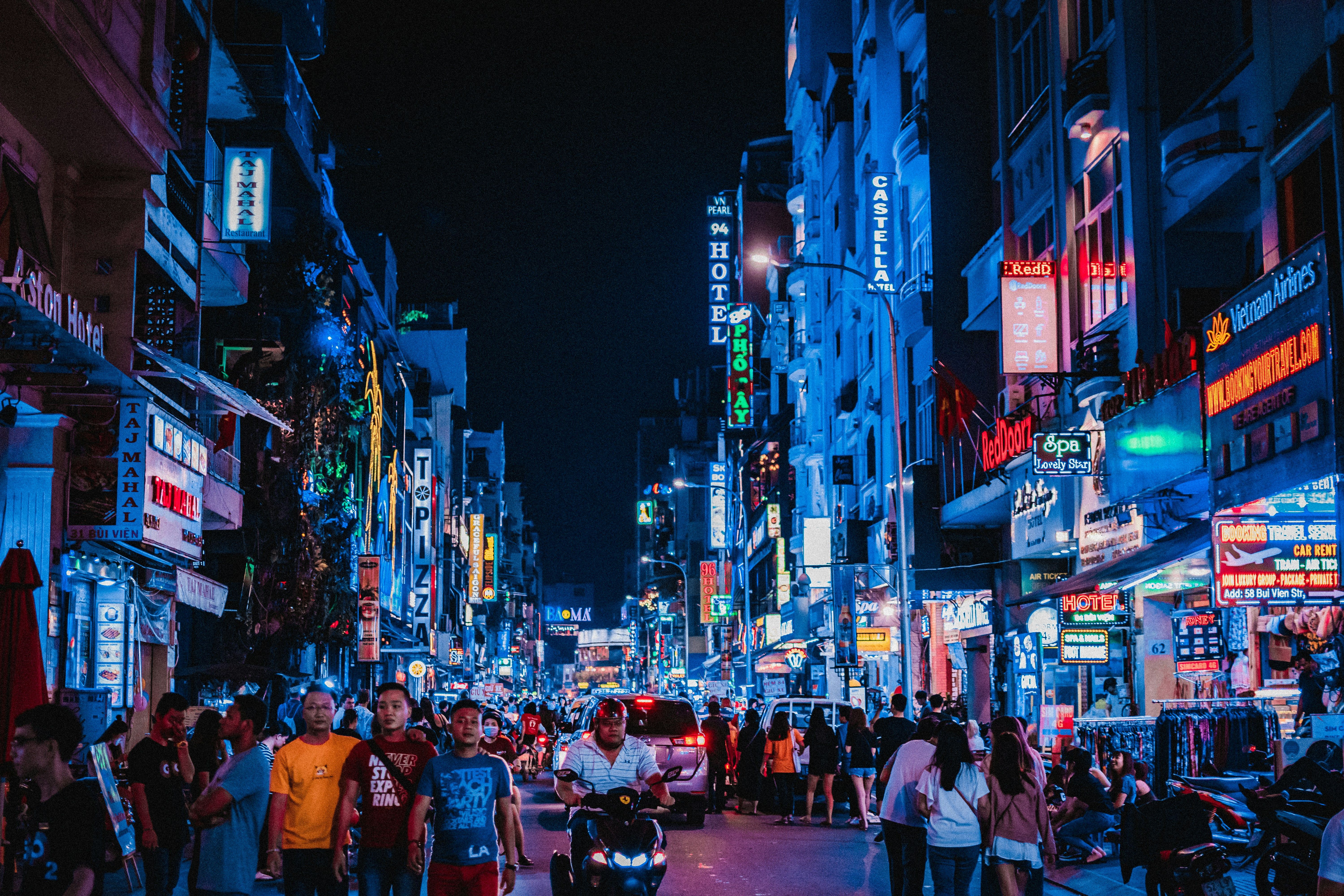
Once you’re in the city, I’d resist trying to complete Saigon before lunch. The War Remnants Museum, Independence Palace, Central Post Office, markets and historic centre are all worthwhile, but the city’s appeal also lies in simply being in it: traffic flowing around you, cafés, food stalls and the rather advanced art of crossing a road containing several hundred motorbikes.
There is also a significant small-ship advantage here. Seabourn’s vessels can sail up the Saigon River into central Ho Chi Minh City, removing most of the transfer altogether. When comparing itineraries, that apparently minor difference in port listing can amount to several extra hours ashore.
Which Vietnam cruise port is best?
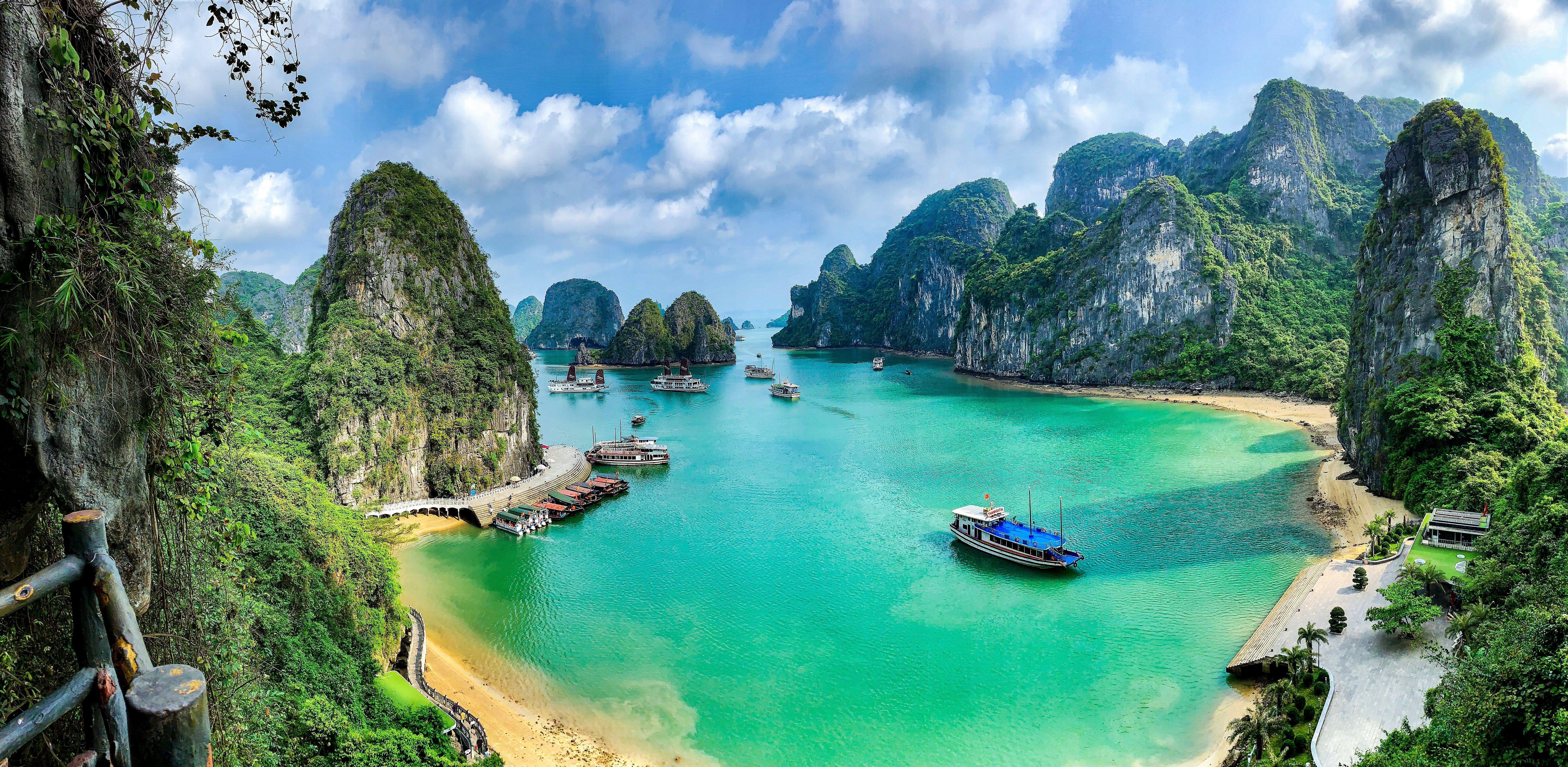
Ha Long is the easiest scenic day, particularly if Hanoi feels too ambitious for the time available. Chan May gives you the biggest choice, with Hue for imperial history, Hoi An for atmosphere and Da Nang for a more contemporary coastal stop. Phu My gives you Ho Chi Minh City, but only after accepting that a meaningful chunk of the day will be spent getting there.
That is really the useful thing about cruising Vietnam. The country changes markedly as you travel south, and the ports make those differences unusually clear.
Just pay close attention to the words in brackets on the itinerary.
They may contain an hour and a half of motorway.