At times it feels a bit like river cruising has a branding problem.
Somewhere along the way, it became associated with muted carpets, hushed excursions and the sort of holiday where everyone appears to have packed several fleeces expressly for “panoramic lounge time.” Which is unfair on river cruising generally, but especially unfair on the Mekong.
The Mekong is anything but beige. The Mekong is boats piled with fruit at dawn, temple bells, tuk-tuks, flower villages, riverbanks that never stay still for long, and Cambodia and Vietnam stitched together in a way that makes a great deal more narrative sense than flying in and flying out again. Most classic Mekong holidays are not just a cruise, either. They are usually hybrid trips, with a river segment plus hotel nights at the big bookends such as Ho Chi Minh City, Phnom Penh and Siem Reap, and on some longer programmes, Hanoi as well. Operators such as APT, Travelmarvel, Scenic, Uniworld and Aqua all sell the route in slightly different lengths, but the common thread is the same: this is a journey, not a floating hotel parked in one nation’s scenic bits.
How the route works
The first useful thing to know is that “Mekong cruise” can mean several different shapes.
Some trips run principally between the southern Vietnamese delta and Phnom Penh. Others stretch (in theory) from Ho Chi Minh City to Siem Reap, but the important word there is theory. Water levels can impact where you stop. The high-water season runs from mid-August to November, while the lower-water period runs from December to mid-August. In high water, routes work more directly between Ho Chi Minh City and Siem Reap. In low water, the ship may instead run between Ho Chi Minh City and Phnom Penh, with Siem Reap reached by road or flight. Don't consider this a flaw. It's simply how the river behaves, and on the Mekong, pretending hydrology is optional would be a very odd place to start.
Tonle Sap (the largest freshwater lake in Southeast Asia) is the reason for much of this seasonal drama. The Mekong River Commission notes that during the wet season, high Mekong flows reverse the Tonle Sap River and flood the Great Lake, causing it to expand dramatically. If you enjoy the idea of cruising through a place that behaves like a breathing piece of geography, this is good news.
Vietnam embodies movement
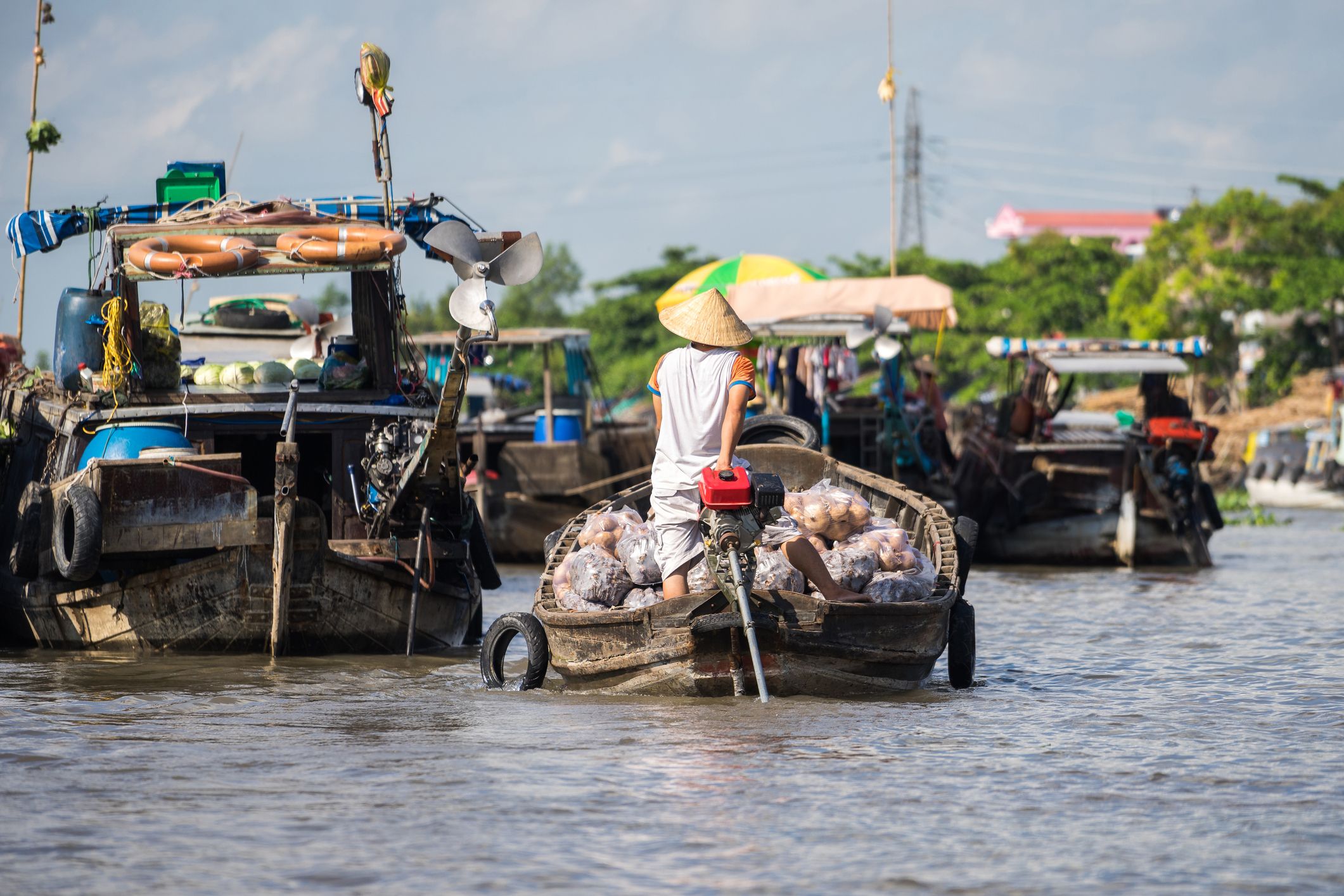
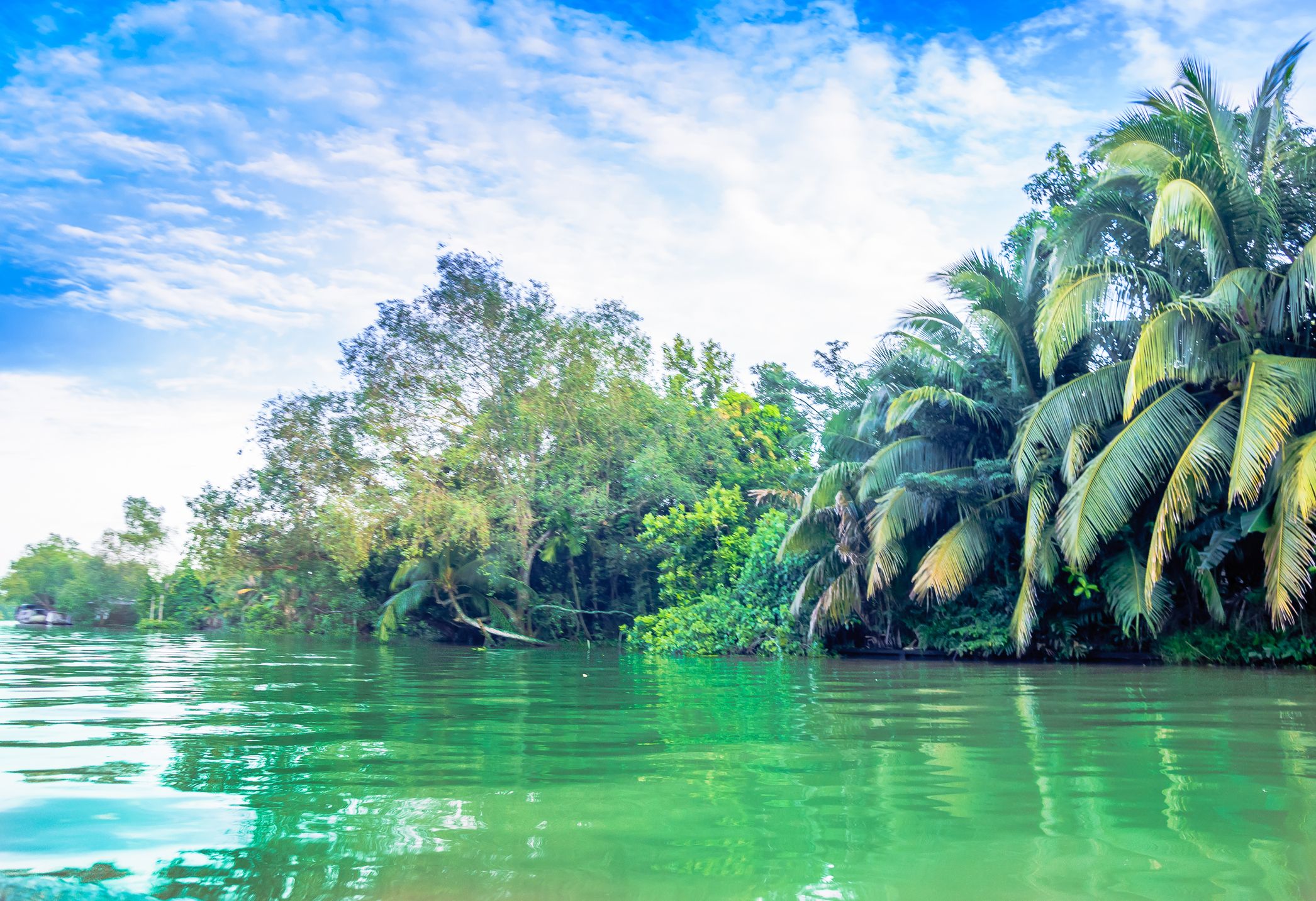
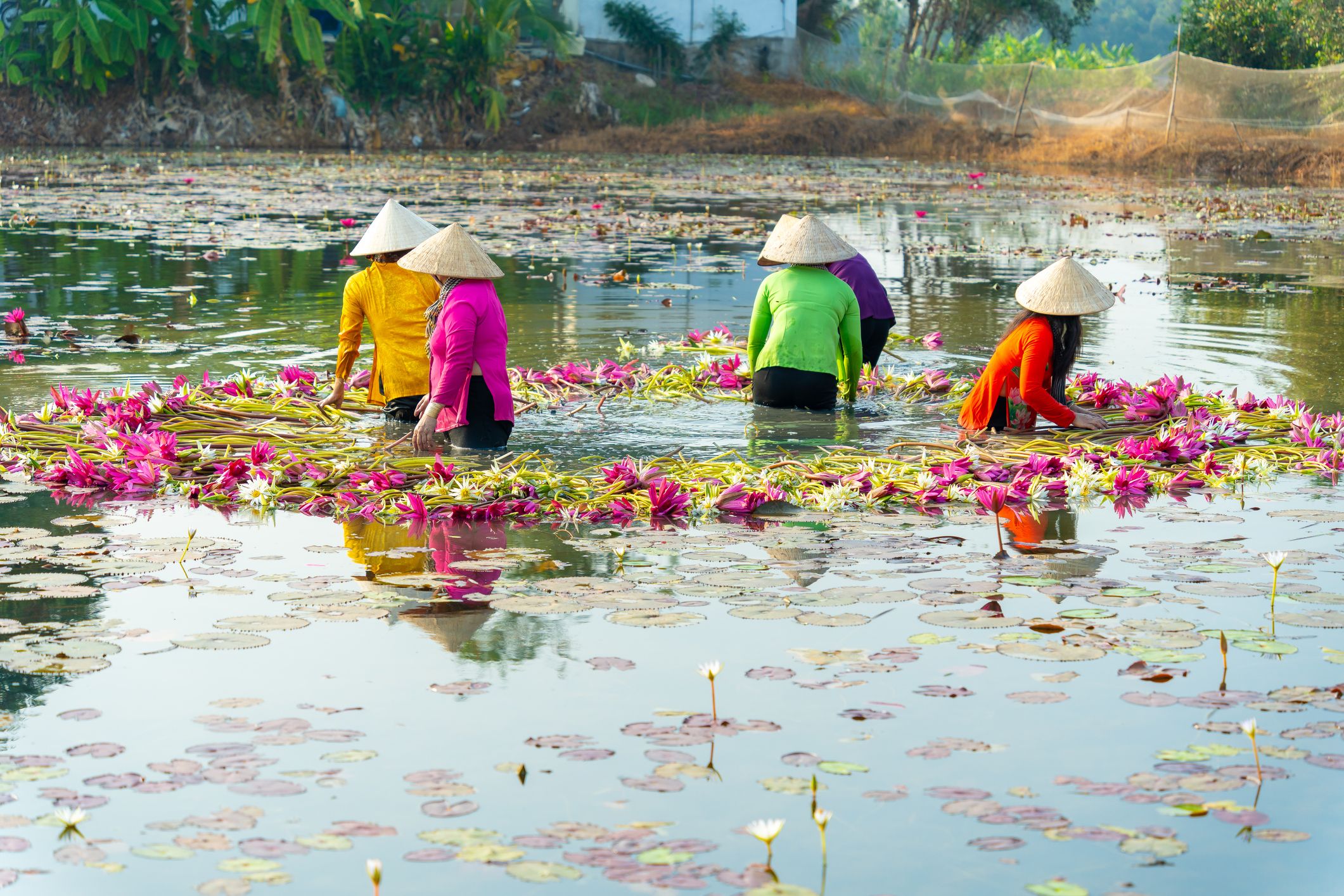
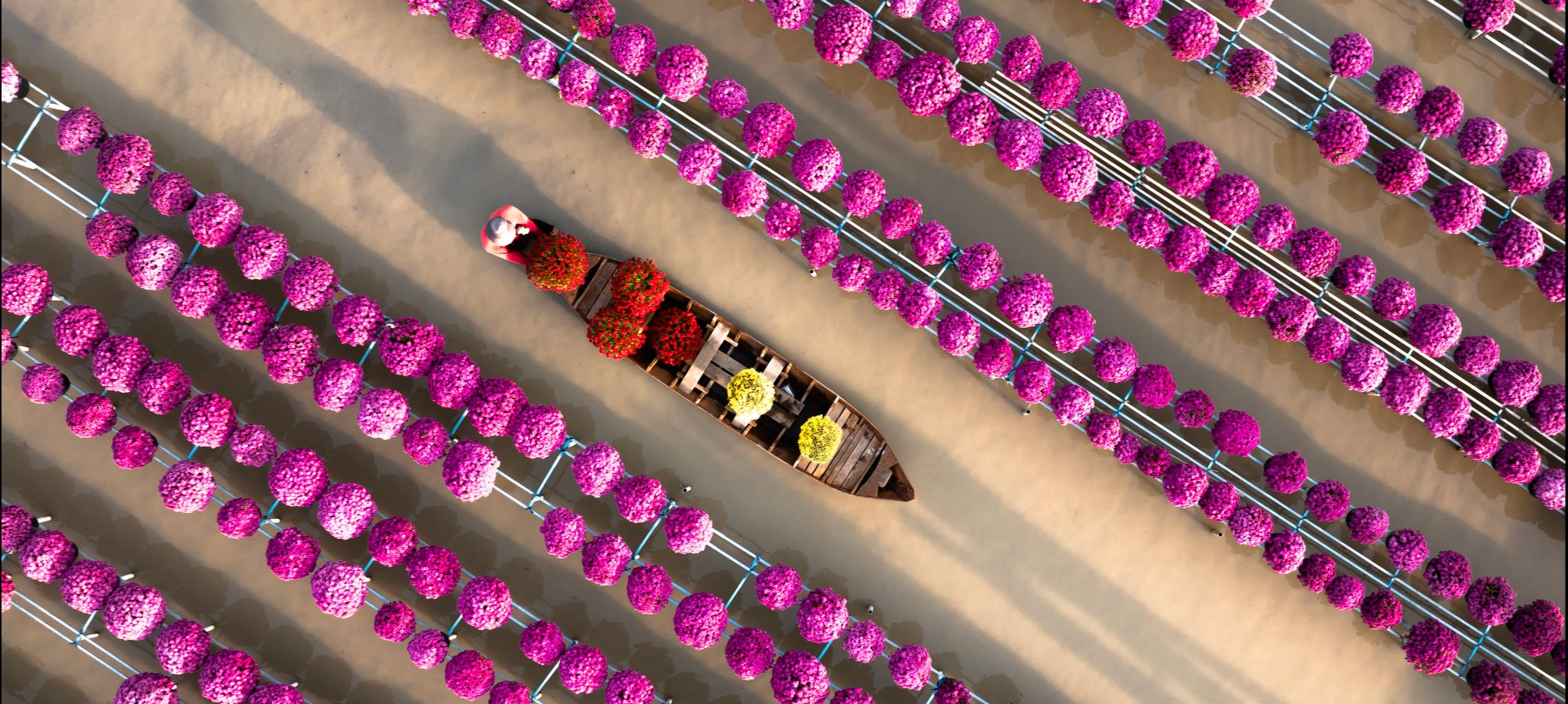
This is not the Vietnam of limestone karsts and beach loungers. It's a working delta. Vietnam’s official tourism sites still lean on the floating markets because, frankly, they should. Cai Rang remains one of the best-known examples, with official guidance noting that it runs from early morning and functions as a proper wholesale market on the river rather than some prettified theatrical version for visitors. Other delta calls on cruise itineraries often include places such as Sa Dec, where the flower village has become one of the largest ornamental-flower areas in the Mekong Delta, or Chau Doc, where Sam Mountain’s many religious sites and the surrounding delta culture shift the mood from commerce to pilgrimage and borderland texture.
This is one reason the Mekong suits people who do not think they are river-cruise people. You are not gliding past scenery at a reverent distance. You are constantly popping on and off into places where life still faces the water. There are small boats, riverbanks, workshops, markets, shrines, temples, and the agreeable sense that the river remains a working fact rather than a decorative extra. Aqua’s own materials give the game away here, talking about tuk-tuks, mat-weaving villages, temple visits, skiffs, kayaking and cycling. When operators start advertising the tenders as much as the ship, you know this is not a sedentary proposition.
If you want a single Vietnam stop that explains the whole appeal, I would make the case for Sa Dec. It has flowers, river life, enough colour to justify your camera, and exactly the right degree of small-scale charm. It also avoids the feeling, sometimes found in more famous Asian stops, that you have walked into a destination already slightly over-aware of its own fame.
Phnom Penh changes the temperature of the trip
A Mekong itinerary needs Phnom Penh.
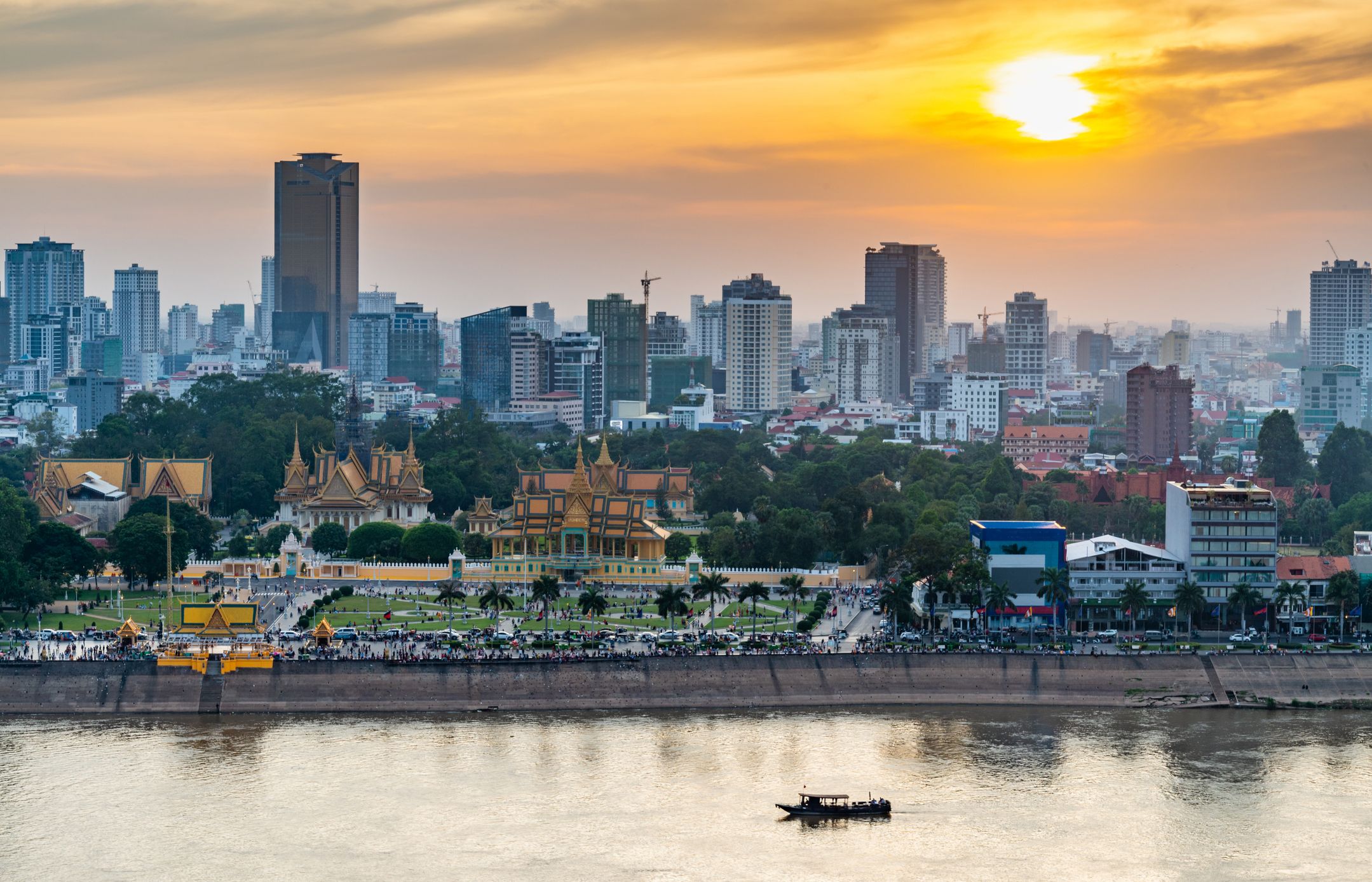
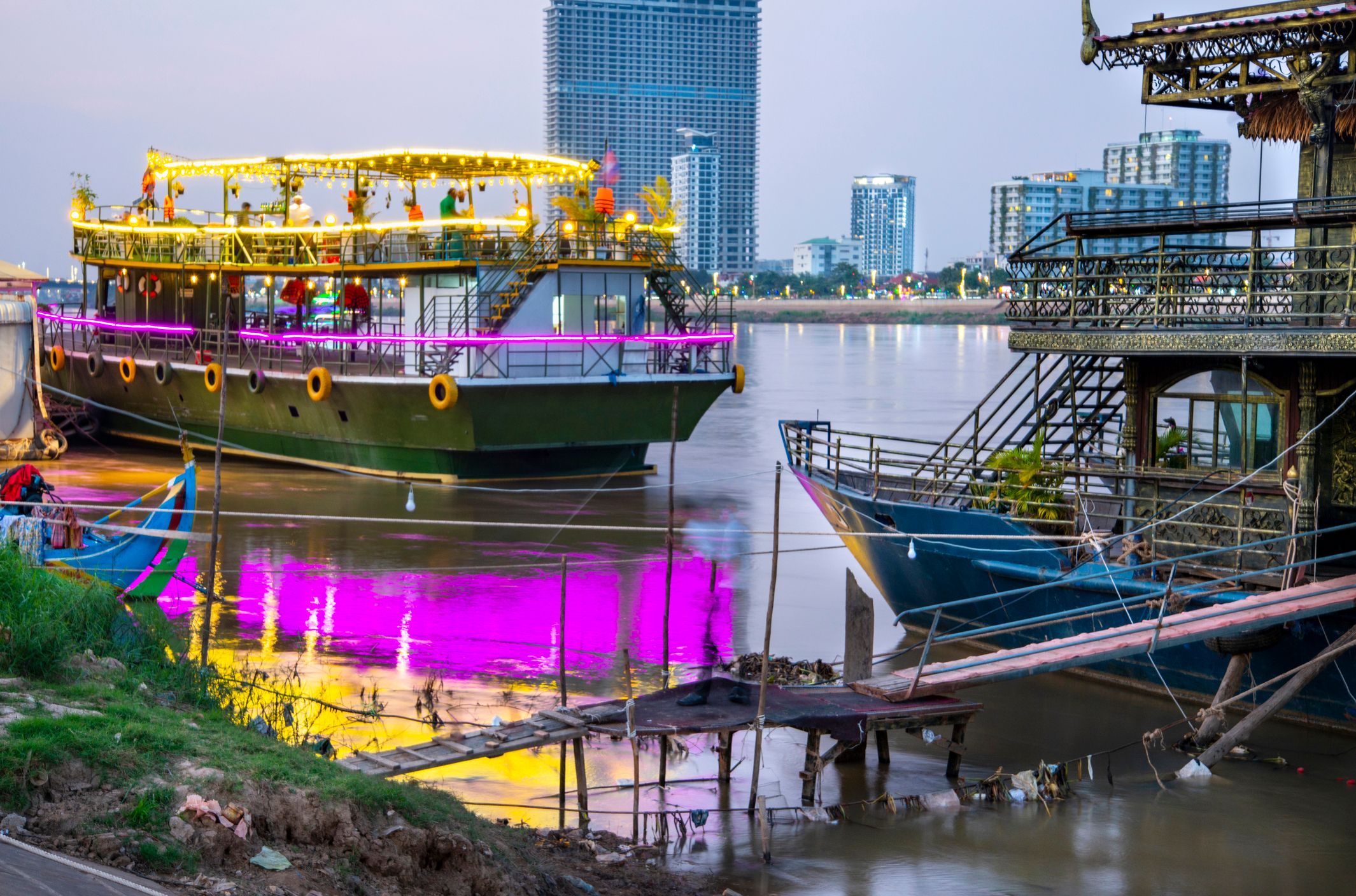
Uniworld describes Cambodia’s capital as a city moving fast into the future while still retaining a kind of provincial intimacy, which is a rather diplomatic way of saying it feels both lived-in and historically charged. The Royal Palace and Silver Pagoda remain the obvious cultural anchors, and Cambodia’s official tourism site still points to the palace as one of the clearest expressions of classical Khmer architecture in the capital.
But Phnom Penh is also where many itineraries stop being merely scenic and become seriously historical. Uniworld’s itinerary does not duck this, building in visits connected to the Khmer Rouge period, including S-21 and Choeung Ek. That part of the journey is not easy, nor should it be, but it is one reason the Mekong feels culturally weightier than the stereotype of river cruising would suggest. You are not merely drifting through “authentic villages.” You are moving through countries with very recent, very visible history.
And then, because Cambodia dislikes leaving you in one emotional register for too long, the route shifts again.
Cambodia upriver is where the brochure finally gives up
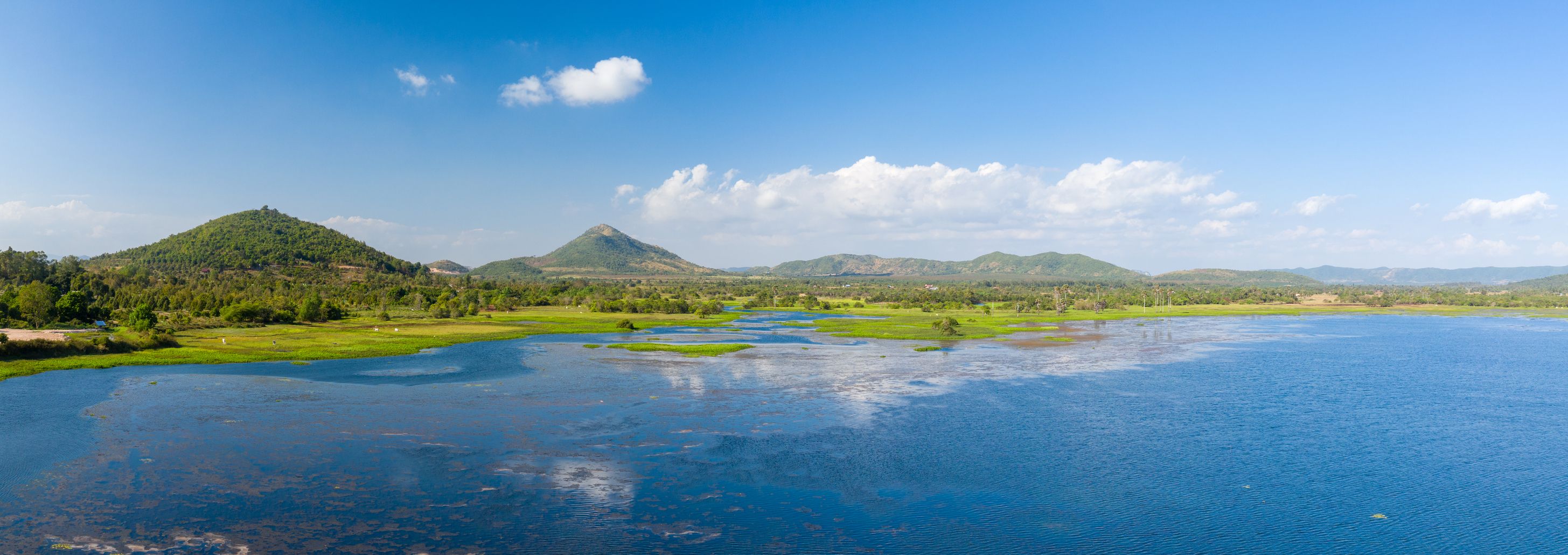
This is the stretch that usually convinces the sceptics.
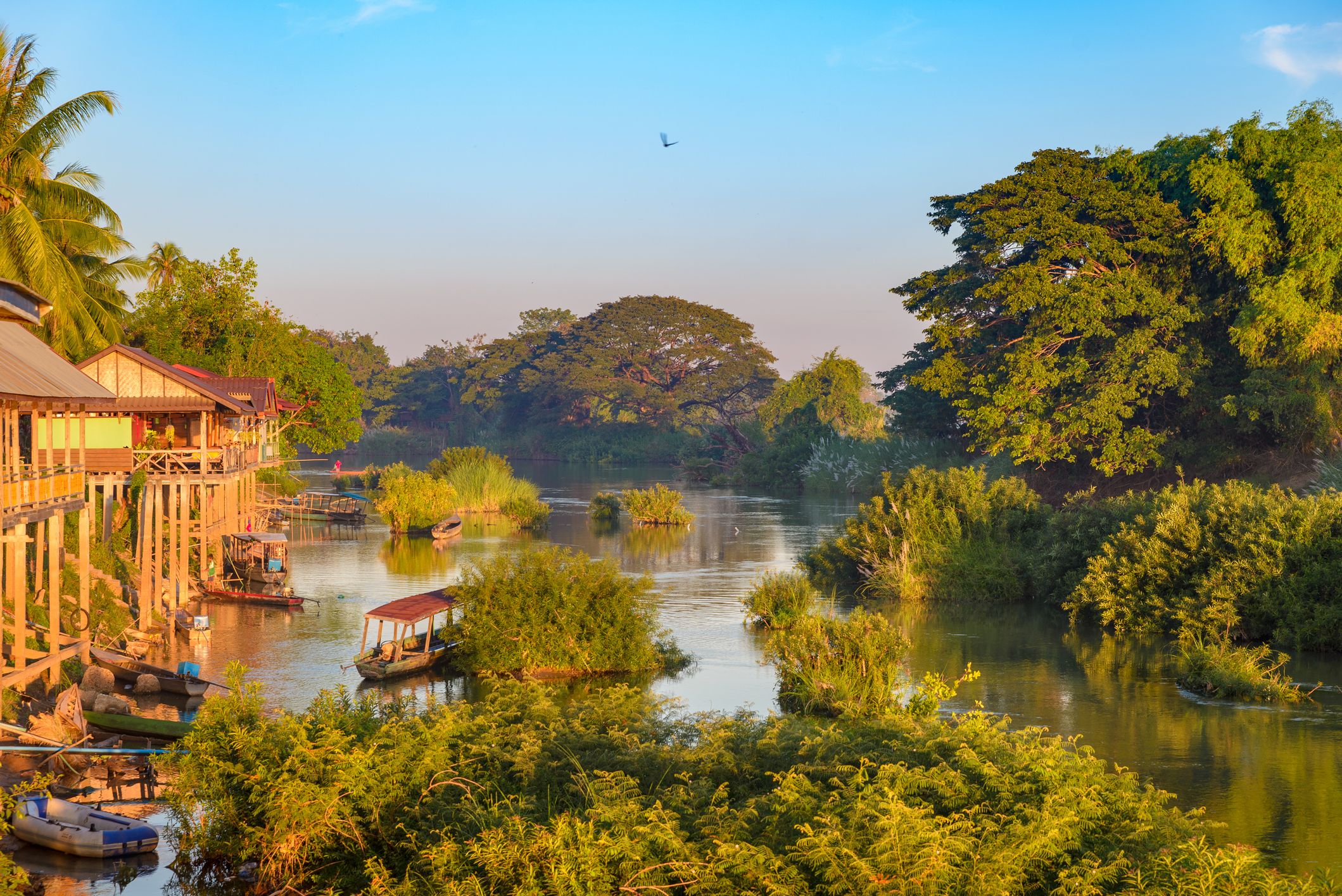
Kampong Chhnang, for example, is known, officially and rather wonderfully, as the “Port of Pottery.” Cambodia’s tourism ministry notes both its pottery tradition and its floating villages, which is the sort of combination that sounds almost made up by an especially ambitious travel editor until you arrive and discover it is simply how the place is. This is where the Mekong route becomes less about named sights and more about human texture. Potters, riverbank houses, small boats, stilted settlements, monks, schoolchildren, practical river life.
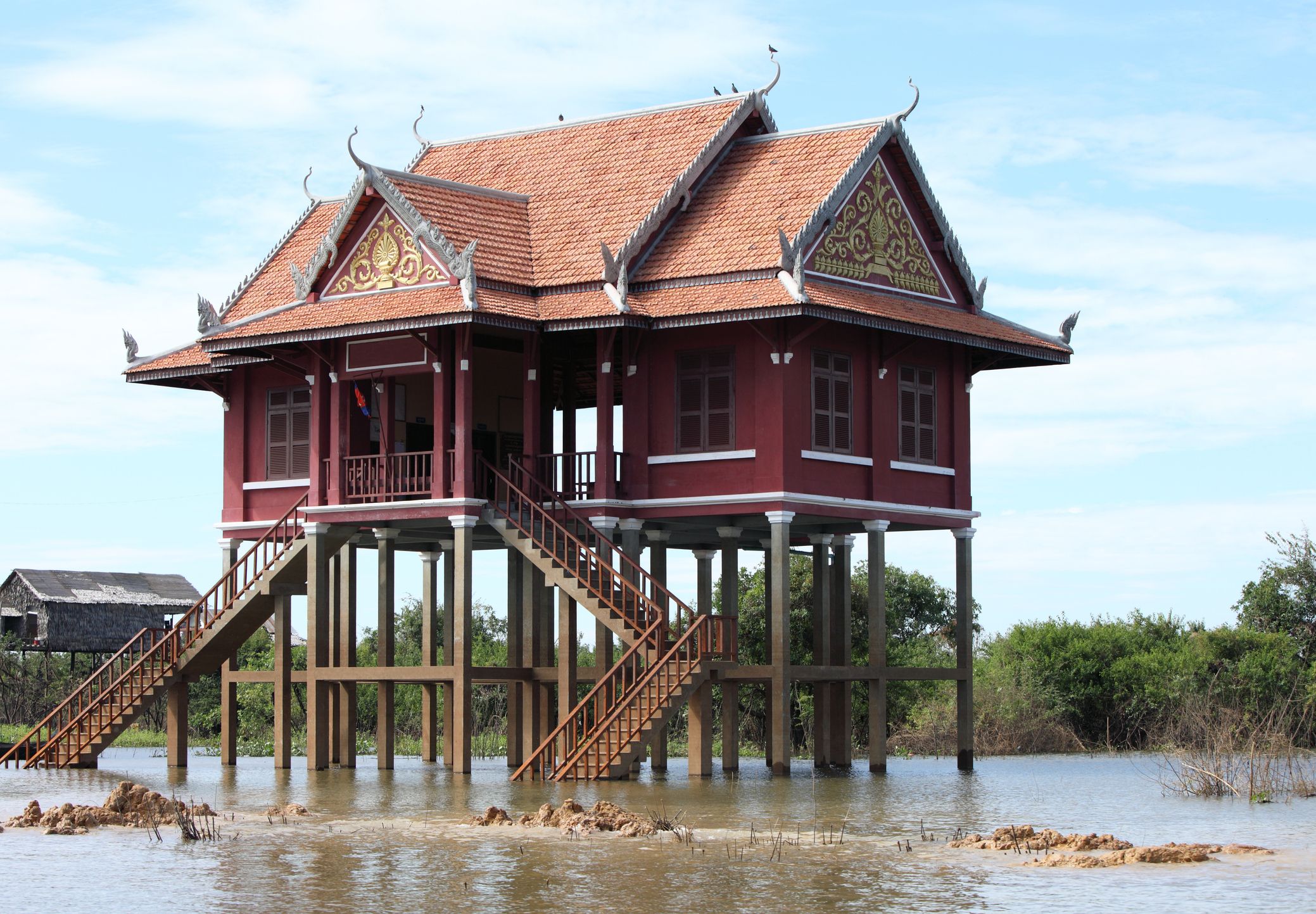
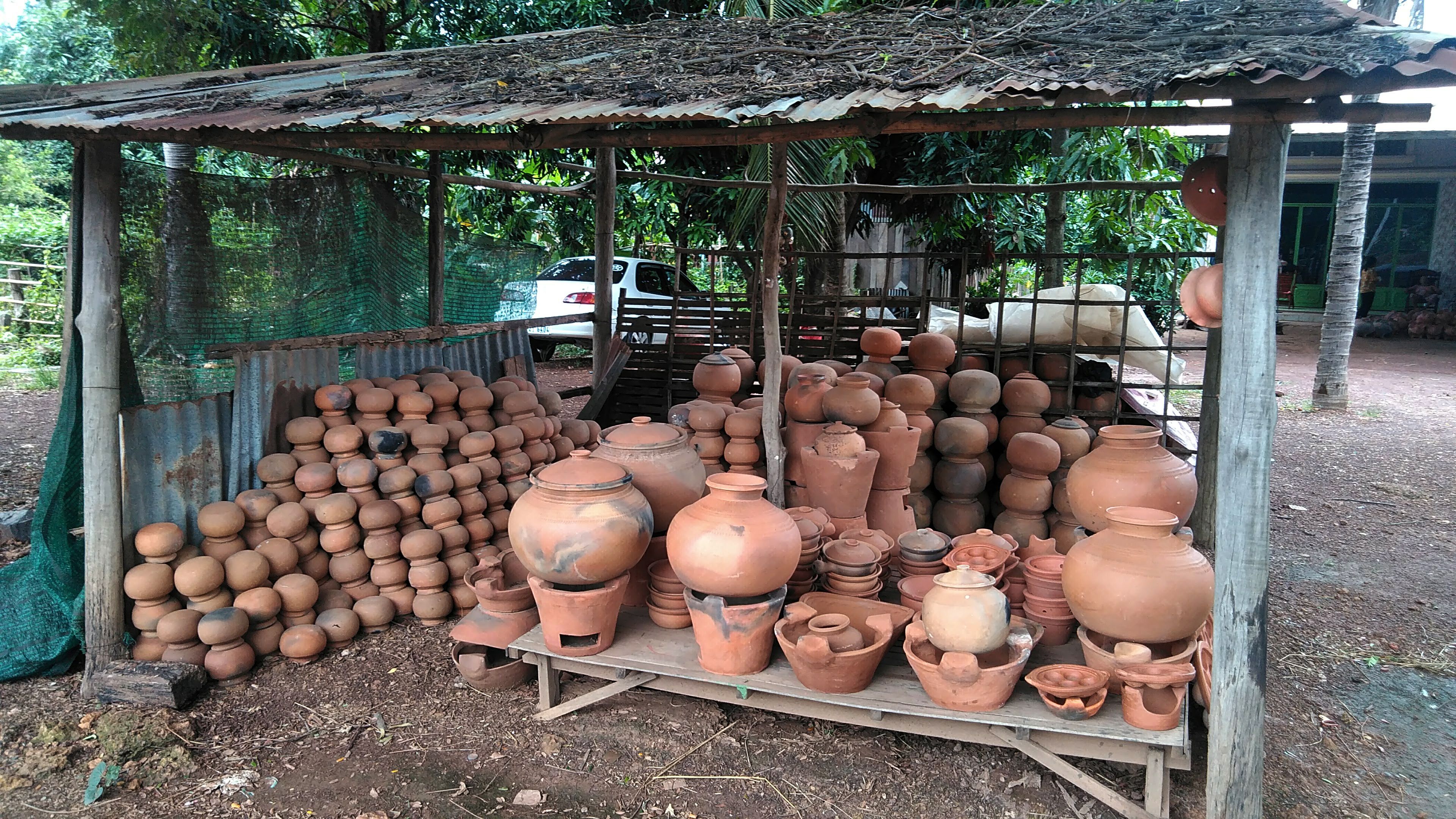
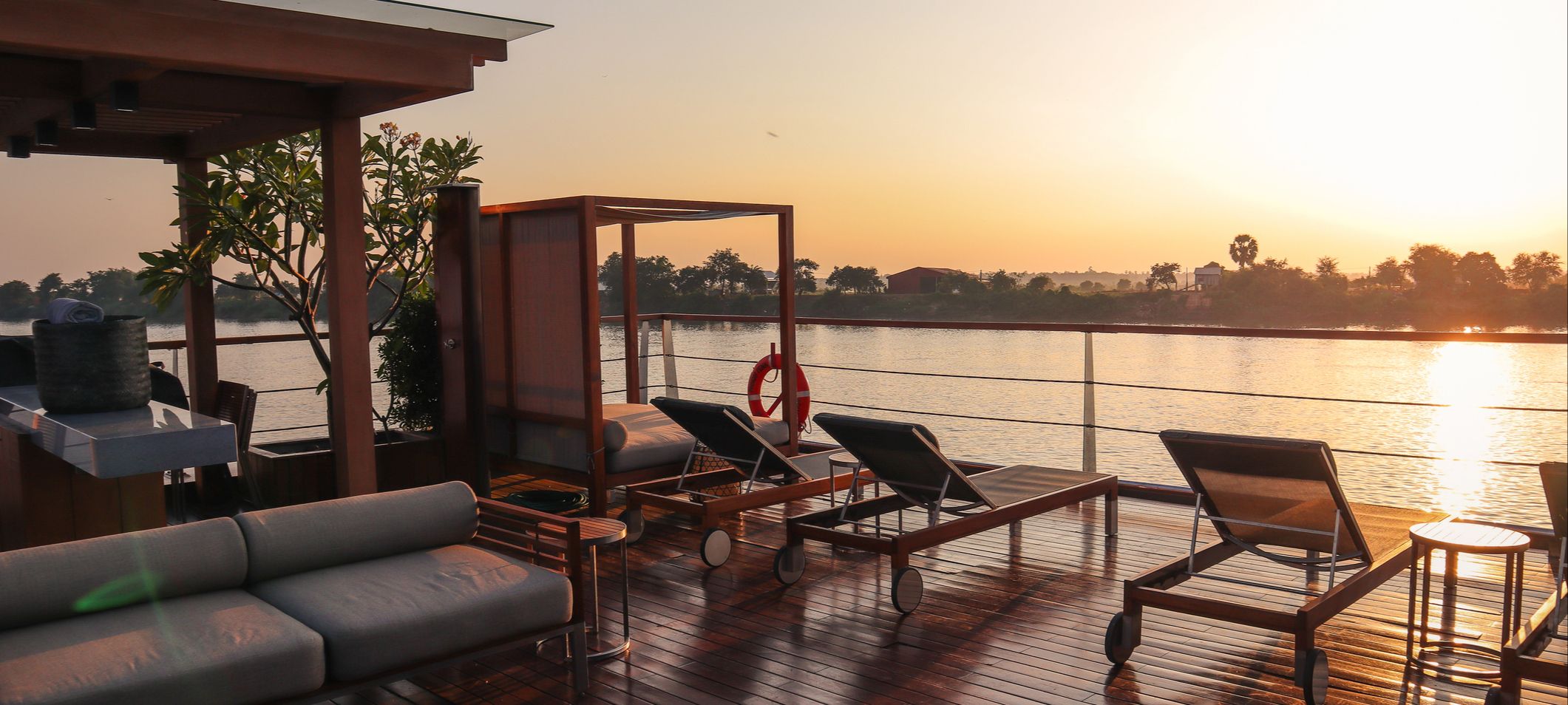
This part of the trip also explains why smaller ships and lower passenger counts matter. You are not in blockbuster-sightseeing country here. You are in the realm of landing stages, local craft, back roads and gentle intrusions into rural life that only work if the scale stays modest. Aqua, for instance, runs with just 40 guests and 40 crew on the Mekong, which tells you everything about how intimate this stretch is meant to feel.
If you like the idea of “I saw something I would never have reached otherwise” more than “I ticked off the famous thing everyone does,” Cambodia upriver is where the Mekong starts looking less like a cruise and more like a very elegant form of access.
And yes, Angkor is usually part of the fantasy
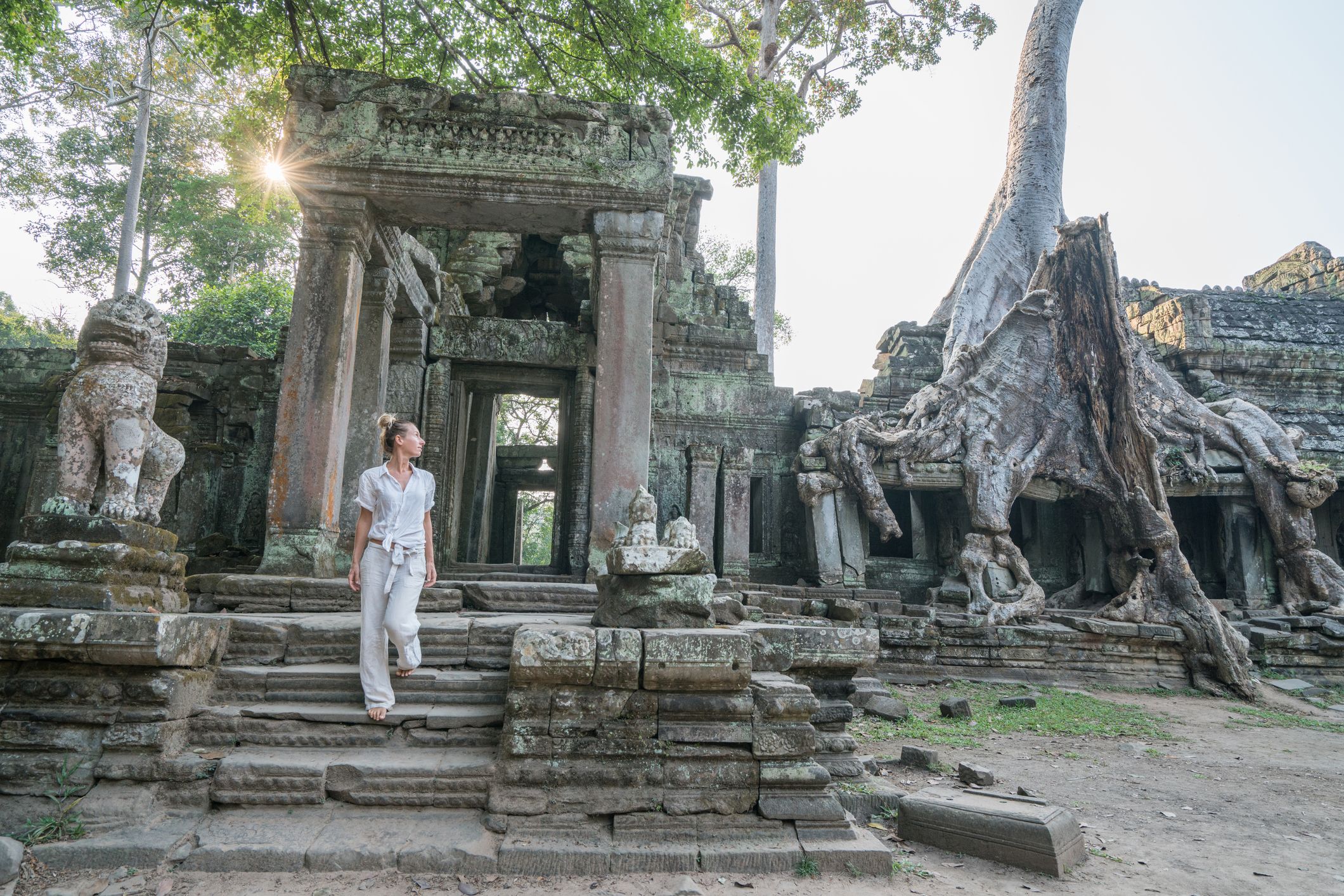
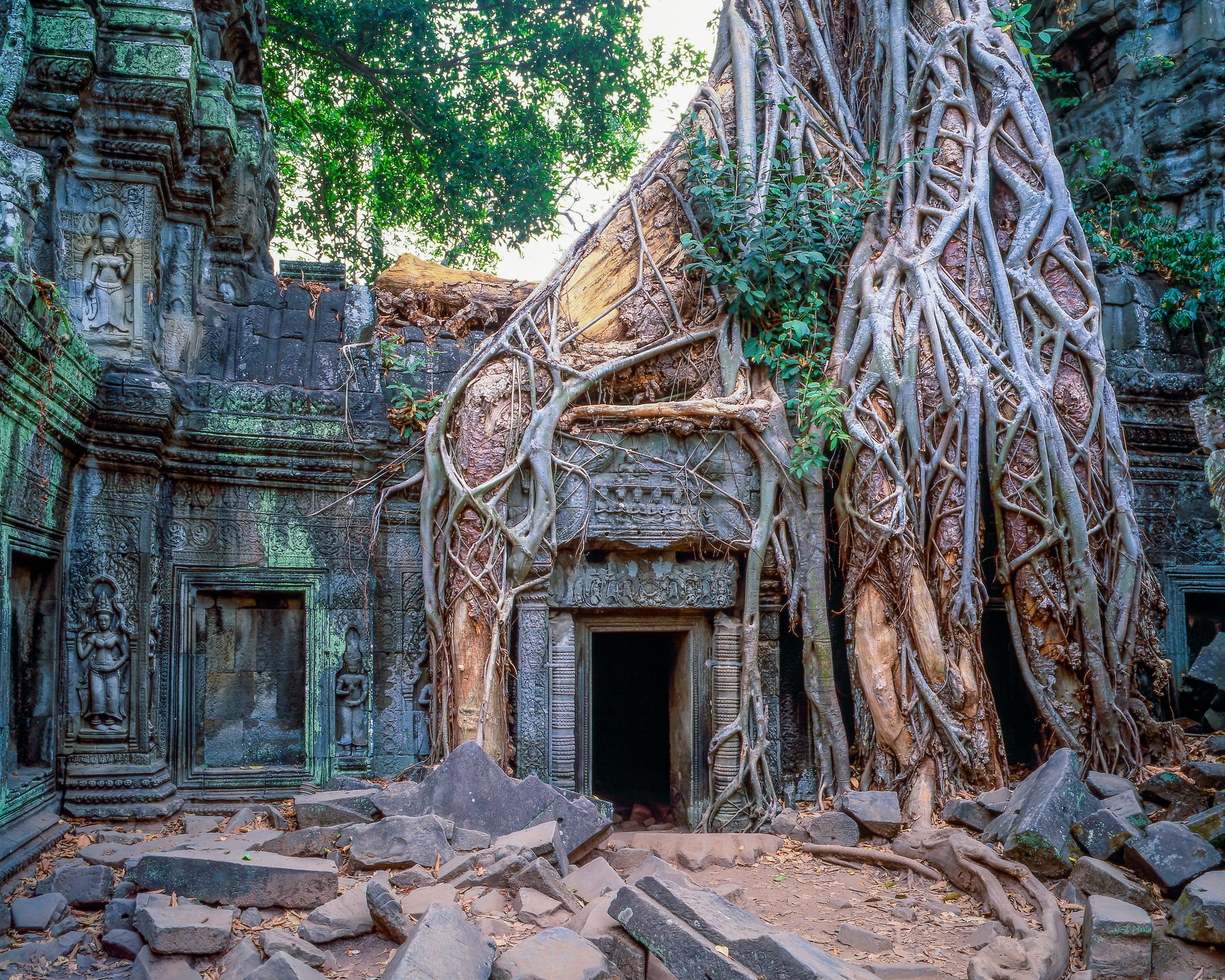
For many people, Angkor is the reason the whole Mekong plot becomes irresistible.
And that is reasonable. UNESCO describes Angkor as one of the most important archaeological sites in Southeast Asia, spread across roughly 400 square kilometres with temples, reservoirs, dykes, canals and communication routes from the Khmer kingdom. You do not need anyone to tell you it is significant. You simply need a hat, some water, and the willingness to be a little awed before breakfast.
The key practical point is that Angkor is often the pre- or post-cruise flourish rather than part of the continuously navigable river itself. Scenic sells an 11-day Siem Reap to Ho Chi Minh itinerary. Uniworld’s Mekong programme stretches to 15 days with hotels in Ho Chi Minh City, Siem Reap and Hanoi wrapped around the river portion. This is worth knowing because if you book “the Mekong” expecting an unbroken all-water procession from Angkor to Saigon, you may end up surprised in the wrong way. Book it understanding that the cruise and the land stay are meant to complete each other, and it suddenly looks much smarter.
So what does it actually feel like?
Hot, mostly.
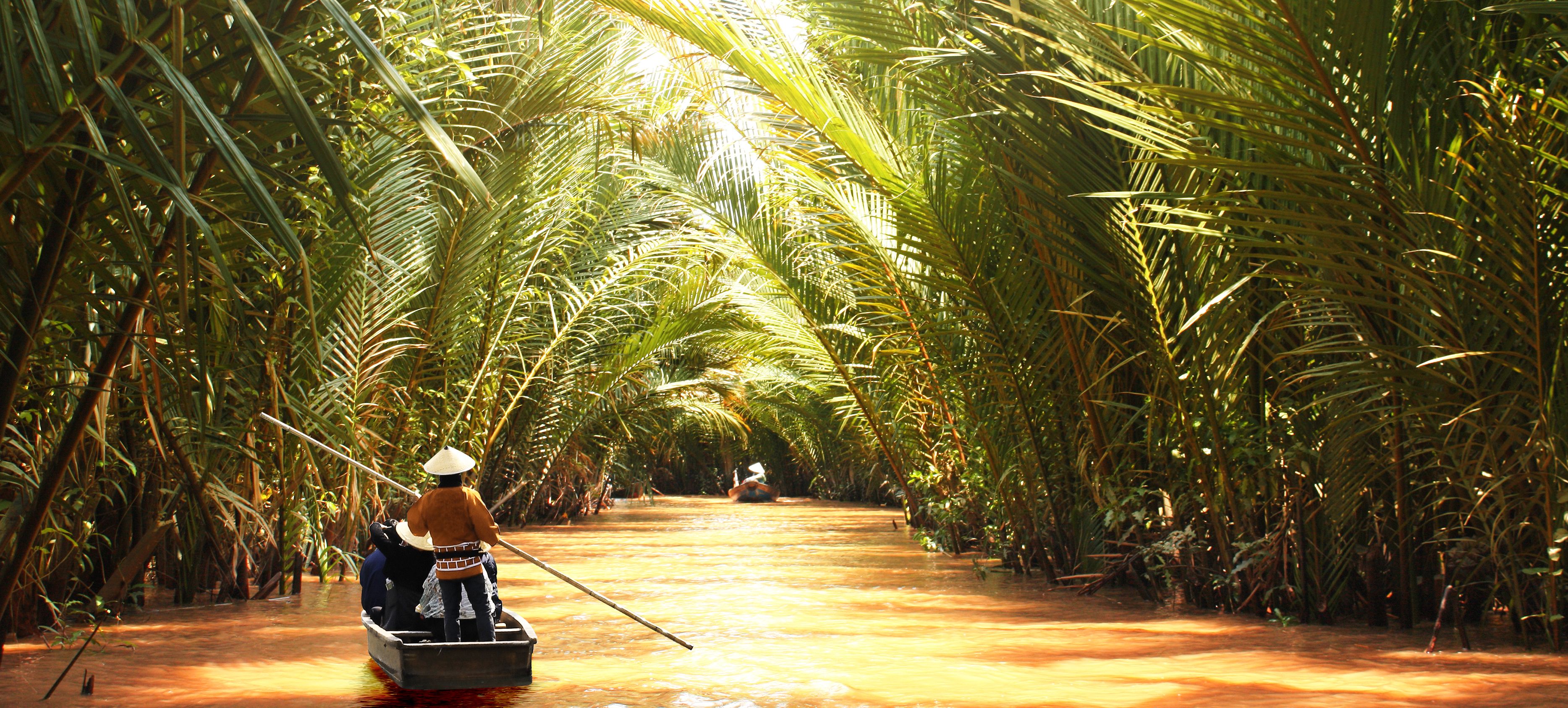
Temperatures in Cambodia and Vietnam generally sit between 26°C and 32°C year-round, which is a polite way of saying you should not expect crisp river breezes and knitwear. But the heat is part of the point. The Mekong is not trying to charm you with alpine neatness. It is lush, damp, fertile, noisy and occasionally gloriously messy. That is why the route feels so vivid.
It also feels closer to the bank than many first-time river cruisers expect. This is not the Rhine, with castles at a respectful distance and a cushion of central-European order. The Mekong often feels immediate. Houses, workshops, boats, children waving, fishing nets, ferries, temples, floodplain landscapes. The scenery is not something you admire from afar. It keeps interrupting. In a very good way.
And then there is the pace. Mekong cruising asks you to get comfortable with a holiday that is not built around one enormous highlight every four hours. It is cumulative. Market, village, temple, riverbank, capital, pottery town, floating settlement, Angkor. By the end, you realise the route has done something more interesting than impress you. It has given you a sense of how the river holds whole ways of life together.