
You could spend a lifetime nibbling your way along this coastline, but if you want the tasting menu of the region, start here. Bring a pair of chopsticks, an elastic waistband and a willingness to queue where the locals do.
1) Japan — ramen, the steam-bathed national pastime
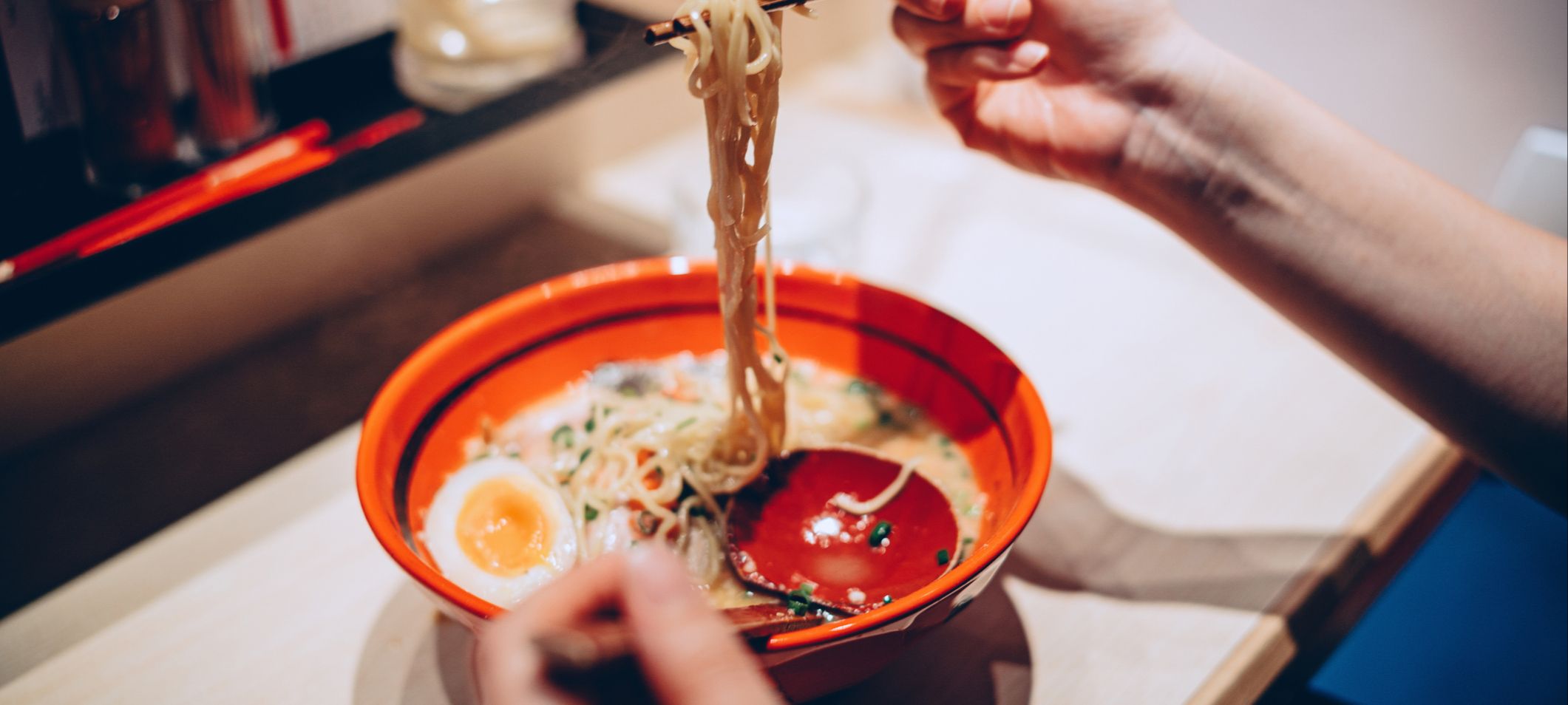
Ramen is Japan’s staple for very good reason: clear and delicate in Hokkaido, pork-rich in Kyushu, soy-savvy in Tokyo. To see how deep the obsession goes, duck into the Shin-Yokohama Ramen Museum, a time-capsule food hall that opened in 1994 and doubles as a living archive of regional bowls. You slurp, you learn, and slurp again.
Cruise note: spring and autumn Japan seasons make ramen-crawling gloriously easy from Tokyo’s cruise gateway in Yokohama; Princess and Holland America both run Japan-focused itineraries.
2) South Korea — kimchi, the canon of crunch, heat and tang
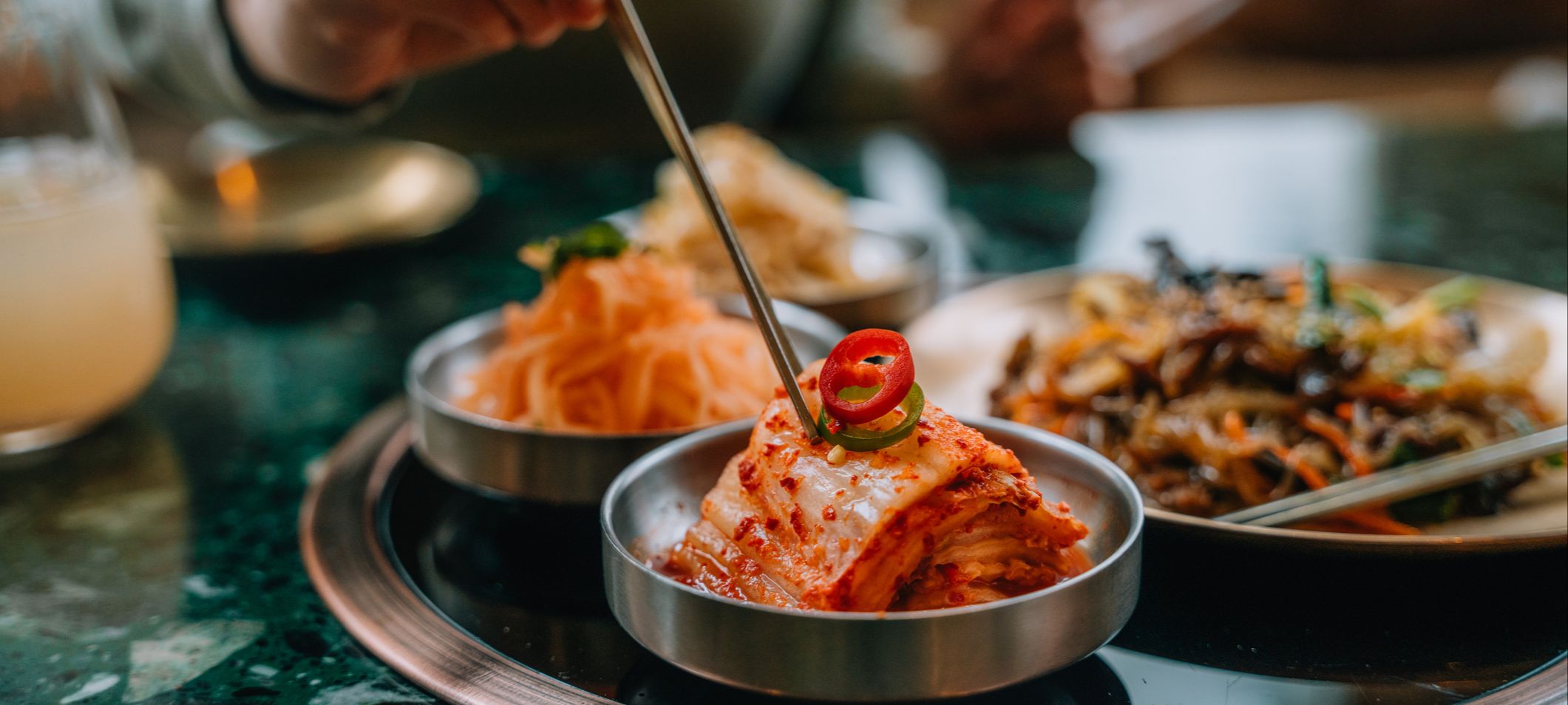
Call it a side dish at your peril. Kimchi is a whole fermented category of its own, from cabbage classics to radish cubes and refreshing water kimchi, made through patient brining and storing. It is tradition and technique, and even has UNESCO-listed cultural status through kimjang, the communal ritual making of winter kimchi. Order it straight, then chase it in stews, pancakes and fried rice. If your ship calls at Busan, wander Jagalchi Market and let the seafood stalls teach you just how well kimchi and the sea get along.
3) China — xiaolongbao, silk-skinned soup you eat
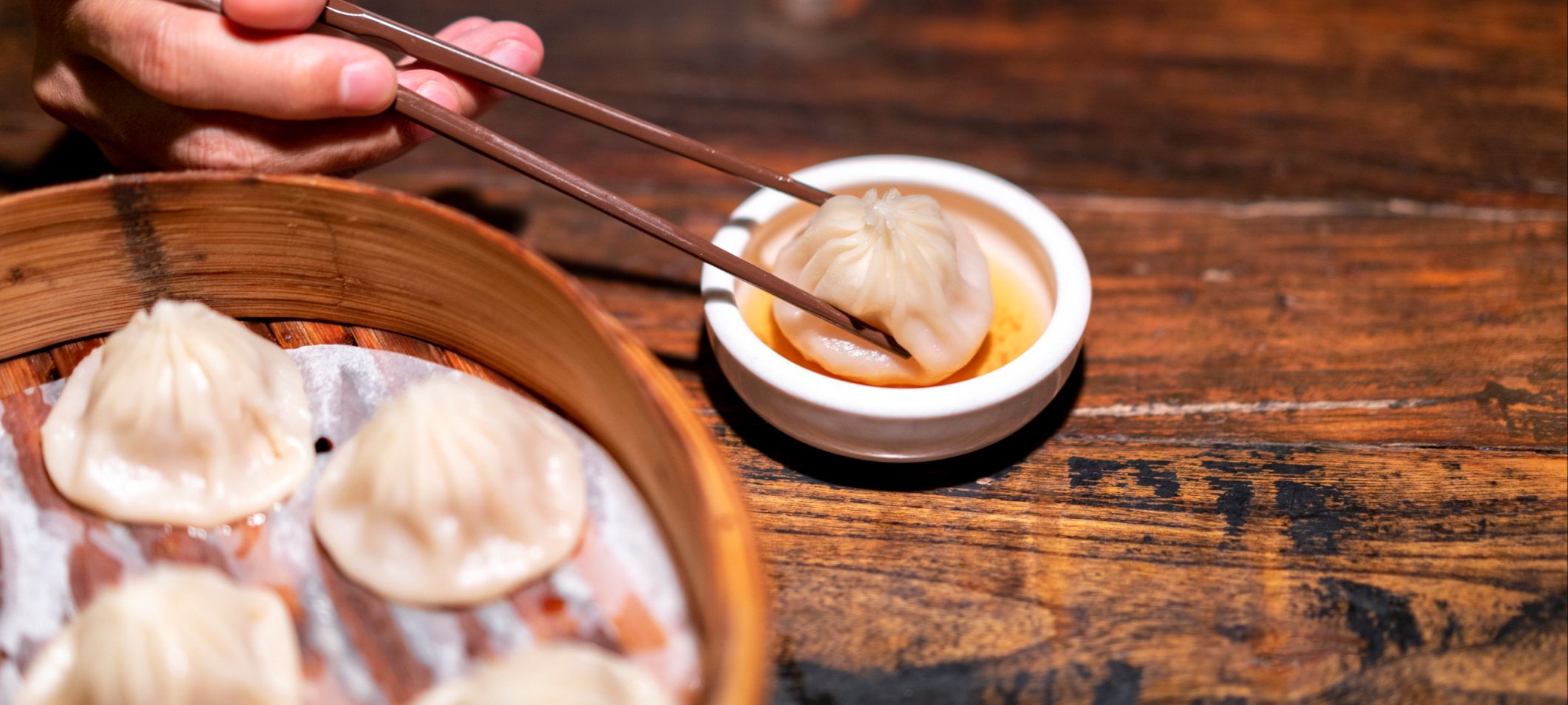
One of the most controversial things you can do as a visitor to Shanghai is to eat a soup dumpling without respect. True believers make a pinprick, sip the broth, then bite. The origin story points to Nanxiang, once a village on Shanghai’s edge, where a 19th-century vendor is said to have tucked gelatin-rich aspic into pork filling so the dumpling would turn soupy when steamed. Follow the pilgrims out to Nanxiang Old Street, then compare with the city’s downtown temples of steam.
4) Taiwan — beef noodle soup, the bowl that became a banner
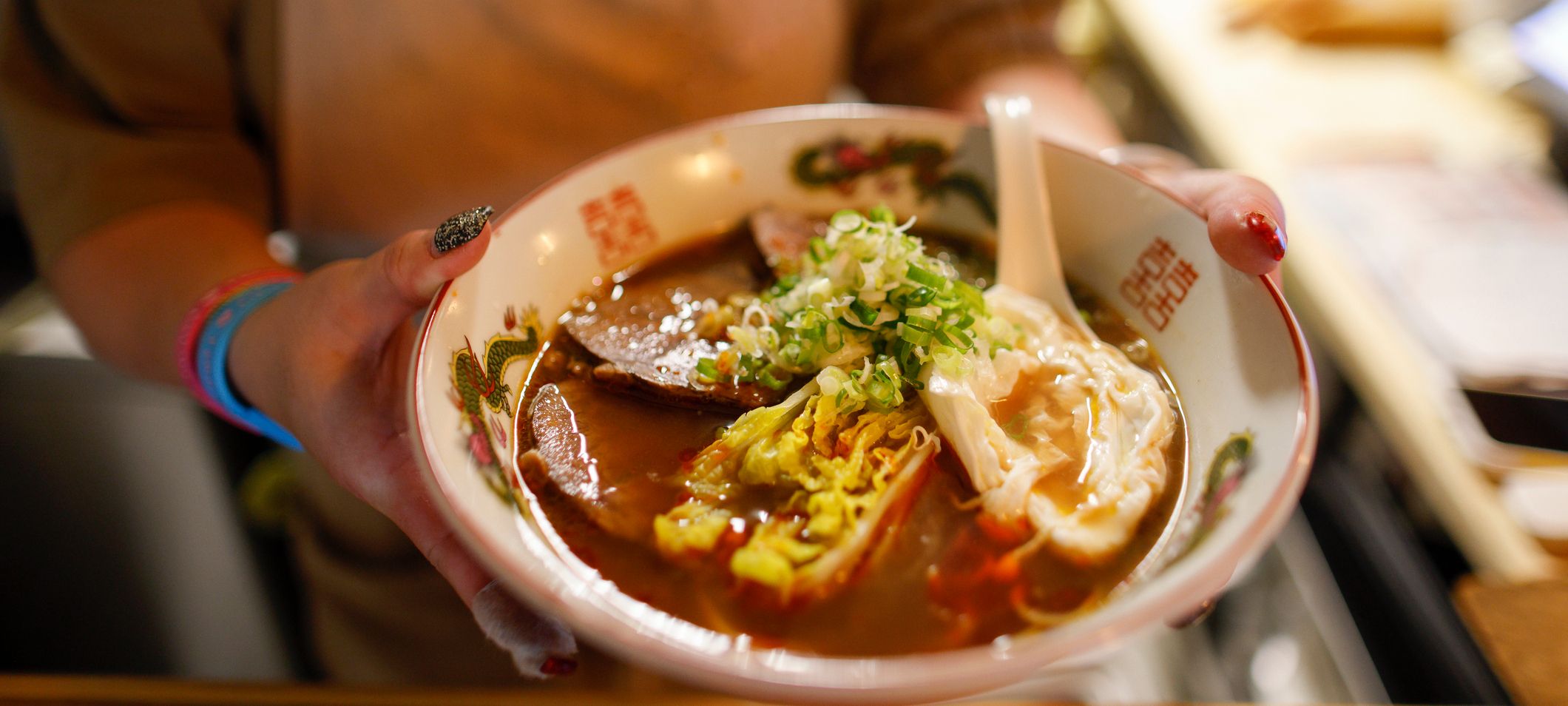
Taiwan’s most beloved comfort food tastes like heritage: a mainland Sichuan idea carried across the strait by soldiers and families in the mid-20th century, slowly adapted and softened into the island’s own signature broth with soy, spice and patience. Whole festivals and friendly rivalries now orbit the dish, which locals talk about the way Brummies talk about curry houses. Taipei is the obvious hunting ground, but any call at Keelung (for Taipei) will do.
5) Hong Kong — dim sum, small plates with big ritual
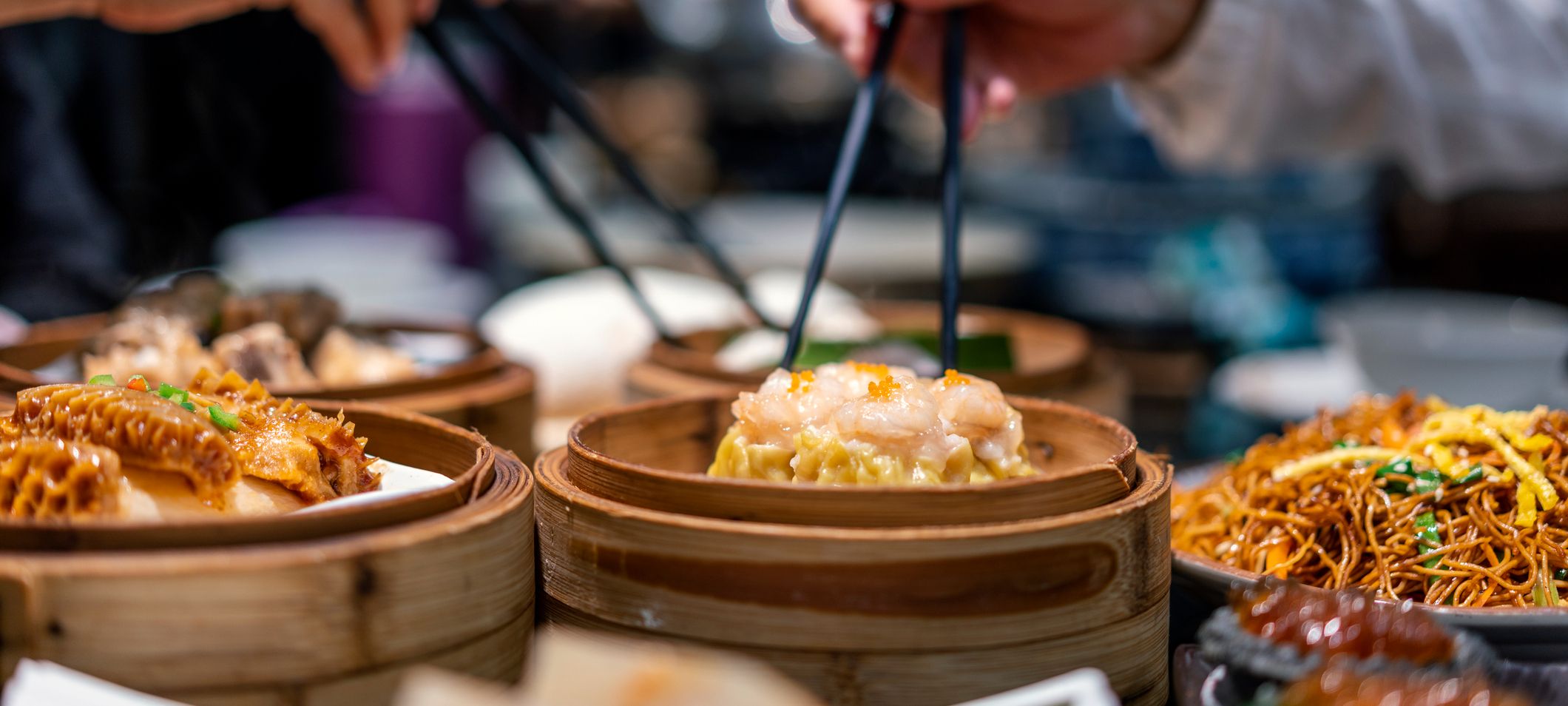
Dim sum is equal parts meal and ritual: tea first, then bamboo baskets, then a table that looks both busy and delicious. The custom travelled from Guangzhou and became everyday theatre in Hong Kong, where you can choose your vibe from clattering old-school teahouses to modern temples with linen and city views. Book late breakfast, say yes to har gow and cheung fun, and leave room for custard tarts that will challenge your definition of “dessert" (for the better).
Cruise note: Hong Kong is a classic overnight on many Asia itineraries, while Celebrity’s current season connects Japan and South Korea and often pairs neatly with Hong Kong gateways.
Eat like you mean it
- Follow the queues. East Asia’s best tastings are democratic. A line is usually a guarantee of flavour.
- Make peace with cash or QR codes. Markets and mom-and-pop shops may still prefer one or the other.
- Let the port work for you. From Yokohama you can “museum-crawl” ramen; from Busan, Jagalchi’s fish halls are a short hop; from Hong Kong’s Ocean Terminal or Kai Tak, dim sum is a tram ride away.