Cruise ships have one useful advantage over most holiday infrastructure: when demand moves, they can move with it.
Royal Caribbean is doing precisely that. From October 2026, Navigator of the Seas will sail year-round from Singapore rather than returning to the US as originally planned, while Voyager of the Seas will spend 2027 and 2028 moving between Australia, Singapore, Hong Kong and Tokyo. Princess, Celebrity and Norwegian Cruise Line are also increasing their presence across Singapore, Japan, China and Southeast Asia.
It would be easy to file all this under “Asia is booming”. The more interesting question is what cruise lines are putting there, how long the sailings are and who they appear to be designed for. The answer suggests that the industry is finally treating Asia less like one enormous market and more like a collection of very different ones.
Singapore is becoming a proper year-round cruise hub
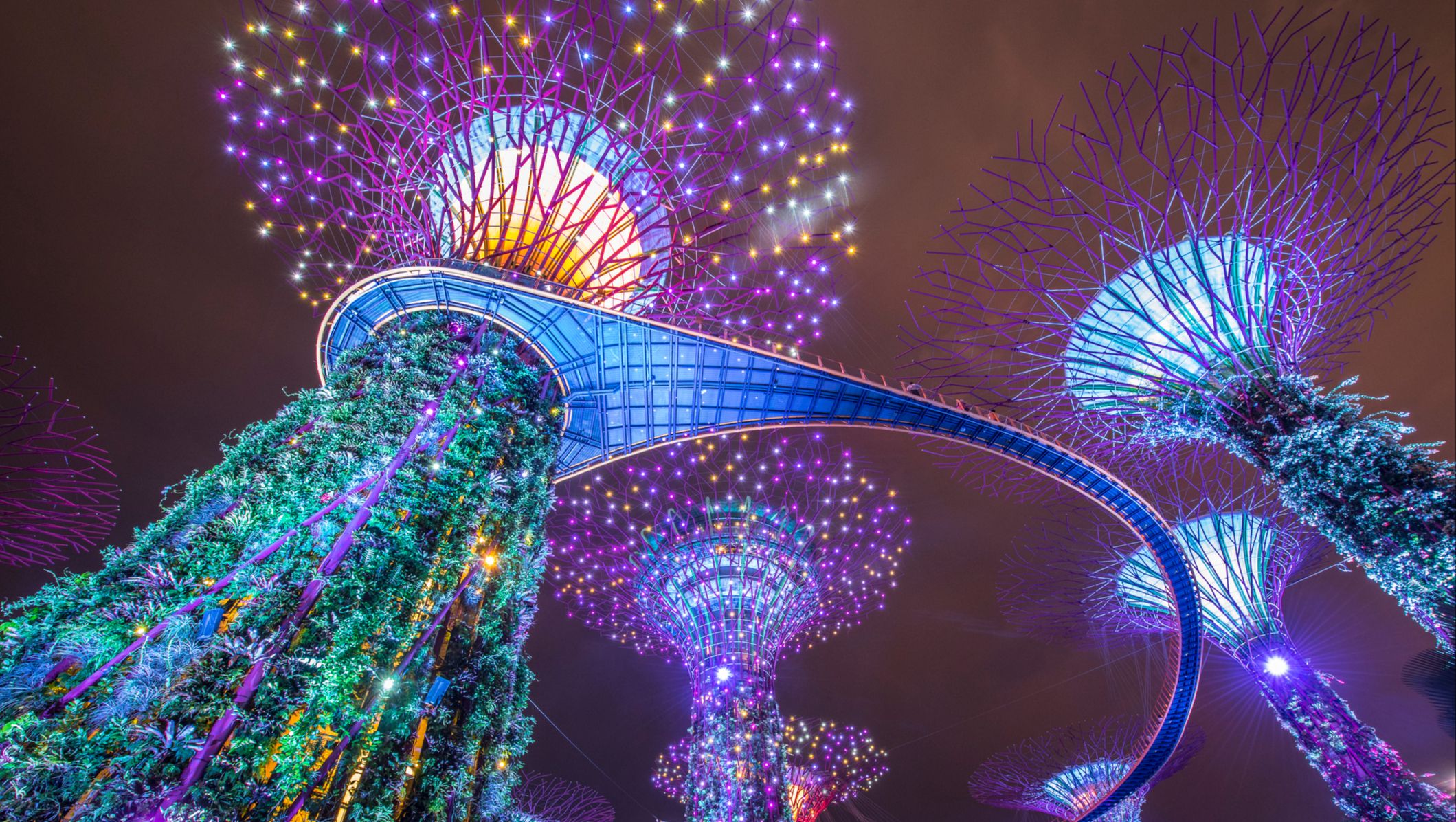
Singapore is the clearest example of the change.
Its cruise terminals handled more than two million passenger movements in 2025, while the city itself generated around 580,000 cruise passengers. Royal Caribbean will now keep Navigator of the Seas there throughout the year, predominantly operating short cruises to Penang, Phuket and Langkawi, with occasional longer itineraries reaching Vietnam, Hong Kong, Taiwan and Japan.
Princess is making an even longer bet. Between 2027 and 2030, Diamond Princess, Sapphire Princess and Grand Princess will all spend time sailing from Singapore under a multi-year agreement with the Singapore Tourism Board.
What makes Singapore particularly useful is that it serves two markets at once. For residents of Singapore and neighbouring countries, a three or four-night cruise can be a genuine short break. For travellers flying in from Britain, Australia or the US, the same port can anchor a much longer Southeast Asian itinerary.
That distinction matters because cruising habits across Asia vary enormously. Singaporean and Malaysian passengers have historically favoured very short sailings, while Japanese and South Korean cruisers tend to take longer trips. The result is an increasingly varied schedule rather than a single regional template.
A two-night weekend sailing can sit alongside a 14-night voyage through Vietnam and Japan without either being particularly strange.
Short cruises tell us what some Asian passengers want
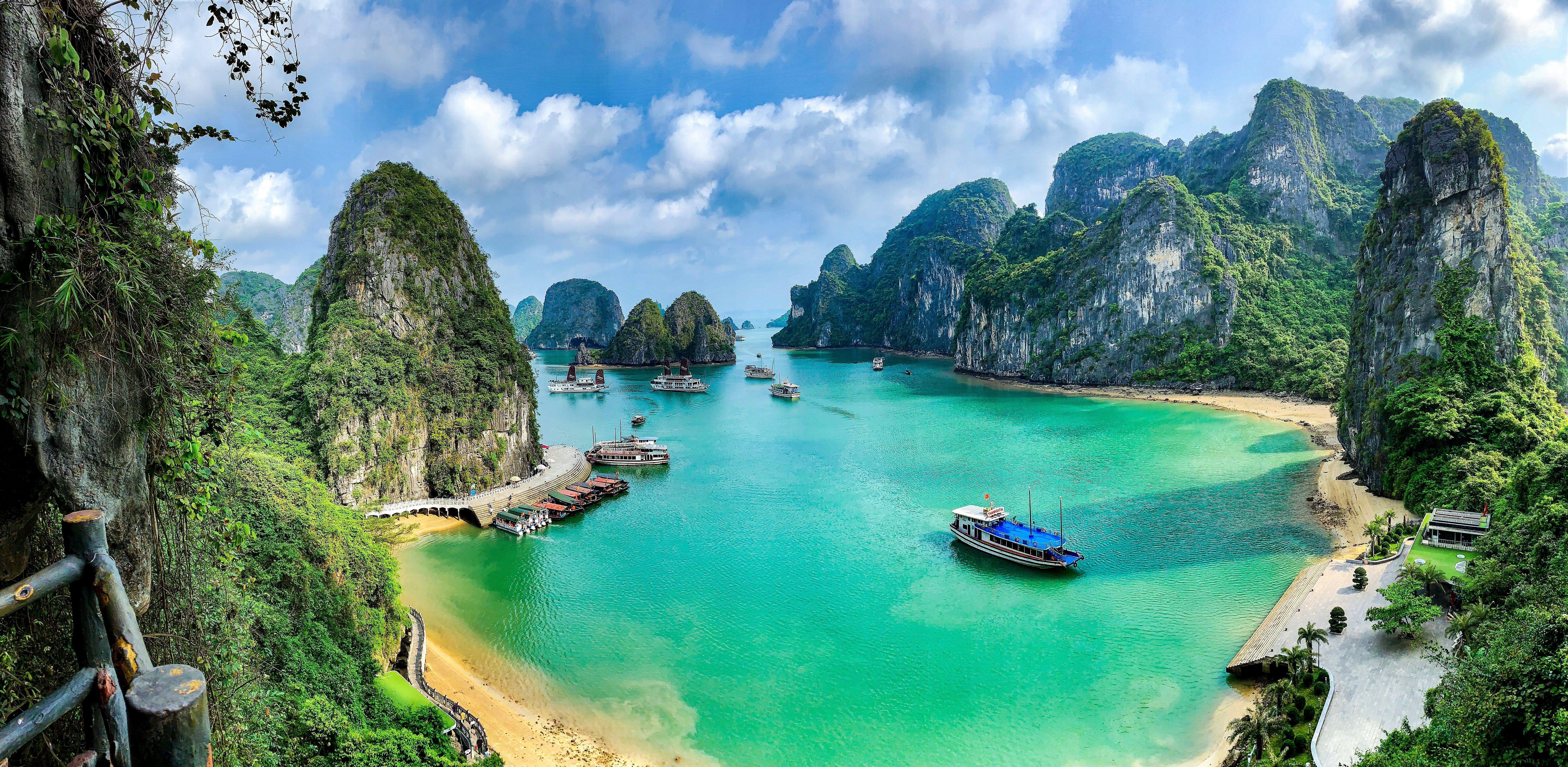
The concentration of short cruises from Singapore is probably the clearest clue to how cruise lines see the local market.
From Southampton, a three-night cruise can sometimes feel as though the ship has barely cleared the Isle of Wight before somebody starts discussing disembarkation. From Singapore, three or four nights can take you to Malaysia or Thailand and back without consuming a week's annual leave.
Royal Caribbean's programme reflects that, with two, three, four and five-night sailings appearing alongside longer journeys. From Shanghai, Spectrum of the Seas will similarly offer everything from three-night getaways to 11-night cruises around Japan, South Korea and Vietnam.
That makes cruising function less like a once-a-year holiday and more like a city break.
It also explains why some of the ships deployed in Asia are large, resort-heavy vessels. If you're only onboard for three nights, the waterparks, restaurants, bars and entertainment aren't incidental to the holiday. They are a large part of it.
Japan is pulling itineraries in another direction
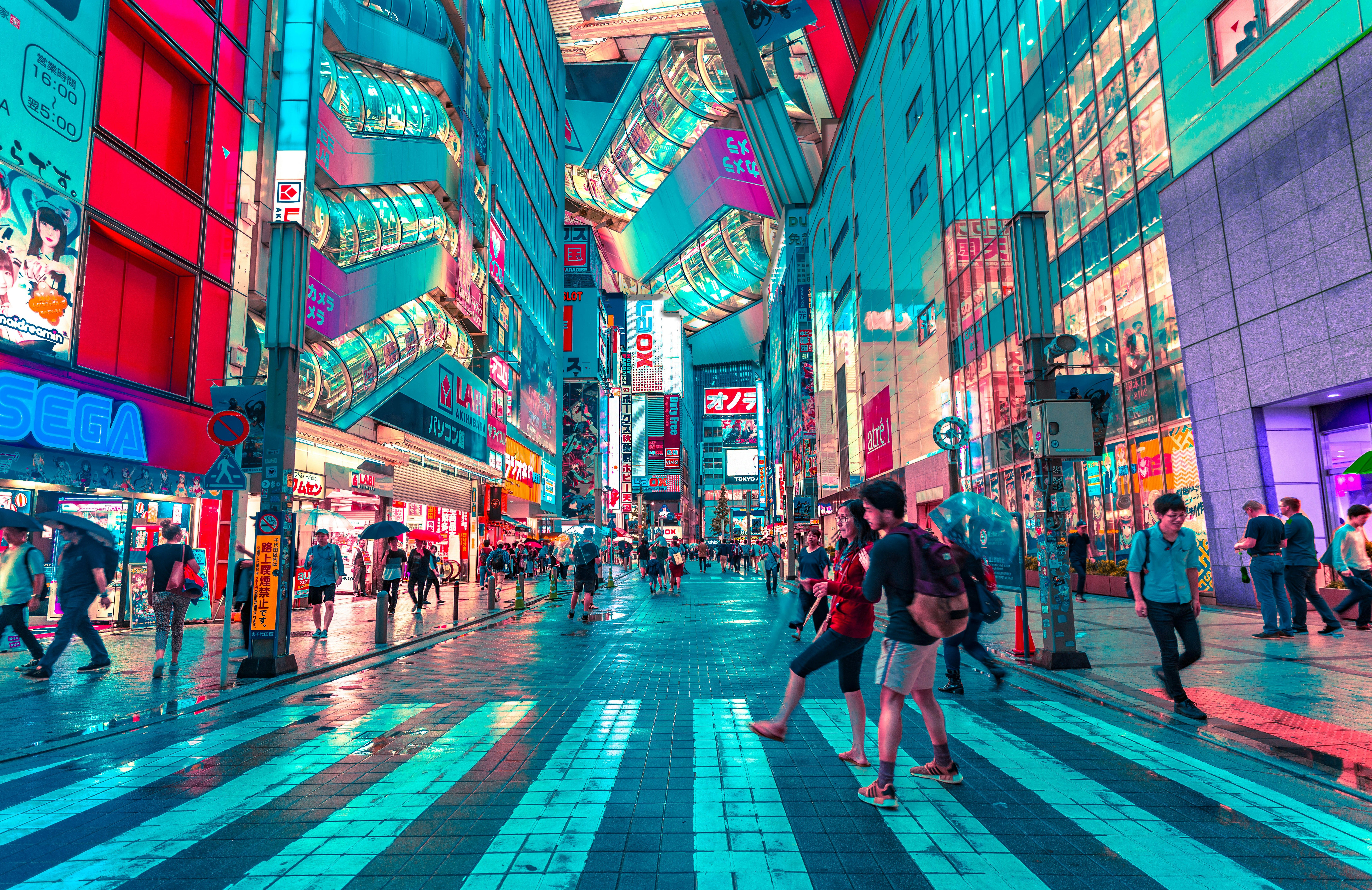
Japan tells a different story.
Cruise lines are increasingly building substantial seasons around the country rather than treating it as one stop on a wider tour of Asia. Princess will homeport both Diamond Princess and Sapphire Princess in Tokyo during its 2028 season, with itineraries ranging from seven to 29 days and sailings timed around cherry blossom, autumn foliage and major festivals.
Celebrity is also increasing its Japan programme, while Royal Caribbean plans longer Japanese voyages from Tokyo once Voyager of the Seas moves north in 2028.
That shift is revealing. Cruise lines aren't simply selling Japan as somewhere ships happen to visit. They're using the country's seasons and festivals as reasons to book particular departures.
There is also an obvious practical appeal. Japan is geographically awkward enough that a cruise can connect several islands and coastal cities without requiring repeated encounters with luggage forwarding, station platforms and the question of whether you have accidentally boarded a train reserved entirely for people more organised than you.
The ships themselves tell part of the story
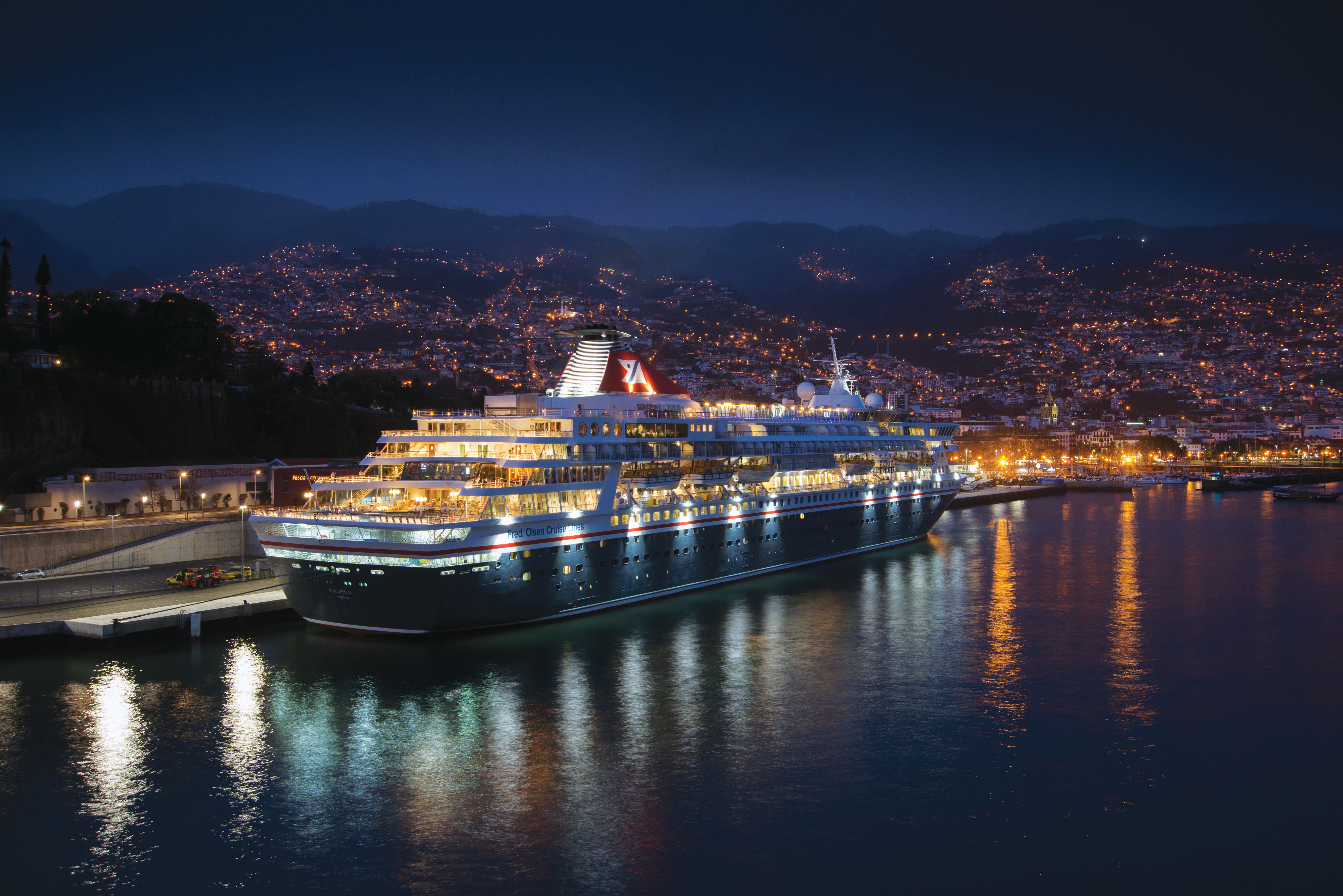
It would be tempting to judge cruise lines' commitment to Asia by whether they're sending their newest vessels there, but that misses the more important development.
Navigator of the Seas, Voyager of the Seas, Diamond Princess and Sapphire Princess aren't brand-new flagships. What matters is that they're being given repeat seasons, homeports and increasingly permanent roles in the region rather than appearing briefly on repositioning cruises.
Voyager is a particularly useful example. The same ship will operate Australian cruises, short sailings from Singapore and Hong Kong, then longer itineraries from Tokyo. The hardware stays much the same while the holiday around it changes completely.
That suggests cruise lines are becoming more confident about tailoring deployment to individual markets rather than designing a generic “Asia season”.
Celebrity and NCL are doing something similar at the longer end. Celebrity's 2027-28 Asia programme includes more than 50 overnight stays, while NCL is planning nine-to-14-night itineraries connecting Tokyo, Seoul, Hong Kong and Singapore, often with almost daily port calls.
For international travellers, Asia is therefore becoming less about one enormous regional cruise and more about choosing exactly which version of it you want.
What does this mean for UK cruise passengers?

Mostly, more useful choice.
A few years ago, cruising in Asia often meant finding the right world-cruise segment or accepting a voyage whose primary purpose was moving a ship between seasons. Increasingly, there are proper fly-cruise programmes built around Singapore, Tokyo, Hong Kong and Seoul.
For British travellers, the longer itineraries are the obvious attraction. Princess's Singapore sailings will stretch from 10 to 28 days, NCL is connecting major Asian cities on open-jaw voyages, and Celebrity is using overnight stays to make ports such as Bangkok and Hong Kong more worthwhile.
The shorter cruises can work too, but probably as part of a larger holiday. Flying 13 hours to Singapore solely for a two-night cruise would demonstrate commitment to the concept of cruising, though perhaps not to sleep.
Combine one with several days in Singapore or a wider Southeast Asian trip, however, and it begins to make considerably more sense.
Japan is perhaps the biggest beneficiary for UK passengers. More round-trip Tokyo itineraries mean you can now treat the country itself as the cruise destination rather than one element of a much broader Asia voyage.
The cruise map isn't simply moving eastward
It's becoming more complicated.
Singapore is turning into a year-round homeport. China is once again supporting substantial regional capacity. Japan is being sold through seasons, festivals and longer destination-led voyages. At the same time, cruise lines are offering short breaks for local passengers and much longer, port-heavy itineraries for people arriving on long-haul flights.
That mix is more significant than any single ship deployment.
It suggests cruise lines increasingly believe Asian passengers don't all want the same kind of cruise, and that international travellers don't necessarily want one generic tour of “Asia” either.
Which is progress.
For UK cruisers, meanwhile, the practical consequence is fairly simple: there are more reasons to look east, and increasingly less need to wait for a world cruise to get there.