For decades, Algeciras has been one of Europe's busiest ports, welcoming an almost continuous procession of container ships, ferries and cargo vessels. What it hasn't seen much of is cruise passengers.
That could be about to change.
Situated on the Bay of Gibraltar, where the Mediterranean meets the Atlantic, this hard-working Andalusian city is preparing to welcome a new wave of visitors. Nine cruise calls have been requested for 2027, potentially introducing thousands of passengers to a destination better known for international trade than leisurely afternoons ashore.
And while Algeciras doesn't have the immediate glamour of nearby Cádiz or Málaga, there's plenty to discover beyond the shipping terminals. From Roman ruins and flamenco heritage to wild beaches and forests, it could make an intriguing addition to the Mediterranean cruise map.
Why is Algeciras becoming a cruise destination?
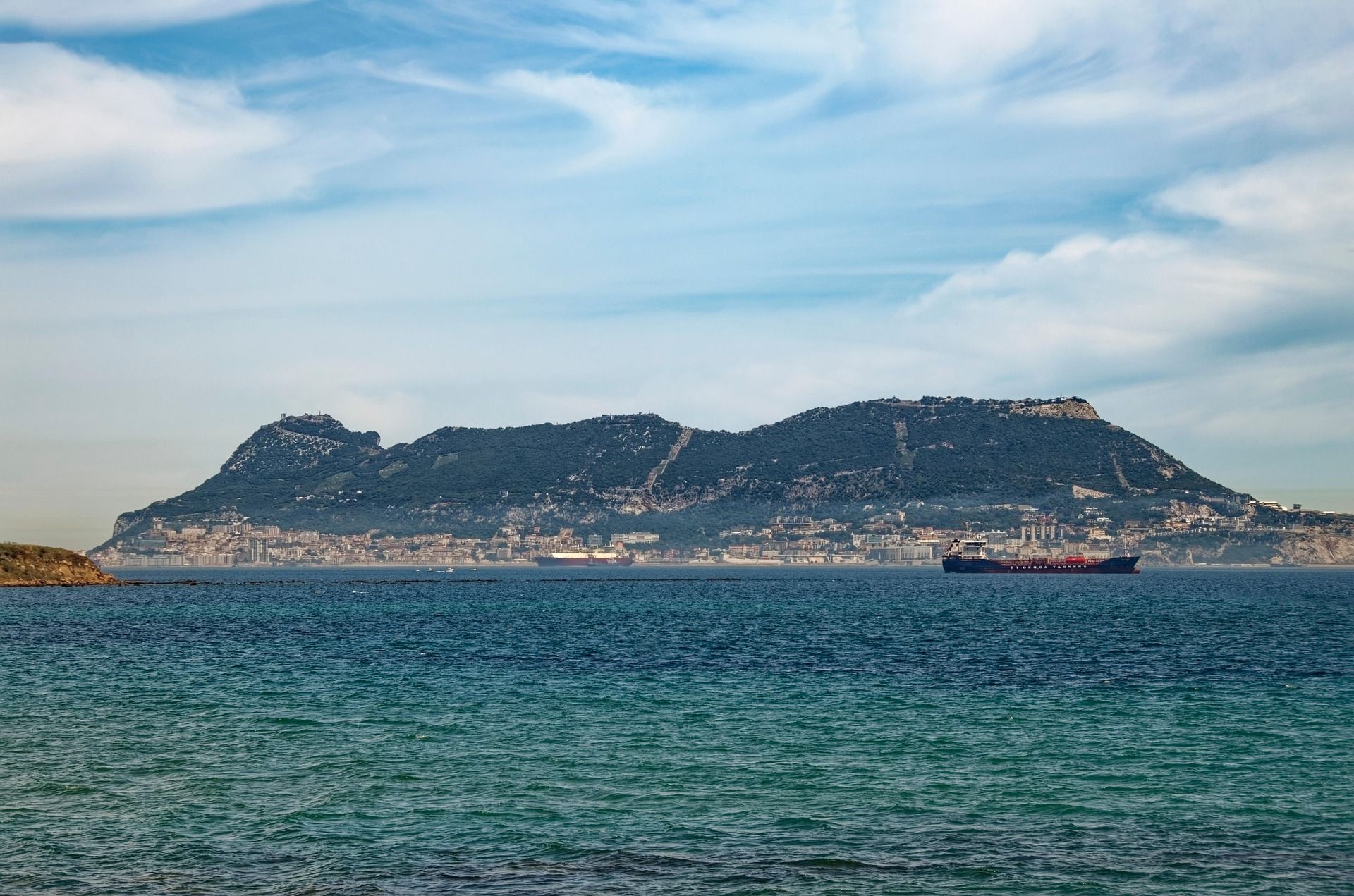
Algeciras occupies one of the world's most strategically important stretches of coastline. Its enormous commercial port connects Europe, Africa and major international shipping routes, handling more than 100 million tonnes of cargo annually.
Cruise tourism, however, has never been a particular priority.
That's changing as the Port Authority of the Bay of Algeciras works with cruise operators and tourism organisations to promote the wider region. In September 2026, officials reported two calls planned for the remainder of the year, with a further nine requested for 2027. Those figures remain subject to final scheduling.
The port has facilities capable of accommodating large passenger vessels, while nearby Tarifa is developing infrastructure for smaller boutique ships and yachts.
For cruise operators, the attraction is straightforward: Algeciras offers access to a part of Andalusia that many tourists overlook, despite its proximity to some of southern Spain's most remarkable landscapes.
What can you see in Algeciras itself?
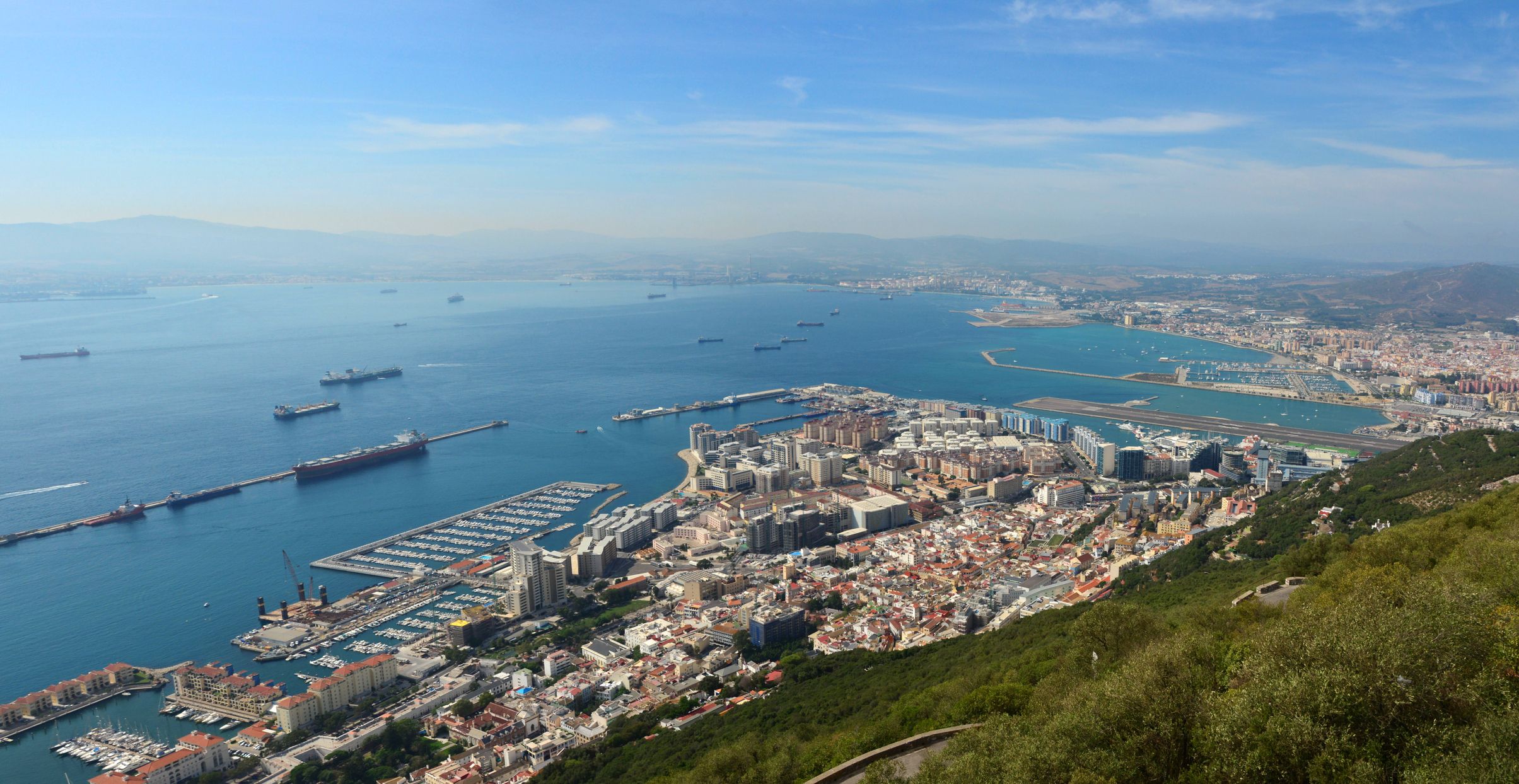
Algeciras isn't a city that makes an especially dramatic first impression. Its waterfront is dominated by commercial shipping, and the historic centre lacks the architectural grandeur of some of its Andalusian neighbours.
But there's considerably more character here than the industrial skyline suggests.
At the heart of the old town is Plaza Alta, a handsome square lined with palm trees and decorated with colourful ceramic tiles. The nearby Church of Nuestra Señora de la Palma provides a traditional Andalusian backdrop, while surrounding streets are filled with cafés and shops.
A short walk away, the Mercado Ingeniero Torroja is an architectural curiosity worth seeking out. Opened in 1935, its enormous concrete dome spans almost 48 metres, supported by just eight columns. At its thinnest point, the roof measures only nine centimetres.
It's a remarkable piece of engineering, although the fishmongers and produce stalls underneath are likely to be more immediately useful if you're feeling peckish.
Algeciras also happens to be the birthplace of Paco de Lucía, one of the most influential flamenco guitarists of the twentieth century. A dedicated interpretation centre explores his life and work, while a walking route connects locations associated with his childhood.
For anyone interested in Spanish music, it's a compelling reason to explore a city that rarely appears on conventional cultural itineraries.
Tarifa and Baelo Claudia: the best excursions from Algeciras
Algeciras's greatest appeal may lie in what you can reach beyond the city.
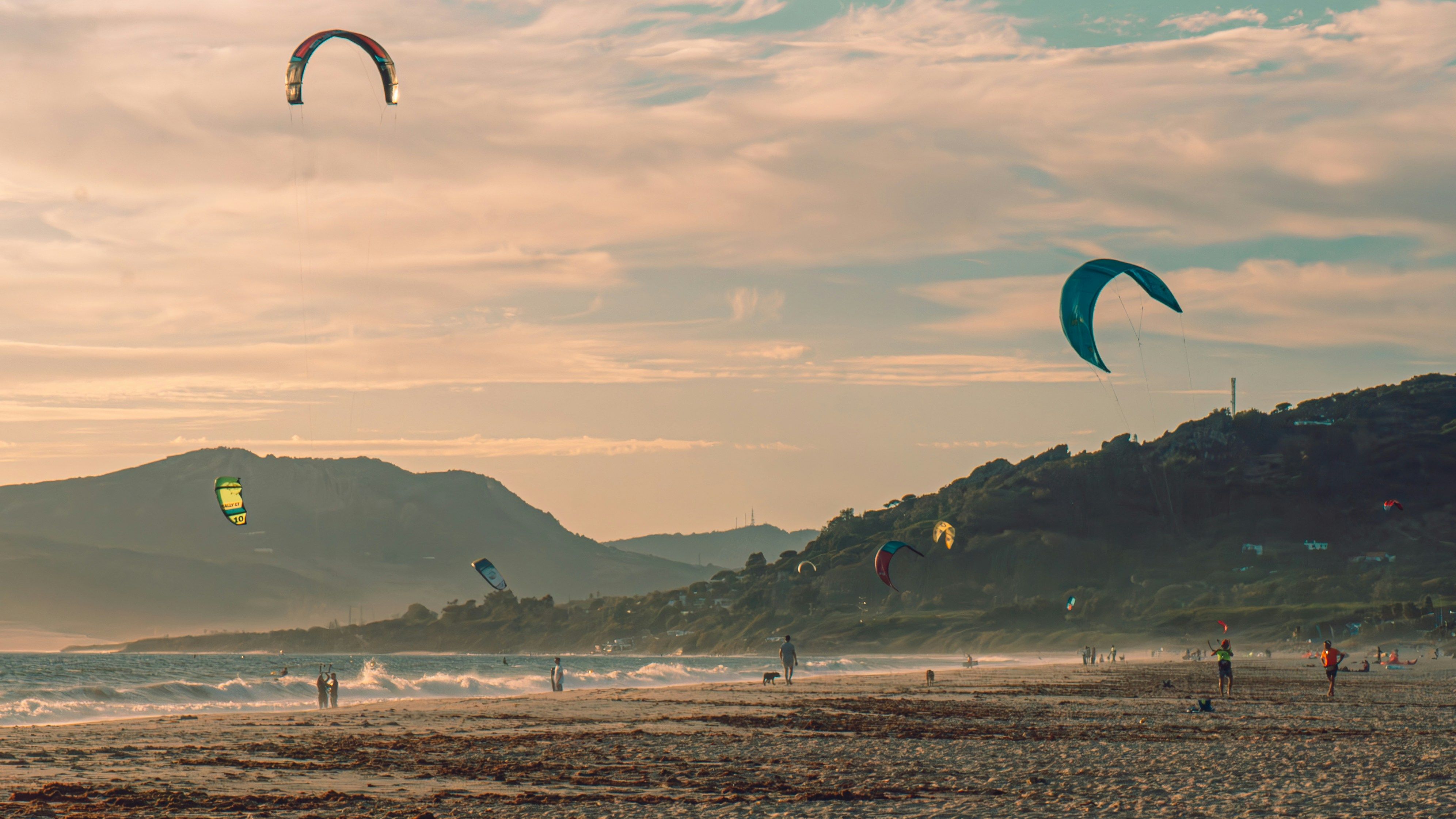
Approximately 20 kilometres southwest is Tarifa, a beautiful coastal town famous for its enormous beaches, lively old quarter and formidable winds. The latter have made it one of Europe's leading destinations for kitesurfing, although there's no requirement to attach yourself to a large piece of fabric and take your chances with the Atlantic.
Its narrow streets, whitewashed buildings and excellent restaurants make Tarifa an appealing destination in their own right. The tenth-century Castillo de Guzmán el Bueno offers a dose of history, while the coastline provides spectacular views towards Morocco.
The journey takes around 25 to 30 minutes by road in normal conditions, making Tarifa a realistic half-day excursion from Algeciras.
For something more unusual, continue west to Baelo Claudia, an extraordinarily well-preserved Roman settlement beside Bolonia Beach.
Founded in the late second century BC, the city prospered through fishing, trade and the production of garum, a fermented fish sauce beloved by the Romans.
Today, visitors can explore the remains of its theatre, temples, baths and forum against a backdrop of sand dunes and Atlantic coastline. It's one of those archaeological sites where the setting is almost as impressive as the history.
Baelo Claudia requires a longer transfer, so it's best suited to an organised excursion with a generous port call. The archaeological complex is also generally closed on Mondays.
Beaches, forests and wildlife near Algeciras
If you'd rather escape the city, Algeciras offers easy access to some spectacular natural landscapes.
Getares Beach, a short drive south of the centre, is an attractive stretch of sand backed by hills. Nearby Parque del Centenario has coastal walking paths and viewpoints across the Bay of Gibraltar, with Africa visible on clear days.
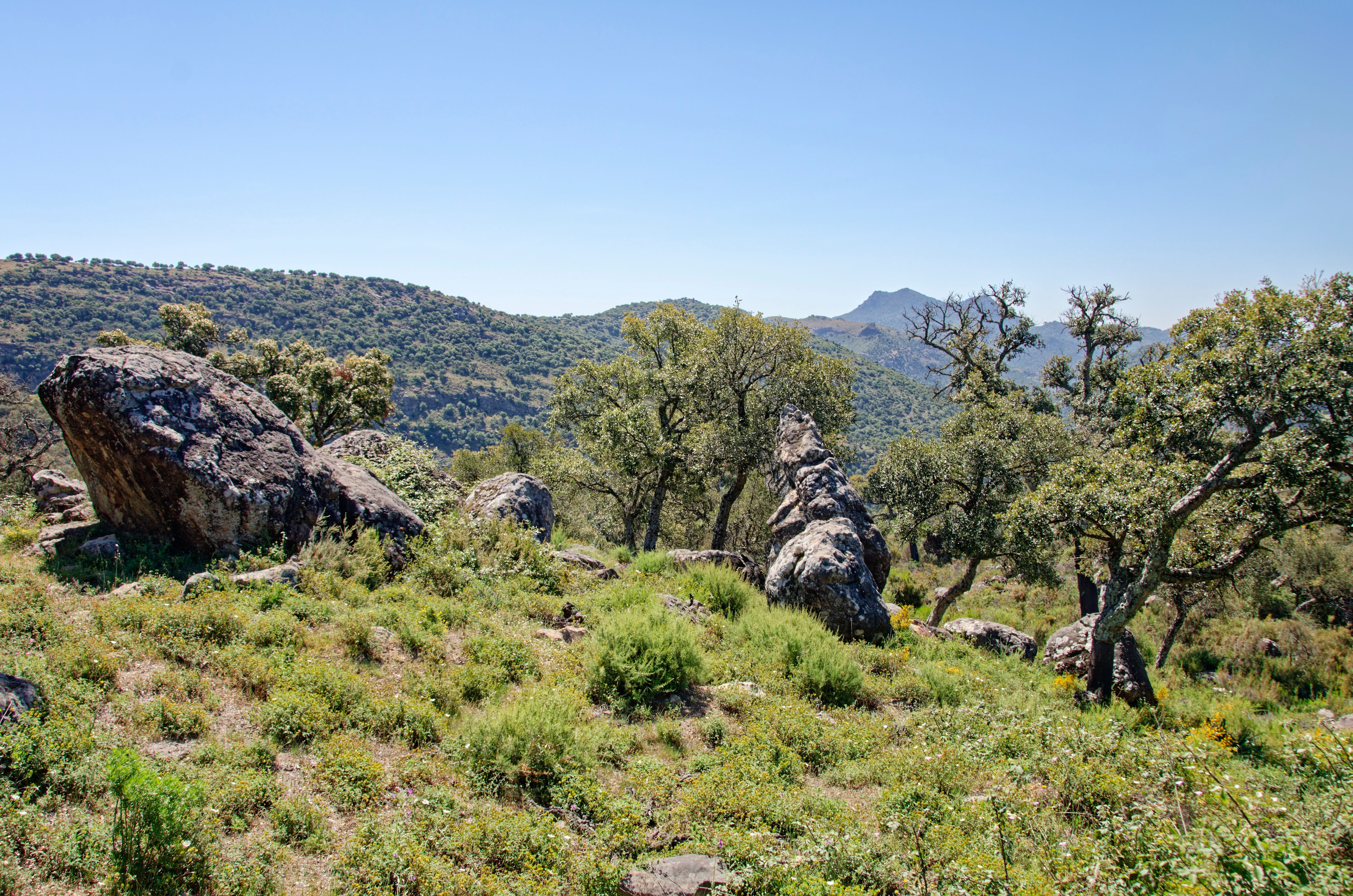
Inland, Los Alcornocales Natural Park is an unexpected contrast to Andalusia's sun-baked reputation. Its cork-oak forests, shaded valleys and streams create a landscape that can feel almost subtropical.
One popular route follows the Río de la Miel past old watermills and a medieval stone bridge towards a waterfall. You'll need transport to the trailhead in El Cobre, but it could make a rewarding excursion for passengers who enjoy walking.
The Strait of Gibraltar is also an important habitat for dolphins and whales, with boat excursions operating from nearby Tarifa. These depend on the season and weather, so they're worth arranging well in advance rather than hoping to squeeze one into a spare hour.
How does Algeciras compare with Gibraltar, Cádiz and Málaga?
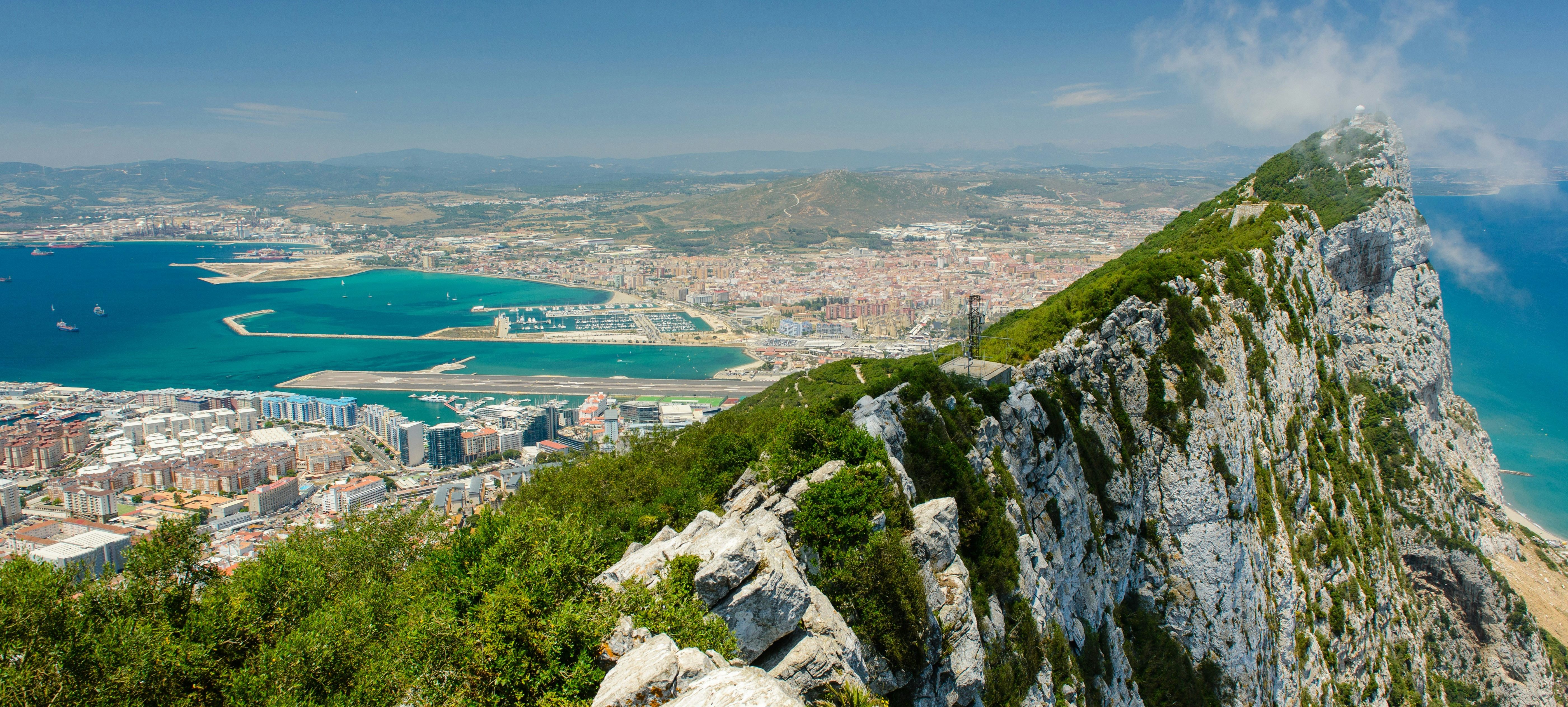
Algeciras faces some formidable competition.
Gibraltar has its famous Rock, resident macaques and military history. Cádiz offers a beautiful old town within easy reach of its cruise terminal, while Málaga combines major museums, beaches and an exceptionally well-developed tourist scene.
Algeciras can't quite match their convenience or immediate sightseeing appeal.
Its strength lies in the variety of experiences accessible from the port, particularly Tarifa, Baelo Claudia and the surrounding natural parks. For passengers who've already visited the better-known Andalusian destinations, that's a persuasive proposition.
There is, however, one important practical consideration.
Unlike Cádiz, where passengers can often walk directly into the historic centre, Algeciras is primarily a working commercial port. Depending on the berth, cruise visitors may need shuttle transport to reach the city or meet their excursion operator.
For independent travellers, confirming the actual docking location and transfer arrangements will be essential.
Which cruise ships are visiting Algeciras in 2027?
Several operators have already published itineraries featuring the port.
Oceania Cruises is scheduled to bring Marina to Algeciras on 3 October 2027, during a nine-night voyage from Lisbon to Barcelona. The advertised visit runs from 10am to 7pm, giving passengers a useful nine-hour window ashore.
Regent Seven Seas Cruises has also listed a call by Seven Seas Splendor on 9 November 2027, scheduled from 8am to 5pm.
Both are long enough to accommodate an excursion to Tarifa or a more leisurely exploration of Algeciras itself.
As ever, itineraries and port arrangements can change. The port authority's nine-call figure also represents requests received rather than a definitive schedule.
Is Algeciras worth visiting on a cruise?
Algeciras may never rival Málaga for galleries or Cádiz for architectural beauty, but it has an appealingly different character.
Its historic centre offers a glimpse of everyday Andalusian life, while the surrounding region brings together Roman history, wild coastline, flamenco heritage and some exceptional natural scenery.
Much will depend on how cruise operators organise their excursions, particularly given the practicalities of arriving at a large commercial port.
But for travellers who enjoy discovering somewhere less familiar, Algeciras offers an intriguing prospect. And after decades spent welcoming cargo from around the world, it seems only fair that the city should have a few visitors who intend to stay for lunch.