
If Barcelona is the headline act, Palma is the great support band that steals the show. The old town leans towards the bay, the cathedral throws sun through a rose window the size of a small planet, and the cafés seem designed for precisely one more cortado. From the cruise quays you can be in the heart of it quickly—bus, taxi or a long, pretty stroll along the Paseo Marítimo—so Palma rewards even a short call with a very high ratio of “ooh” to effort.
Why Palma is special (in one handsome glance)

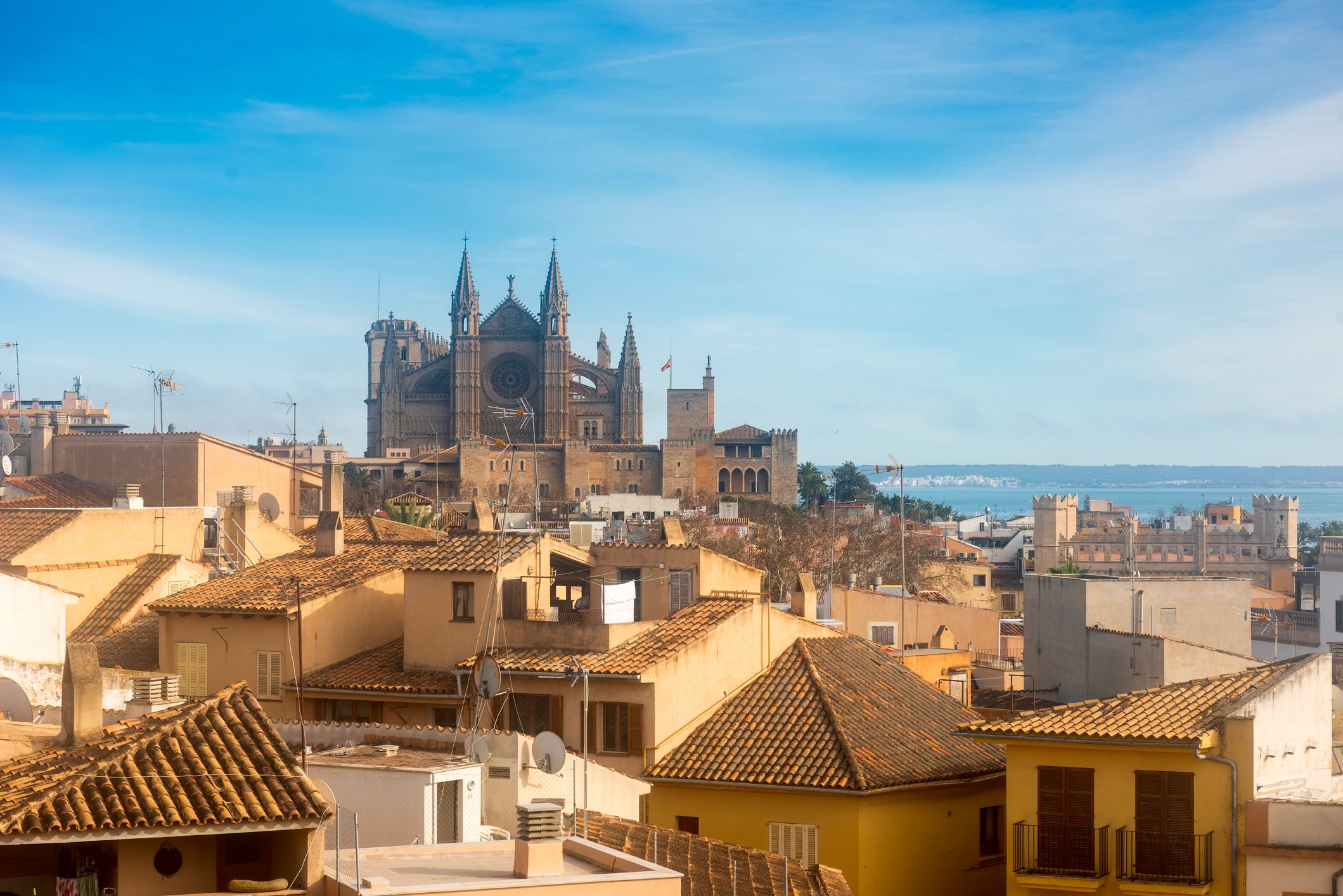
Start at La Seu, Palma’s Gothic cathedral, whose nave soars 44 metres and whose light show comes courtesy of Gaudí’s early-20th-century interventions and a contemporary ceramics-and-light chapel by Mallorcan artist Miquel Barceló (2001–06). It’s the kind of building that makes architecture students whisper and cruise passengers stop mid-cone.
Across the way, the Royal Palace of La Almudaina reminds you that island capitals can be both seaside and stately; a former Muslim alcázar reshaped in the 14th century and still used for official acts.
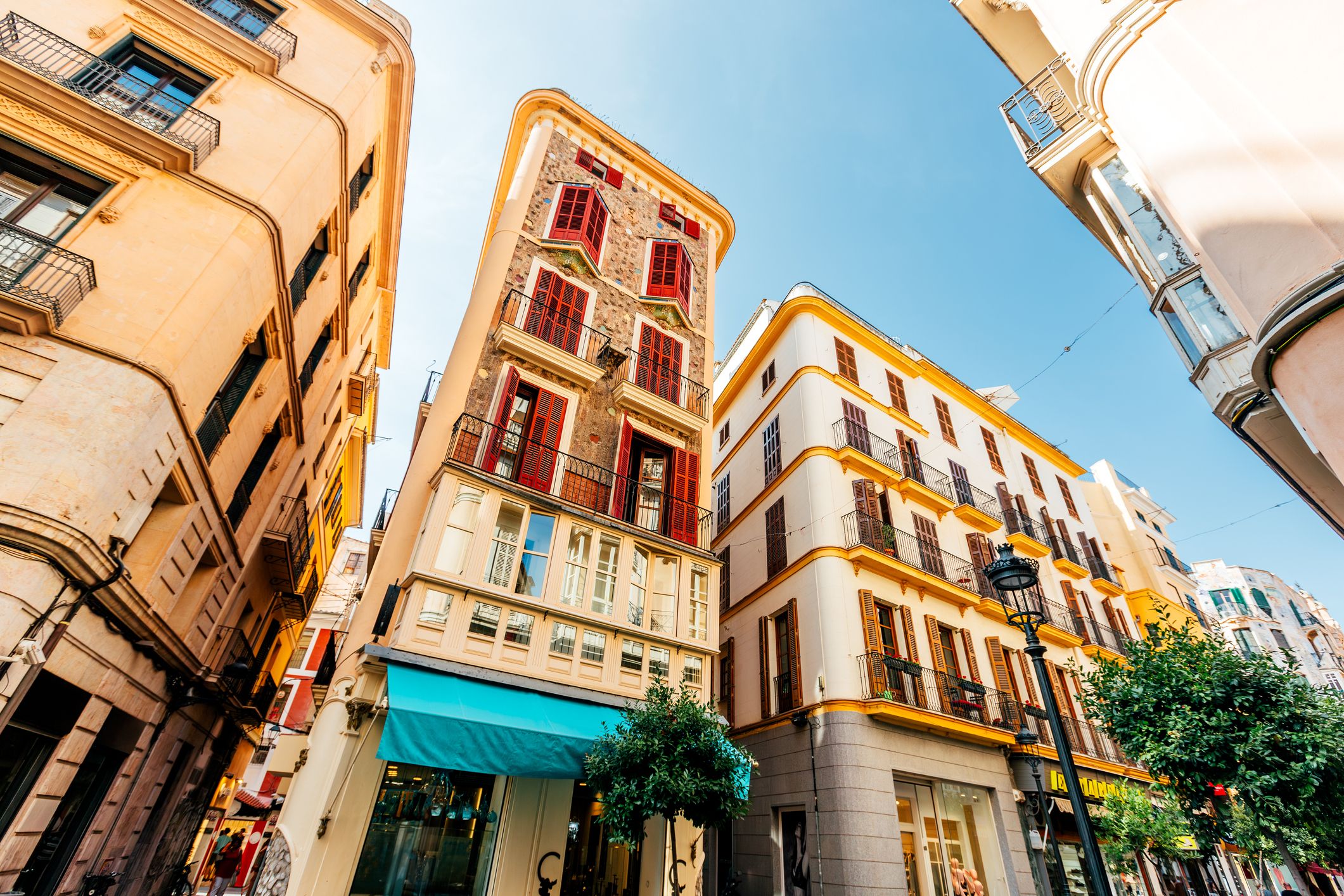
For a modernista wink, detour to Gran Hotel (now CaixaForum Palma), Lluís Domènech i Montaner’s 1903 confection—wrought iron, glazed ceramics, unapologetic flourish—proof that Palma does elegance as naturally as it does sunlight.
A tidy port-day tour (4–6 hours, with pastry)
Port → Old Town. Most ships dock at Muelle de Poniente or Dique del Oeste. Figure roughly 15–20 minutes by taxi to the cathedral, or grab EMT bus Line 1 from the terminal area into the centre. Walking the waterfront promenade is pretty but long (about 45–50 minutes to the old town).
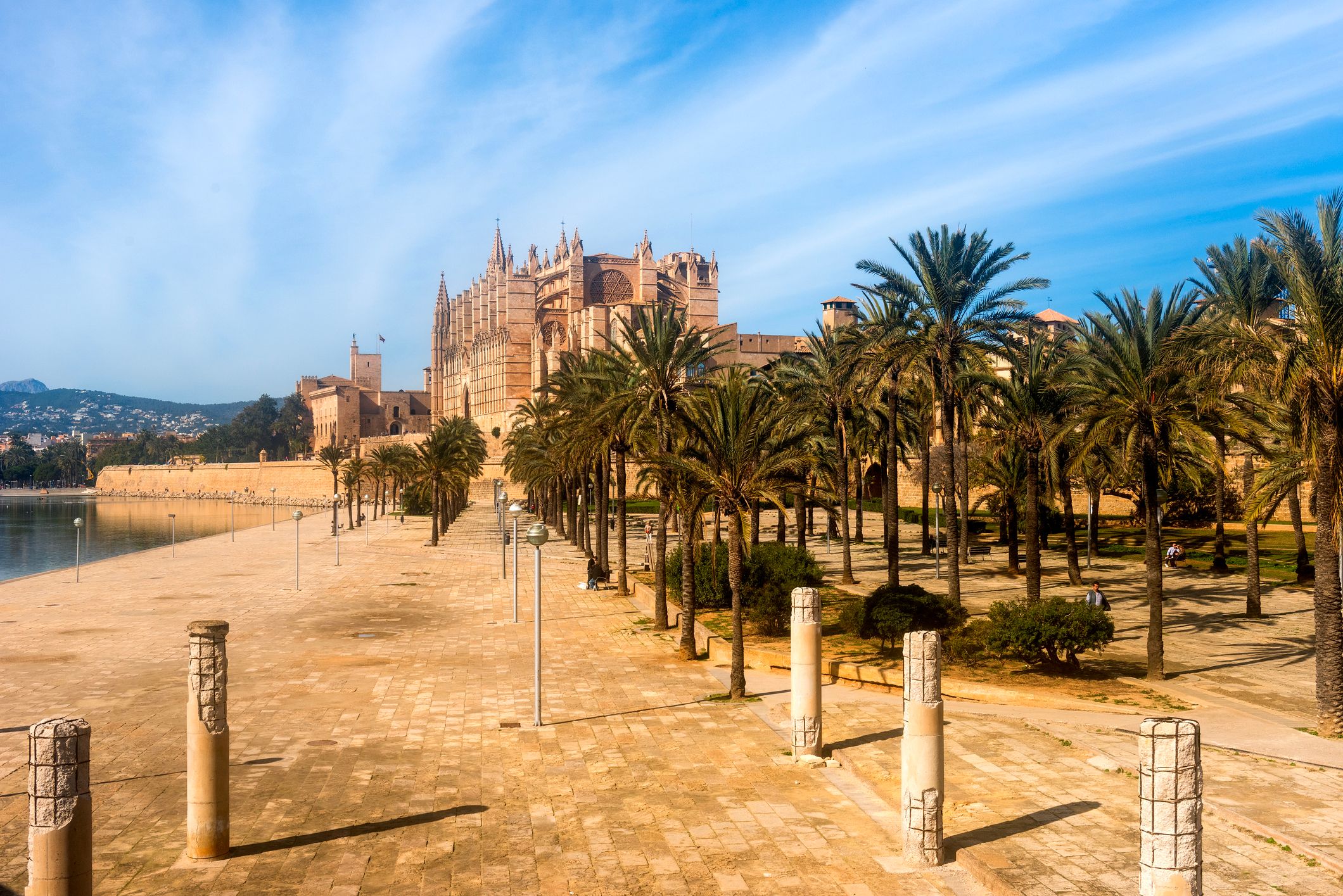
La Seu & Parc de la Mar (60–90 mins). Admire the bayside façade and step inside for the Gaudí-tuned light and the Barceló chapel’s sea-bed ceramics. If terrace access is open, the roof walk reveals flying buttresses and the bay.
Almudaina & the ramparts (30–45 mins). Cross to the Royal Palace of La Almudaina for courtyards and coastal views, then wander the seafront ramparts at Parc de la Mar.
Arab Baths (20 mins). Duck into the Banys Àrabs, a tiny 10th–12th-century bathhouse folded into a garden—one cool, vaulted pause from the Mediterranean glare.
Passeig del Born → La Llotja (30–40 mins). Walk up the plane-shaded Passeig del Born (Palma’s elegant spine) and loop down to La Llotja, Guillem Sagrera’s 15th-century guildhall where stone palm-tree columns hold up a luminous hall.
Lunch the Palma way (45–60 mins). Two excellent choices within easy reach:
- Mercat de Santa Catalina for market tapas and seafood (stalls to 15:00; eateries to around 17:00 Mon–Sat).
- Or keener for a sit-down? Can Joan de s’Aigo, the city’s 300-year-old institution, for an ensaïmada and absurdly good hot chocolate.
A final flourish (45–60 mins). Art lovers should climb the bastions at Es Baluard Museu (contemporary art plus bay views) or taxi up to Castell de Bellver, one of Europe’s rare circular castles, for a panorama that makes time behave. Choose one; do both only if your all-aboard is generous.
Smart minutiae that save your sail-away
- Transport: Taxis are plentiful at both cruise quays; EMT Line 1 runs between port and centre frequently. Keep small change for tickets or use contactless where available.
- Beach break: Want five toes in sand before re-embark? Can Pere Antoni beach sits just beyond the old walls—close enough for a quick sea-air reset with cathedral views.
- Museum hours: Es Baluard is Tue–Sat 10:00–20:00, Sun to 15:00 (Mon closed). Cathedral hours vary by season and services; palace and baths likewise—check day-of if your call is on a Monday.
- Pastry protocol: At Can Joan de s’Aigo, ensaïmada is the headline; almond ice cream is the encore. Sharing is polite, ordering two is wiser.
Why Palma belongs on more “must-return” lists
It’s the balance. A cathedral that flirts with the sea. A palace that still hosts royalty. A market that feeds you well before a museum that frames the bay. And, on the hill, a 14th-century circle of stone that says the view has always been worth the climb. For a city so easy from the gangway, Palma manages to feel both grand and neighbourly; which is a rare trick, and why it might be Spain’s most underrated island capital.