
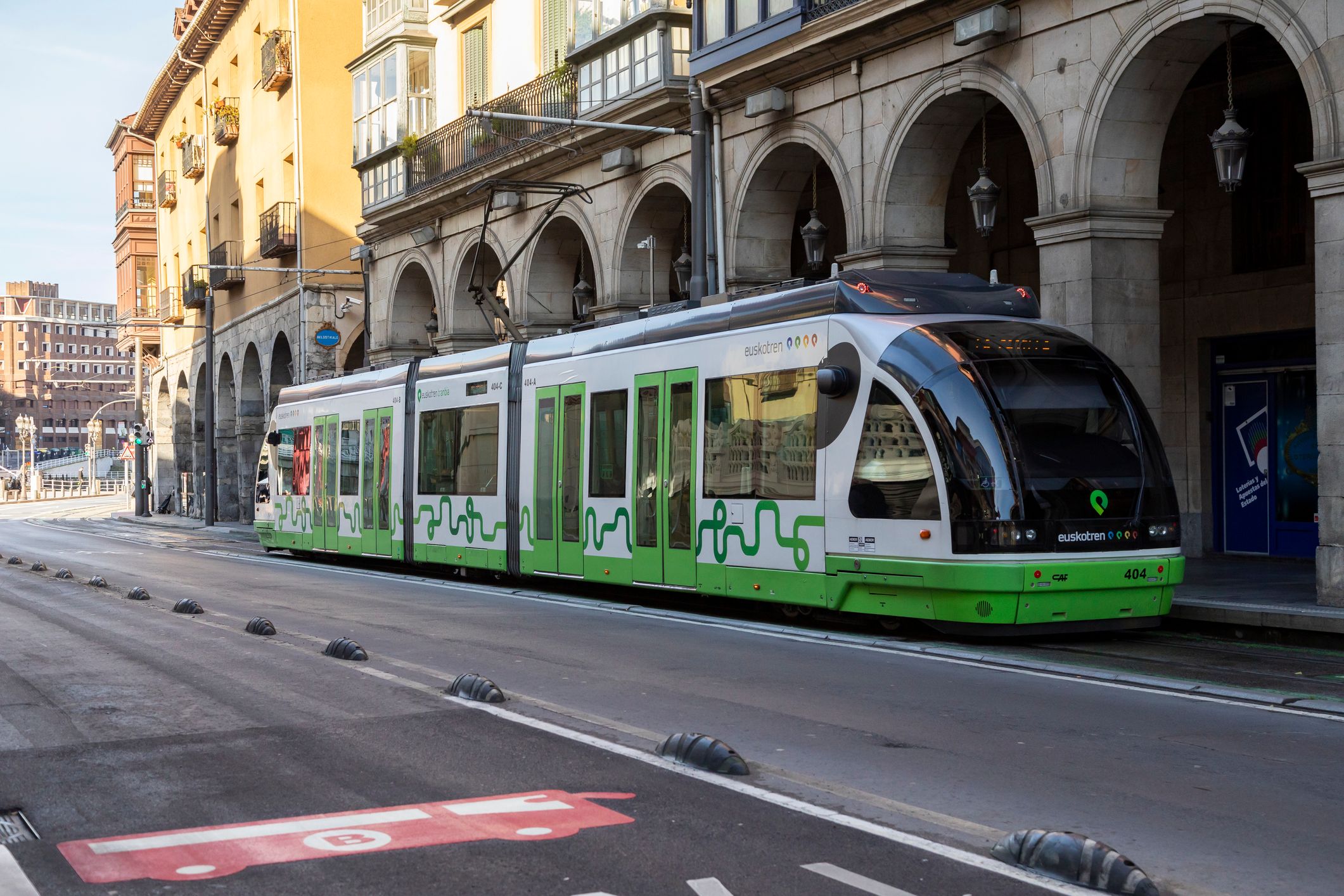
Bilbao rewards anyone who lets the river set the pace. The city’s single light-rail line traces the Nervión like a green thread, linking sculptural showpieces with snug bars and market bustle. It is ideal for a cruise day: no faff, no taxis, and views for the price of a coffee.
Getting from the ship into town, simply
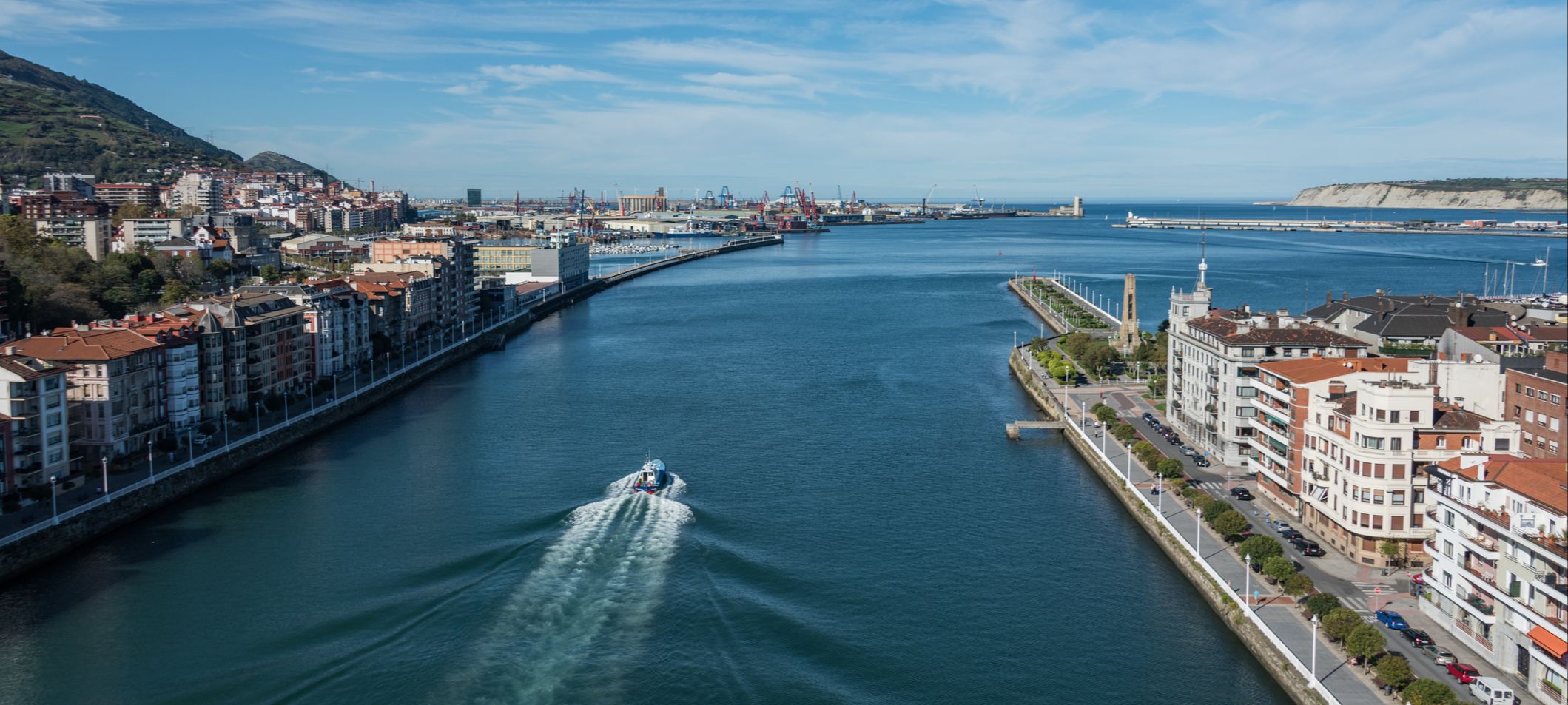
Most ships dock at Getxo. The port runs a shuttle to the Line 1 metro at Areeta or Algorta; from there it is around 25 minutes into the centre. If you prefer to walk, Neguri or Gobela are the closest stations to the terminal, but allow a good half hour. Ride Line 1 toward Etxebarri and hop out at Moyúa for the museum quarter or at Zazpikaleak/Casco Viejo for the Old Town. Expect the shuttle-plus-metro combination to take roughly 40–60 minutes each way depending on waits.
Stop 1: the Guggenheim, outside and outstanding
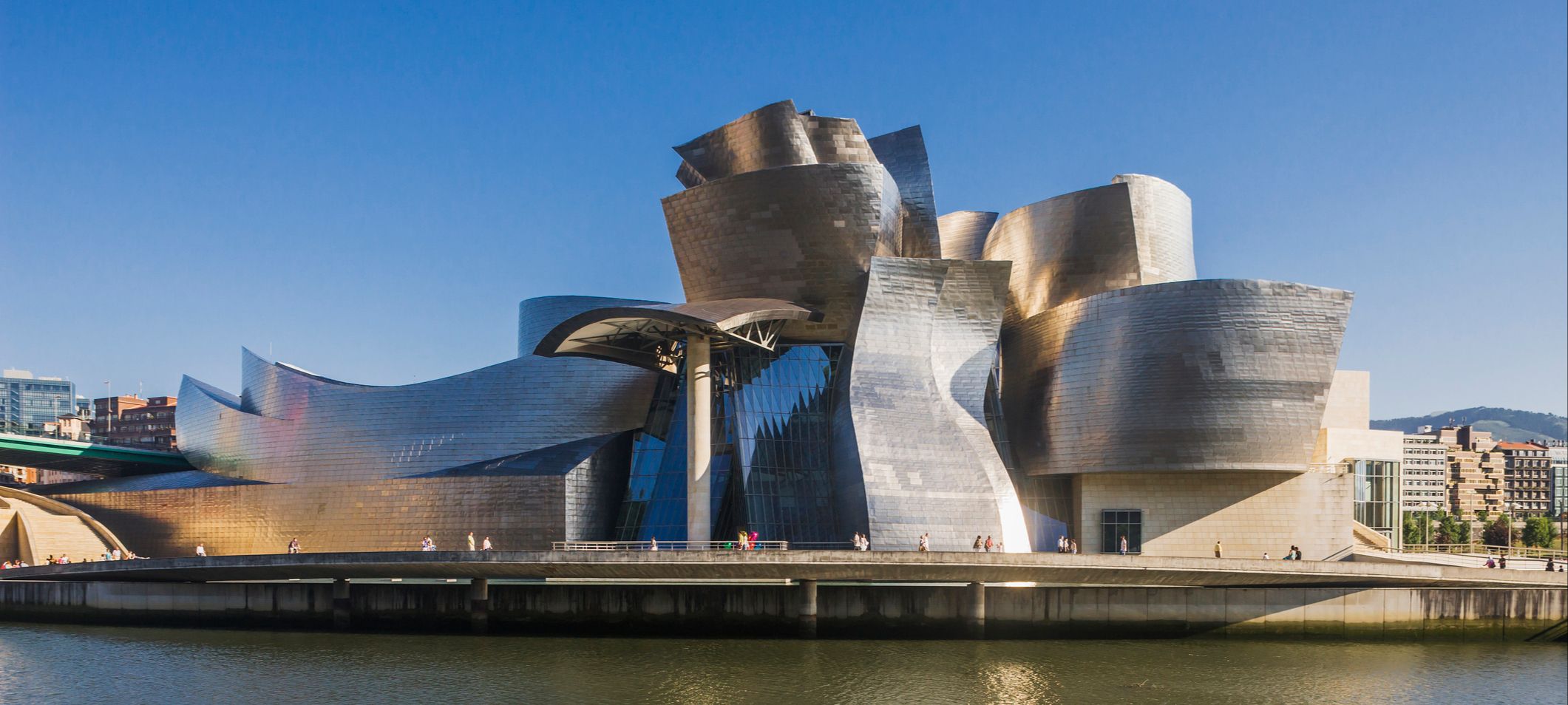
The tram stop you’re aiming for is, helpfully, called Guggenheim. Even if you skip the galleries, the exterior is a greatest-hits walk. On the river side, Louise Bourgeois’ Maman looms with balletic menace; out front, Jeff Koons’ flower-smothered Puppy stands guard; on the terrace, Anish Kapoor’s mirrored Tall Tree & The Eye turns Bilbao into a cubist kaleidoscope. Look up to the La Salve Bridge, crowned with Daniel Buren’s vermilion Arcos Rojos. The museum lists these pieces and the tram connection clearly in its visitor info.
Roll the tram to the Old Town
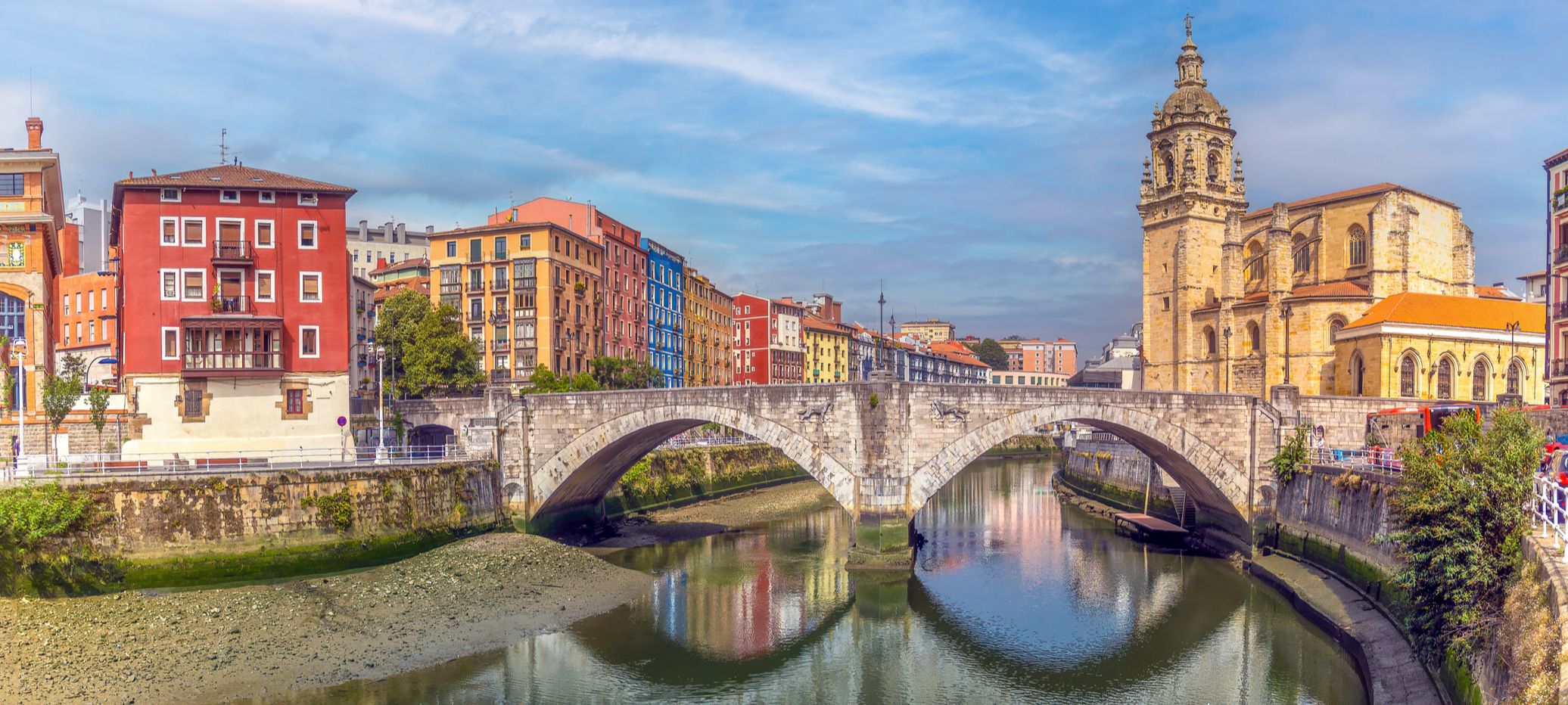
From Guggenheim it is two short stops to Arriaga or one more to Ribera, both on the same light-rail line that hugs the river between city hall, the museum quarter and the market. Trams run through the day and the route is almost a sightseeing tour in itself, with stations named for the sights they serve.
Lunch the local way: pintxos in Plaza Nueva

Step off at Arriaga and slip into the arcades of Plaza Nueva, the heart of pintxos culture in the Old Town. Order like a Bilbaíno: two or three small bites with a short beer, then move on. Bars around the square are famously good; city and regional tourism point out stalwarts here, including modern takes at Gure Toki and Sorginzulo.
A market interlude on the river
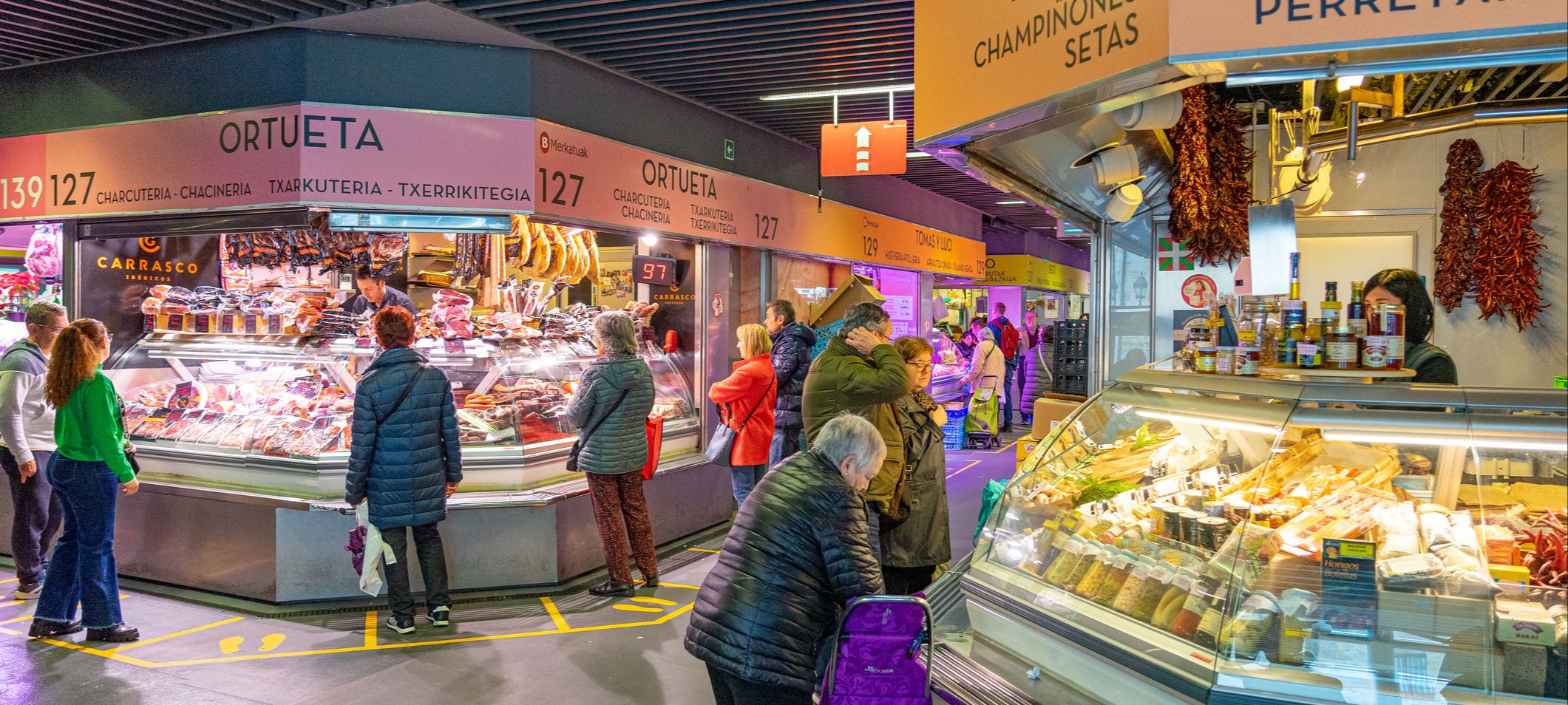
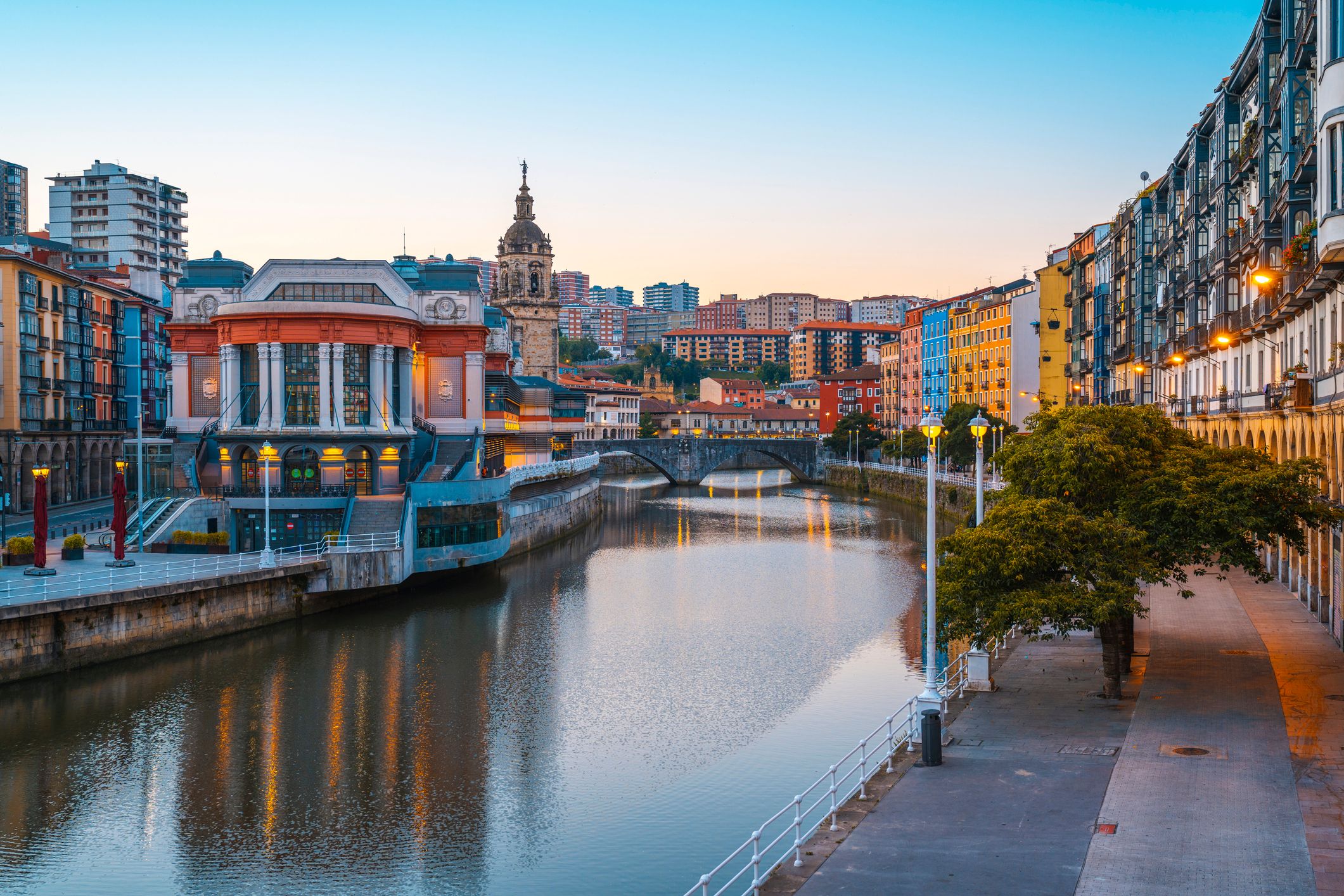
Wander down to the glassy Mercado de la Ribera, one of Europe’s largest covered markets, opened in 1929 and still gloriously busy with fishmongers, butchers and produce stalls, plus a food court for dessert or a final coffee. The tram stop outside is, again helpfully, Ribera.
Glide back along the water
Reboard the tram at Ribera and ride the riverside track to Pío Baroja near city hall. From there it is a short stroll to the Metro at Abando or Moyúa for the return to Line 1 and back to Getxo. The light-rail hop between Pío Baroja and Guggenheim is only a couple of minutes, which tells you how compact the core is.
Tickets, timings and tiny frictions
Bilbao’s reloadable Barik card works across tram, metro and buses and keeps fares low; you can buy and top it up at Metro machines and many kiosks. If you’re only taking a couple of rides, tram stops also have vending machines for singles. Either way, validate on the platform before you board.
Allow comfortable buffers: trams and metro run frequently, but cruise-day crowds and weather can slow things. As a rule of thumb, aim to be back on Line 1 at least 60–75 minutes before all-aboard. If you’re tempted to detour, the tram stop names make it easy to improvise: Guggenheim for the gleam, Arriaga for theatre and Old Town, Ribera for the market, Pío Baroja for city-hall views and the metro connections. The operator’s own route guide doubles as a sightseeing list.
A neat little loop for a full day ashore
Ship to Metro at Getxo, Metro to Bilbao, tram to Guggenheim for an outdoor art lap, tram to Arriaga for Plaza Nueva pintxos, amble to Ribera for market buzz, tram along the river to Pío Baroja, Metro back to the coast. It is Bilbao in a straight line, with the city doing the choreography for you.