If southern Spain on paper makes you think of suncream, sangria and the sort of hotel breakfast room where somebody's already wearing a football shirt at 8.15am, this is a useful alternative. A sailing through Málaga, Motril and Cartagena offers a different version of the south: Moorish fortresses, Roman remains, sugar-cane history, proper markets, hills and the sort of port cities that leave a mark on your memory. (Strictly speaking, Cartagena is in the Region of Murcia rather than Andalusia, but on this southeastern run it belongs perfectly well).
Why this southern Spain cruise route works
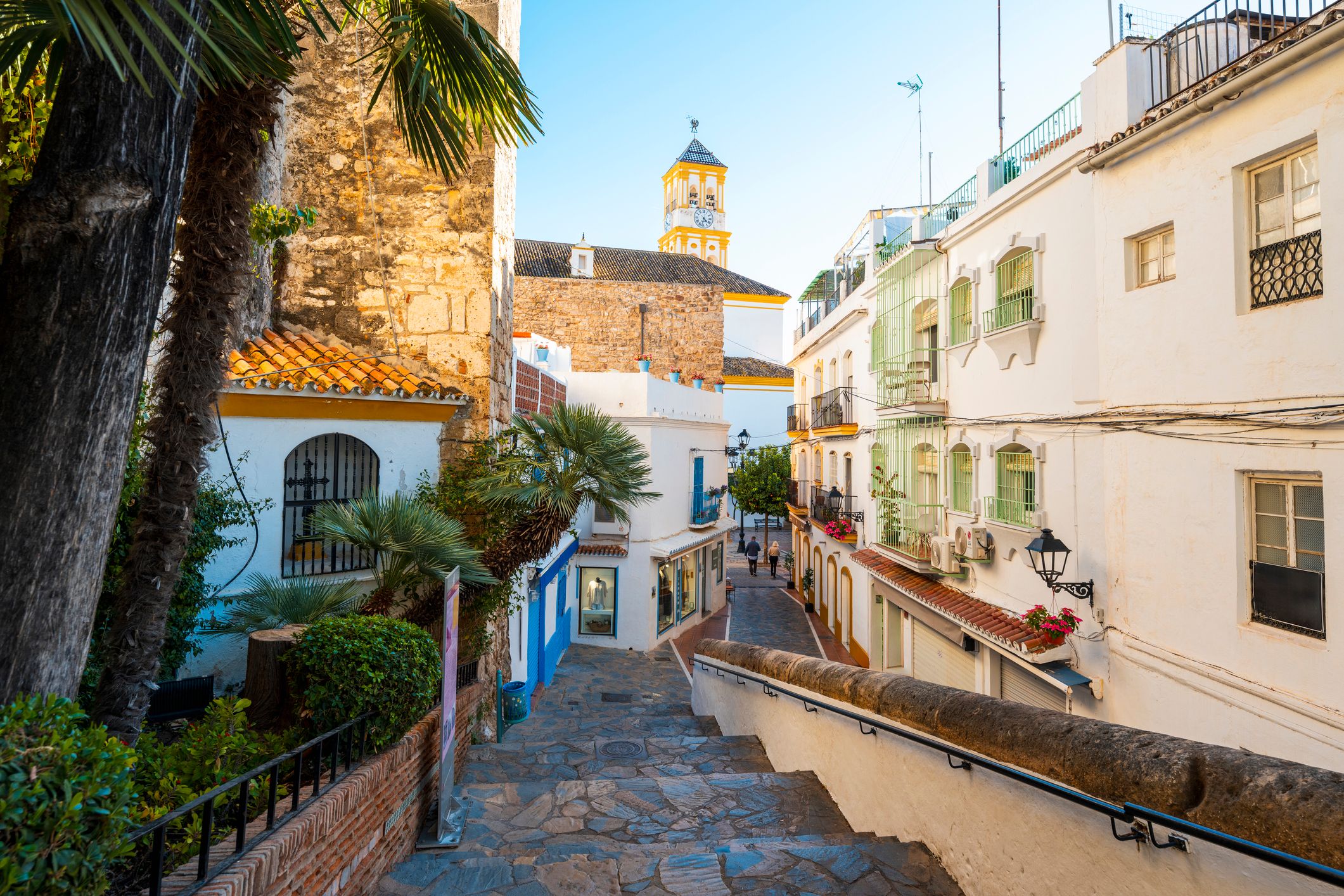
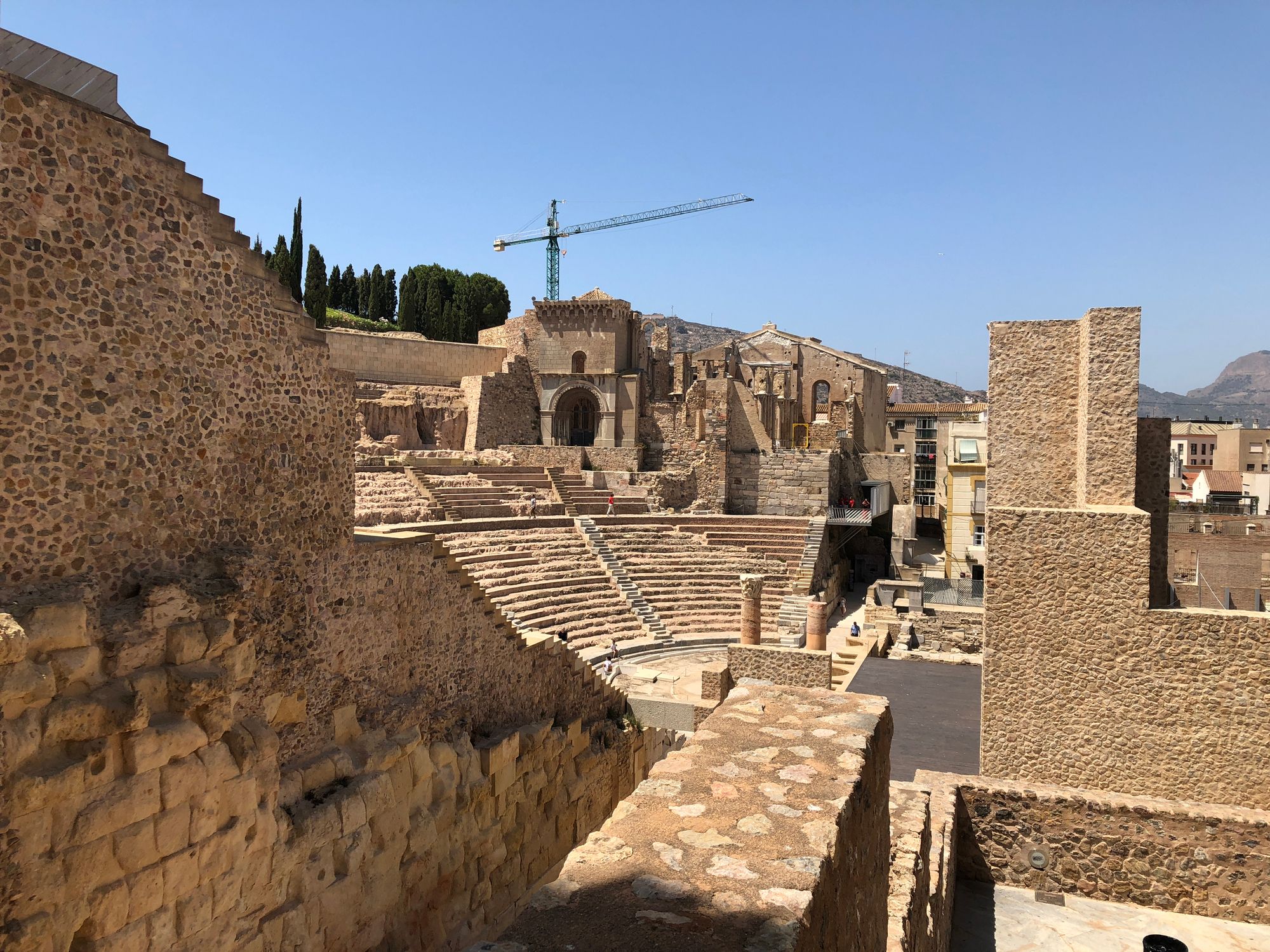
What makes this itinerary so satisfying is that it is not trying to sell you one fixed idea of Spain. Málaga is urban and layered, all Roman and Moorish market energy with the sea stitched right into the centre. Motril is more of an acquired taste, which I mean kindly. It's less polished, more working coast, and all the better for it once you understand where to look. Then Cartagena arrives with Roman theatre, naval grandeur and a modernist streak that make it feel faintly overqualified for a cruise stop. Together they give you a south coast of fortresses, food and commercial history, not just beaches, resorts, sangria and suncream.
Málaga cruise port: Moorish layers, markets and a very good first impression
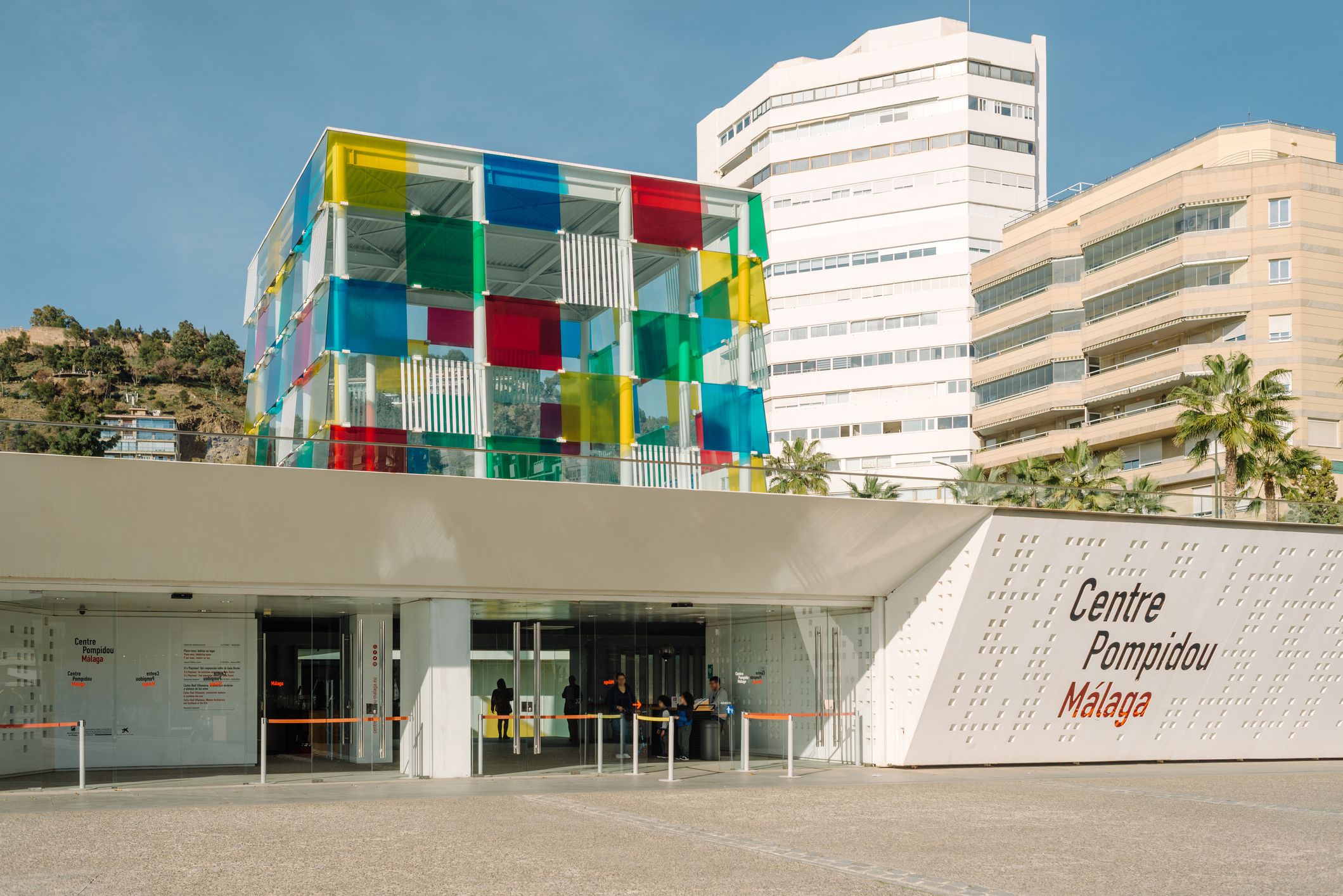
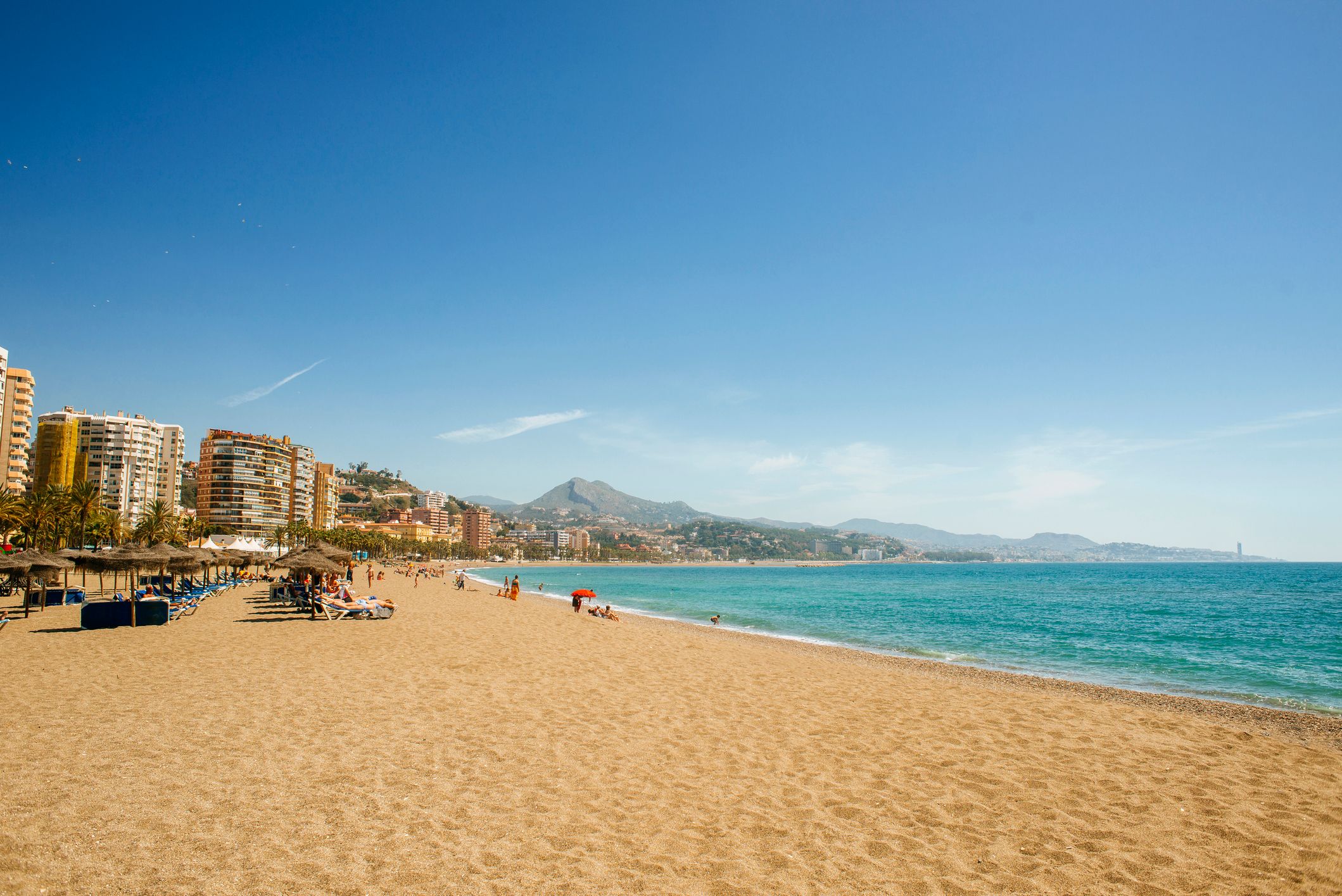
Málaga is one of the more immediately gratifying cruise ports in Spain because the ship doesn't deposit you in some distant industrial shrug and then wish you luck. The modern seafront promenade of Muelle Uno and the Palmeral de las Sorpresas sits right by the port and acts as the natural link into the historic centre, which is exactly the sort of practical kindness a port city should offer. From there, the city’s main attractions are easily reachable: the Roman Theatre at the foot of the Alcazaba, the fortress itself rising above it, all providing visitors with the sense that Málaga has been collecting civilisations over time, rather than replacing them. Alcazaba as one of the city’s most important monuments and the Roman Theatre as a surviving symbol of Roman Hispania dating back to the age of Augustus.
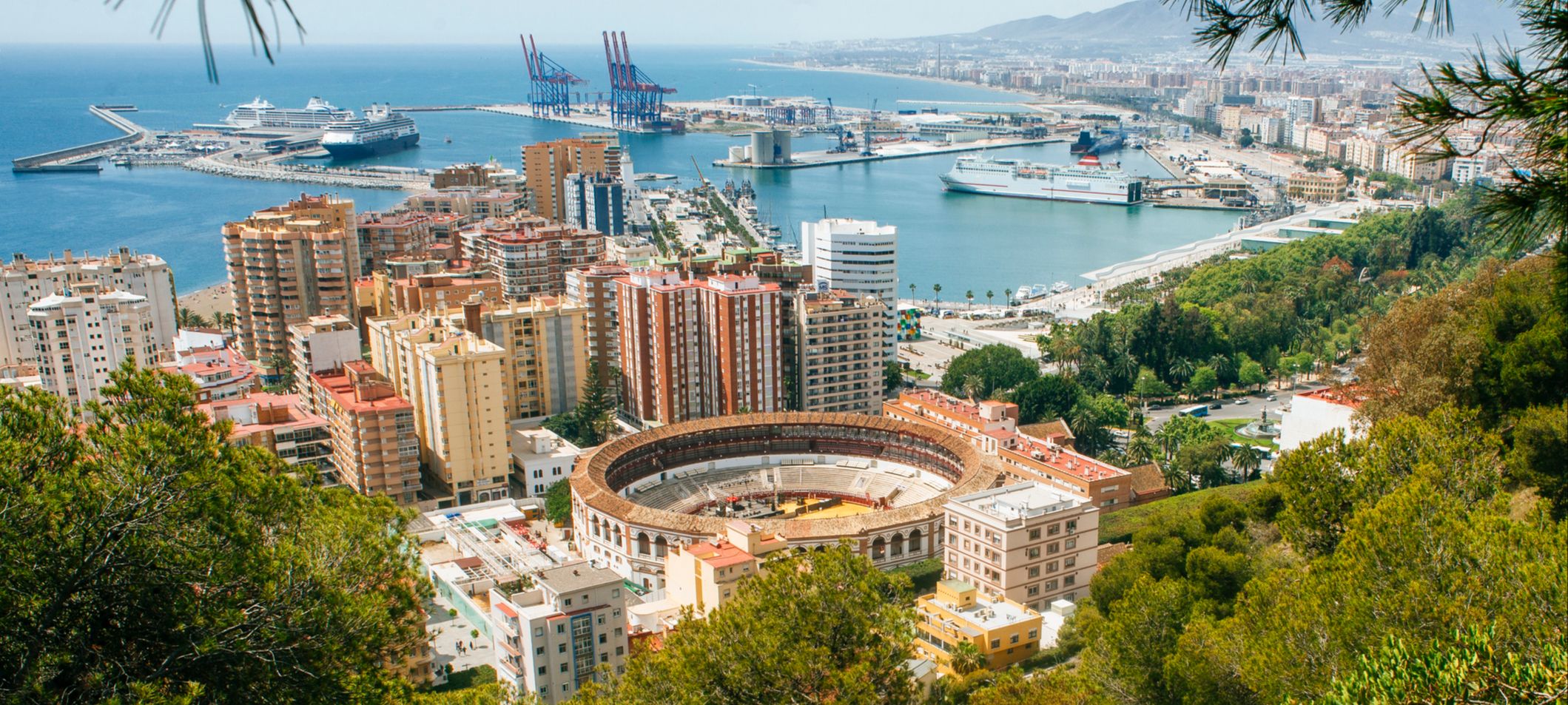
The other reason Málaga works so well on a cruise is that it knows how to feed you well. Atarazanas Market, described by the city’s tourism office as a historic market and an architectural treasure, is where the whole thing becomes properly southern. A city that can offer you Moorish fortifications in one direction and a good lunch in the other is, in my experience, a city worth not rushing.
Motril cruise port: sugar cane, rum and the Costa Tropical
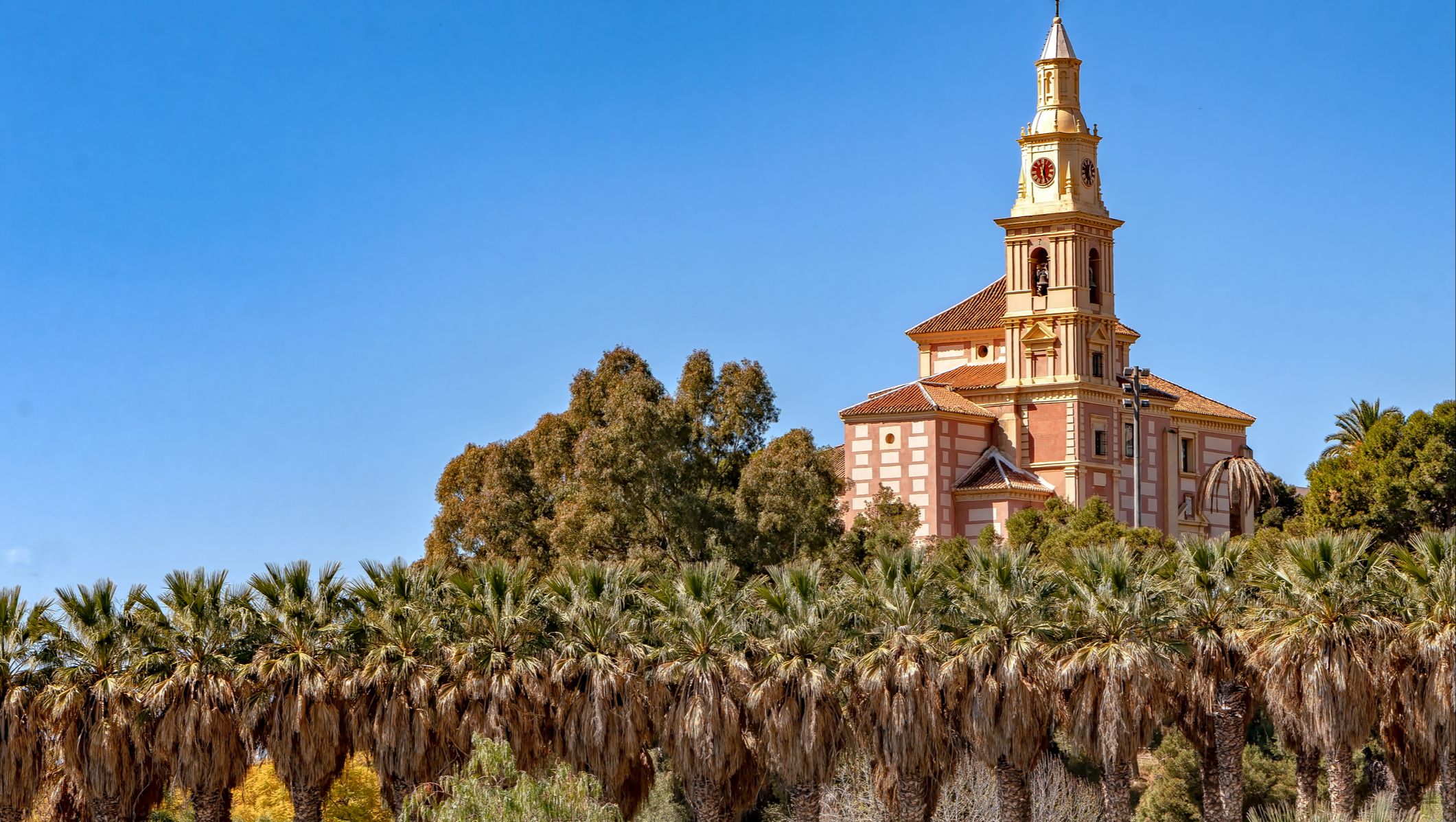
Motril is the sort of stop many people underestimate because it isn't pretty in the same way Málaga is. Instead its appeal lies in the fact that it feels like an actual working place with a very specific history. Motril’s culture and landscape were connected to sugar cane for nearly a thousand years, and that this legacy can still be traced through the Pre-Industrial Sugar Cane Museum, the sugar warehouse and the Ron Montero distillery. The museum as preserves the oldest mill in Europe, which is a wonderfully unfussy claim to fame for a port that has absolutely no interest in competing with Málaga on cathedral-adjacent charm.
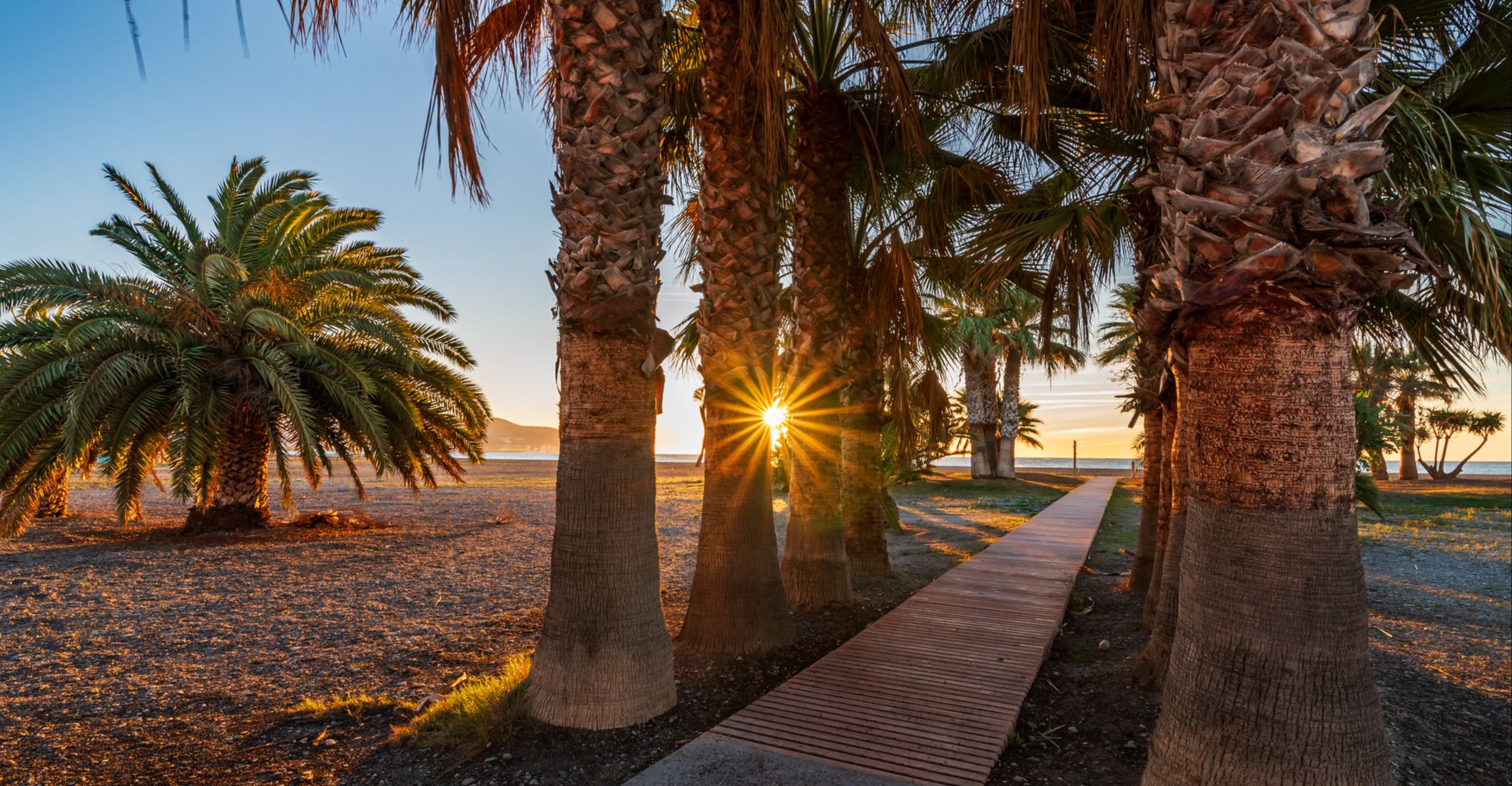
Motril lies on a hill at the foot of the Sierra de Lújar and giving it protection from the Sierra Nevada, which helps to explain why the Costa Tropical feels different from the shorthand image of Andalusia people carry around in their heads. It is drier, greener in pockets, more agricultural and less intent on seducing you immediately. A shore day here makes most sense if you lean into the local story; sugar cane, rum, a bit of coast, maybe some birdlife at Charca de Suárez if that is your sort of thing.
Cartagena cruise port: Roman theatre, modernist swagger and rice by the harbour
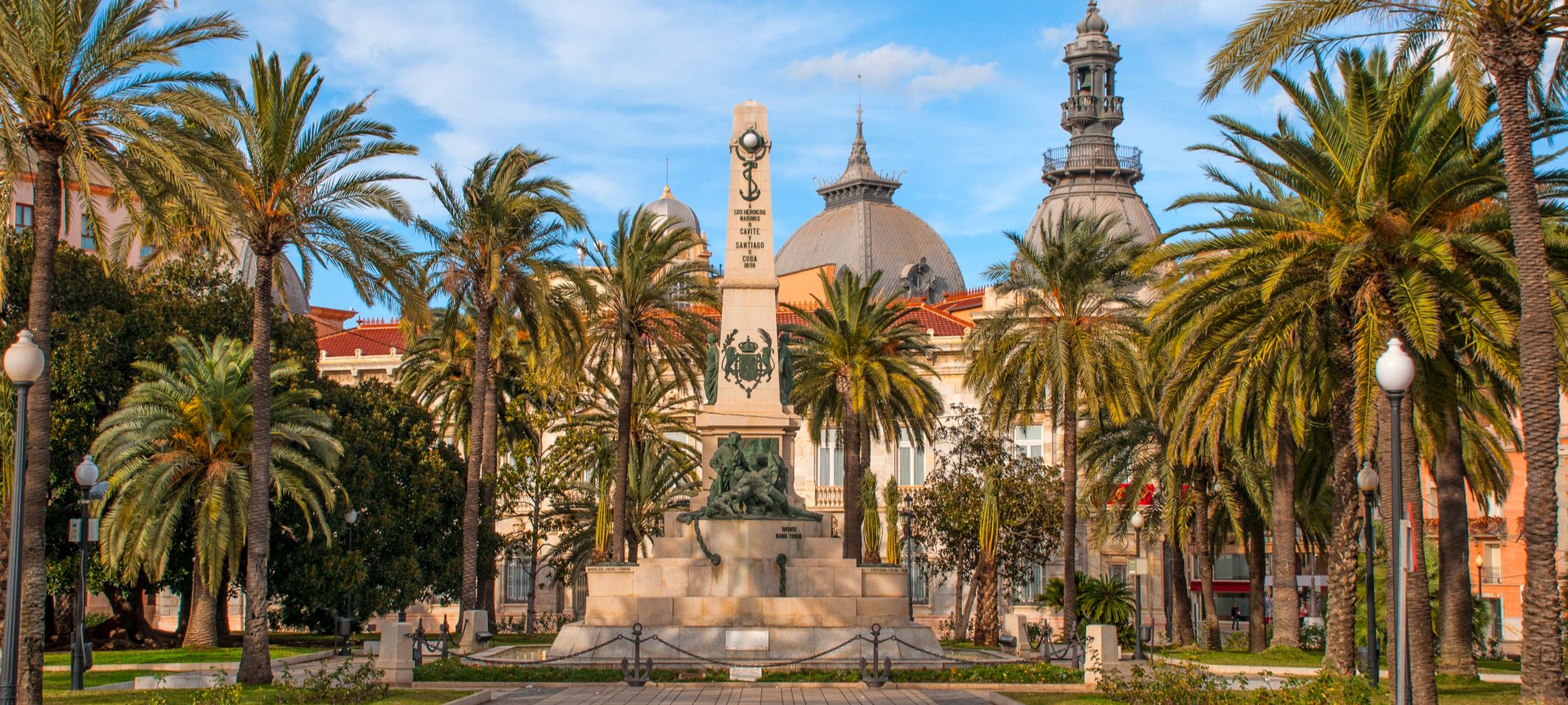
Then comes Cartagena, which is technically Murcia and yet feels like a very neat final act for this sailing. The cruise terminal sits in the inner harbour next to the marina and close to the city centre. Cartagena another of those splendidly low-faff ports where you can be looking at something serious within minutes of stepping off the ship. And here the nearby cultural offer includes: the Roman Theatre Museum, the National Museum of Underwater Archaeology, the panoramic lift and the old dock area.
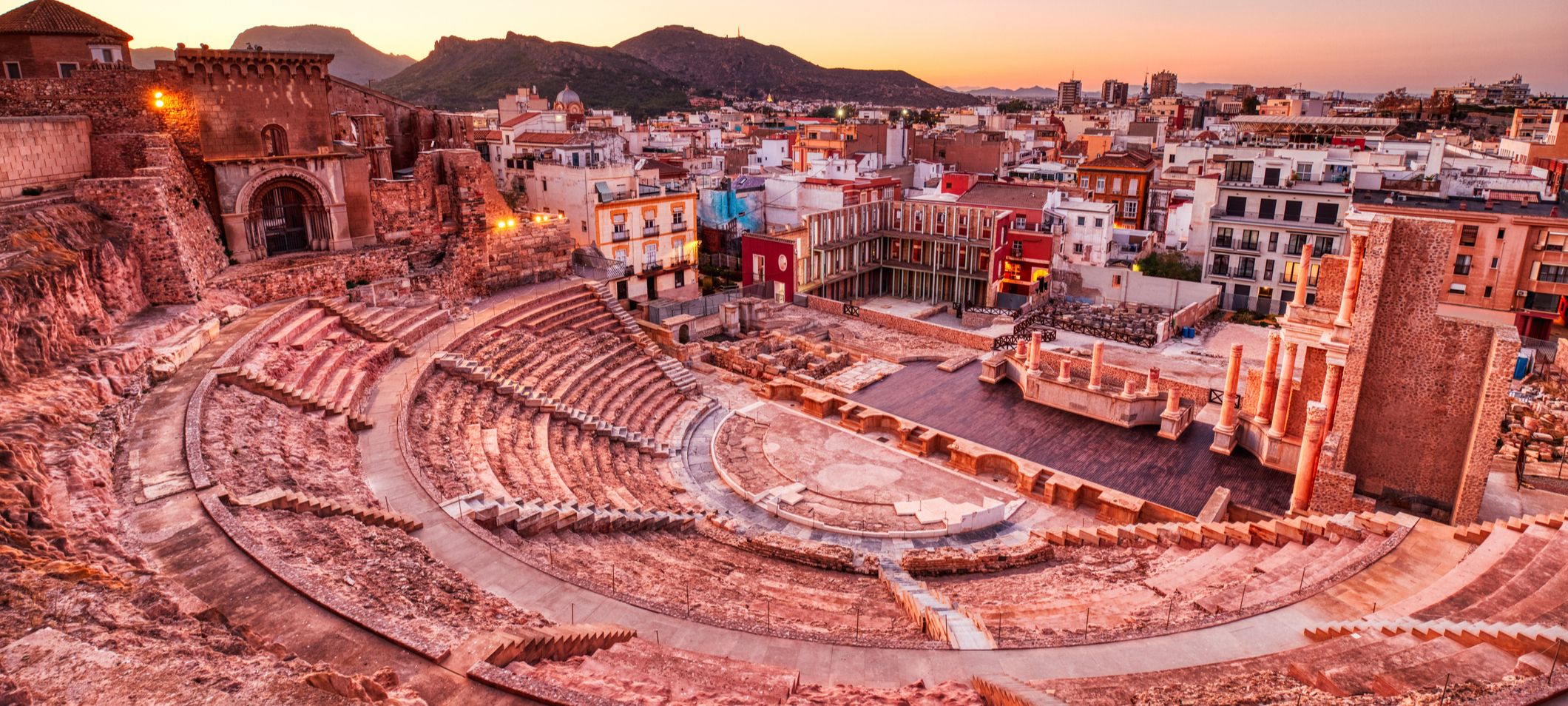
The Roman Theatre is the obvious headline, and the museum forms part of Rafael Moneo’s wider restoration project, with the visit leading through the museum and out into a theatre that once held 6,000 people. But Cartagena doesn't stop there. The city's also home to eclectic modernist architecture, especially along Calle Mayor, where the work of Víctor Beltrí gives the centre a richer, more decorative edge than many cruise passengers expect. Add the Panoramic Lift, which rises 45 metres to Concepción Hill, and you have a city that combines Roman grandeur, port pragmatism and a slightly showy early-20th-century flourish in a way that feels very convincing.
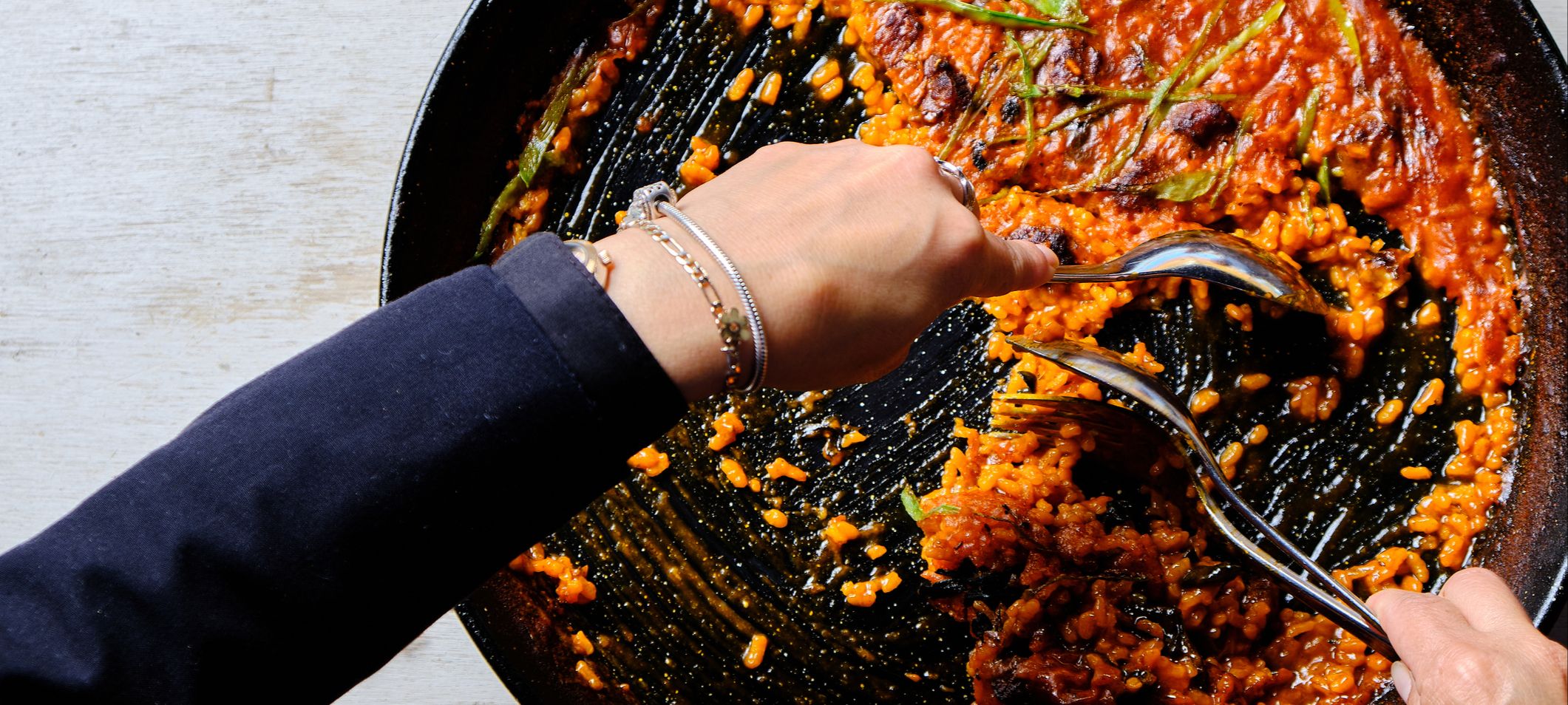
Cartagena, like Malaga also understands the value of a shore-day lunch. Caldero is the signature fish-and-rice dish of Cartagena and its countryside. Which is exactly the sort of meal you should be having in a Mediterranean port city with this much maritime self-respect.
Is this the smarter southern Spain cruise?
I think so, yes. Or at least it is the southern Spain cruise for people who have had enough of lazy Costa shorthand and would like their sun with a little more structure. Málaga gives you the Moorish layers and the market. Motril gives you the working coast, the sugar-cane story and a less obvious version of Andalusia. Cartagena, with due respect to geography, rounds the whole thing off with Roman stone and modernist façades. You could do this route badly, of course, by sprinting through every stop in search of The Main Sight and a deeply mediocre sangria. But if you let each port explain itself at its own pace, this is a very satisfying Spanish run indeed.