
The Amazon is one of those places people say they “must do one day” without being entirely sure what "doing it" exactly involves. In most imaginations it is a mixture of David Attenborough, boiling mud and being eaten alive by insects. The reality, especially on a modern riverboat, is stranger and more interesting than that: part soft hotel, part floating field station, part very long, very brown road.
Most dedicated Amazon cruises base themselves in Peru, sailing out of Iquitos towards the Pacaya Samiria National Reserve, where the Marañón and Ucayali rivers meet to form the Amazon proper. Ships like Aqua Expeditions’ Aria Amazon and Aqua Nera or the Delfin fleet are purpose-built for this world: small, air conditioned, with big picture windows and a frankly surprising number of cocktails for somewhere that feels this remote.
First impressions: big river, small ship
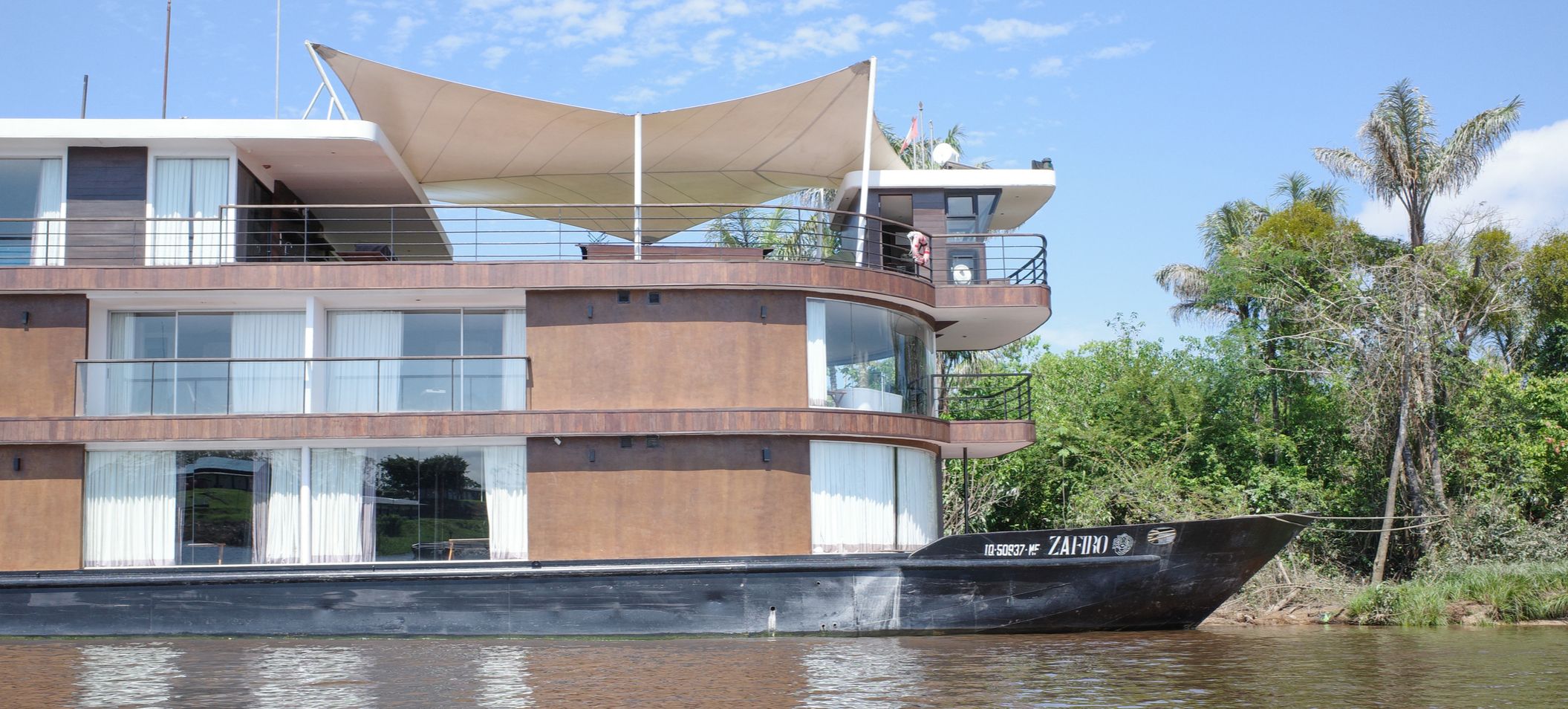
The first thing that hits you is the colour. The river looks like someone has tipped the entire continent's worth of coffee grounds into it. It is broad enough that you can sometimes barely see the opposite bank and busy with everything from dugout canoes to barges stacked high with bananas.
Your ship, by contrast, will likely look quite compact. Most Amazon riverboats carry between thirty and fifty guests, sometimes fewer, with cabins laid out along two or three decks and a lounge on top where everyone gathers before and after excursions. A couple of them have plunge pools. Most have bars, libraries and massage rooms, which feels faintly decadent if you've have just spent the afternoon battling vines while in search of tree frogs.
Inside, it is very deliberately civilised. Dinner involves white tablecloths and Amazon-inspired menus. On Aqua’s ships, for example, a Peruvian-led kitchen turns local produce into things that would not look out of place in a city restaurant, while Delfin is known for weaving regional ingredients through multi-course dinners and long, chatty lunches.
You are not “roughing it”. You are dipping in and out of the wild in neatly timed instalments.
A day in the flood forest
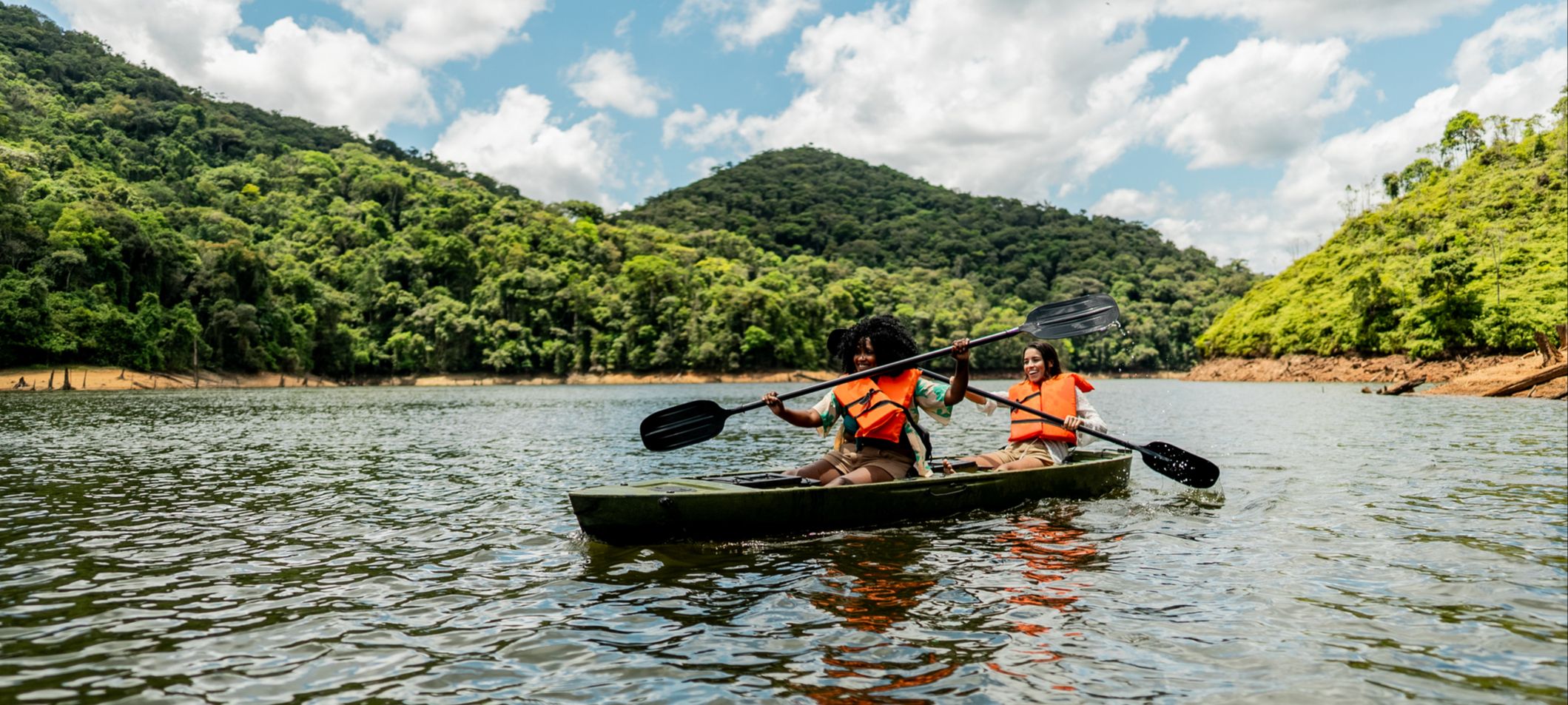
Days settle into a rhythm quickly. Someone knocks with coffee before sunrise and, if you have been daft enough to say yes to everything, you are on a skiff while the river is still steaming.
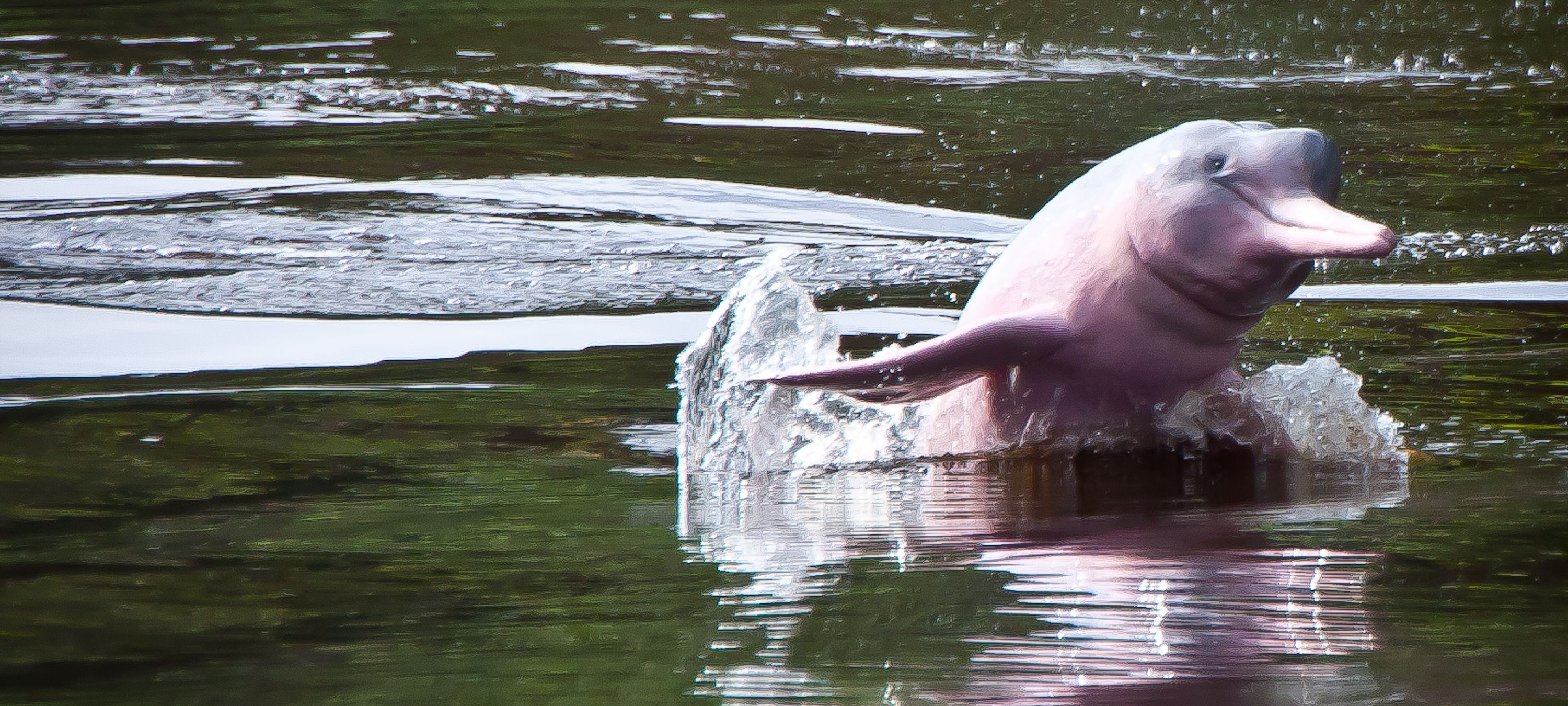
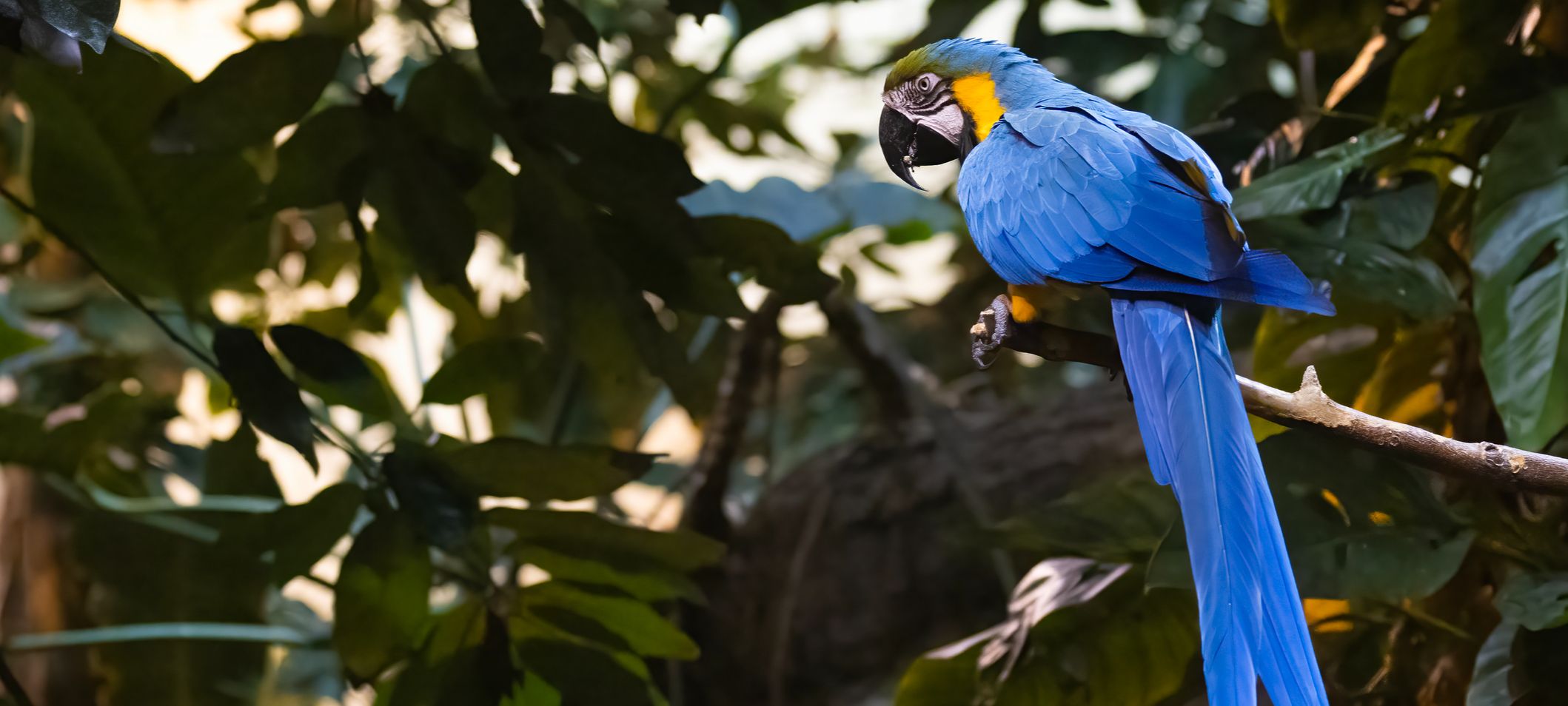
Those little boats are the workhorses of the whole operation. They get you off the main channel and into the Pacaya Samiria backwaters, where the river has spread itself into a maze of creeks and flooded forest. You glide past giant lily pads and buttress-rooted trees while macaws shout at each other overhead and the first pink river dolphins roll lazily beside the hull.
Breakfast back on board feels ludicrously civilised after that. Then there might be a talk in the lounge on rainforest ecology or local culture, a quick lesson in how not to confuse your herons, or simply a quiet hour with a book while the boat moves to a new stretch of river.
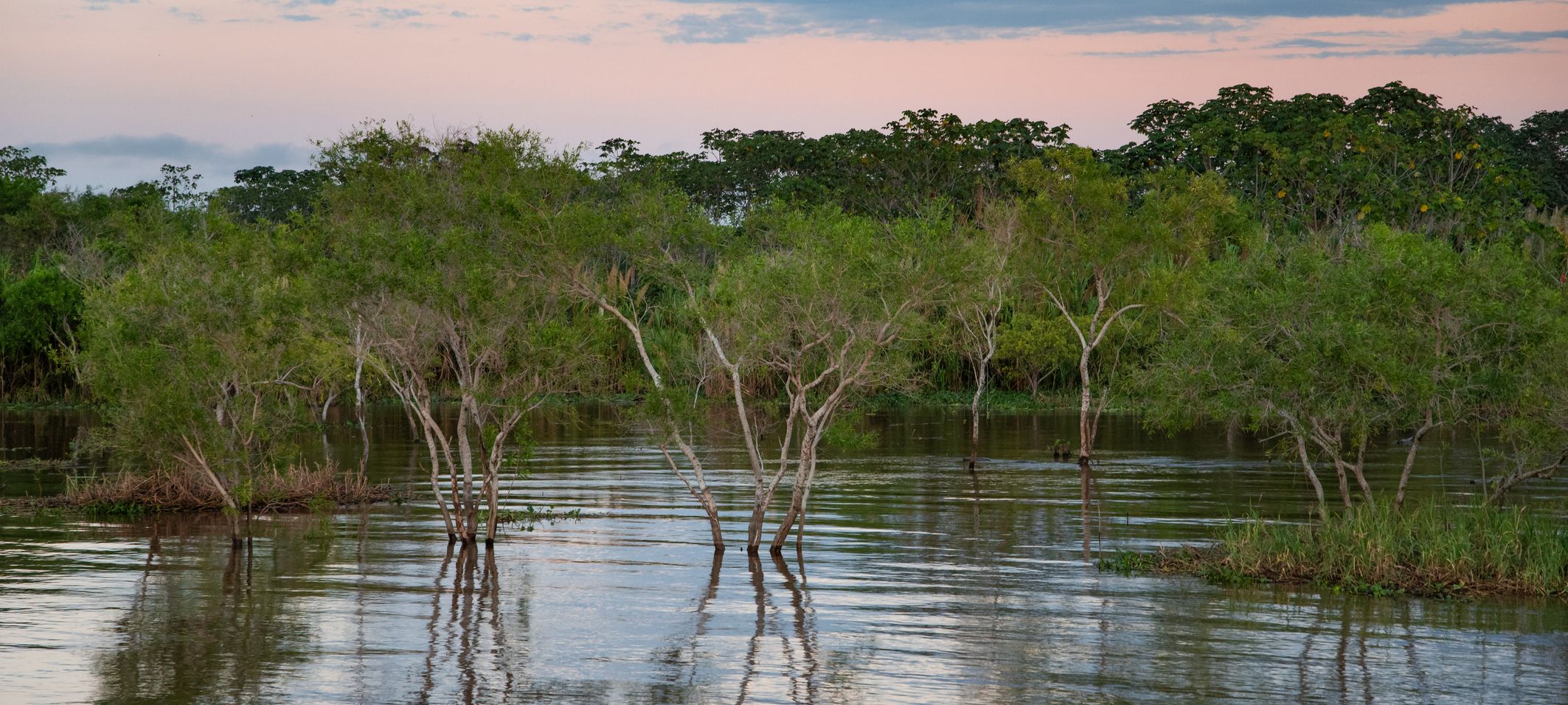
Afternoons mean more outings. Depending on the season, this could be a forest walk along dry trails, a kayak through flooded trees, a village visit or a slightly tense session of piranha fishing. At some point somebody will suggest a swim, at which moment you discover how much you really trust the guide’s smile.
After dinner, there is often a night safari by skiff. This is when the forest really feels alive: caimans’ eyes glow red in the torchlight, bats skim the surface of the water and the sound of insects reaches the kind of volume normally associated with small engines.
Then you go back to your cabin, draw the curtains on all that noise and remember that your bed has a very good mattress.
What you actually see
The Amazon is not a zoo, so any fixed promises about sightings should be treated with suspicion. That said, the upper river is absurdly rich. Pacaya Samiria alone covers more than five million acres of seasonally flooded forest and is home to an intimidating list of species.
Across a typical week you have a decent chance of spotting pink and grey river dolphins, various monkeys, sloths wedged into improbable forks of trees, three-toed footprints on muddy banks, and what feels like half the world’s parrot population flying past in pairs. Birding types get particularly excited about horned screamers, macaws, toucans and raptors; everyone else just enjoys pointing and saying “what on earth is that”.
Most itineraries also build in encounters with the human side of the river. You might visit small ribereño communities to see school projects or handicrafts, meet a local healer, or stop at a manatee rescue centre on the road back to Iquitos. Done well, these visits are less about staged “shows” and more about quietly seeing how people actually live along a river that still functions as road, supermarket and water supply.
High water, low water
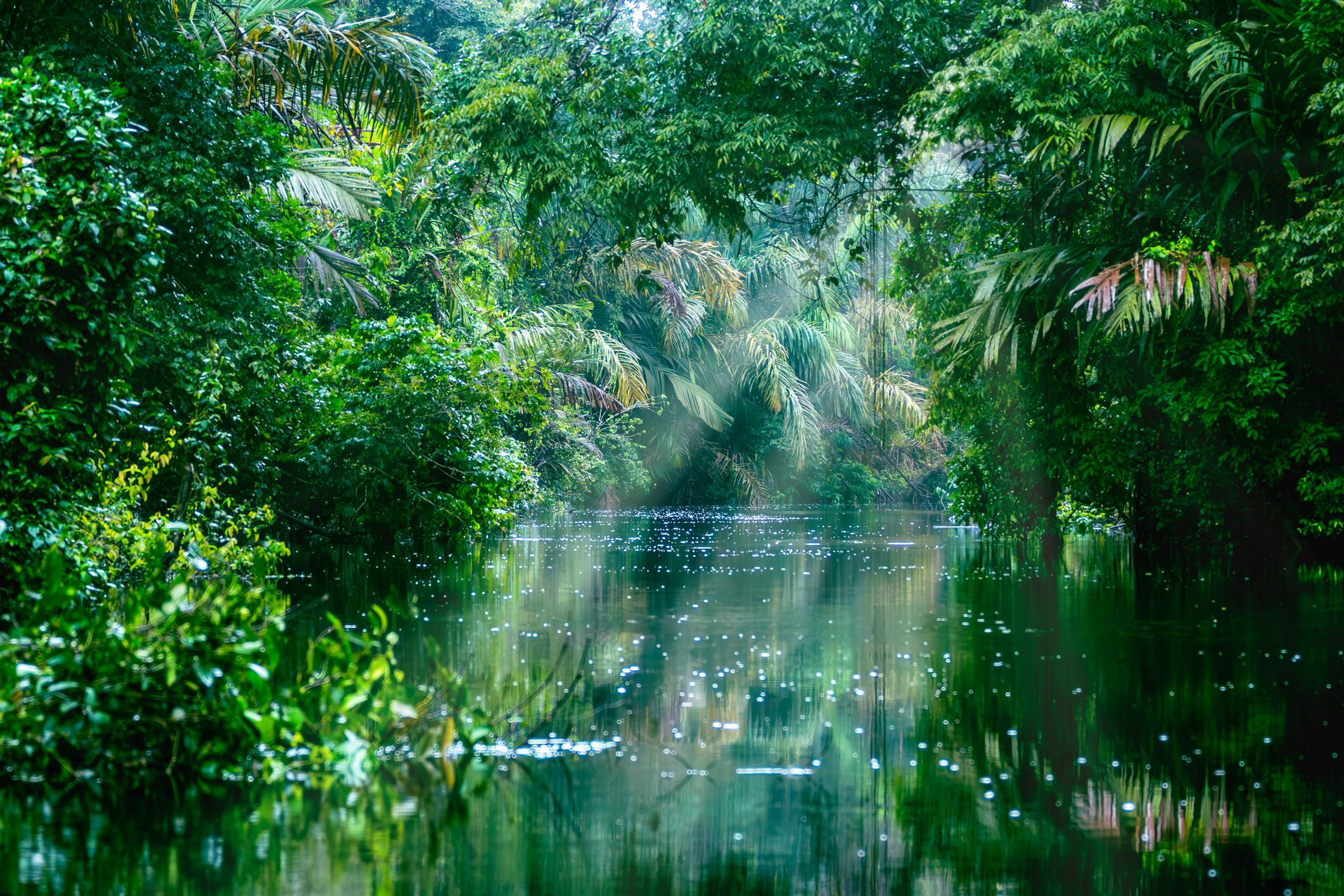
The river has seasons and so, by extension, do you. Roughly speaking, December to May is high-water time. The Amazon swells and the forest floods, so the skiffs can push deep into channels that would be dry or muddy at other times of year. You spend more time on the water and less on foot.
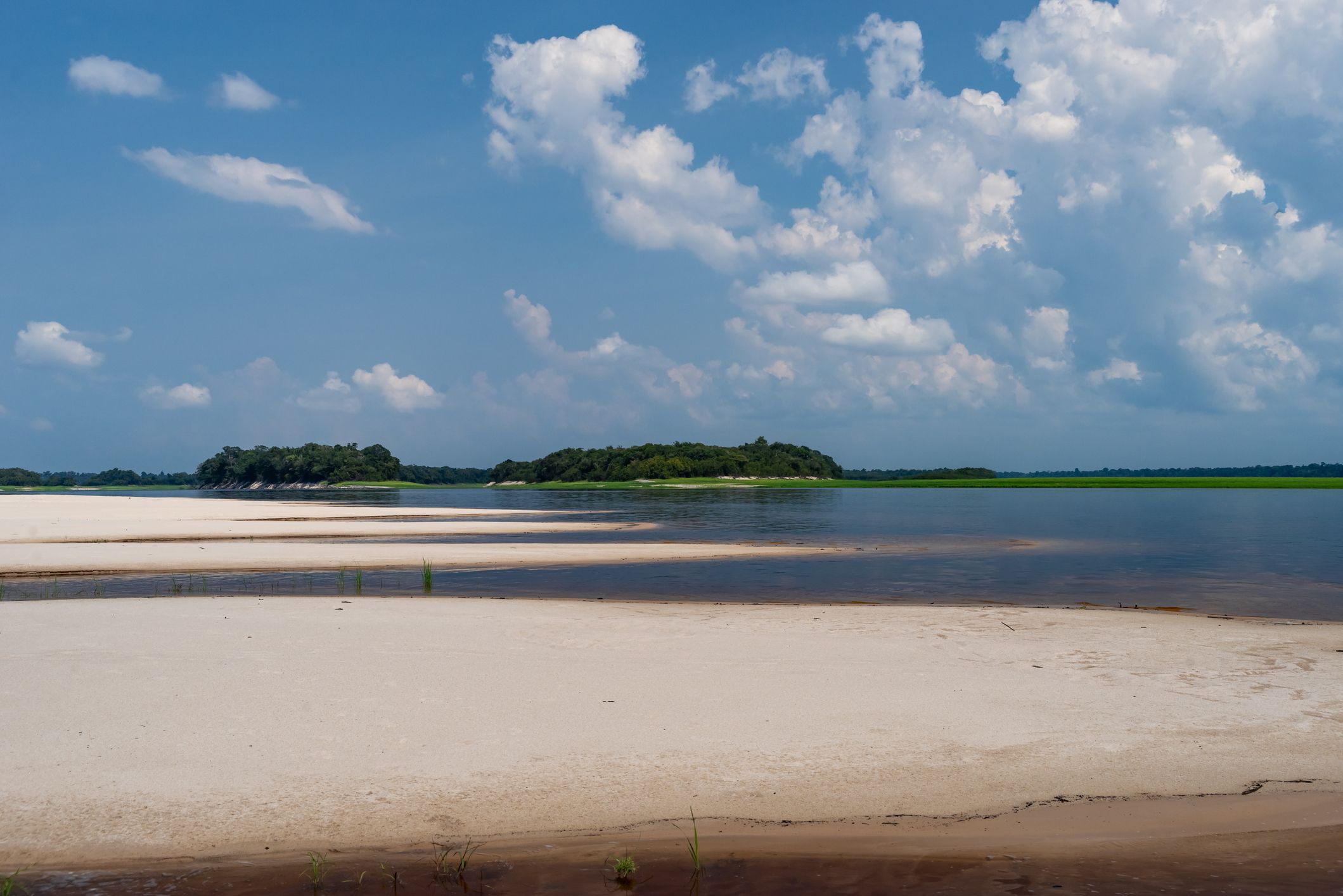
June to November is lower water. Sandbars and small beaches appear, trails re-emerge and walks become a bigger part of the programme. Wildlife behaves differently too, concentrating around shrinking water sources. The air is a touch less humid, though no one would call it crisp.
Both are good; they are just different flavours of the same trip. The key is to read the description of what you will actually be doing, rather than assuming “rainy” and “dry” work the same way they do at home.
Life on board between adventures
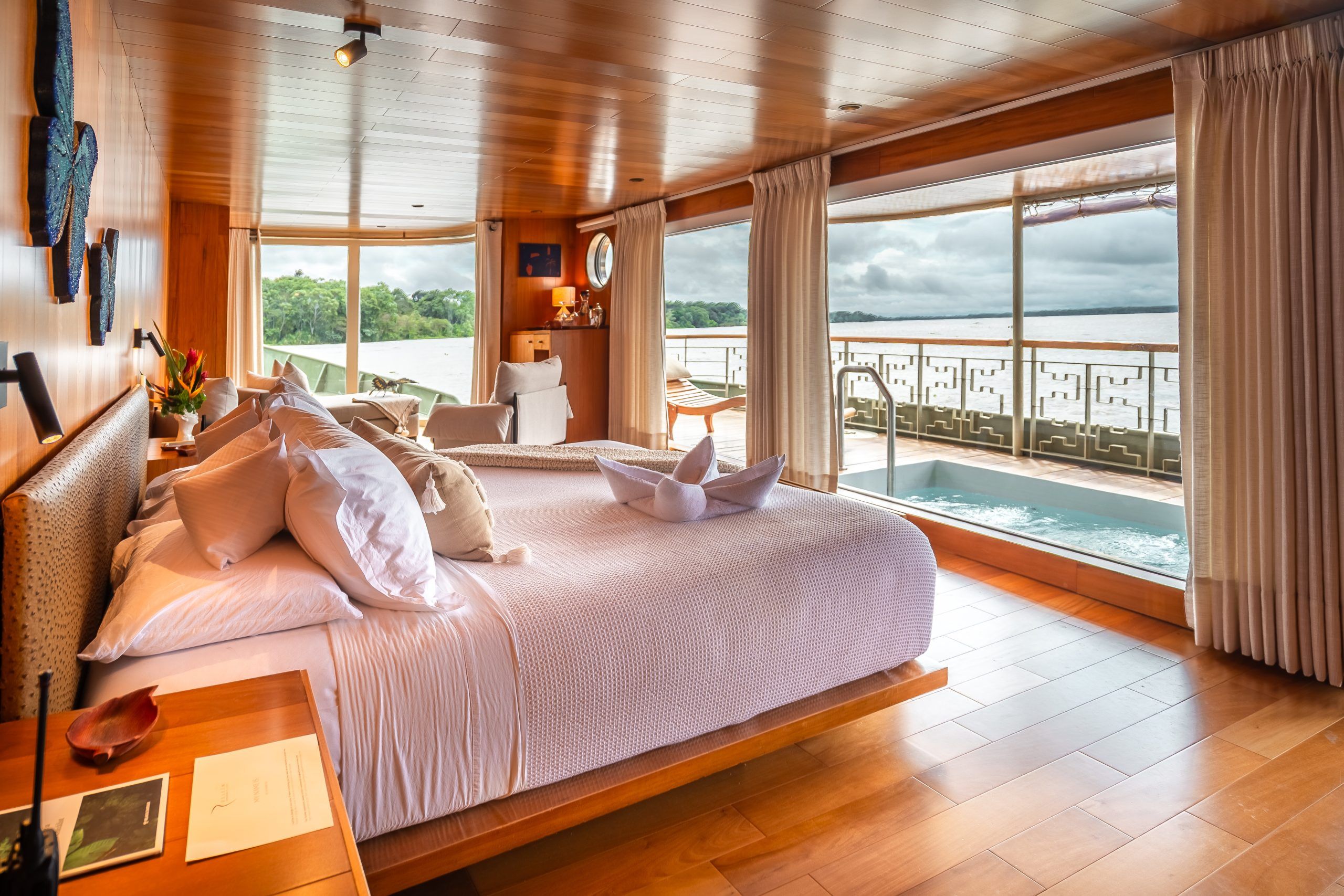
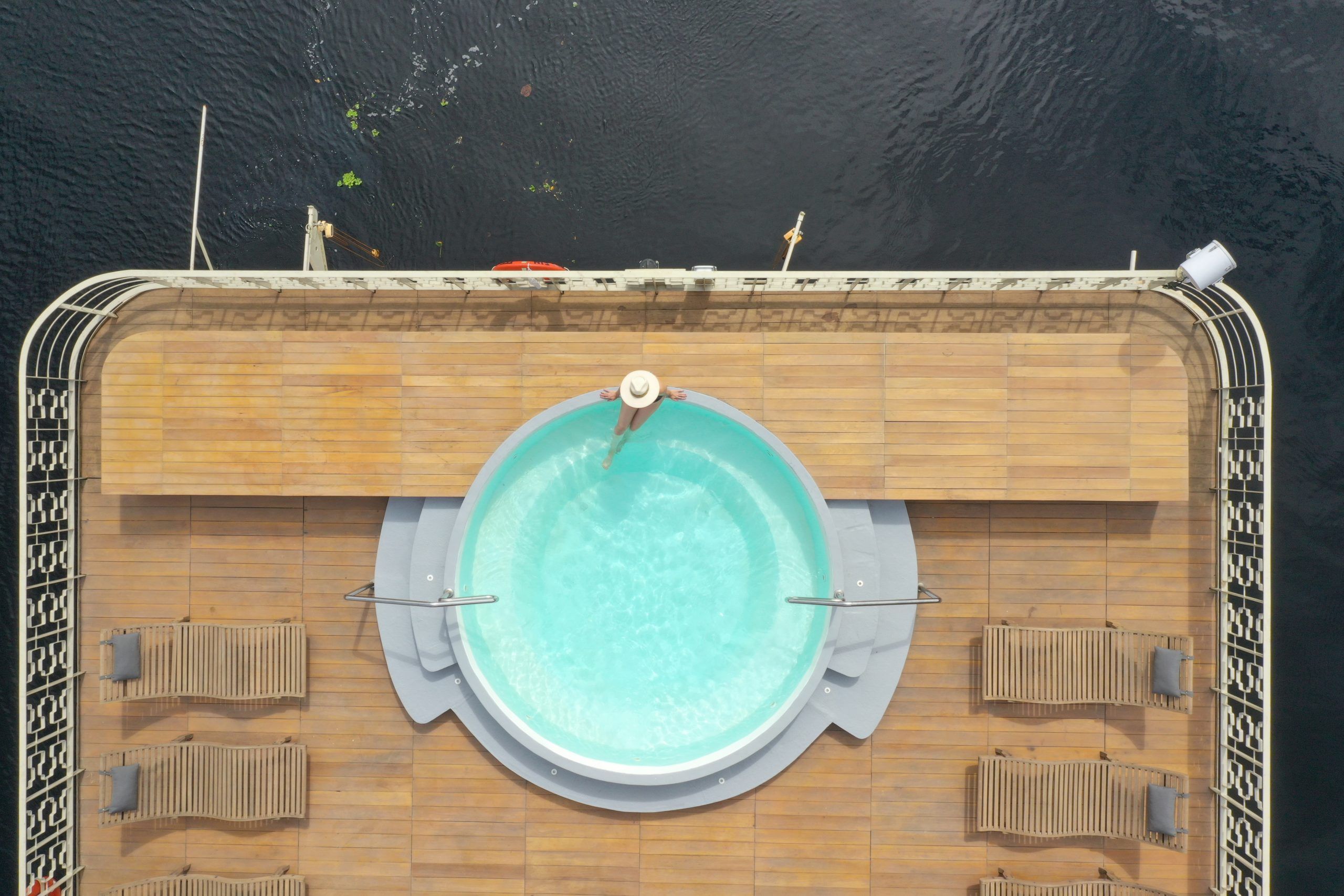
On an Amazon river cruise, the ship is less a destination and more a base camp with comfortable chairs. There are no dress codes, no production shows and not a great deal of “formal night”, unless you count people putting on a clean linen shirt before another round of ceviche.
Guides are central. On serious expedition-style sailings, particularly with operators like Lindblad Expeditions, you get a full team of naturalists who grew up along the river and then trained formally in biology or guiding. They are the ones who can spot a pygmy marmoset from what appears to be three miles away and still remember who prefers their pisco sour slightly sweeter.
Evenings tend to be low key: a talk, a drink on deck, maybe a bit of live music from local musicians who come aboard in certain ports. The real entertainment is standing outside watching lightning flicker silently over the canopy while the boat nudges its way upriver.
Who does it well?
A few names crop up repeatedly when you start researching Amazon cruises, and with good reason.
Aqua Expeditions runs Aria Amazon and Aqua Nera out of Iquitos, both sleek, design-heavy ships with a strong food and guiding reputation and itineraries that reach deep into Pacaya Samiria.
Delfin Amazon Cruises, a Peruvian company with three riverboats, takes a slightly more homespun but still luxurious approach. Its trips combine skiff outings, kayaking, village visits and night safaris with an emphasis on local partnerships, and it has been recognised recently for beefing up its sustainability work and citizen science projects, including monitoring pink river dolphins with local communities and visiting guests.
Lindblad Expeditions, in collaboration with National Geographic, charters Delfin II and III for its Upper Amazon programmes, layering serious natural history expertise on top of comfortable ships, with a focus on Pacaya Samiria’s flooded forest and a lot of time spent in small boats at odd hours.
At a more modest price point, companies like G Adventures use simple but comfortable riverboats for itineraries that emphasise active excursions, cultural visits, piranha fishing and nocturnal wildlife trips.
Separately, some ocean ships dip into the lower Amazon as part of longer South America itineraries, calling at cities like Manaus and Santarém. Those are interesting in their own right, but the feel is very different: big ship, short port calls, less time in the little side channels where the forest creeps right to the water’s edge.
So what is it really like?
An Amazon river cruise feels, above all, like being on the edge of something enormous. You never forget that the river you are bobbing along is carrying more water than any other on earth and threading its way through an ecosystem that does not particularly care about your schedule.
You wake up early, you look at improbable birds, you drink better coffee than you were expecting, and you sweat far more than is strictly dignified. Some days there is thunder. On others the river turns glassy and the whole forest reflects back at you, as if you are sailing through the underside of the world.
If you like your holidays neatly packaged and predictable, it may all feel a bit untidy. If you enjoy the sense that something is always rustling just out of sight, it is hard to beat. The ship’s air conditioning and cocktails are there to keep you comfortable. Everything else is gloriously, stubbornly Amazon.