There comes a point in every very hot Mediterranean port day when the holiday stops feeling glamorous and starts feeling like a minor survival exercise.
You know the moment. The old town's beautiful, the cathedral is magnificent, the gelato is necessary, and yet everyone is moving with the exhausted seriousness of people who have made one too many decisions in direct sun. Someone says, “Let’s just pop inside this church to cool down,” and nobody asks whether they actually want to see the altarpiece.
Cruising has always been good at solving travel problems. You unpack once. The scenery moves. Dinner appears. But in an increasingly hot European summer, it can solve another problem too: where to go when the idea of sightseeing at 38°C makes you want to lie face-down on a tiled floor.
This is where cool-cation cruising comes in. The phrase may sound like something invented during a marketing meeting, but the idea is sound. Choose routes where summer means long light, fresh air, walkable ports and sea breezes.
That doesn’t mean avoiding Europe altogether. It means looking north, west and sometimes across the Atlantic: Norway, Iceland, the Baltic, Scotland, the Faroe Islands, the Azores, Alaska and Atlantic Canada. Places where summer still feels like summer, but where the weather is less likely to turn a shore excursion into a test of character.
Norwegian fjords cruises for cooler summer scenery
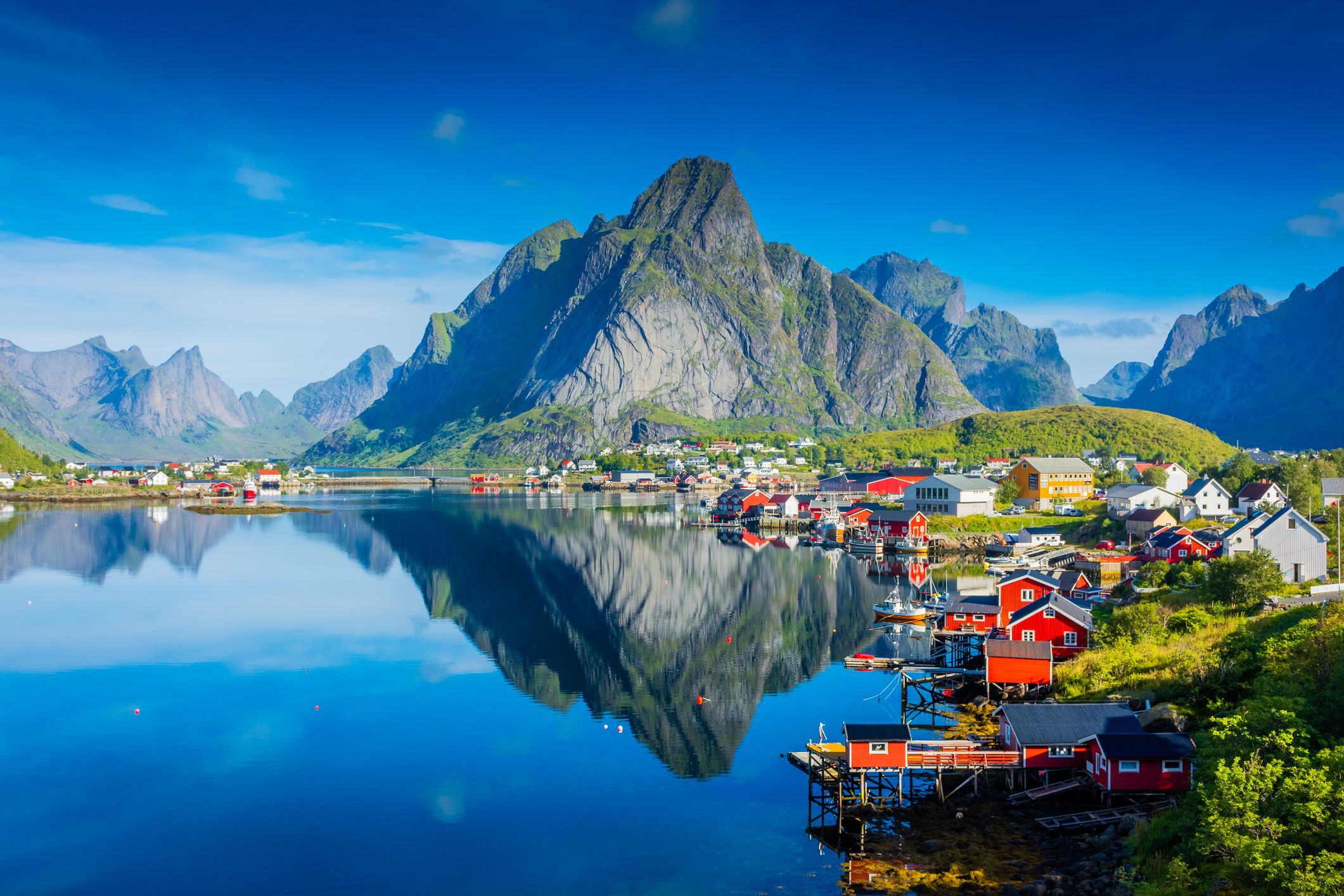
Norway is the obvious place to start, because it seems almost purpose-built for people who want summer without being lightly grilled.
The fjords are one of cruising’s great scenic experiences: cliffs rising straight from the water, waterfalls dropping with theatrical commitment, villages tucked into unlikely corners and long days that make the evening feel beautifully unhurried. In high summer, southern Norway can still get warm, particularly inland and in the south, but fjord and coastal itineraries tend to offer fresher air, cooler nights and the kind of outdoor conditions that make being on deck feel like the point rather than an endurance activity.
A classic Norwegian fjords cruise might include Bergen, Flåm, Geiranger, Olden, Ålesund, Stavanger or Eidfjord. The big appeal is that much of the scenery is built into the sailing itself. You do not need to climb a hill at noon to prove you have had a view. The view comes to you, often while you are holding coffee and wearing a fleece you initially thought was overpacking.
For an even cooler version, look further north. Arctic Norway routes to Tromsø, Honningsvåg, the North Cape, Lofoten or the coast above the Arctic Circle bring midnight sun, fishing villages, birdlife and a sense of summer that feels wonderfully distant from the Mediterranean scramble for shade. You may still get bright, warm days, but the overall mood is cleaner, lighter and far less sweaty.
Iceland cruises for fresh air, waterfalls and volcanoes
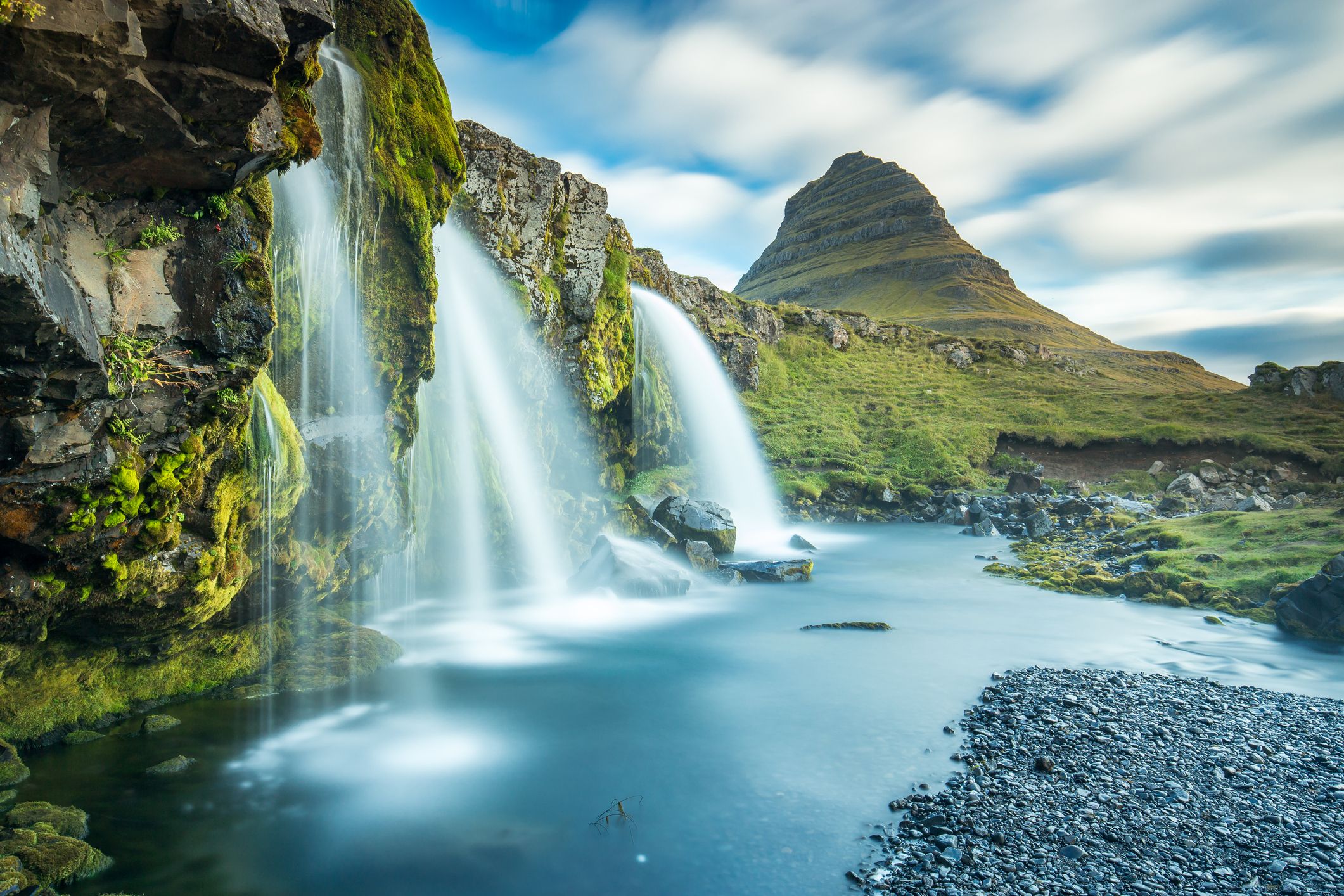
Summer in Iceland is short, bright and famously changeable. Average temperatures are modest compared with southern Europe, but the island makes up for it with waterfalls, glaciers, geothermal pools, seabirds, whale watching, volcanic landscapes and weather that likes to keep everyone emotionally alert.
A cruise around Iceland might include Reykjavík, Akureyri, Ísafjörður, Seyðisfjörður, Heimaey in the Westman Islands or scenic cruising along fjords and coastal cliffs. Some itineraries combine Iceland with the Faroe Islands, Greenland, Scotland or Norway, which is a pleasingly dramatic way to spend a summer holiday and a good excuse to pack a hat you would not normally trust in August.
The great benefit of Iceland in summer is how active it can be without tipping into heat exhaustion. You can walk in ports, take boat trips, soak in geothermal water, visit waterfalls and go looking for puffins without feeling as if your entire personality has been reduced to sun avoidance.
Baltic cruises for long days and city exploring

The Baltic is one of the best summer cruise regions for people who want culture, design, history and outdoor wandering without the thermal drama of southern Europe.
A good Baltic itinerary might include Copenhagen, Stockholm, Helsinki, Tallinn, Riga, Visby, Warnemünde, Gdańsk or the islands of the Stockholm archipelago. The weather can still be warm, and heatwaves are not impossible, but the region’s summer is generally more comfortable for long city days than the hottest Mediterranean routes.
This matters because Baltic ports are made for walking. Copenhagen has canals, cycling culture and harbourside swimming. Stockholm is spread across islands, which feels like a city politely agreeing to be a cruise destination. Helsinki has markets, ferries, design shops and waterfront saunas. Tallinn’s old town is compact, photogenic and paved in a way that reminds you medieval people were not designing for sensible footwear.
The Baltic also works well for travellers who like independence ashore. Public transport is often good, city centres are manageable, and many ports allow you to build a day around neighbourhoods, food markets, museums, ferries, architecture or simply sitting outside somewhere with a coffee and not melting into the chair.
Scotland and the British Isles for summer without the scorch
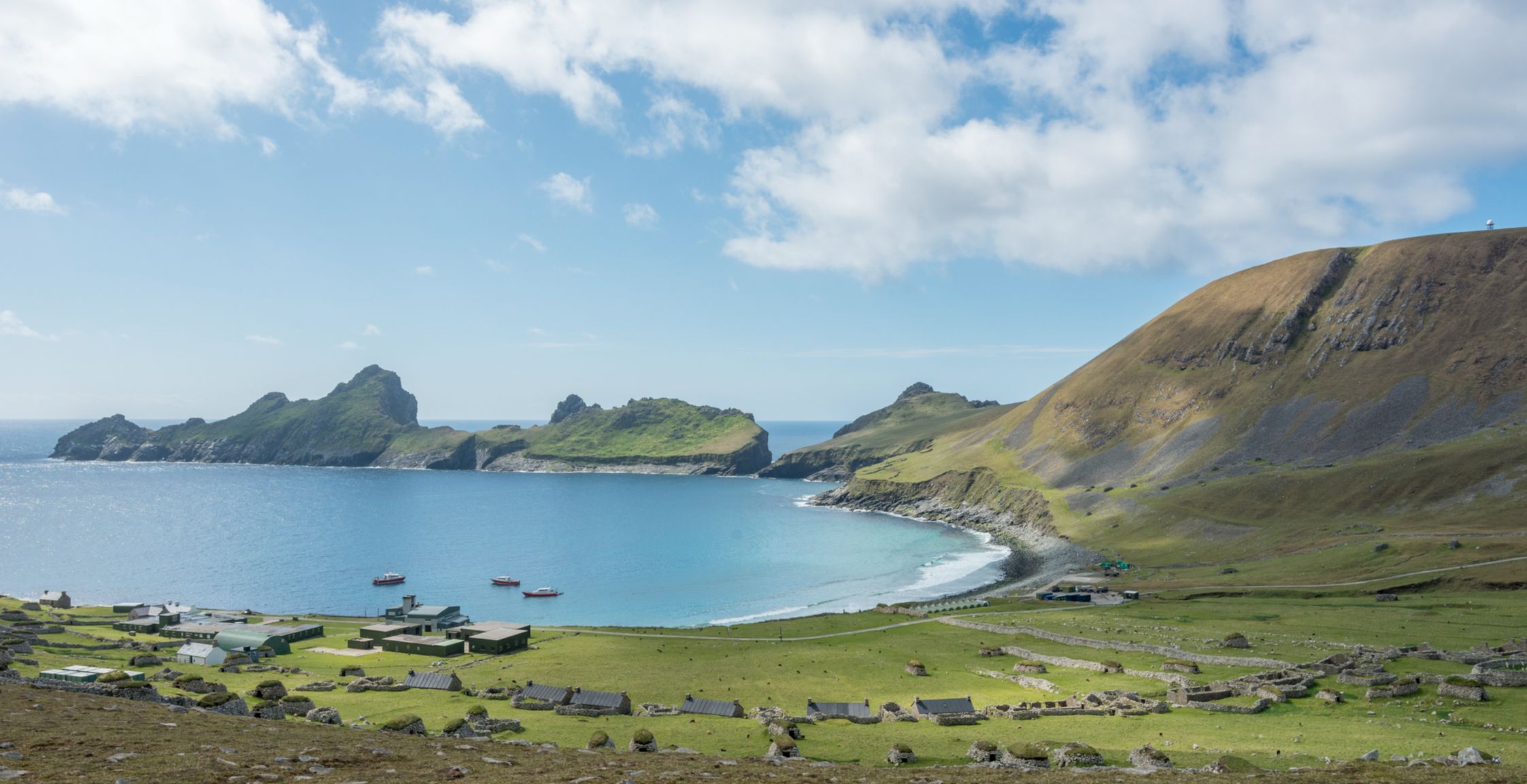
Scotland has never tried to guarantee perfect weather, which is one of the reasons it remains honest. But for summer cruising, that unpredictability can be a strength. When southern Europe is sweltering, a route through Scotland, Orkney, Shetland, the Hebrides or the broader British Isles can feel refreshingly sane.
A British Isles cruise might include Greenock for Glasgow, Invergordon for the Highlands, Kirkwall in Orkney, Lerwick in Shetland, Stornoway on Lewis, Belfast, Liverpool, Dublin, Cobh, the Isles of Scilly or smaller scenic calls depending on ship size and itinerary. The weather may involve sunshine, wind, cloud, rain and a brief moment where everyone on deck debates whether it is warm enough to remove a layer. This is how Britain bonds.
The reward is a different kind of summer travel: sea cliffs, castles, whisky, gardens, Viking history, working harbours, seabirds, island communities and landscapes that look better with a little weather moving across them. Orkney and Shetland are especially strong for travellers who like archaeology, wildlife and the feeling of being somewhere properly north without needing to fly halfway around the world.
For UK travellers, the no-fly factor is a big bonus. You can sail from ports such as Southampton, Dover, Liverpool, Newcastle, Portsmouth or Greenock and feel you have gone somewhere meaningfully different without any airport theatre at all.
Faroe Islands and North Atlantic cruises for wild summer weather

The Faroe Islands are not a warm-weather compromise. They are for people who want their summer with cliffs, grass-roofed houses, seabirds, low cloud, big skies and enough wind to keep everyone cool.
Many North Atlantic itineraries pair the Faroes with Iceland, Scotland, Norway, Greenland or the British Isles. Tórshavn is the main cruise call, but the wider archipelago is the real attraction: steep green islands, dramatic sea stacks, tunnels, turf-roofed villages and views that look as though the landscape has taken up brooding professionally.
This is cool-cation cruising for travellers who care more about atmosphere than guaranteed sunshine. The weather can shift quickly, which means flexibility matters. A perfect day might bring sharp light and astonishing views. A less perfect day might bring mist, drizzle and a sense that the islands are keeping some secrets to themselves. Both are entirely on brand.
Atlantic islands cruises for sea breezes and softer heat
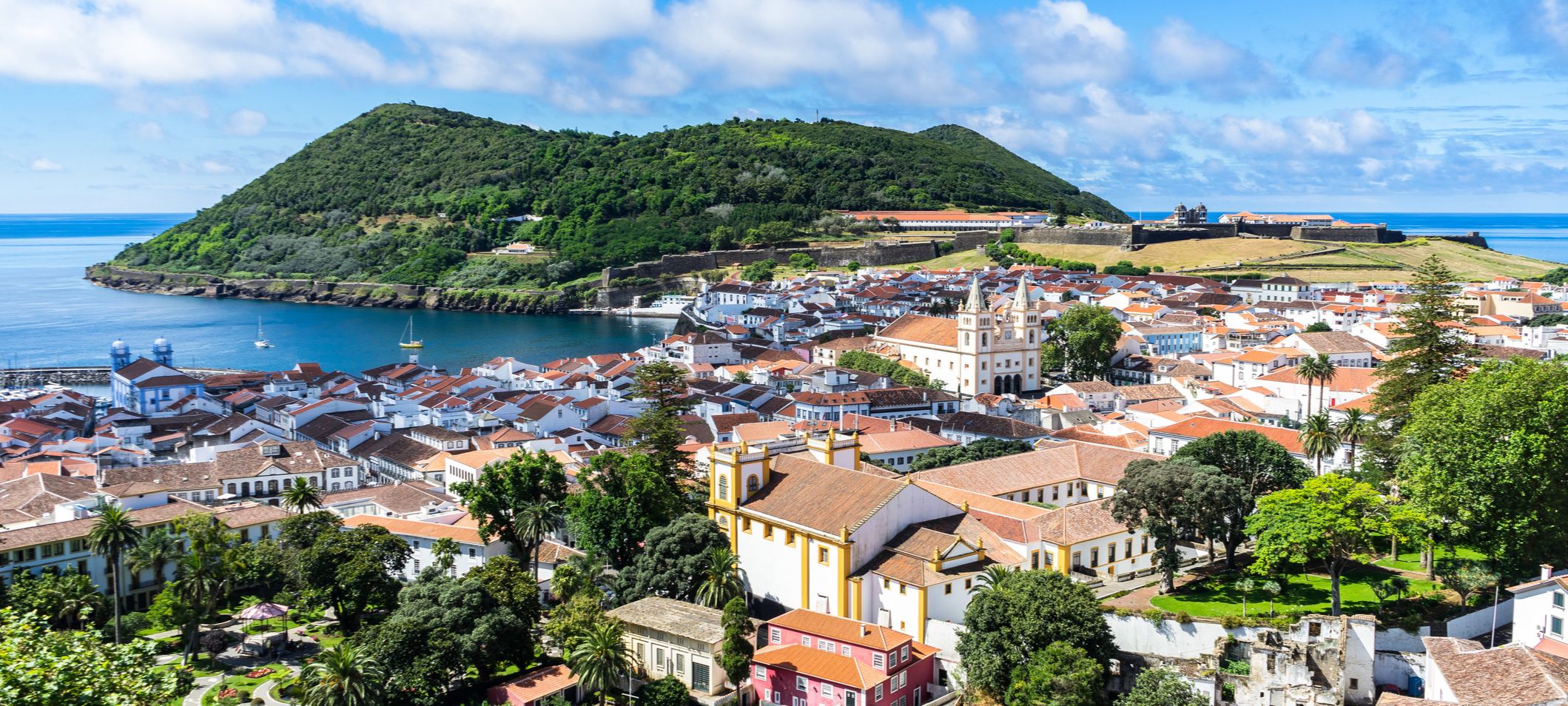
Not every cooler cruise has to go fully north. Atlantic island routes can offer a useful alternative to the hottest continental ports, particularly where ocean breezes, altitude and island geography soften the summer heat.
Madeira, the Azores and the Canary Islands are not cold, and in summer they can still be warm, but they often feel different from inland Mediterranean cities where stone streets and still air can turn sightseeing into a slow roast. The Atlantic gives these islands a fresher edge. You can head up into hills, gardens, levada paths, volcanic viewpoints and coastal roads where the sea is part of the temperature control system.
Madeira works particularly well for travellers who want gardens, walking and scenery rather than beach-only holidays. Funchal is a strong cruise port, with a walkable centre, cable car, botanical gardens, markets and easy access to higher, greener parts of the island. The Azores are even more obviously cool-cation material: São Miguel, Faial, Pico and other islands bring crater lakes, whale watching, geothermal landscapes, hydrangeas and a North Atlantic lushness that feels very far from a hot city pavement.
The Canaries require a little more nuance. They are warm year-round, and some islands can be hot in summer. But coastal breezes, mountain interiors and routes that focus on the islands rather than mainland heat can still make them a more manageable choice for travellers who want sunshine without the most punishing conditions.
Alaska cruises for glaciers, wildlife and proper deck time
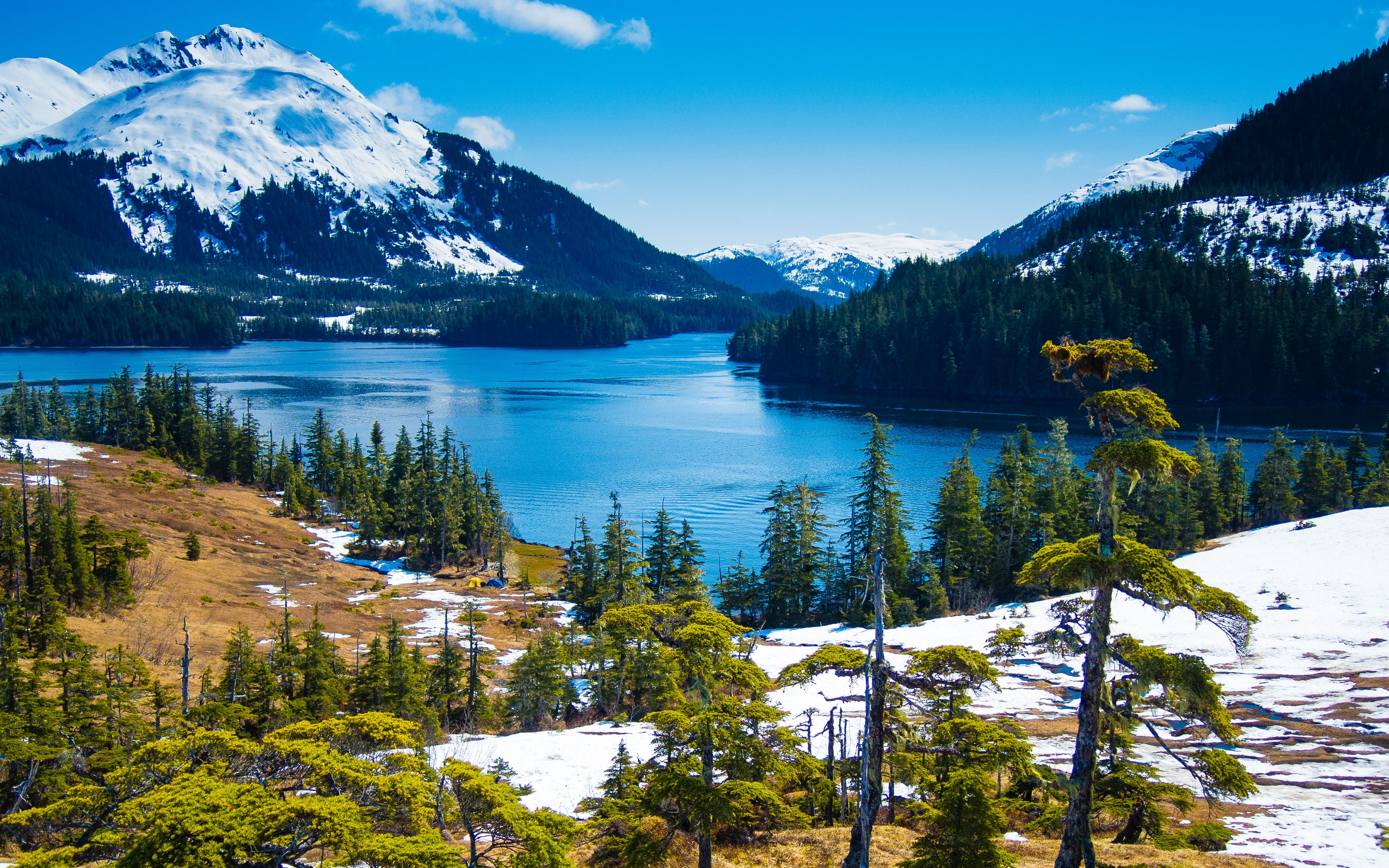
If Europe is too hot and you are willing to look further afield, Alaska is one of the great summer cruise choices.
The season runs through the warmer months, but “warm” here is doing different work than it does in Spain or Italy. Expect layers, rain gear and the possibility of standing on deck in July feeling extremely pleased you packed a fleece. The reward is immense: glaciers, fjords, whales, eagles, bears, forests, mountains and ports that feel shaped by water, weather and distance.
The Inside Passage is the classic route, often including Juneau, Ketchikan, Skagway, Sitka, Icy Strait Point, Glacier Bay, Hubbard Glacier or Tracy Arm depending on the cruise. Vancouver and Seattle are common gateways, while some itineraries extend into land tours through Denali and beyond.
Alaska is especially good for travellers who want the ship to matter as a viewing platform. Scenic cruising is not a side dish here. It is the meal. A balcony can be genuinely useful, not simply a place to look serious with a book. Wildlife does not wait for you to find the right deck, and glaciers have no respect for your lunch plans.
Canada and New England cruises for mild days and coastal towns
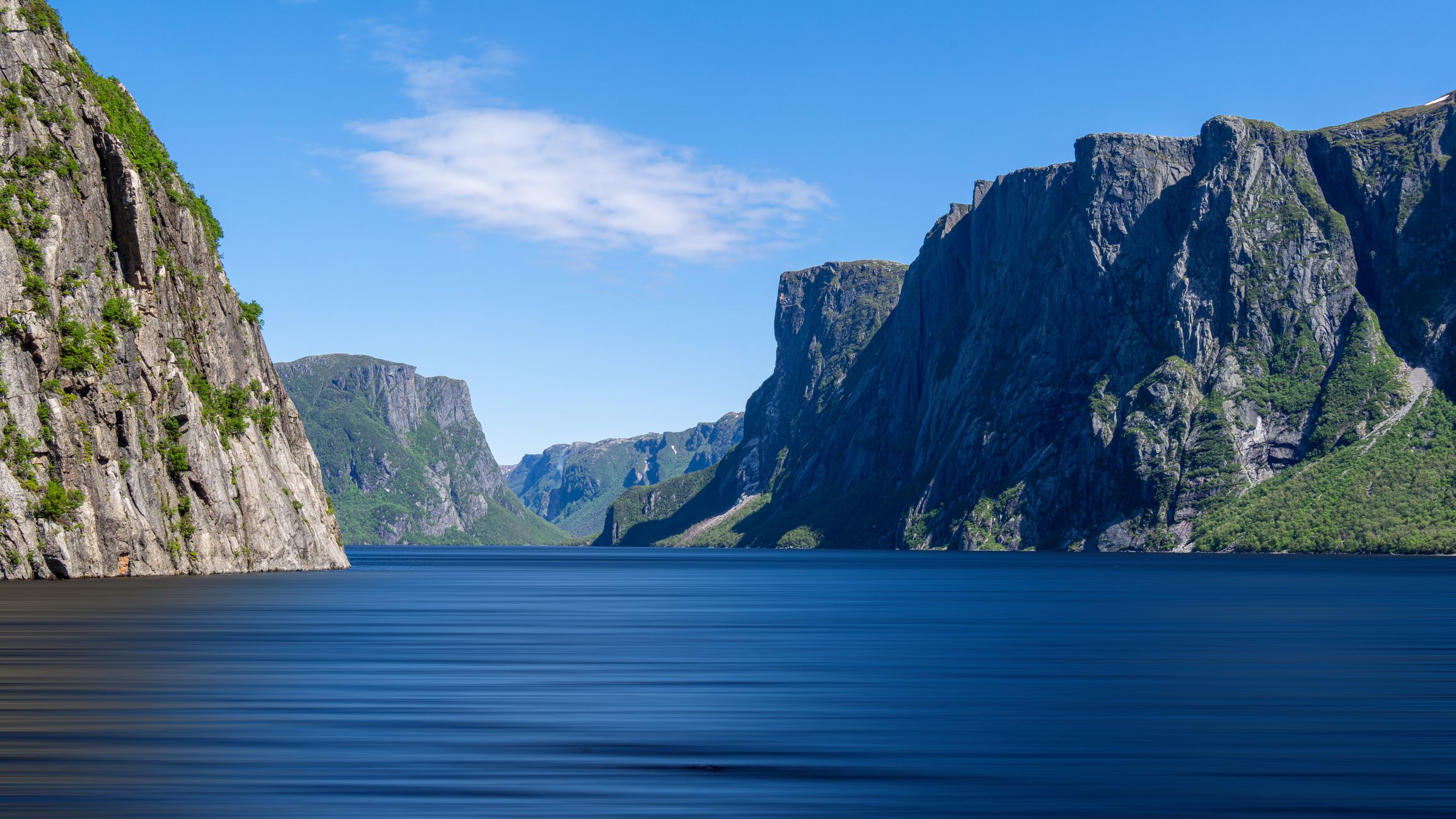
Canada and New England are often sold as autumn colour destinations, and rightly so, but summer routes also make sense for travellers looking for a cooler cruise with harbours, lighthouses, seafood, islands and historic towns.
Halifax, Sydney, Charlottetown, St John’s, Saint John, Bar Harbor, Portland, Boston, Québec City and Montréal can all appear on different itineraries, with Atlantic Canada bringing especially strong cool-cation appeal. Newfoundland, in particular, has average summer temperatures that make it feel distinctly different from southern Europe, along with cliffs, fishing towns, sea air, Viking history, puffins and a level of weather variability that keeps everyone from becoming too smug.
Nova Scotia and Prince Edward Island can be warmer in summer, but they still offer a maritime climate, coastal breezes and a gentler alternative to baking inland cities. The region suits travellers who like walking harbours, eating very well, visiting national parks, taking coastal drives and admiring scenery that does not require a sunhat with the structural integrity of a gazebo.
Why cooler cruising may be the smarter summer choice
Cool-cation cruising is not about avoiding the Mediterranean forever. The Mediterranean remains wonderful, especially outside peak heat, and no one sensible is pretending a Norwegian village and a Greek island serve the same purpose.
But in July and August, cooler routes are starting to look less like an alternative and more like common sense. They offer long daylight, outdoor exploring, strong scenery, interesting ports and a better chance of enjoying the whole day rather than hiding from half of it.
They also remind us that summer travel does not have to mean chasing the highest temperature available. Sometimes the better holiday is the one where you can walk comfortably, sleep properly, sit on deck without crisping, and return from a shore day feeling energised rather than gently poached.
The joy of cruising is choice. You can still sail south for sun, food and warm evenings. But if Europe is baking and your idea of a holiday does not involve treating every patch of shade as a competitive sport, look north, west or across the Atlantic.
The cooler routes are waiting. Just bring layers.