
On a good day the Norwegian fjords feel slightly unreal. On a bad one they are still quite something, just with the addition of sideways rain. The question is not whether you should go, but when.
Cruise brochures tend to show a single, eternal blue-sky fjord season. In reality you have four very different versions of the same landscape, each with its own light, prices, crowds and quirks. Here is how they stack up, from “book it now” to “only if you know what you’re getting into”.
4. Winter: magnificent, moody and not for beginners
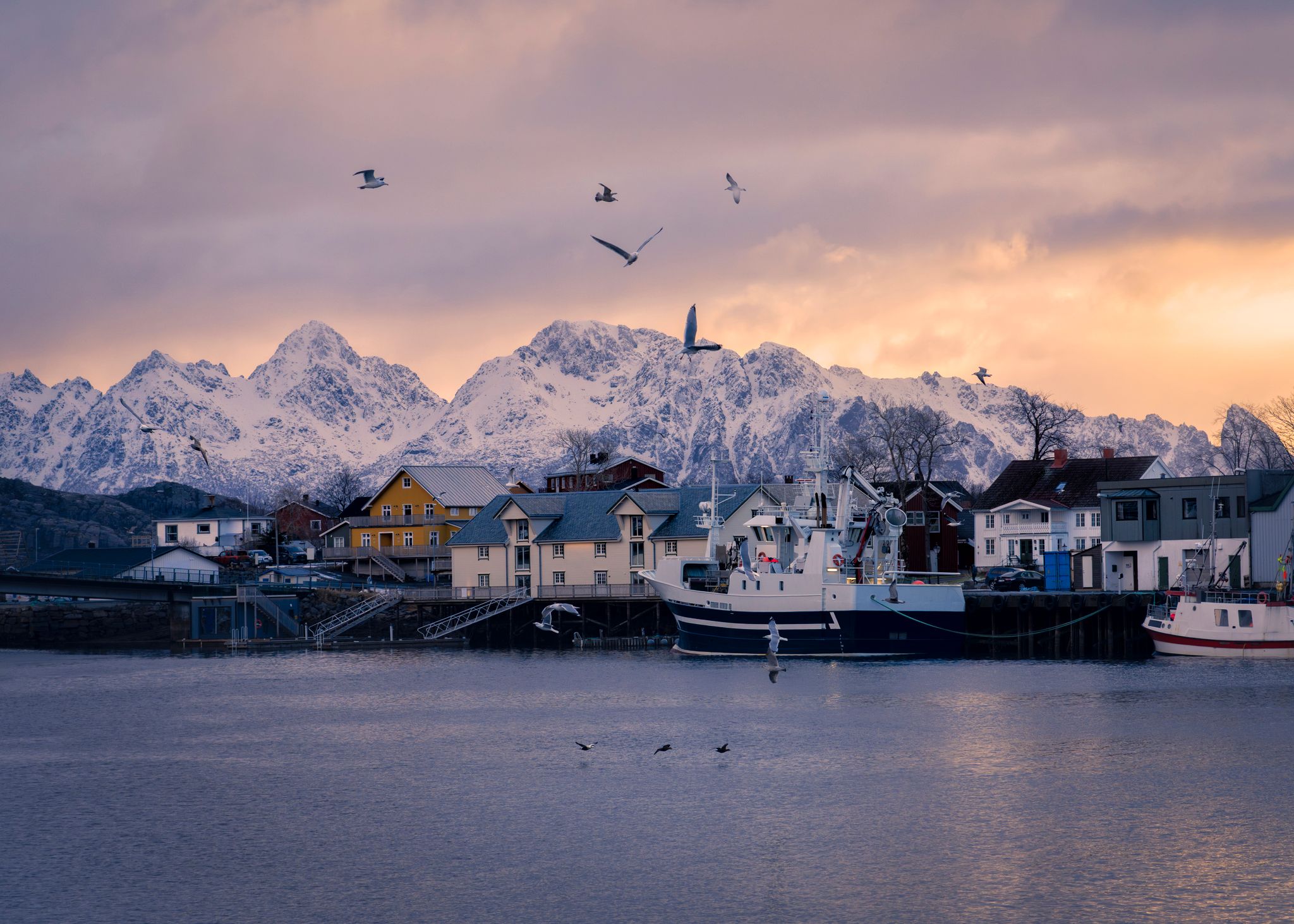
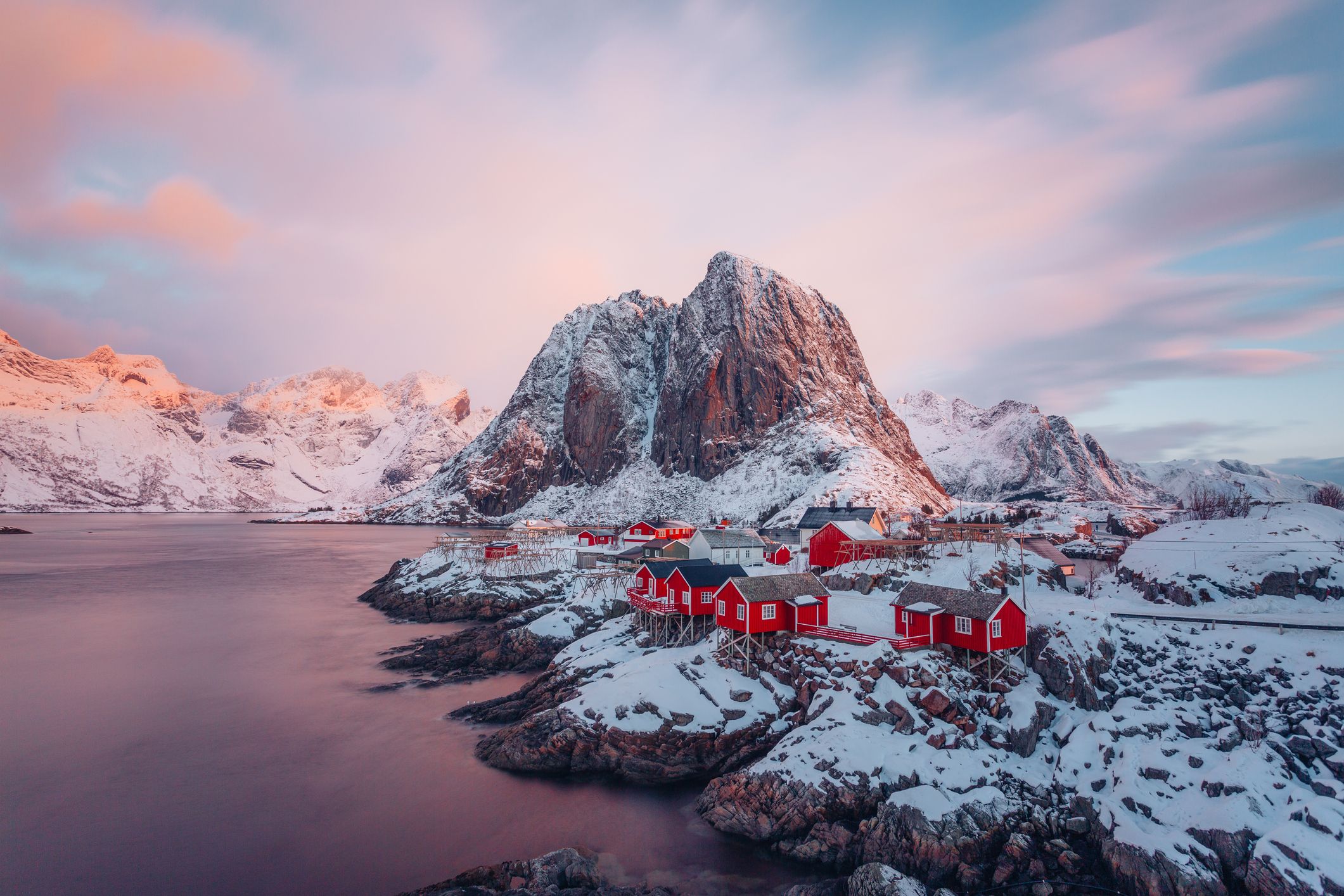
Let’s start with the controversial one. Winter in the fjords can be extraordinary, but it is also the least straightforward way to see them.
From roughly November to March, daylight is short, especially further north. In December you might get four to six usable hours in some ports, and excursions run on head-torch time as much as sunshine. Seas can be rougher, snow and ice are a given, and many small attractions close or keep limited hours.
You are also less likely to be on a traditional “fjord cruise” and more likely to be on a coastal sailing with lines such as Hurtigruten or Havila. Those itineraries feel closer to working ships that happen to take passengers, with a rhythm of local calls, cargo and mail runs rather than a pure holiday bubble. That can be part of the charm, but it is not what everyone has in mind when they picture their first fjord trip.
So why do it at all? Because snow on the mountains and quiet villages under a pale winter sky are about as atmospheric as travel gets. In the far north you have a real chance of seeing the northern lights. Towns like Tromsø and Ålesund are lovely in winter clothes, and stepping from a freezing quayside into a hot pool on deck is deeply satisfying.
Verdict: magical if you know what you are signing up for, and you like weather with a personality. Not where we would send most people for their first glimpse of Geirangerfjord.
3. Autumn: fewer crowds, richer colours

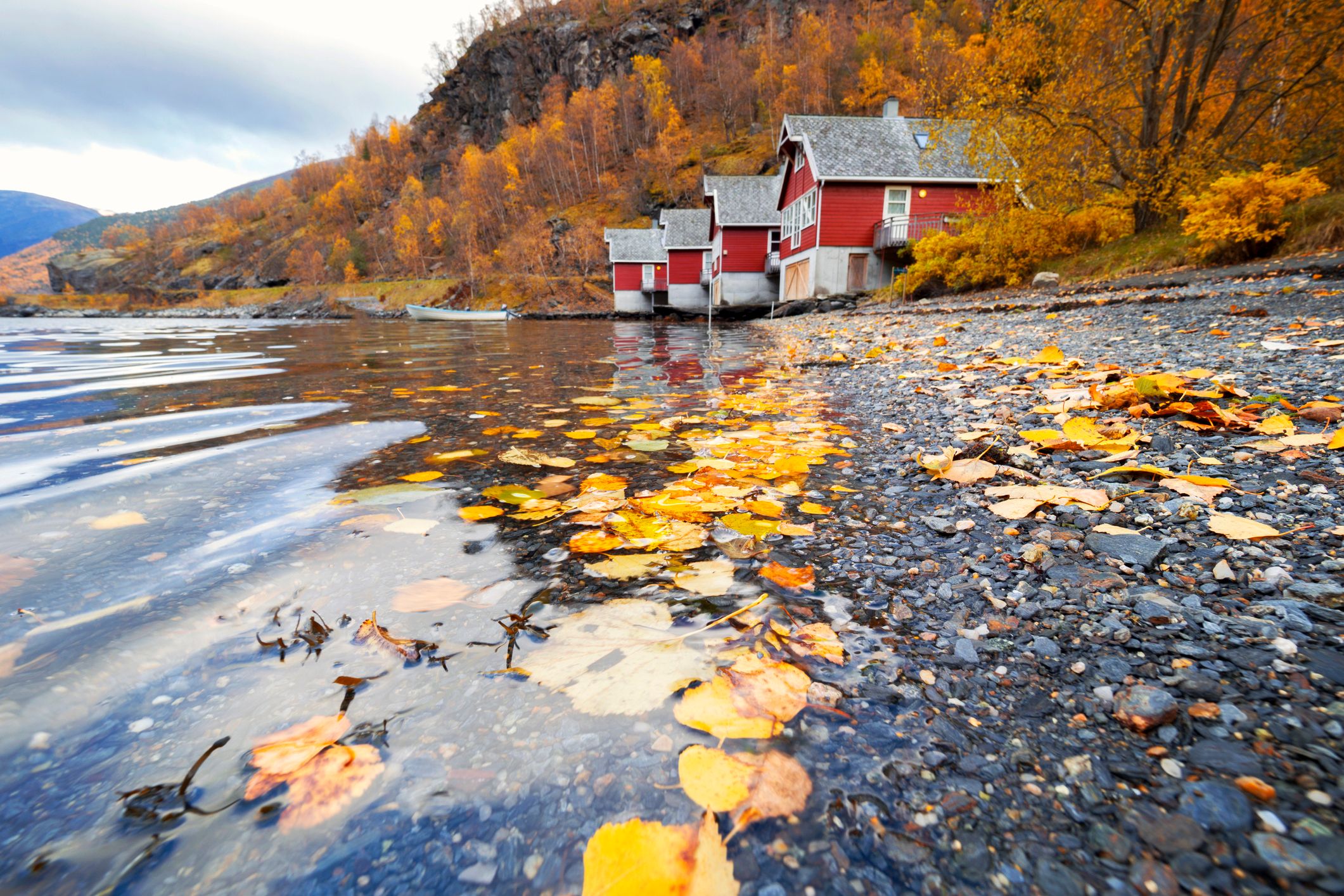
Early autumn in the fjords is the point where summer slips its moorings. Think September into early October rather than late November gloom.
Temperatures are cooler and showers are more frequent, but the pay-off is a calmer, more local feel. The big summer ships thin out, prices often dip and you are more likely to find yourself in port with one or two ships rather than five all disgorging people into the same coffee shop.
On land, the hillsides pick up reds and golds. Around the fruit-growing areas of Hardangerfjord you will still see orchards and farmsteads busy with harvest. Trails are less crowded, and viewpoints such as Mount Fløyen in Bergen or the stepped paths in Geiranger feel less like a queue.
The trade-off is practical. Some seasonal attractions reduce hours or close altogether. Daylight is still decent in September, but you will not get those endless evenings on deck that you see in summer brochures. If you like walking, photography and being able to hear your own thoughts in port, it is a very pleasant compromise.
Verdict: a strong option for people who dislike crowds and do not mind packing a proper waterproof. Beautiful, but a touch more temperamental than spring or summer.
2. Summer: peak season for a reason
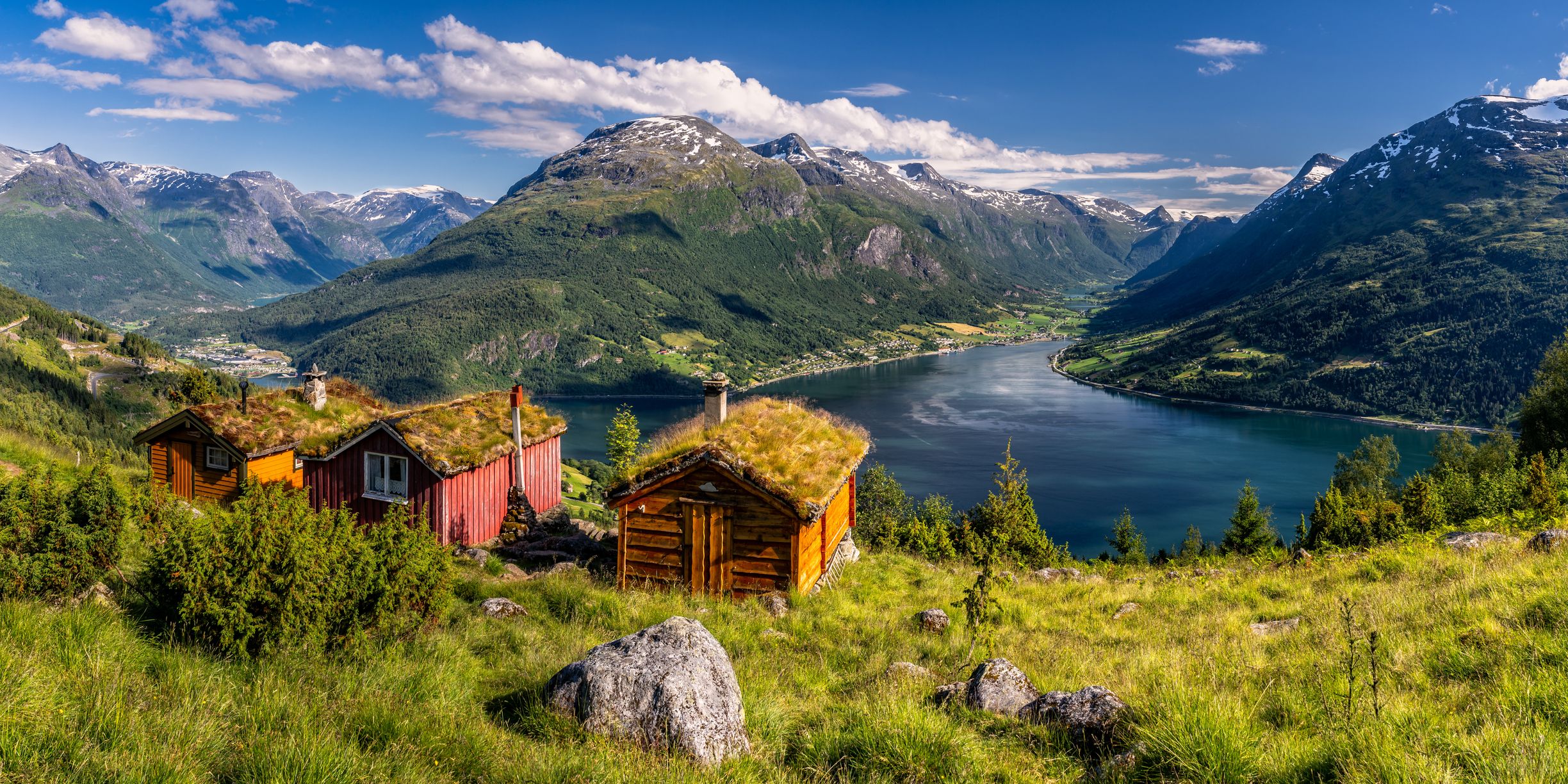
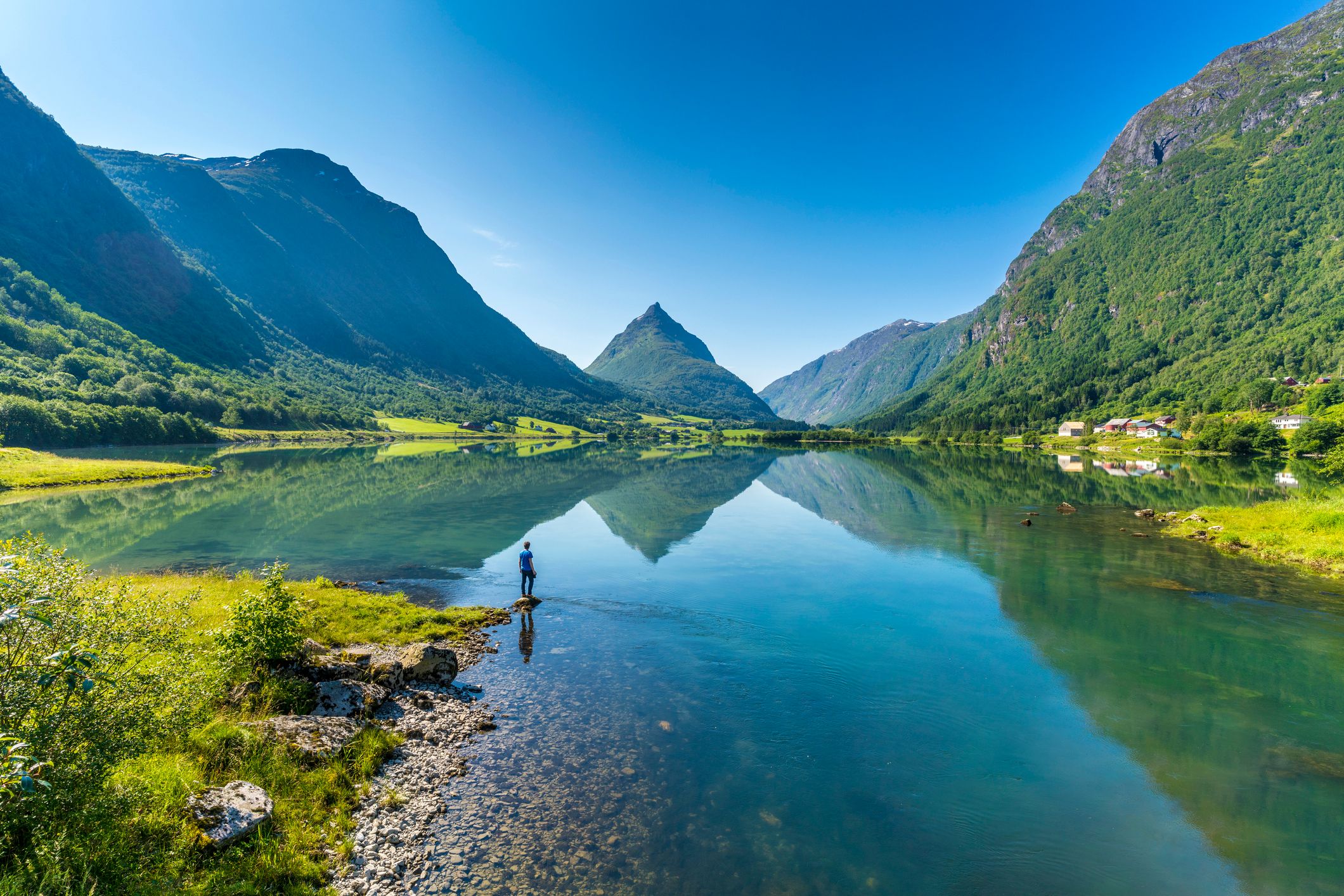
High summer is when most people go, and you can see why. June, July and August bring the warmest temperatures, the longest days and the fullest menu of excursions. If you want kayaking, rib-boat safaris, long hikes up to viewpoints and late-night music on deck, this is your season.
Daylight is generous. Even in the southern fjords you will get long, soft evenings; further north you are in almost-midnight-sun territory, where “let’s just have one more drink on deck” turns into an impromptu 1am fjord-watch. Waterfalls are still impressive, the snow has retreated higher up the slopes, and life on shore is in full swing, from outdoor cafés in Bergen to festivals in smaller towns.
The downsides are exactly what you imagine. Prices are higher, families are travelling, and the busiest ports can feel like cruise ship car parks on peak days. If your ideal fjord moment involves silence, you may need to work a little harder for it, choosing itineraries that stop in smaller places or lines that favour less obvious timings.
That said, if you have children or limited flexibility, summer is the easiest way to guarantee that most things are open, most excursions are running and you will not spend the whole trip debating which thermal base layer to wear.
Verdict: the dependable all-rounder. Not always subtle, but endlessly enjoyable if you can tolerate a bit of company.
1. Spring: the quiet show-off
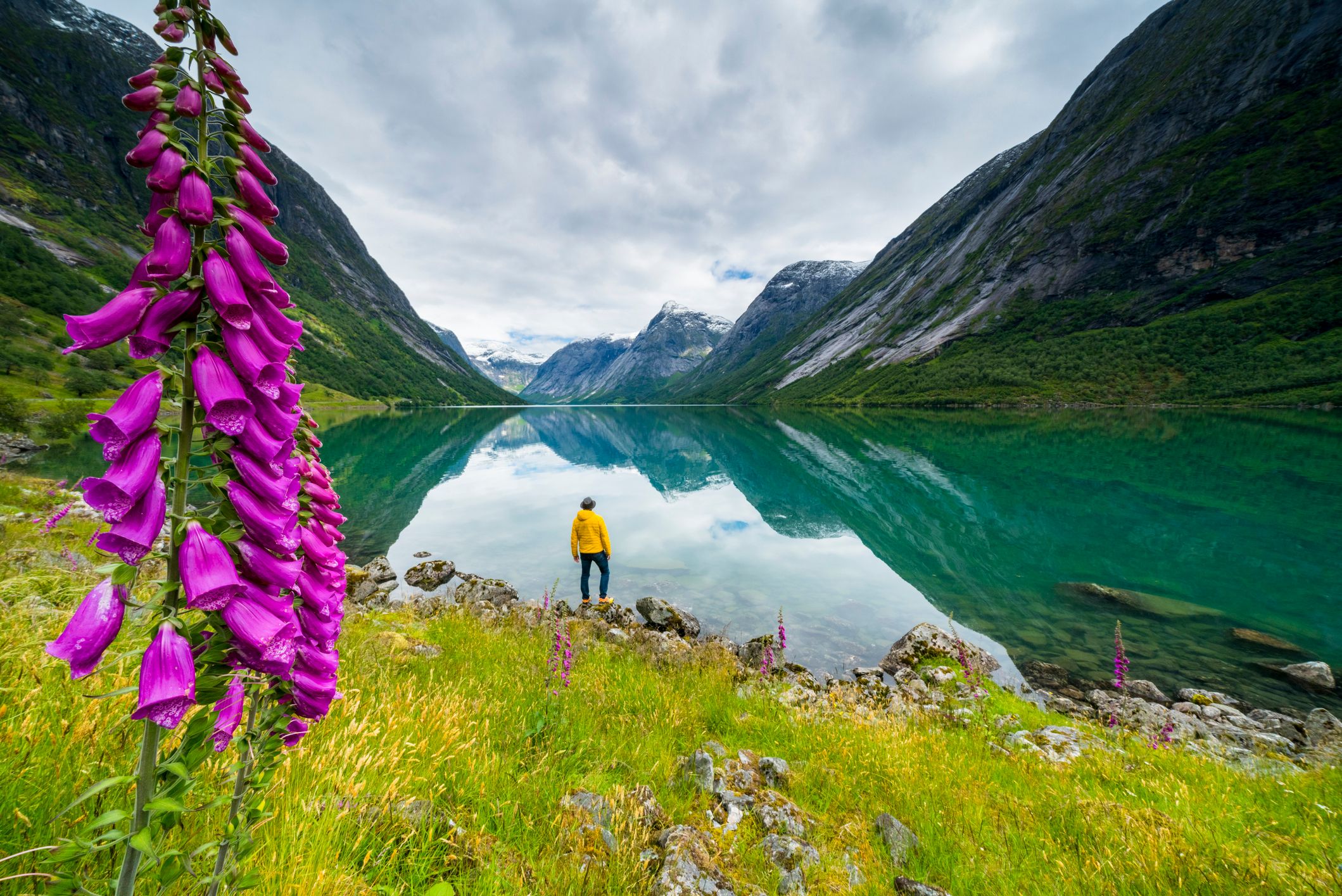
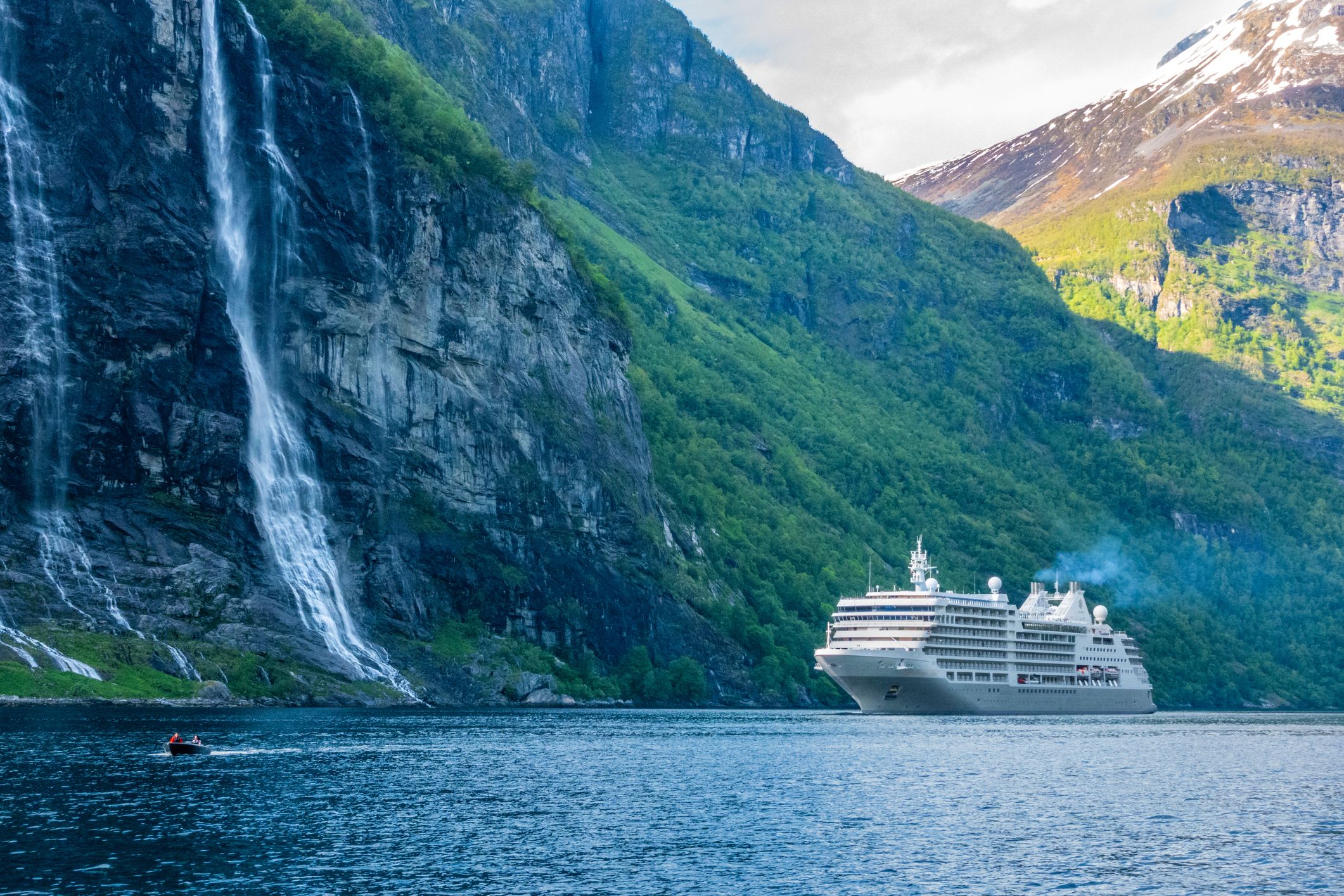
If summer is the obvious choice, late spring is the brilliant one. Think May into early June, when the season has properly started but the full school-holiday rush has not.
This is when the fjords look as if someone has gently turned every dial up at once. Snow is still sitting on the tops of the mountains. Lower slopes are vividly green. Rivers are fat with snow-melt and waterfalls like the Seven Sisters in Geirangerfjord are at full drama, sending spray out towards passing ships. Around Hardangerfjord, orchards burst into blossom and you get that pleasing mix of fresh air and faint pollen.
Temperatures are mild rather than hot, which is ideal if you like walking or cycling in port rather than gently melting in your waterproofs. Days are already long. You still get late sunsets, but without the slightly delirious feeling of never-ending daylight. On a practical level, there are fewer ships in the marquee ports, more choice of cabins at sensible prices and a better chance of finding space on popular excursions without having to book half a year in advance.
You may have the odd day that feels more like March than June, and you will absolutely need layers, but the overall balance of light, scenery, crowds and cost is hard to beat.
Verdict: the sweet spot. If you have full control over your dates and you like landscapes doing several things at once, spring wins.
So when should you go?
If you strip away the marketing, the rough hierarchy looks like this:
- Spring if you can, summer if you need everything open, autumn if you value elbow room and rich colour, winter if you actively enjoy feeling like you have slightly out-smarted the brochure.
Whatever you pick, a Norwegian fjords cruise is one of the few trips where simply standing on deck and looking out counts as a legitimate day’s activity. The seasons just decide which version of the view you get.