Seeing Alaska from a ship is a bit like watching a nature documentary; glaciers move, whales surface, entire mountains appear out of the mist, and your job is simply to hold a coffee and try not to drop your jaw over the railing.
If you are looking at itineraries packed with Juneau, Skagway, Ketchikan and a swirl of icy bays, here are five highlights that are genuinely worth planning your days around.
1. Glacier Bay: when the ship becomes the excursion
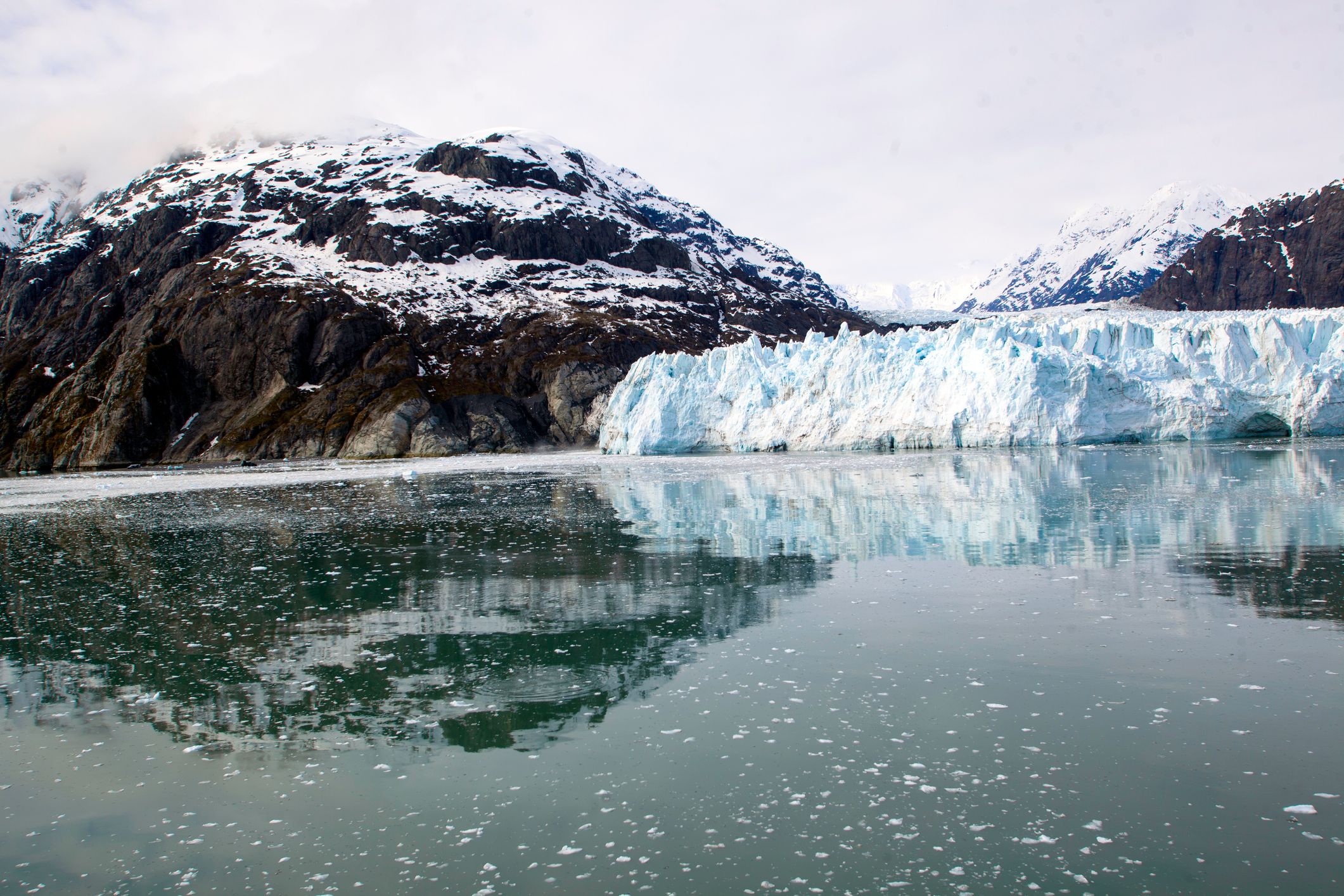
Ninety per cent of visitors to Glacier Bay National Park arrive by ship, which tells you everything about how this place works. The park has been shaped so completely by ice that the best vantage point is from the water itself.
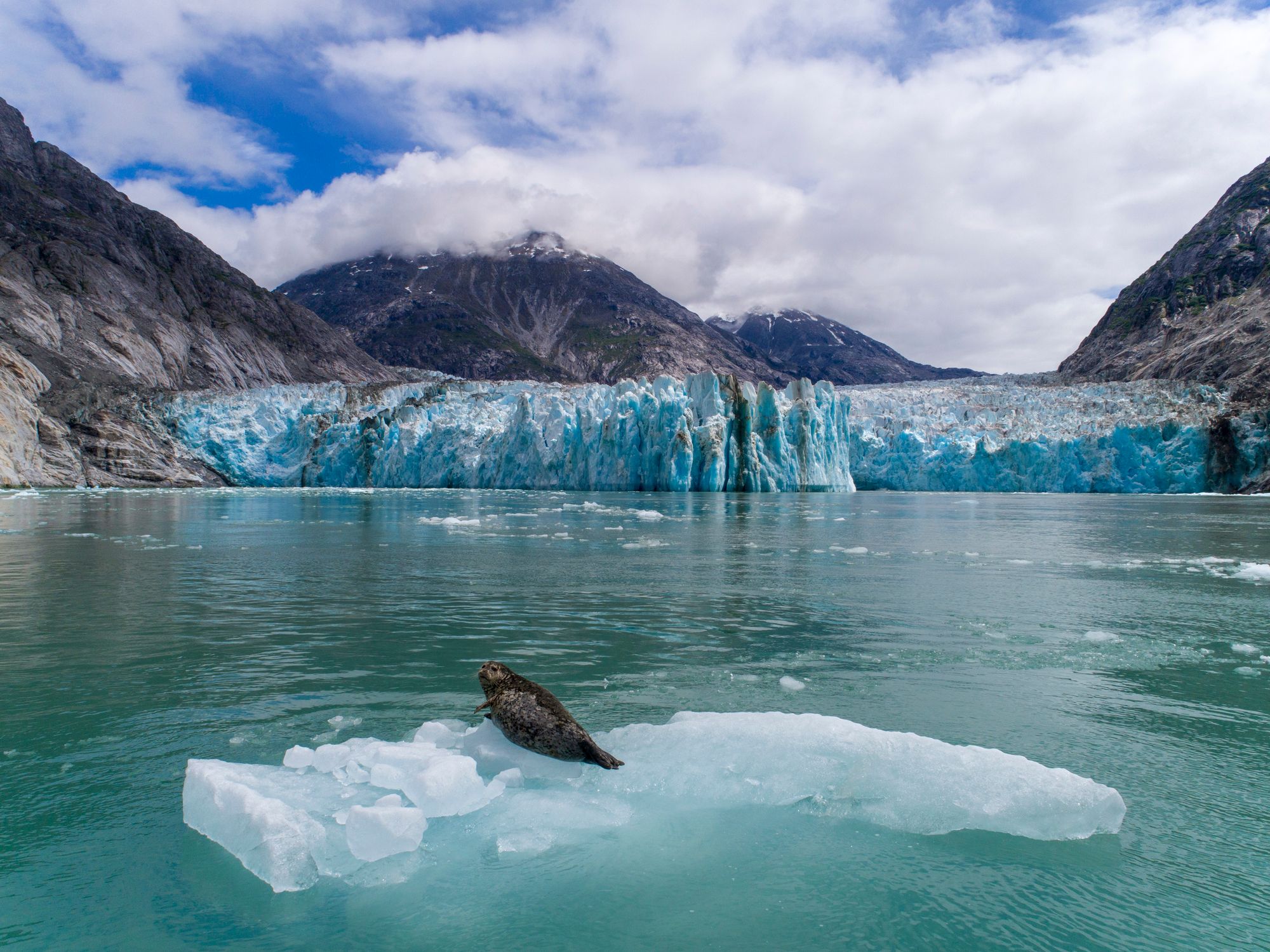
On a good day you wake early to pale light on polished water, step out on deck andsee scenery that's moving on three sides at once. Towering tidewater glaciers sit at the head of long valleys, streaked in improbable blues. Every so often one sighs, cracks and calves, sending chunks of ancient ice into the bay with a sound somewhere between thunder and a building site.
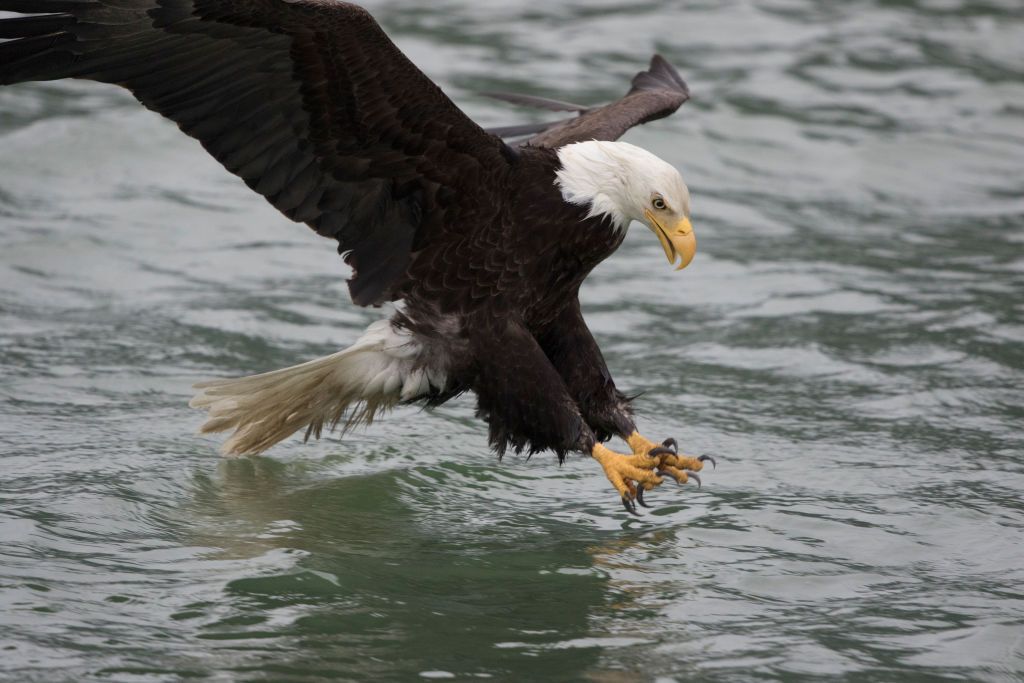
Wildlife spotting here is impossible to avoid. Humpback whales use Glacier Bay and neighbouring Icy Strait as a summer feeding ground, with decades of monitoring recording tens to hundreds of individuals each season. Sea otters raft together like small, furry flotillas, bald eagles patrol the shoreline and there is always someone beside you insisting that the thing in the distance is “definitely a bear”. It probably is.
Cruise lines usually bring a park ranger on board, which is a polite way of saying you get live commentary from someone who actually knows what they are looking at. Take a warm layer, a hat and serious patience with your camera. You will need all three.
2. Juneau: glaciers, whales and an aerial view in one day
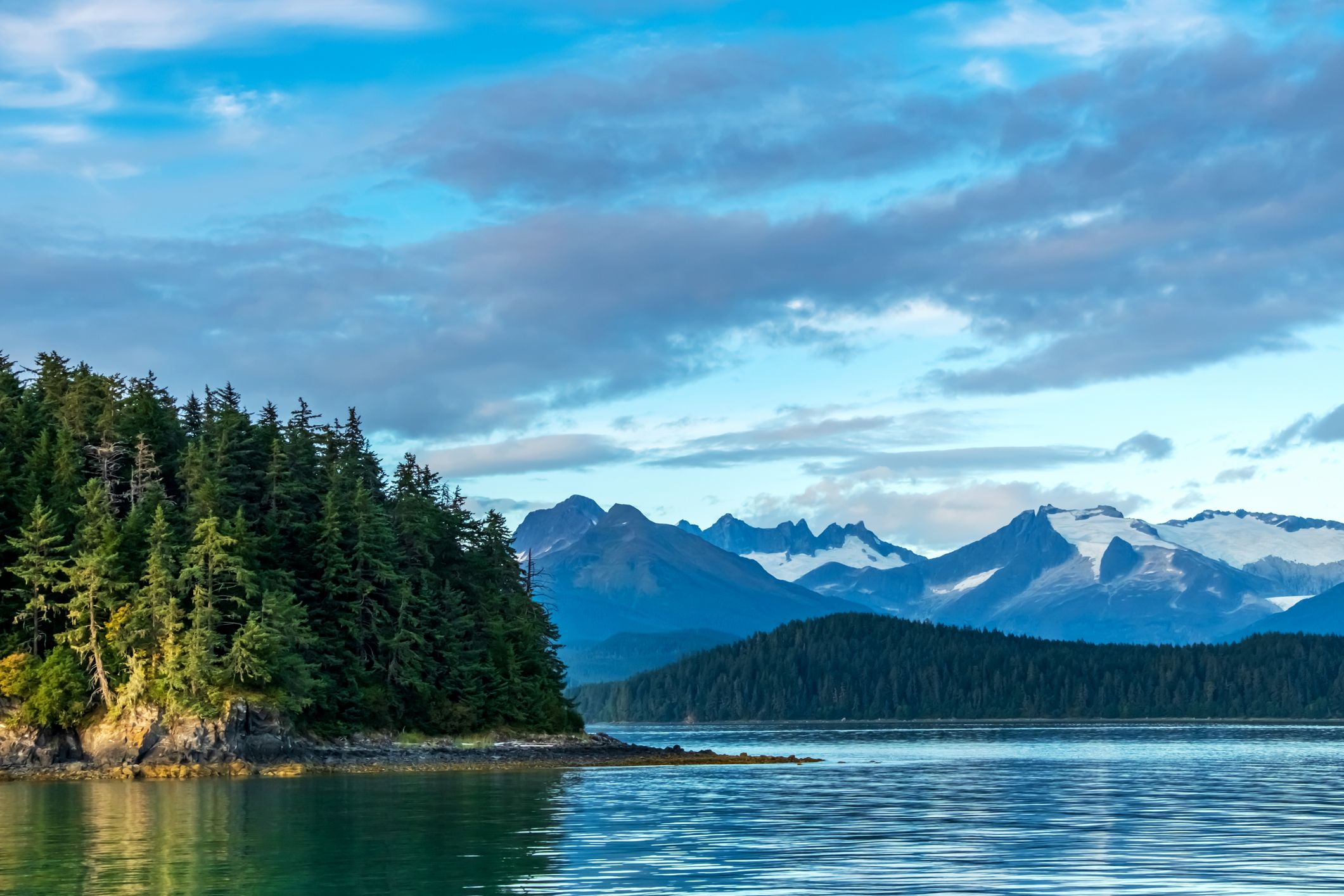
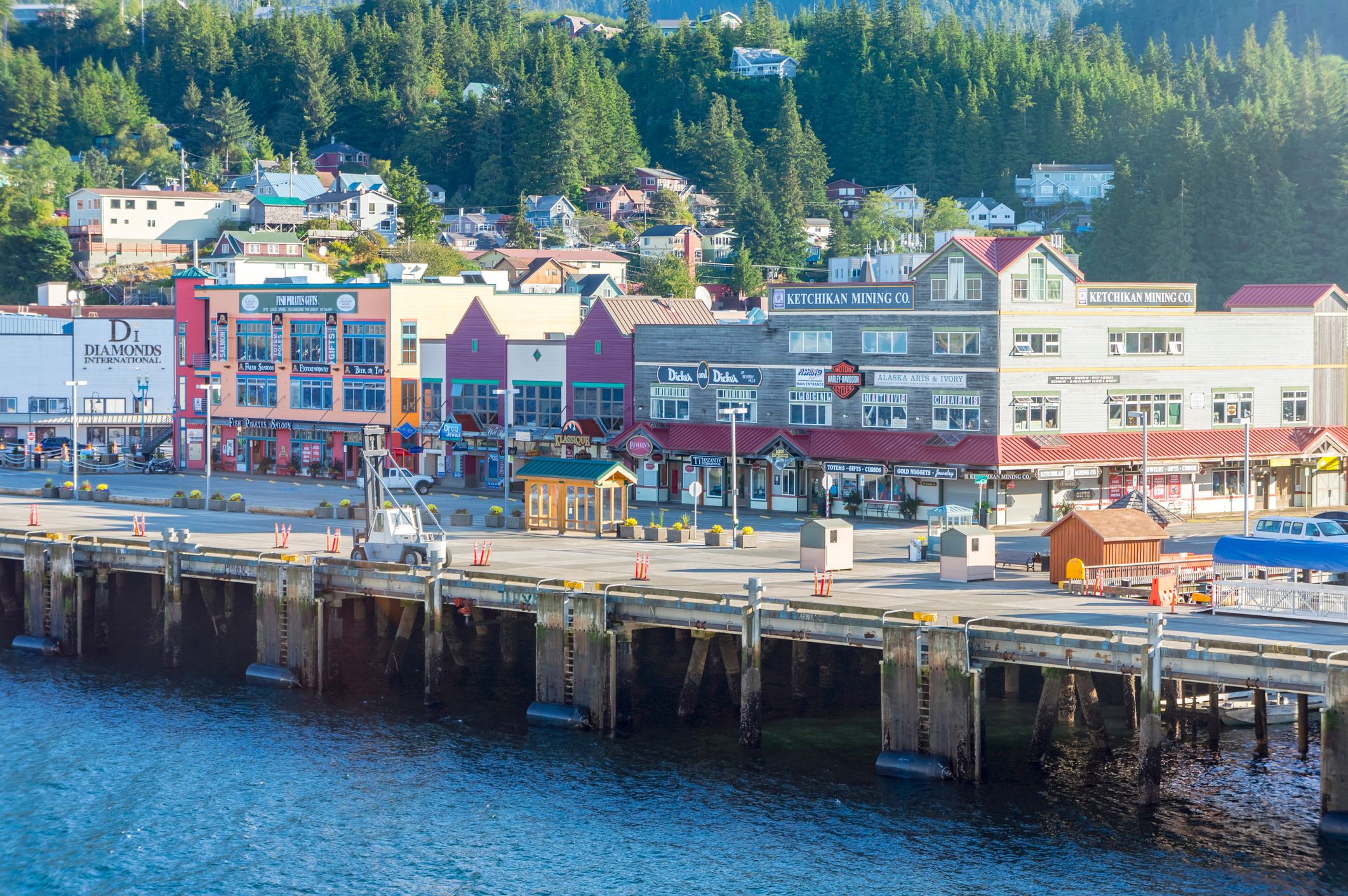
Juneau feels like a frontier town that accidentally became a capital city. It is wedged between steep mountains and the sea, with no road access to the rest of Alaska, which is one of the reasons so many visitors arrive by cruise ship.
Most people come here for a particular combination: Mendenhall Glacier and whale watching out of Auke Bay. Tour operators have this down to a fine art, bundling a visit to the 13 mile long Mendenhall, time at the visitor centre and a couple of hours on a small boat hunting for whale blows. Humpbacks are the headline act, but you may also see orcas, porpoises and the sort of sea birds your more enthusiastic relatives will happily identify for you.
Back in town, the Goldbelt tram whisks you from the cruise pier to 1,800 feet up Mount Roberts in a matter of minutes. From the top, the view takes in the Chilkat Mountains, Stephens Passage and the tangle of islands and channels that your ship has quietly threaded its way through. On clear days you can follow the wake of departing ships for miles, which is oddly moving if you like geography and ferries.
If you want the “I actually walked somewhere” feeling, allow time for the short trails at Mount Roberts or the paths near Mendenhall, where you can hear the glacier creaking away in the distance and remind yourself that the ice is very much alive.
3. Skagway: chasing the ghosts of the Gold Rush by rail
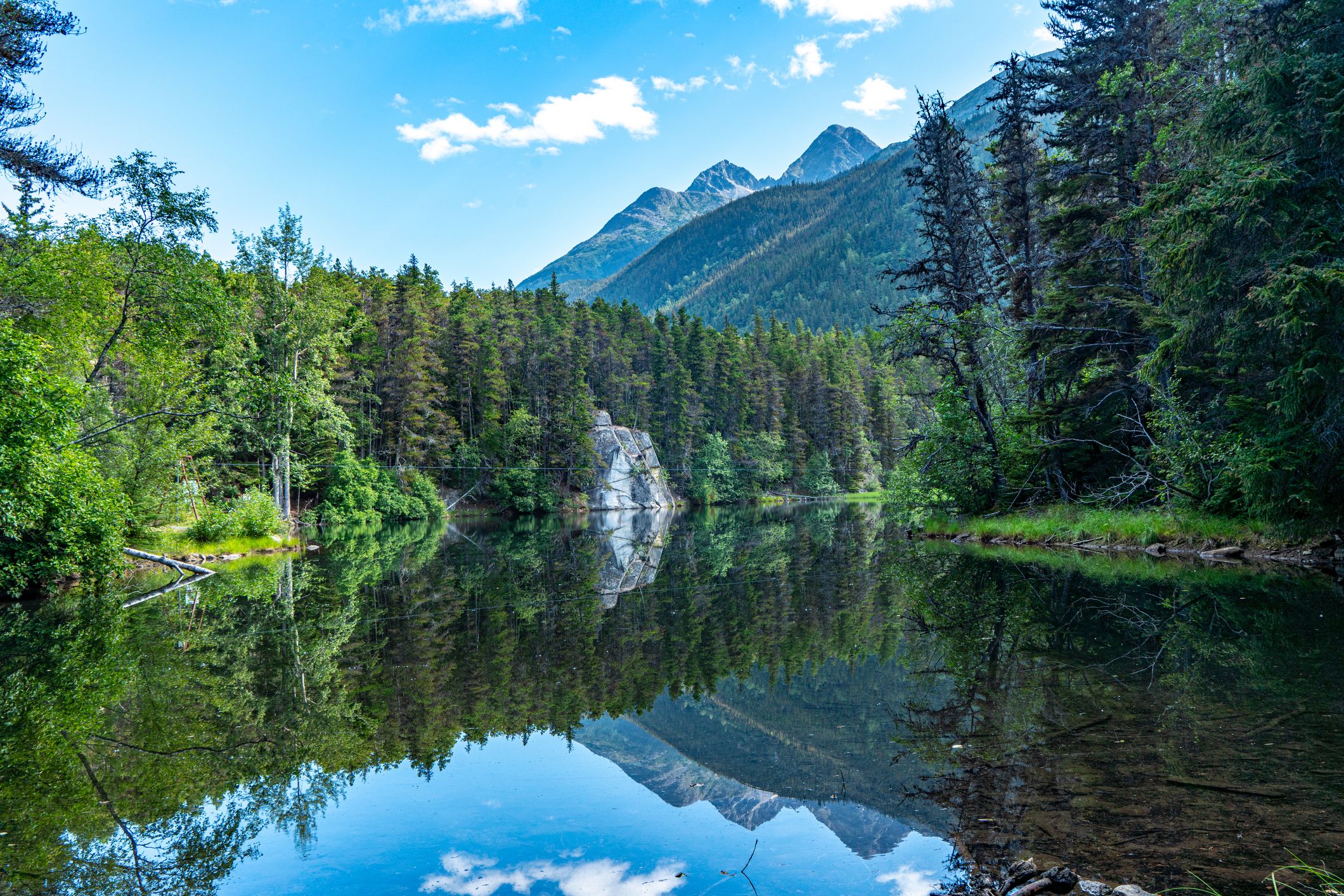
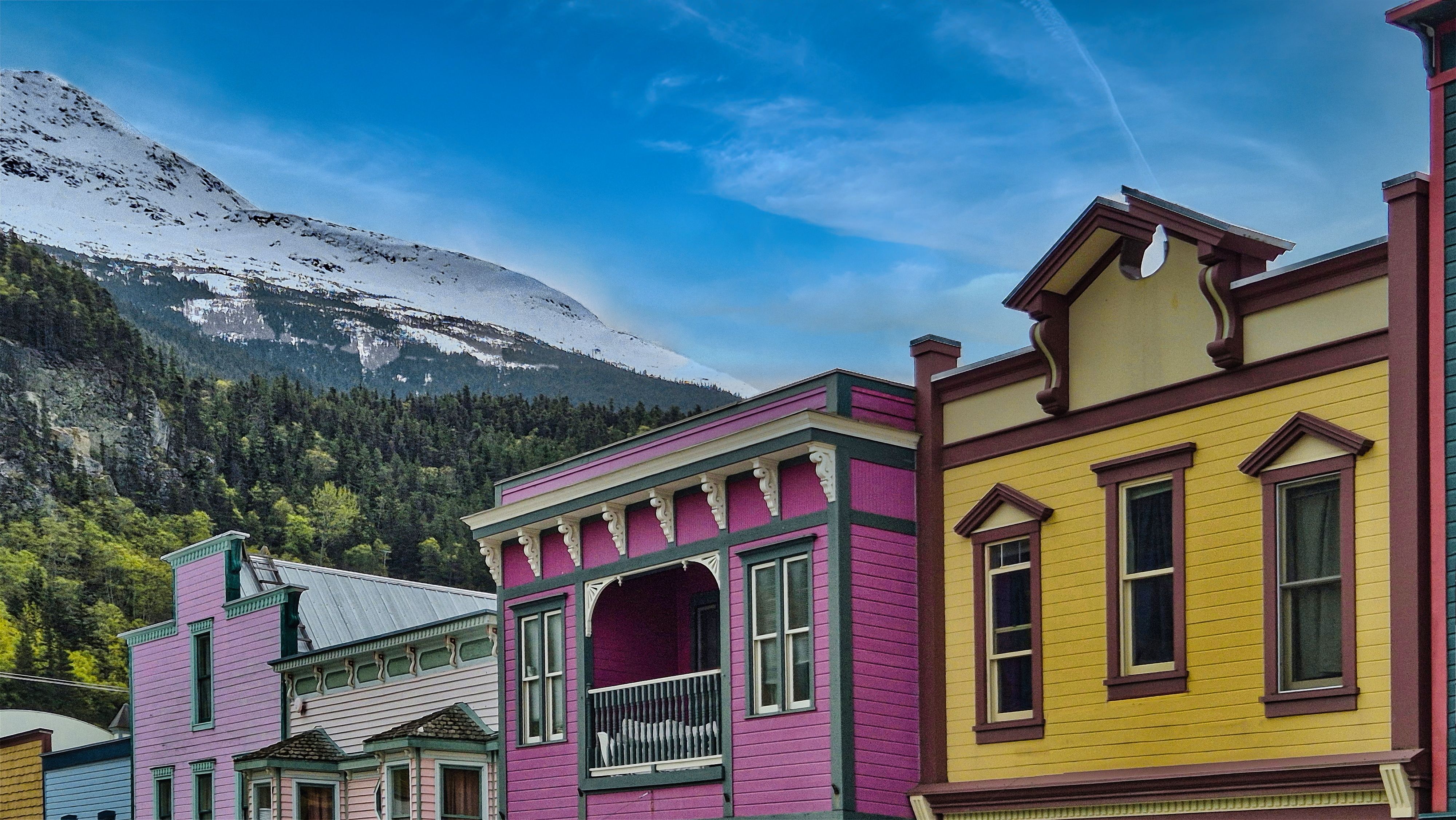
Skagway wears its history quite openly. The main street looks like a film set, and in a sense it is, because this is where thousands of prospectors once landed before hauling their gear into the Yukon during the Klondike Gold Rush.
The easiest way to grasp the scale of that particular madness is to sit on the White Pass and Yukon Route Railway and let somebody else do the climbing. Built in 1898 as a narrow gauge line, it is now recognised as an International Historic Civil Engineering Landmark, threading over trestle bridges, along cliff edges and through tunnels to the 2,865 foot summit of White Pass.
From your seat you get glacial rivers, waterfalls and wide mountain valleys, along with commentary that switches between engineering facts and stories of prospectors who clearly should have known better. It takes around two and a half hours round trip, which leaves time for a wander through Skagway itself or a short hike on one of the town trails if your legs are still functioning.
For a more active day, some itineraries pair a shortened rail trip with cycling or hiking back down, which is exactly as enjoyable as it sounds once you have convinced yourself that the brakes work.
4. Ketchikan: rainforest, totems and the Misty Fjords
Ketchikan sits in the Tongass National Forest and likes to remind you of that with fairly relentless rain. The town turns up in cruise brochures as the “Salmon Capital of the World” and backs it up with working canneries, fishing boats and a salmon ladder where you can watch the fish fighting their way upstream in mid summer.
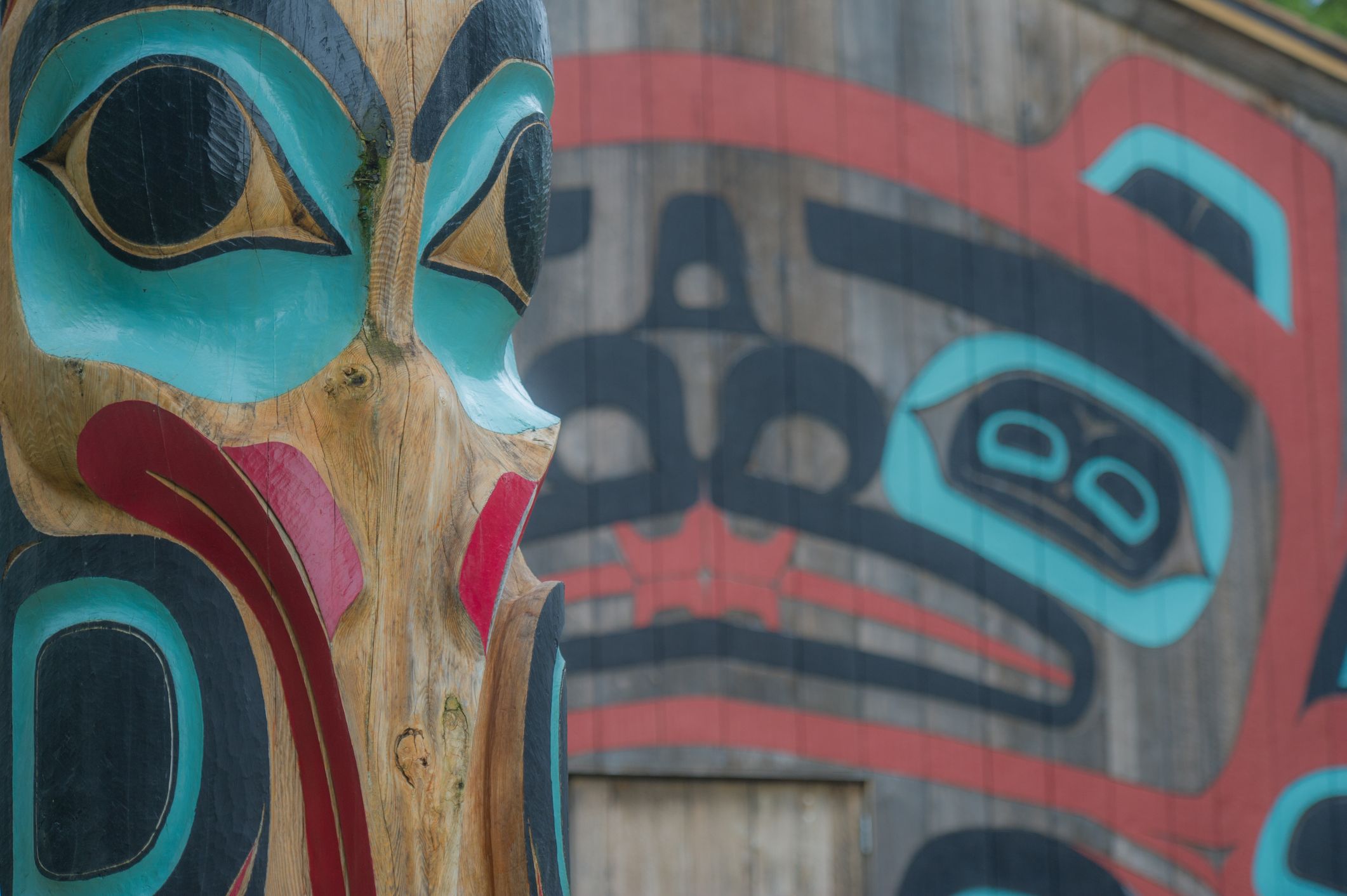
One of the most rewarding ways to spend a day here is a combined tour that includes the ladder, some wildlife spotting and a visit to Saxman Native Village. Small group excursions often start in town, then head out to learn about salmon fishing before continuing to Saxman to stand among towering carved totem poles and hear stories from Tlingit culture. It is powerful, grounded and a welcome counterbalance to the shopping streets back near the pier.
If you prefer drama on a larger scale, Misty Fjords National Monument lies just beyond town. Boats and floatplanes thread through a landscape of sheer granite walls, narrow inlets and waterfalls that seem to appear out of the clouds. Tours regularly describe it as one of the signature experiences of Ketchikan and they are not overselling it. When the low cloud drifts through the valleys and the tops of the cliffs vanish into the mist, you understand why painters run out of blues and greens here.
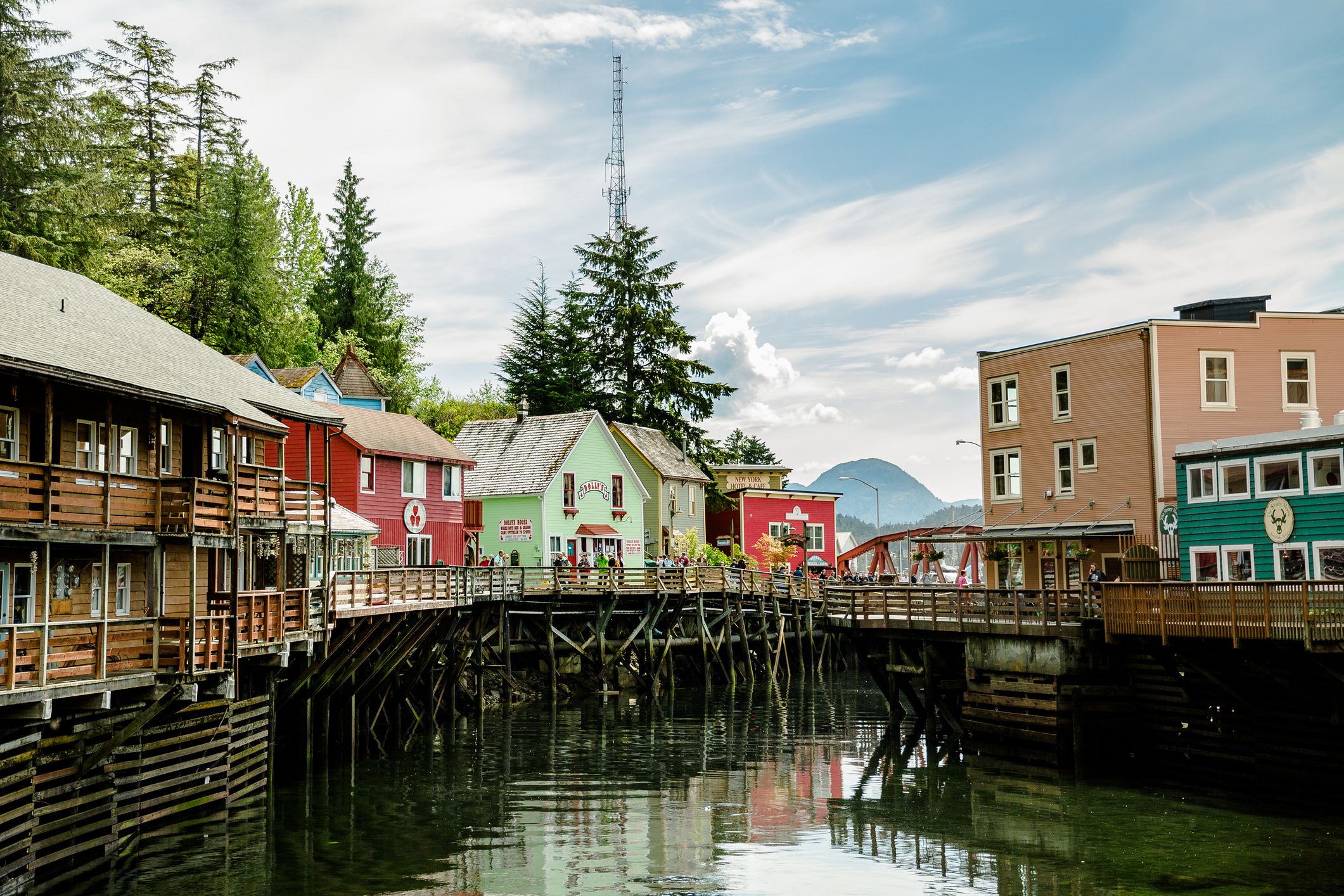
Back in Ketchikan itself, Creek Street is worth a stroll for its stilted boardwalks and colourful houses. It used to be the red light district, which may explain why it still has such a confident swagger.
5. The theatre of the Inside Passage
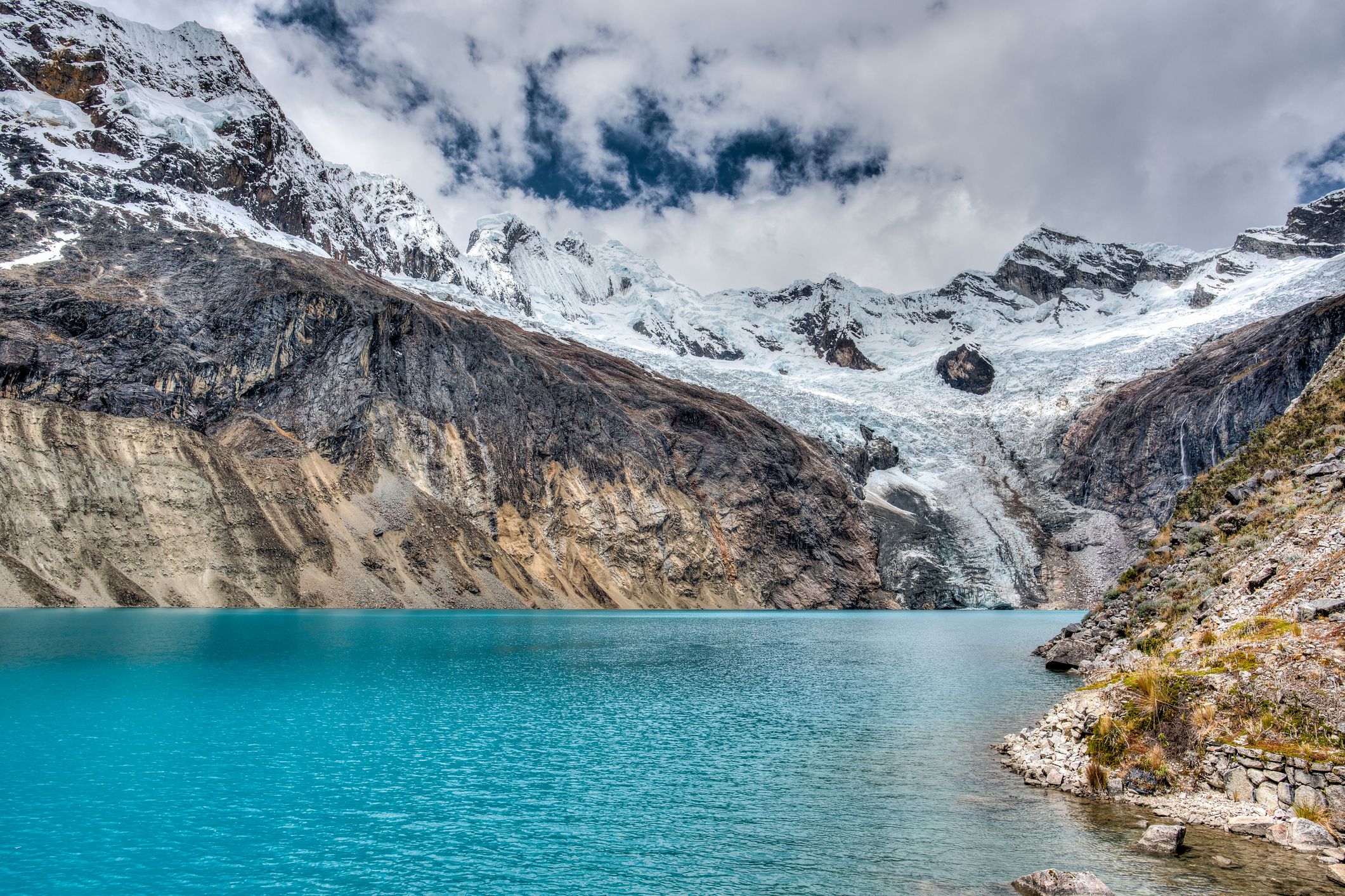
Finally, one of Alaska’s great highlights is not technically an excursion at all. It is the long, slow movement of the ship along the Inside Passage.
This sheltered route threads through hundreds of islands along the coast of British Columbia and southeast Alaska, and it works like a moving wildlife hide. On calm days you can stand at the rail with a coffee and watch for harbour porpoises, sea lions and whales. Cruise ships are increasingly involved in reporting sightings through programmes such as the Whale Alert Alaska network, which logged hundreds of reports from ships and pilots in recent seasons.
The scenery shifts from dense forest and small fishing towns to broad inlets and open sea. Light changes quickly at these latitudes, so you can have pewter grey one minute and every shade of gold the next. Even on a “day at sea” the ship often passes communities that appear and vanish in the distance, which gives you the quiet thrill of travel without the admin.
If your itinerary includes Icy Strait Point or another smaller stop, this is where the scale of Alaska really hits home. The ship dwarfs the dock, the forest dwarfs the ship and the mountains dwarf everything else. It is hard not to feel small in the best possible way.
Planning your own Alaskan highlights
Every Alaska itinerary is a compromise between time, weather and budget, but the pattern is usually the same. Book at least one big “out there” excursion like Glacier Bay or Misty Fjords, match it with one or two more structured days in port, then keep a little time for simply being on deck and watching the landscape glide past.
Do that, and the names on your booking confirmation stop being dots on a map and start to feel like chapters of a very good story that just happens to come with whales.