The Philippine province of Palawan stretches through a long chain of islands, bays and limestone formations, with much of its best scenery either beside the water or rising directly from it. Around Coron, cliffs enclose clear lakes and lagoons while Japanese shipwrecks lie beneath the bay. Farther south, Puerto Princesa gives access to mangroves, coral islands and an underground river that runs beneath a limestone mountain before meeting the sea.
Cruise itineraries are beginning to join these places more neatly. Azamara’s 2028 World Cruise includes consecutive calls at Puerto Princesa and Coron before continuing to Manila, while Swan Hellenic is operating expedition-style routes through the Philippines and wider Asia-Pacific.
The useful question for cruise passengers is what you can realistically fit into a day.
Coron by cruise: lakes, lagoons and limestone
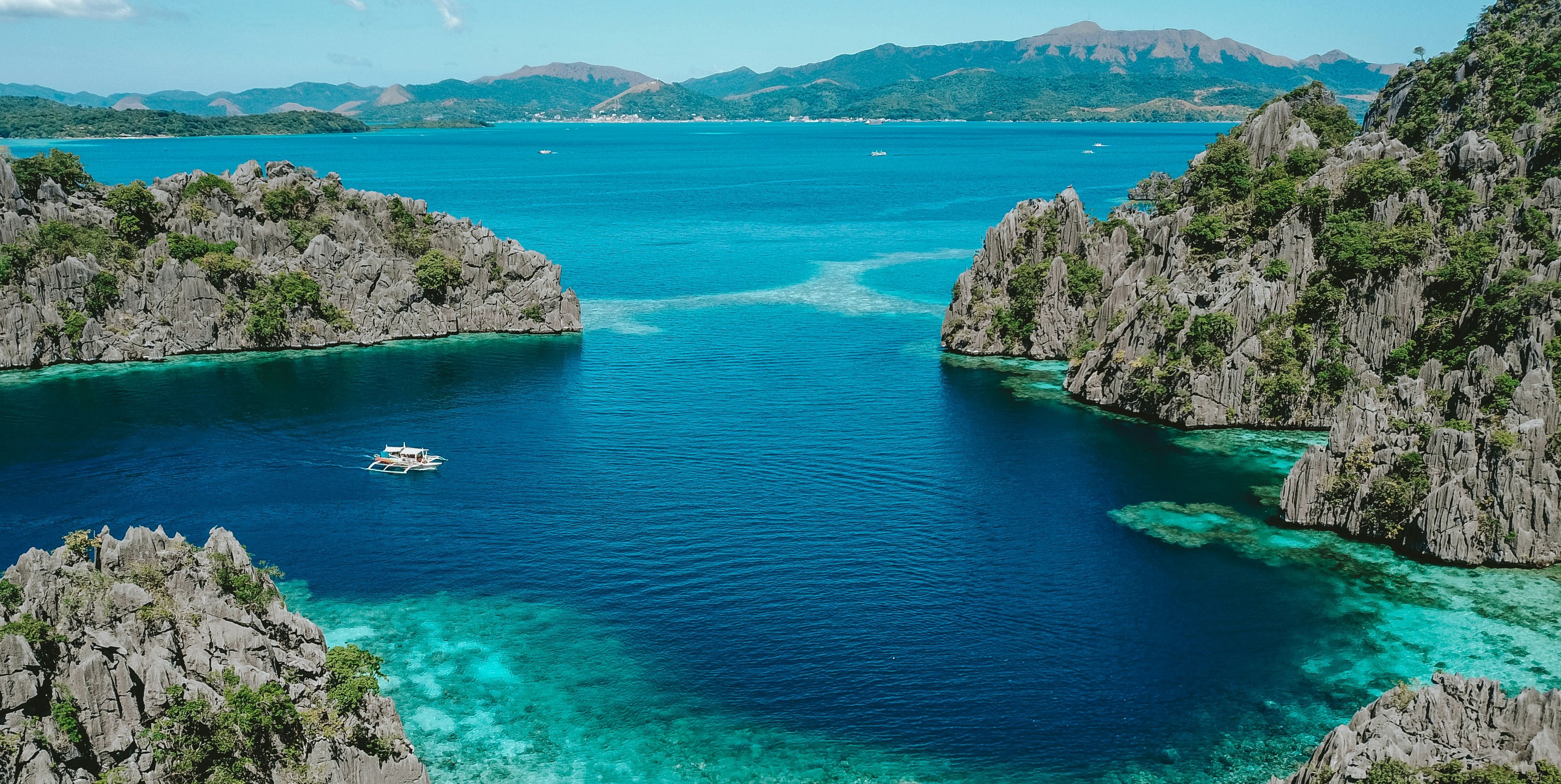
First, a small geographical clarification. Coron town is on Busuanga Island. Coron Island, home to Kayangan Lake and the Twin Lagoons, sits across the water.
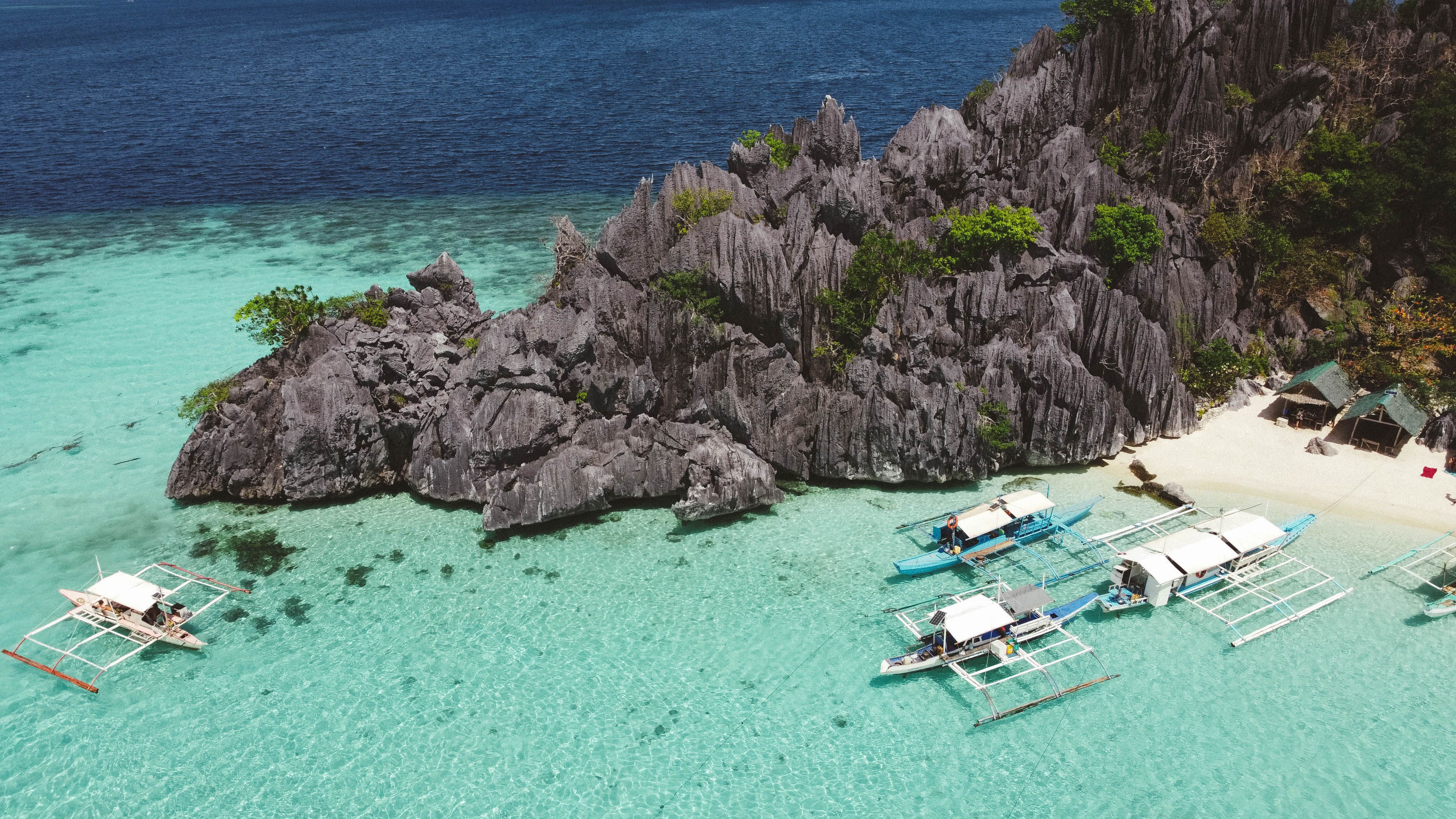
So most of the places you’ve travelled to see require another boat once you arrive. Happily, that’s hardly a chore. The journey towards Coron Island takes you through steep limestone scenery, with small boats slipping between cliffs and bright blue-green water.
Coron Island is also the ancestral domain of the Tagbanua people and appears on the Philippines’ UNESCO World Heritage tentative list because of its unusual karst landscape, lakes and cultural significance.
For a first visit, Kayangan Lake and the Twin Lagoons are the obvious draws. Kayangan involves a climb over the limestone ridge before dropping down to clear water enclosed by cliffs. The Twin Lagoons are divided by rock and linked through a narrow opening.
They’re popular, so early starts help. On a cruise call, I’d favour a focused boat trip with two or three stops rather than an attempt to collect every lagoon before lunch.
Wreck diving in Coron
Coron’s other great attraction sits underwater.
Several Japanese ships sunk in the bay in 1944 remain accessible to divers and have become some of the Philippines’ best-known wreck sites. Shallower locations, including Skeleton Wreck, can also be explored by snorkellers.
If diving is the reason you’re visiting, give the day to it. Equipment, briefings, boat transfers and the dives themselves take time, and there’s little virtue in bolting on a rushed lagoon tour afterwards.
Non-divers have plenty of options too, from coral snorkelling around Siete Pecados to beaches and sandbars farther out in the Calamian Islands.
If weather closes the water, Mount Tapyas and Maquinit Hot Springs offer useful alternatives near town.
Puerto Princesa and the Underground River
Puerto Princesa is a different proposition.
The city itself is the arrival point, but its best-known attraction lies around 76 kilometres away.
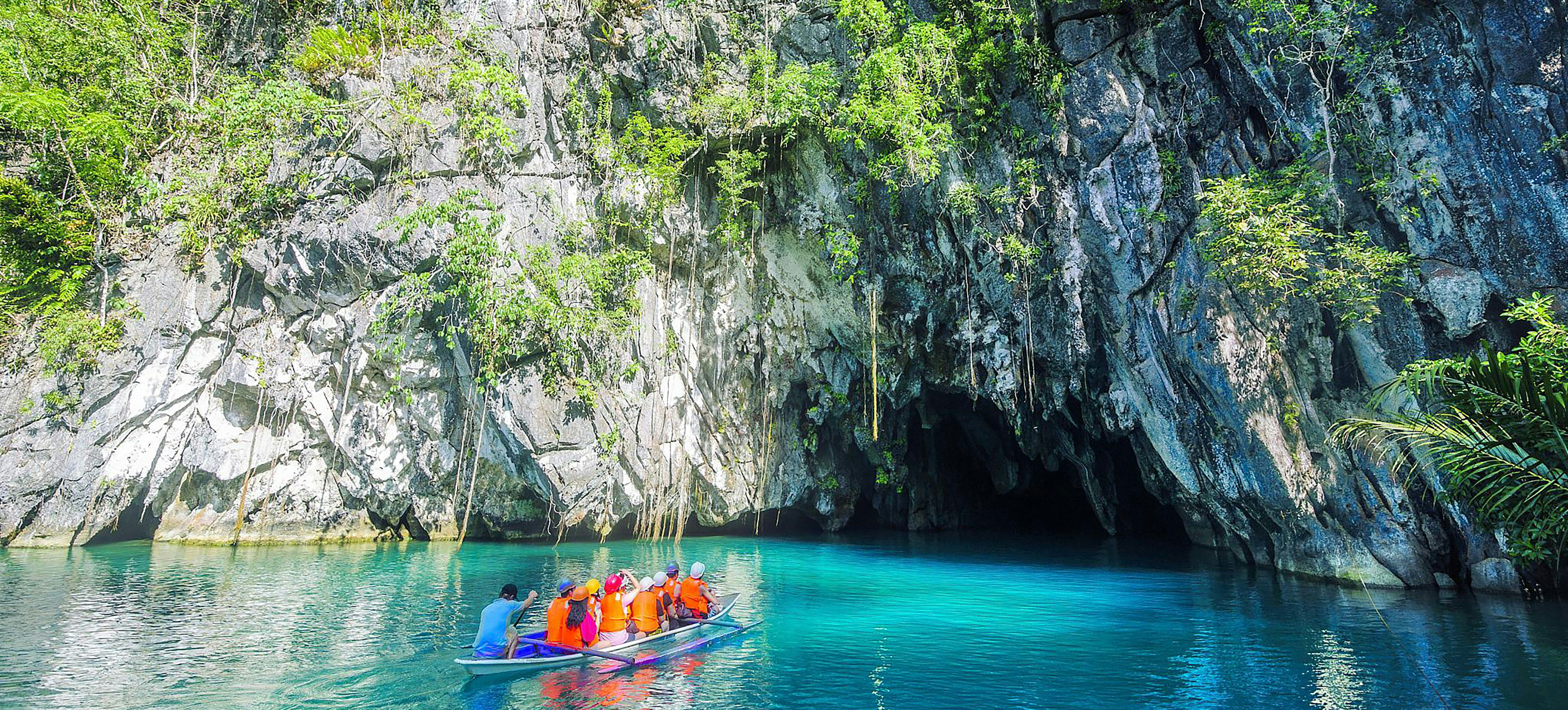
Puerto Princesa Subterranean River National Park protects a vast limestone and forest ecosystem centred on an underground river more than eight kilometres long. The river flows beneath the mountain and out towards the sea, with sections navigable by small paddleboat.
From the city, the journey to Sabang takes roughly one to two hours, followed by a boat transfer to the park. Visitor numbers are also controlled through a permit system.
That makes the Underground River one of those shore excursions where organisation matters. From a cruise ship, a pre-arranged tour is generally the sensible option, particularly when permits, road transfers and boat timings all have to line up with sailaway.
Honda Bay for an easier Puerto Princesa port day
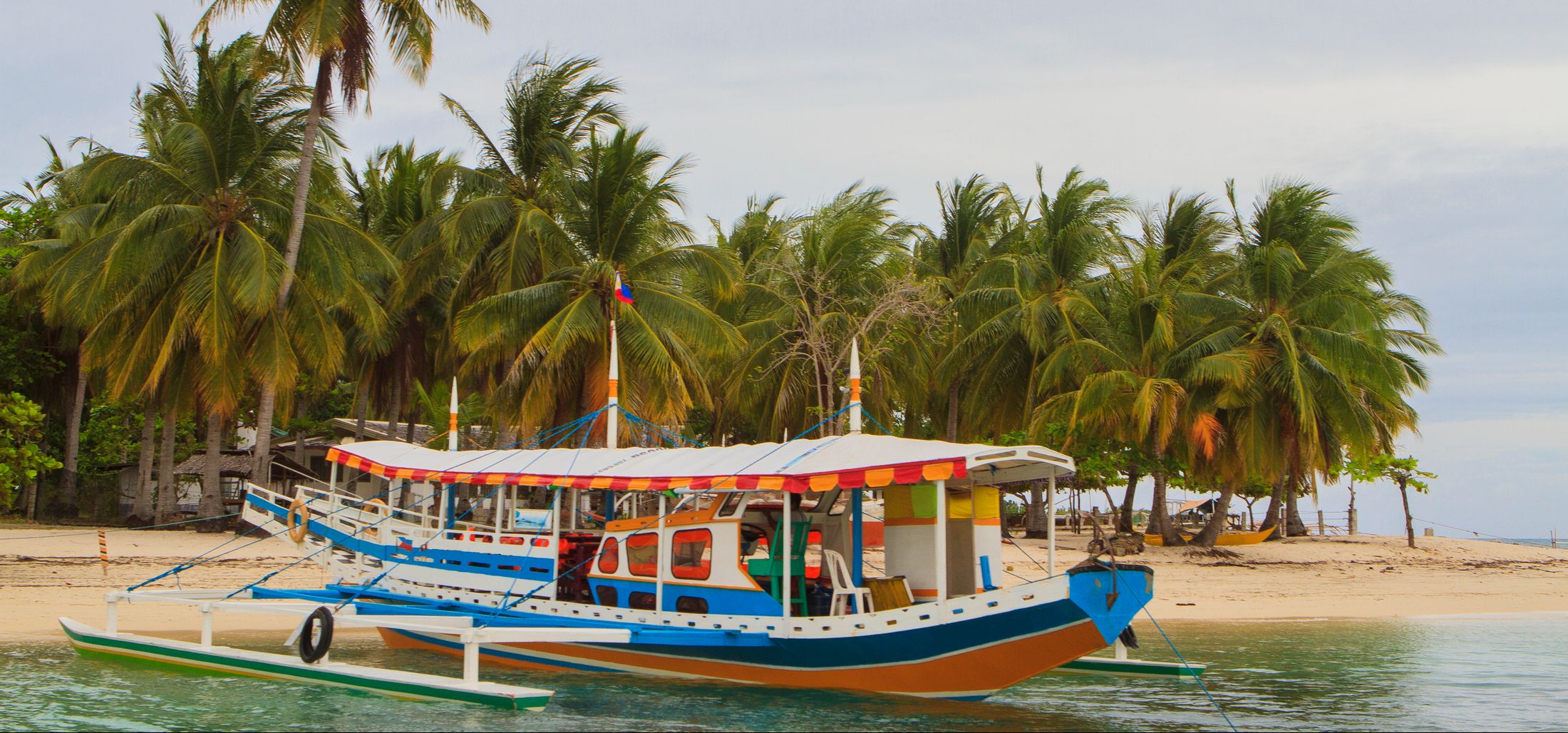
For a shorter call, Honda Bay is much simpler.
It lies close to Puerto Princesa and is the starting point for island-hopping trips built around beaches, coral and snorkelling. You spend less time on the road and more time somewhere recognisably holiday-like.
It also works well if Coron is already on your itinerary. Coron gives you the dramatic limestone landscapes, while Honda Bay offers an easier beach-and-water day.
Puerto Princesa itself is worth some time too. It’s a functioning provincial city with markets, seafood restaurants and a waterfront, so staying closer to port needn’t feel like the fallback option.
Can you visit El Nido from Puerto Princesa?
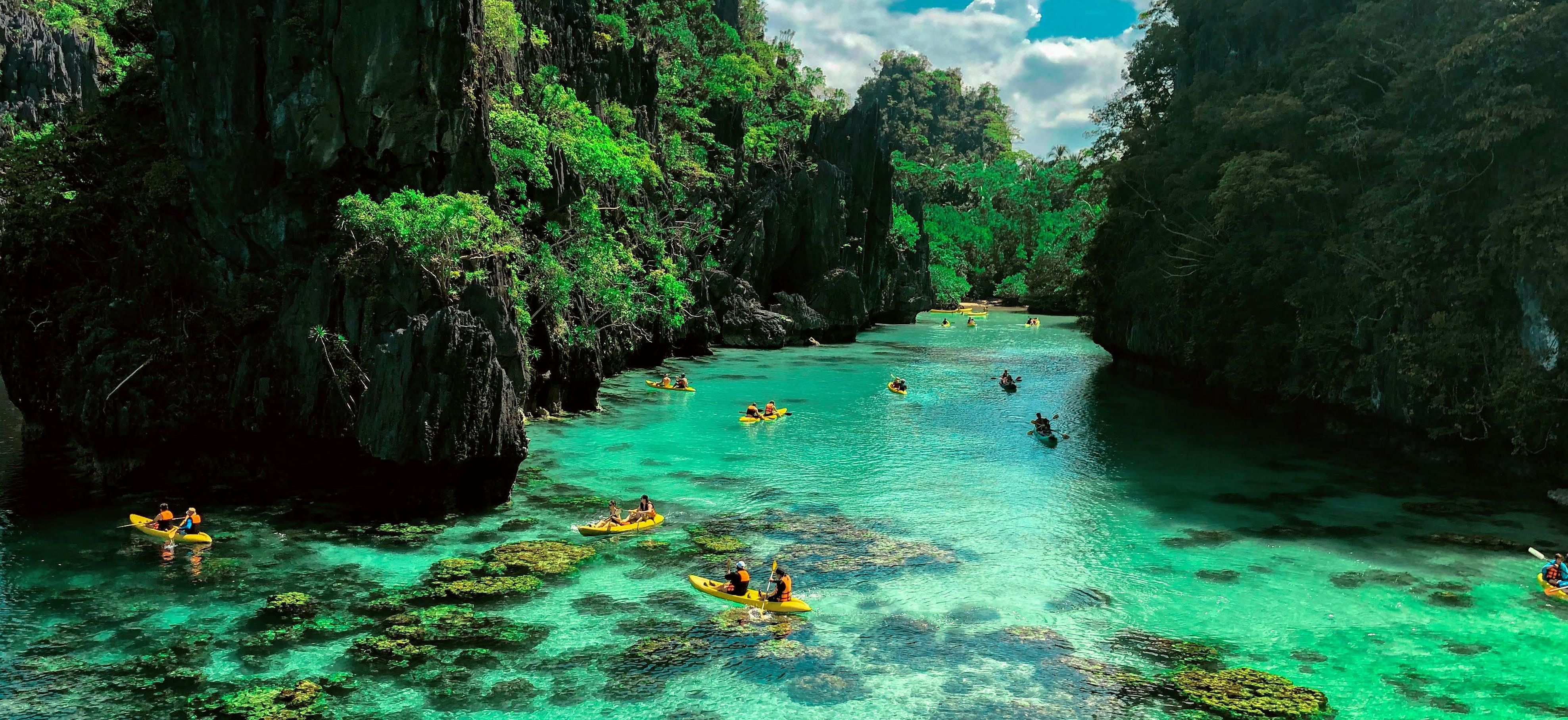
Not sensibly. El Nido is often mentally bundled together with Puerto Princesa because both are in Palawan, but the road journey takes roughly five to six hours each way.
That makes it an excellent place for a future holiday and a terrible cruise excursion. Palawan looks narrow on a map but it's still very long.
Philippines cruises beyond Manila

For years, many cruise itineraries treated Manila as their principal Philippine call. That is gradually changing.
Azamara’s 2028 World Cruise includes Puerto Princesa, Coron and Manila in succession, giving Palawan two days of its own.
Swan Hellenic is taking a more expedition-led approach, with itineraries through smaller Philippine islands before continuing into the wider Asia-Pacific. That style of routing makes particular sense in a country made up of thousands of islands, where some of the most interesting places are naturally easier to reach by sea.
When is the best time to cruise Palawan?
The main dry season runs broadly from November to May, making this the most reliable period for island-hopping and outdoor sightseeing.
Coron is generally calmest during the same period, with particularly good conditions for diving and snorkelling from around March to May.
Small-boat excursions remain weather dependent, however, so plans can change if winds or sea conditions turn against you.
Two port days can give you a strong introduction. In Coron, spend the day on the water, whether that means lakes and lagoons or wreck diving. In Puerto Princesa, choose between the Underground River and a shorter coastal day around Honda Bay and the city.
What you won’t get is the whole province. El Nido remains out of reach, while southern Palawan and many smaller islands need far more time. That’s fine. A cruise doesn’t complete Palawan for you.
It gives you two very good reasons to come back.