Australia is so vast it has a habit of making Tasmania sound like the side dish. Very nice, obviously. Fresh air, some wine, perhaps a wallaby, and then back to the mainland before anyone gets too attached. By ship, though, Tasmania starts to look less like an add-on and more like a proper destination in its own right.
It has Hobart, which is faintly eccentric in exactly the right proportions. It has cool-climate wine country within easy reach. It has oysters that make a convincing case for rearranging your day around a shellfish restaurant. And it has a coastline that seems to have been designed by somebody who felt the world needed more cliffs, coves and reasons to go for a walk.
Part of Tasmania’s problem, if you can call it that, is that it's not loud about itself. It's not trying to outdo Sydney for harbour theatre or Queensland for beachy optimism. Its appeal is more grown-up than that. The island state is much better understood through natural beauty, culture, food and wine; this is a place that can veer from convict history to cutting-edge art to a plate of oysters before you have had time to decide what sort of trip you are on. That breadth is why Tasmania works so well by sea. Big-ship itineraries often fold Hobart into wider Australia or Australia–New Zealand sailings, while Coral Expeditions has built both seven-night coastal trips and full 14-night circumnavigations around Tasmania itself, which tells you there is more than enough material here for the island to carry a voyage on its own.
Hobart cruise port and MONA: the easiest strong opening in Australia
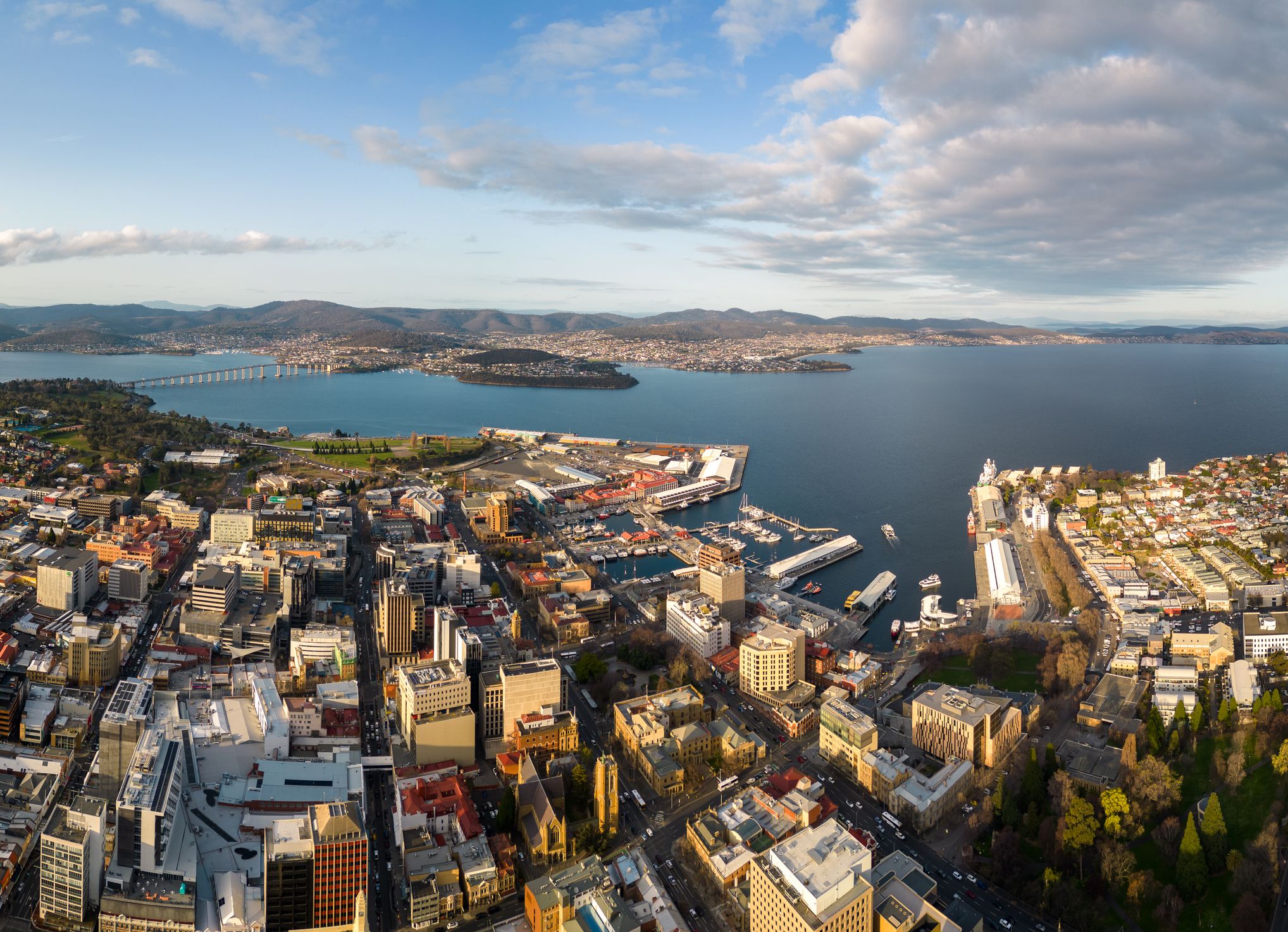
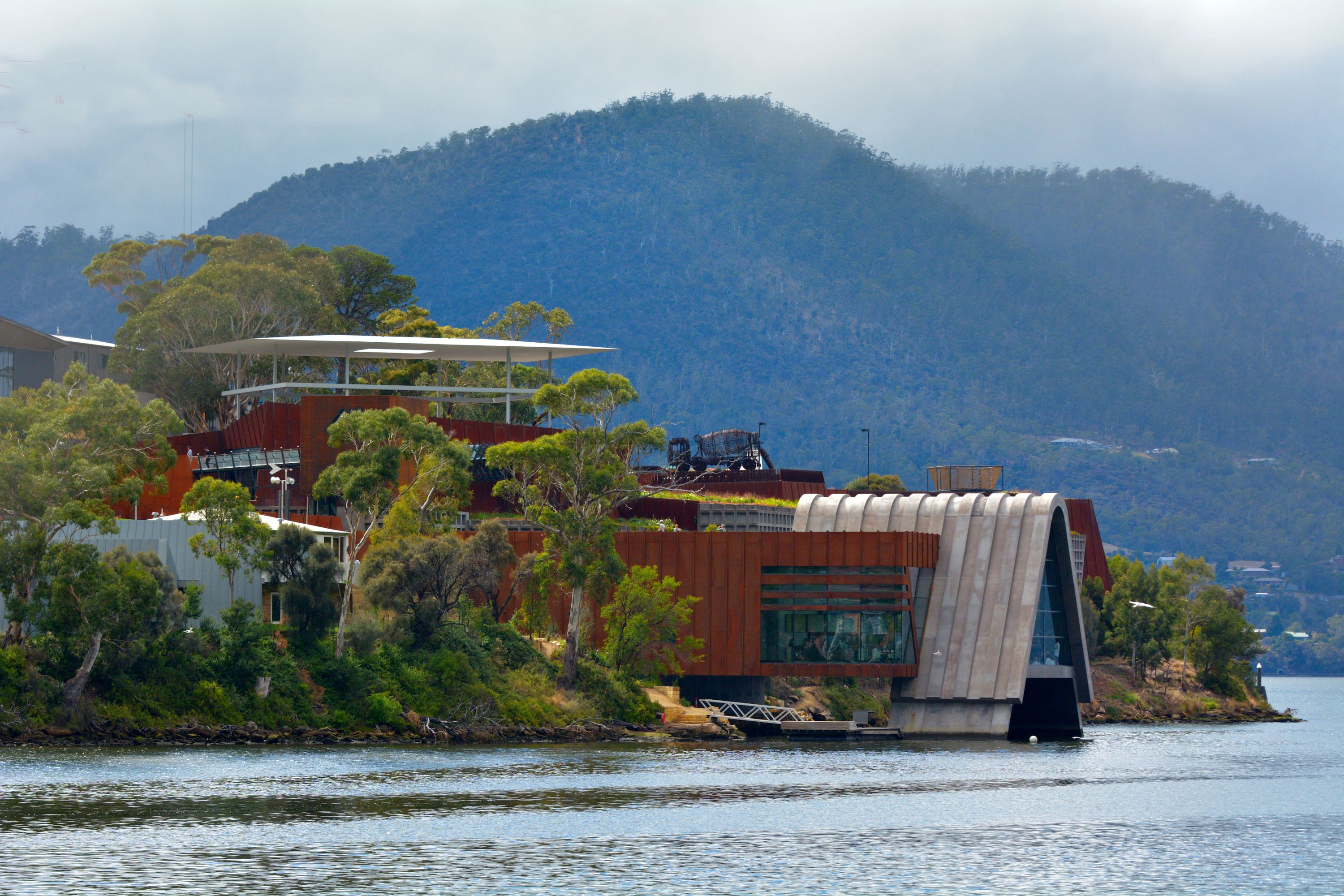
Hobart is an extremely useful cruise city because it does not force you to waste half the day getting anywhere. TasPorts says the Port of Hobart’s main cruise berth is within 800 metres of the CBD, which means the city begins almost immediately. That is always encouraging. Nobody has ever disembarked into an industrial wasteland and thought, “how marvellously efficient.” In Hobart, you can be in town in minutes, with the waterfront, Salamanca side of things and the river all behaving as though cruise passengers were, if not the point, at least not an inconvenience.
And then there is MONA, which is one of the few art museums anywhere that has managed to become both a major cultural stop and a slightly improbable holiday ritual. The museum’s own site summarises the pitch with unusual honesty: old art, new art, wine, dark corners, nice views, music. It also notes that you can get there by ferry from Hobart in about 25 minutes, which is part of the charm. A good museum arrival should involve a little anticipation, and crossing the Derwent is a lot better than trudging through a car park. Discover Tasmania describes MONA as world-renowned and usefully free of pretension, which is exactly the sort of sentence many museums would like written about themselves but have not quite earned. MONA, annoyingly, has.
Tasmania wine country from Hobart: why the Coal River Valley works so well
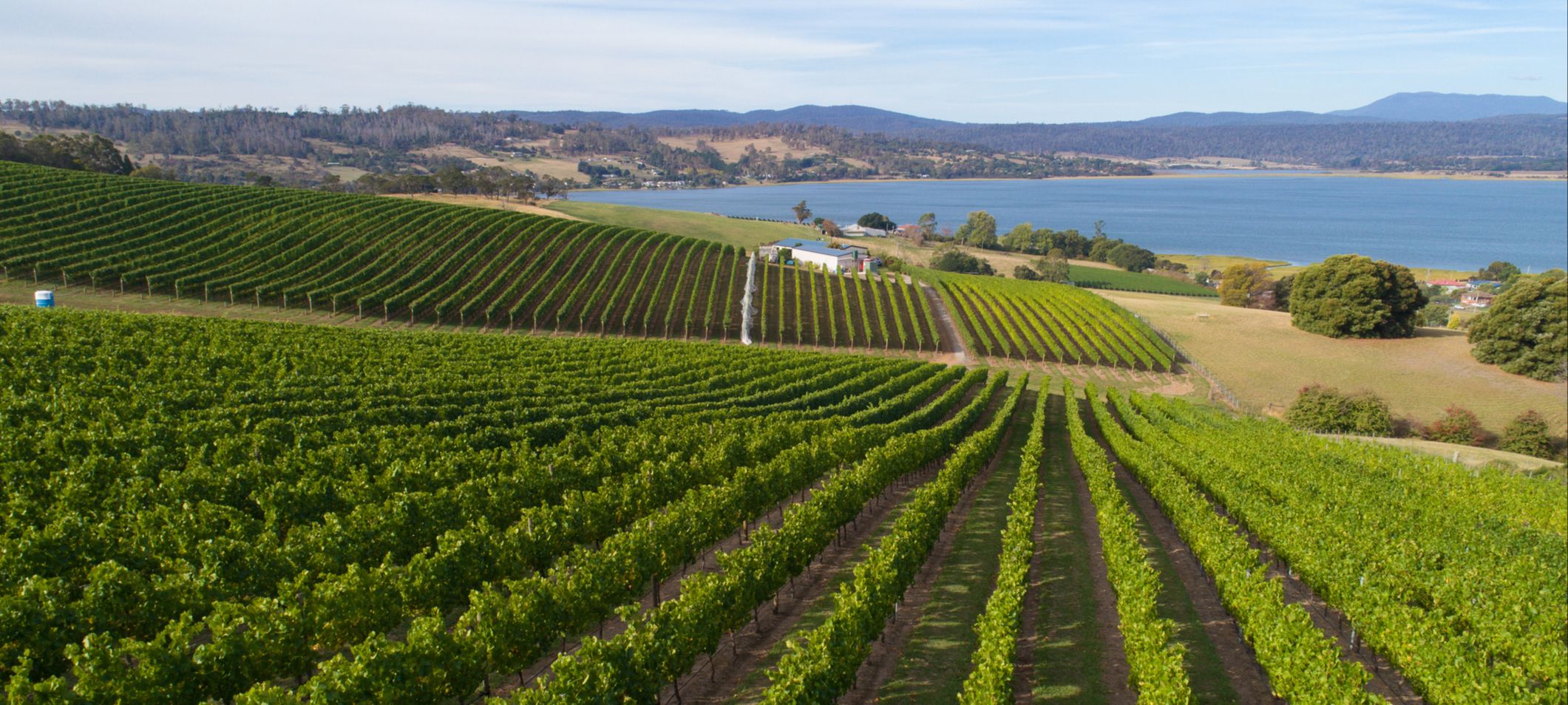
Tasmania’s wine story is another reason the island makes such a persuasive cruise stop. Discover Tasmania’s wine trails guide says the Coal River Valley is a short drive beyond Hobart, and several official tourism listings frame it as one of the state’s key cool-climate regions. That matters because it gives Hobart the sort of nearby inland reward cruise ports dream of. Not a grimly long coach transfer to something worthy, but a quick shift into vineyards, grazing country and the kind of tasting-room lunch that can make you forget you are technically on a schedule. Caledon Estate’s listing, for example, leans heavily into the vineyard’s high Coal River Valley slopes and cool-climate character, which is very Tasmanian in the best way: scenic, slightly bracing and quietly confident about what grows there.
What I like about the wine angle in Tasmania is that it does not feel performative. This is not a region demanding that you spend the day learning to say “minerality” with a straight face. It is a place where the climate genuinely shapes the drink in the glass, and where the valley’s historic villages and broad landscapes mean the journey does some work as well. If your ideal cruise excursion involves a ferry to an iconoclastic museum, a boat back and a vineyard lunch the next day, Hobart starts to look alarmingly well organised.
Tasmania oysters and seafood: the shore day that tastes like the coast
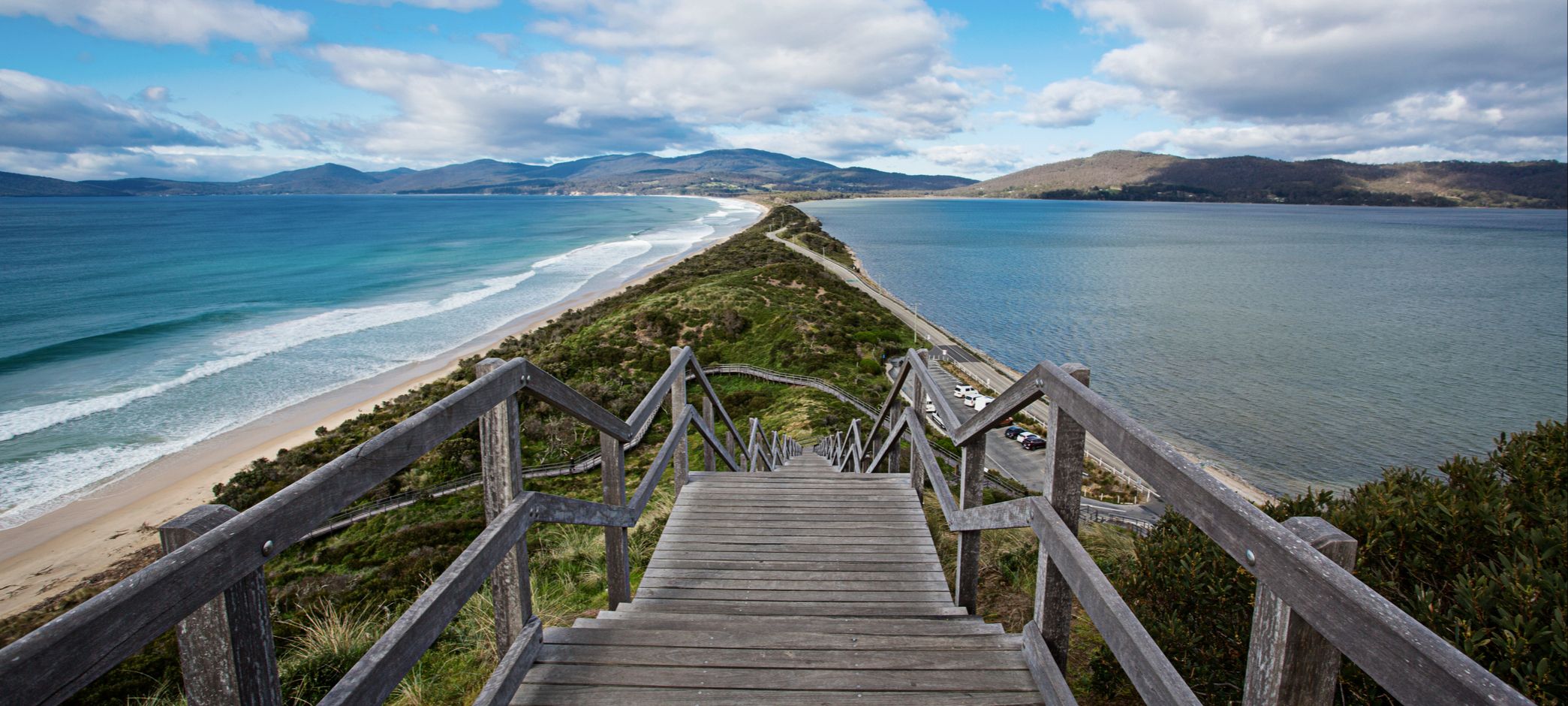
Then there are the oysters, which deserve their own paragraph because Tasmania is sensibly very proud of them. Discover Tasmania’s seafood trail material says the island offers oyster feasts around the state, while its 2026 oyster guide specifically points travellers towards coastal havens like Bruny Island and Freycinet. Bruny in particular keeps turning up in the tourism copy as a sort of food-and-scenery overachiever, with oysters, cheese, beaches and coastal walks all arranged in a way that feels almost rude to other destinations. If you are in Hobart long enough for a fuller day out or a pre- or post-cruise extension, Bruny is one of the clearest ways to understand what Tasmania does so well: produce, sea air and landscapes that stop you in your tracks without making too much fuss about it.
There is also something very satisfying about the way Tasmania’s oyster culture remains tied to the water rather than abstracted into pure restaurant performance. Discover Tasmania’s listings for oyster tours around Bruny and the D’Entrecasteaux Channel are full of scenic cruises, wading into the water, harvesting and shucking, which is exactly the right mood for this place.
Tasmania coastal walks and scenery: the island’s real calling card
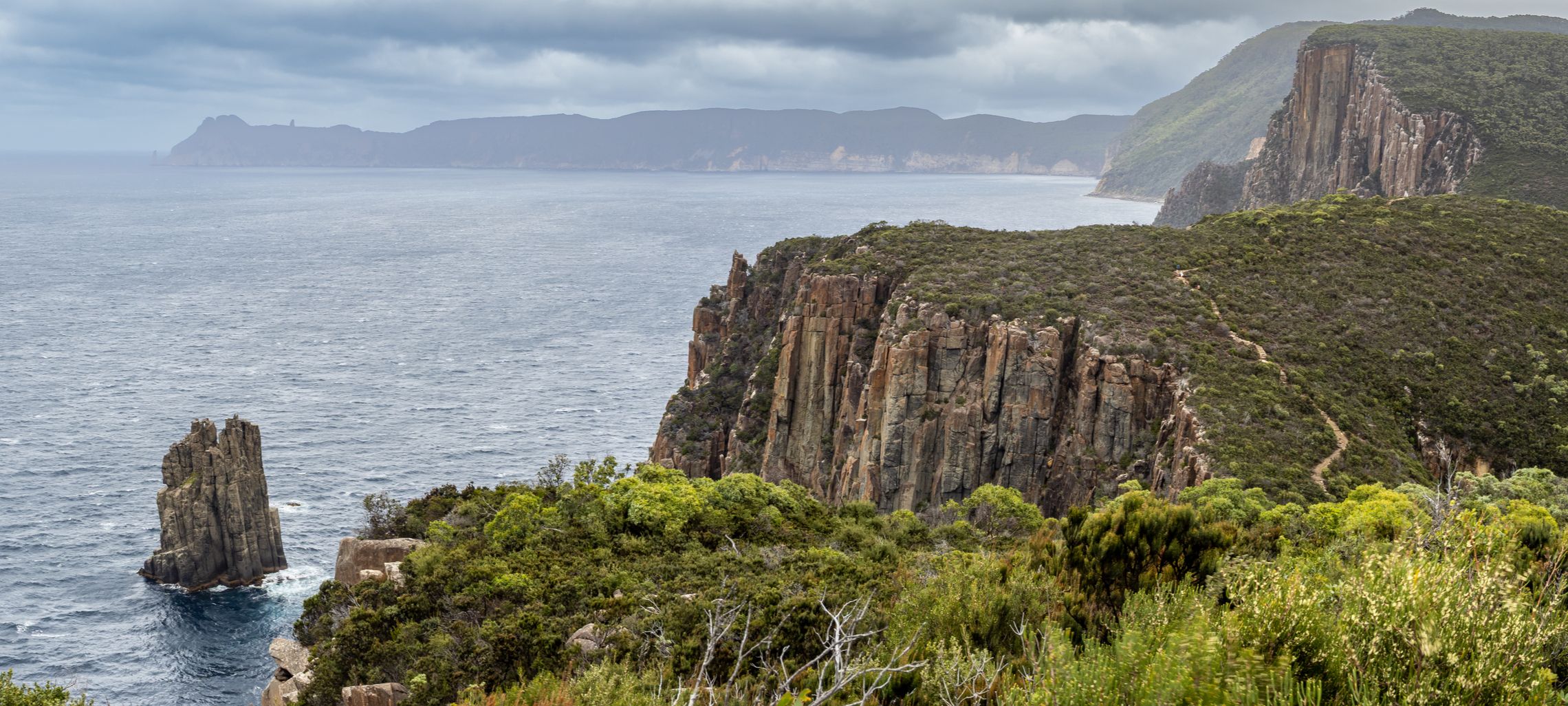
The final reason Tasmania works by sea is that the coast is doing far more than acting as a frame for towns. Discover Tasmania’s walking pages are very good on this, describing an island framed by beaches, with many reached best or only on foot, and highlighting short walks that deliver disproportionate rewards. Cape Hauy, for instance, is one of the state’s 60 Great Short Walks, a four-hour return route with seriously dramatic cliffs. Wineglass Bay Lookout, meanwhile, is the more classically photogenic option, a 1.5-hour return walk above Great Oyster Bay that earns its reputation honestly.
That same coastline is what makes the small-ship version of Tasmania so attractive. Coral’s official itineraries and Discover Tasmania’s expedition listings lean hard into remote islands, national parks, rugged shores and famous coastal trails, which suggests that once you stop thinking of Hobart as the whole story, Tasmania becomes even more of a maritime place than many travellers realise. By land, the island is excellent. By sea, it starts to make deeper sense. You understand how the coves, cliffs, beaches and settlements relate to each other, and why the place feels at once compact and strangely expansive.
Why Tasmania deserves more attention from cruise travellers
Tasmania may never be the shoutiest cruise destination in the room, and that is probably for the best. It is more persuasive than that. It gives you a capital city that is easy to reach and worth your time, a museum that can carry an entire day without making you feel culturally bullied, wine country close enough to be practical, oysters good enough to derail an itinerary, and coastlines that justify leaving the ship not because somebody told you to, but because the island makes a very strong visual argument. For cruise travellers who like their destinations a little cooler, a little quieter and a little more interested in quality than noise, Tasmania is not an afterthought at all. It is one of the better reasons to look south.