Some cruise ports are perfectly suited to a brisk eight-hour visit. Others need more time to properly do them justice.
These are the cities where a standard port call gives you the outline, but an extra day and night lets you see the place at a more human pace. You can stay out after the excursion coaches leave, eat dinner somewhere local, and explore beyond the obvious landmarks.
For cruises beginning or ending in Tokyo, Buenos Aires, Reykjavík, Québec City, Vancouver, Athens or Singapore, adding a day before or after the sailing is rarely wasted, in fact, I'd argue it's time extremely well spent.
Tokyo: stay for the neighbourhoods, not just the landmarks
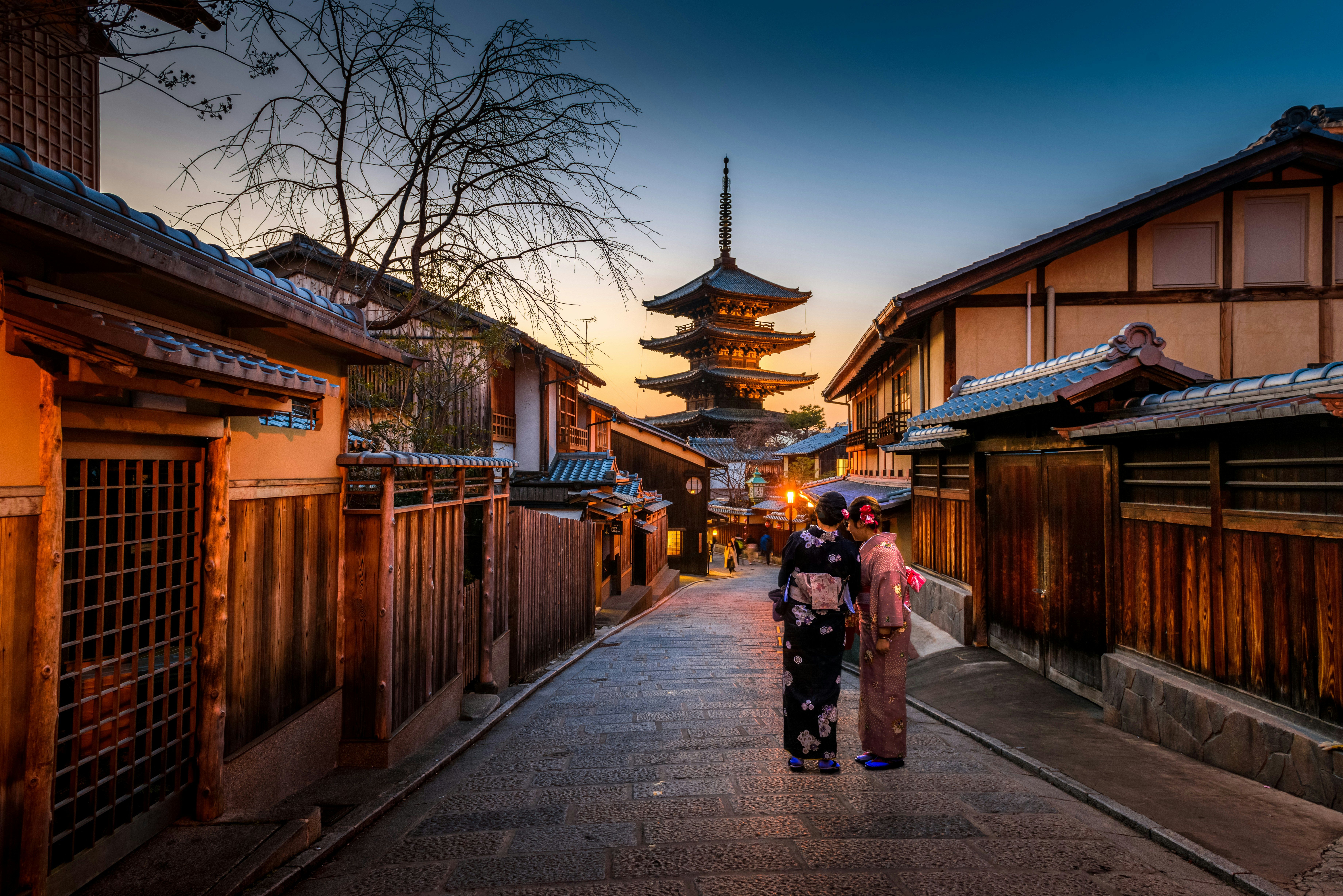
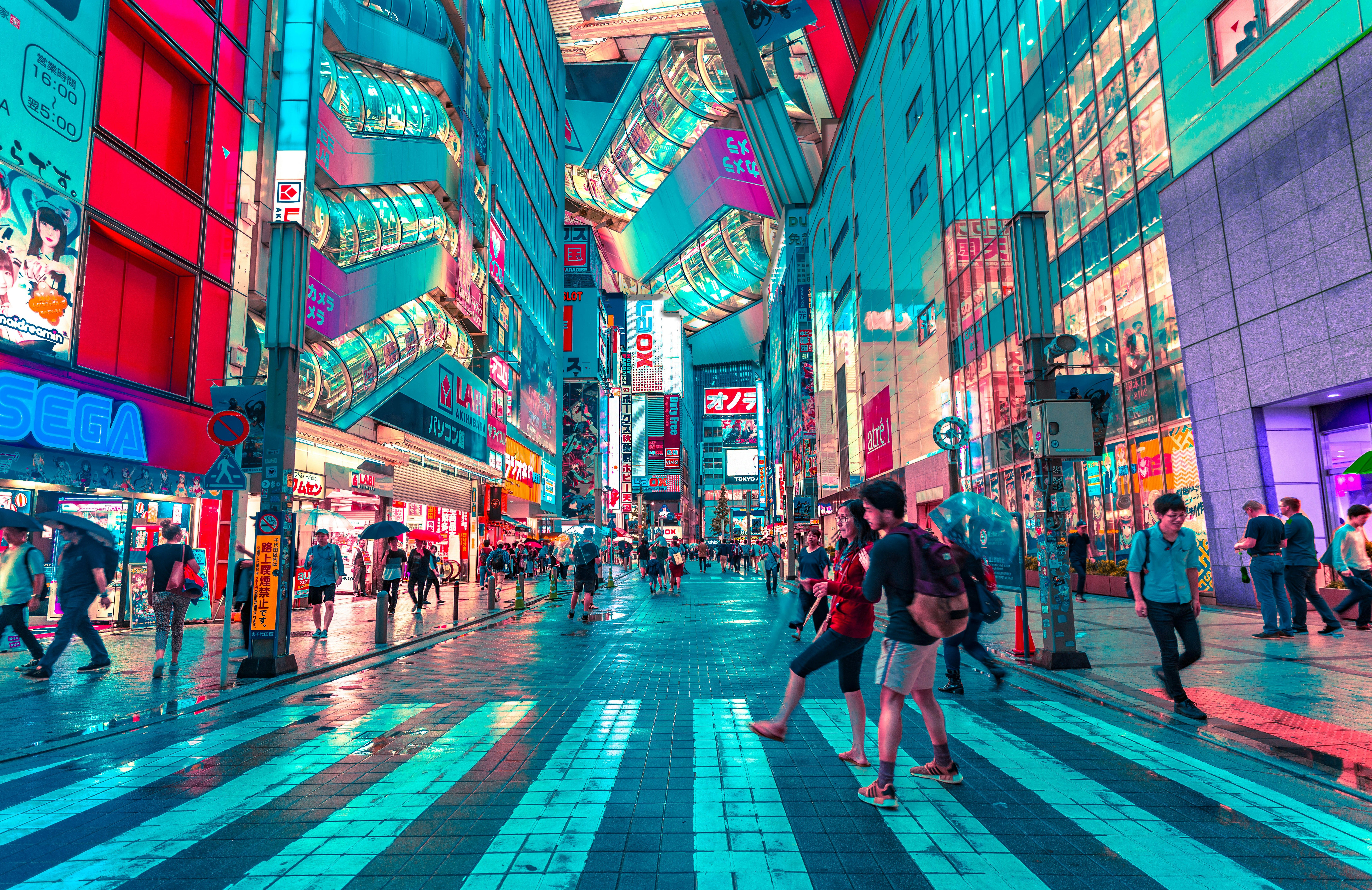
Tokyo is too large, too varied and too interesting to squeeze into one cruise day without coming away from it feeling faintly disappointed.
A short visit can cover one or two headline areas. Asakusa gives you Sensō-ji, Nakamise shopping street and a glimpse of older Tokyo, while Shibuya, Harajuku and Shinjuku offer the neon, fashion and crowd choreography people imagine before they arrive. Tokyo’s official tourism guide recommends exploring the city by neighbourhood, which is sensible because attempting to “do Tokyo” as one continuous attraction is likely to do you some kind of damage (if not physically, then mentally).
An extra day (or two) allows you to experience the contrasts of this vast city properly. Spend one morning around Asakusa and the Sumida River, then cross the city for Meiji Jingu, Shibuya or the small bars and restaurants of Shinjuku. Early risers can even visit Toyosu Market and have sushi for breakfast.
Tokyo International Cruise Terminal is in Odaiba and connected to the wider transport network, but some itineraries use Yokohama instead, so check your actual embarkation point before booking a hotel with the confidence of someone who has merely seen the word “Tokyo”.
One extra day is worthwhile. Two or three would be better.
Buenos Aires: stay for dinner, tango and the city after dark
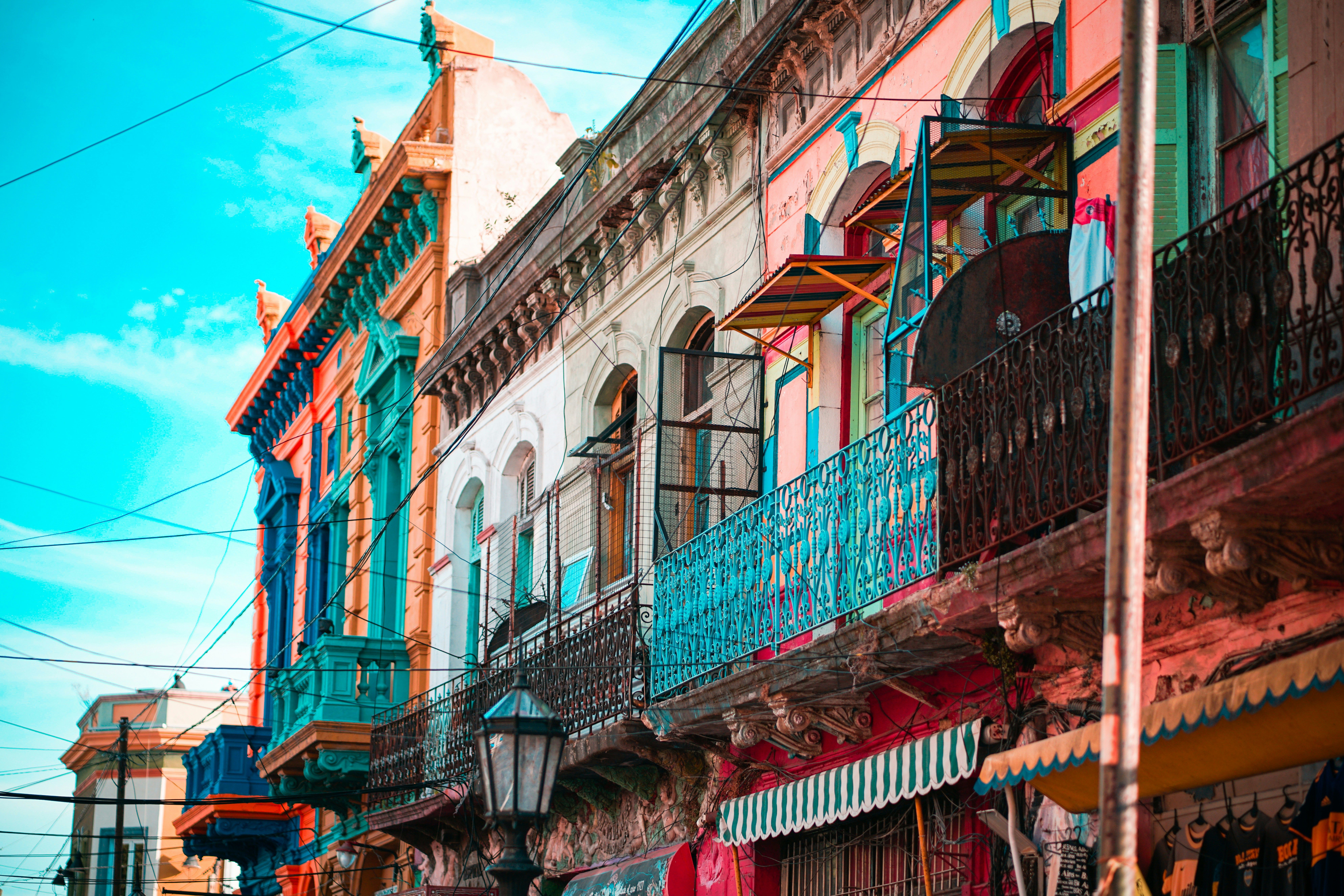
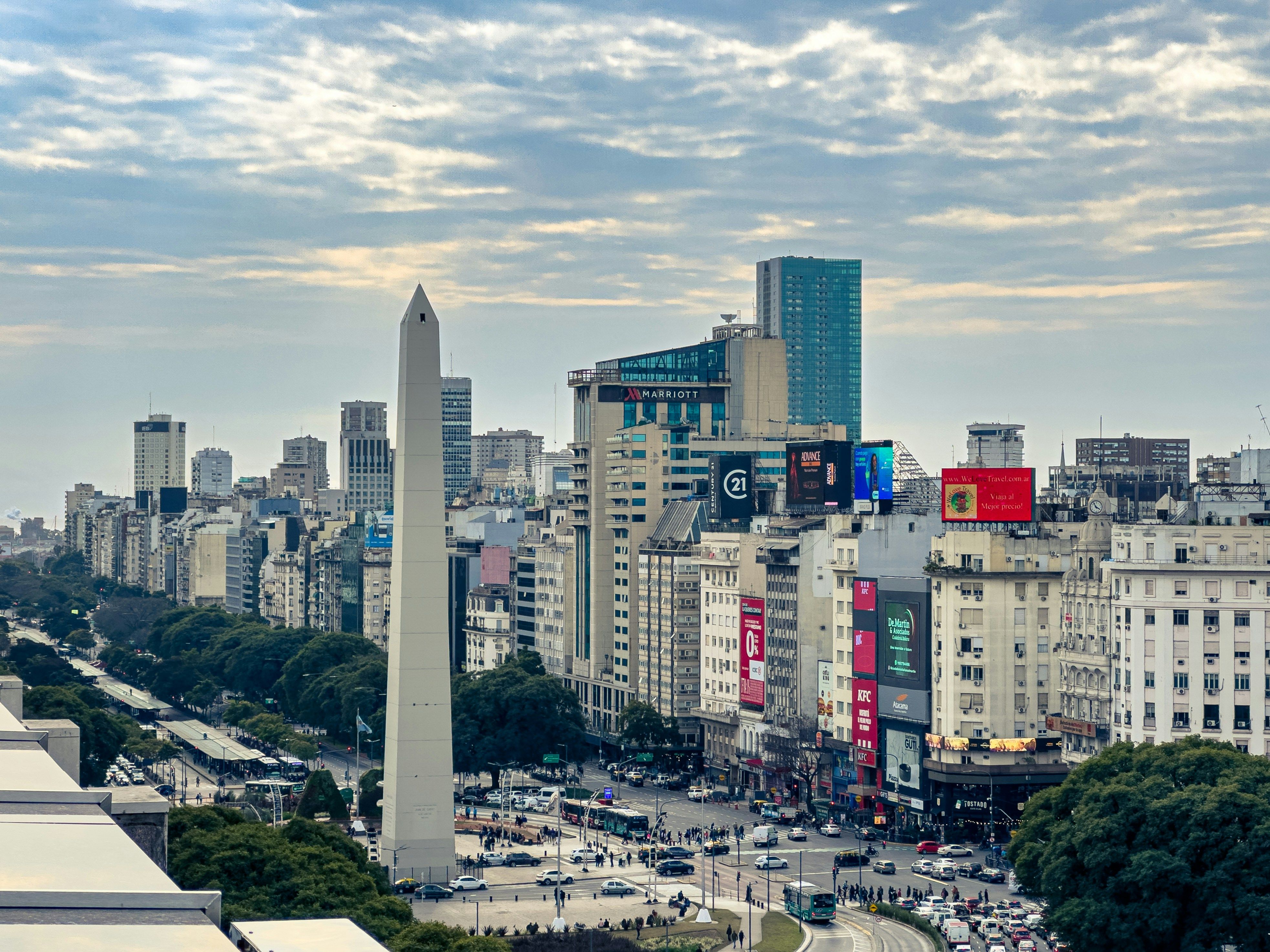
Buenos Aires often appears at the start or end of South American and Antarctic itineraries. Too many passengers treat it as a place to sleep off the flight before heading south, which is a bit like visiting a restaurant solely to use the cloakroom.
The city’s official 24-hour itinerary moves through Recoleta, Plaza de Mayo, Puerto Madero, La Boca and San Telmo. It is technically possible. It is also a lot of Buenos Aires to process before dinner.
An extra day gives its neighbourhoods room to register. Recoleta has grand architecture, museums and its famous cemetery. La Boca has Caminito and the city’s football mythology. San Telmo brings cobbled streets, antiques, markets and tango, while Palermo offers restaurants, bars and design shops. The city tourism board describes these neighbourhoods as distinct experiences rather than interchangeable stops, which is exactly why racing through all of them in one afternoon feels slightly deranged.
More importantly, Buenos Aires keeps late hours. Dinner is not something to be squeezed in before an early show. It is the evening. Stay overnight and you can eat steak or pasta at a proper porteño pace, see tango without checking your watch every six minutes, and understand why the city is routinely more memorable than the journey it was meant to precede.
Reykjavík: stay for the landscape beyond the harbour
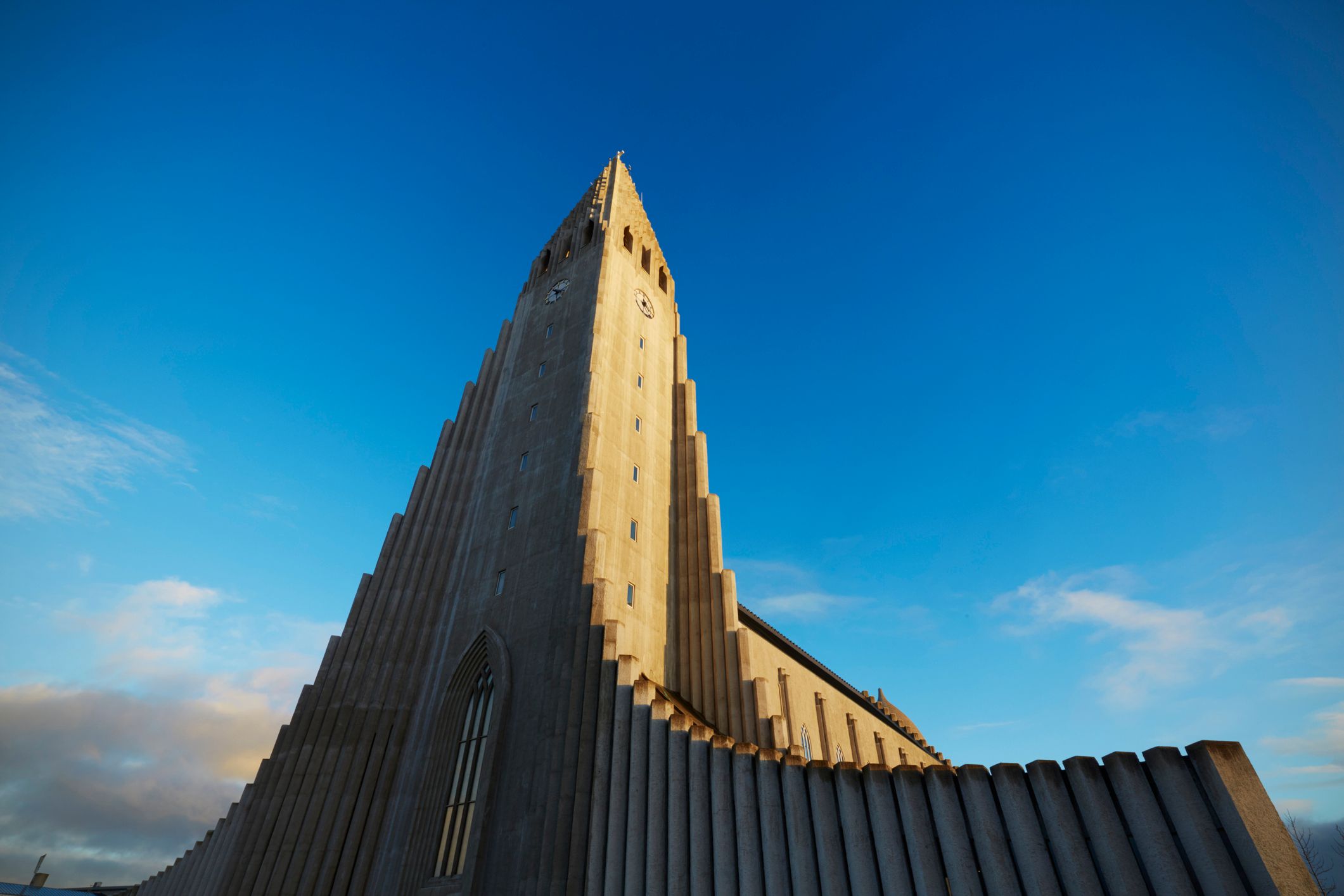
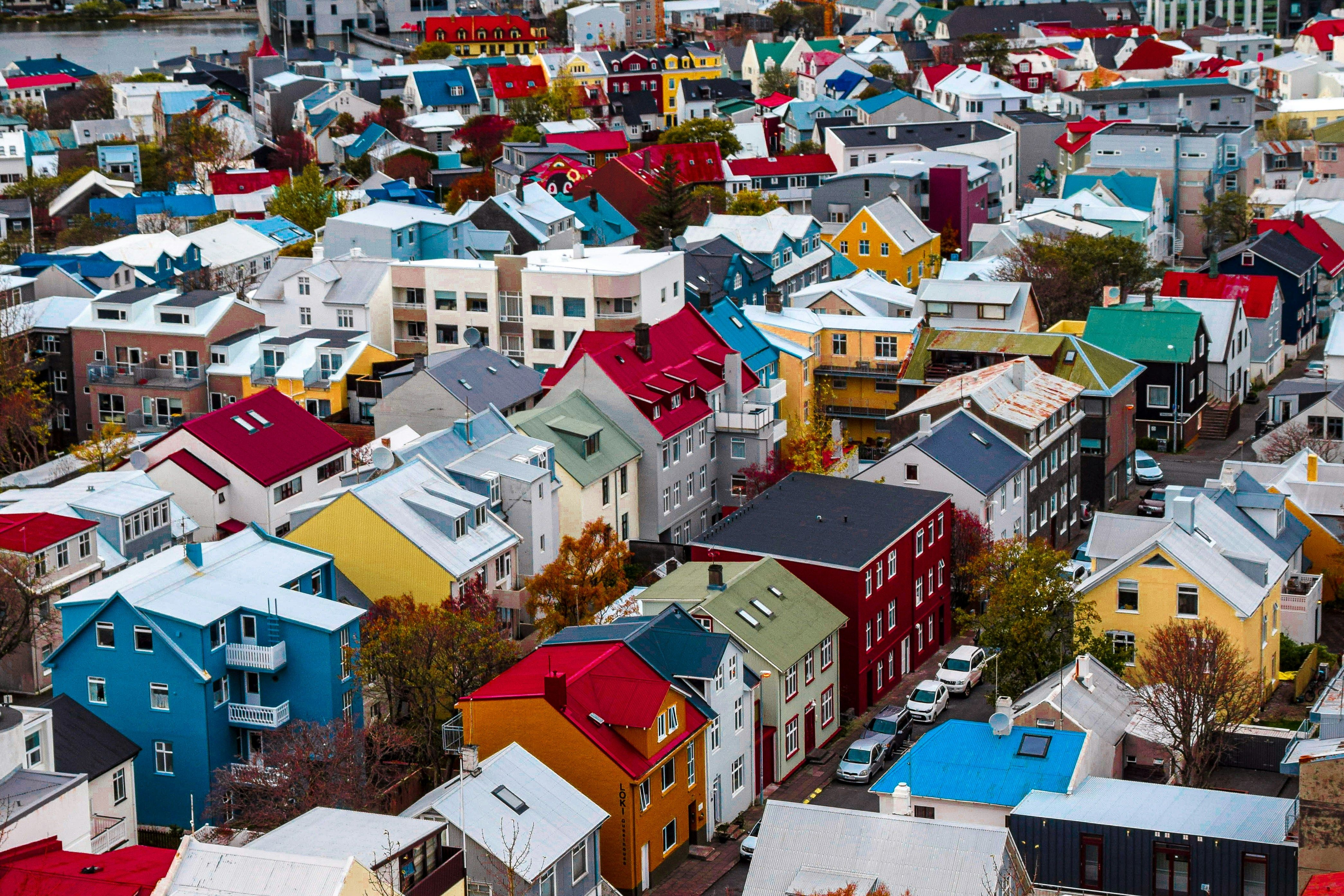
Reykjavík is compact enough to explore during a port call. Depending on where the ship docks, you can reach the old harbour, Grandi, the city centre, museums and restaurants without much difficulty. Miðbakki is particularly central, while larger ships often use terminals farther east.
A day in the city can cover Hallgrímskirkja, Harpa, the waterfront, Laugavegur and one of Reykjavík’s public pools. That is a good day, especially if you have accepted that Icelandic weather may require several versions of the same outfit before lunch.
The reason to stay longer is what lies outside the centre. A full extra day opens up the Golden Circle, including Þingvellir National Park, the Geysir geothermal area and Gullfoss waterfall. Other options include whale watching, lava landscapes, hot springs or a slower day exploring Reykjavík’s museums and swimming culture.
The mistake is using the extra day to attempt the Golden Circle, South Coast, Blue Lagoon, whale watching and a meaningful relationship with the city. Iceland is large, roads take time and geysers remain stubbornly unwilling to coordinate with your lunch reservation.
Choose one proper excursion, then leave space for Reykjavík itself.
Québec City: stay after the day visitors leave
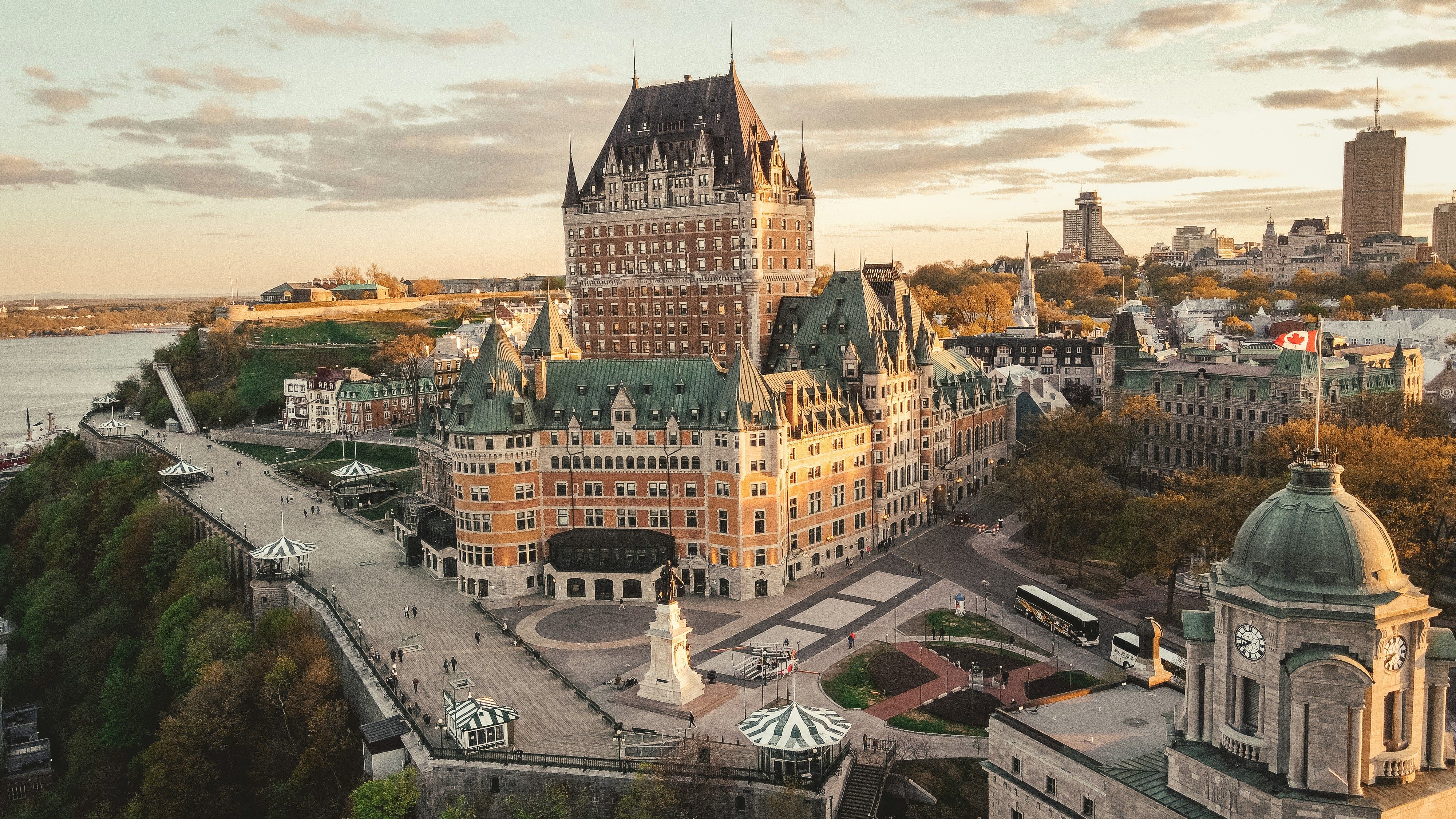
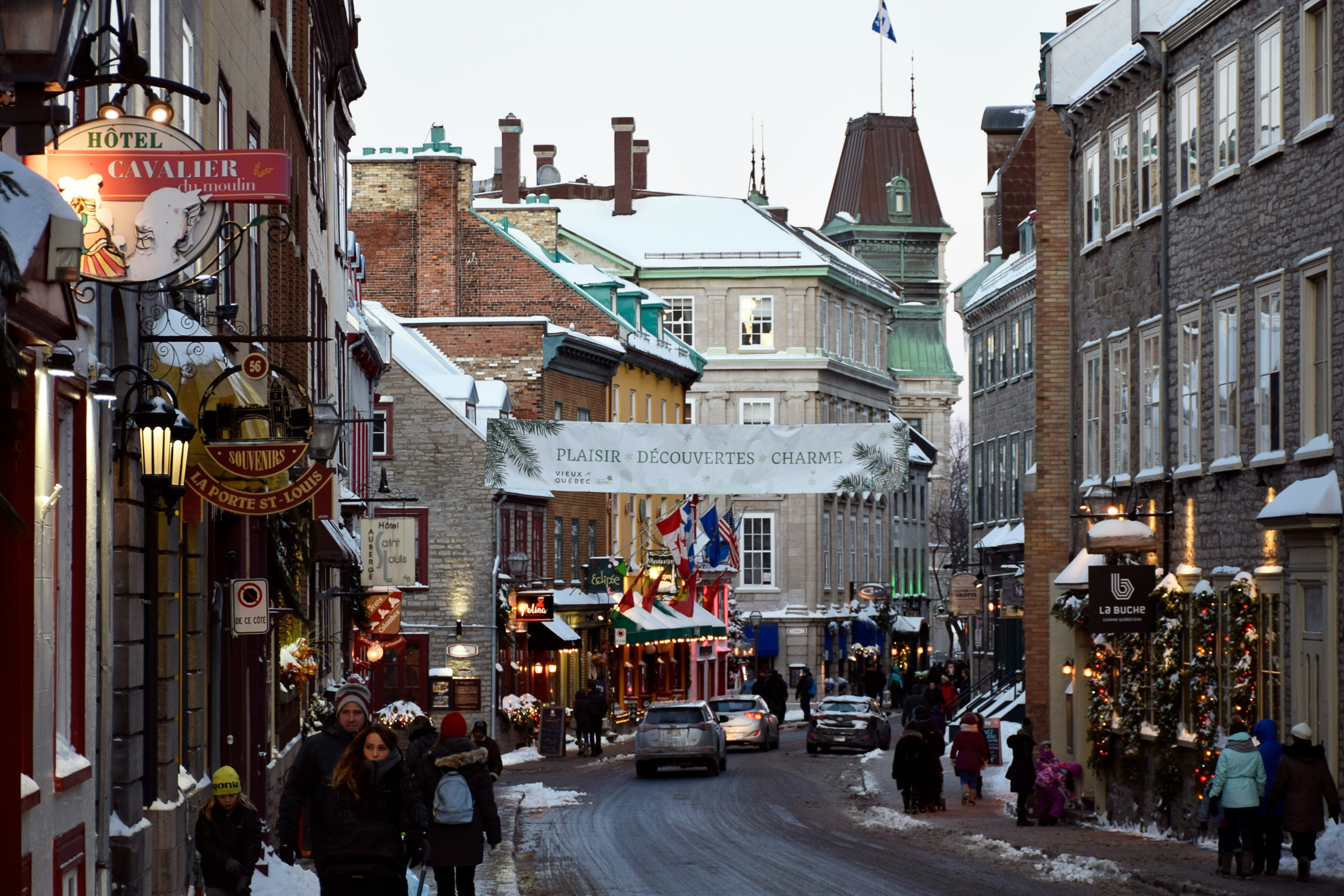
Québec City is one of the easiest cruise ports to enjoy immediately. The terminals sit close to the Lower Town, Petit-Champlain and the historic centre, so passengers can walk from the waterfront into one of North America’s most atmospheric old cities.
A port day is enough for Place Royale, Petit-Champlain, Dufferin Terrace, Château Frontenac and the lanes of Old Québec. The official tourism guide describes the old city as an open-air museum, and it does have the slightly suspicious prettiness of somewhere that appears to have been dressed for filming.
Stay overnight, though, and the city becomes less like a heritage display. You can have dinner after the busiest groups have gone, walk the illuminated streets and spend the next day beyond the walls.
Montmorency Falls is about 15 minutes from Old Québec and stands 83 metres high, around 30 metres higher than Niagara Falls. Île d’Orléans, also nearby, adds farms, villages and regional food. Both are difficult to fit comfortably around a short port call without turning the day into a campaign.
Québec City is attractive during the day. In the evening, when the streets quieten and Château Frontenac lights up above the river, it becomes very hard to leave.
Vancouver: stay for the city between ocean and mountains
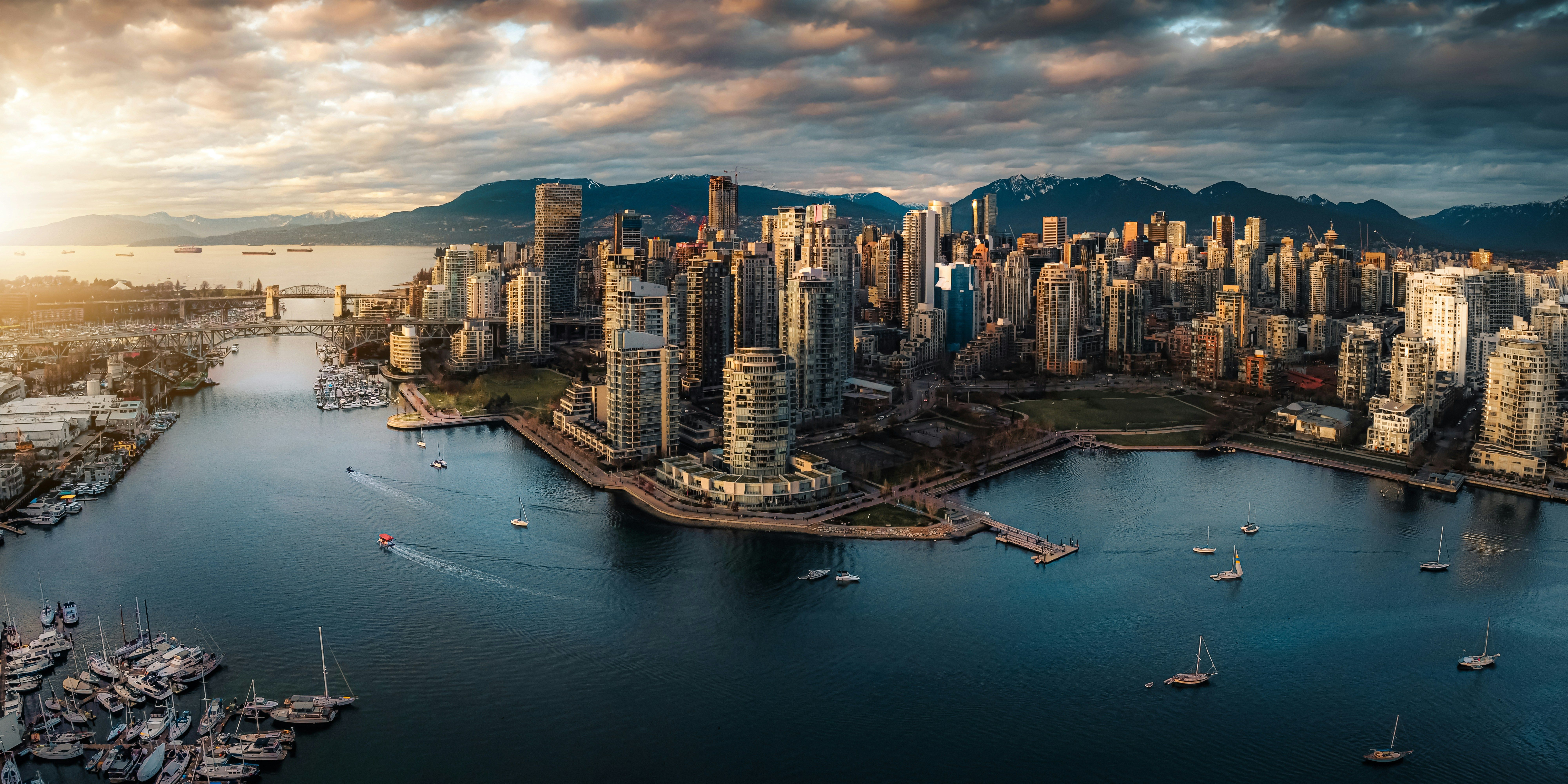
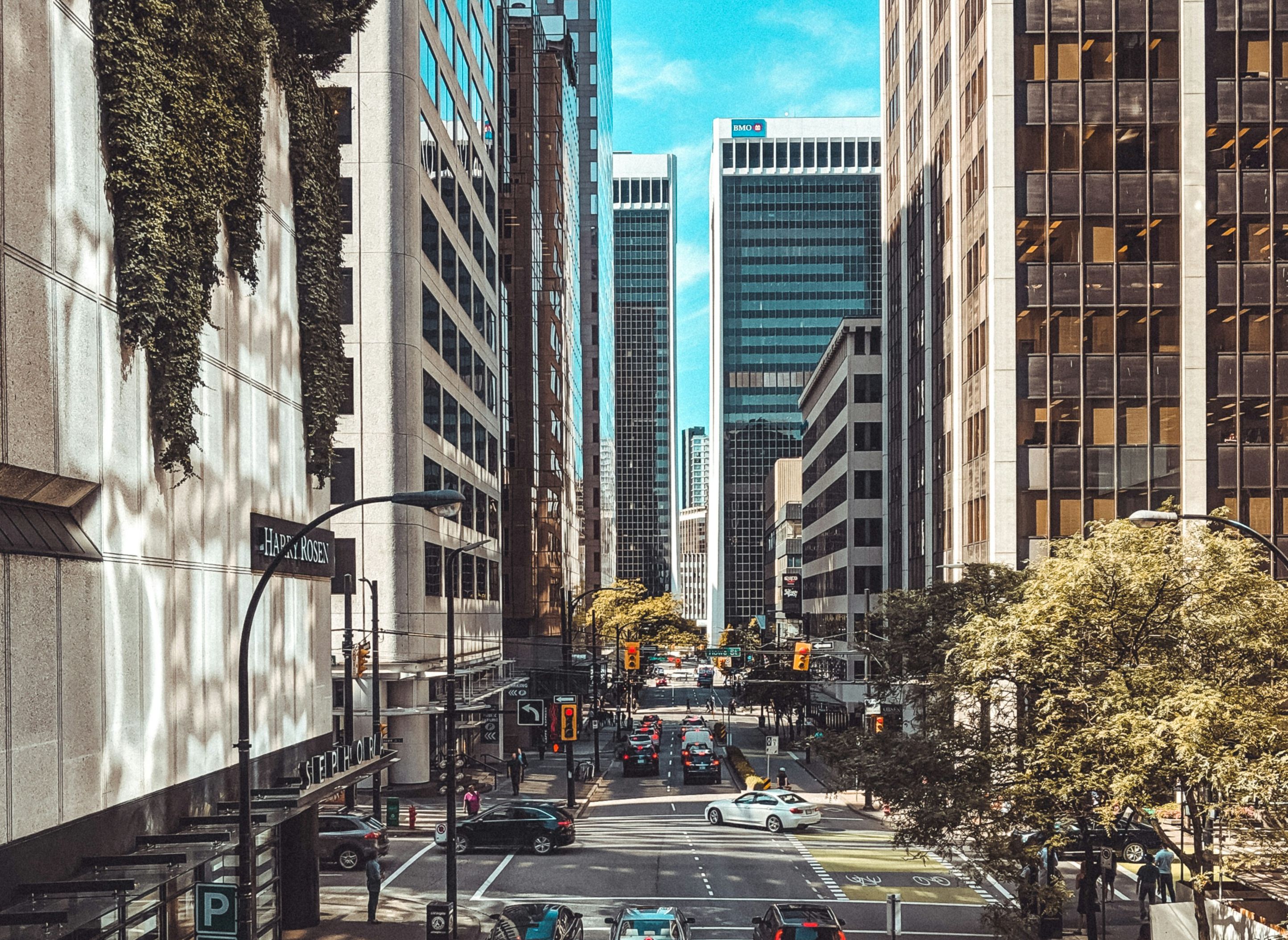
Vancouver’s cruise terminal has one enormous advantage: it is in the centre of the city.
Canada Place sits on the downtown waterfront, close to Gastown and within easy reach of Stanley Park, restaurants, hotels and public transport. This makes Vancouver far easier than ports where the advertised city is a motorway and a packed lunch away.
A single port day can cover the Stanley Park Seawall, Gastown and perhaps Granville Island. But staying overnight allows you to stop treating Vancouver as a list of attractive outdoor things that must be completed before all aboard.
With another day, you can cycle Stanley Park properly, take the Aquabus across False Creek, spend time at Granville Island Public Market, explore the city’s food scene or head into the mountains. Grouse Mountain, Capilano Suspension Bridge, whale-watching trips and North Vancouver all become realistic once the ship’s departure time is no longer looming over breakfast.
Vancouver is especially worth extending before an Alaska cruise. The city introduces the same combination of water, forest, wildlife and mountains, but with very good sushi and considerably fewer discussions about what time the glacier viewing begins.
Athens: stay for the city beyond the Acropolis

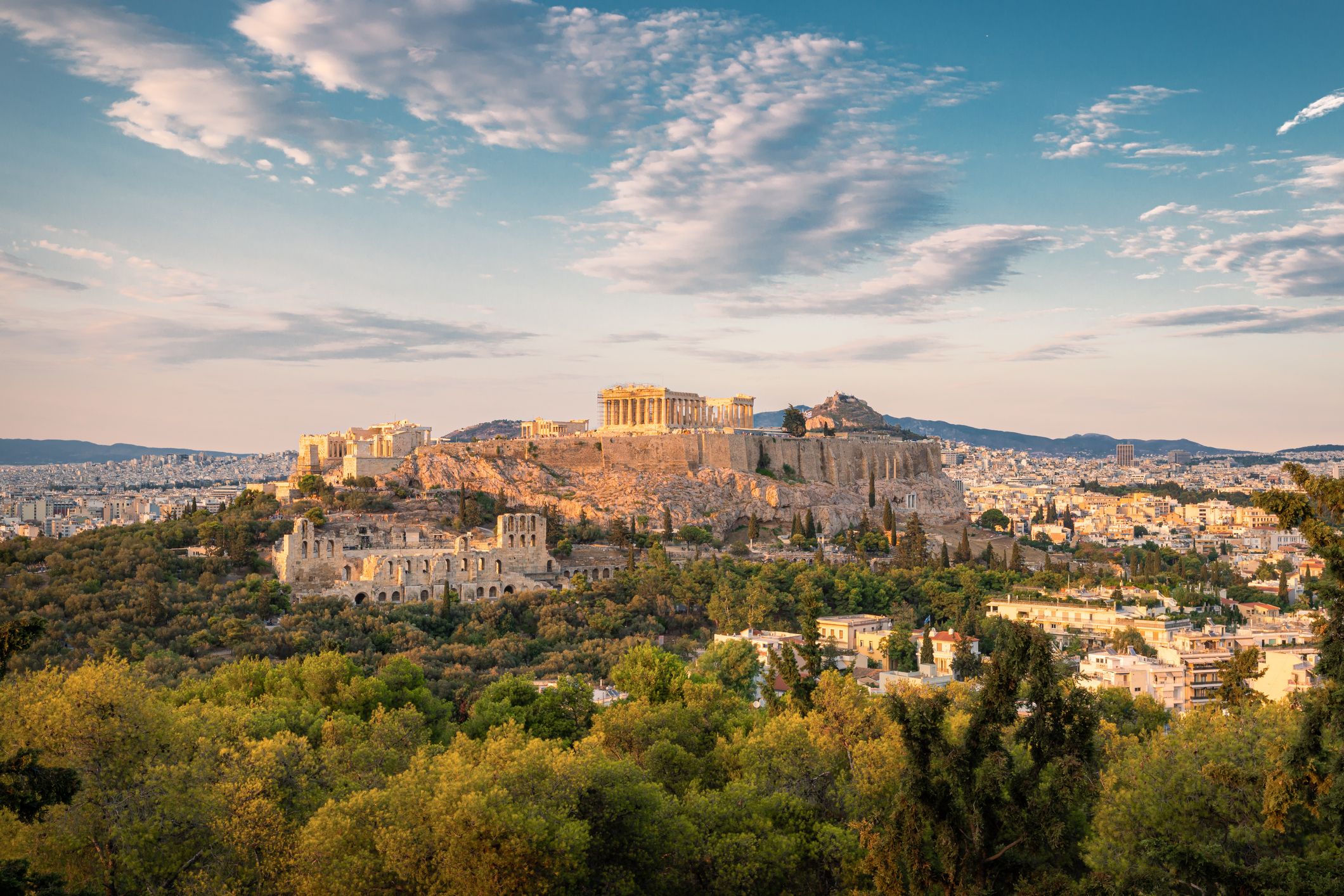
Cruise passengers arrive through Piraeus, roughly 10 kilometres from central Athens. Metro Line 3 connects the port with Syntagma Square in about 20 minutes, so the city is accessible, but not quite sitting outside the gangway wearing a laurel wreath.
On a port day, most visitors understandably prioritise the Acropolis, Acropolis Museum and Plaka. That already makes for a full and fairly warm day, particularly in summer when the marble seems to have entered into a personal arrangement with the sun.
An extra night lets Athens become a living city rather than a race through antiquity. Walk around Monastiraki after dark, have dinner in Koukaki or Pangrati, visit the Ancient Agora without staring nervously at the time, and explore the National Archaeological Museum or contemporary art scene the following morning. The official Athens guide highlights Koukaki as a neighbourhood where ancient sites sit alongside cafés, bars and pedestrian streets, while Piraeus itself has a strong seafood culture that deserves more than being seen through a taxi window.
Athens also rewards the evening. The heat drops, tables fill, the Acropolis glows above the city and everyone appears to remember that dinner needn’t begin at 6pm.
Singapore: stay for the food and the city after sunset
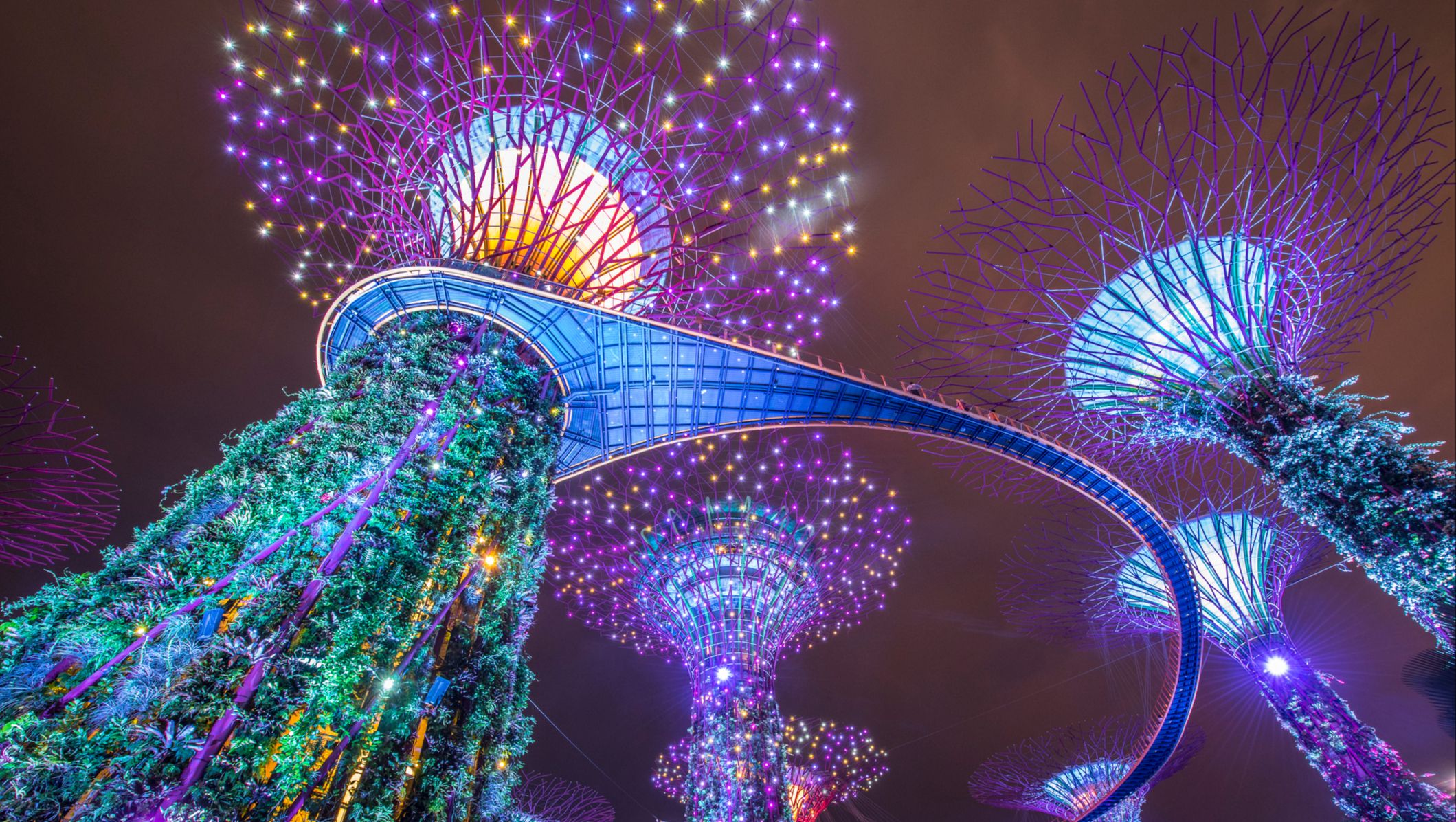

Singapore, Asia
Singapore is one of the world’s great stopover cities, which can lead travellers to assume that 24 hours is plenty. It is enough to see Marina Bay, Gardens by the Bay and perhaps one historic neighbourhood. It is not enough to understand why people become extremely emotional about hawker centres.
The official tourism board’s 24-hour itinerary includes the city’s cultural districts, Marina Bay and the Supertrees at Gardens by the Bay. It is an efficient introduction, although using Singapore purely for efficiency feels rather like visiting a bakery to admire its queue management.
Stay another day and you can slow down. Explore Chinatown, Little India or Kampong Gelam properly, visit the National Gallery or Botanic Gardens, then spend the evening eating your way through a hawker centre. Singapore’s cultural and food identities become much clearer when they are not compressed between airport transfers.
The city is also at its best after dark. Marina Bay lights up, the humidity becomes marginally less confrontational, and the choice between one more plate of satay and returning to the hotel becomes laughably easy.
Singapore is smooth enough to make a short visit work. The danger is mistaking smoothness for smallness.
How to plan an extra day before or after your cruise
The safest option is usually to add the night before embarkation rather than relying on a same-day flight. It gives you protection against delays and means your first sight of the ship won’t be from the back of a taxi while making several increasingly unconvincing promises to the universe.
Check where the ship actually docks before choosing a hotel. Tokyo may mean Tokyo or Yokohama. Athens means Piraeus. Vancouver’s terminal is central, while Reykjavík’s different berths vary in convenience.
Think about luggage, too. A centrally located hotel, port transfer or reliable storage facility can rescue a final day from becoming a prolonged relationship with two suitcases. Athens, for example, now has luggage services at Piraeus, including storage and bag delivery options.
Most importantly, don’t use the extra day simply to add more attractions. Use it to do the things cruise schedules are worst at: dinner, neighbourhood wandering, evenings, early mornings and the occasional hour in which nothing is being achieved.
Which cruise ports most deserve an extra night?
Tokyo and Buenos Aires need extra time because of their sheer scale. Reykjavík, Vancouver and Québec City reward it because the surrounding landscape becomes accessible. Athens and Singapore need it because their food, neighbourhoods and evening life are as important as their major sights.
One additional day won’t make any of these cities complete. That is not the aim.
It will, however, stop them feeling like a backdrop to embarkation. You will leave with something more useful than a photograph taken at speed and a vague intention to return one day.
Although, in Tokyo’s case, you will probably still need to return.