Hamburg in January is not anyone’s idea of balmy. Average highs sit at around 3°C and nights hover just below freezing, with about eight hours of daylight to play with.
Yet the city is built for weather like this. It is a working port first and a pretty backdrop second, which means that even in mid winter there is plenty to do within a short radius of the cruise terminal, and a reassuring amount of it comes with a roof and central heating.
This is how to make a short, cold day ashore a memorable one.
Getting from the ship into the city
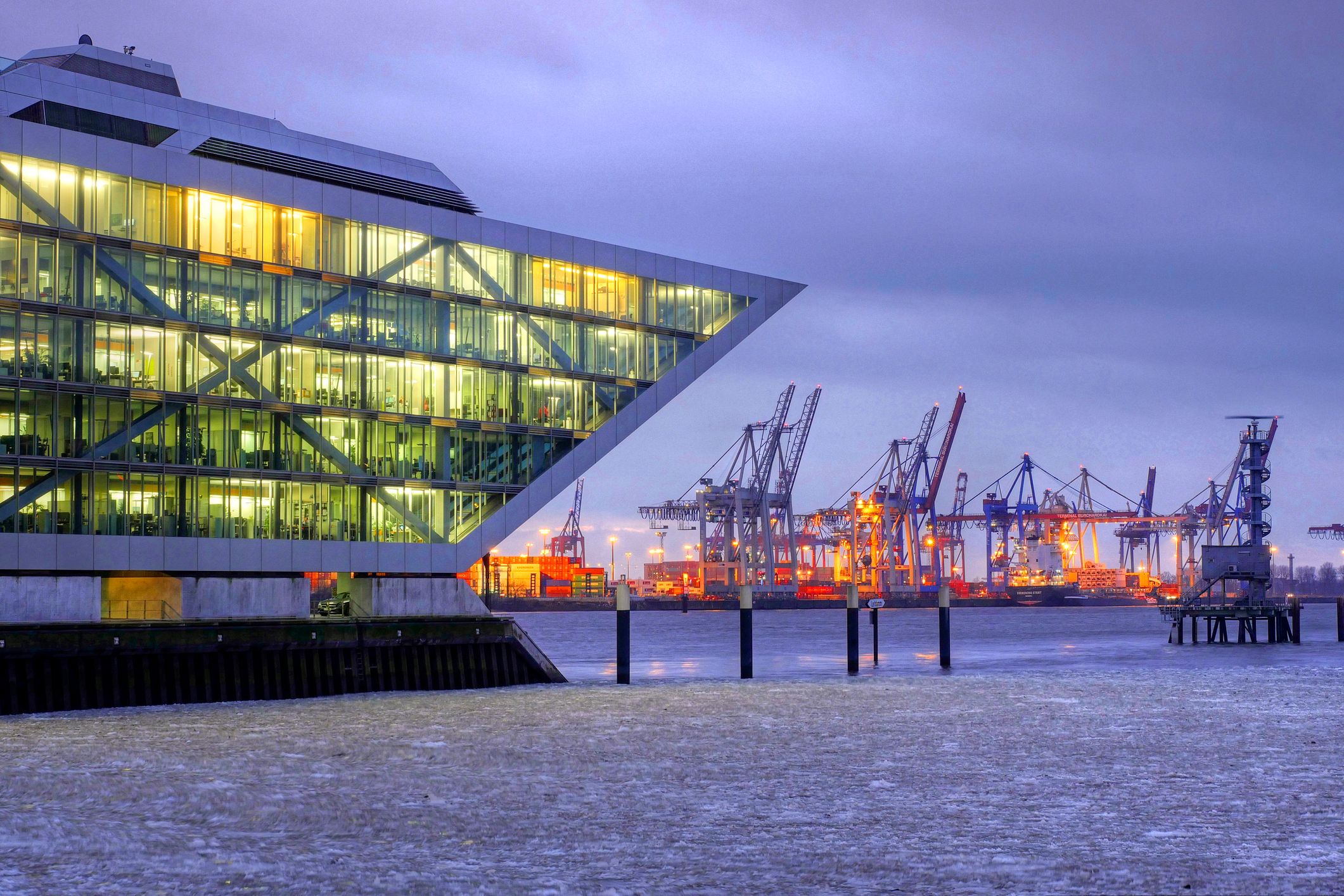

Most larger ships use Cruise Center Steinwerder, a purpose built terminal that sits on a peninsula in the port. It looks improbably remote when you first see it, but the connections are straightforward. Bus line 256 links the terminal with Veddel S-Bahn and the Elbbrücken interchange in about twenty to thirty minutes, with onward trains into the main station and city centre. There is also the option to walk to the Argentinienbrücke stop and pick up buses or a short ferry hop to Landungsbrücken for the U and S Bahn.
Smaller or more central calls may use the Hafencity or Altona cruise centres. Hafencity is within walking distance of the Elbphilharmonie and Speicherstadt, helped along by local bus routes such as the 111, while Altona is only a few minutes by S Bahn from the Landungsbrücken waterfront.
Once you reach the main waterfront, the rest is easy. Hamburg’s integrated public transport network covers buses, U Bahn, S Bahn and the harbour ferries on one ticket, and the Hamburg Card folds unlimited local transport together with discounts on museums and attractions.
Speicherstadt: red bricks, canals and warm museums

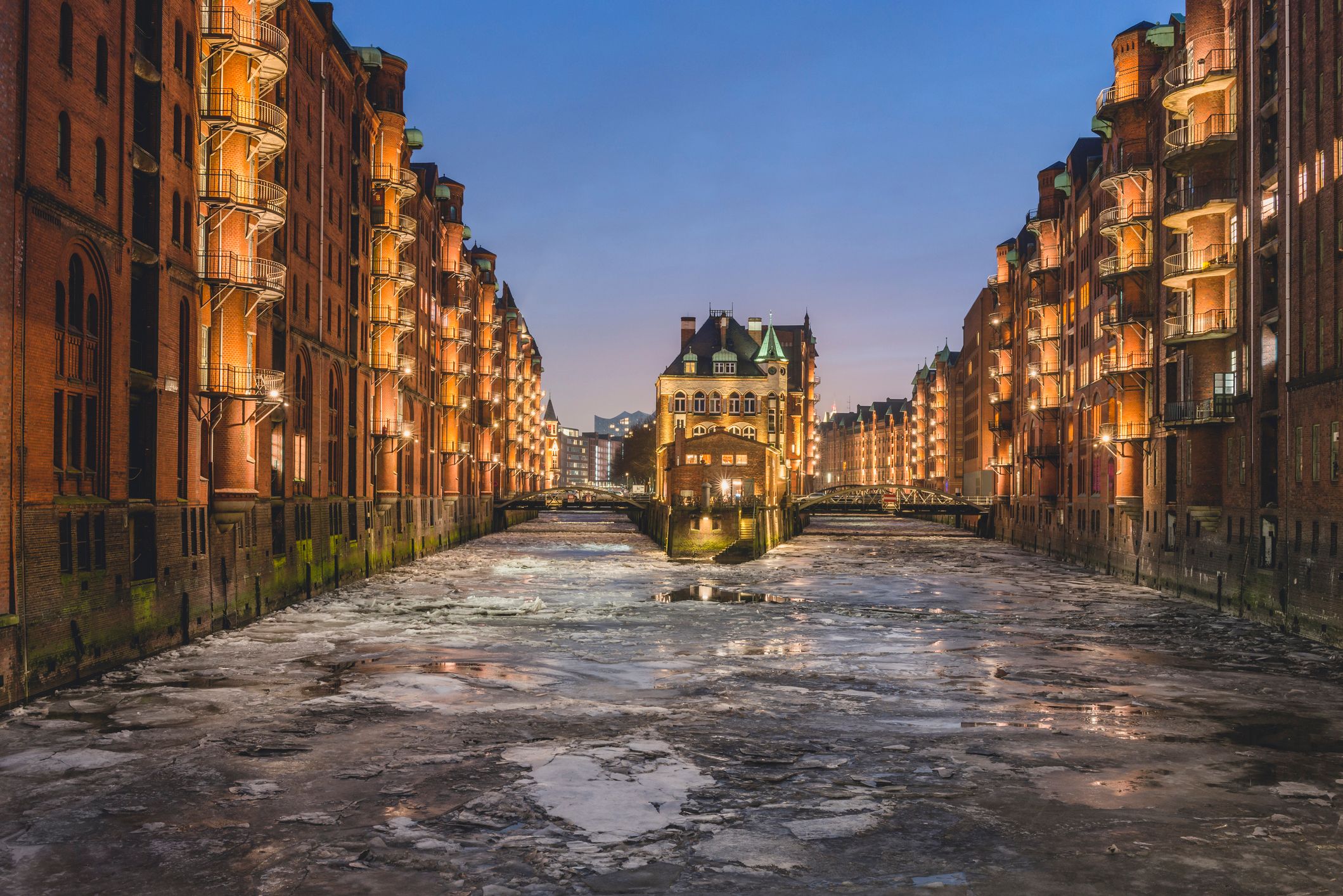
From Landungsbrücken or Baumwall it is a short walk into Speicherstadt, Hamburg’s historic warehouse district. Red brick blocks line narrow canals, linked by iron bridges and cobbled streets. The area was built between the 1880s and 1920s as a free port zone where goods could be stored without customs, and today it is recognised as the largest historic warehouse complex in the world. UNESCO added Speicherstadt and the neighbouring Kontorhaus district, with its Chilehaus office building, to the World Heritage list in 2015 for their architecture and role in the city’s trading history.
In summer people drift around on canal tours. In January, the streets are quieter and the charm is more atmospheric than photogenic. This is not a problem, because Speicherstadt hides some of Hamburg’s most useful winter attractions. The best known is Miniatur Wunderland, the enormous model railway and miniature world that occupies several floors of former warehouses, and can happily absorb a couple of hours while the weather does whatever it likes outside. Other options include the International Maritime Museum and Spicy’s spice museum, both close enough to fold into the same loop.
Even if you do not step inside a single museum, a walk through Speicherstadt gives you a sense of Hamburg’s scale and history. It feels appropriately northern: handsome, practical, not in the least deterred by a bit of drizzle.
Indoor viewpoints with actual heating
If you want to understand the city, you need to see it from above. Fortunately, Hamburg has worked out how to combine viewpoints with indoor space.
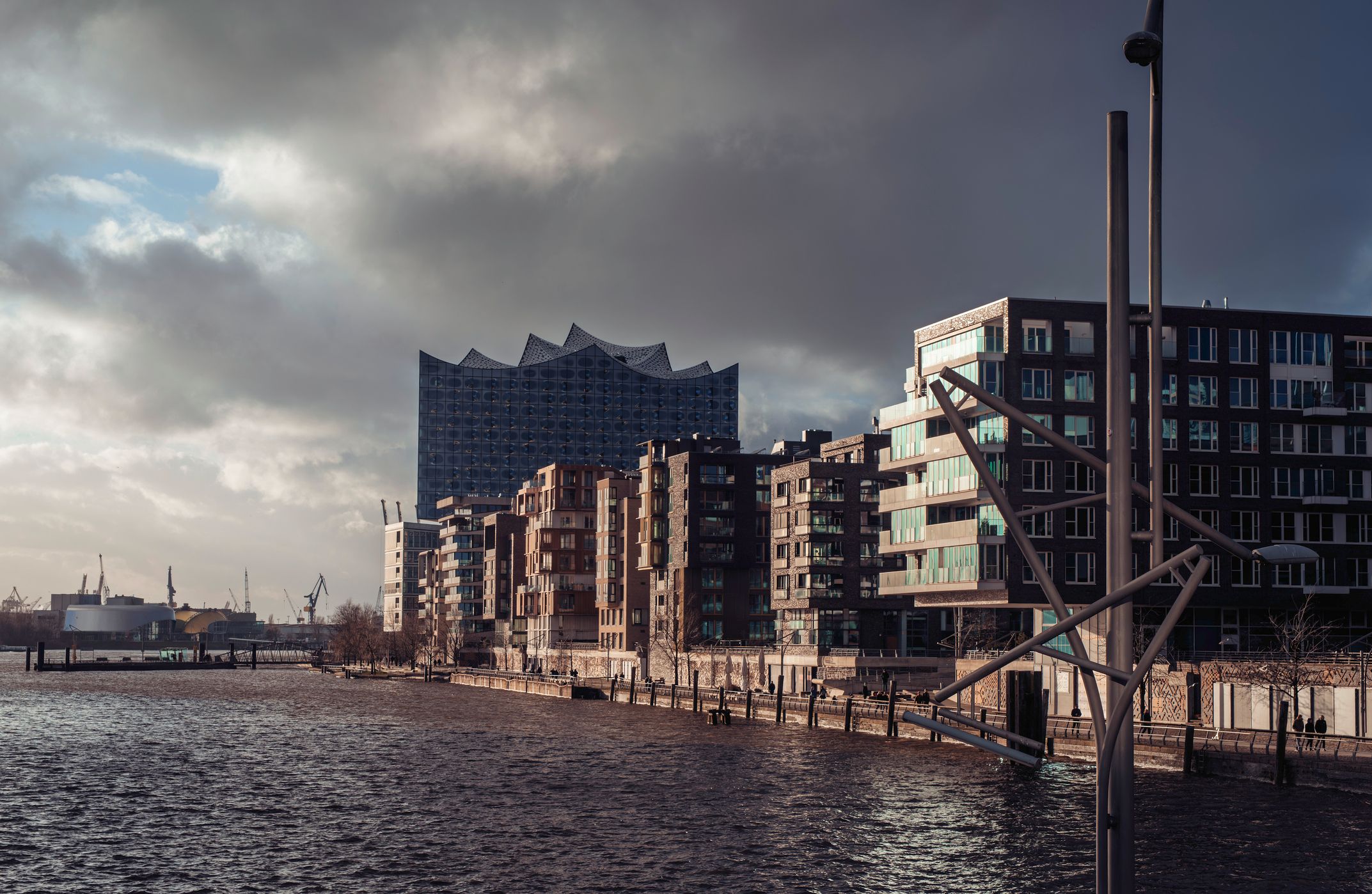
The most striking option is the Elbphilharmonie Plaza, a public viewing level set between the brick base and glass concert hall of the Elbphilharmonie. The Plaza sits around thirty seven metres above the harbour and wraps around the building, offering wide views of the port, the river and the city skyline. It is open daily, with free entry by timed ticket, and reached via a long, enclosed escalator that feels like a dry run for the orchestra pit.
If you prefer something more traditional, St Michael’s Church, known locally as the Michel, has a tower with a viewing platform over one hundred metres above the Elbe. The church is one of Hamburg’s key landmarks and its tower can be accessed by lift or by roughly four hundred and fifty steps, depending on how energetic you are feeling after a night at sea. Winter opening hours are shorter than in summer, but the tower is generally open during the daytime and the view takes in both the harbour and the city centre.
Either way, you get a sense of how the city slots around its water. You also get a few minutes out of the wind, which in January is not to be underestimated.
Coffee culture that earns its reputation
Hamburg has a long history with coffee imports and has quietly developed a serious speciality coffee scene, often referred to as third wave. Local tourism guides now talk about a network of roasteries and cafés across the city, from Spielplatz Kaffee and Stockholm Espresso Club to Hermetic Coffee Roasters and others.
For a cruise passenger with only one day, the best approach is to use coffee as a way to structure your route rather than as a hobby in itself. In and around Speicherstadt you will find places like Speicherstadt Kaffeerösterei, where the smell of roasting beans does a lot to compensate for the temperature outside. Reviews praise its relaxed atmosphere, good value and alarming selection of cakes and waffles, which all help to restore feeling to your fingers.
If you wander slightly further into the city centre or towards districts like the Schanzenviertel, you will find more independent cafés than you can reasonably visit in one port stop. This is not a problem. Pick one, enjoy it, and treat the rest as an argument for coming back.
Using public transport without thinking too hard
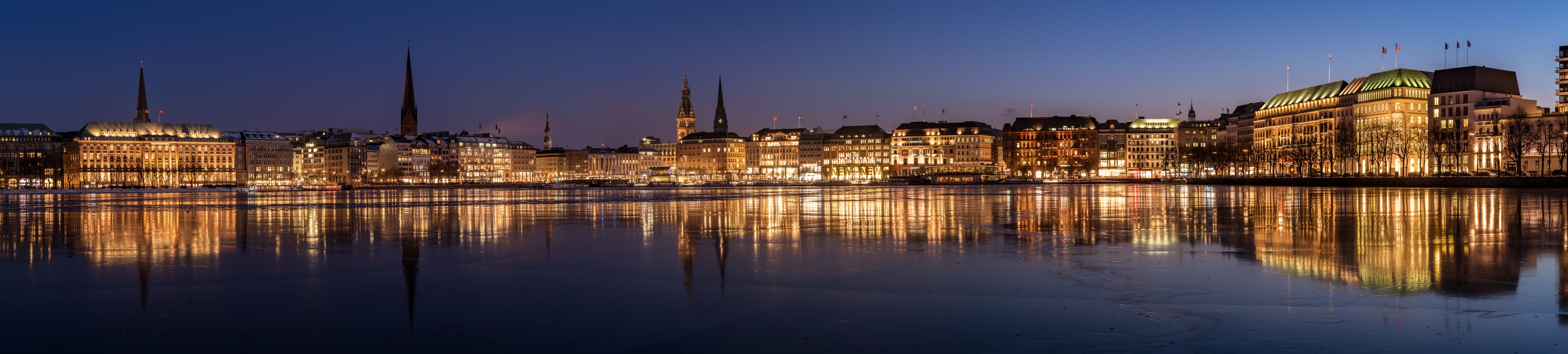
Hamburg is one of those cities where public transport is straightforward enough that you do not need to spend half your port day decoding it. Buses, U Bahn, S Bahn and the harbour ferries all sit under the HVV network, and a single or day ticket covers the lot.
For cruise passengers, the most useful trick is to treat the ferries as both transport and sightseeing. Routes operated by HADAG link the Landungsbrücken piers with stops along the Elbe, and they are included in standard HVV tickets and the Hamburg Card. Tourist information cheerfully points out that this turns an ordinary ferry ride into a low cost harbour tour, without the commentary but also without the organised excursion price tag.
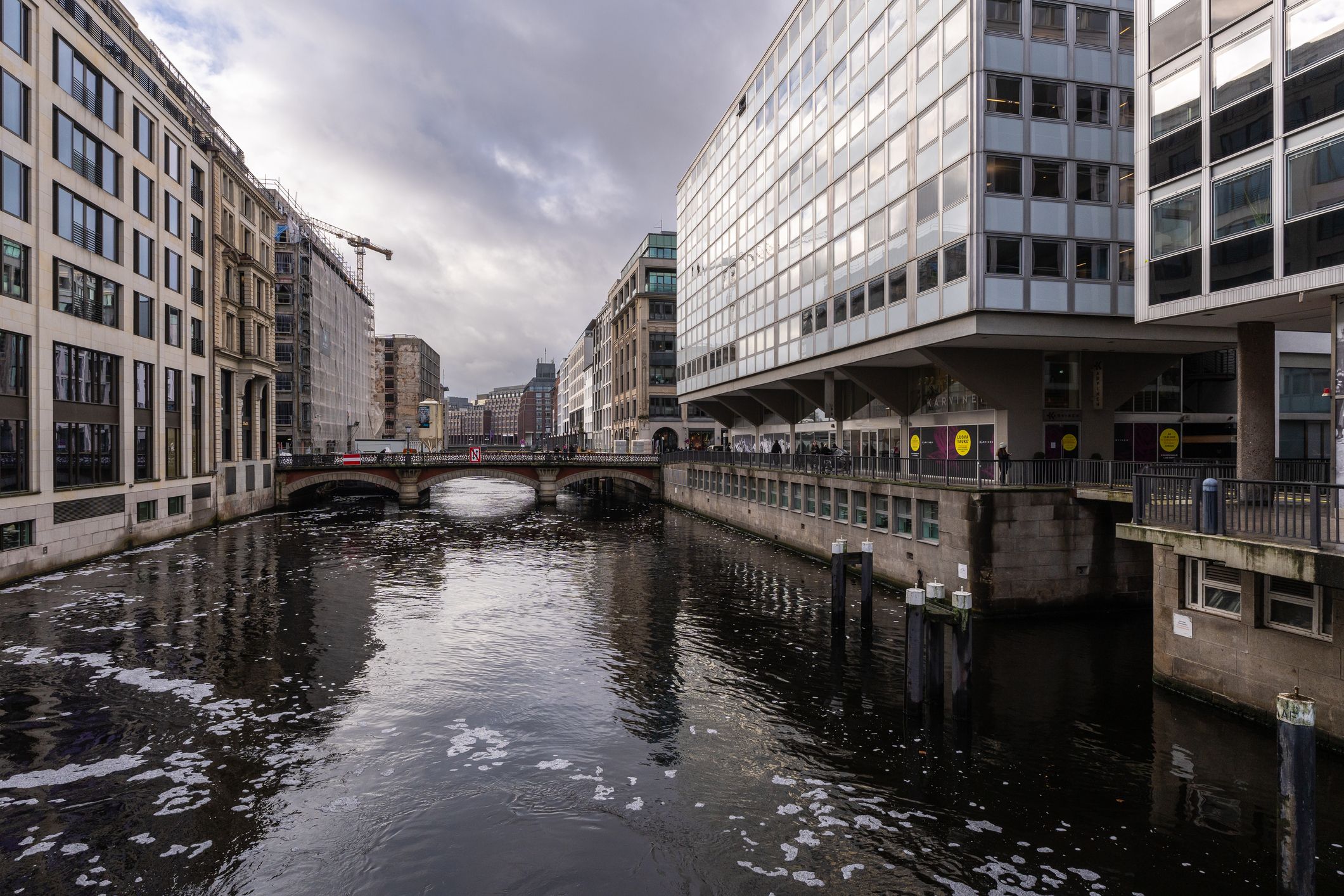
If you prefer tracks to waves, the elevated U3 line does a loop around central Hamburg and the harbour, giving you a moving overview of the city. Stopping off at stations like Landungsbrücken, Baumwall, Rödingsmarkt and St Pauli lets you stitch together the waterfront, Speicherstadt and the city centre without feeling like you are on a route march.