
Adriatic itineraries have a habit of lining up the same three names: Kotor, Dubrovnik, Split. On paper it sounds idyllic. In practice, you step off the ship three days in a row, walk through another gate in another wall and might begin to wonder if you're just collecting cobbles.
Handled properly, though, these ports represent three very different days out. The trick is timing, a small amount of planning and perhaps some willingness to walk uphill while everyone else is still enjoying the breakfast buffet.
This is how to thread the three together and see the best of each...
Day one: Kotor, climb first, coffee later


Sailing into the Bay of Kotor is the warm up act. The ship slips between steep mountains, past small church-topped islets and sleepy villages, and then seems to park itself directly in front of a stone Lego set labelled “Old Town”. Kotor’s medieval core sits just across the road from the tender pier, which makes logistics blissfully simple.
The two classic ways to spend a few hours here are to wander the alleys inside the walls or to climb to the fortress of St John above them. Ideally, do both, but personally, I'd start with the climb.
The path to the fortress is a reasonably lengthy staircase. Around 1,300 stone steps zigzag their way up the hill, gaining a couple of hundred metres of height and taking most people two hours or so for a return trip with photo stops. There is a ticket booth tucked into the old town walls where you pay a small fee for the priviledge, then you follow the route up past chapels, towers and viewpoints until the bay opens out below you in a “yes, ok, this view was worth the effort” type of way.
This is a walk for the morning, before the sun has fully got its act together and before the rest of day’s cruise passengers have entirely realised what is going on. Guides who know the town well advise going early both to avoid the heat and to stay one step ahead of the crowds that start spilling off tenders mid morning.
Once you have come back down and reintroduced your legs to horizontal ground, the rest of Kotor is pleasantly low key. The squares just inside the Sea Gate are ideal for a coffee and something flaky, with a view of the clock tower on Arms Square and a passing parade of cats that behave as if they own the place.
If you only do one thing in Kotor, make it the fortress climb. It gives you a sense of the geography, the bay and your ship’s very temporary relationship with this tiny walled town. If steps are not an option, wandering the alleys, St Tryphon Cathedral and the maritime museum, followed by a stroll along the waterfront, is a perfectly respectable Plan B.
Day two: Dubrovnik, walls, heights and escape routes
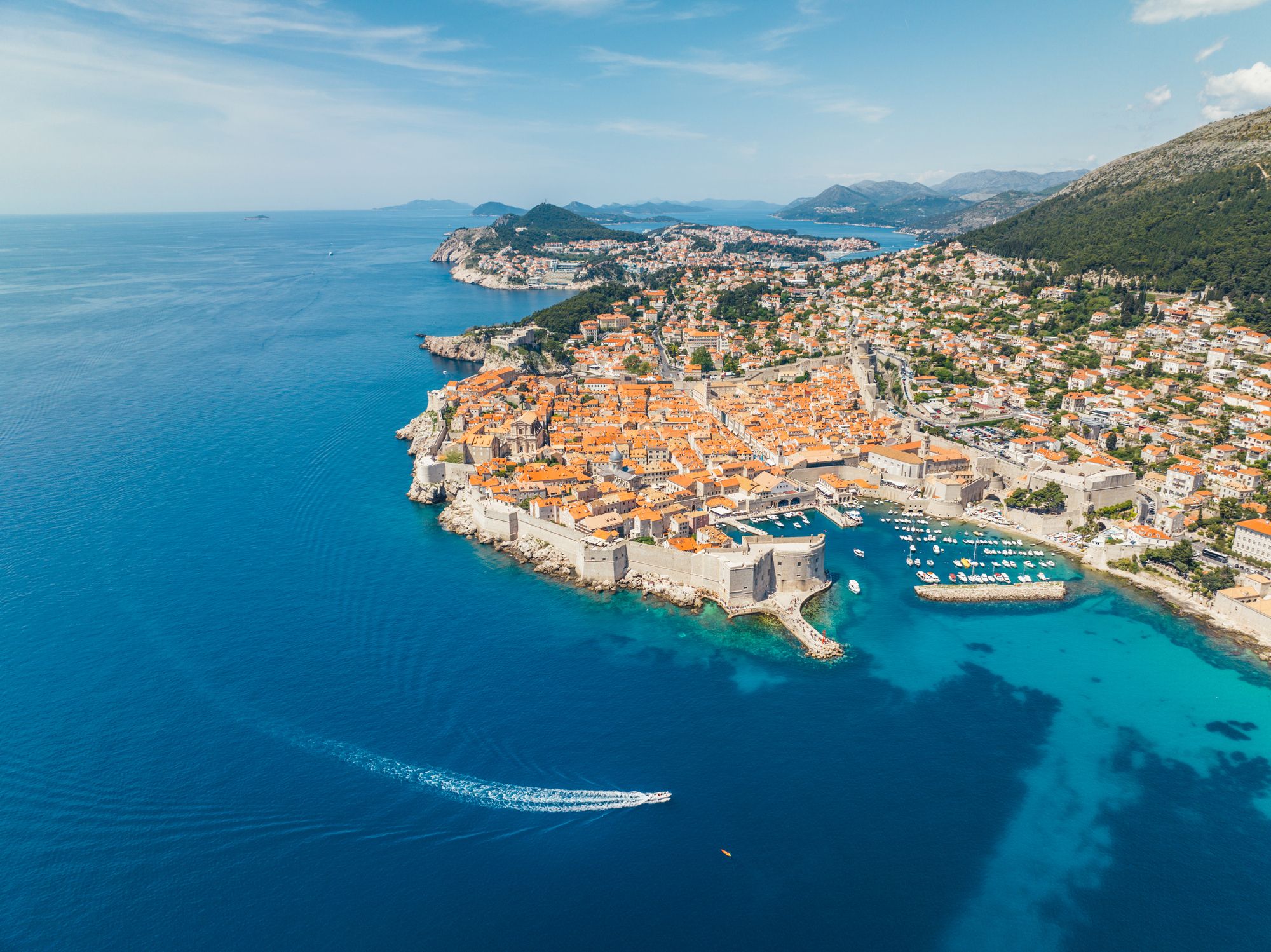
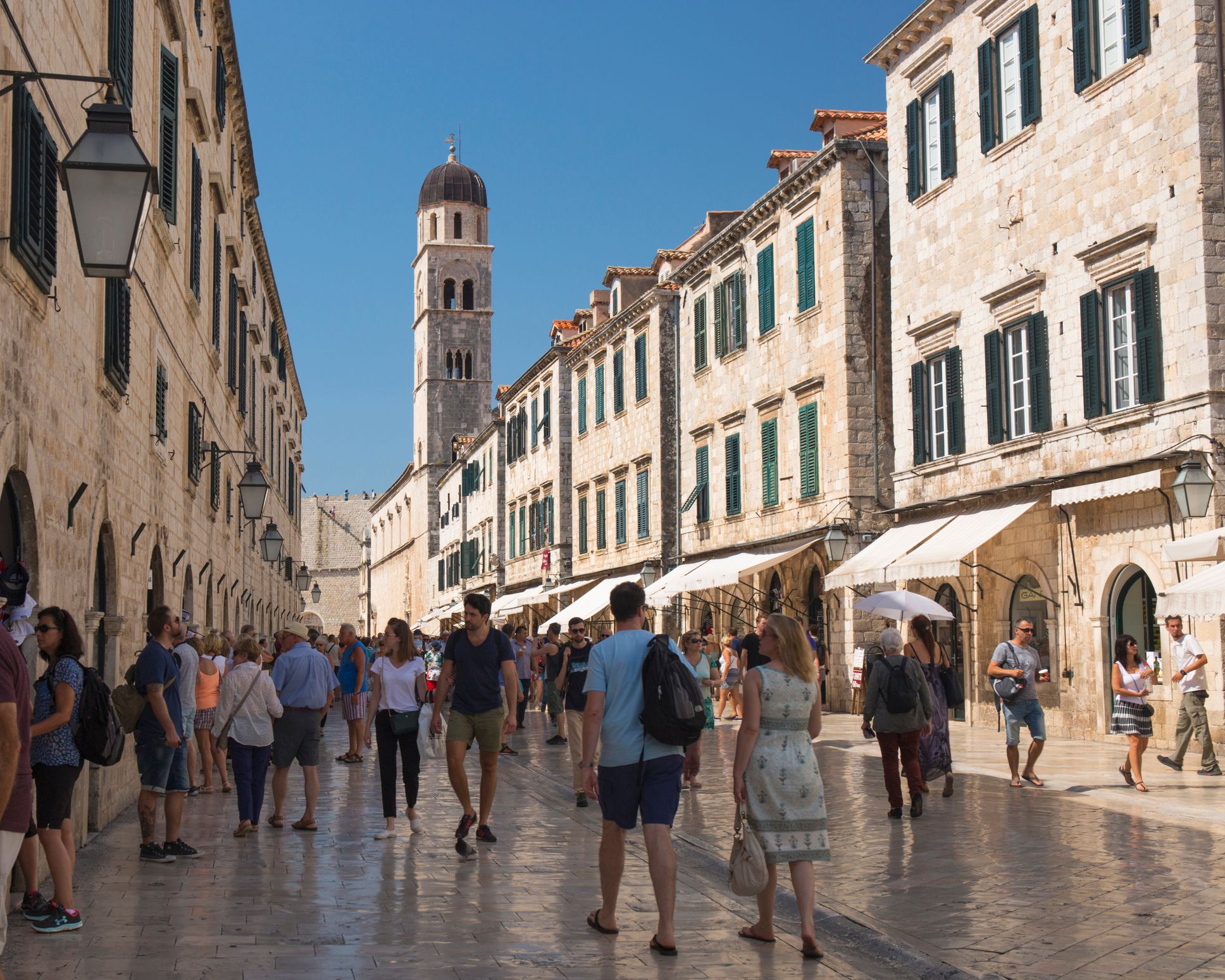
Next day, your ship edges into Dubrovnik. Most larger vessels dock at Gruž, a commercial harbour a short bus or taxi ride from the old town, which is useful because it keeps the bulk of cruise passengers away from the historic centre for at least ten minutes.
Dubrovnik is busy in any normal season and outright congested when several ships are in at once. Advice from just about everyone who has ever written about it can be summarised as “go early or go late”. The city walls open in the morning, and starting your circuit as close to opening time as your holiday habits allow is the single best way to get the views without shuffling along in a queue.
A full lap of the walls takes around an hour and a half at a wander, longer if you pause at every corner, which you likely will. Terracotta roofs fall away beneath you, the Adriatic glints beyond, and every so often you spot a Game of Thrones location and remember how much CGI was involved. The stone underfoot can be slick if it has rained, so grippy shoes are more useful than a GoTs themed cloak.
If you are entering from the cruise side, consider walking straight past the busy Pile Gate and coming in through Ploče Gate at the far end. Local guides often recommend this as a quieter way in, partly because it is further from the bus stops where everyone else is disgorged.
Once you have done the walls, you have a choice. If the streets feel too crowded, treat the old town as something to view from above rather than inside. The cable car up Mount Srđ is quick, not especially cheap but absolutely worth it on a clear day, giving you a high balcony view of the city, the islands and the line of the walls you have just walked.
Alternatively, hop on a boat to Lokrum island or the Elaphiti archipelago and swap alleys for pine trees and swimming spots. Both options are frequently recommended by people who love Dubrovnik but occasionally need a break from its popularity.
If you only do one thing in Dubrovnik, make it the walls. Everything else is a bonus.
Day three: Split, living inside a Roman palace
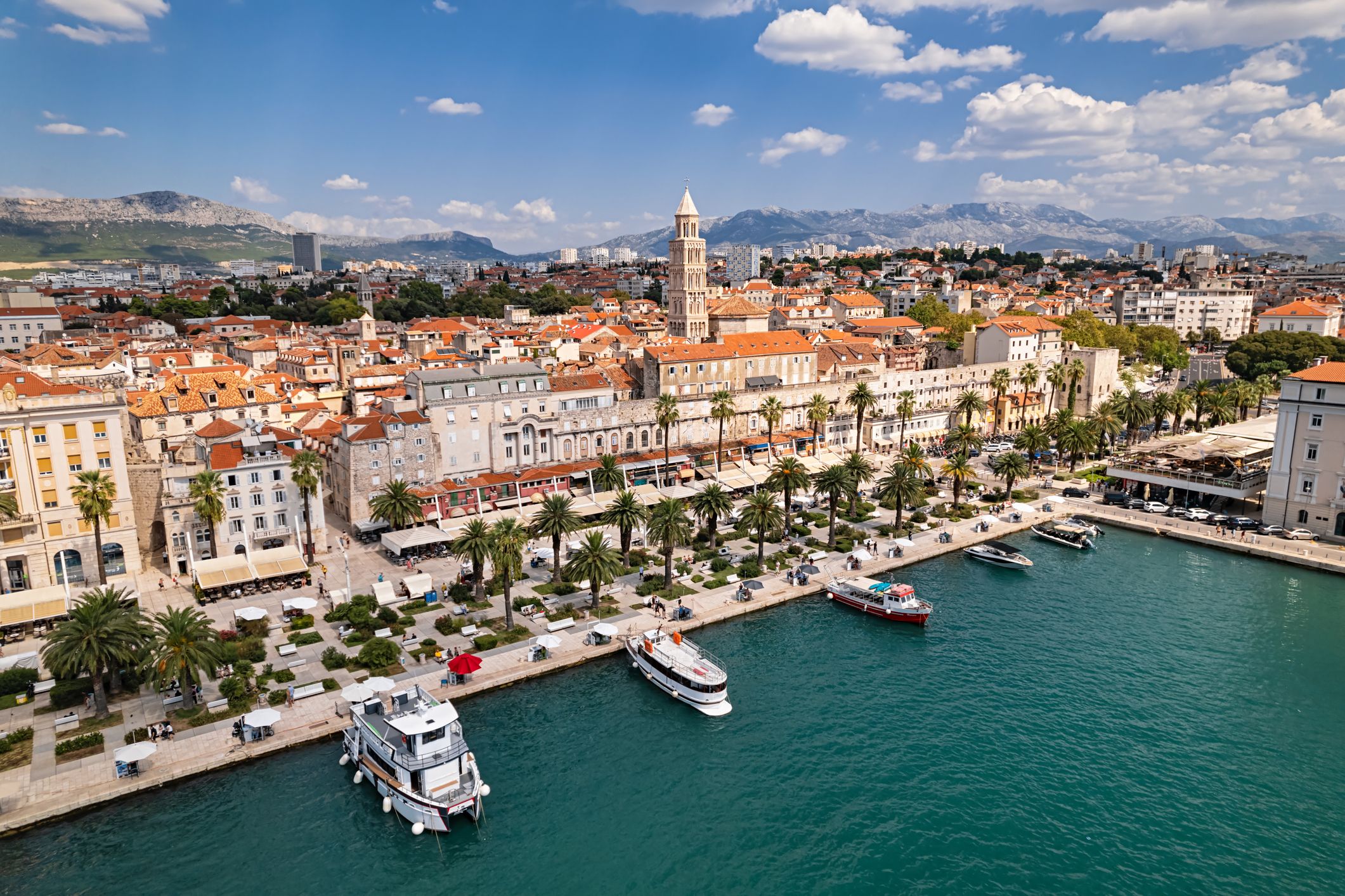
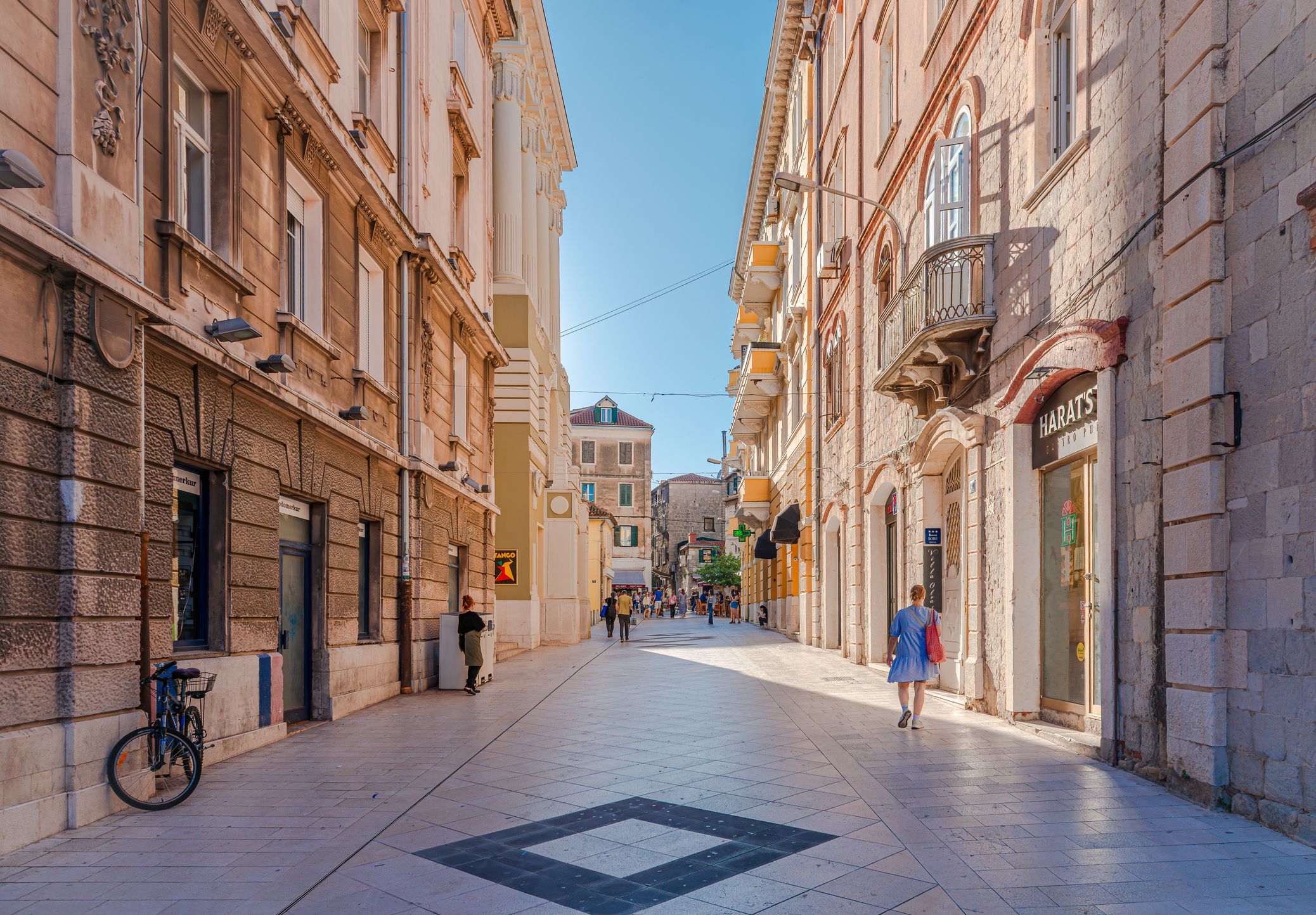
By the time you reach Split you may be relieved to know that very little effort is required to get from ship to sights. The cruise terminal sits next to the Riva, the waterfront promenade, and from there it is a straightforward ten minute walk into the old town and the gates of Diocletian’s Palace.
Calling it a palace is slightly misleading. What the Roman emperor Diocletian built as his retirement home in the fourth century has since been chopped, repurposed and casually inhabited to the point where it is more like a small city centre wrapped in very old walls. UNESCO granted it World Heritage status partly because of that continuous, slightly chaotic use.
For a one day visit, the sensible order is simple. Start by walking through the palace itself. Enter via one of the four gates, wander through the Peristyle courtyard, look into the cathedral that used to be Diocletian’s mausoleum and, if you have the legs for it after Kotor and Dubrovnik, climb the bell tower for views over the harbour and the red roofs behind.
Below street level, the palace cellars are open as a separate visit. The rooms mirror the layout above and give you a sense of the original structure, as well as a welcome hit of cool air on a hot day. Outside the palace, the Green Market and the Riva promenade provide ample opportunities for snacks and people watching.
If you feel like stretching your legs after lunch, head towards Marjan Hill at the western end of town. A set of stairs climbs to a viewpoint above the city in twenty minutes or so, and from there you can decide whether to push on into the park or retreat honourably to the waterfront.
If you only do one thing in Split, make it a slow, thorough wander through Diocletian’s Palace rather than a rushed tick list. It is one of the few places in Europe where you can have a coffee inside a Roman retirement complex and complain about the price of pastries.
Threading the four days together
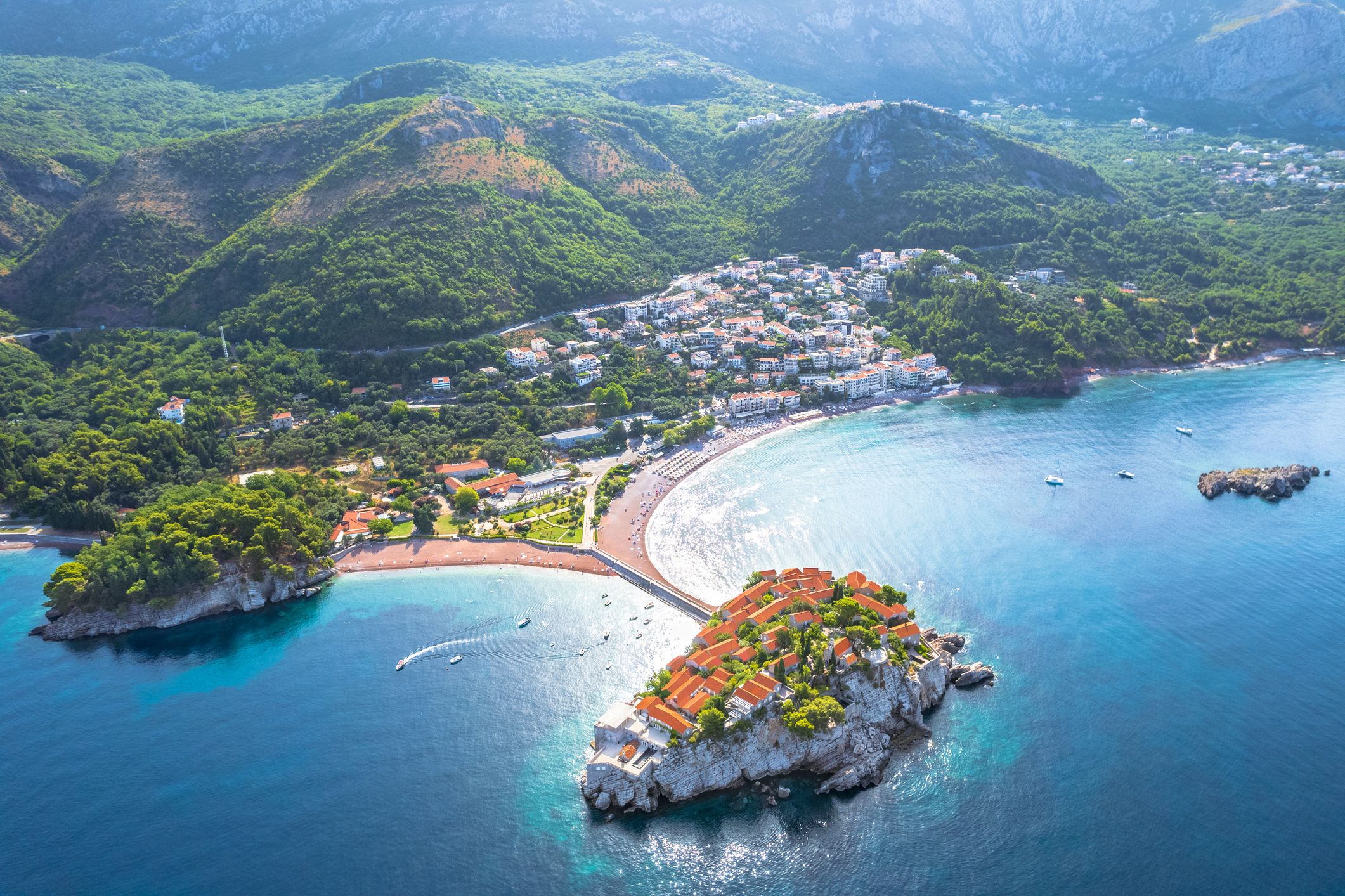
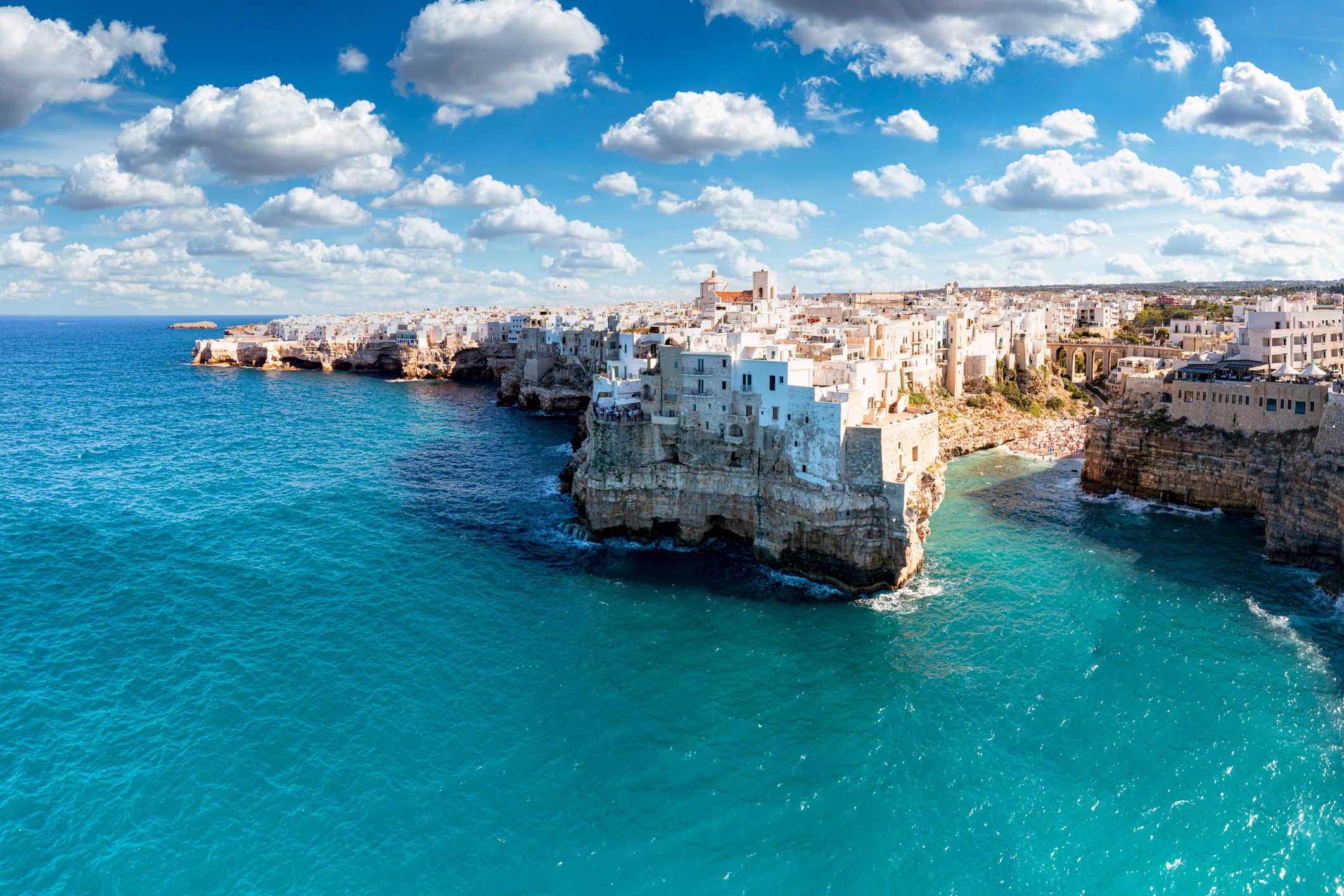
Adriatic Coast
Most Adriatic cruises that include all three cities stretch to a week, but in practice your time ashore can feel like four distinct days, especially once sea days are factored in. Operators running small ship and yacht-style cruises (like APT) along this coast have made something of an art form of linking Kotor, Dubrovnik and Split with various islands in between.
If you have any flexibility at all, try to travel in the shoulder months. Late spring and early autumn are consistently recommended as the sweet spot for Croatia and Montenegro, with warm but not ferocious temperatures, swimming still pleasant and crowds a notch below high summer. The main tourist season runs roughly from mid May to early October, with July and August as the busiest period, so a May, June or September sailing gives you much of the atmosphere without quite as many fellow visitors.
Within each port day, a simple rule works well. Mornings are for the big sights that suffer most from heat and crowds: Kotor’s fortress, Dubrovnik’s walls, Split’s palace. Afternoons can then be more relaxed, whether that means a café in the shade, a boat to a nearby island or a quiet hour back on the ship while everyone else is still queueing for gelato.
Four days along this stretch of coast are enough to collect a handful of small, specific memories: the sound of church bells echoing off Kotor’s hills, the feel of Dubrovnik’s pale stone underfoot, the shade in a Split courtyard and the sight of your ship sitting offshore like a very well appointed shuttle bus.
It is not a bad return for a long weekend of walking on old walls.