São Miguel has become the shorthand version of the Azores, which is understandable if slightly unfair. It's the biggest island, the easiest name to say with confidence, and the one most likely to appear in a brochure. It also does a very good line in crater lakes, fumaroles and the sort of greenery that suggests someone's been overwatering its Atlantic coast.
But the Azores are nine surpising islands, not just one oversized overachiever in the middle of the Atlantic. The real pleasure of an Azores sailing is not simply ticking off Ponta Delgada and saying, “Well, yes, very lush and green.” It's seeing how quickly the archipelago changes character. One island gives you geothermal drama. Another gives you yacht-painted harbour walls and a recent volcanic moonscape. Another gives you UNESCO vineyards under a mountain. And another gives you a proper old Atlantic city and volcanic underworld all at once.
Start with São Miguel, then keep going
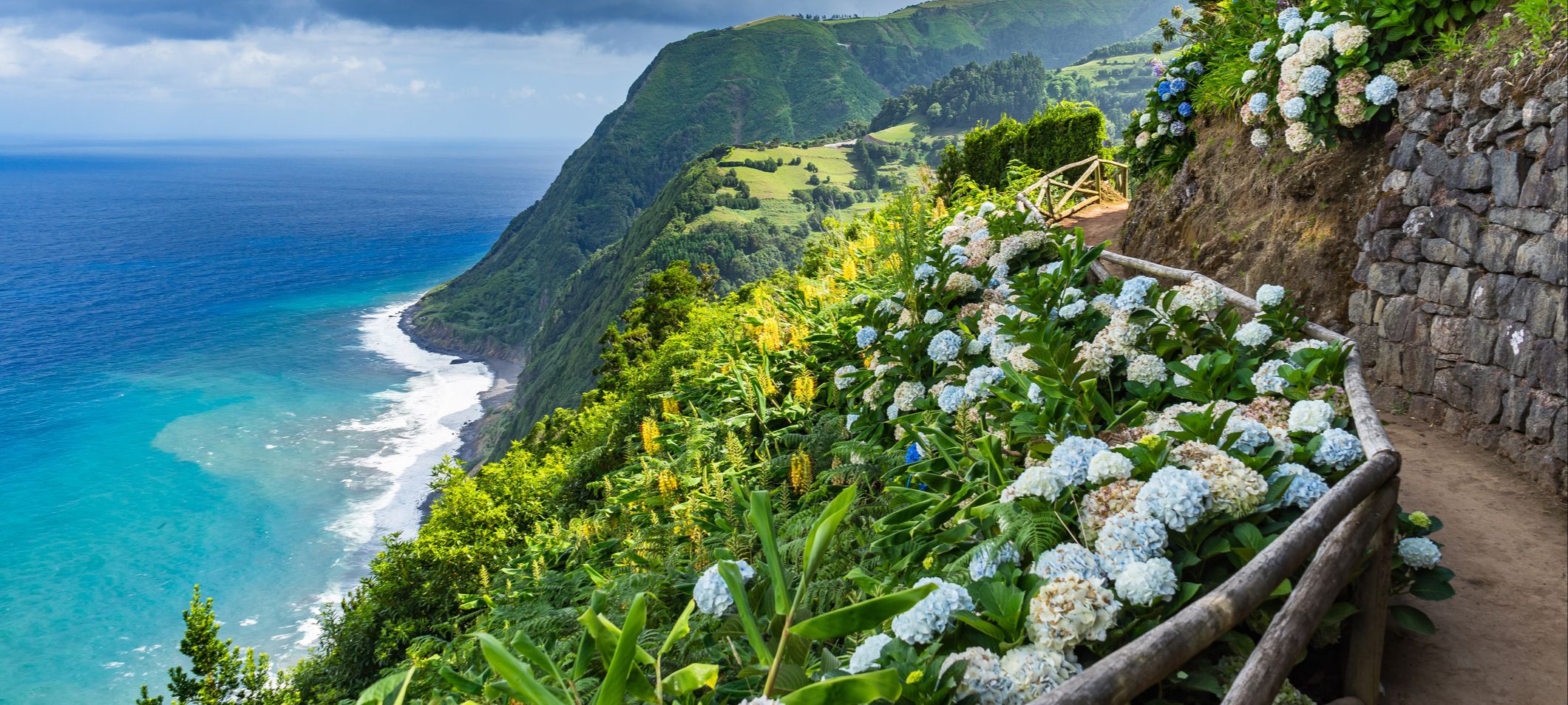
It would be silly to pretend São Miguel isn't a very good opening act. Sete Cidades is the iconic view for a reason, and Visit Azores rather wonderfully advises seeing the twin lakes from Vista do Rei, where the Green and Blue lakes sit paired together by a bridge. Furnas, meanwhile, offers boiling springs, sulphur, lake, lush valley and the sort of geothermally enhanced atmosphere that makes normal parks seem a bit under-committed. If your cruise gives you São Miguel first, take the hint. Let it be your sweeping-introduction island.
What you should not do is imagine that São Miguel has therefore “done” the Azores for you. That is like seeing Rome and concluding you have understood Italy. São Miguel gives you the blockbuster version of the archipelago: crater lakes, forested slopes, hot springs and all that righteous Atlantic weather. Useful, yes. Complete, no.
Faial is where the Azores become properly Atlantic
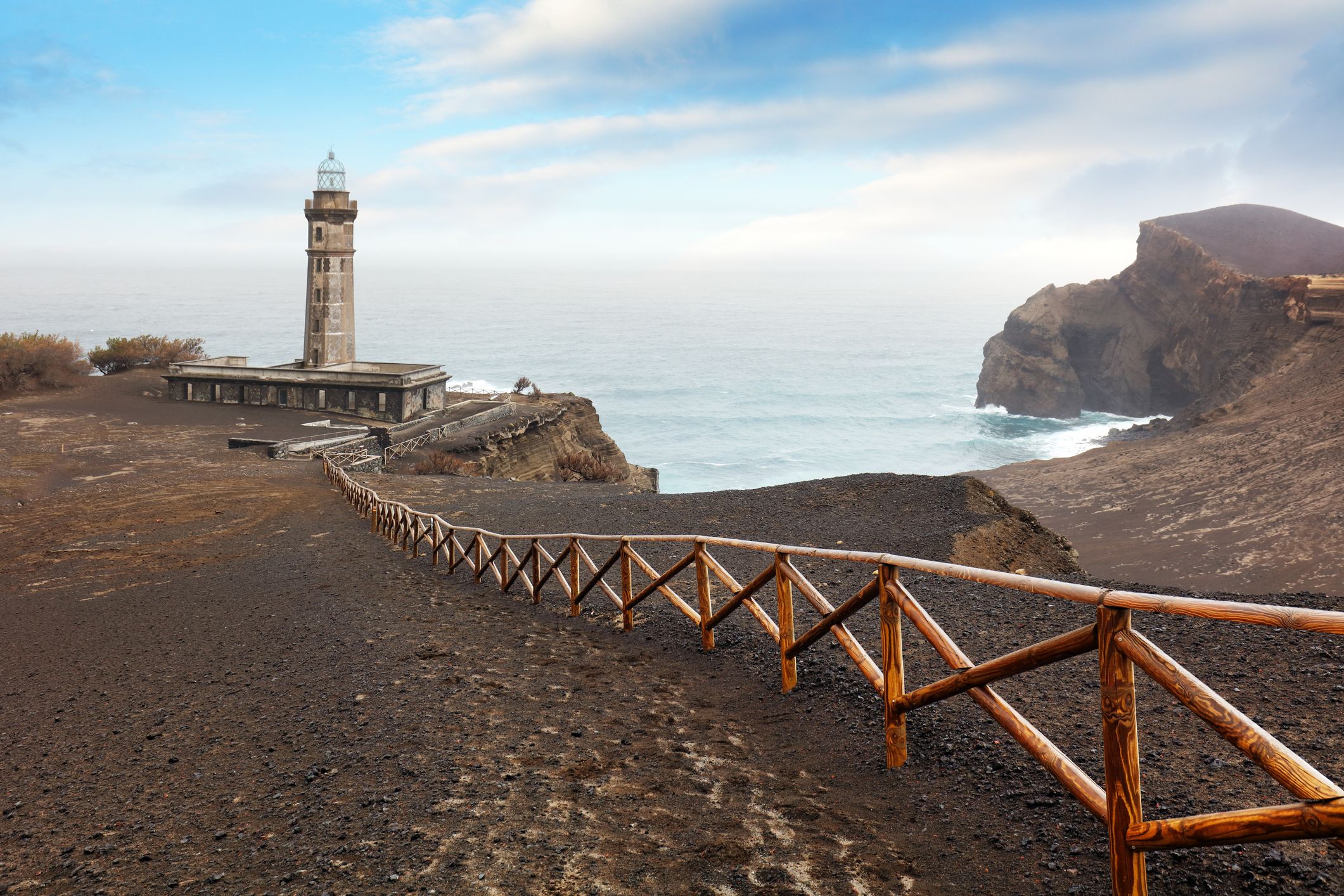
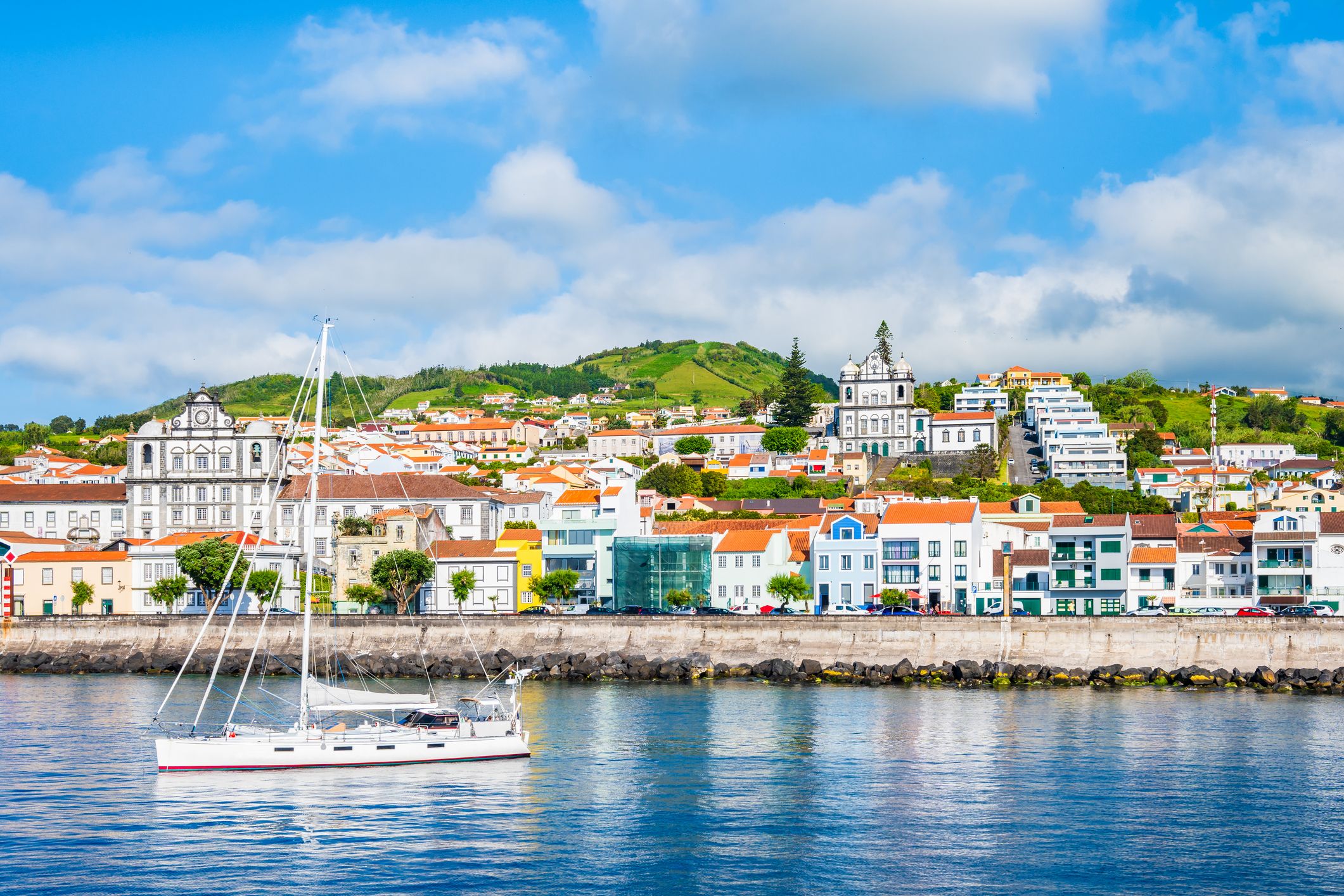
Faial changes the tone immediately. Horta Marina is one of the most famous marinas in the world, according to Visit Azores, and there is a long-standing sailors’ tradition of painting a mural on the breakwater for luck before carrying on across the ocean.
Horta itself has the sort of cosmopolitan harbour atmosphere that only really works in places where boats arrive from genuinely far away. Then, at the island’s western end, Faial swerves into geological theatre. The Capelinhos Volcano Interpretation Centre focuses on the 1957–58 eruption that changed the coastline and added new land, while Visit Azores’ trail material describes the surrounding landscape as so ashy and stark it feels moonlike. This is why Faial is so useful in the wider itinerary. São Miguel is soft-edged and green. Faial reminds you that the Azores are volcanic first and pastoral second.
If you only had half a day here, I would still make the case for Capelinhos over doing Horta twice. Harbour charm is lovely. A recent volcanic landscape with an extinguished lighthouse buried by ash is better.
Pico is the island that feels like an island
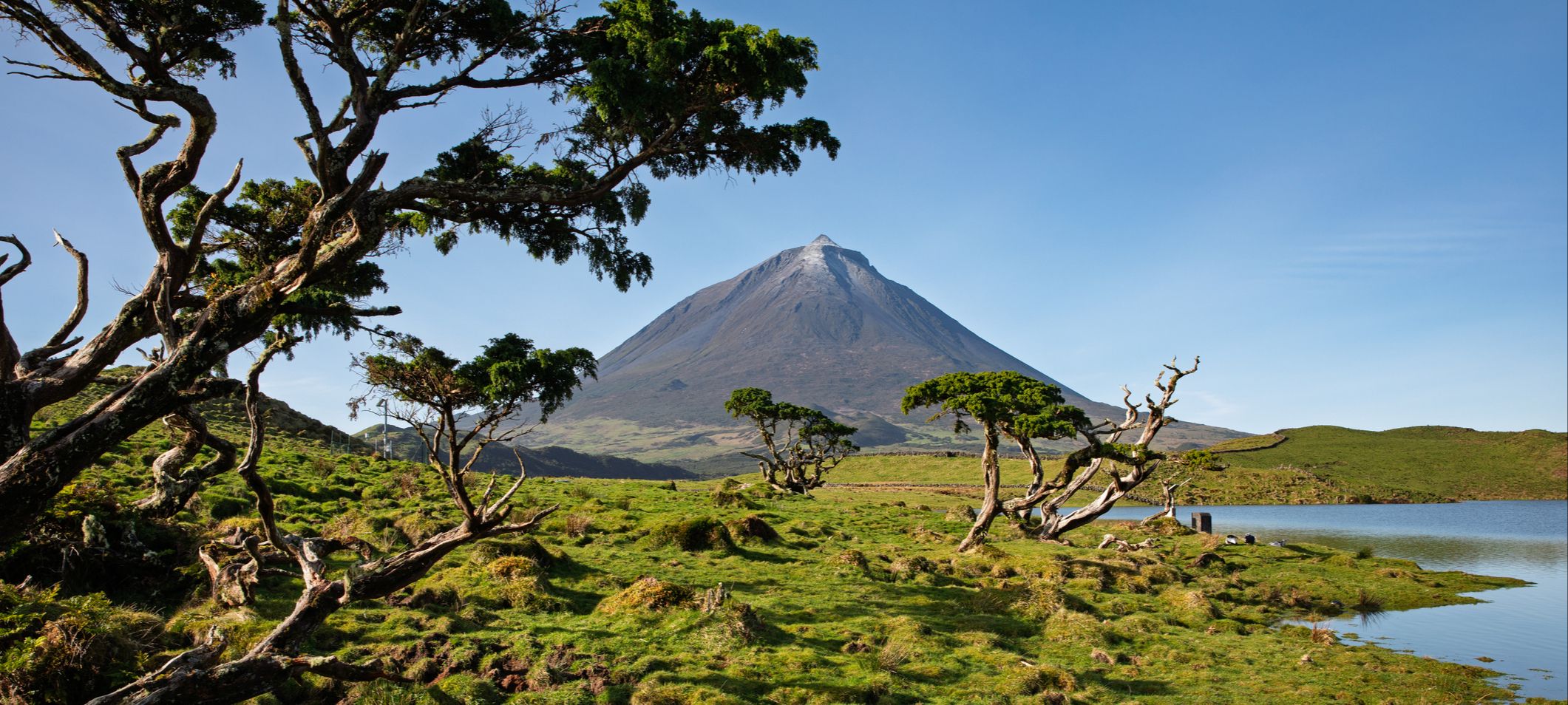
Pico has one of the more useful names in European geography, because it saves everyone time. It is the Mountain Island, Mount Pico rises to 2,351 metres, making it the highest point in Portugal. You don't have to climb it to appreciate the effect. Its presence reorganises the whole island. Even when you are doing something modest and coastal, there it is in the background.
UNESCO describes the Landscape of the Pico Island Vineyard Culture as an outstanding adaptation of farming to a remote and challenging environment, with basalt walls running in long, orderly lines from the coast. Visit Azores notes the same UNESCO status and the black lava ground in which the vines are planted. This is the sort of place that makes wine feel less like a lifestyle choice and more like an argument won slowly against geology.
Terceira, a suitable finale
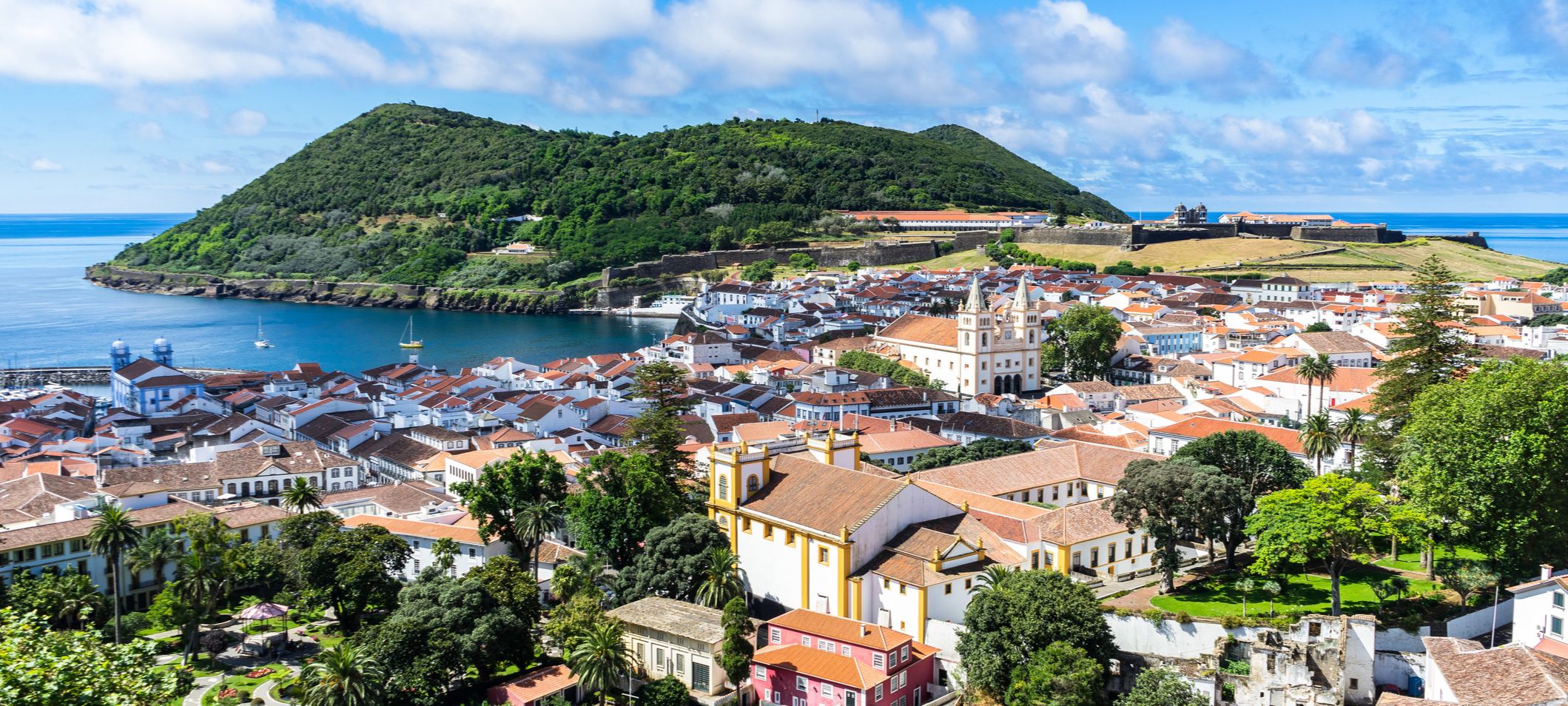
If São Miguel is the opening overture, Faial the harbour island and Pico the volcanic labour epic, Terceira is the island that lets culture and geology sit at the same table without conflict.
Angra do Heroísmo is a UNESCO World Heritage city, recognised for its historical importance in Atlantic maritime navigation and for the urban fabric that grew from that role. UNESCO highlights the fortifications of São Sebastião and São João Baptista and the city’s significance from the sixteenth century onward. In practical terms, what this means for the visitor is that Angra has real urban depth. It is not merely “pretty.” It is substantial, Atlantic, handsome and lived-in.
Then Terceira does what Azorean islands do best and changes register. Visit Azores’ trail material says the island has the largest area of native forest in the archipelago, while also calling out Algar do Carvão, a volcanic chimney remarkable for its scale and its silica stalactites. That combination is pure Terceira: cultivated colour on the coast, old Atlantic city in the middle, then native forest and volcanic underworld inland. It is the island that most effectively proves the Azores are not just a scenic weather system with hydrangeas. They are also layered, historical and surprisingly varied at close range.
The point of visiting the whole chain
São Miguel gives you the grand introduction: crater lakes, hot springs, lushness, the easy “yes, I see why people come here” moment. Faial strips some of that softness away and gives you seamanship, ash and Atlantic scale. Pico adds stone, wine and the kind of mountain that keeps interfering with your thoughts. Terceira brings in city, fortifications, native forest and volcanic caves.