
Sao Miguel does breathtaking at a glance: caldera rims, tea-green lakes, steam rising from the earth. From the cruise pier in Ponta Delgada you can stitch the island’s greatest hits into one satisfying loop: Sete Cidades’ famous twin crater lakes, a quick wander through old-school pineapple greenhouses, and a warm soak in a ferny, volcanic pool. It’s big on views, light on faff, and eminently doable in a standard port day.
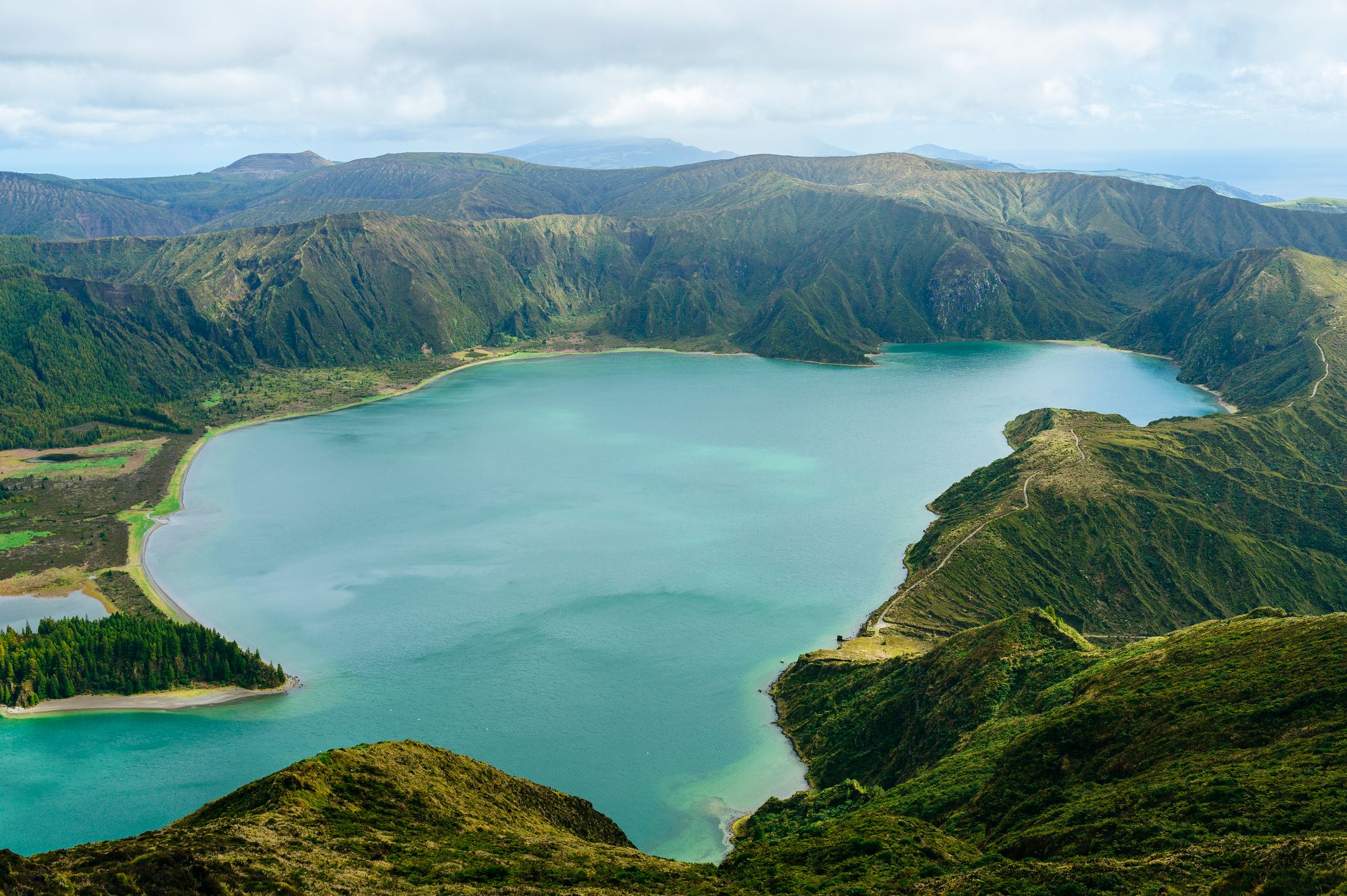
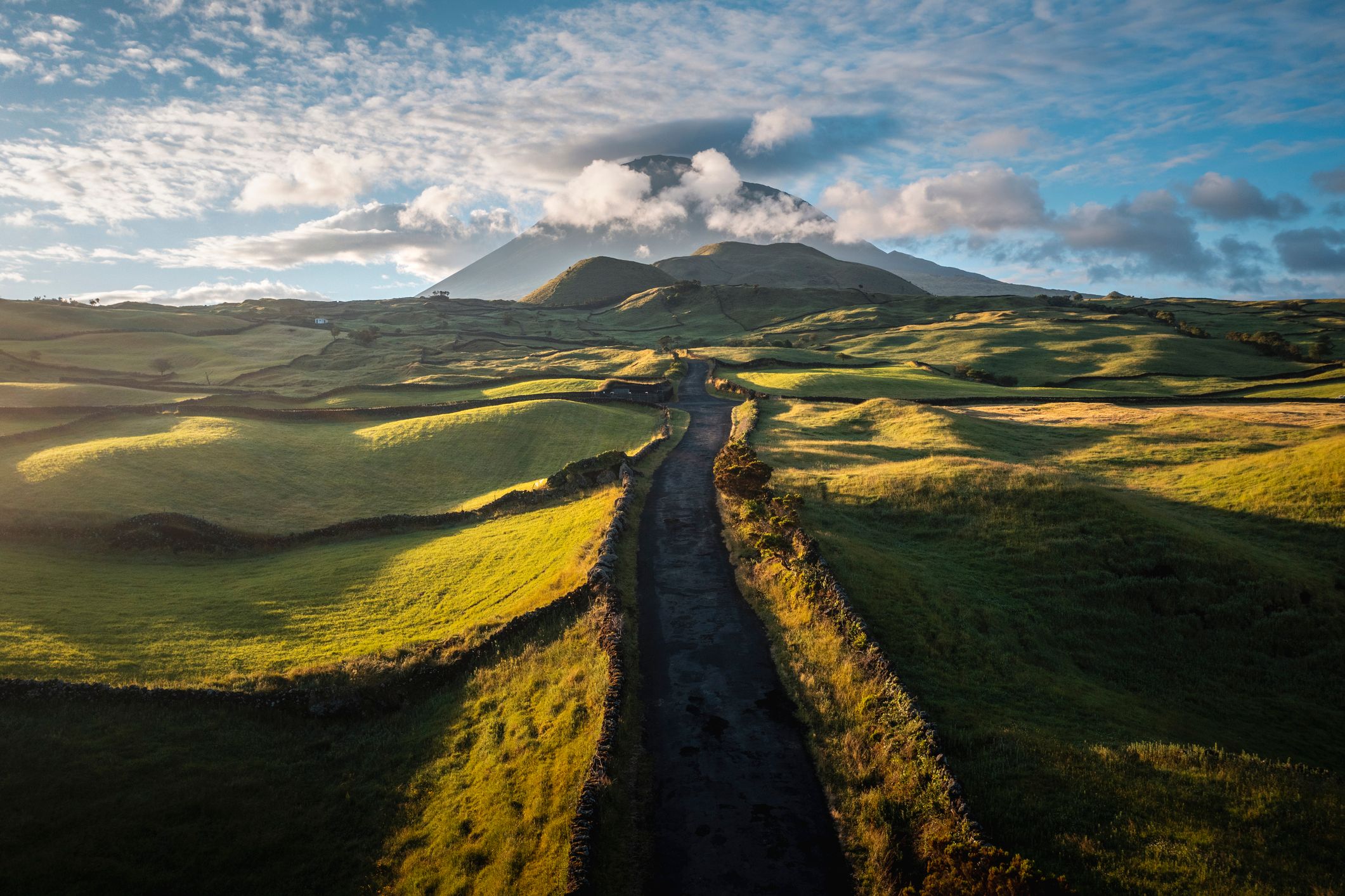
You’ll head west first for the Blue and Green Lakes of Sete Cidades, swing back toward town to dip into a 19th-century pineapple plantation, then arc north for a volcanic spa stop before returning along the coast. The driving is curvy but straightforward; build in slack for weather (the island does microclimates like a pro) and you’ll be clinking glasses by sail-away. The Sete Cidades caldera is one of Portugal’s “7 Natural Wonders,” with postcard views from the Vista do Rei lookout; the thermal pools at Caldeira Velha sit in proper Jurassic greenery and stay toasty even if the clouds roll in.
Morning: the caldera reveal

Pier → Vista do Rei / Boca do Inferno rim
From Ponta Delgada, it’s roughly 30–35 minutes by road to the caldera rim on the island’s west side. Clear days deliver the classic two-tone lakes view from Vista do Rei; if the weather’s being coy, walk ten to fifteen minutes along the ridge path to Miradouro da Boca do Inferno for the sweeping amphitheatre shot you’ve seen on every screensaver since 2015. Bring a light layer—wind does what it wants on the rim.
What you’re seeing
Sete Cidades is a protected landscape: twin crater lakes (one green, one blue), rimmed by cryptomeria forest and myths—locals will happily tell you the colours came from the tears of a shepherd and a princess. The view is magnificent whether or not you believe in volcanic romance.
Practical nudge
Cloud sitting on the rim? Check the SpotAzores webcams and pivot the order of your day if needed. Clear spells come and go quickly up here.
If time allows, drop into the village by the lakeshore for a short stroll or coffee; otherwise, loop back toward town for something wonderfully niche.
Late morning: pineapples under glass

Vista do Rei → Augusto Arruda Pineapple Plantation (Fajã de Baixo)
São Miguel grows pineapples in Victorian-style glasshouses—a quirk of Atlantic weather and Azorean ingenuity. At Plantações de Ananases A. Arruda, visits are free, self-guided, and surprisingly photogenic: rows of spiky crowns at every stage, plus a shop for jams and a guilty-pleasure tasting. It’s on Ponta Delgada’s edge, about 10–20 minutes from the centre depending on traffic, and reachable by local bus if you’re car-free.
Afternoon: your easy thermal-soak
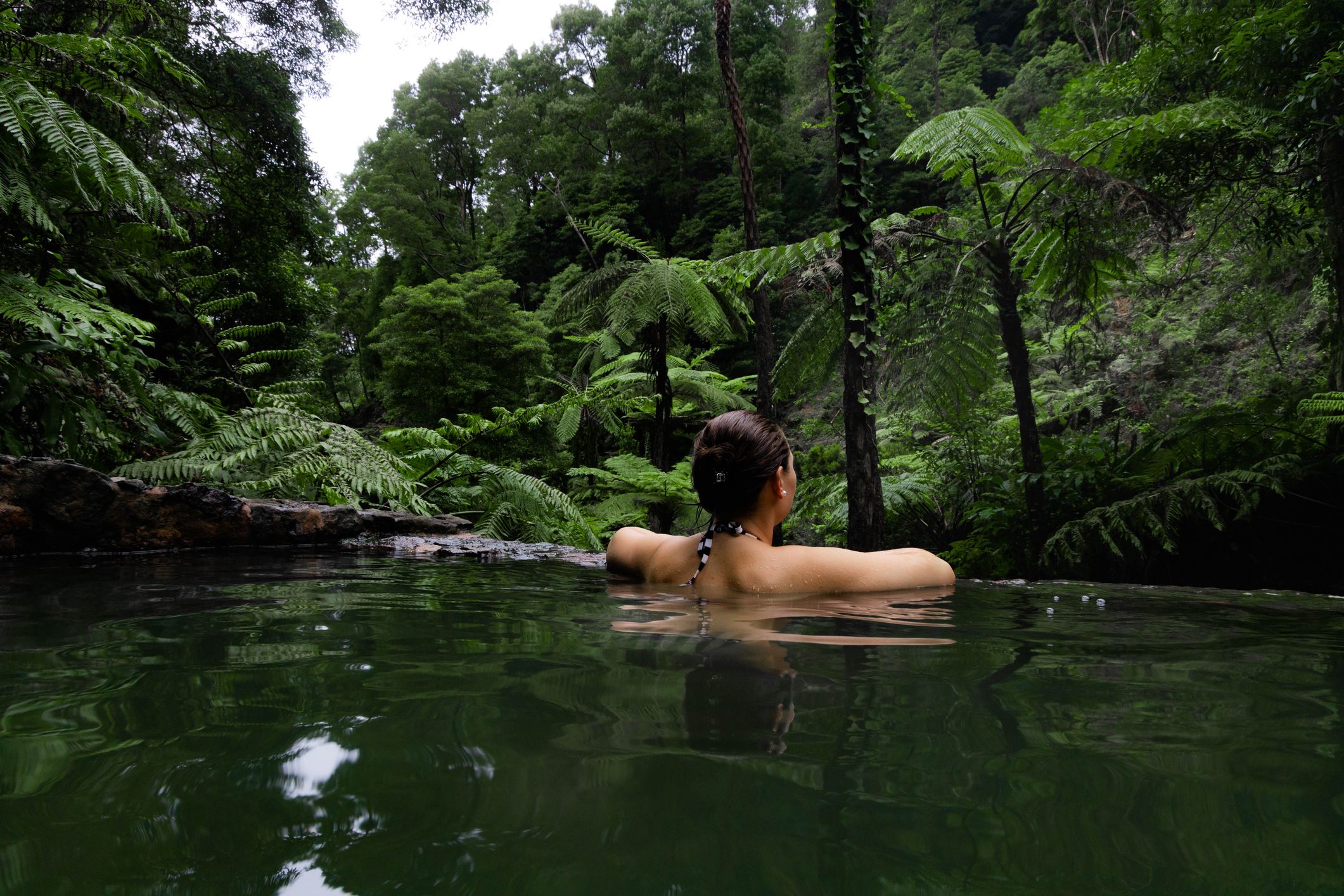
You’ve two excellent ways to warm the bones, both realistic on a cruise timetable. Pick by mood and distance.
Option A — Caldeira Velha (shorter drive, jungle vibes)
On the north slope of the Fogo volcano, Caldeira Velha is a natural monument: terraced, iron-rich pools and a small waterfall under tree ferns. Pre-book a “Full Ticket” slot if you want to bathe; availability is timed and numbers are controlled. Expect ~25 minutes by car from central Ponta Delgada. Wear a dark swimsuit (the water can tint fabrics) and pack a small towel.
A note on the Fogo road (summer only): between 15 June and 30 September, private access to the Lagoa do Fogo road is restricted 9:00–19:00 and a shuttle runs between the car parks; licensed taxis/tour operators are exempt. This doesn’t stop you visiting Caldeira Velha—it just changes how you reach the upper viewpoints if you’d planned to add them.
Option B — Furnas (longer run, grand garden soak)
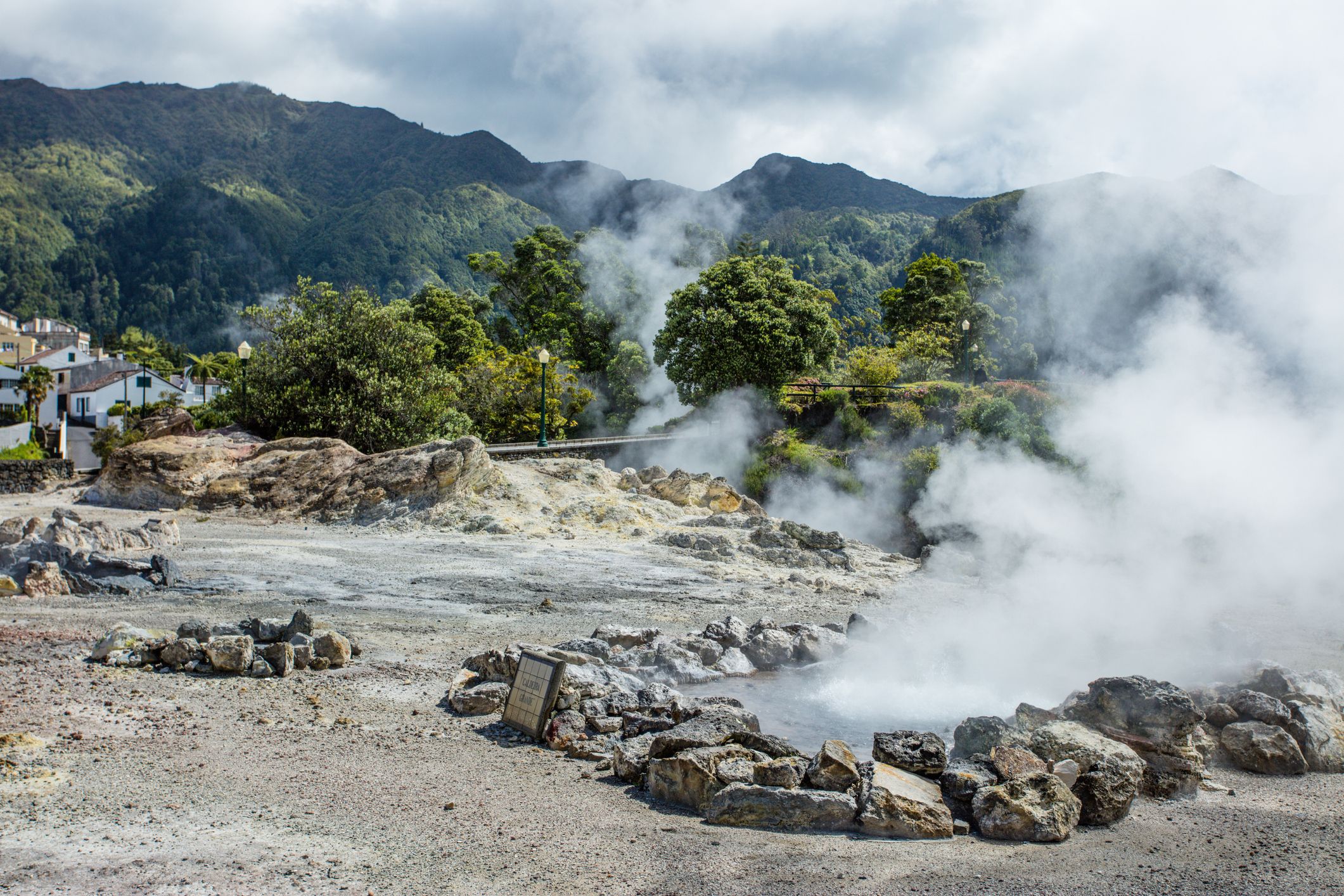
If your call is generous and you want a classic, drive ~45–50 minutes east to Furnas for Terra Nostra Garden’s giant ochre-warm pool amid 18th-century botanic splendour, or Poça da Dona Beija with multiple steaming channels and later hours. Terra Nostra’s garden hours are typically mid-day in autumn; Poça often runs into the evening—check times against your all-aboard. Add five minutes to peek at the Furnas “kitchens,” where locals slow-cook cozido in volcanic ground.
Timing it (typical 8–9 hour call)
- 08:30 Walk off the ship; collect car/taxi.
- 09:15–11:15 Sete Cidades rim views; short ridge walk if clear.
- 12:00–12:45 Augusto Arruda pineapple greenhouses (and a quick tasting).
- 13:30–15:00 Caldeira Velha soak or
13:30–16:00 Furnas soak (Terra Nostra/Poça), if your call allows the longer leg. - Back on board with time to spare and a faintly volcanic glow.
Getting around (car, taxi, or tour)
Roads are paved and winding; if you prefer not to drive, ship excursions and local operators cover Sete Cidades, Caldeira Velha, Lagoa do Fogo and Furnas, and taxis can be hired by the hour. If you do drive, remember the Azores are right-hand traffic and give yourself margin for photo stops and microclimate theatrics.
Small, useful things
- Weather is unpredictable. Clear in town doesn’t mean clear on the rim; that webcam check is gold.
- Book the soak. Caldeira Velha uses timed slots and may close pools in adverse weather; Terra Nostra has specific daily hours.
- Bring the right kit. Dark swimwear, a small towel, and grippy sandals help (paths can be wet).
- If the sea calls: on settled days and near low tide, Ponta da Ferraria offers a surreal, wave-fed ocean hot-pool—glorious but only if conditions and tides behave. Factor travel time and always check tide/state; lifeguards are present in peak hours.
If you’ve extra time (or the weather flips)
Swap the soak for a coast run to Mosteiros and the lava stacks, or add a quick tea stop at Gorreana, Europe’s oldest working tea plantation, on the island’s north side. It’s open daily and fits nicely if you’ve opted for Furnas.