If your mental picture of the Canaries is one long strip of Tenerife sunbeds, it is worth spinning the map a little. Out to the west and drifting north and east are three islands that feel very different from the classic package story: La Palma, La Gomera and Fuerteventura. Strung together on a cruise, they form a sort of slow triangle of pine forests, laurel mist and long, empty sand.
Most UK facing lines that work Canary itineraries now tuck at least one of these stops into a week or ten days at sea, usually alongside the big hitters like Tenerife and Gran Canaria. Some smaller ships go further and build whole loops around the quieter islands. However you get there, the rhythm is the same. One day, one port, one island personality to try on for size.
La Palma: lava, balconies and a surprisingly good coffee
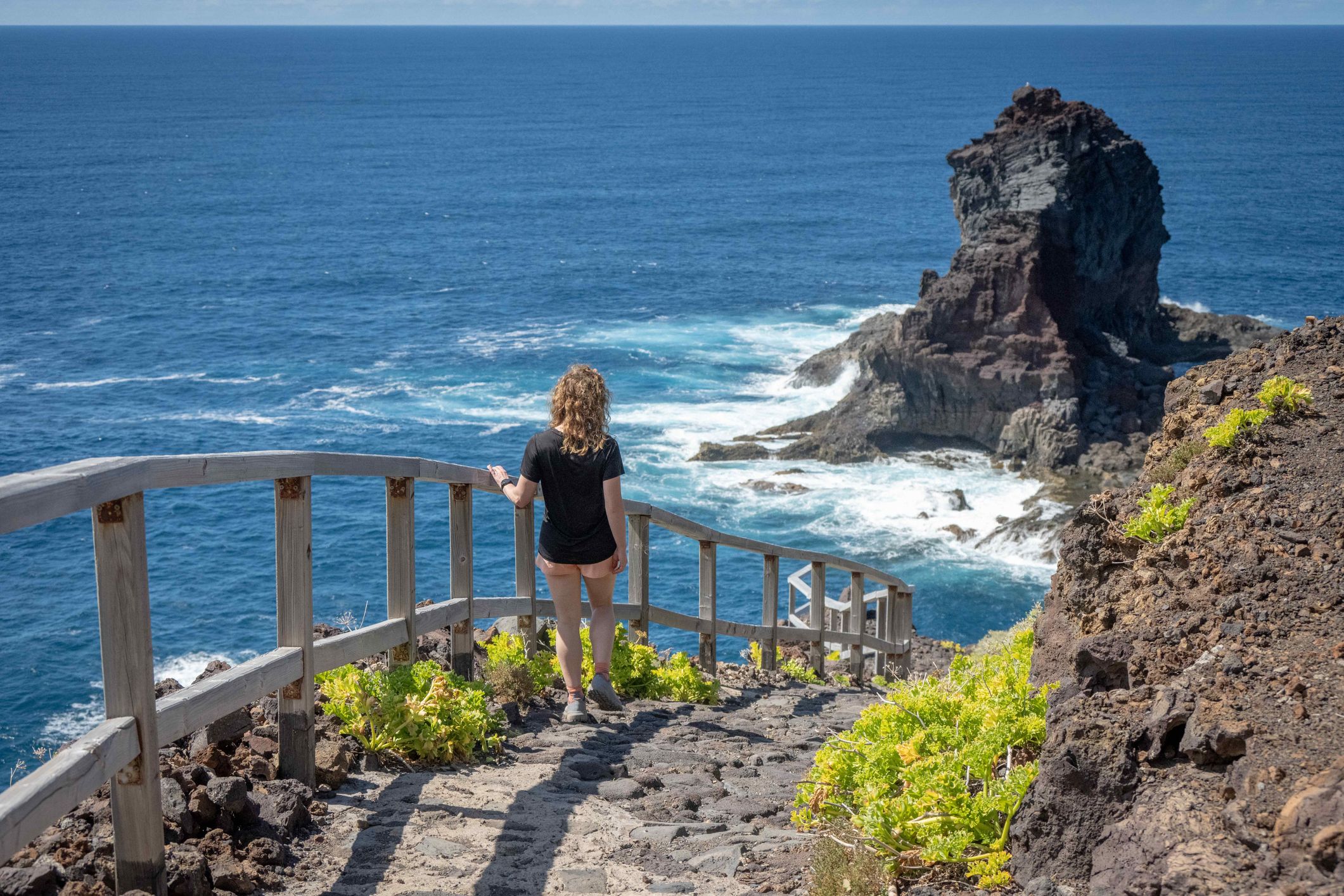
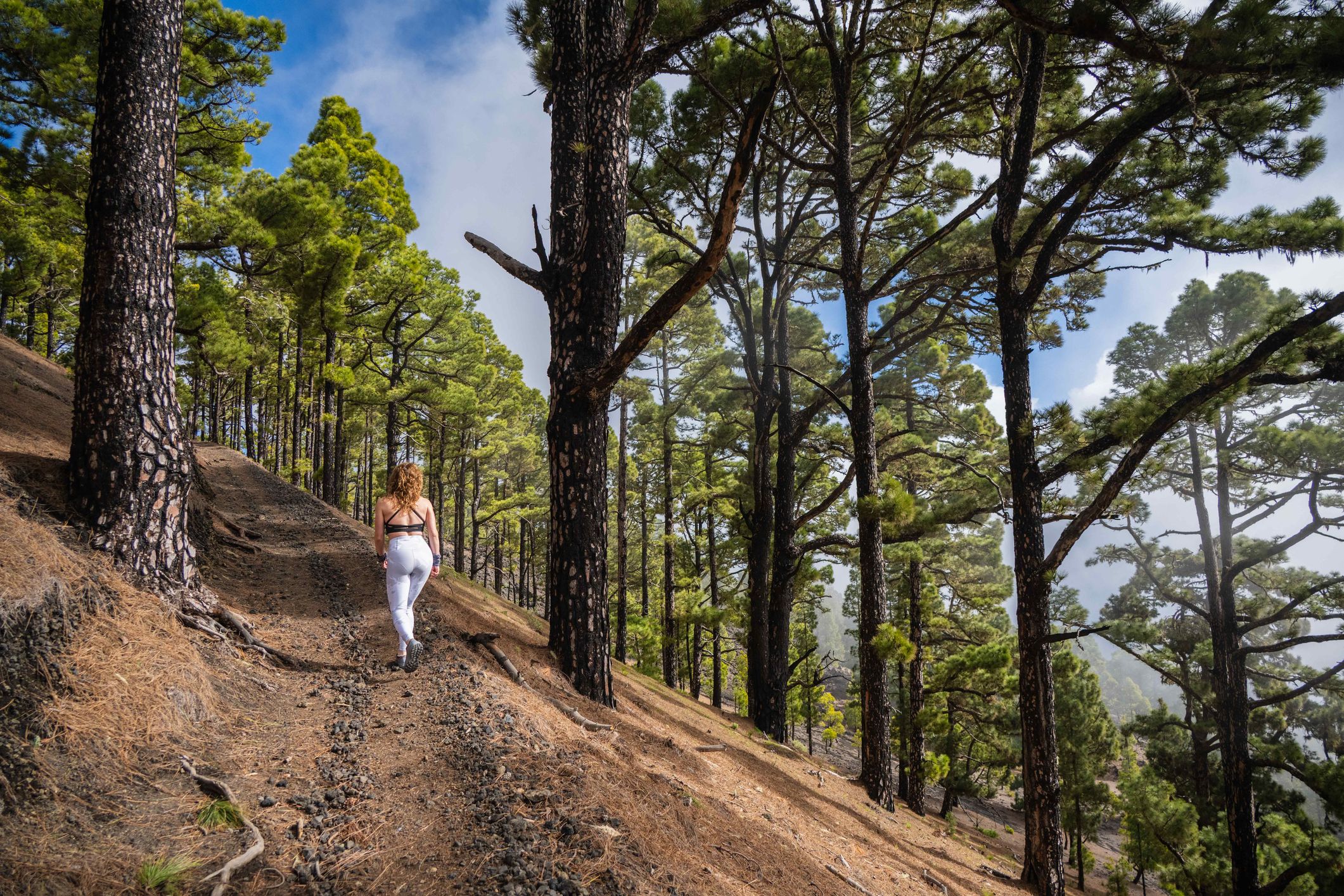
Your first impression of Santa Cruz de La Palma is usually vertical. The streets climb straight up from the harbour, flanked by painted houses with overhanging wooden balconies. It feels more like a small Atlantic city than a resort, which is half the appeal.
From the pier you can wander straight into the old town, past 16th century churches and the arcaded Plaza de España. La Palma has been gently nudging itself towards greener tourism in recent years, with the island’s authorities talking up its walking trails and stargazing rather than just sunloungers. Cruise calls have grown sharply since 2023, but the scale still feels human, partly because ships are capped and the town itself remains compact.
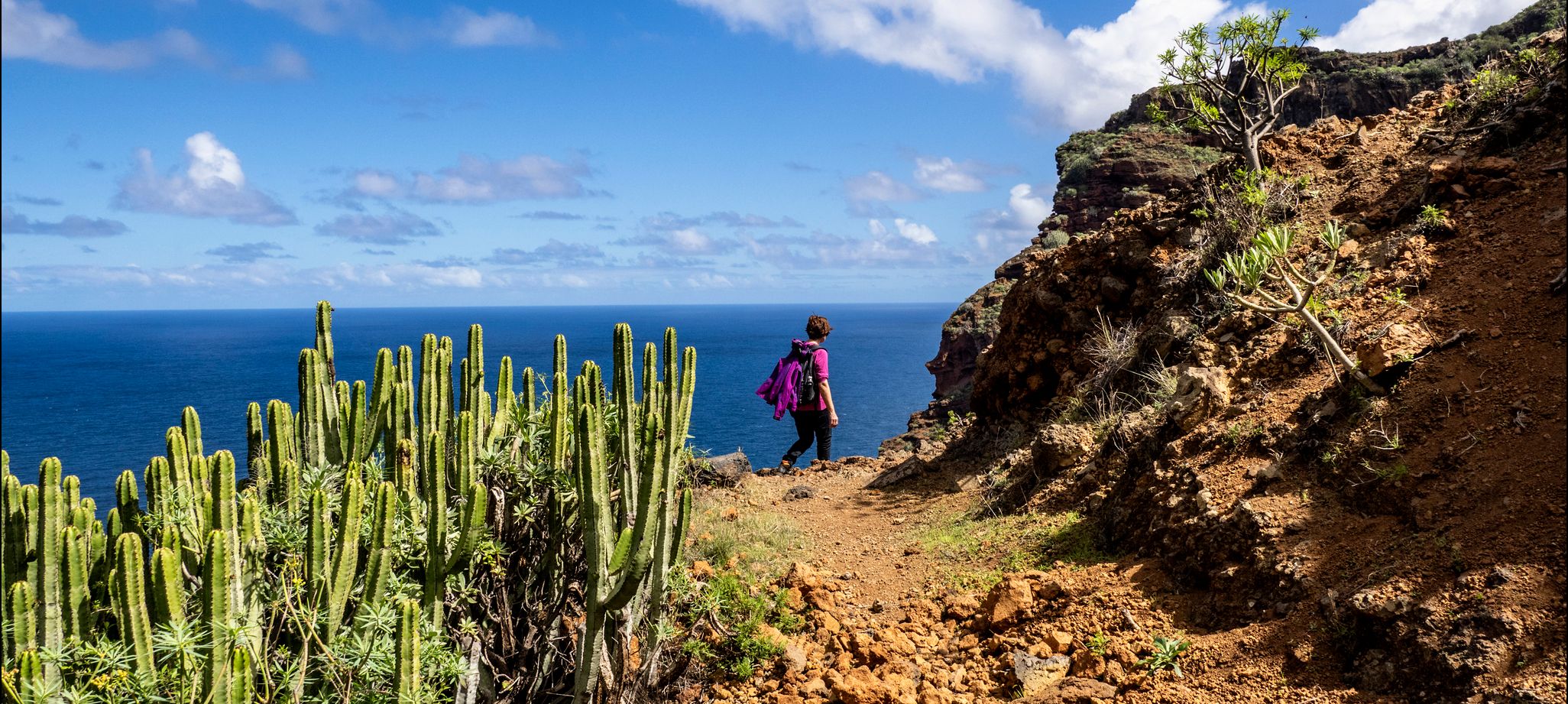
If you want to see the island’s volcanic bones, a ship excursion or taxi up to the Cumbre Vieja area will take you past the fresh lava fields from the 2021 eruption, all black rubble and new viewpoints. On a clear day you can see across to neighbouring islands and feel smug about having remembered a light jumper.
Back in town, it is worth taking La Palma at café pace. Grab a cortado and an almond biscuit in one of the street side bars near Calle O’Daly, watch locals do their errands beneath those balconies and remember that all you really have to do this afternoon is make it back to the gangway on time.
La Gomera: laurel forests and whistled conversations
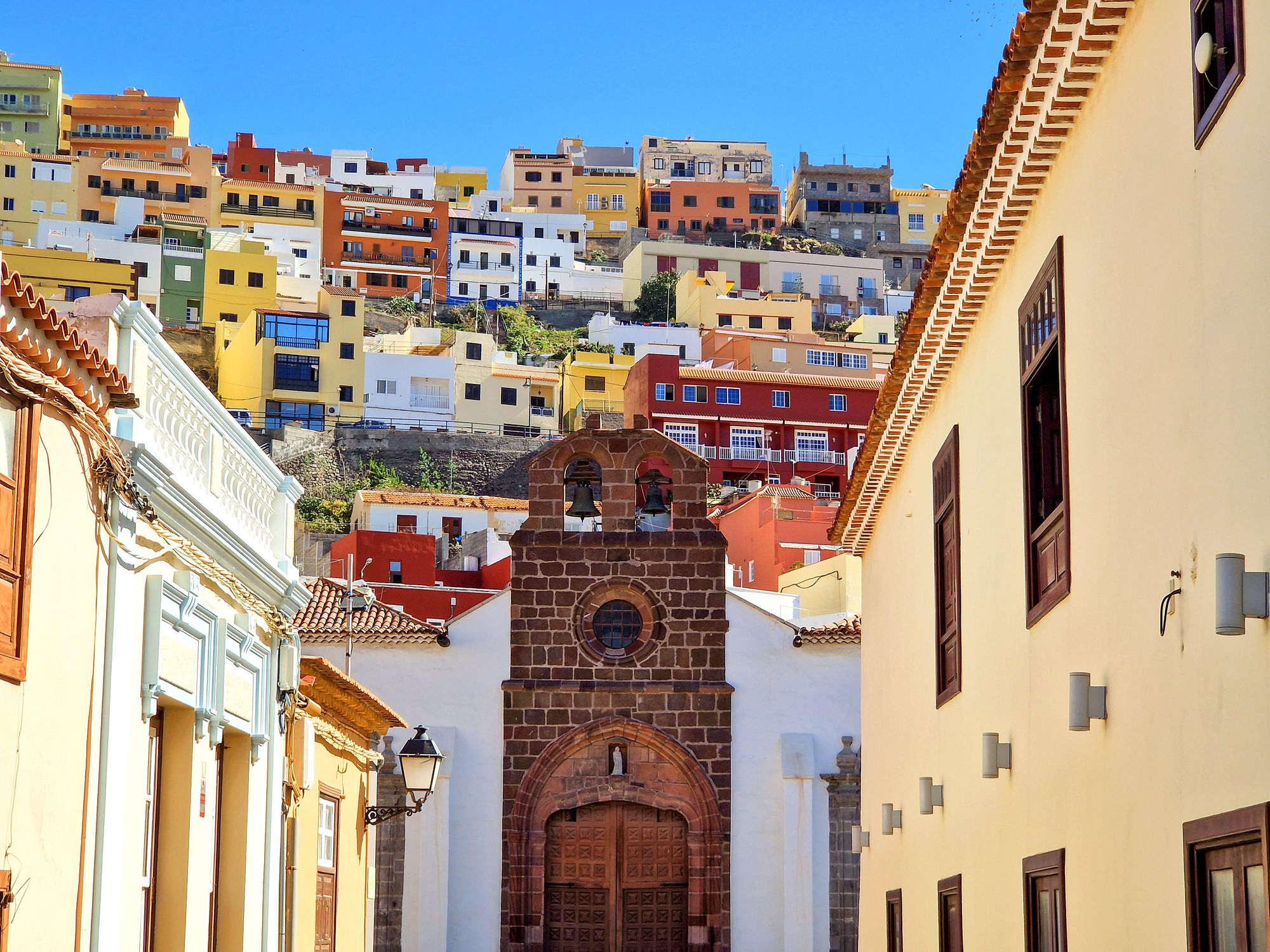
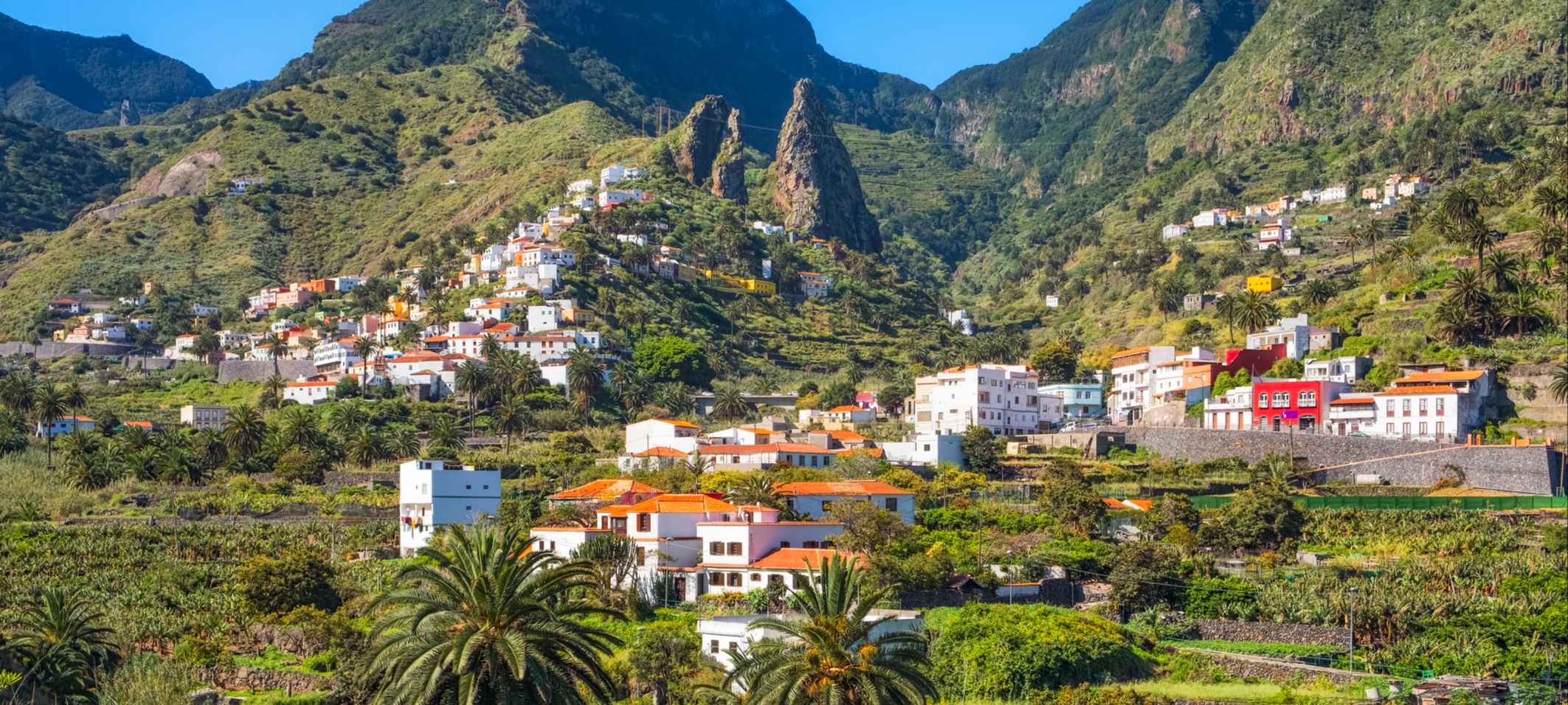
La Gomera’s capital, San Sebastián, is the sort of place where you can see countryside from the quay. A squat church, a handful of streets, then the hills start. Most ships tie up here, where you are a five minute walk from a small town beach, a couple of squares and a clutch of bars that seem to specialise in coffee, cold beer and people watching.
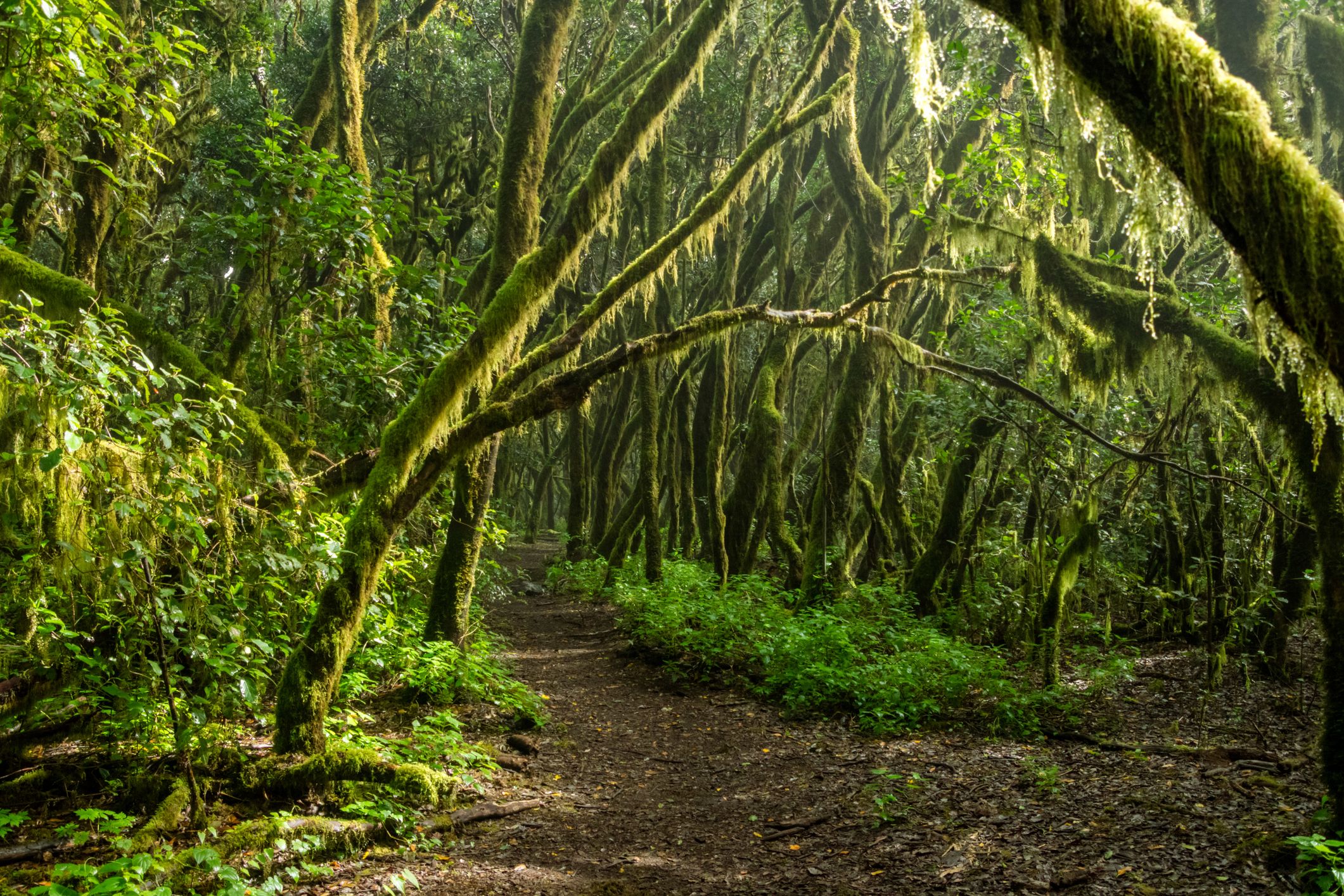
If you stay coastal, it is a very easy day. Swim, stroll, find lunch, contemplate a second ice cream. But La Gomera’s real trick is up in the centre, where Garajonay National Park folds itself into a dense, green knot. This laurel forest, a remnant of the ancient woodland that once covered much of southern Europe, has been a UNESCO World Heritage Site since 1986.
Ship tours run buses up the switchbacks to viewpoints where you can look down through drifting cloud to the sea. A short circular walk on one of the park’s waymarked trails is enough to feel the temperature drop and the air turn properly damp and earthy. It is not arduous hiking unless you choose to make it so, but you do need shoes that are happier on mud than marble.
Back near sea level, you may hear the odd piercing whistle carried on the wind. This is not someone calling the dog. Silbo Gomero, the island’s whistled language, is still taught in schools and recognised by UNESCO as intangible cultural heritage. On some excursions you will see a demonstration over lunch, plates of goat stew and wrinkled potatoes arriving between flurries of trilled syllables.
The pace on La Gomera almost forces you to slow down. Ferries come and go, a few hikers make for the trails, then everything lapses back into a sort of gentle shuffle until your ship eases away in the evening.
Fuerteventura: wind, dunes and long lunches
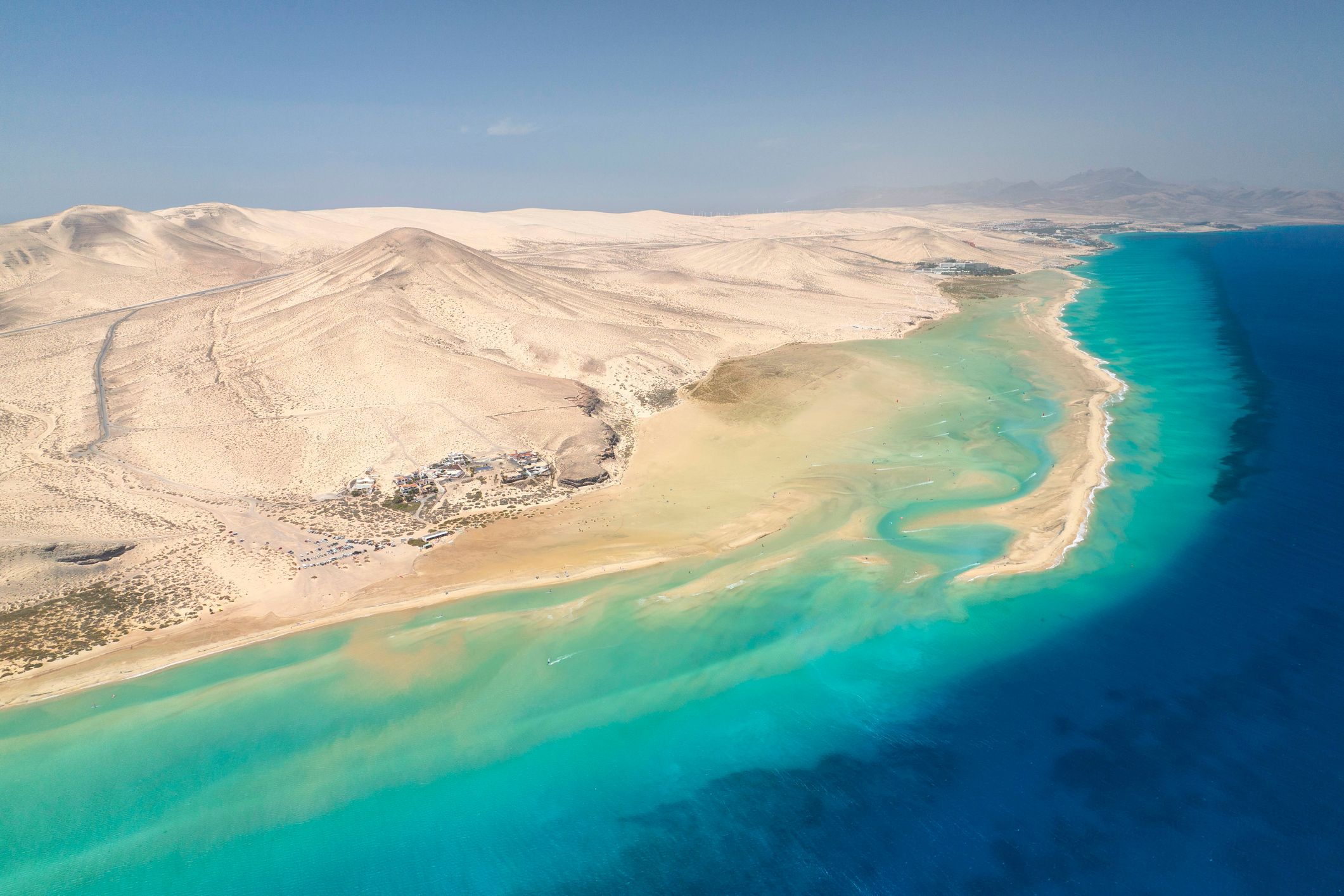
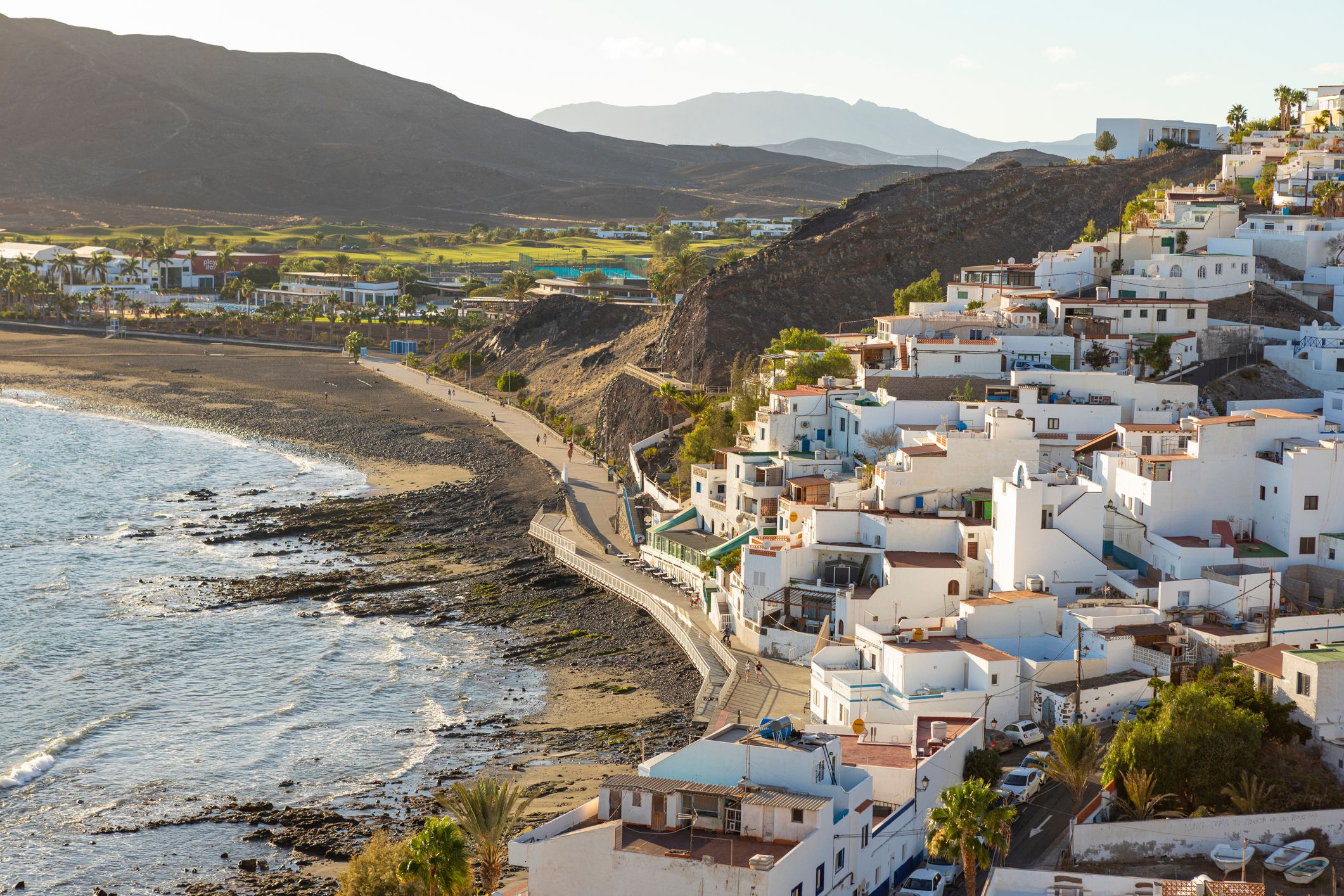
Fuerteventura is sparsely planted, endlessly windy and full of beaches that look like someone has been over enthusiastic with a paint bucket of turquoise. If your ship docks at Puerto del Rosario, the main town, the immediate waterfront is fairly workmanlike. The trick here is to treat the port as a launchpad.
Most cruise lines funnel people towards the north, where Corralejo’s dunes roll away in soft ridges between the road and the sea. The area is protected as Corralejo Dunes Natural Park, a proper sweep of Saharan style sand with over ten kilometres of shoreline. You can walk from the roadside hotels straight onto the dunes and be in your own patch of sand in minutes, although you may want to keep an eye on the wind when choosing which way to face.
If you prefer villages to sand forts, there are excursions inland to Betancuria, a tiny former capital set in a bowl of hills. Whitewashed houses, a small church, a couple of simple restaurants serving grilled fish and goat cheese, and a sense that the rest of the world has gone out for the day.
Where Fuerteventura excels is the art of the long lunch. Many ship days here end with people chasing shade on restaurant terraces, sharing plates of papas arrugadas with mojo sauce and local Majorero cheese, then shuffling back to the shuttle buses with sand in their shoes and a faint sun cream sheen.
Why this triangle works as a cruise
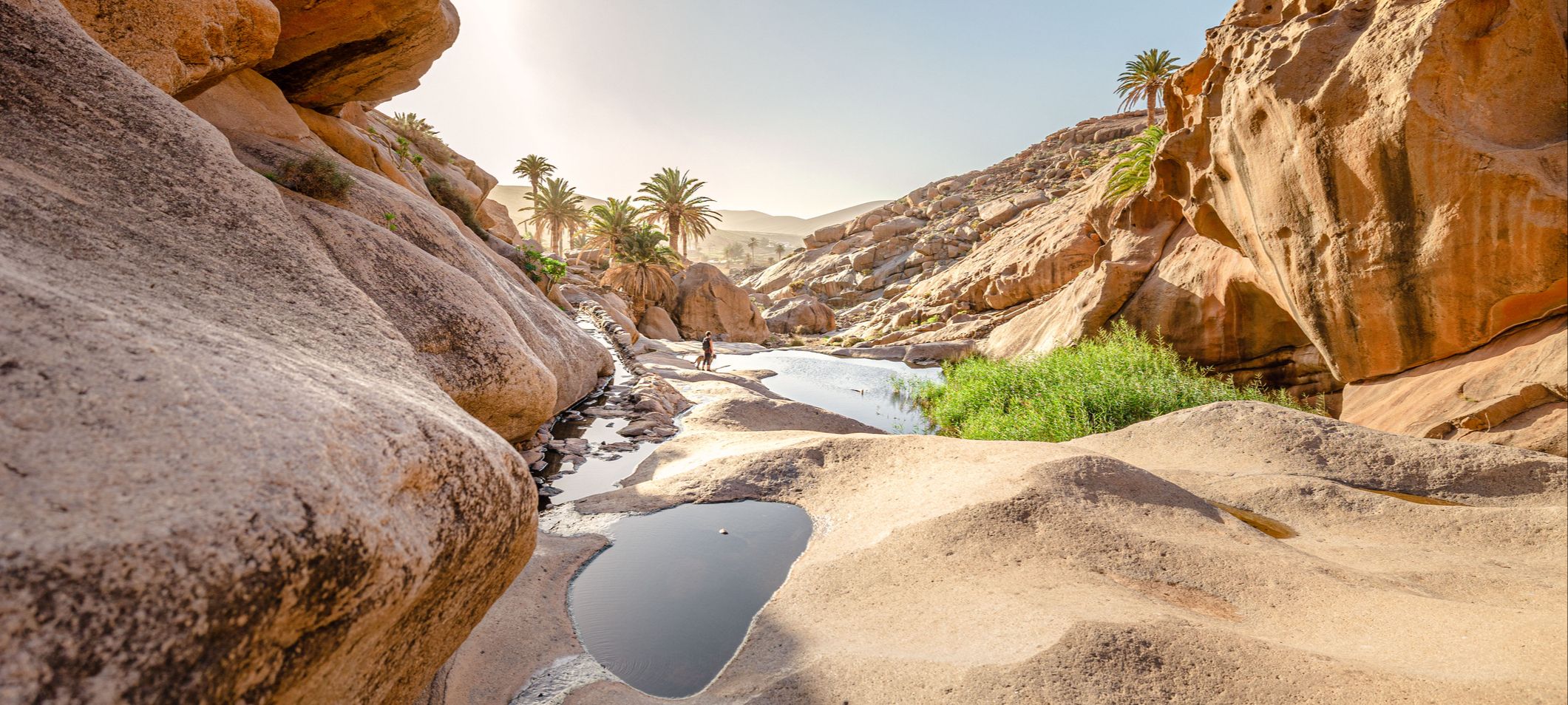
Taken together, La Palma, La Gomera and Fuerteventura give you three very different flavours of the Canaries in three easy port days. One is all steep streets and recent lava, one is misty forest and small town calm, and one is wind, dunes and beaches that feel a long way from February in the UK.
From a practical point of view, these islands tend to appear on the same sorts of itineraries, particularly on ships that favour a slightly slower style of cruising. Lines that appeal to the UK market and call here include a mix of mainstream and more niche operators, often on ten to fourteen night voyages that blend the Canaries with Madeira or mainland Spain.
You do not need a specialist expedition vessel or a fitness regime to enjoy any of them. You do need to be realistic about distances and time. If you only have one day on La Palma, choosing between a volcano tour and a slow wander through Santa Cruz is more sensible than trying to cram both into a single frantic sprint.
There is also seasonality to consider. Winter and early spring are peak months for Canary cruises from the UK, partly because the weather is kinder than at home and partly because the Atlantic tends to be a little less boisterous than in deep winter. On La Palma and La Gomera, that can mean cloud sitting over the hilltops even when the coast is bright, and on Fuerteventura it almost always means wind. Pack layers, not just swimwear.
If you already know Tenerife’s traffic jams and Gran Canaria’s resort strips, this little triangle can feel like a different archipelago entirely. The ships still have buffet queues and trivia quizzes, but step off in Santa Cruz de La Palma, San Sebastián de La Gomera or Puerto del Rosario and the mood shifts. Less noise, more time, better coffee and the quiet satisfaction of knowing you are spending your sea days on the interesting pages of the atlas rather than the obvious ones.