If Japan were a kimono, Okinawa would be the silk sash knotted far to the south, bright with its own patterns and decidedly looser in the breeze. This subtropical prefecture sits closer to Taiwan than Tokyo, a former Ryukyu kingdom where coral reefs rim jungled isles, shisa lion-dogs glare from red-tiled roofs, and dinner might be goya champuru stir-fried with bitter melon rather than a bowl of ramen. The culture is its own branch of the Japanese family tree, with Ryukyuan languages, courtly traditions and a UNESCO-listed constellation of ancient castle sites called gusuku that once anchored a maritime trade network from China to Southeast Asia.
Where Japan turns tropical
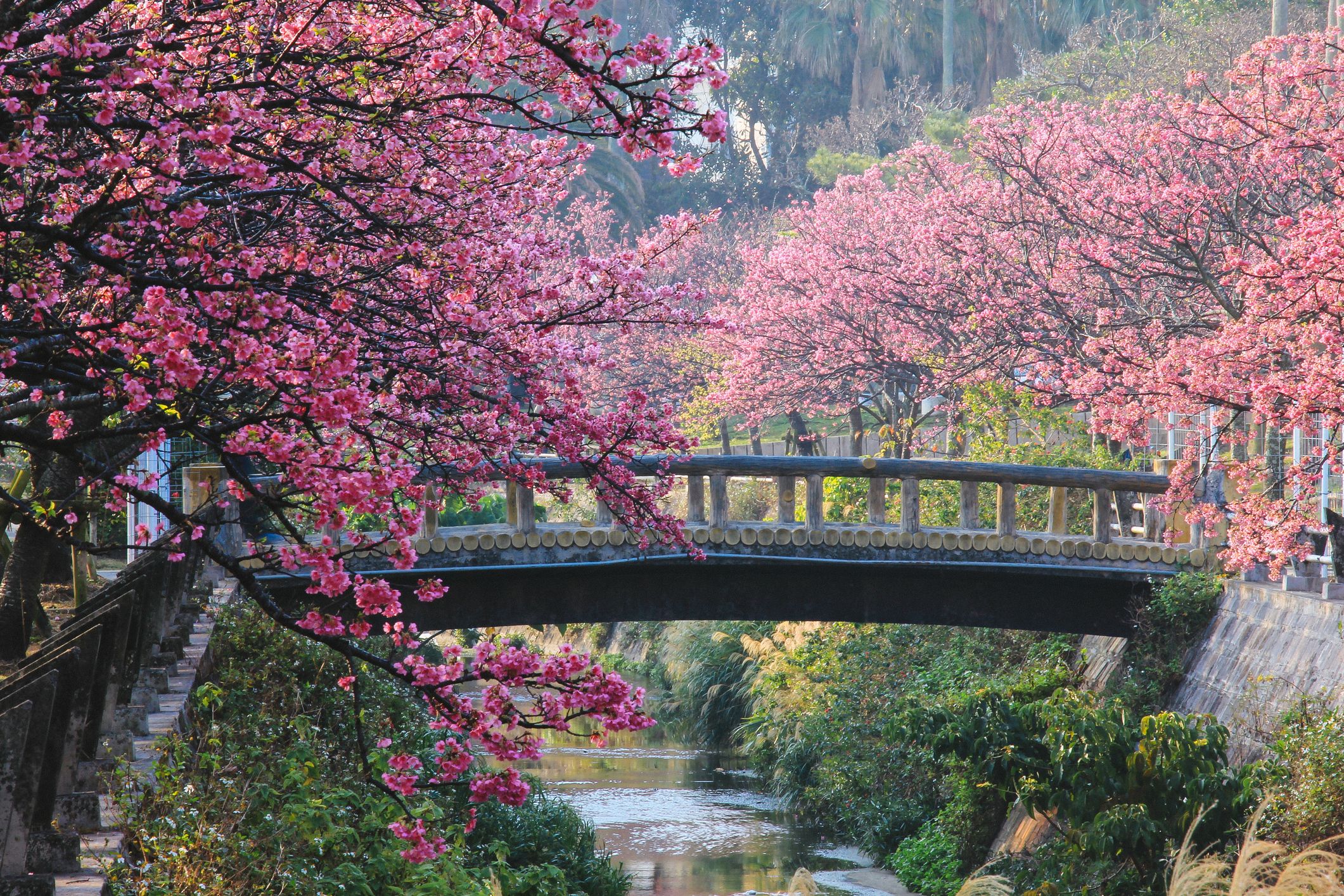
Okinawa’s climate is warm for most of the year, with spring beach days, steamy summers and the kind of soft winter that'll have you feeling overdressed in a coat. Typhoons do roll through (mainly from early summer into autumn), which is why many travellers aim for late March to May and late October to December when seas are calmer and humidity eases. The Japan Meteorological Agency’s long-term records confirm average winter highs around the high teens Celsius in Naha, climbing into the high twenties by late spring and autumn.
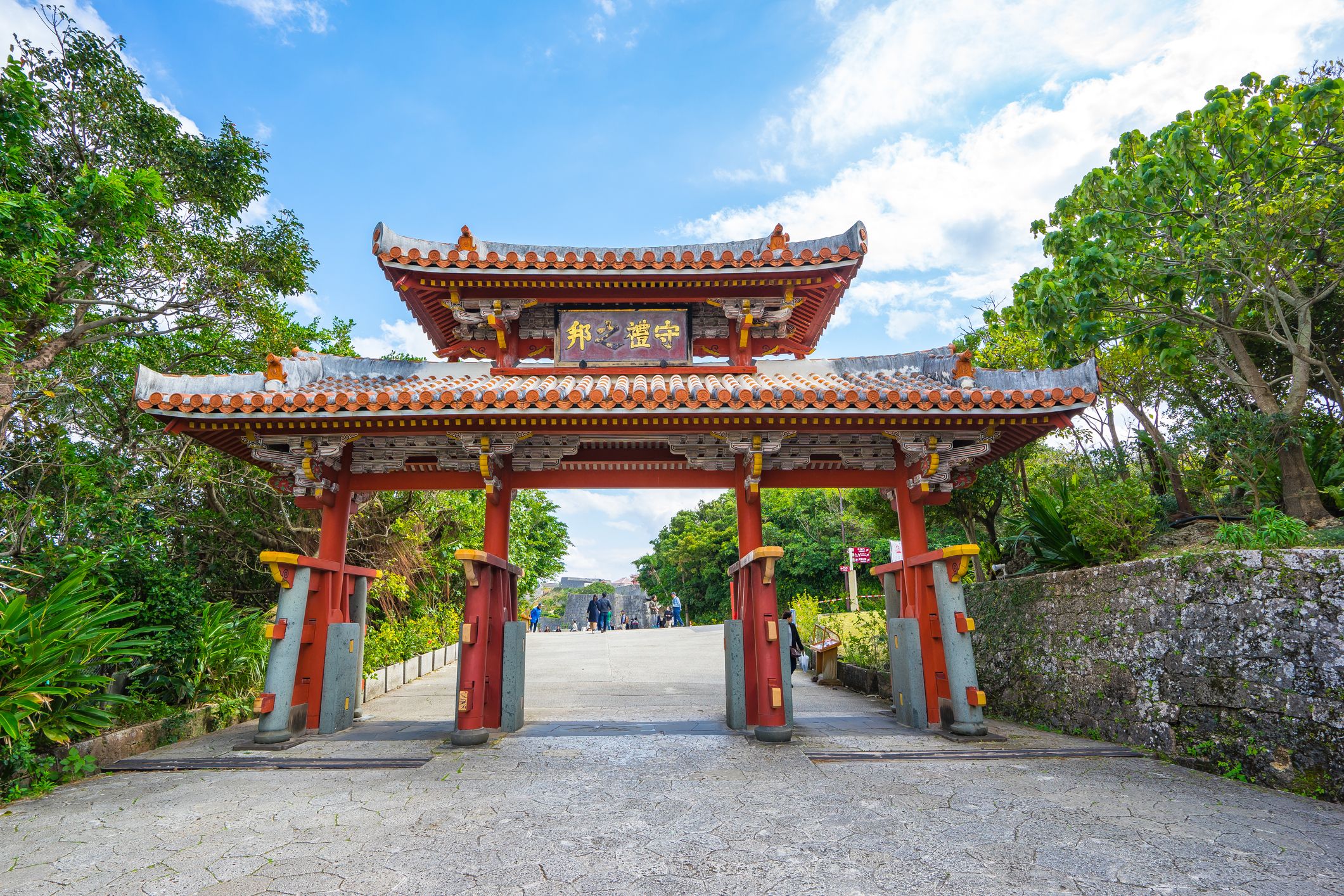
The cultural temperature is just as warm. For centuries this was the independent Ryukyu Kingdom, a seafaring state that paid tribute to China and traded widely. Its palaces and sacred limestone groves now form the “Gusuku Sites and Related Properties of the Kingdom of Ryukyu,” a UNESCO World Heritage listing that threads across the main Okinawa island. At the heart of it all stands Shurijo, the former royal castle above Naha. A devastating fire in 2019 destroyed several wooden halls, but reconstruction of the main hall is well underway, with the official park authority documenting the rebuild as the site gradually reopens to visitors. Watching artisans re-carve vermilion pillars is a history lesson with the scent of fresh cypress.
Naha, gateway with a heartbeat
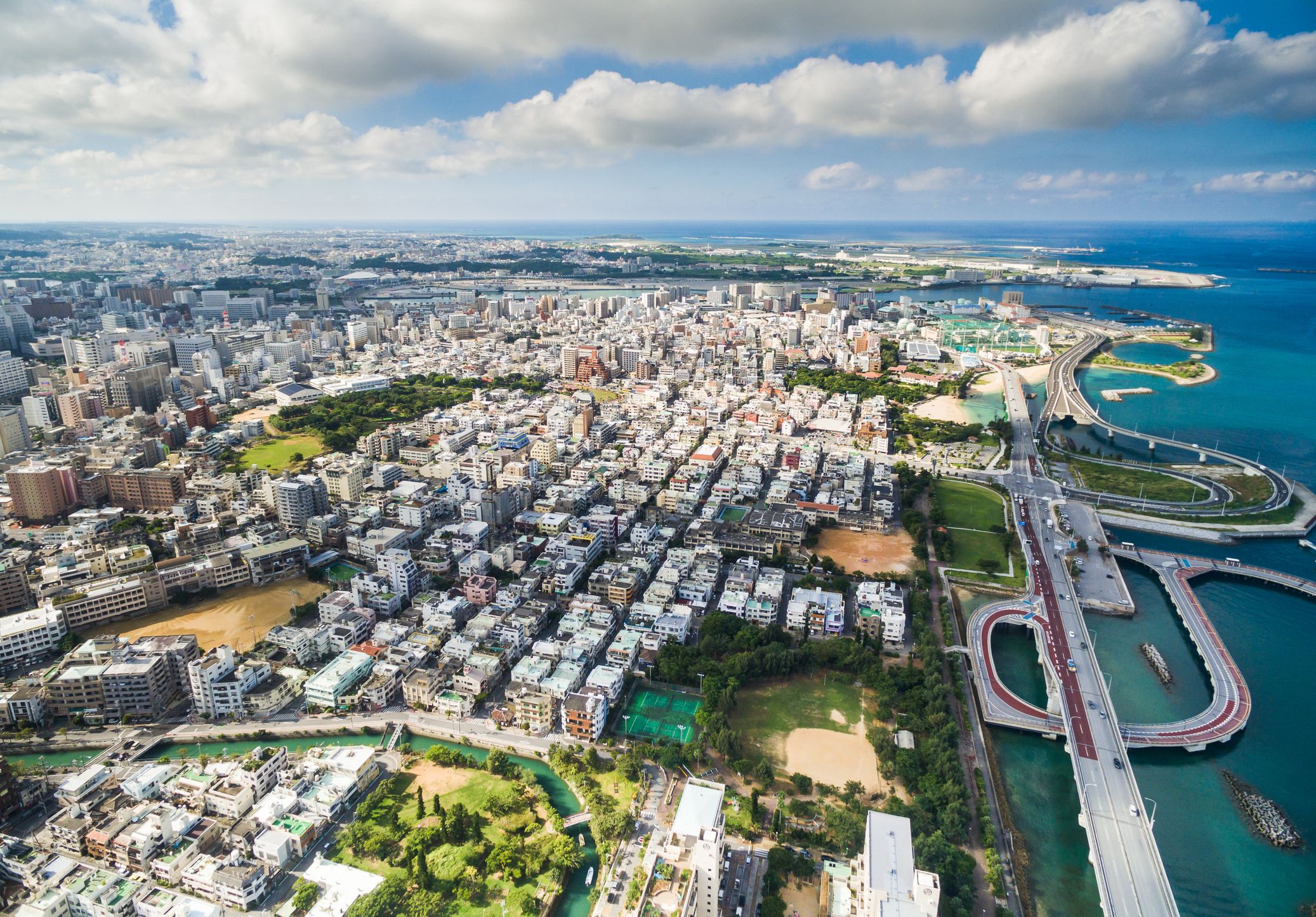
Most cruises call at Naha, a compact port where you can be on Kokusai-dori, (the city’s easygoing main drag), within minutes for a first encounter with Okinawan flavors and crafts. The driverless Yui Rail links the airport, downtown and Shuri in a neat arc, making it simple to hop from market stalls to castle walls without having to wrestle a taxi queue.
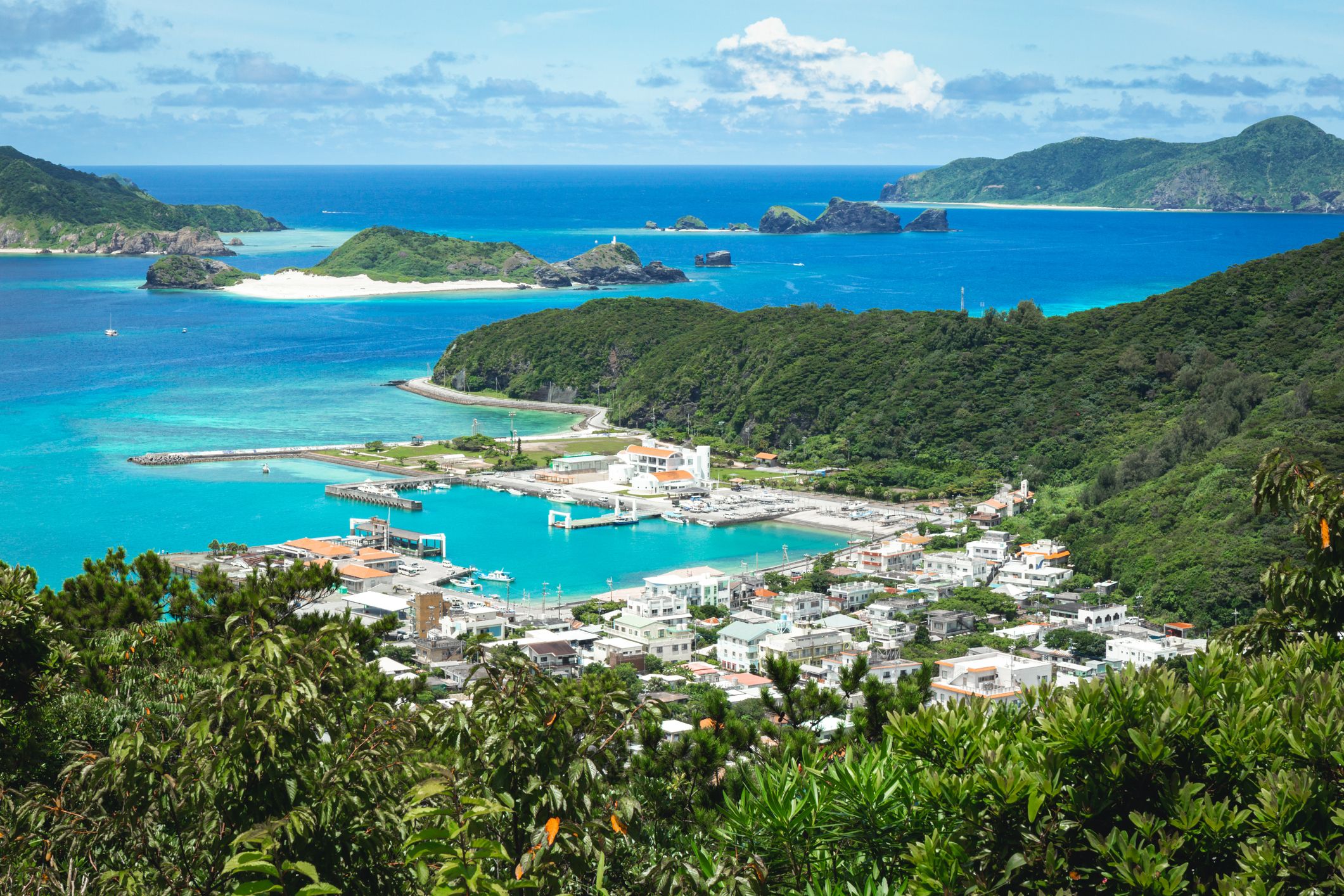
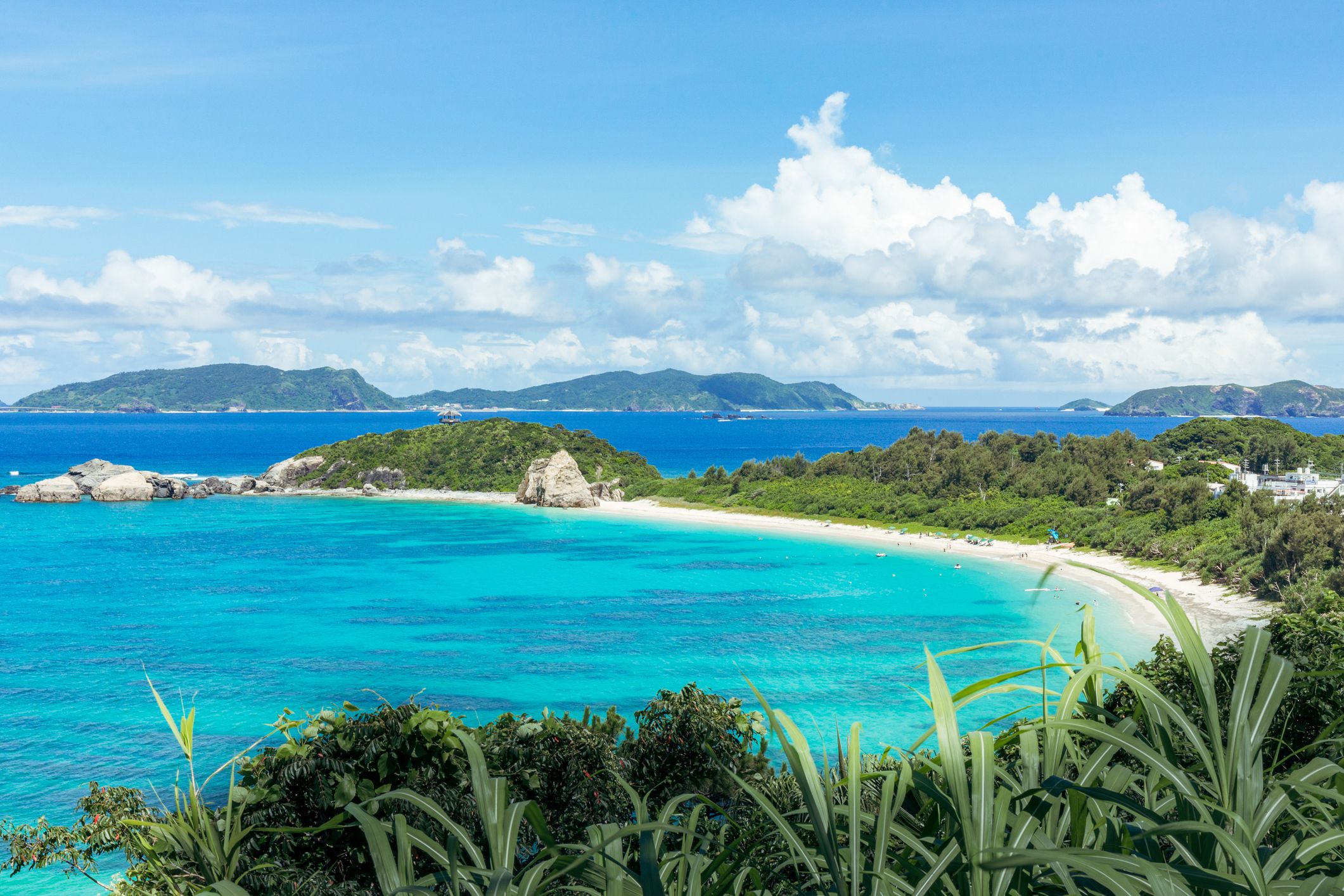
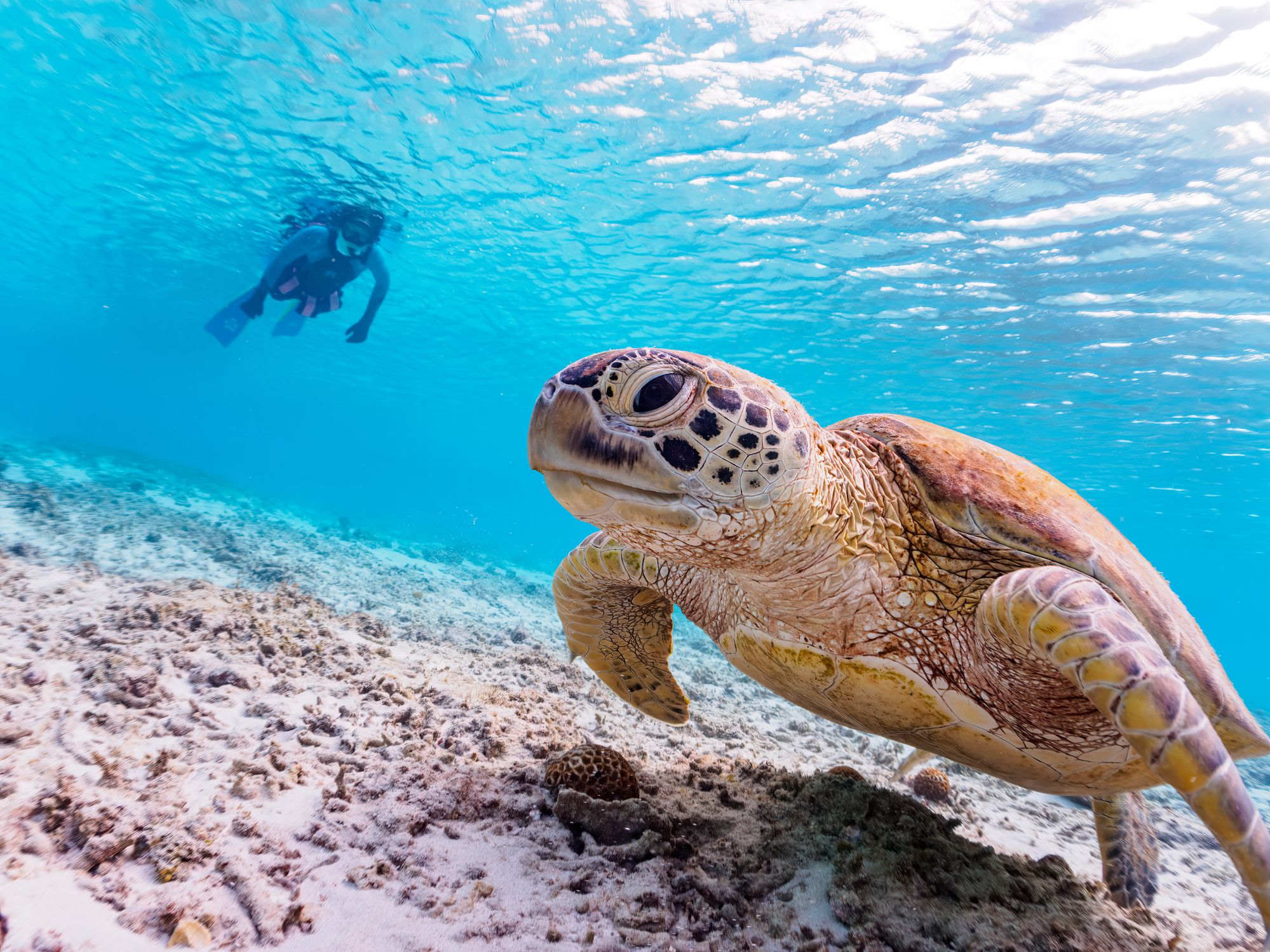
When you need sea and sky, slip to Naminoue Beach at the edge of town or take a fast ferry out to the Kerama Islands. Their waters are famous enough to have earned a nickname, “Kerama Blue,” and in winter humpback whales gather offshore while the reefs hum with parrotfish and plate coral. Keramashoto National Park’s official guides can point you toward boat trips, snorkel spots and island hikes that feel far wilder than their distance from Naha would suggest.
Islands that feel like a different country
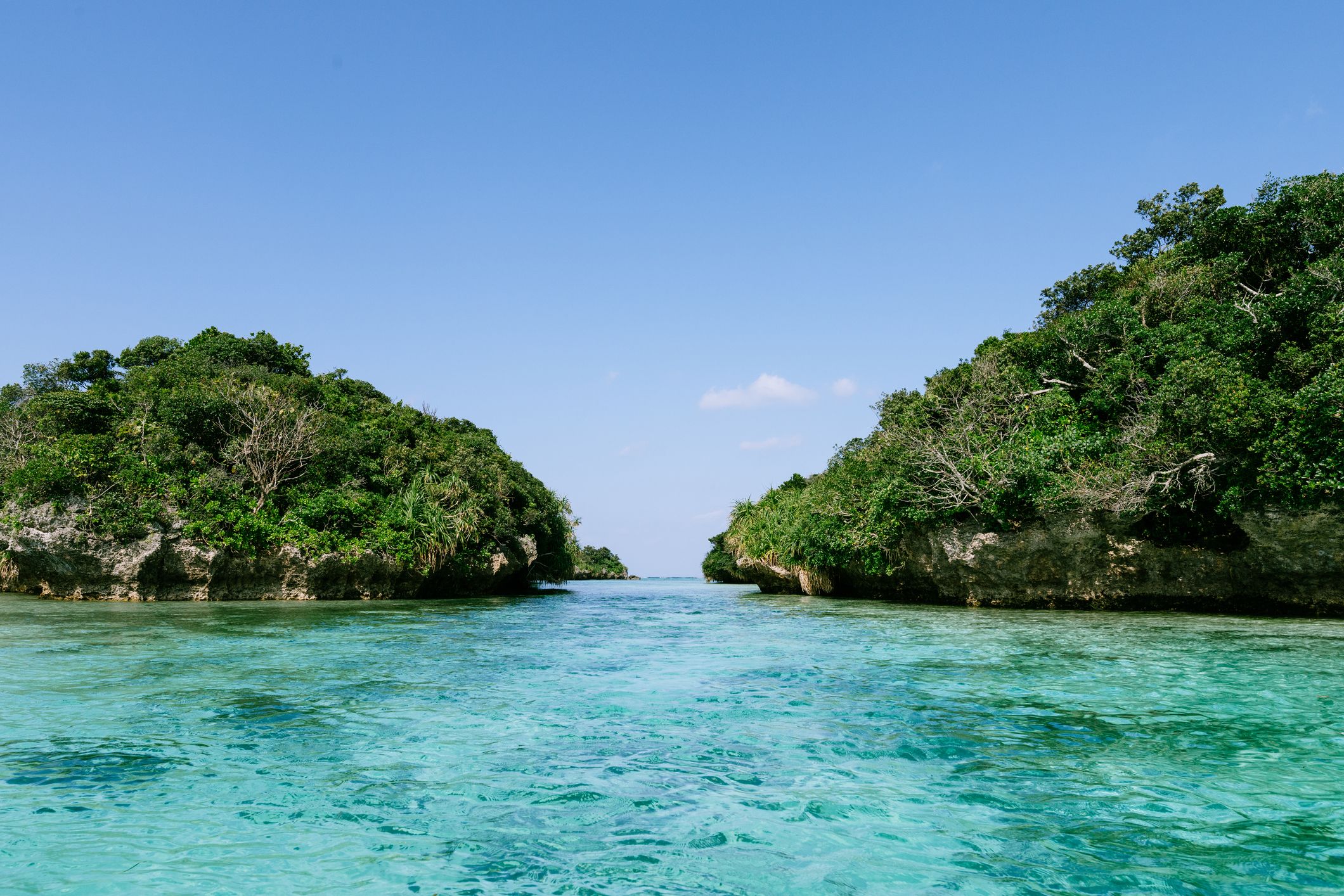
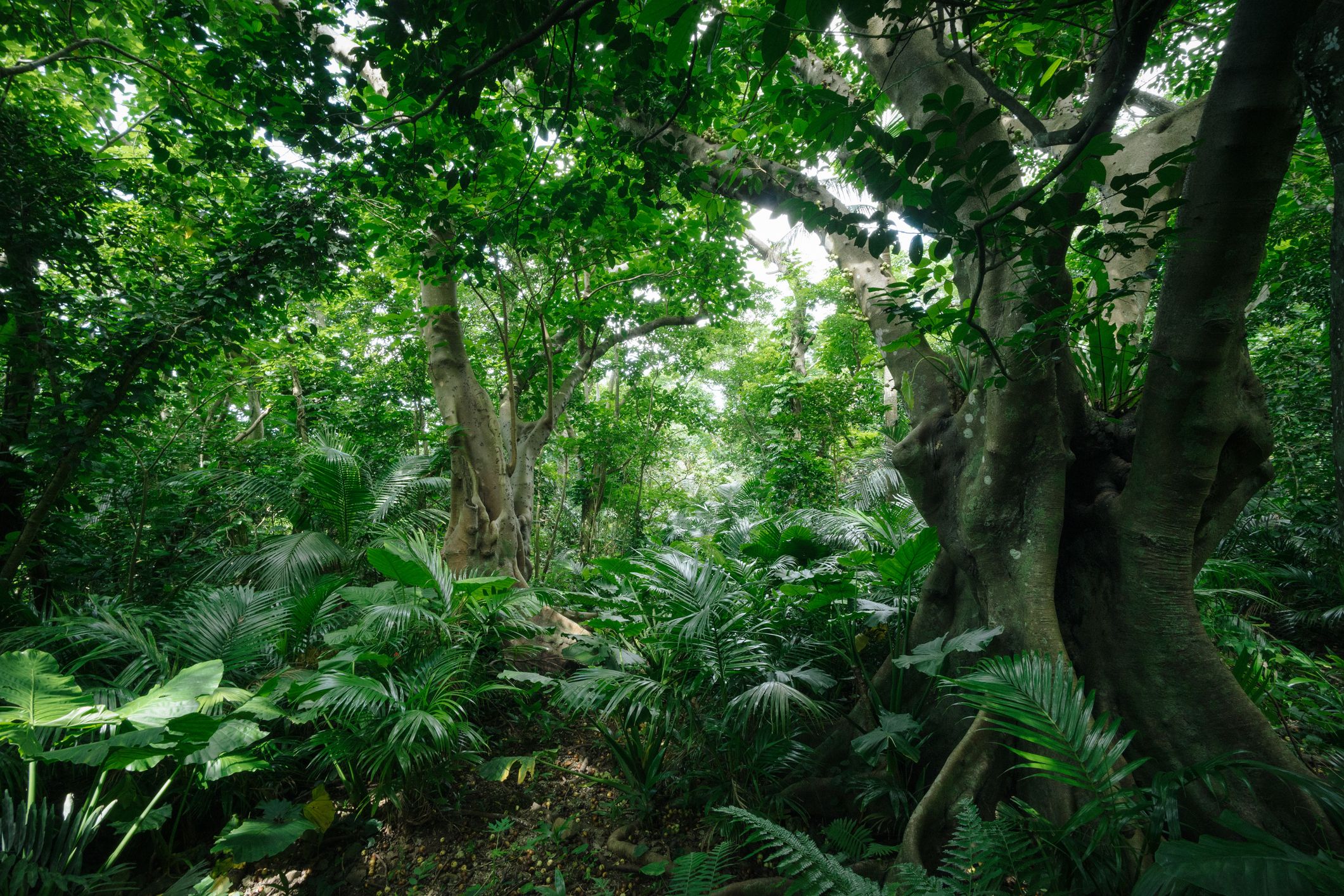
Farther southwest, Iriomote-Ishigaki National Park is all mangrove channels, limestone caverns and jungle ridges. Iriomote shelters the critically endangered Iriomote wildcat; Ishigaki offers powdery coves and boat trips over luminous reefs. Parts of this archipelago, along with northern Okinawa Island and the Amami islands to the north, were inscribed by UNESCO in 2021 for their outstanding biodiversity. If you want a day that feels like the tropics with a Japanese accent, this is where to find it.
On Ishigaki, boats glide across glass-clear shallows at Kabira Bay, a postcard curve of white sand and emerald water where swimming is off-limits but glass-bottom tours reveal coral gardens and darting fish. Nearby, the tiny island of Taketomi preserves a textbook Ryukyu village of coral-sand lanes, low stone walls and those photogenic red roofs guarded by ceramic shisa. Hire a bicycle, coast past hibiscus hedges, and you may forget the schedules back on board.
What you’ll eat and drink
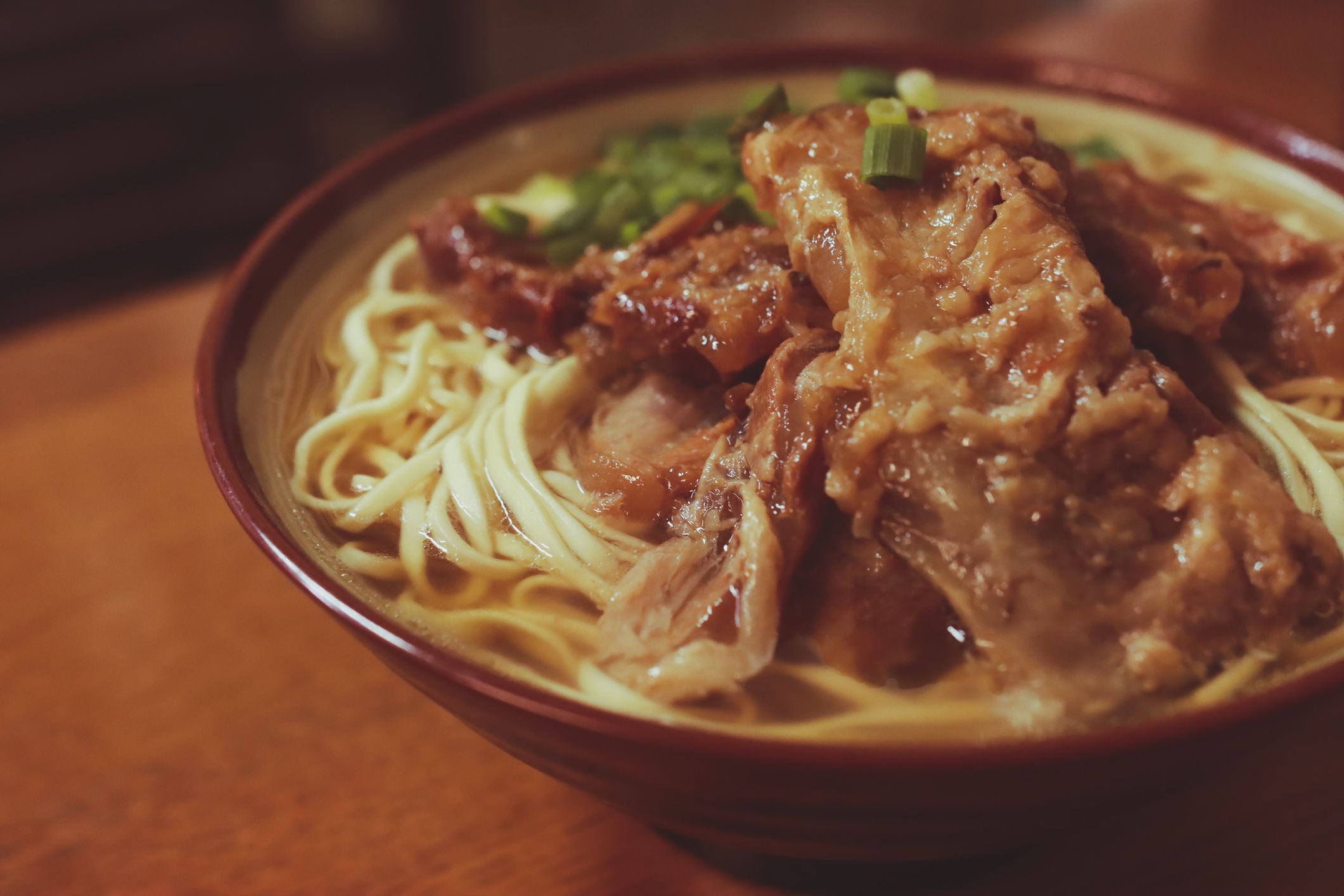
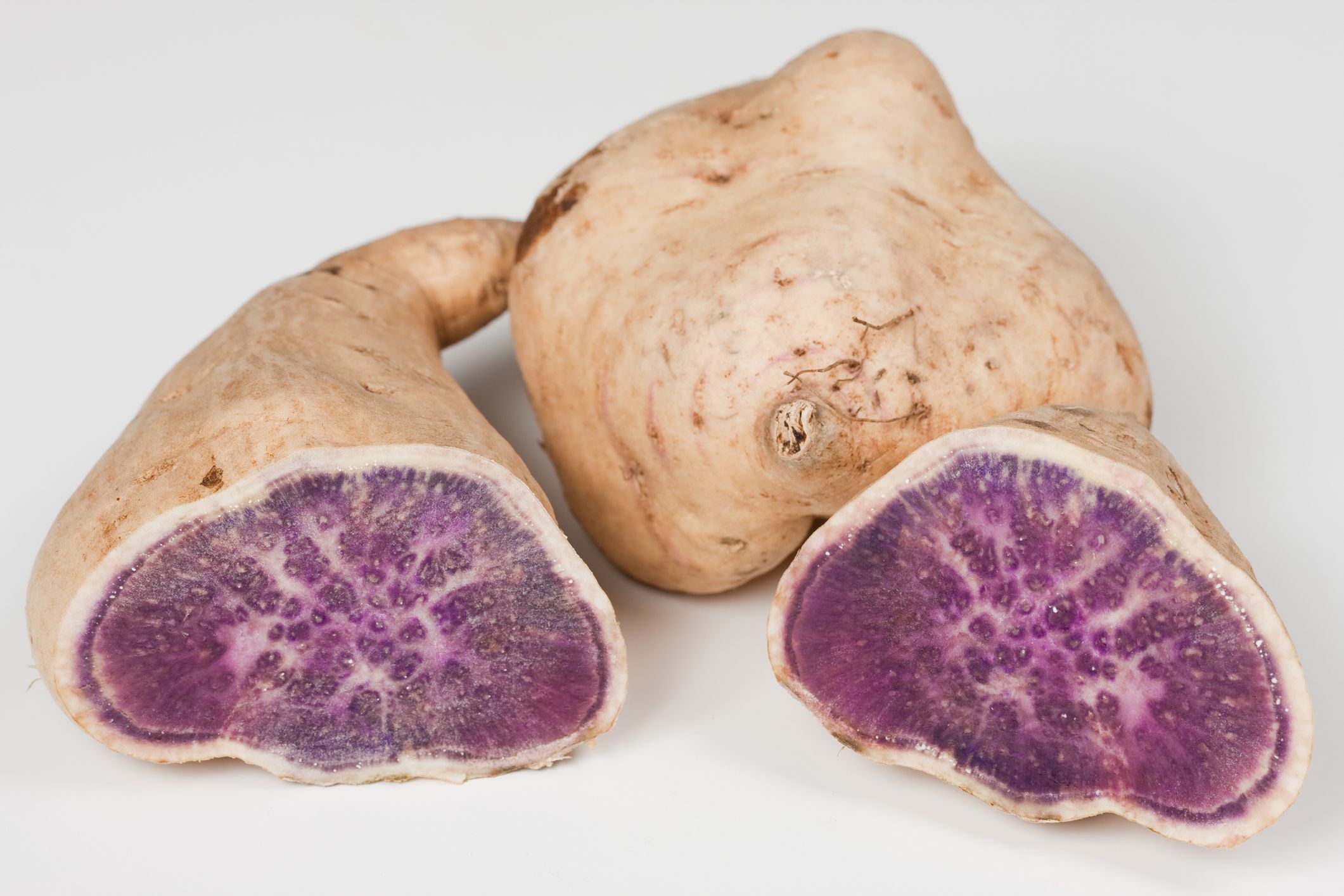
Okinawan cooking has its own grammar. Goya champuru tosses tofu and pork with bitter melon into a satisfyingly earthy tangle. Bowls of Okinawa soba arrive with springy wheat noodles, broth scented by pork and bonito, and a tranche of stewed belly or sparerib lounging on top. In cafés you’ll meet beni-imo, the island’s purple sweet potato, turned into pies and ice cream with a flamboyance that would make a Parisian patissier blush. For something with a whiff of the islands’ old trade routes, order a splash of awamori, the local spirit distilled from Thai long-grain rice with black koji and often poured over ice. You will not mistake it for sake, and you will sleep well.
How to use a port day
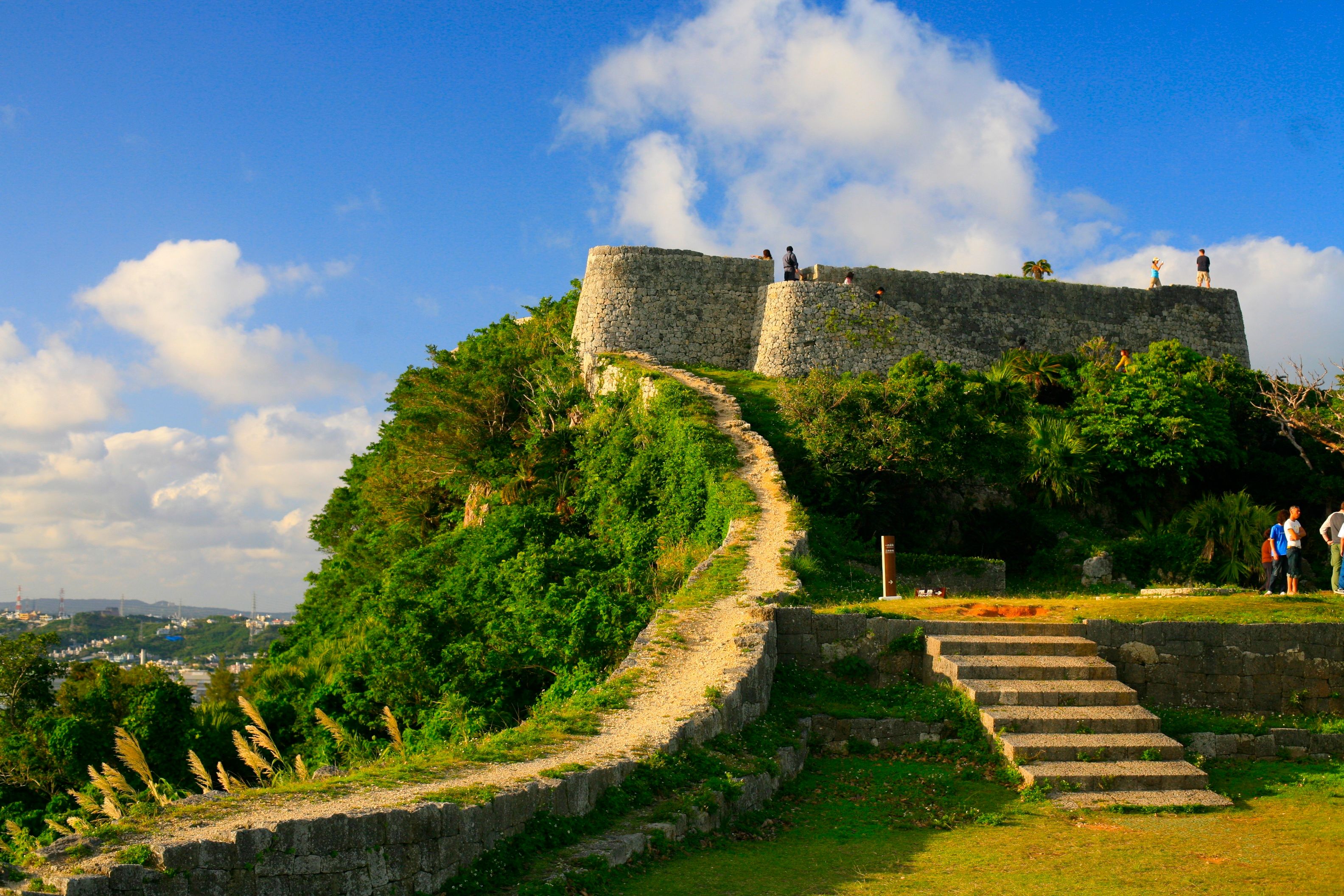
Okinawa rewards simple plans. From Naha, ride the Yui Rail up to Shuri to walk the castle precinct, then drop back to Kokusai-dori for a market lunch and a rummage through shops selling hand-dyed bingata textiles and squat shisa guardians. If the sea is calm, book a Kerama day boat for snorkeling or a winter whale-watch if you are in season. On Ishigaki calls, head straight for Kabira Bay’s overlooks before hopping a short ferry to Taketomi to wander the lanes and beaches, returning in good time for a slow lap of the ship’s deck before sailaway.
Why it still flies under the radar
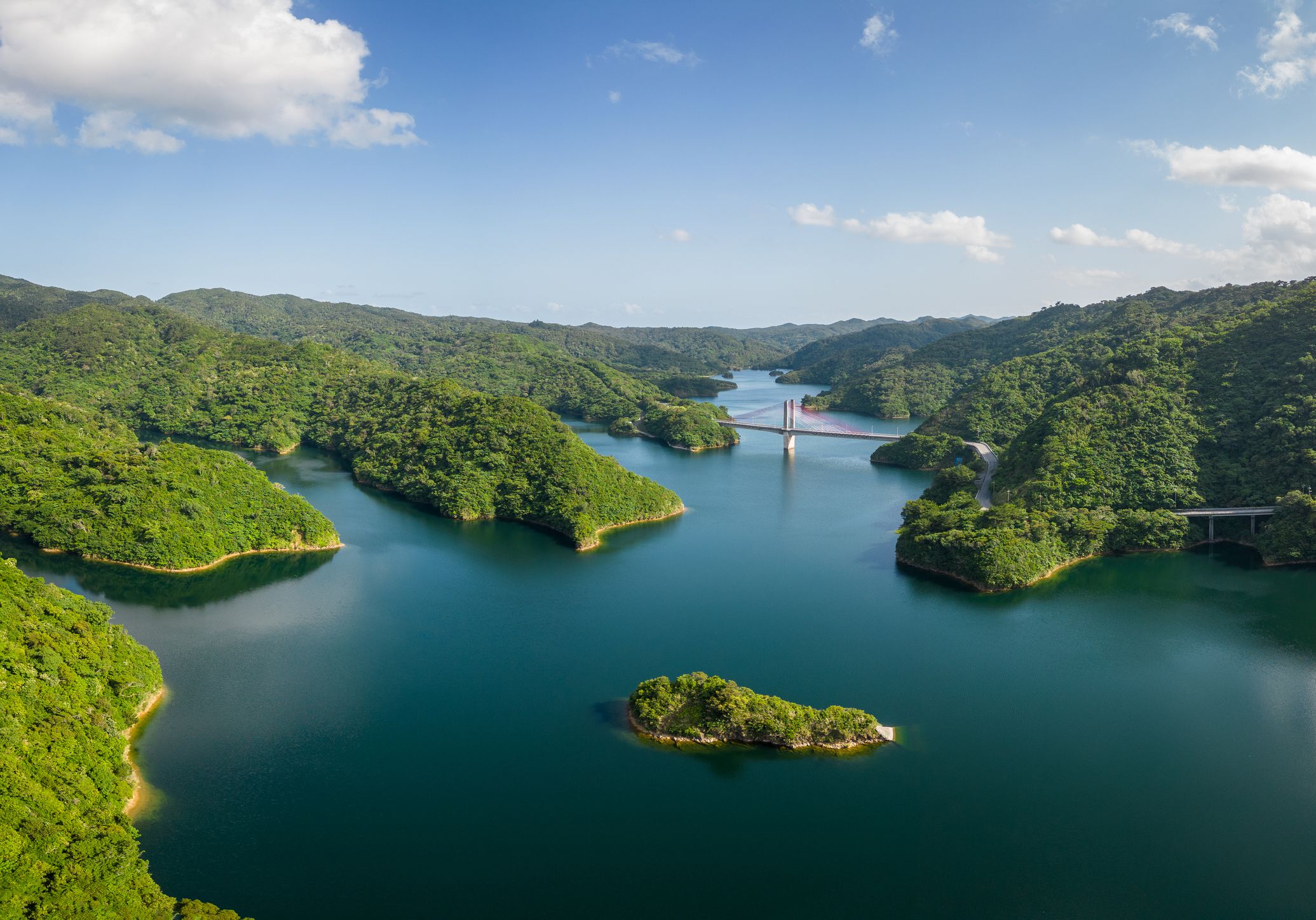
For many first-timers, Japan means temples and bullet trains rather than mangroves and manta rays. Okinawa is geographically distant from the Tokyo–Kyoto corridor, it has a distinct history, and its best experiences are outdoorsy rather than museum-bound. That is exactly the appeal. You are still in Japan, you still get the meticulous service and spotless trains, yet the rhythm is island-slow and the palette is south-sea bright. The fact that you may be learning how to say “thank you” in Uchinaaguchi rather than standard Japanese is just a bonus.
Who sails there
Several big-name lines include Okinawa on Japan and Asia-Pacific itineraries, often calling at Naha on the main island and at outlying ports such as Ishigaki or Miyako depending on the season. Princess has run Japan-focused seasons with Okinawa calls from Yokohama and Kobe. Royal Caribbean has featured Naha on regional cruises, and Norwegian Cruise Line has scheduled Japan itineraries with Okinawa stops. MSC has based ships in Japan with occasional Okinawa calls as well. Schedules change with monsoon and market, so check current routes and ports before you start dreaming about Kabira Blue.
Practical notes: Kokusai-dori sits a short transfer from Naha Port; the Naha Airport–Shuri Yui Rail is the simplest spine for DIY exploring. Ferries to the Keramas and Yaeyama islands are frequent but weather dependent. Typhoon season can shuffle plans, so keep an eye on forecasts and build in a little slack. The reward is a Japan you likely didn’t expect, with hibiscus in the hedgerows and coral fans waving just beyond the bow.