
And, to be fair, the whales, penguins, glaciers and landscapes exceeded every expectation I had. But looking back now, what really elevated the experience was the way we saw it.
One of the first things that struck me onboard was that this didn’t feel like a traditional cruise. There were comfortable lounges, excellent food and plenty of places to relax, but the heart of the ship felt very different.
There was the Science Centre, where guests could learn more about Antarctica and the fragile ecosystems we were visiting. There was the Expedition Launch Centre, where the team prepared us for landings and Zodiac excursions. And there was the Explorer Lounge, where people gathered after a day ashore to compare sightings, share photographs and relive what had happened.
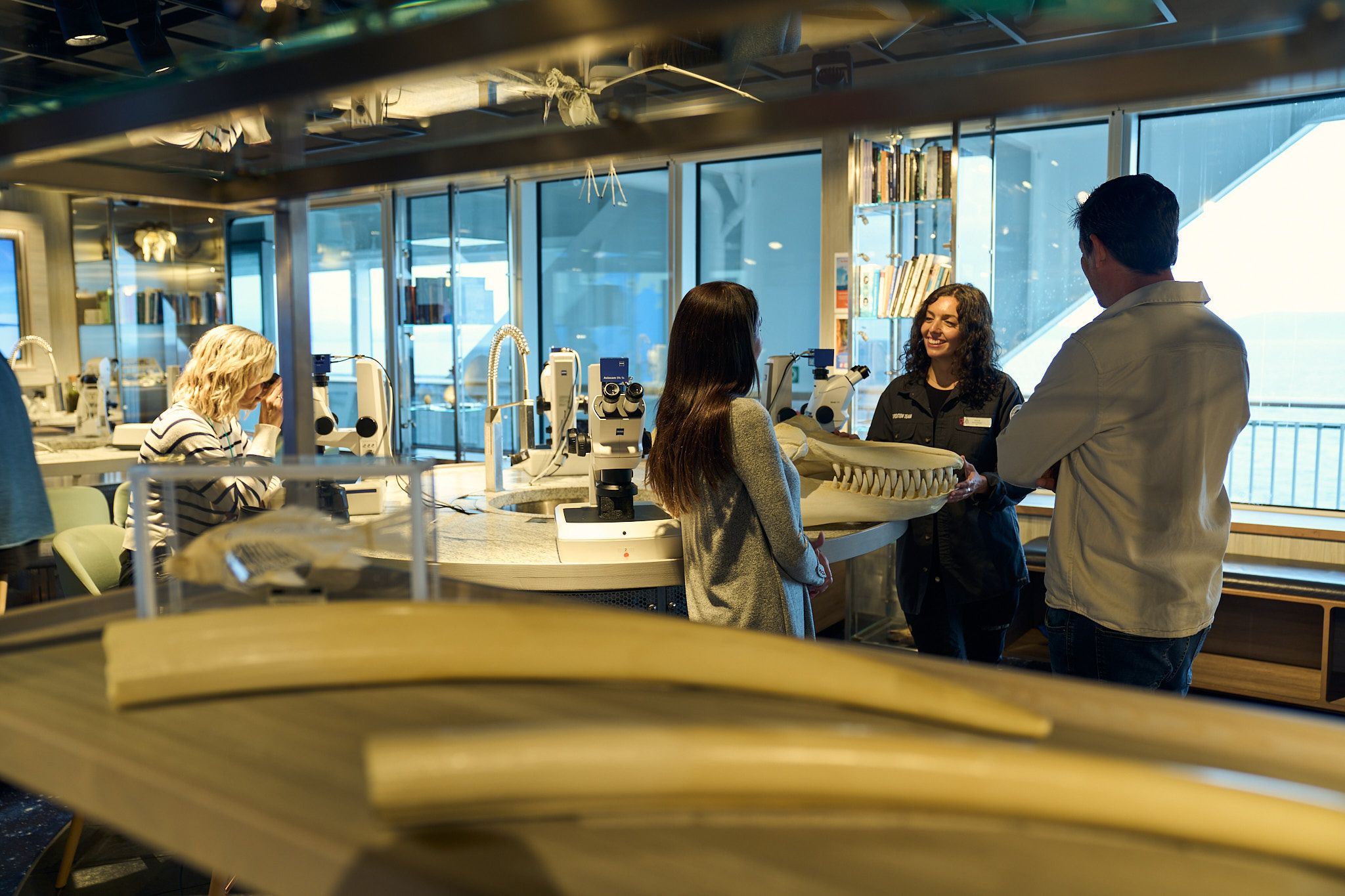
Everything seemed to revolve around discovery.
What I particularly loved was that Antarctica wasn’t treated as a backdrop. It was the reason everyone was there.
Every conversation seemed to come back to the wildlife, the ice, the weather or what might happen next. There was a shared sense of curiosity throughout the ship, whether you were chatting over breakfast, attending a lecture or standing on deck scanning the horizon. That expedition mindset was something I hadn’t experienced before, and the Expedition Team were a huge part of creating it.
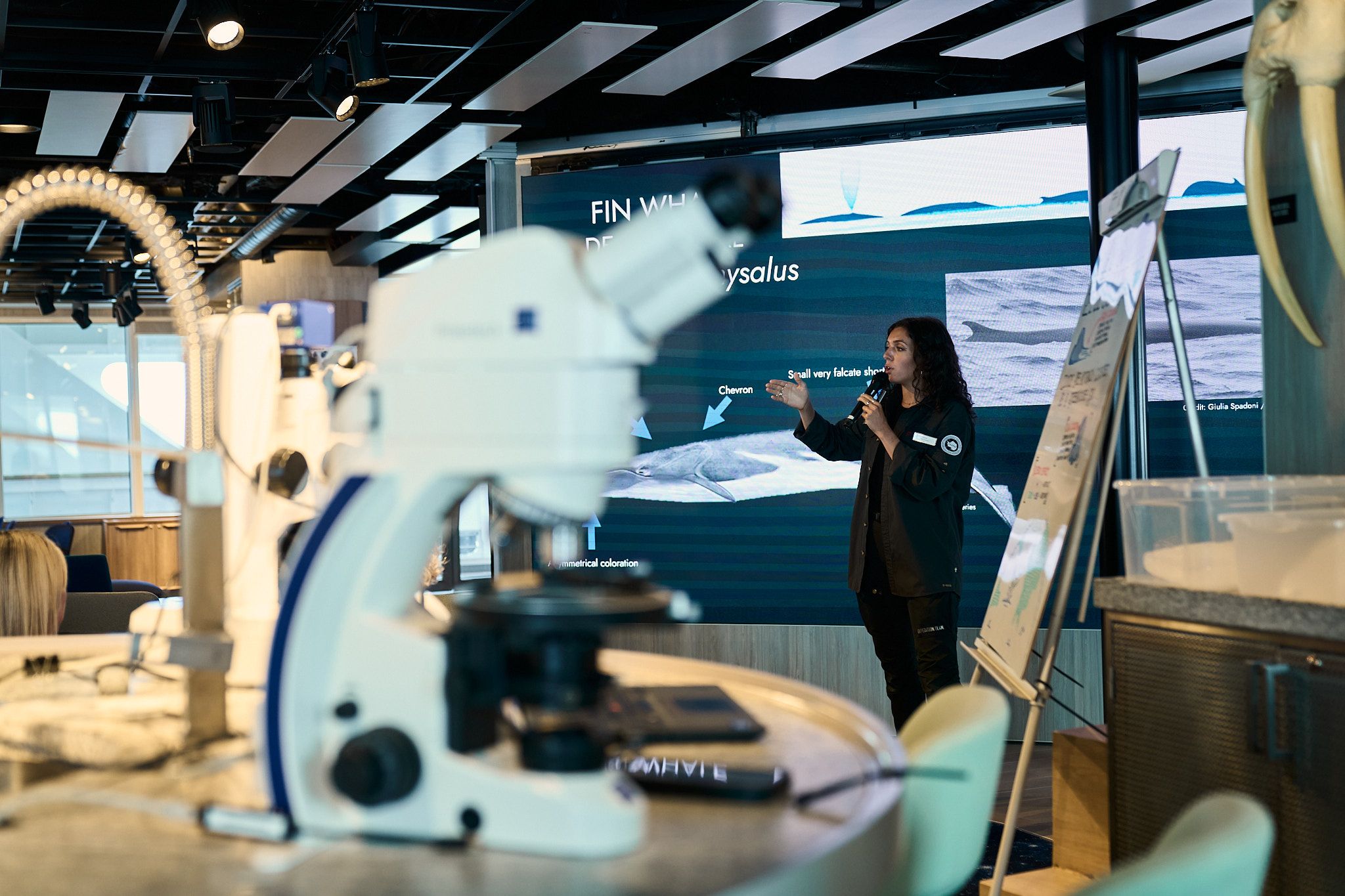
Luciano, the onboard historian, brought Antarctica’s stories to life through talks on Shackleton, Amundsen and the race to the South Pole. His sessions gave the landscape another layer, helping us understand the extraordinary feats of endurance and exploration that had taken place in these waters.
Rob, the ornithologist, shared stories from his time living on Bird Island in South Georgia. Listening to him talk about life surrounded by some of the world’s most extraordinary wildlife was genuinely captivating, partly because his enthusiasm was so infectious.
Then there was Torstein, our Expedition Leader. Energetic, passionate and endlessly knowledgeable, he somehow managed to keep everyone informed, organised and excited throughout the voyage, which is no small thing when the weather, wildlife and ice all have their own ideas.
What struck me most wasn’t only how knowledgeable the team were. It was that they never seemed to take Antarctica for granted. Many of them had made the journey countless times before, yet there was never a sense of having seen it all. Every wildlife sighting, every landing and every change in the weather still seemed to matter.
Antarctica still captivated them.
Spending time alongside the Expedition Team made me appreciate the destination even more. Their passion was obvious, but so was their respect for the place. That matters in Antarctica, where the line between awe and intrusion can feel very fine.
I suppose that sense of wonder stays alive because no two expeditions are ever the same. Every day brings something different. Every wildlife encounter is unique. Every shift in light changes the landscape. If the people who spend their lives exploring this part of the world still find it fascinating, you know you’re somewhere special.
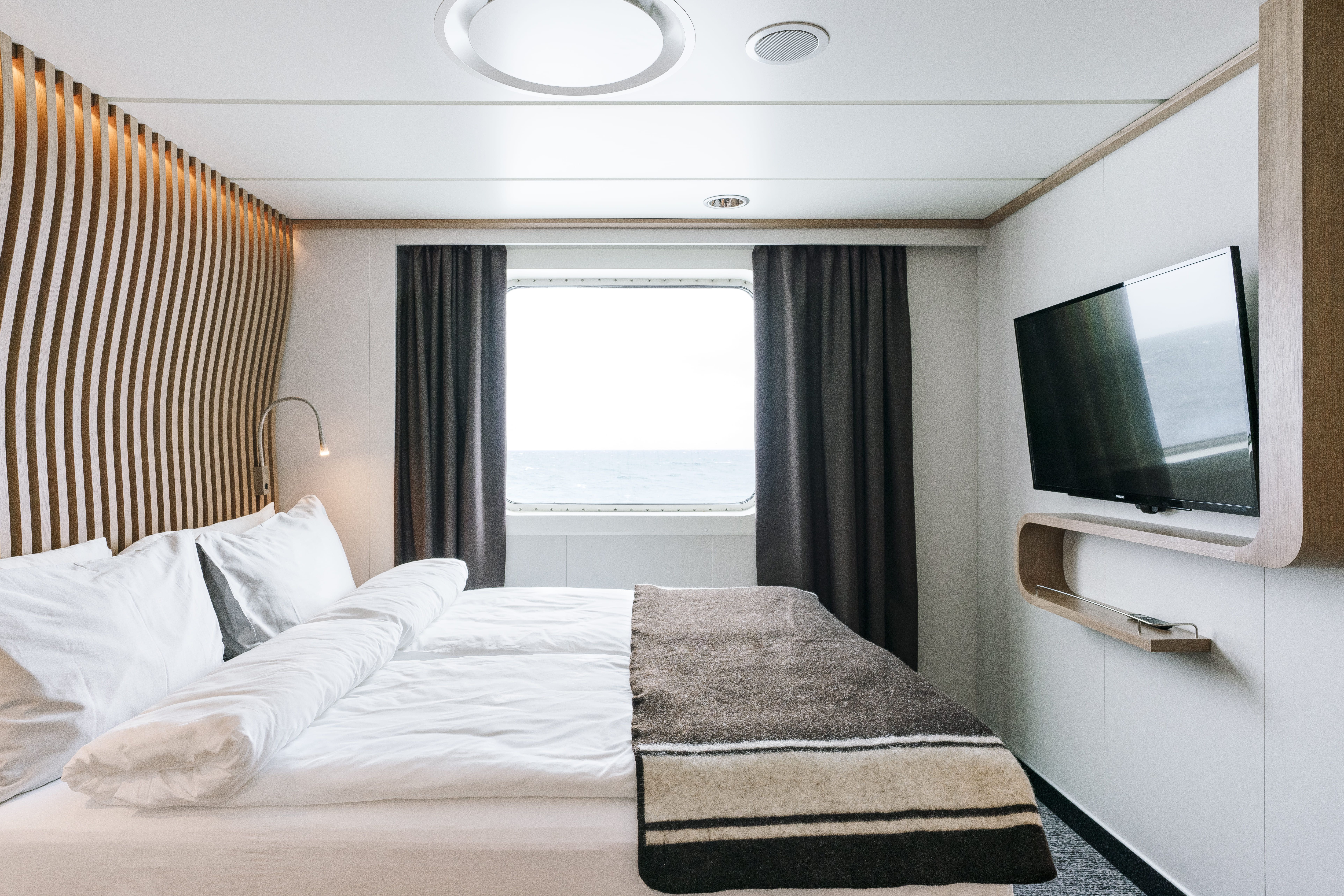
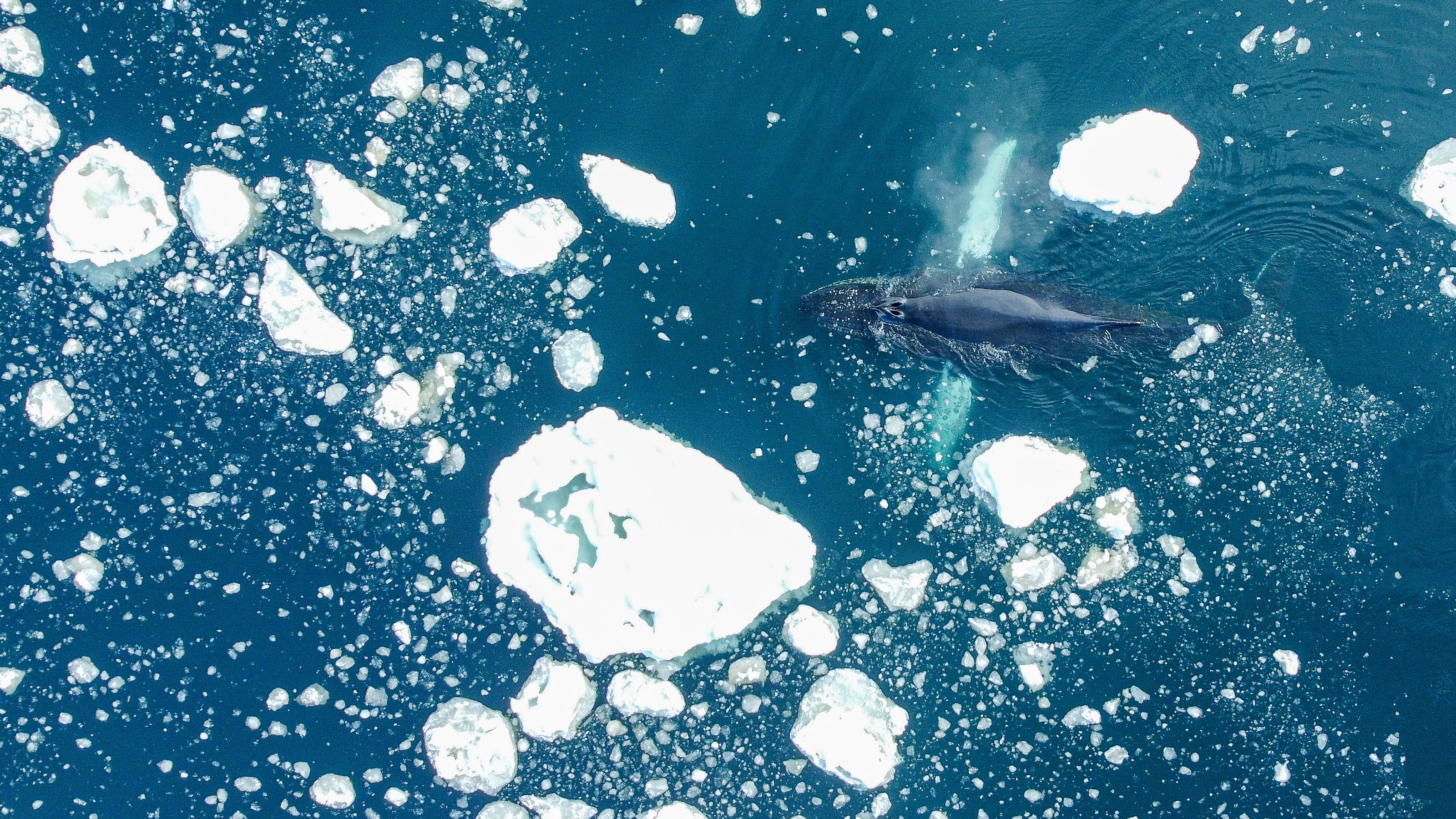
One thing I hadn’t expected was how often wildlife encounters would happen when you least expected them. You could be enjoying a coffee in the Explorer Lounge or reading in your cabin when suddenly word would spread that whales had been spotted.
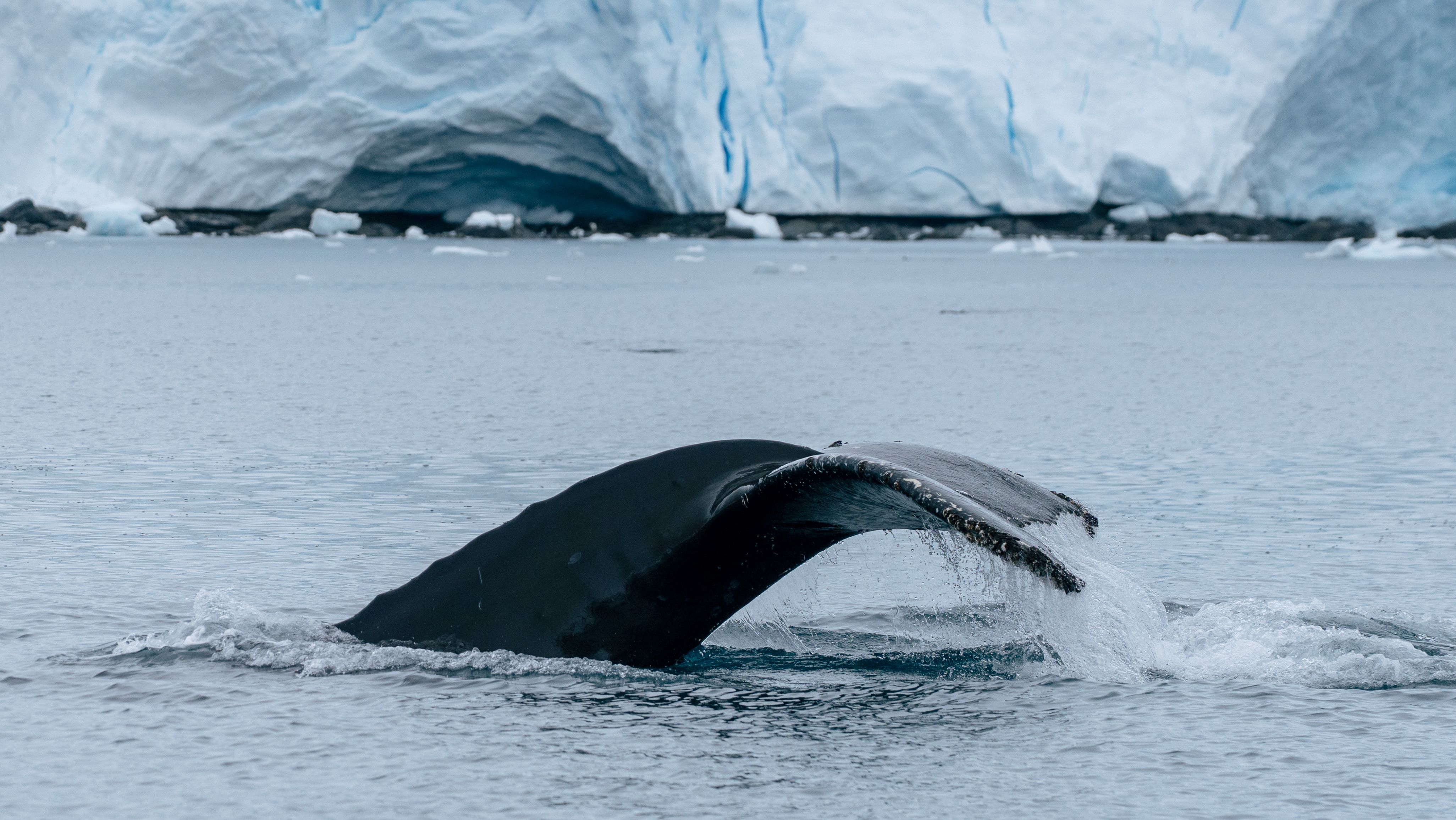
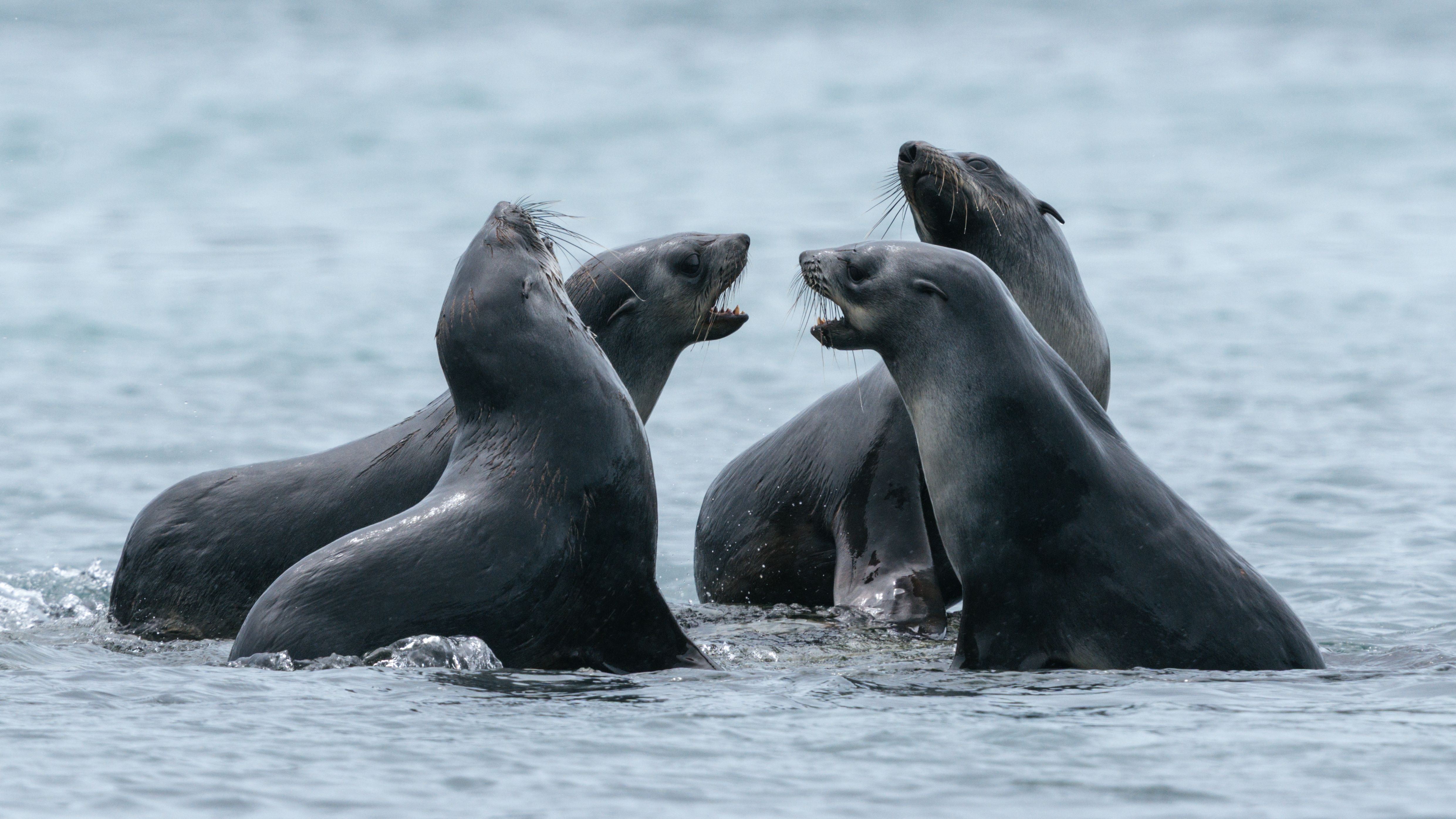
Within minutes, people would be heading for the deck, cameras and binoculars in hand. It wasn’t unusual to see guests moving quickly from one side of the ship to the other as wildlife appeared around us. That sense that something extraordinary could happen at any moment never really left.
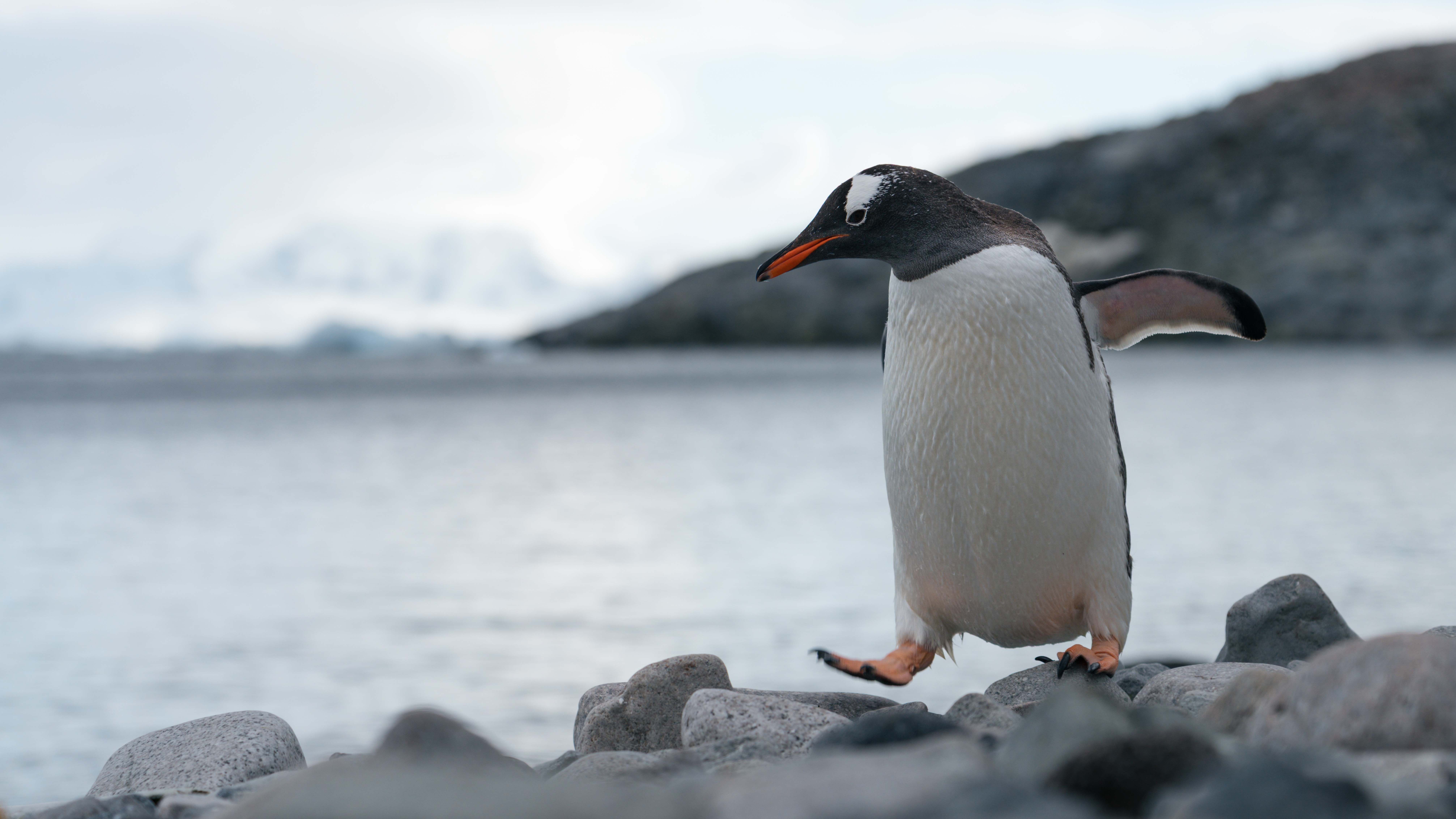
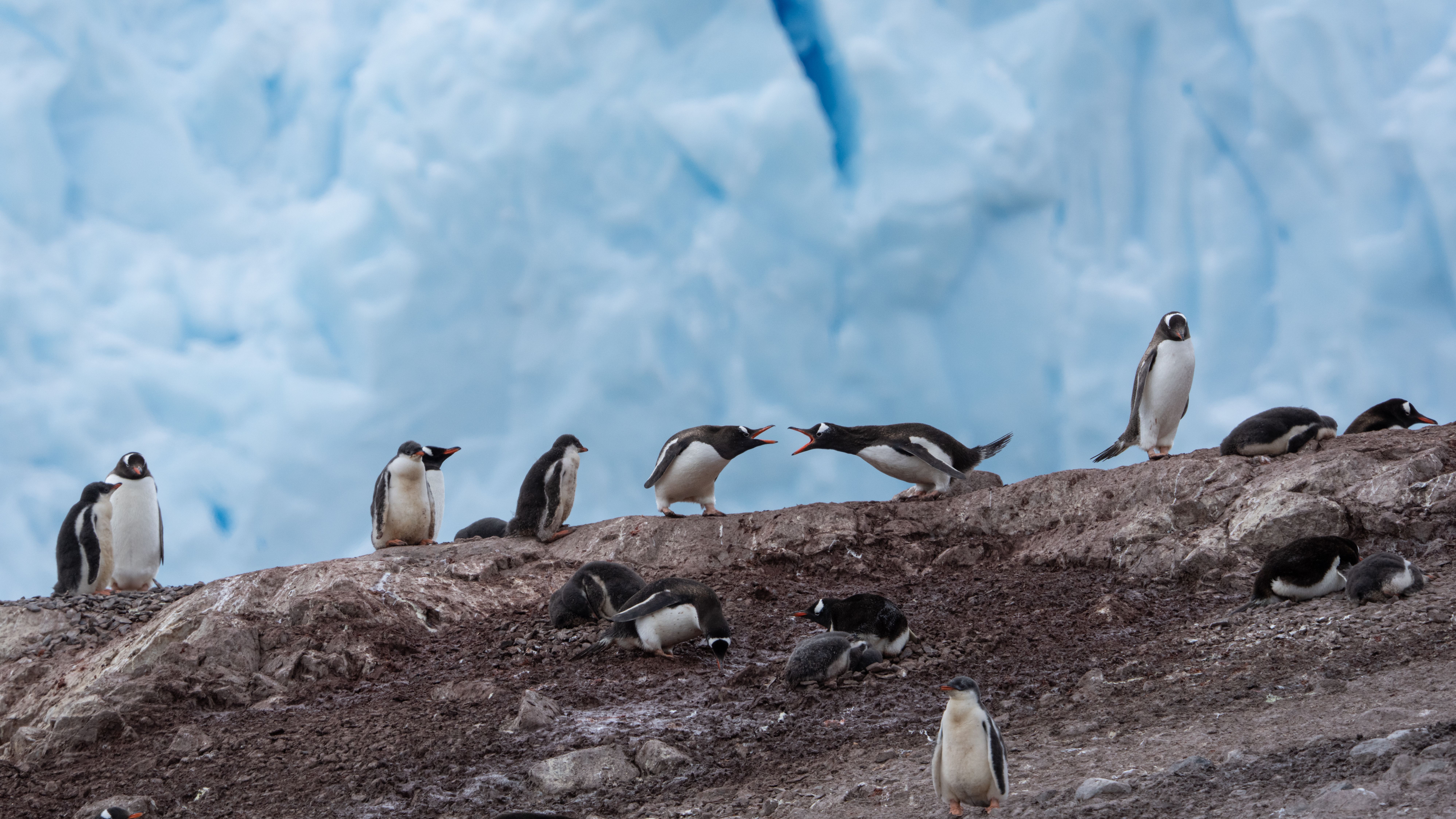
Whether we were spotting humpback whales in Wilhelmina Bay, watching glaciers calve into the sea or coming face-to-face with penguins on a landing, the Expedition Team helped us understand what we were seeing and why it mattered.
That context changed the whole experience. Antarctica became more than a spectacular landscape. It became a place with stories, systems, histories, behaviours and delicate connections that we were only beginning to understand.
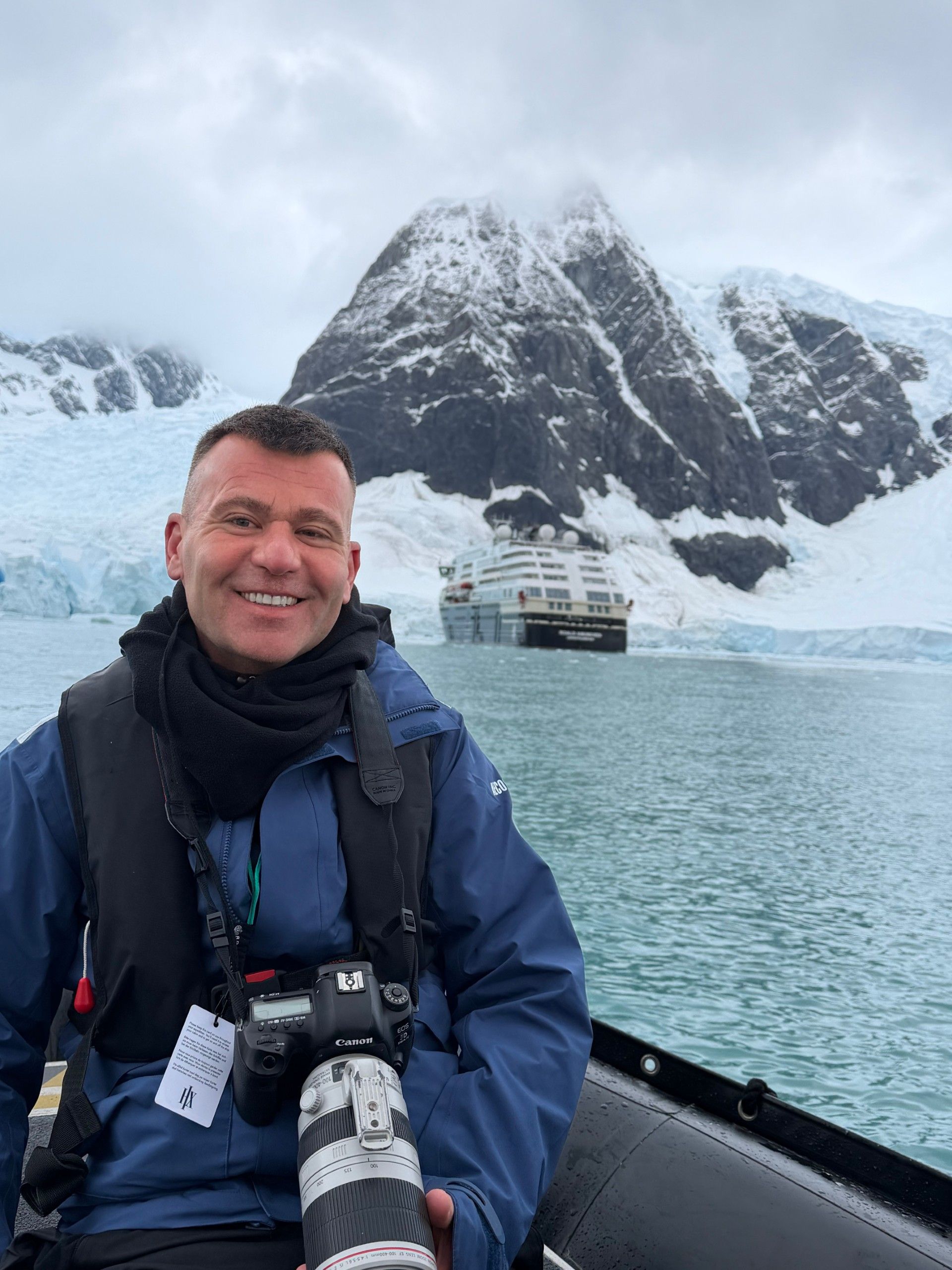
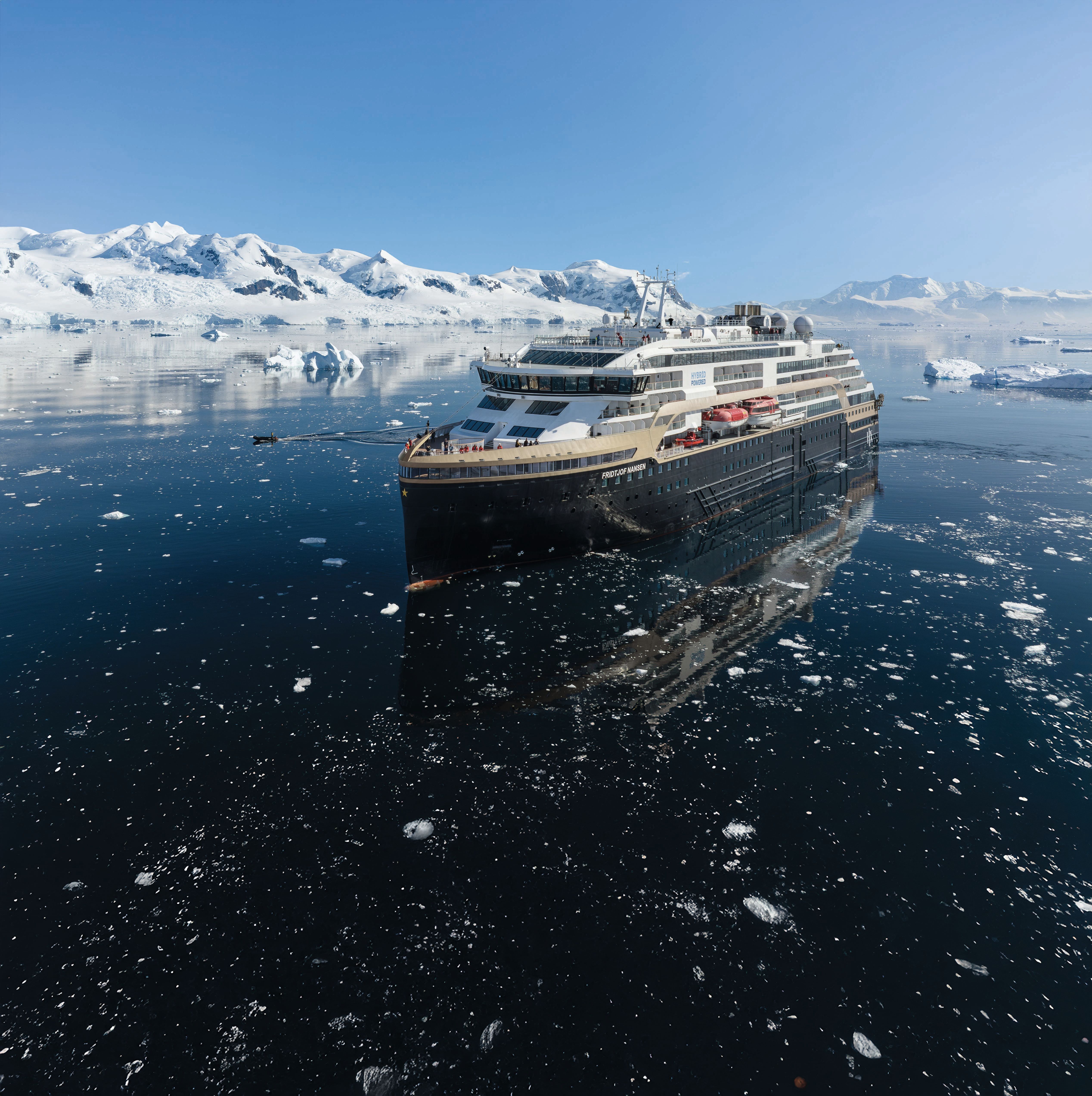
I also appreciated how genuine HX’s approach to conservation and sustainability felt. It’s easy for travel companies to talk about protecting the places they visit, but onboard it didn’t feel like a marketing message. It felt embedded in the way the voyage worked.
From wildlife briefings and biosecurity procedures to the careful management of landings, there was a clear respect for Antarctica and its wildlife. The team encouraged us to learn more about the environment around us and to understand why these ecosystems matter.
I came away feeling that HX genuinely cared about Antarctica and wanted guests to care too. It never felt performative or forced. It simply felt part of the experience. And that made a difference.
Antarctica is one of those places that changes you a little. It’s impossible to spend time there without gaining a deeper appreciation for how special, fragile and alive it really is.
Most importantly, they reminded me that Antarctica is not simply somewhere to visit. It is somewhere to respect, learn about and protect. And honestly, I can’t imagine experiencing it any other way.
Now You Do It
I travelled with HX Expeditions to Antarctica in March 2025.
Cruise Collective members can save 5% on HX Expeditions voyages, including selected Antarctica sailings.
Why Travel With HX Expeditions?
To find out more about HX Expeditions and claim your Cruise Collective member saving, visit Cruise Collective.