
I honestly can't remember a time when I didn't want to visit Antarctica. Partly because it felt so remote and inaccessible, and partly because it’s one of the last truly wild places on Earth. But if I'm being completely honest, it was the wildlife that excited me most, particularly the whales.
Before travelling with HX Expeditions, I thought I knew exactly what to expect. I'd spent years watching documentaries, reading articles and admiring photographs of this frozen wilderness. I thought I knew what it would look like. How wrong I was.
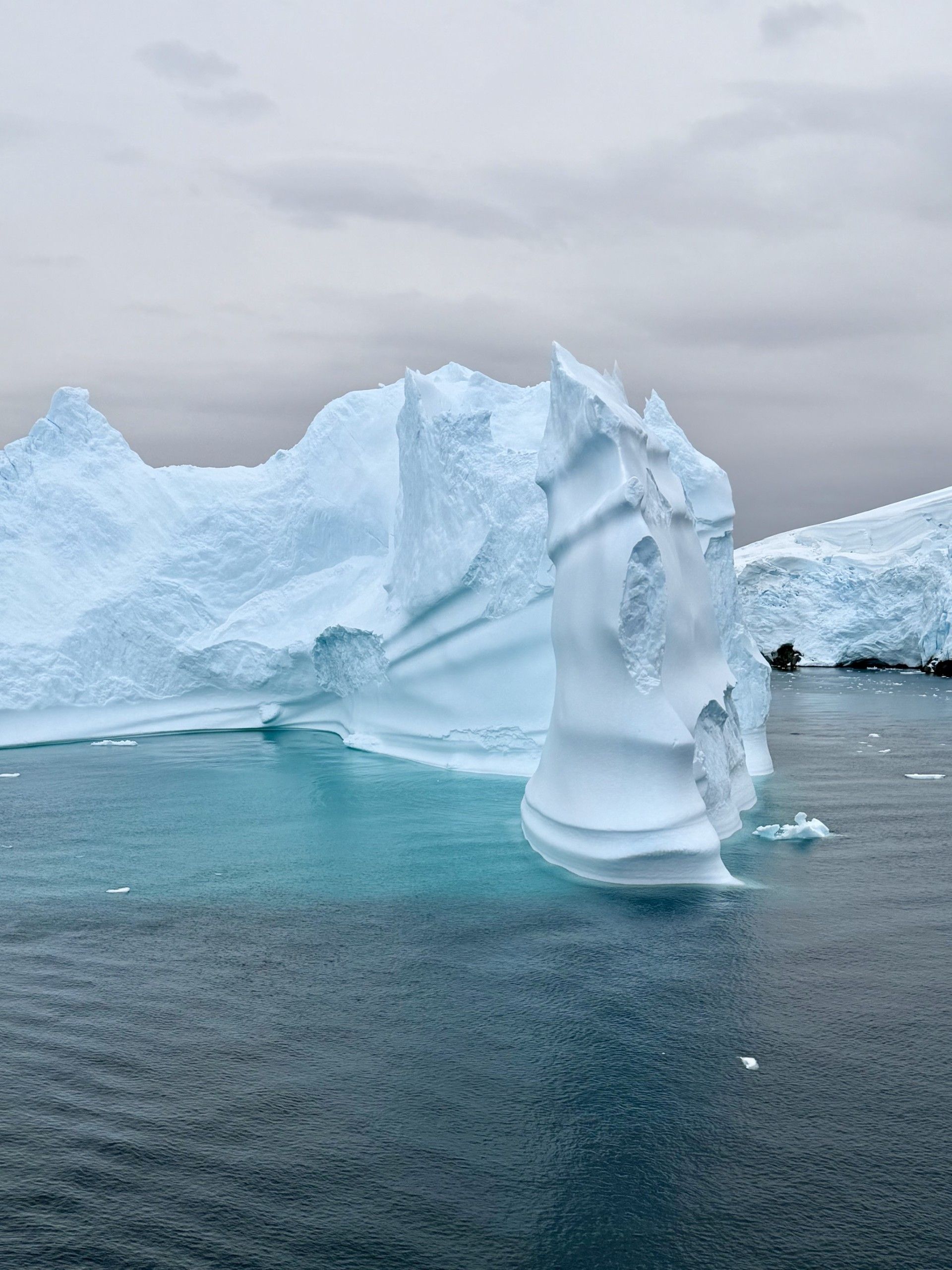
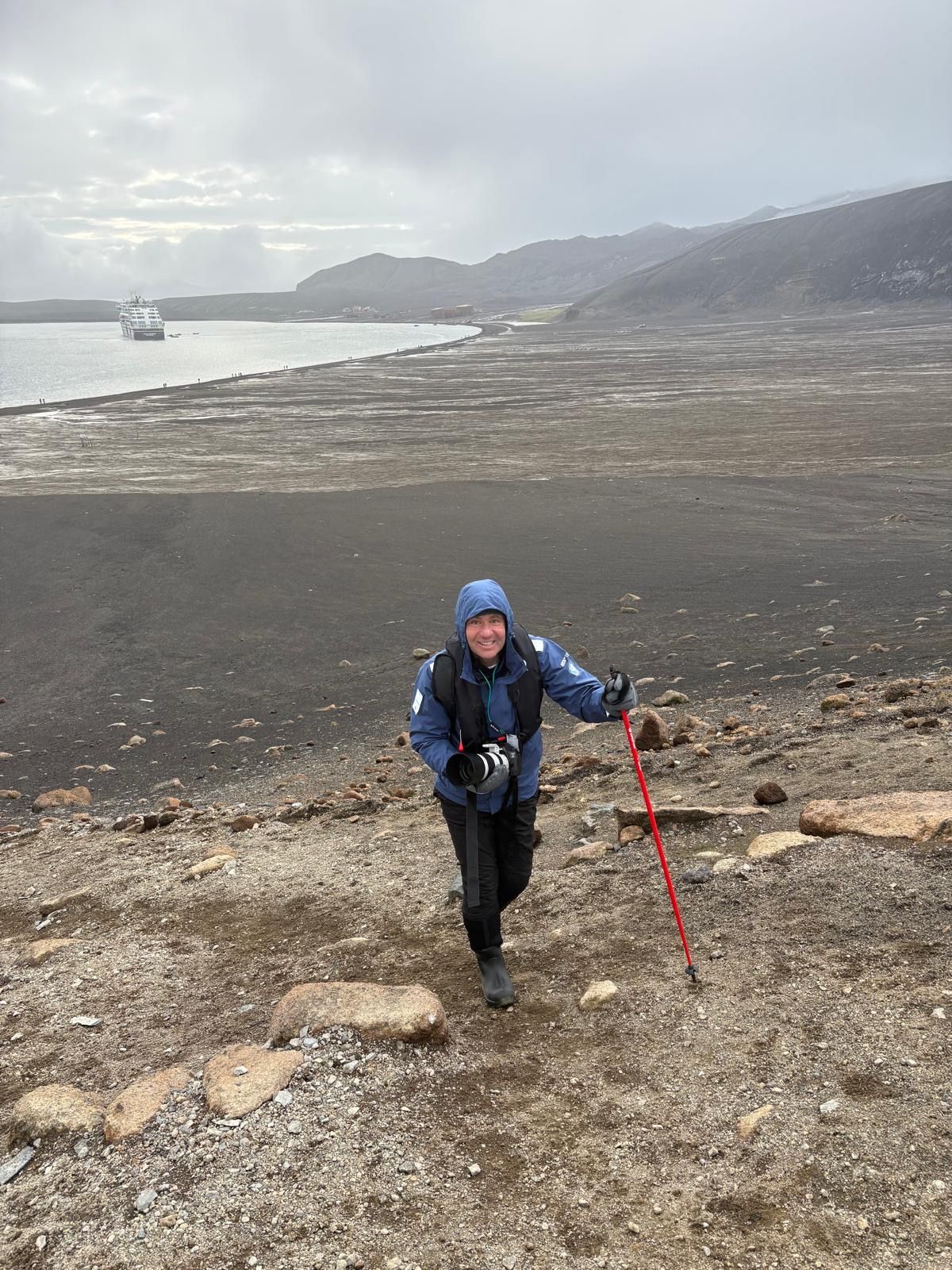
The glaciers, icebergs and wildlife were every bit as spectacular as I'd imagined, but nothing had prepared me for the emotional impact of actually being there. Maybe it was the remoteness. Maybe it was the wildlife. Maybe it was finally standing somewhere that had sat at the top of my bucket list for so many years.
Whatever the reason, Antarctica got under my skin in a way very few places ever have.
The feeling started long before we reached Antarctica itself. There was the excitement of leaving Ushuaia behind and heading into the Drake Passage, the anticipation every time somebody spotted an iceberg on the horizon, and the growing sense that a destination I'd dreamed about for years was finally becoming real.
Then came that first morning in Antarctica. The mist and fog that had followed us across the Drake suddenly lifted, revealing a landscape that somehow felt even more dramatic than I had imagined. Icebergs drifted silently past the ship, glaciers stretched towards the sea and penguins appeared on the shoreline as if welcoming us to the continent. It felt completely surreal.
But it was the whales that left the biggest impression. One afternoon in Wilhelmina Bay, I found myself standing on deck experiencing something that genuinely felt like an episode of Blue Planet. Whales were everywhere.
Every time I looked in a different direction, another blow appeared on the horizon. Passengers moved constantly from one side of the ship to the other as humpback whales surfaced beside us, disappeared beneath the water and reappeared somewhere entirely different moments later. Some dived gracefully, lifting their enormous tails above the surface before slipping silently below, while others came so close to the ship that you could hear them breathing.
Their deep exhale carried across the still Antarctic water and echoed around the bay. It’s difficult to describe, but standing there listening to that sound in one of the most remote places on Earth felt incredibly moving.
For a few moments, nobody really said anything. We simply stood there and watched as penguins darted through the water, seals rested on floating ice and seabirds glided overhead. It felt unreal.
Another thing I hadn't expected was just how quickly Antarctica could change.
The light moved constantly across the landscape, meaning the view never seemed to stay the same for long. A glacier, iceberg or mountain that looked one way one moment could appear completely different just a few minutes later. The colours shifted, the mood shifted, and a landscape that felt bright and almost welcoming could suddenly become dramatic, mysterious and completely wild.
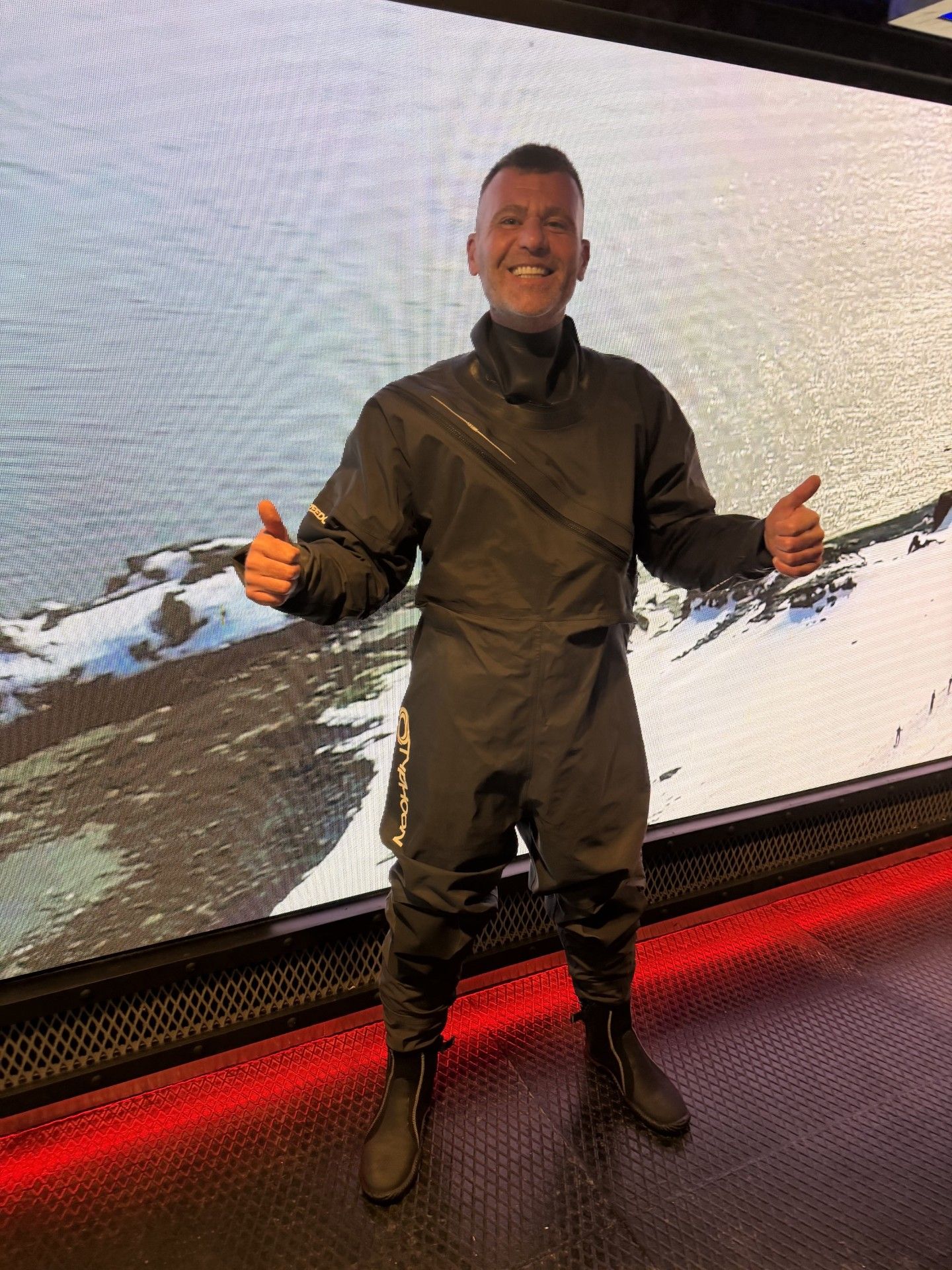
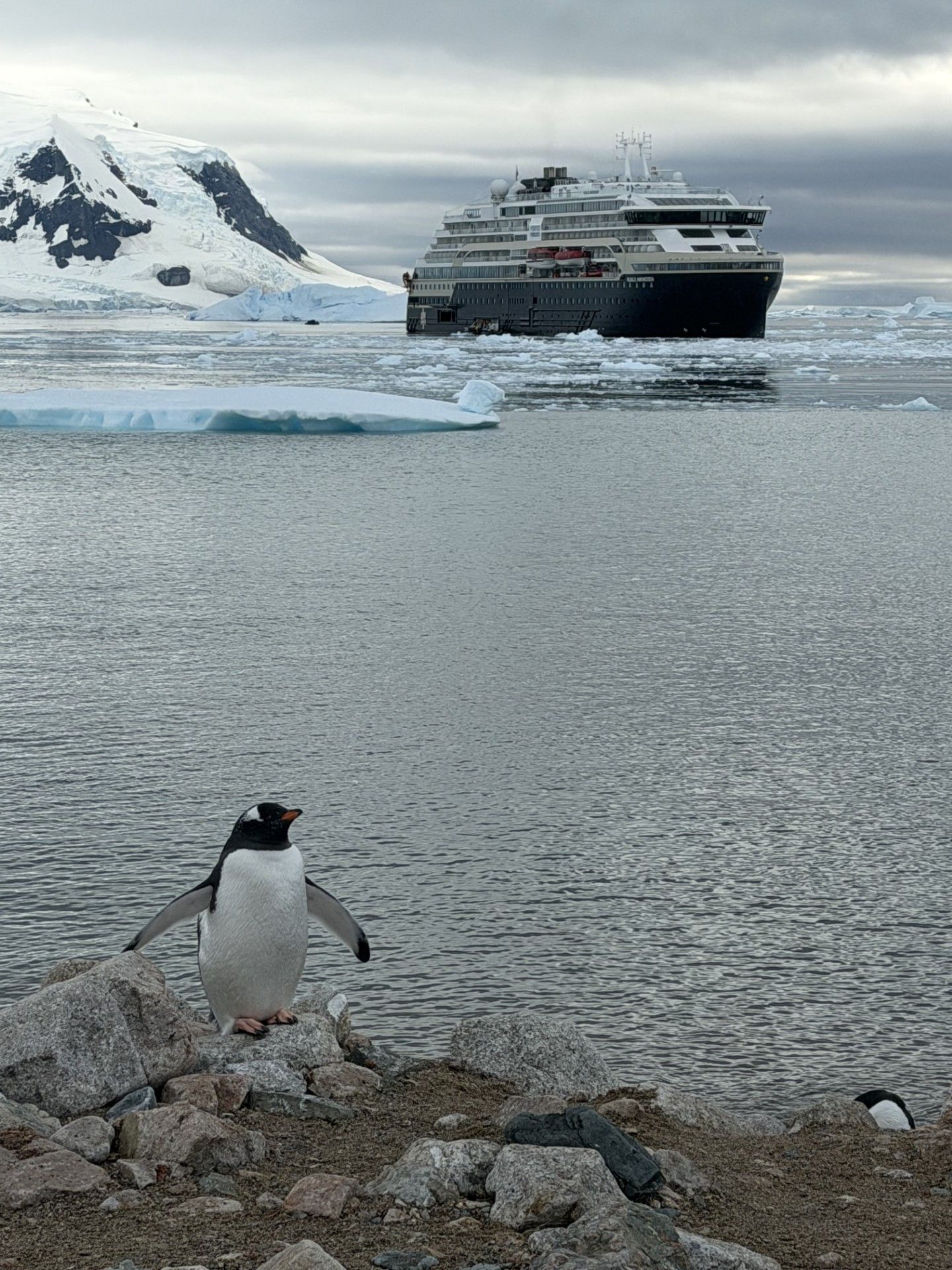
I found myself worrying I was going to miss something. Every time I sat down, Antarctica seemed to do something different, so I spent far more time on deck, standing on my balcony or staring out of a window than I probably should have done.
I was always convinced that if I looked away for five minutes, I'd miss another whale sighting, a spectacular iceberg, a glacier calving or some extraordinary play of light across the landscape. Antarctica became almost impossible to stop looking at, and I don't think I was alone.
Wherever you went onboard, people were doing the same thing. They stood on deck scanning the horizon, watching the water, studying the ice and waiting to see what might happen next. Because in Antarctica, you genuinely never know what is around the corner.
One of the biggest surprises was that Antarctica wasn't how I'd imagined it at all. Before travelling, I'd subconsciously pictured a silent, frozen wilderness, a place defined by emptiness. The reality couldn't have been more different.
Everywhere you looked there was life. Penguins squabbled with one another, seals sprawled across ice floes, birds circled overhead and whales surfaced all around us. Even the glaciers seemed alive. Every now and then a crack or groan would echo across the landscape, reminding you that this frozen world was constantly shifting and changing.
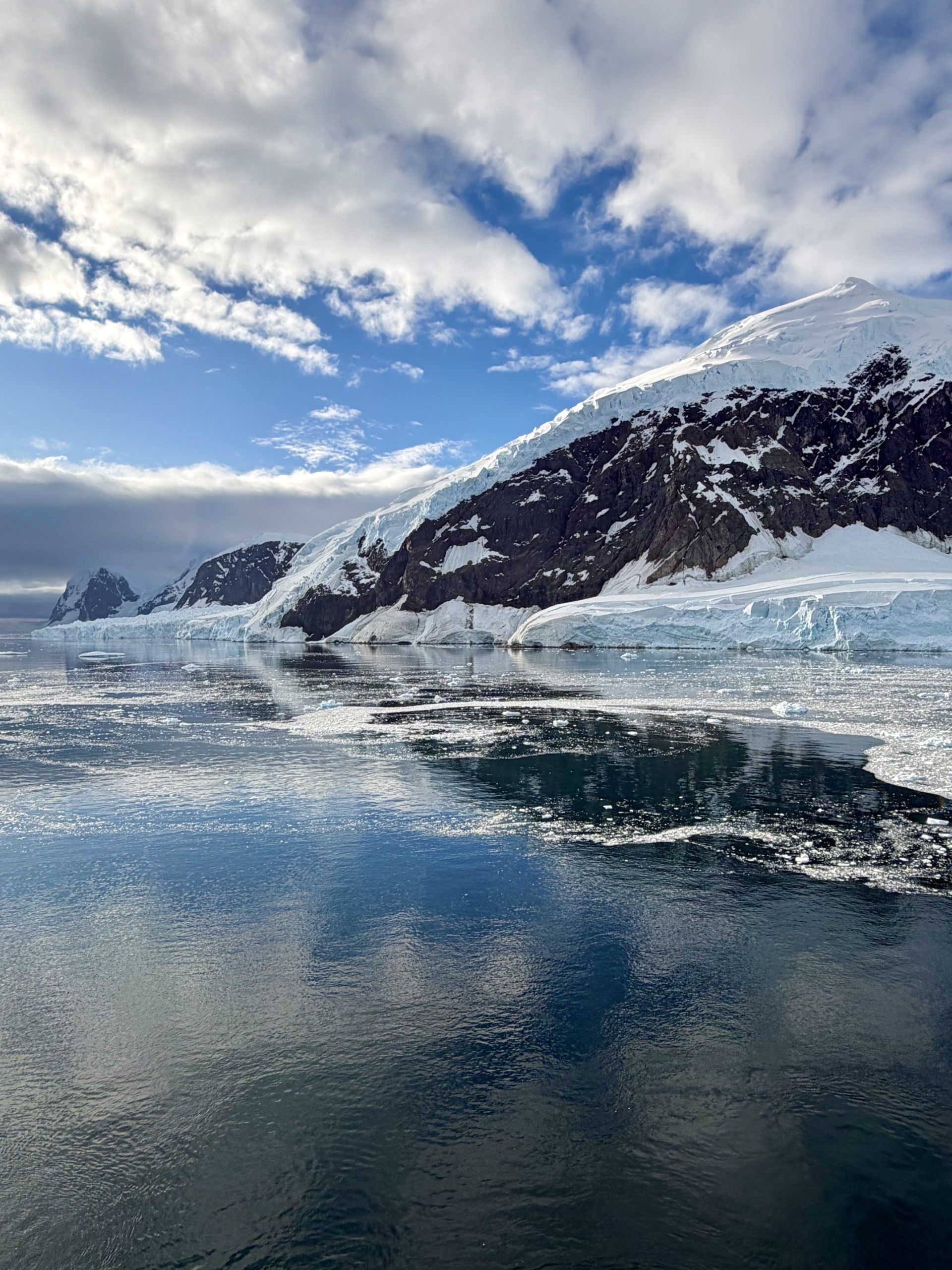
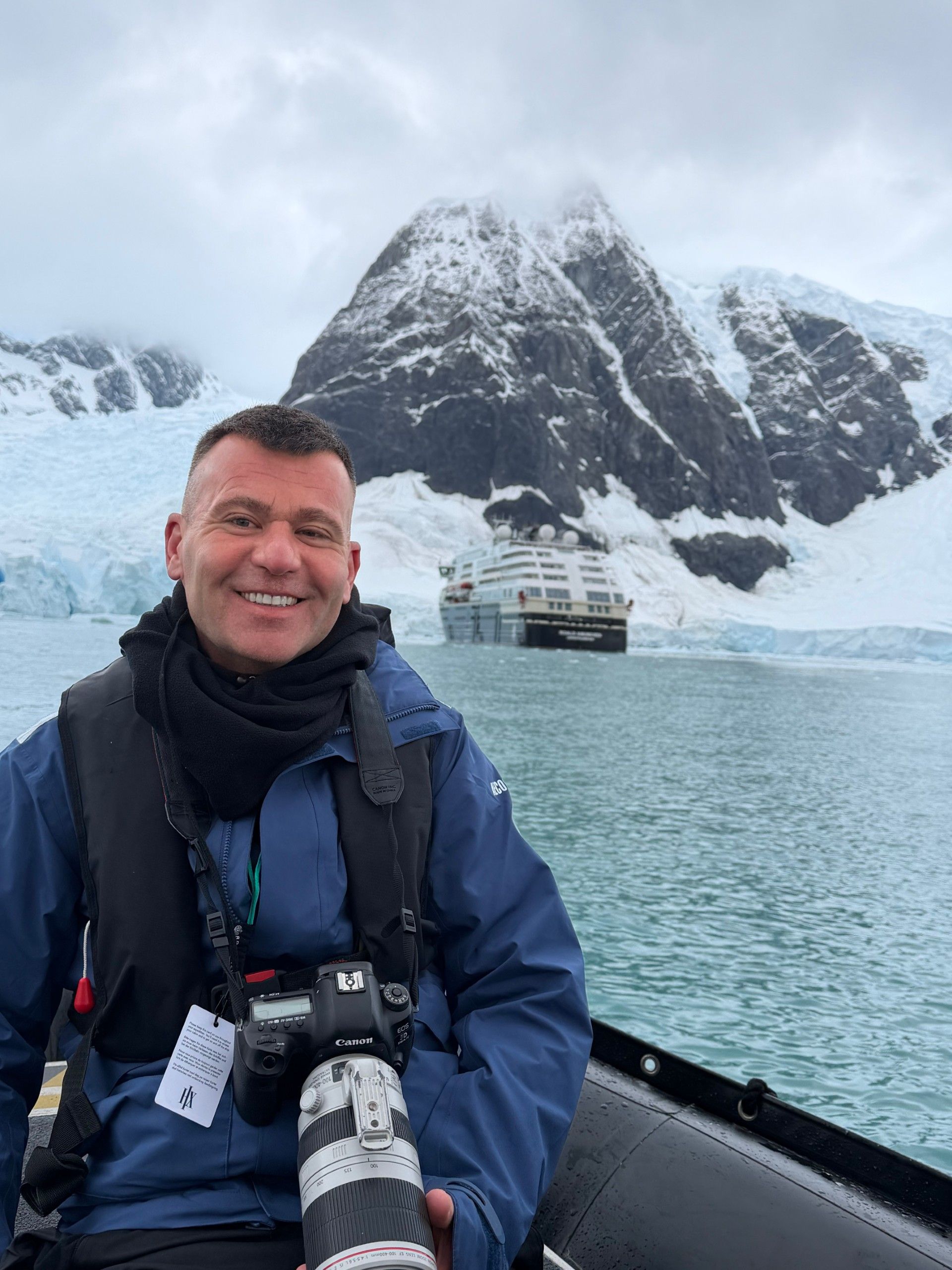
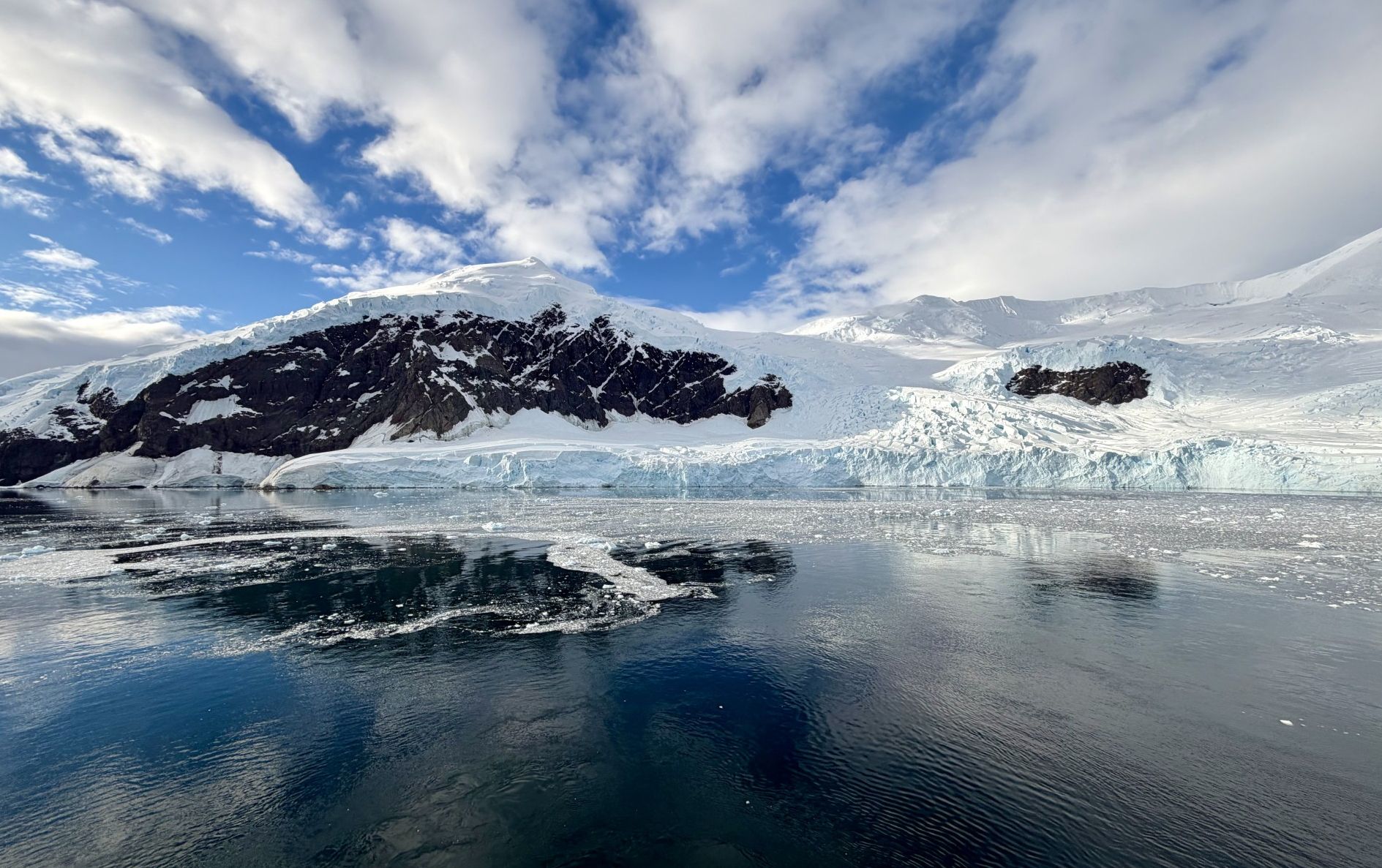
One of the moments that has stayed with me most was standing at Neko Harbour watching a glacier calve into the sea. We'd spent so much time admiring these vast walls of ice that it was easy to forget they were moving.
Then came the roar.
A huge section of ice broke away and crashed into the water below. The sound echoed around the bay and for a few moments I simply stood there watching nature do its thing. It was a powerful reminder that Antarctica isn't a frozen landscape trapped in time. It’s a living environment, constantly shifting and reshaping itself before your eyes.
There were countless wildlife encounters throughout the voyage. We saw Adélie, Gentoo and Chinstrap penguins, fur seals, Weddell seals, crabeater seals and a variety of seabirds including skuas, petrels and sheathbills.
Every day seemed to bring another unforgettable moment, and yet somehow it never became normal.
When people ask me about Antarctica now, they usually expect me to talk about the glaciers, the icebergs or crossing the Drake Passage. While all of those things were incredible, they’re rarely the first things that come to mind.
Instead, I think about standing on deck listening to whales breathing beside the ship. I think about the roar of a glacier calving into the sea, penguins darting through the water around us and the hours spent on deck because I was terrified of missing something extraordinary.
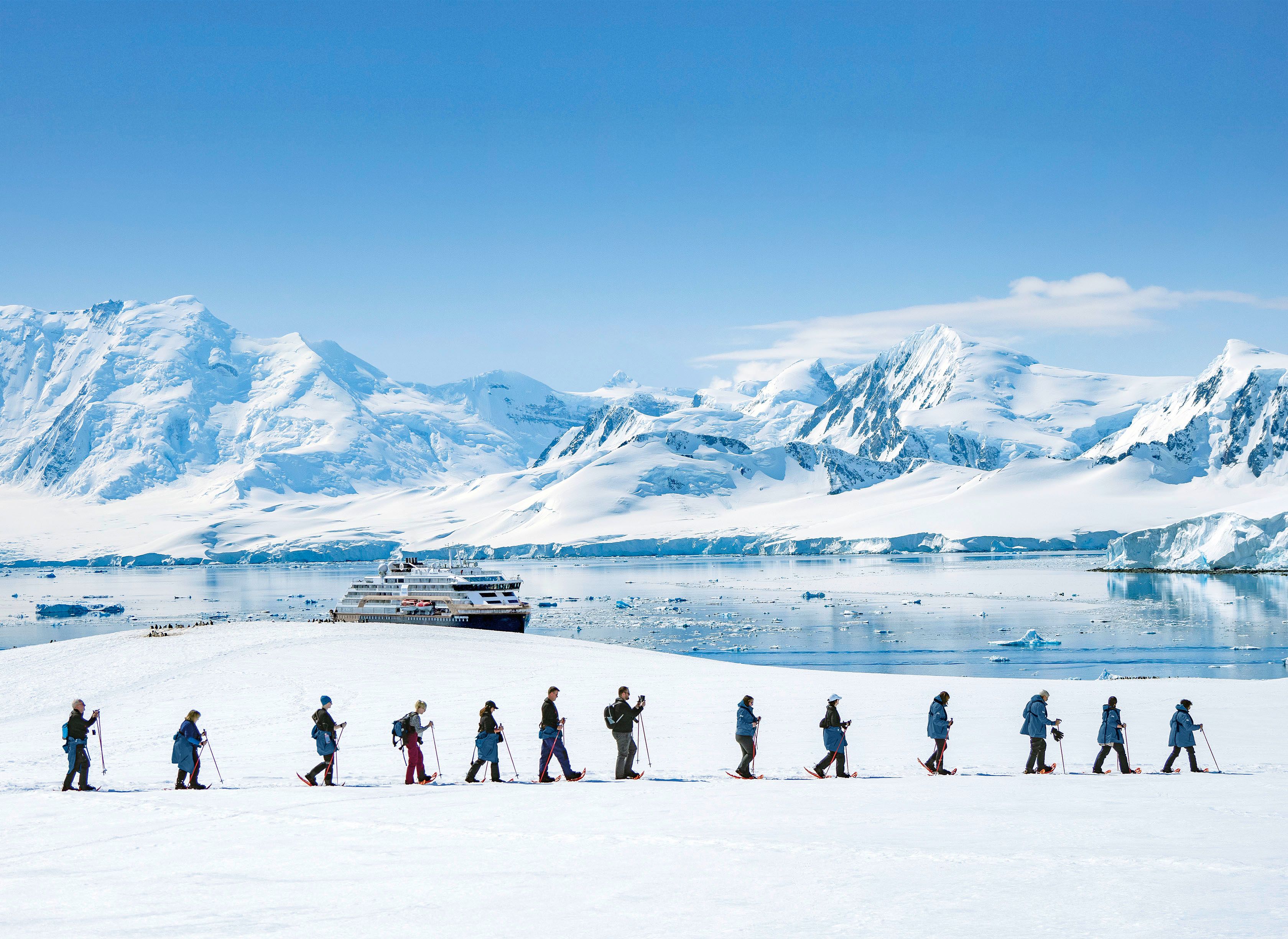
More than anything, though, I think about how Antarctica made me feel.
Even now, I struggle to explain exactly why it affected me so much. Perhaps it was the remoteness, perhaps it was the wildlife, or perhaps it was finally standing somewhere I had imagined for so many years.
Whatever it was, there were moments when I found myself putting the camera down and simply taking it all in. Not because there wasn't anything worth photographing. Quite the opposite. It was because I knew that no photograph, however good, would ever fully capture what it felt like to actually be there.
Antarctica had been my dream trip for as long as I can remember.
The remarkable thing is that it somehow exceeded every expectation I had.
And honestly, I didn't think that was possible.