For years, Tunisia occupied a slightly peculiar position on the Mediterranean cruise map. Geographically, it was almost absurdly convenient. La Goulette sits opposite Sicily, within easy itinerary-building distance of Malta, Italy and the western Mediterranean, with ancient Carthage, central Tunis and Sidi Bou Saïd all clustered around the same stretch of coast.
And yet ships largely sailed past it.
That is changing. Tunisia recorded around 272,000 cruise passengers in 2025, up 22% from approximately 223,000 a year earlier. Its port authority describes the recovery as having properly begun in 2022, when just 37 cruise calls brought around 55,000 passengers.
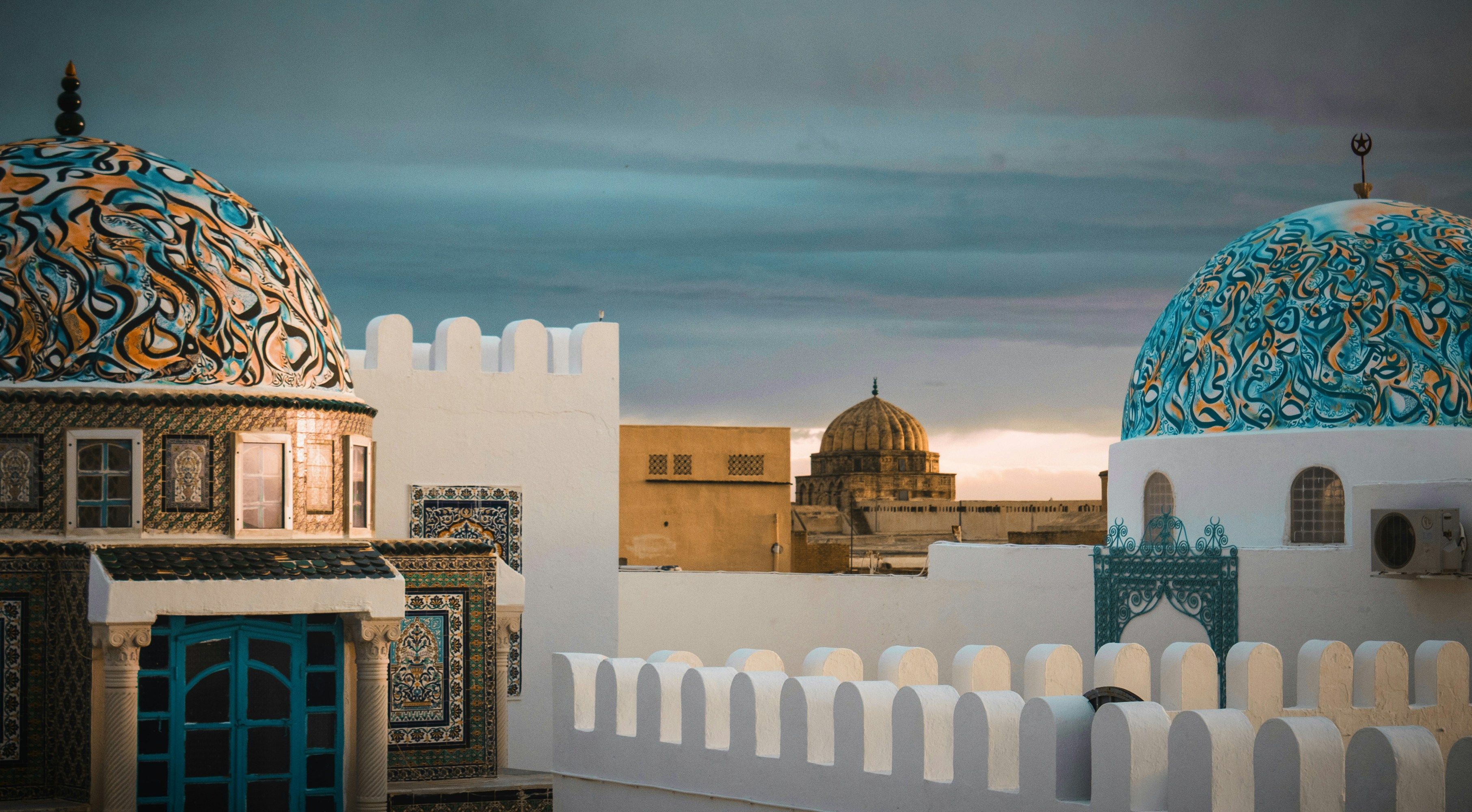
MSC and Costa are already regular visitors. P&O Cruises, Regent, Viking and Atlas Ocean Voyages all appear on La Goulette's autumn 2026 schedule, while Marella has Tunisia in its 2026 and 2027 programmes. Then, in 2027, Carnival Sunshine arrives as part of a new Mediterranean deployment. For Carnival Cruise Line, La Goulette and Tangier will be its first African ports of call.
Carnival, technically, isn't returning to Tunisia at all. It's turning up for the first time. That may be the more significant story.
Why cruise ships stopped calling at Tunis
To understand the comeback, you have to go back to 2015.
On 18 March that year, gunmen attacked the Bardo National Museum in Tunis while passengers from MSC Splendida and Costa Fascinosa were visiting on excursions. Cruise passengers were among those killed. MSC and Costa immediately suspended calls to Tunisia, with MSC replacing Tunis on four ships' itineraries with ports including Valletta, Palma and Cagliari.
A second terrorist attack near Sousse that June, in which 38 foreign tourists were killed, further damaged Tunisia's tourism industry. The effects lasted far beyond a single cruise season.
La Goulette didn't vanish from itineraries because passengers found it disappointing or because it was awkward to reach. It disappeared because cruise lines are exceptionally sensitive to perceived security risk, particularly when passengers are being moved around ashore in large organised groups.
MSC eventually announced its return for summer 2022, scheduling 27 calls by MSC Opera between April and October. Since then, the recovery has gathered considerably more pace.
Why La Goulette works so well as a cruise port
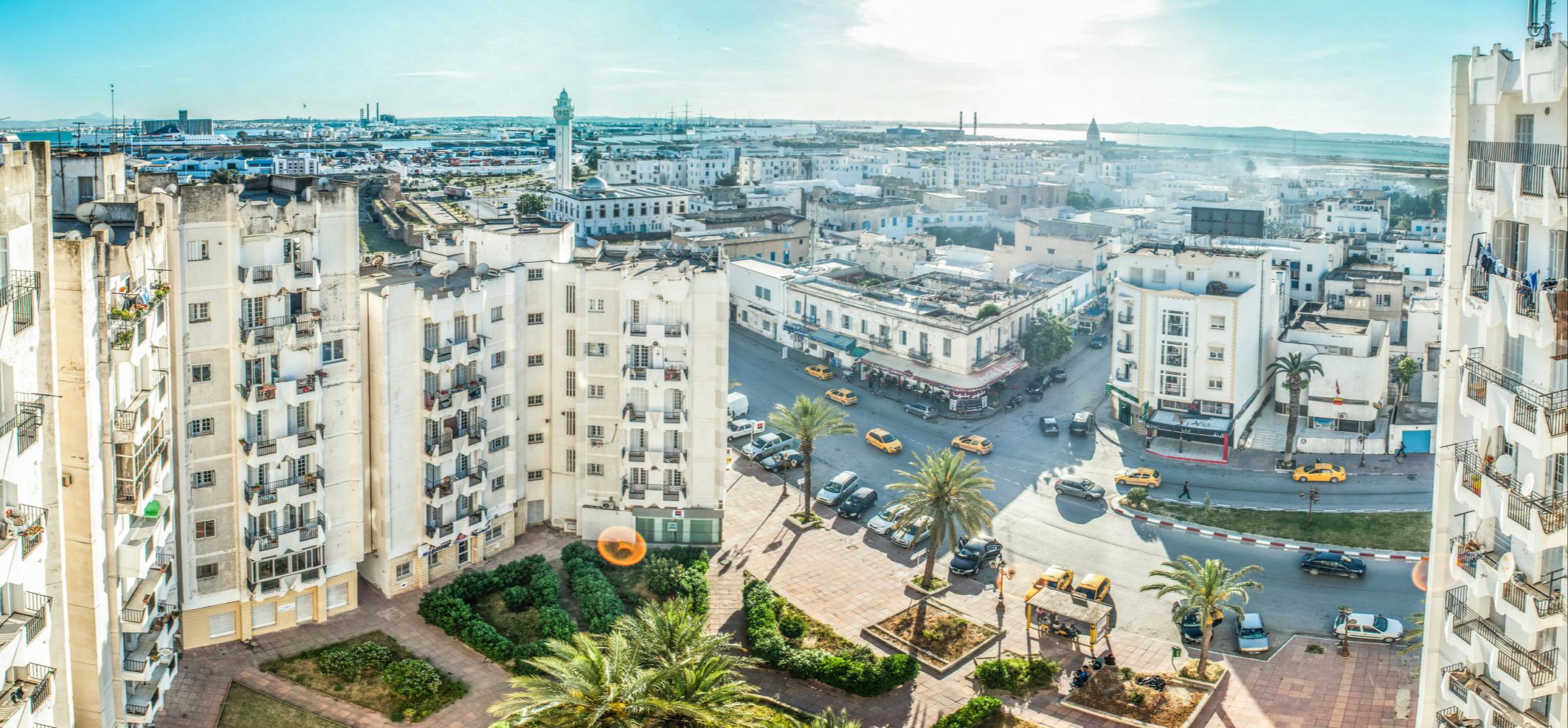
There is a reason operators were keen to return.
La Goulette is only around 10 kilometres from Tunis, but you don't even have to go as far as the capital to find something substantial. Carthage and Sidi Bou Saïd sit along the coast close to the port, meaning a normal cruise day can contain an ancient Mediterranean superpower, a UNESCO-listed hilltop village and several hours in one of North Africa's great cities without requiring an expedition across half the country. Costa currently describes central Tunis as roughly 10 kilometres from the port.
La Goulette Cruise Port's own excursion programme is telling. It offers a three-hour Carthage and Sidi Bou Saïd trip, a three-hour Medina and Bardo Museum itinerary and a five-hour wider introduction to Tunisia. In cruise terms, that is an unusually generous ratio of Things Worth Seeing to Time Spent Looking Out of a Coach Window.
Compare that with ports where the famous city on your itinerary is an hour and a half inland and apparently included chiefly as an act of geographical optimism.
Carthage from La Goulette: an ancient city practically next door
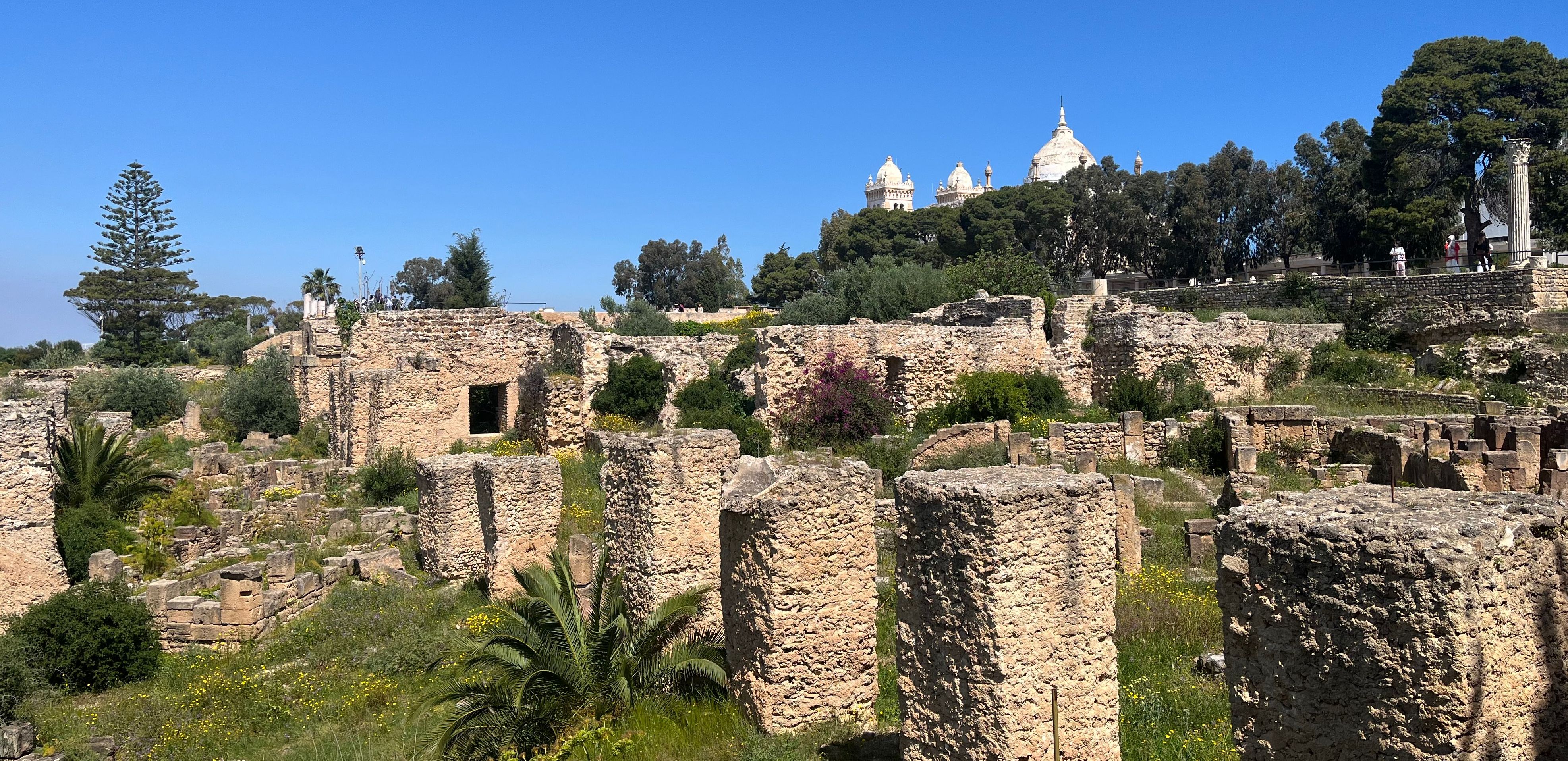
Carthage is the obvious reason to take La Goulette seriously.
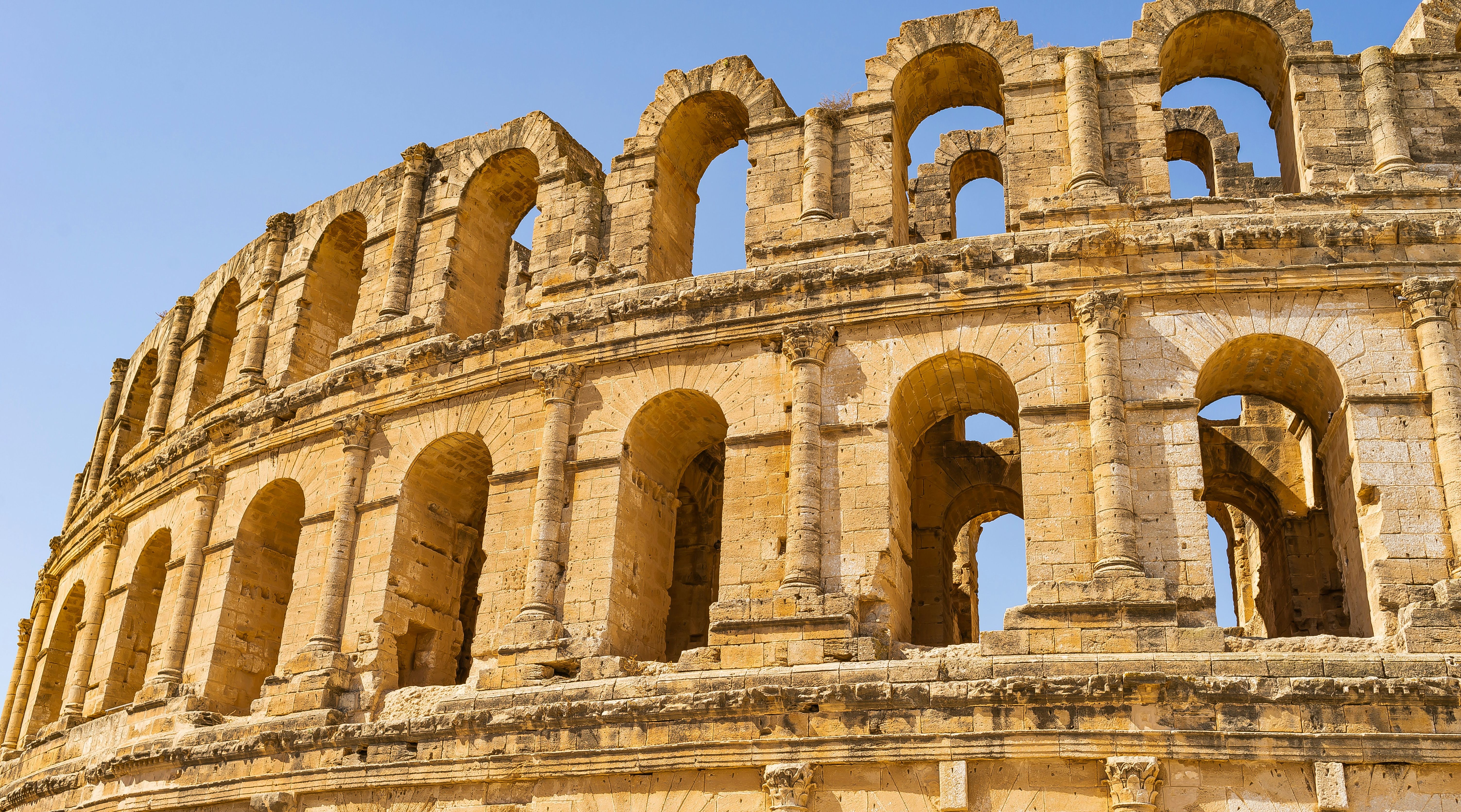
Founded by the Phoenicians in the ninth century BC, it became the centre of a trading empire covering much of the Mediterranean before its wars with Rome ended in destruction in 146 BC. Rome then rebuilt a city on top of it, which is a fairly emphatic form of redevelopment.
The archaeological site is scattered rather than contained behind one ticket barrier. Its surviving components include the Punic ports, Byrsa Hill, Roman villas, the amphitheatre and the Antonine Baths beside the sea. UNESCO has listed Carthage since 1979.
For cruise passengers, the geographical advantage is enormous. You don't need to surrender the whole port call to see it, and most organised excursions combine the ruins with nearby Sidi Bou Saïd.
That makes Carthage considerably easier to fit into a Mediterranean itinerary than its historical importance might suggest. Hannibal spent years trying to get at Rome. From La Goulette, you can get to Hannibal considerably faster.
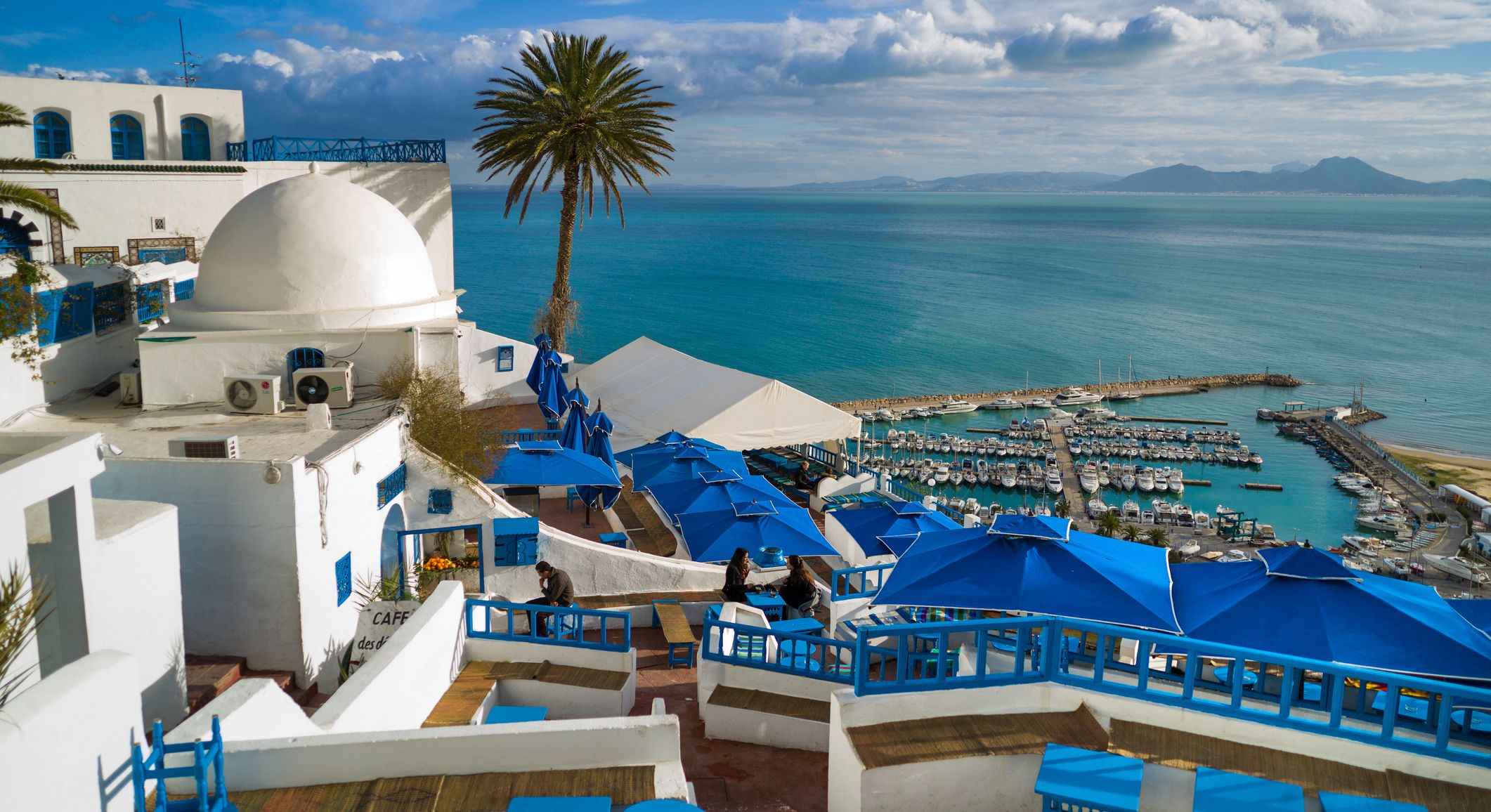 has just become even more significant
A few kilometres along the coast, Sidi Bou Saïd supplies the visual argument.
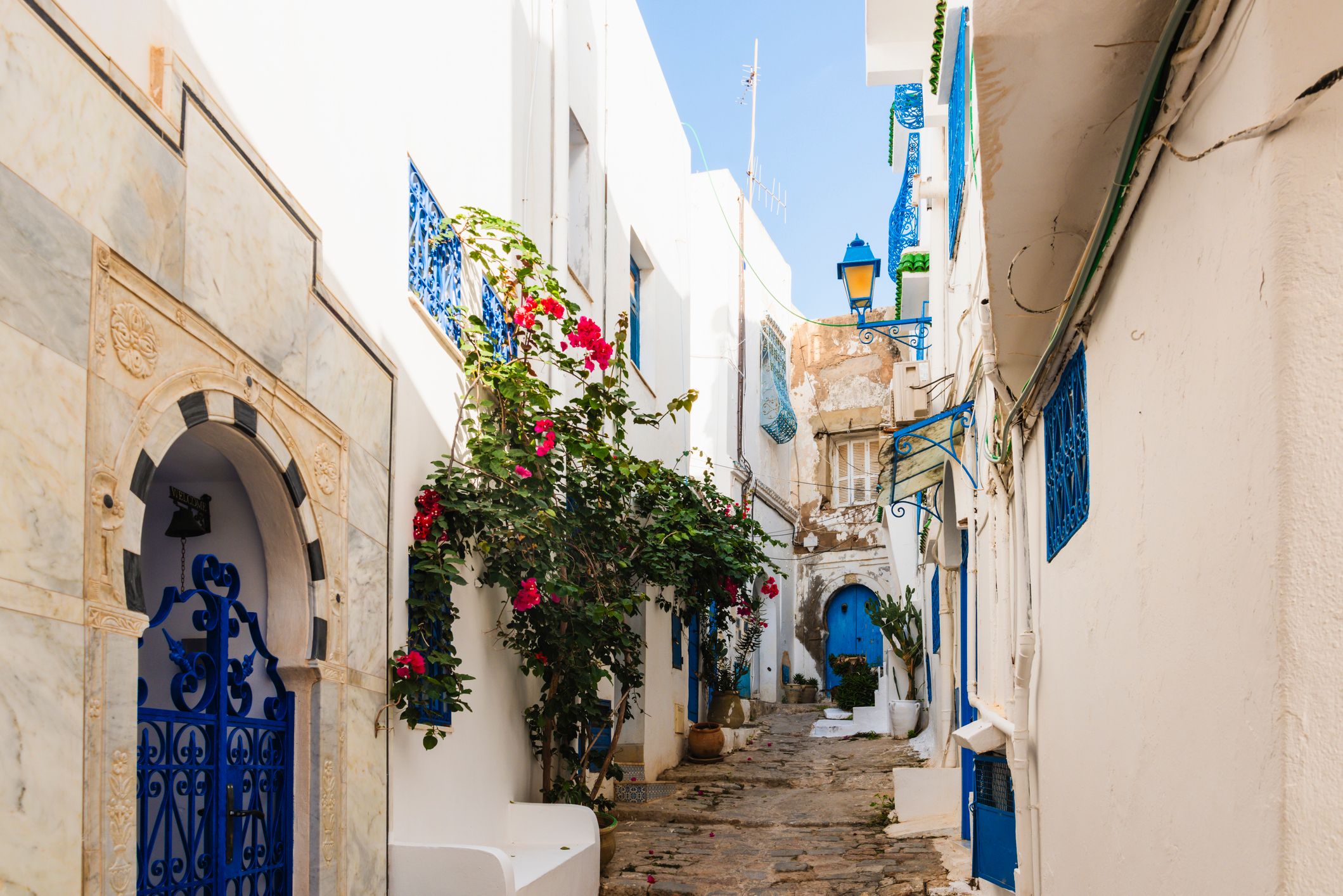
The village climbs above the Gulf of Tunis in a fairly uncompromising palette of white walls, blue doors and Mediterranean sea. It developed around the tomb of the Sufi saint from whom it takes its name and later became a retreat for Tunisia's ruling elite and a magnet for artists and writers.
In 2026, UNESCO added Sidi Bou Saïd to the World Heritage List, recognising its distinctive combination of architecture, landscape and spiritual history. It became Tunisia's tenth World Heritage property.
That gives cruise lines an unusually marketable new reason to look at a port they are already rediscovering.
There is an irony here. UNESCO's decision also specifically asks Tunisia to develop a tourism-management strategy addressing the risks of overtourism. The village has therefore achieved the coveted status of being internationally recognised at roughly the same moment it is being asked to prepare for everybody internationally recognising it.
For cruise passengers, Carthage and Sidi Bou Saïd make an obvious pairing. The port itself packages them into a three-hour excursion, leaving plenty of scope on a longer call for Tunis or lunch elsewhere.
Is Tunis worth choosing instead?
Yes, particularly if ancient ruins and blue doors aren't sufficient to occupy every member of your travelling party.
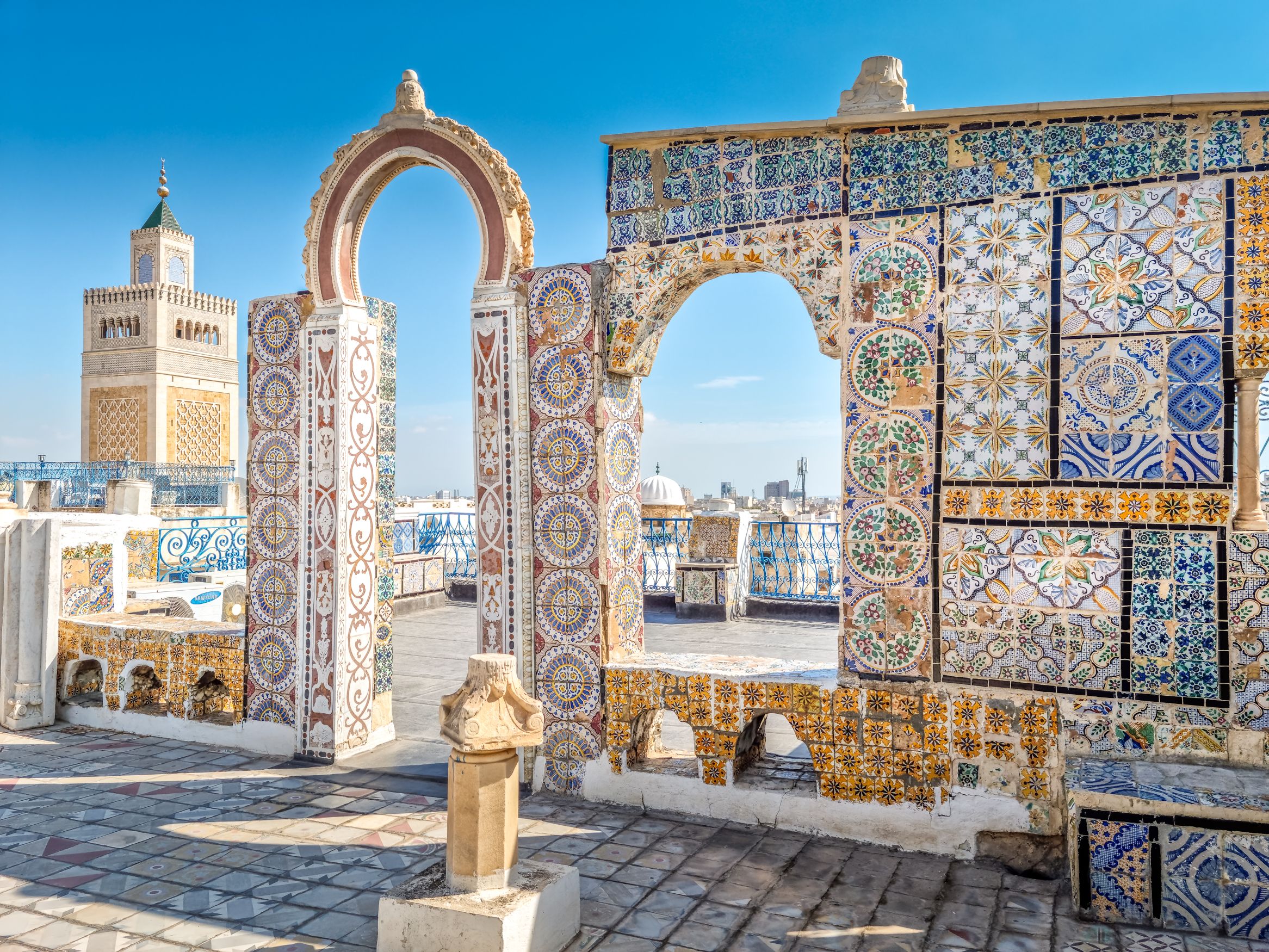
The Medina of Tunis has been UNESCO-listed since 1979. Under the Almohads and Hafsids, particularly between the 12th and 16th centuries, Tunis became one of the wealthiest cities in the Islamic world; UNESCO counts around 700 historic monuments within the Medina, including mosques, palaces, madrasas and fountains.
It is also the option that makes a Tunisian cruise call feel most distinct from another day in southern Europe. The souks, food and architecture shift the atmosphere decisively into North Africa, despite the ship having sailed a relatively short distance from Sicily.
Then there is the Bardo Museum. Its Roman mosaics remain one of Tunisia's great cultural collections, and the cruise port currently promotes it alongside the Medina as a four-hour excursion.
For obvious reasons, the museum also carries a history that many cruise passengers will remember. It is possible to acknowledge that without allowing the events of 2015 to become the only lens through which Tunisia is viewed.
Is Tunisia safe for cruise passengers now?
This is where the comeback needs a little more context than a cruise brochure can comfortably fit beneath a photograph of Sidi Bou Saïd.
As of September 2026, the UK's Foreign, Commonwealth & Development Office doesn't advise against travel to Tunis, Carthage, Sidi Bou Saïd or the main coastal tourism areas used by La Goulette cruise excursions. It does advise against all or all-but-essential travel to specified border and inland areas, particularly near Algeria and Libya.
The FCDO also says terrorists are likely to try to carry out attacks in Tunisia and notes a visible security presence in Tunis and at tourist sites. It says Tunisia has remained under a formal state of emergency since 2015.
That shouldn't be softened into “everything is fine”, nor does it mean a normal cruise call to La Goulette falls within an area the UK government advises against visiting. Travellers should check current advice immediately before sailing, because security guidance can change more quickly than cruise itineraries do.
The cruise industry's behaviour provides a different, commercial measure of confidence. MSC returned in 2022. Tunisia then received about 223,000 cruise passengers in 2024 and 272,000 in 2025. By October 2026, La Goulette's published schedule includes ships from P&O, MSC, Costa, Regent, Viking and others.
That is no longer a tentative experiment.
Why Carnival's 2027 arrival matters
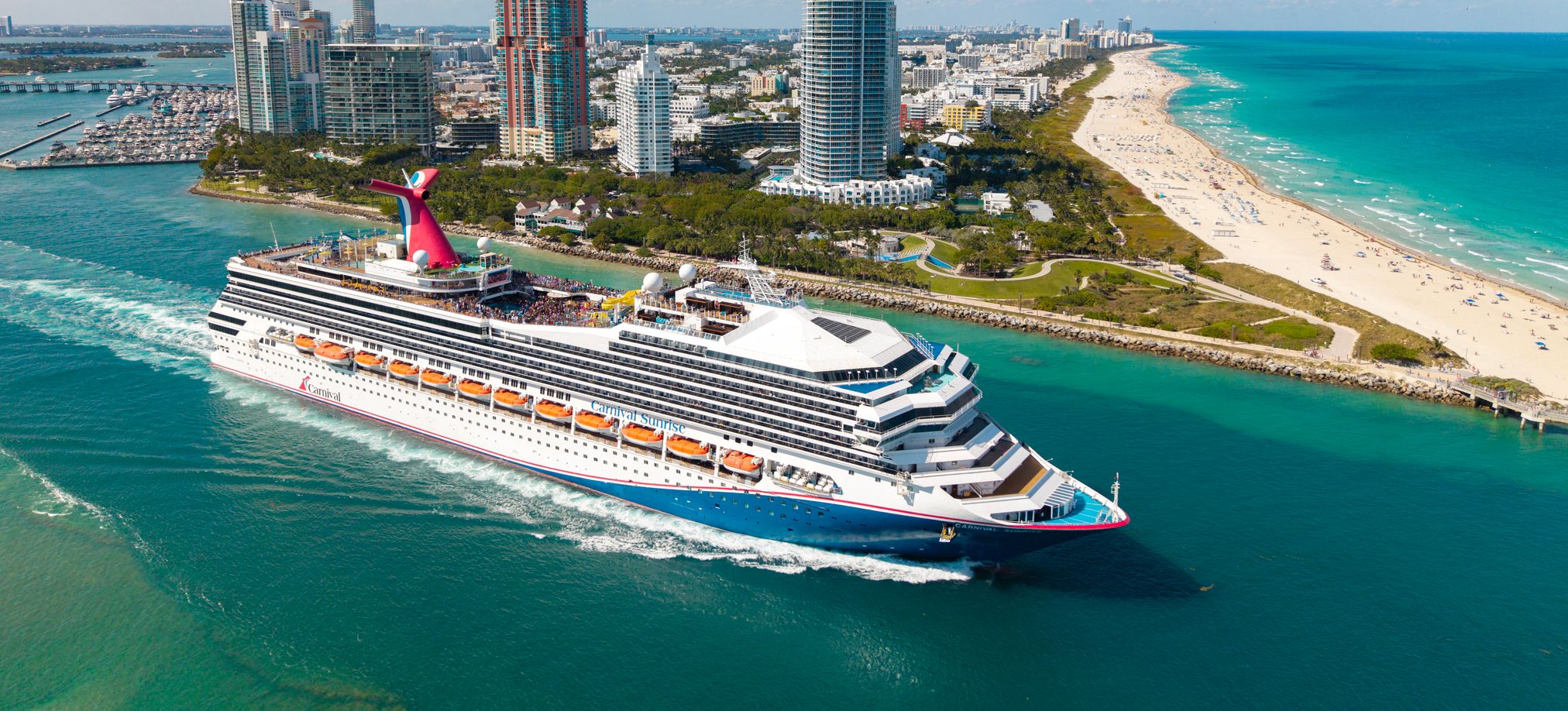
Carnival Sunshine's 2027 programme is interesting because it pushes Tunisia further into mainstream Mediterranean cruising.
From late May to October 2027, the ship will operate from Barcelona and Civitavecchia on Mediterranean and North African itineraries. La Goulette and Tangier will become Carnival Cruise Line's first African ports, with Tunisia also appearing on its August 2027 solar-eclipse sailing.
Carnival is joining rather than leading the return, but that is arguably why its arrival is useful evidence. Tunisia no longer needs to be framed as an adventurous re-entry by one line testing passenger appetite. It is becoming part of the ordinary Mediterranean network again.
Costa already sells itineraries linking Marseille, Savona, Naples and Palermo with La Goulette before continuing to Tangier and Spain. Marella is pairing it with Malta and the Adriatic. MSC markets La Goulette both as a port and embarkation point.
The map is filling back in.
Could Tunisia become a serious alternative to the usual Mediterranean ports?
It already has most of the ingredients.
For cruise lines, La Goulette fits conveniently between established Mediterranean ports. For passengers, it offers three genuinely different days ashore within a relatively small area: archaeology at Carthage, city life and Islamic heritage in Tunis, or the coast and cafés of Sidi Bou Saïd.
More importantly, it gives increasingly familiar western Mediterranean itineraries something they badly need: contrast.
There is nothing wrong with another day in Barcelona, Naples or Marseille. They are popular because they're excellent places to visit. But repeat cruisers eventually reach the point where seeing “Palma” on an itinerary inspires less wonder than an immediate recollection of where the shuttle bus stopped last time.
Tunisia changes the rhythm. You can leave Sicily or Malta, cross to another continent and spend the next morning among Punic ruins and Tunisian souks, without requiring the cruise line to redesign the rest of its Mediterranean programme around the excursion.
The recovery is still worth watching carefully, particularly given Tunisia's security history and current travel advice. But the numbers, the returning operators and Carnival's arrival all point in the same direction.
La Goulette isn't suddenly appearing on the cruise map.
It's being put back where it used to be.