On the handful of small-ship itineraries that stitch together Senegal, The Gambia and Cape Verde, the point isn't “winter sun with extras.” It's movement between places that feel linked by the Atlantic and history. One current example is O.A.T.’s West Africa Cruise, which runs with no more than 25 travellers and threads together Dakar, Banjul, and multiple Cape Verde islands including Santiago, Sal, Porto Novo, São Vicente and São Felipe.
That is what makes this route so satisfying. It doesn't operate like the usual Caribbean-Med loop. It feels further out, looser and much more dependent on atmosphere. You don't come for one blockbuster sight. You come for music drifting out of a doorway, market colours before lunch, and the distinct pleasure of stepping off a ship in places where cruise passengers are not the centre of the local weather system.
Dakar: start with the markets, stay for the music
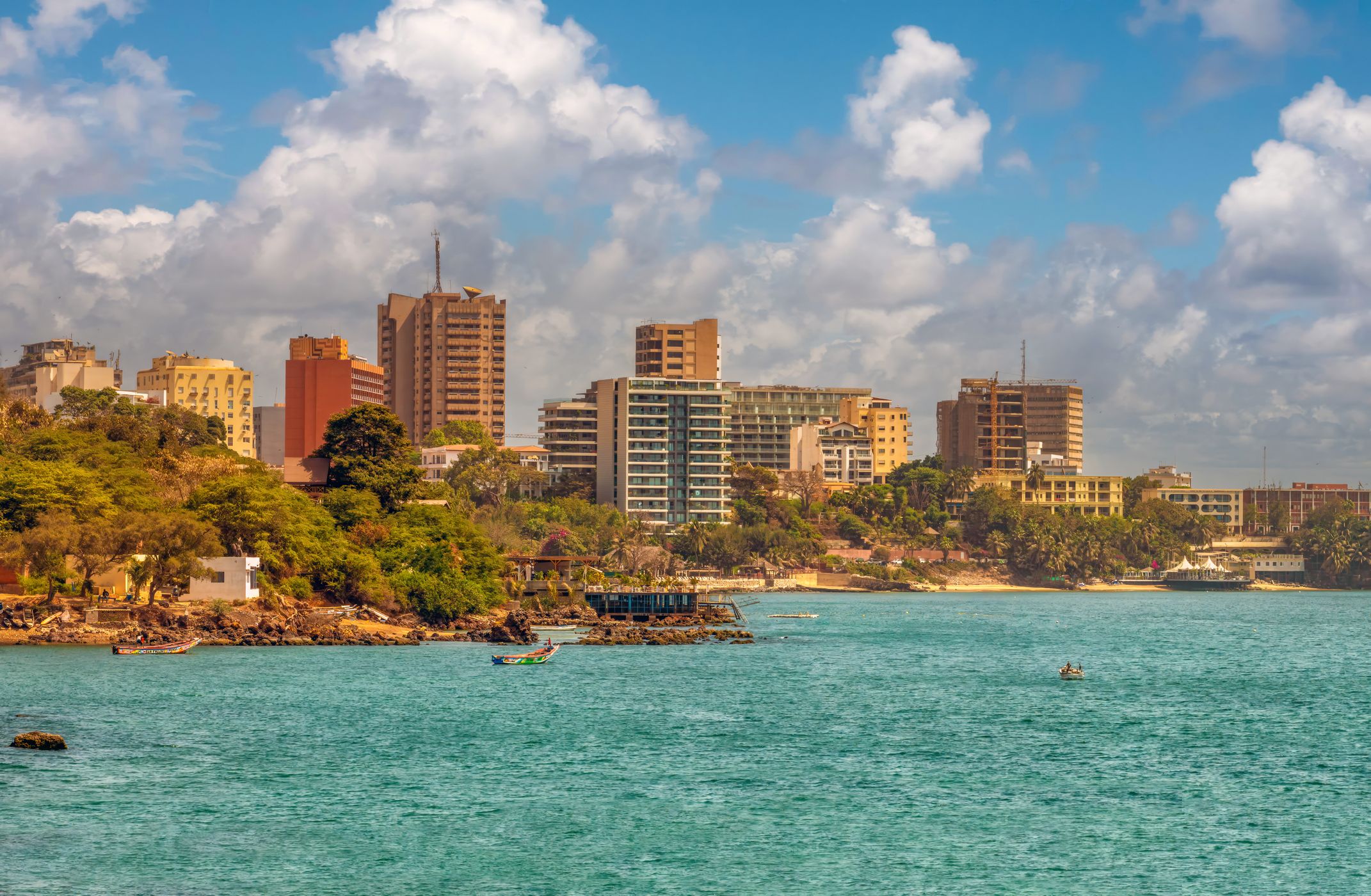
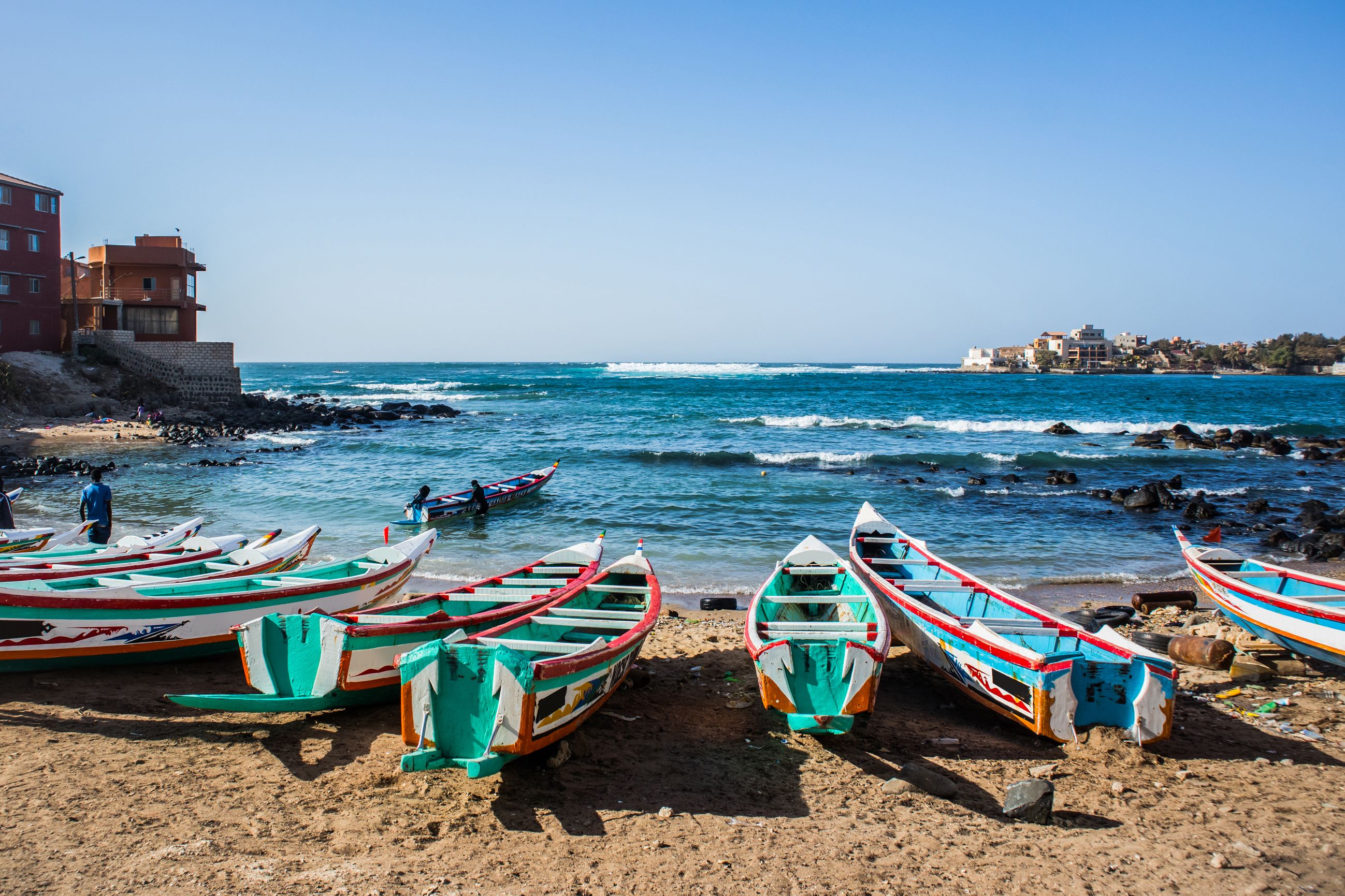
Dakar arrives with proper force. It sits on the Cap-Vert peninsula, facing the Atlantic with the confidence of a city that has long known it mattered. Senegal’s own tourism ministry describes Dakar as a “multicolored city” to be discovered through its markets, craft centres, lively neighbourhoods and cultural life, while the ministry’s culture page points to the country’s rich music scene and names artists from Youssou N’Dour to Baaba Maal as part of the national story.
This is not the stop for doing something timidly. If you want the city quickly, go to the markets. Senegal tourism leans into that too, encouraging visitors to immerse themselves in the country’s markets as part of experiencing “the land of Teranga,” while a Senegal travel directory still flags Marché Kermel and Sandaga as classic Dakar stops.
Kermel is the more photogenic one, all round form and colonial-era poise. Sandaga is the louder, busier, more argumentative cousin. Between them, you get Dakar’s full personality: elegant in theory, vivid in practice.
Then there is the music. Dakar is one of those cities where you do not need to go looking terribly hard to feel rhythm in the air. Senegal’s tourism ministry explicitly frames music, festivals and cultural activity as central to the national travel experience, and Dakar is where much of that energy concentrates. The right Dakar day, then, is not one that tries to “cover” the city. It is one that lets the city get loud around you.
Banjul: smaller scale, stronger pulse
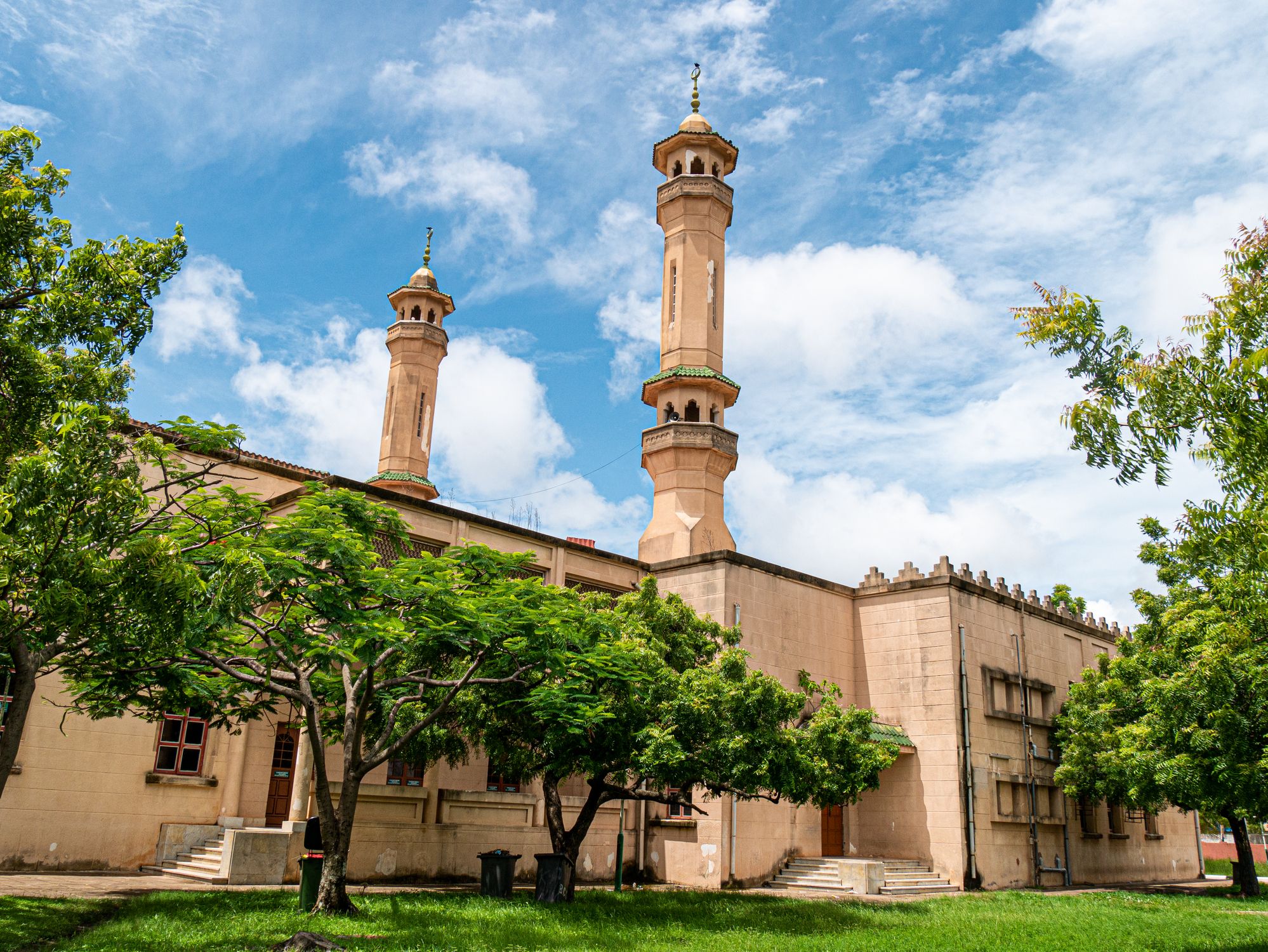
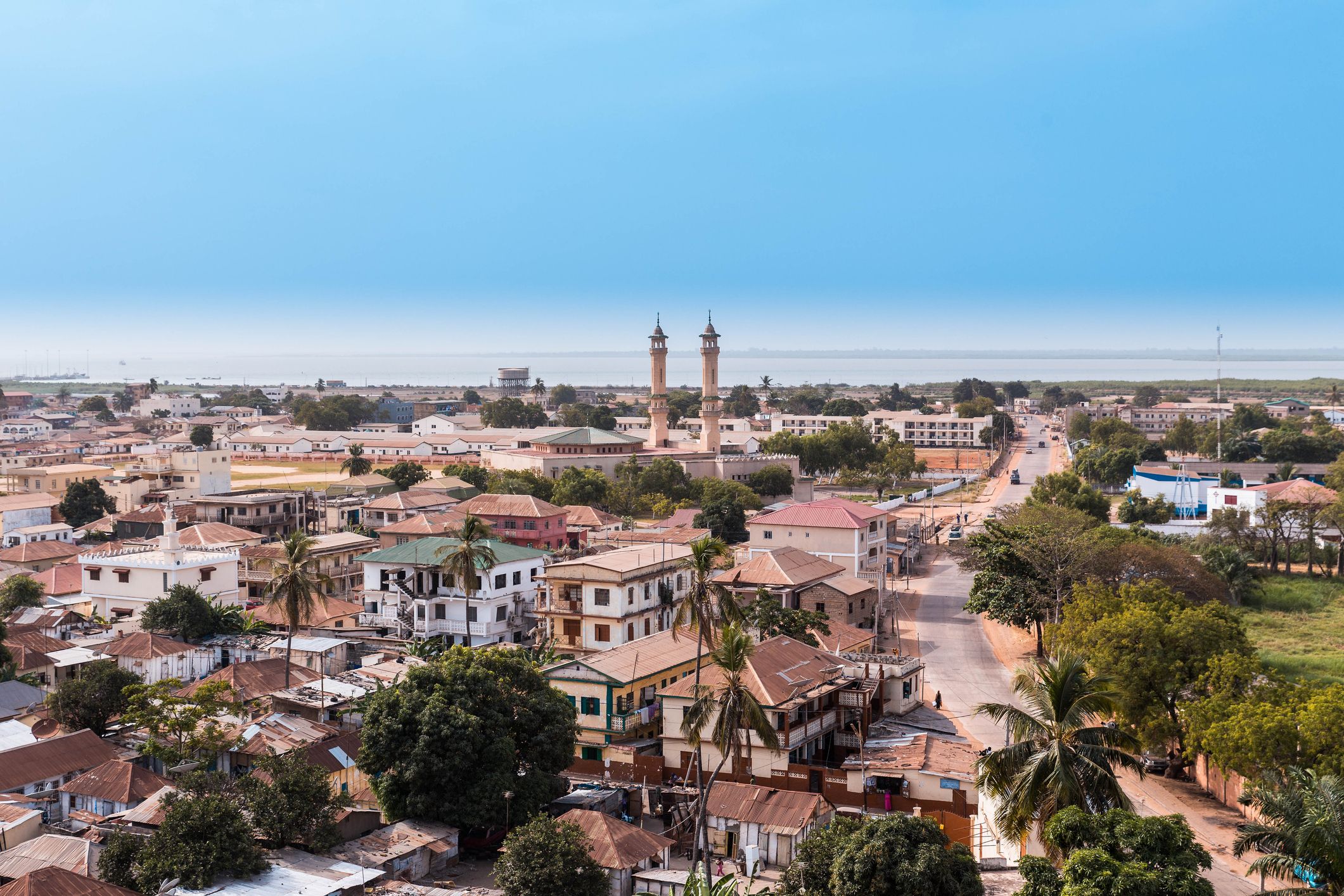
If Dakar is a capital in full voice, Banjul is a more compact, river-facing counterpoint.
The Port of Banjul sits on the estuary of the River Gambia, about 26 nautical miles from the Atlantic Ocean, and the Gambia Ports Authority makes a point of its strategic location and sheltered setting. That geography matters, because Banjul feels like a place shaped as much by river traffic as by open sea.
For cruise travellers, that scale shift is part of the appeal. After Dakar, Banjul feels tighter, warmer, more navigable, and more human in size. The official country guide published by Visit The Gambia still points visitors straight to Albert Market for the proper taste of West African shopping, and that remains the best first move.
Albert Market is not delicate. It is the kind of place where fabrics, produce, practical goods and human volume all jostle at once. That is exactly why it works. You are not there for a curated “craft experience.” You are there because the market is where the city is thinking out loud.
Then there is The Gambia’s musical backbone, which is different again from Dakar’s. Access Gambia’s music guides, while practical rather than poetic, are useful on one essential point: the kora remains a defining instrument of Gambian musical identity, tied to the country’s jali/griot traditions and to an extraordinarily rich live music scene.
This matters because Banjul works best when you treat it as a place of sound and exchange, not merely a stop between more “famous” ports. Markets by day, music by night, river light at the edges. It is a city that asks you to tune in rather than race round.
The Gambia to Cape Verde: the Atlantic stretch is part of the point

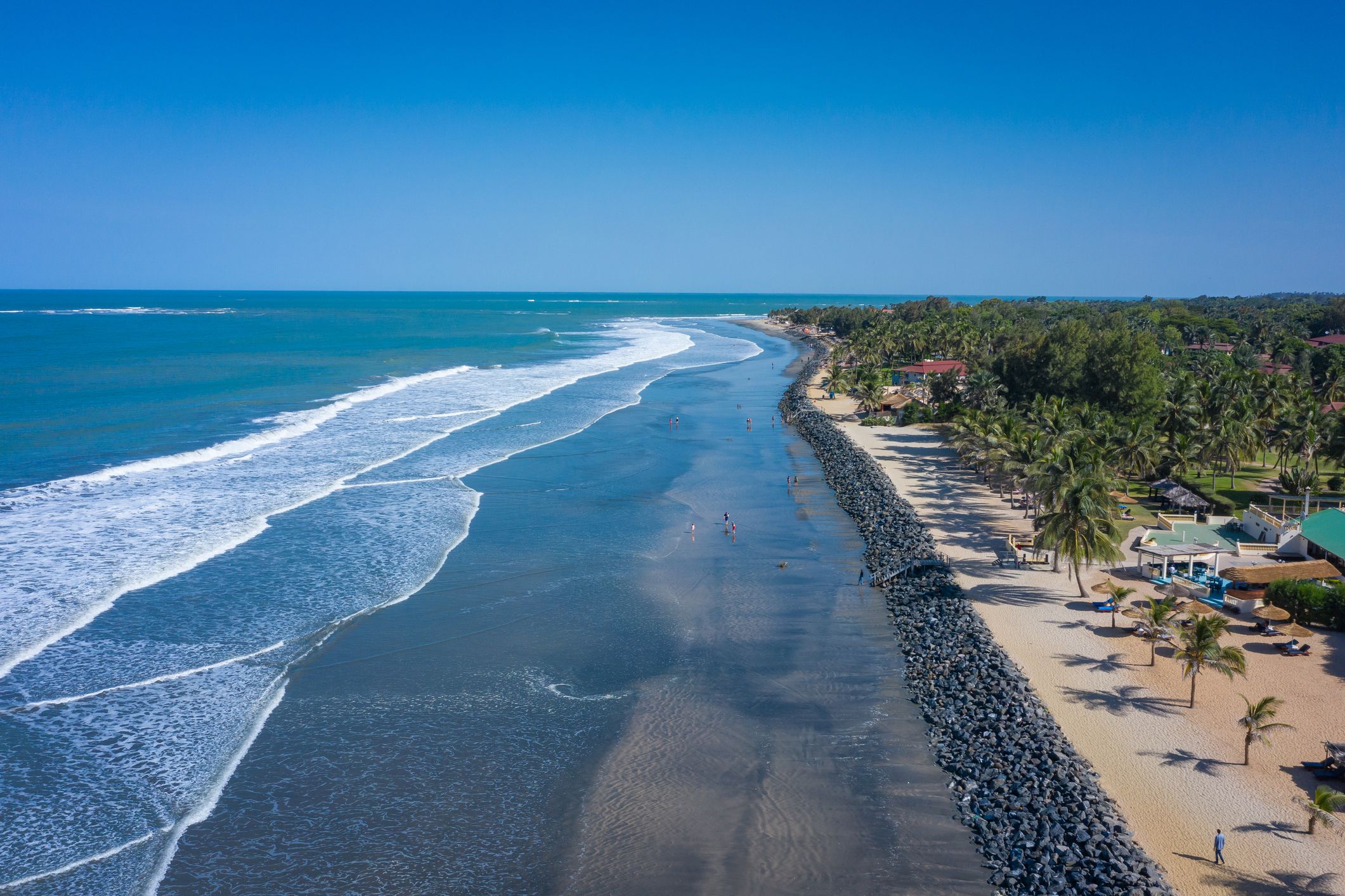
One of the quiet pleasures of these itineraries is that the sea days between West Africa and Cape Verde do not feel like filler. They feel like distance being made visible.
That matters because Cape Verde is not simply “another African stop.” It is an island chain with a different cadence entirely, shaped by Portuguese colonial history, Atlantic crossings, migration and music. Small-ship Cape Verde programmes routinely sell the archipelago on exactly those terms, leaning on its blend of African and Portuguese heritage, varied landscapes and harbour towns that still feel refreshingly unprocessed.
By the time you arrive, the shift is obvious. West Africa gives way to islands that are drier, lighter, more wind-scoured, and in places almost lunar. The music, though, remains the connective tissue.
Praia: the political capital with music in its bones
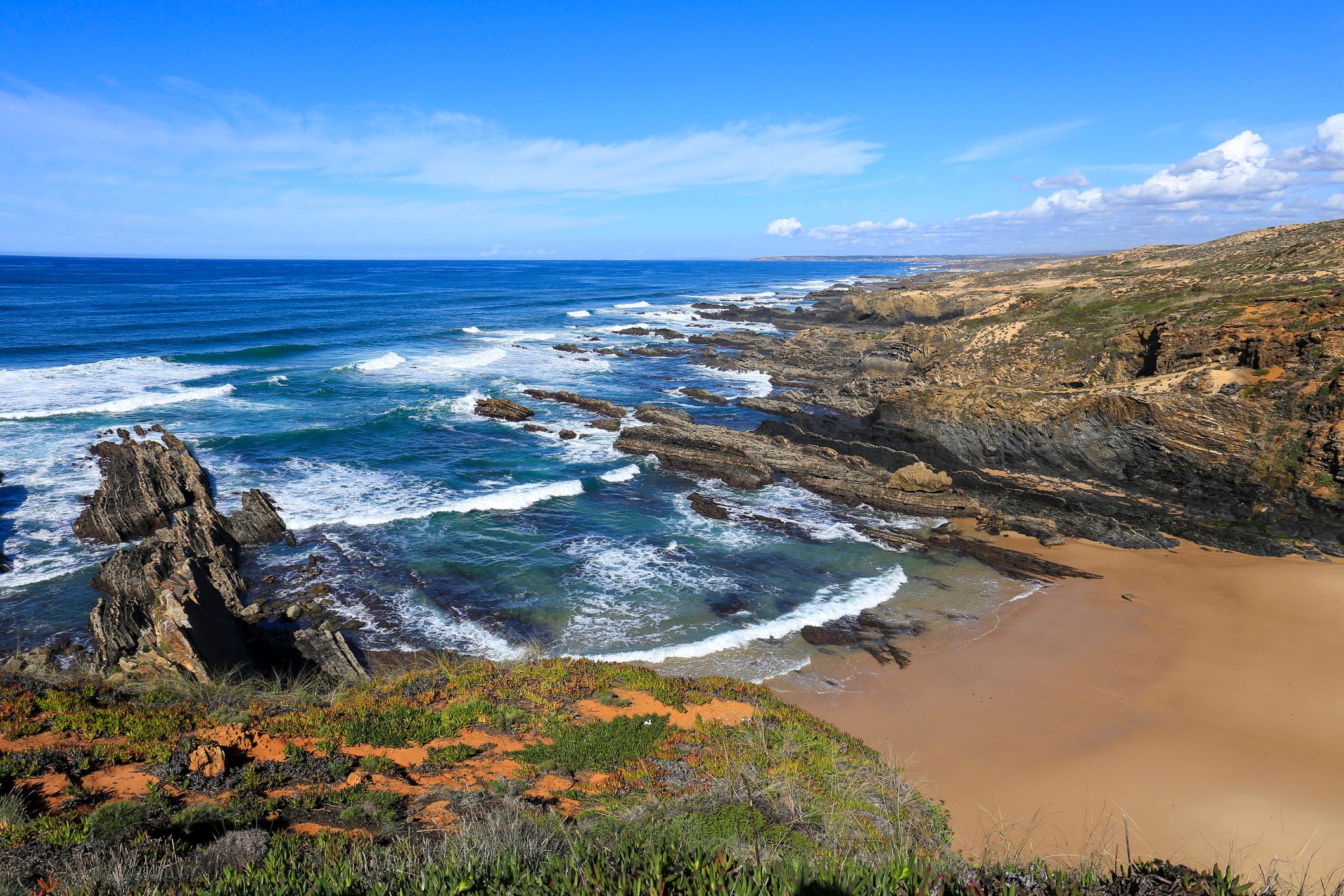
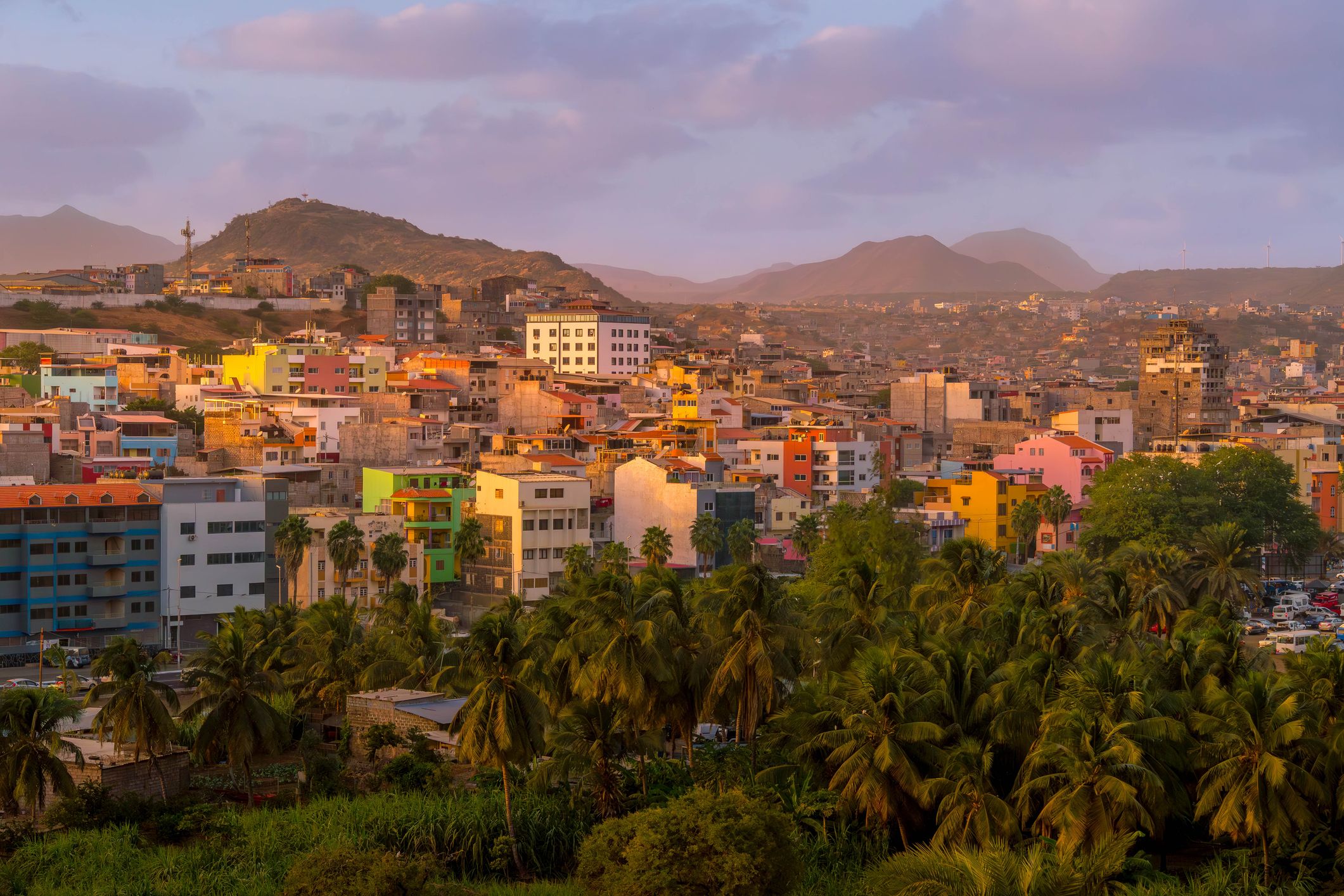
Praia does not usually get the same dreamy treatment as Mindelo, but that is partly because Mindelo has better publicists and a stronger soundtrack.
Praia is the political and economic capital of Cabo Verde, and UNESCO’s Creative Cities Network recognises it as a City of Music. UNESCO notes that the municipality has put real measures in place to support local music production, preserve musical heritage and strengthen the wider creative sector.
That makes Praia more than a practical stop. It makes it the island capital where the cultural policy and the street-level life actually meet.
The right Praia day is market-led. You do not need to treat it as a monument sprint. Do the centre, get a sense of the city’s African-Portuguese layering, and then let the music framework do the work in your head. You are in a capital that takes sound seriously enough to build civic identity around it.
That is a different kind of travel pleasure from the usual “tick the cathedral, find the sea” pattern, and all the better for it.
Mindelo: the city that turns into a song after dark
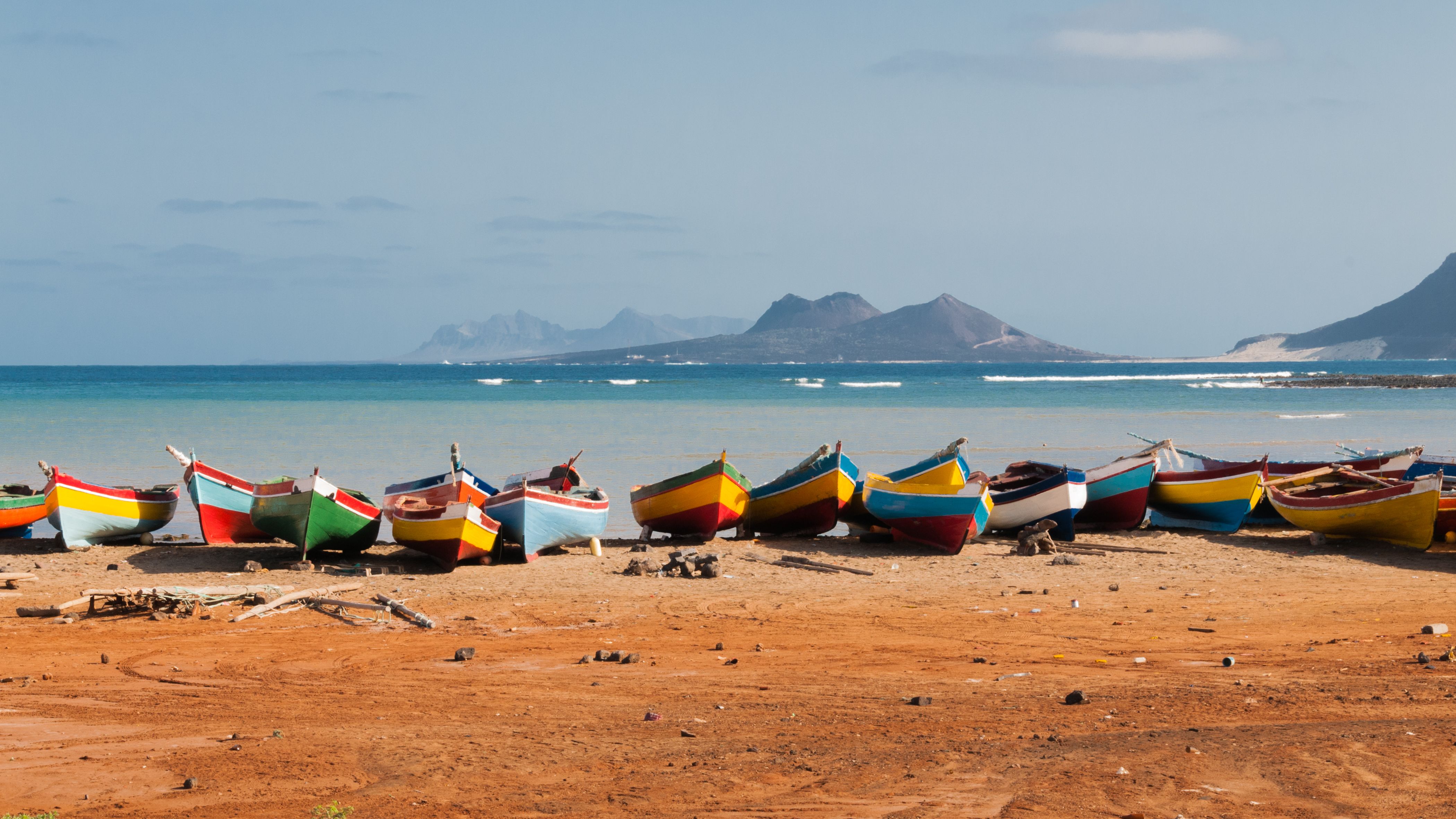
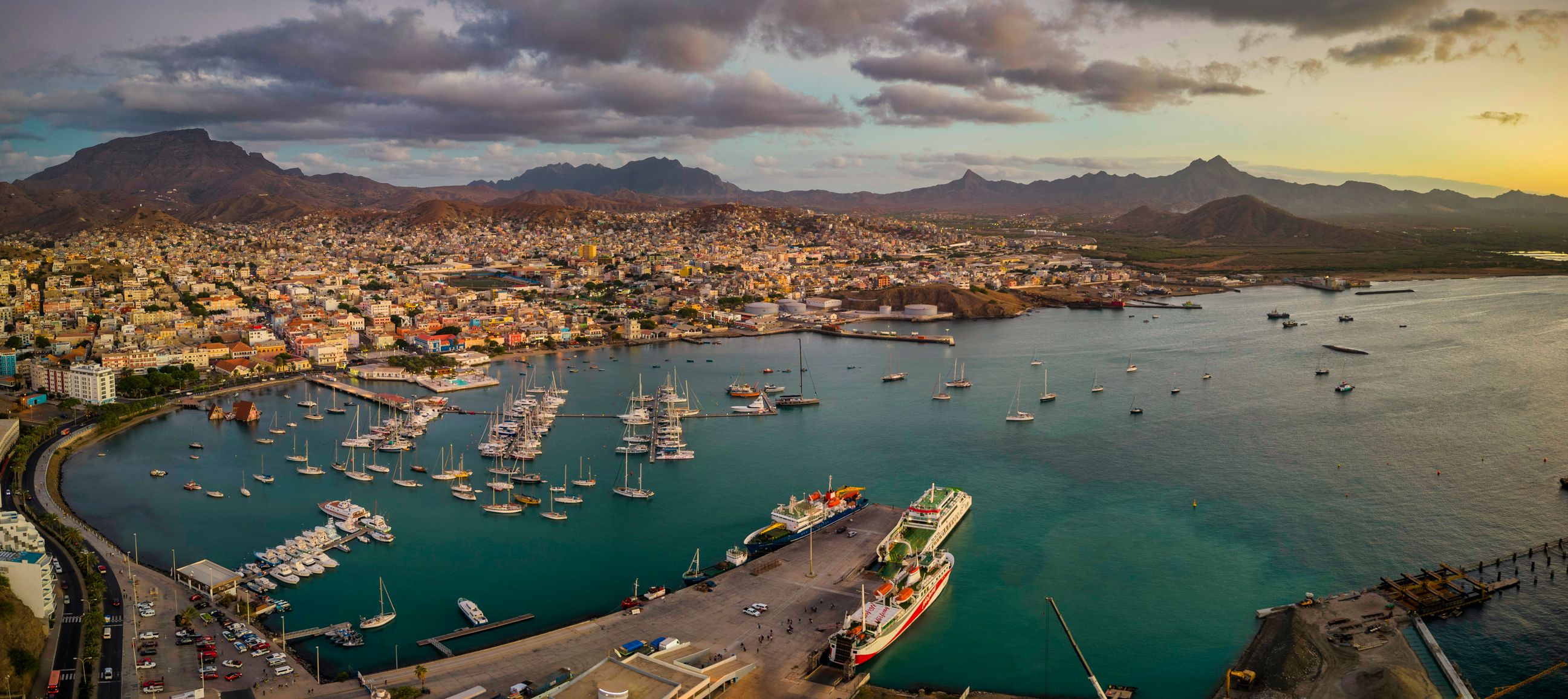
If Dakar is the loudest stop on this route, Mindelo may be the most seductive.
The official São Vicente tourism page says it plainly: Mindelo is worth visiting for its strong musical culture and bustling markets, with the Municipal Market serving as one of the best ways into local life. It also notes the market’s long history, which is exactly the sort of detail you want from a port city that still takes trade personally.
Mindelo’s wider claim to fame is also hard to miss. This is the home city of Cesária Évora, and more importantly, one of the places most strongly associated with morna, the Cape Verdean musical practice UNESCO inscribed on its Representative List of the Intangible Cultural Heritage of Humanity in 2019. UNESCO describes morna as a practice that blends voice, music, poetry and dance, often around themes of love, departure, separation, reunion and the motherland. In other words, exactly the sort of music an Atlantic archipelago would invent.
This is why Mindelo feels different after dark. Even local operators sell “Mindelo by Night” and traditional music experiences as a central part of being there, which is usually a reliable sign that the city itself knows where its strengths lie.
If Dakar is markets first and music second, Mindelo is the reverse. You can absolutely wander the market in the morning. But Mindelo’s real trick is that by evening the whole place feels as though it has loosened its collar and started humming.
Why this route suits the right kind of cruiser
This is not a route for people who want a flawless parade of instantly legible attractions. It is better than that.
It suits travellers who like pattern and variation. A capital with markets and mbalax in Dakar. A river city with kora and Albert Market in Banjul. Then the Atlantic stretch. Then island capitals where music sits not just in bars but in policy, identity and memory.
It also suits people who enjoy the feeling of being well outside the standard cruise conversation. There is no fake familiarity here. No “oh yes, we did that stop once before.” This curve of coast and islands still feels like a route you have to mean.
And that, really, is the joy of it. Not just that you go somewhere far from the usual loop, but that the itinerary itself has a narrative: mainland to river, river to ocean, ocean to islands, markets to music, bustle to saudade.
By the end of it, the Med can look awfully well-behaved.