Lucca is the anti-checklist Tuscan day (and a very enticing alternative to Florence). It has walls you can walk or cycle, a historic centre that is compact and largely traffic-free, a train station just outside the walls, proper squares, proper churches, proper lunch, and a general air of relaxed contentment. It doesn’t demand that you conquer it. It simply suggests, very reasonably, that you slow down a bit...
Why Lucca makes more sense from Livorno
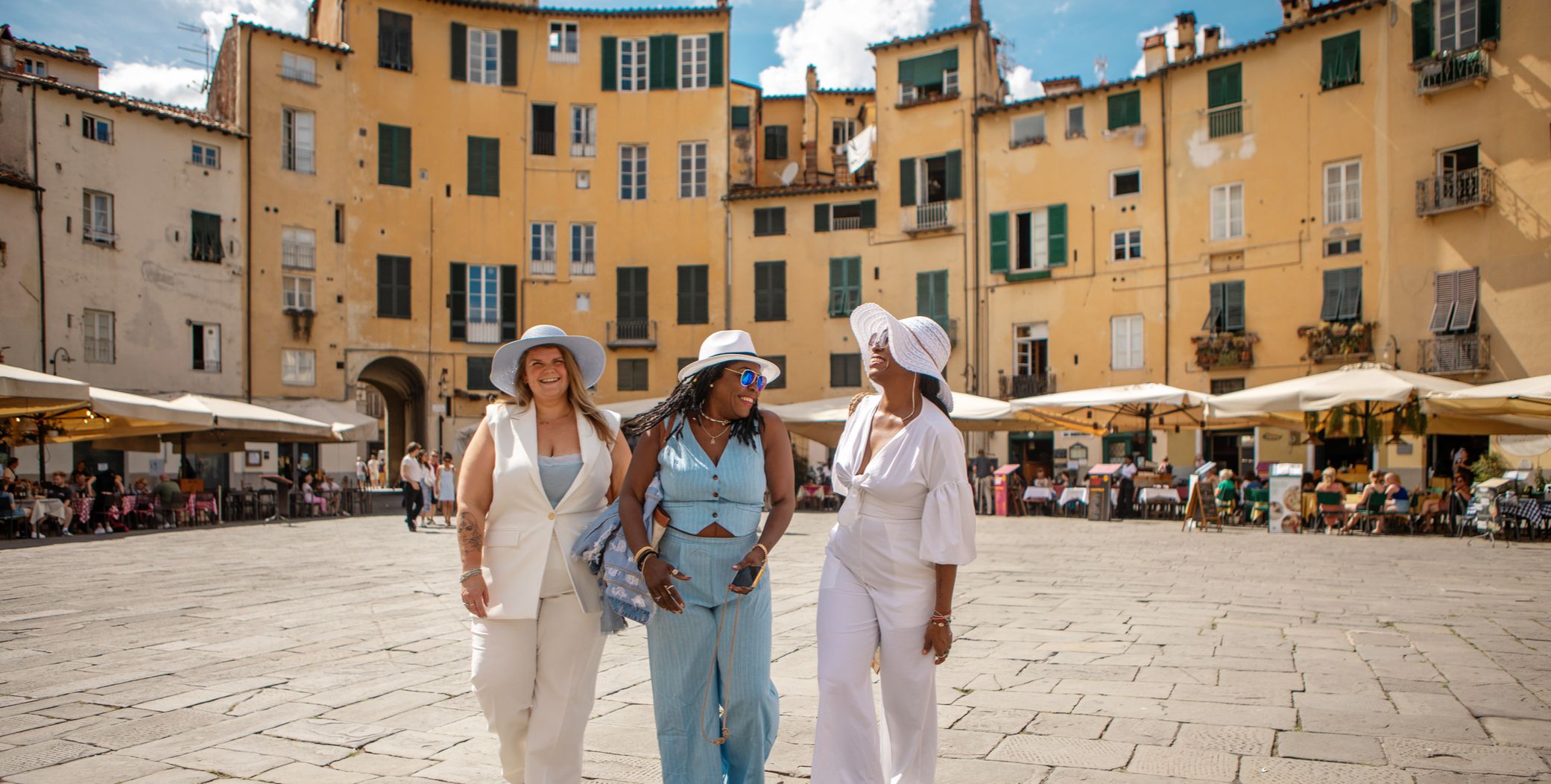
Livorno is a major cruise gateway for Tuscany, with terminals at Porto Mediceo and Alto Fondale handling a very large passenger flow each year. In theory, that opens the door to the full Tuscan greatest-hits parade. In practice, it also means thousands of people having the same idea at roughly the same time, which is how supposedly uplifting days can end with you eating a sandwich with one hand, snapping pictures with the other all while power-walking through a piazza. Lucca’s appeal is that it offers a more compact, calmer inland option than the city-bagging instinct usually allows.
The practical case is strong too. Leave the station and thecity walls are right there. The closest access points are about 200 to 300 metres away. Livorno Centrale to Lucca takes around an hour on the faster services, with plenty of departures through the day, so once you’ve made your way from the port to Livorno’s station, the rest is pleasingly straightforward.
Start with the walls, work your way around
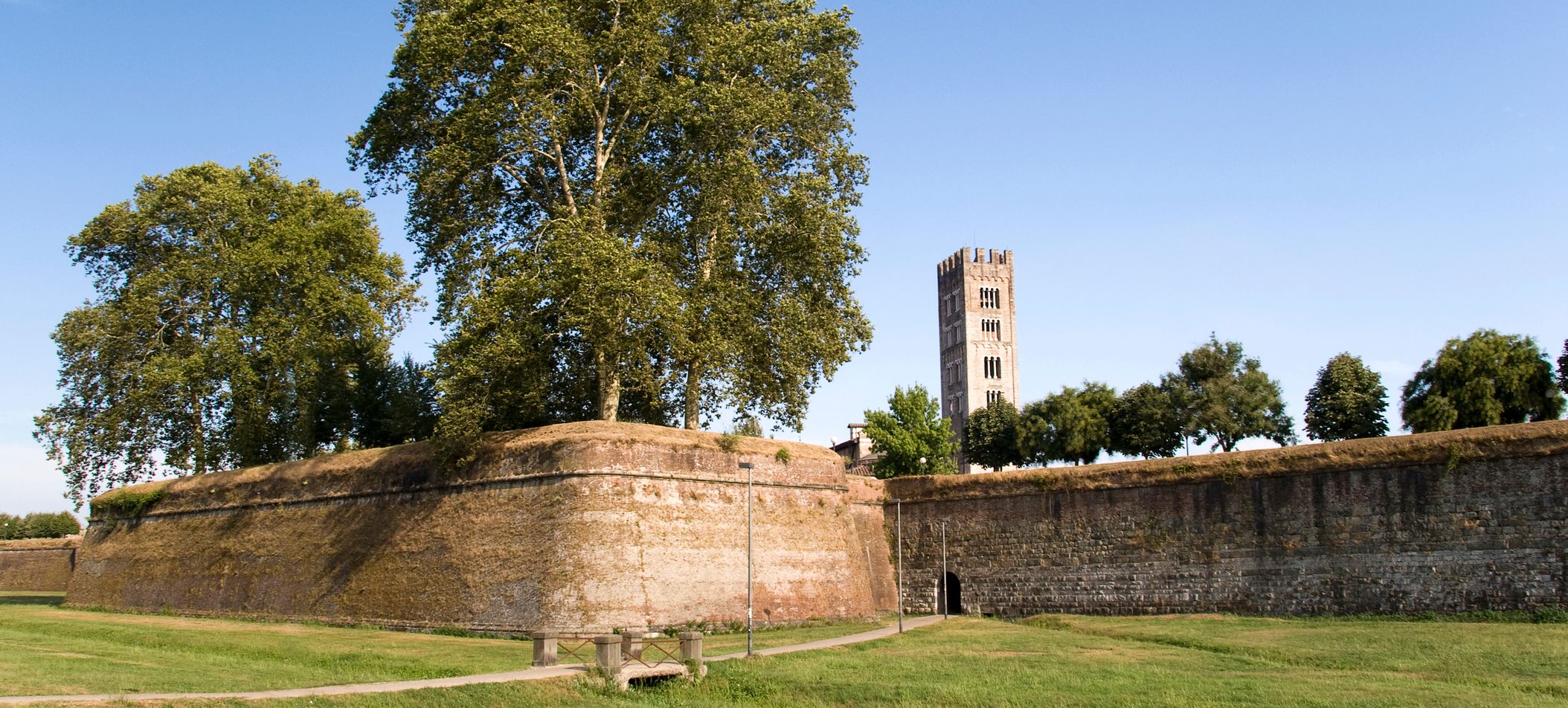
Lucca's city walls are 4.2 kilometres long, they date in their current Renaissance form from the 16th and 17th centuries, and they now function as a broad, tree-lined promenade circling the entire historic centre. Lucca Tourism calls them a unique promenade with ever-changing views of the city’s monuments, which is exactly right. You get the sense of a place held in one neat, green embrace.
You can walk the walls if you’re feeling virtuous, or rent a bike if you prefer your exercise to come with a little breeze. There are multiple bike-rental options in the centre and cycling is easily one of the best ways to get around the city and appreciate the walls and surrounding scenery. This is one of the few places where hiring a bike does not feel like an aggressively wholesome holiday decision. It just feels sensible.
Then drop into the old town and let the day loosen up
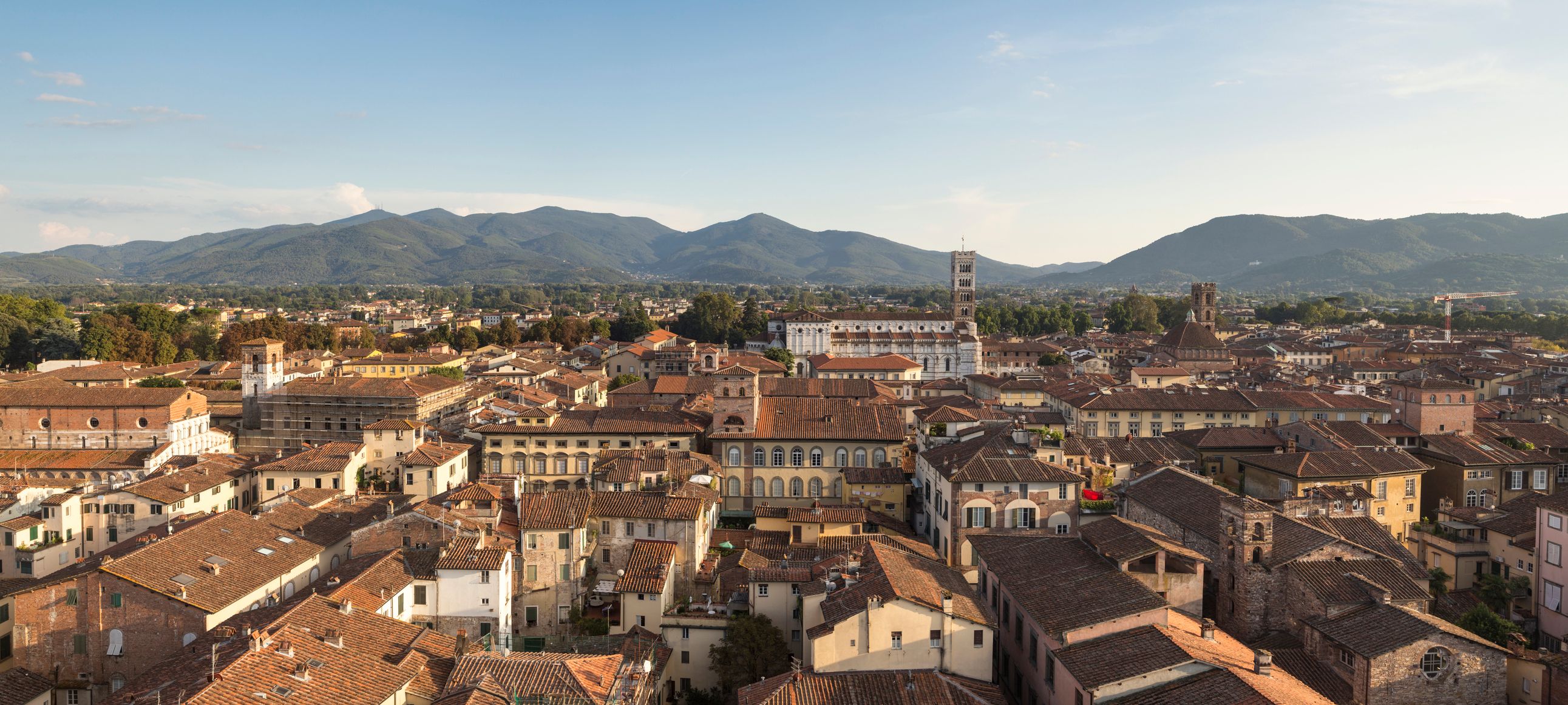
Once you’ve done a lap, or at least enough of one to feel satisfied, head into the centre. Lucca’s great gift is that it has plenty to see without requiring lots of planning. Piazza San Michele is the natural starting point, the heart of the historic centre and the old site of the Roman forum. Lucca Tourism notes that it has long been a place of meetings and trade, which is still more or less the vibe. The church itself, San Michele in Foro, rises out of the square in that gloriously overconfident Romanesque way Italian churches sometimes do.
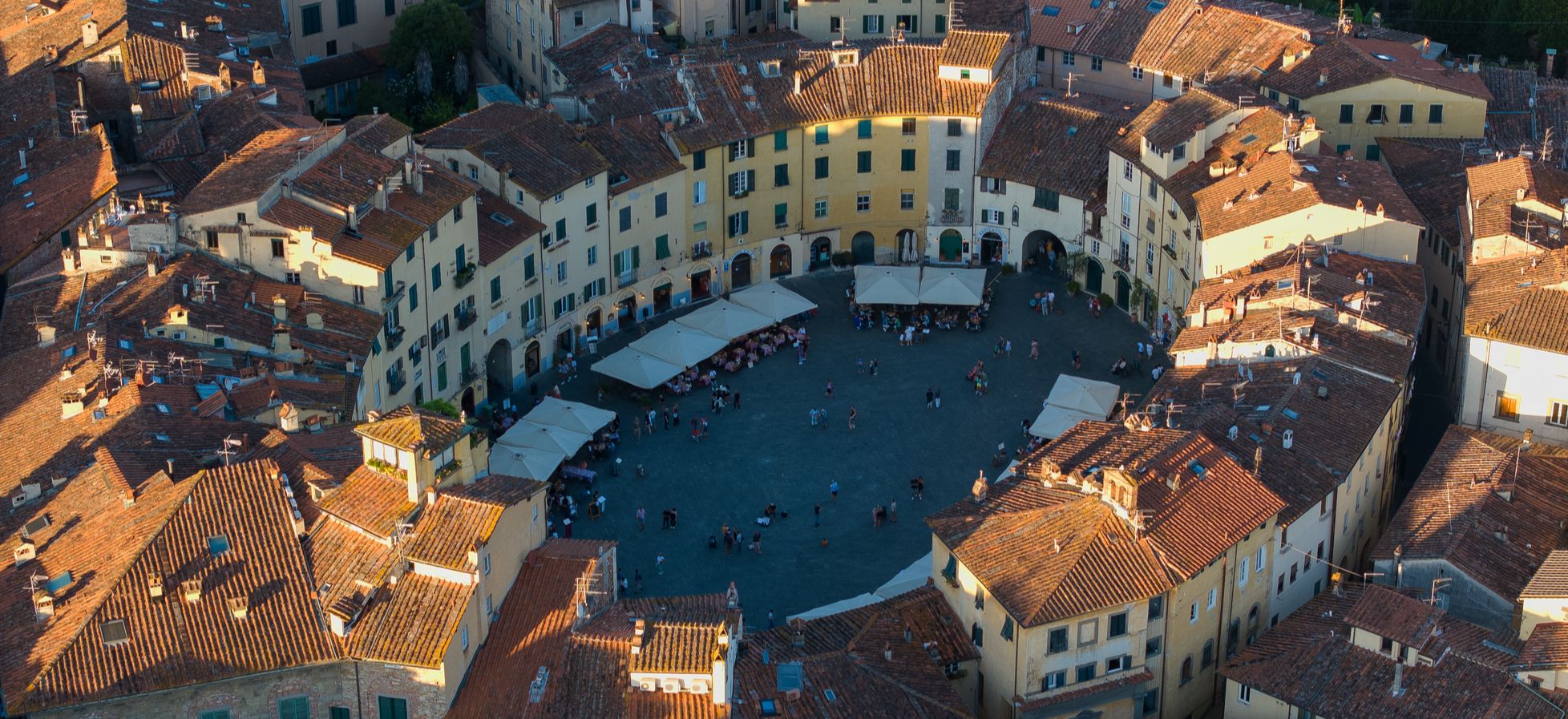
From there, Piazza Anfiteatro is the one everyone photographs, and deservedly so. The square keeps the elliptical footprint of the old Roman amphitheatre beneath it, which was built in the 1st or 2nd century AD and could once hold around 10,000 spectators. Today it is much more useful for coffee, people-watching and briefly entertaining the idea that you might move here.
If you want one vertical flourish before lunch, do Torre Guinigi. It is 45 metres high, topped with its famously improbable cluster of holm oaks, and remains one of the city’s unmistakable symbols. Climbing it is not compulsory, but it does give you the pleasingly smug overhead view that proves Lucca’s whole compact, walled logic in one glance. Florence may have more famous skyline drama. Lucca gives you a better ratio of effort to reward.
Have lunch, then something sweet, then perhaps another square
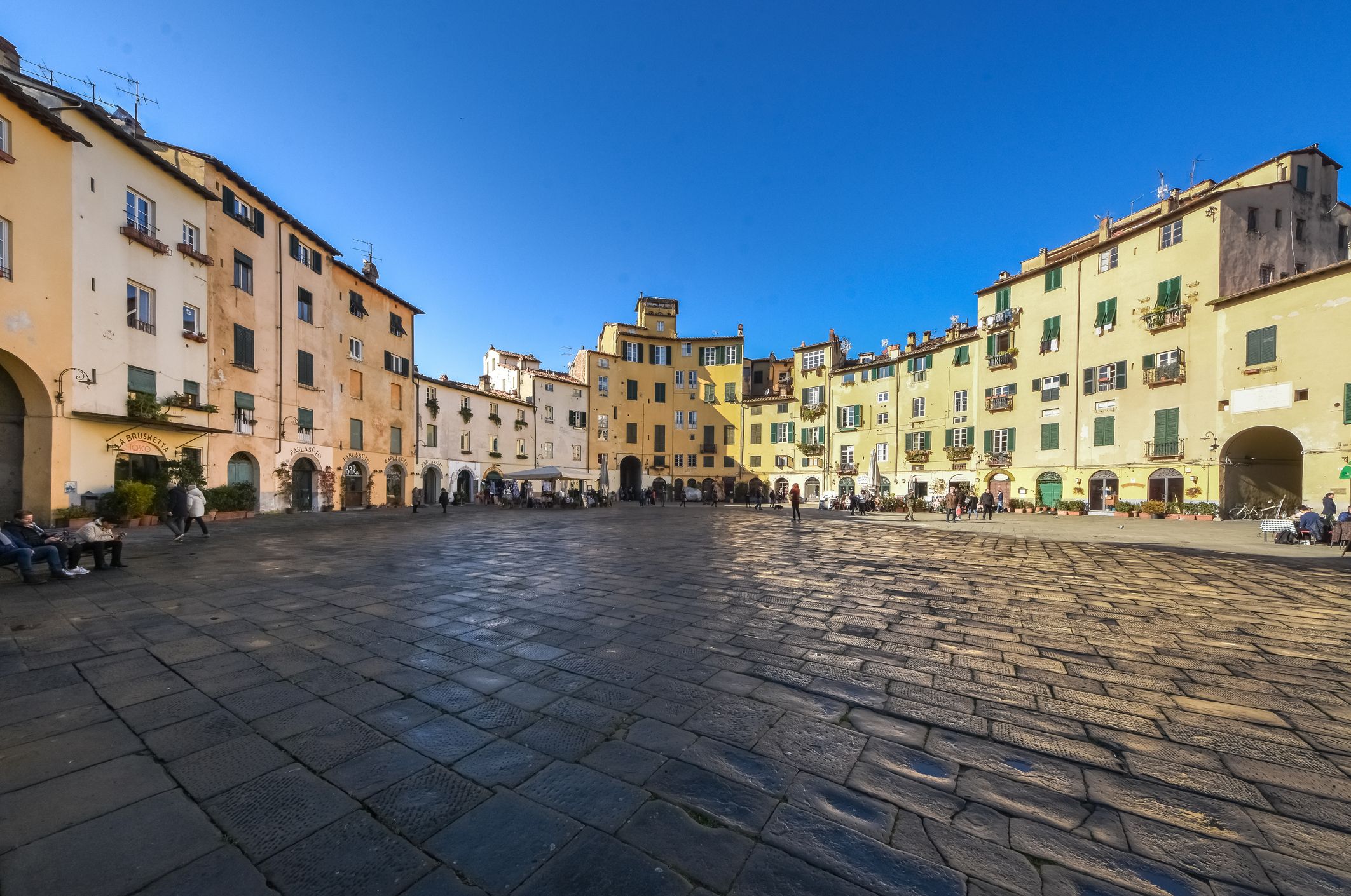
Lucca is not a city that should be rushed through with a panini and a sense of panic. The local food is part of the reason to visit. Lucca Tourism’s list of traditional dishes includes tordelli, garmugia, frantoiana soup and buccellato, the local sweet bread scented with raisins and aniseed.
After lunch, there are two correct moods. One is cultural diligence, in which case you head to the Cathedral of San Martino, consecrated in 1070 and one of the richest churches in Lucca. The other is gentle wandering, in which case you drift through lanes, glance into small shops, and accept that some squares are worth lingering in simply because they are there.
Why you won’t miss Florence
This is not an anti-Florence argument necessarily. Florence is Florence. But a cruise port day is a different beast from a proper city stay, and Lucca understands the format better. You arrive close to the centre, the old town is manageable, and the pleasures of the place are cumulative. Walk, bike, lunch, square, tower, church, pastry, train back. Low drama. High satisfaction.
And that, really, is the whole charm of choosing Lucca from Livorno. You get Tuscany without turning the day into a logistical stunt. You get beauty without the rush. You get walls, bikes, lunch and marginally lower blood pressure, which is more than can be said for many people emerging from a full-speed Florence “sampler” at four in the afternoon.