
Cruising keeps growing. Cities, meanwhile, remain decidely more finite in capacity, and many do not, in fact, want infinite quantities of anything, especially rolling suitcases disgorged from tenders onto the dockside every day for 6 months of the year...
The Cruise Lines International Association (CLIA) says global ocean cruise passenger volume hit a record 37.2 million in 2025, with nearly 90% of cruisers saying they intend to sail again. Which is wonderful news for cruise lines, but slightly less thrilling for European city mayors trying to explain to residents why the pavement outside their flat now resembles an airport gate.
And in Barcelona this tension has become almost impossible to ignore. In July 2025, the city council and the Port of Barcelona agreed to cut the number of cruise terminals on Adossat wharf from seven to five, demolishing terminals A, B and C and replacing them with a new public terminal. The port says the move is about making cruise activity more sustainable and improving coexistence with the city. Seatrade reported that the new terminal will prioritise homeport cruises and smaller vessels, which is a very Barcelona way of saying the city still wants the business, just perhaps with fewer giant floating apartment blocks arriving all at once.
So is this the start of a “Barcelona effect” that's going to spread across the whole Med? When the region’s biggest name starts setting firmer limits, port authorities elsewhere begin to look suspiciously lively. Suddenly the second-city pitch sounds a lot more appealing: easier operations, less political heat, more room to grow, and the chance to market yourself as a clever alternative rather than a compromise.
Spain's second option?
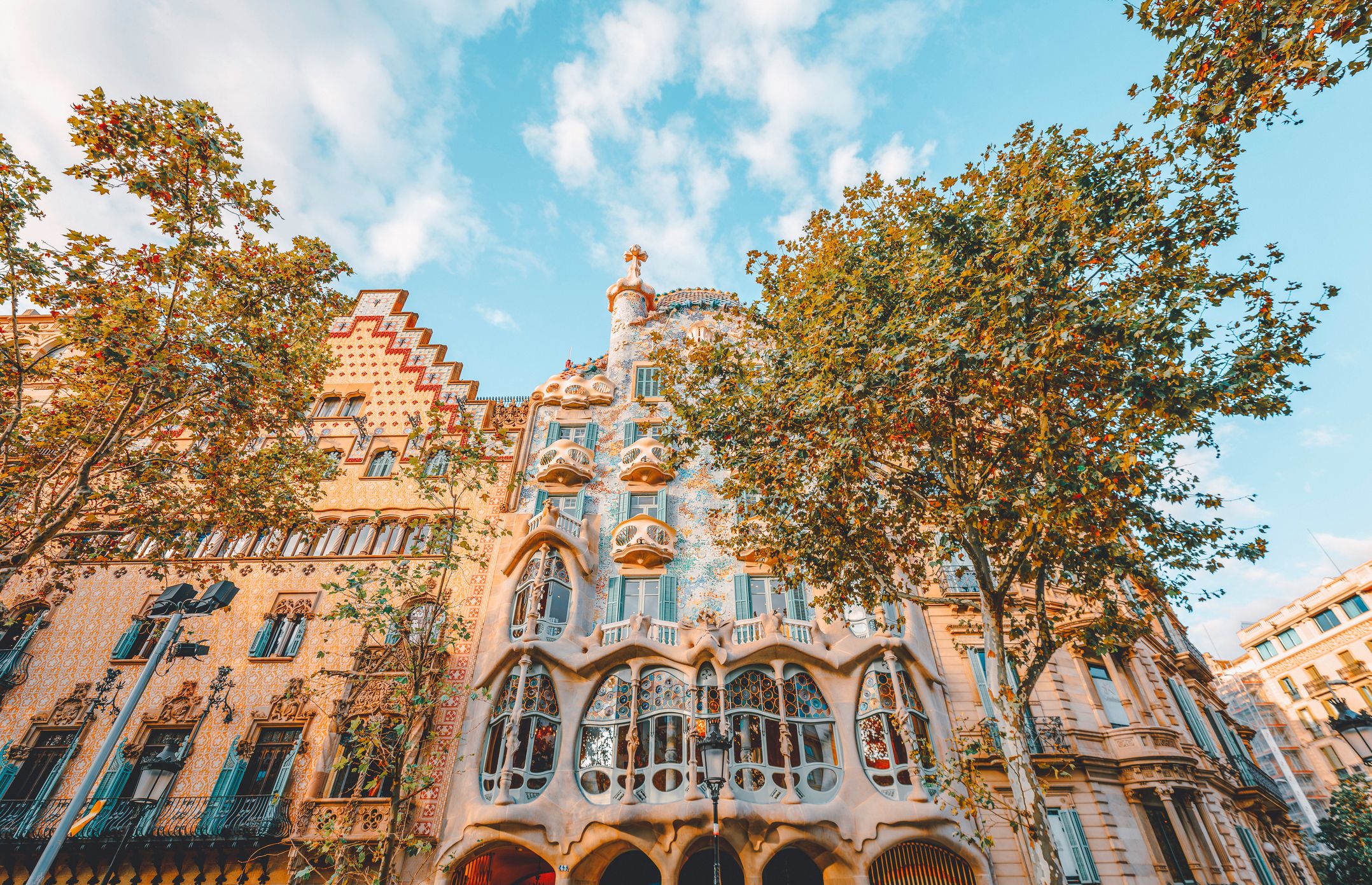
Barcelona
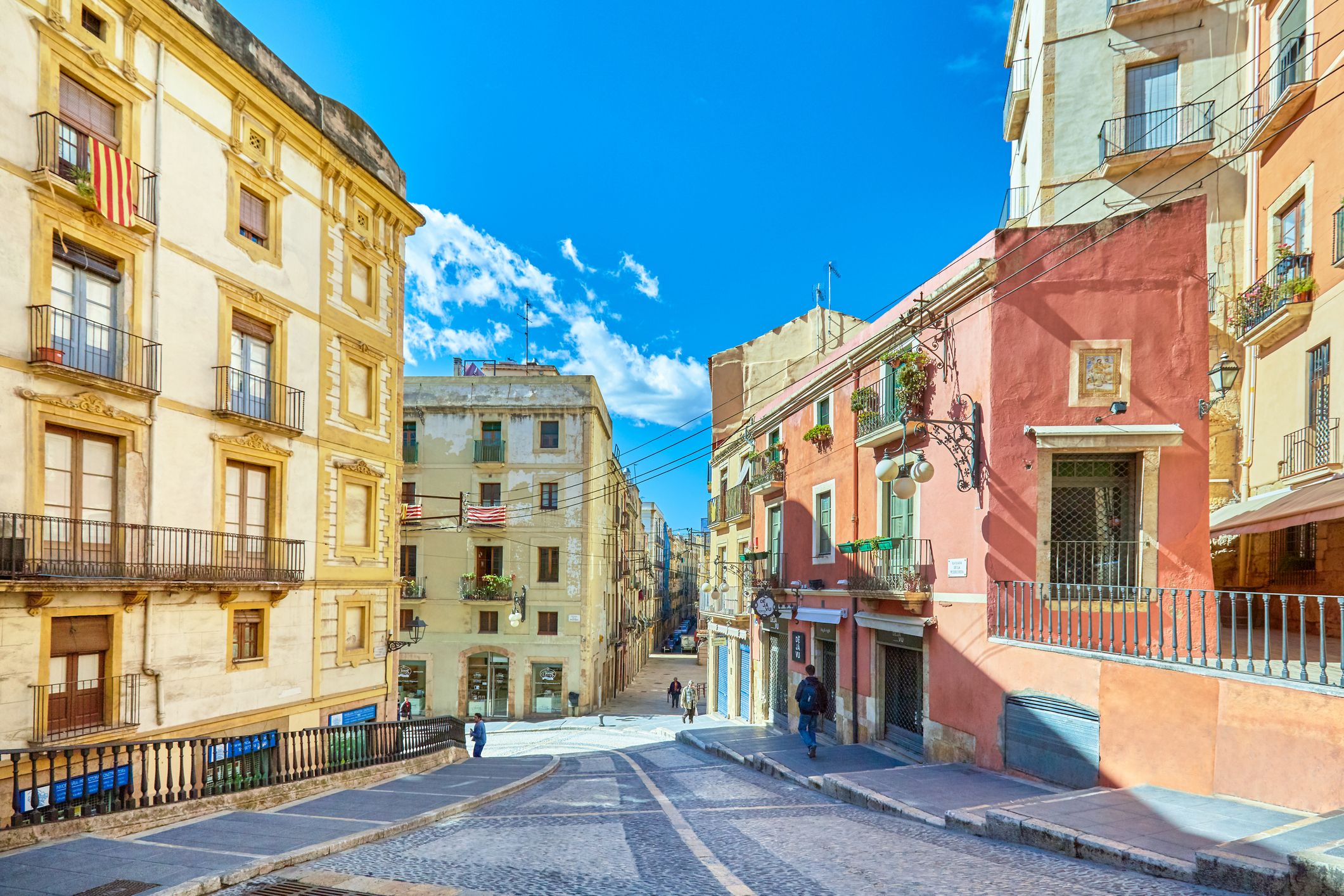
Tarragona, Spain
Tarragona is probably the the most obvious pick. It sits roughly an hour from Barcelona-El Prat by road, which gives it just enough proximity to sound familiar without inheriting all of Barcelona’s baggage. Tarragona Cruise Port says the airport transfer is about an hour, while its own materials pitch the city as walkable and heritage-rich (once you get out of the port area). Tarragona finished the 2025 season with 62 calls and 126,348 passengers, and is forecasting 79 calls and around 155,000 passengers in 2026, helped by Viking increasing from three calls to 17 and MSC rising from 25 to 32 calls, albeit with a smaller ship. This is a destination moving from “interesting alternative” to “we’ve booked the room already.”
Equally, Tarragona is not trying to out-Barcelona Barcelona. It's offering something else: a Roman waterfront city, Costa Daurada access, and a port strategy explicitly framed around longer seasons and more sustainable growth. You can hear the subtext from space. Less tourist frenzy, more control, and ideally fewer headlines involving residents wielding water pistols in the direction of visitors.
Italy’s Adriatic answer?
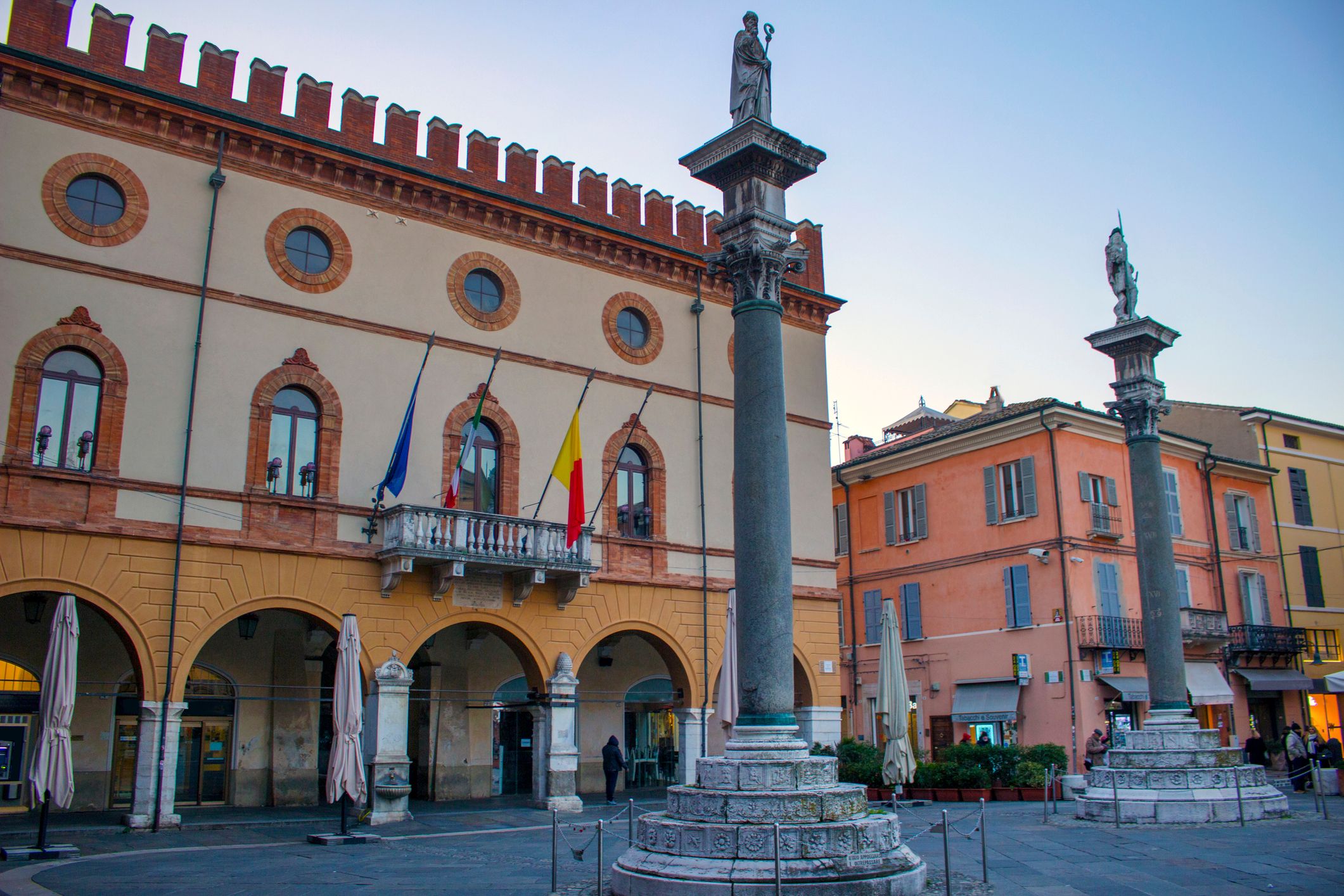
Ravenna, Italy
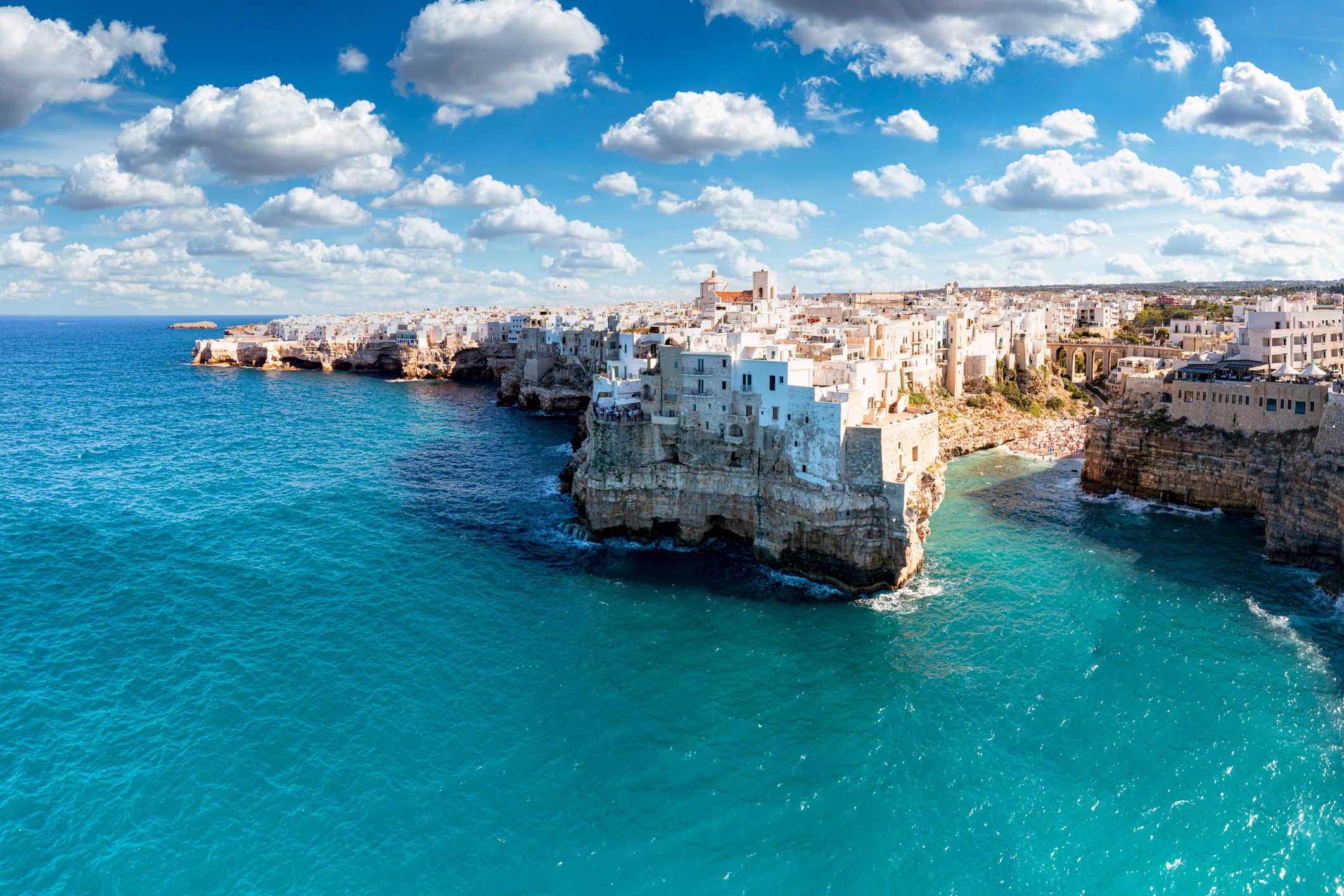
Adriatic Coast
Then there is Ravenna, or more precisely Porto Corsini. Ravenna’s cruise case is slightly different. This is not just about escaping overtourism politics. It is also about infrastructure and geography. Ravenna is an embarkation port at the heart of the Adriatic, with two docks capable of accommodating two ships at a time, and pitches itself as a gateway to the eastern Mediterranean and the western Balkans. Ravenna tourism notes that Porto Corsini is about 15km from the city centre, with shuttle and public transport options. So no, it's not one of those ports where you wander off the ship and straight into a perfect piazza. But it is a practical embarkation play with room to expand, which in 2026 might be even more valuable.
The infrastructure spend tells the same story. Royal Caribbean Group said in 2024 that a new Ravenna cruise terminal was set to open for the 2026 season, while later reporting around the project described a 10,000-square-metre facility able to host two more ships simultaneously. Local reporting in late 2025 said Ravenna expected cruise traffic in 2026 to rise by about 58%. Ports only get this level of investment because cruise lines want optionality, and optionality has become one of the Mediterranean’s most useful currencies.
The trade-offs
It would be tempting to treat all this as a neat morality tale in which smaller ports rise serenely as the old giants suffer the consequences of their own success. But the reality is, smaller ports come with trade-offs. Tarragona’s terminal is about 4km inside the port, and the port itself says walking from the terminal is not recommended. Porto Corsini is useful and increasingly well-equipped, but still requires a transfer to get into Ravenna proper. These aren't magically frictionless alternatives.
What Barcelona has really done is make wider Mediterranean itineraries more diverse. For years, cruise deployment could be sold on the basis that everybody wanted the same headline names forever. Increasingly, that's not the case. Some cities are putting rules around cruise growth. In June 2025, Cannes voted to limit cruise traffic from 2026, allowing only ships with fewer than 1,000 passengers in the harbour and capping daily disembarkations at 6,000. Across the French Riviera more broadly, authorities later moved to cap disembarkation volumes and regulate larger ship calls. Once those kinds of policies start spreading, smaller and second-city ports start looking like necessities rather than simply optional extras.
That, in the end, is the real Barcelona effect. A recalibration. Big-name cities are still in the game, but they are no longer the only game worth building around. And as cruise lines chase flexibility, sustainability credentials and fewer public rows with city halls, places like Tarragona and Ravenna suddenly get to play a attractive role in travel: the destinations that feel like a discovery, even if the industry is only just catching up.