It is very hard to have a bad time on a small ship in the Galápagos. You get up too early, you come back a bit salty, and in between you're almost tripping over sea lions and marine iguanas.
Here is how a typical week actually feels, rules and science included, but with the emphasis where it belongs: on the fun.
Your week in outline: less cruise, more floating basecamp
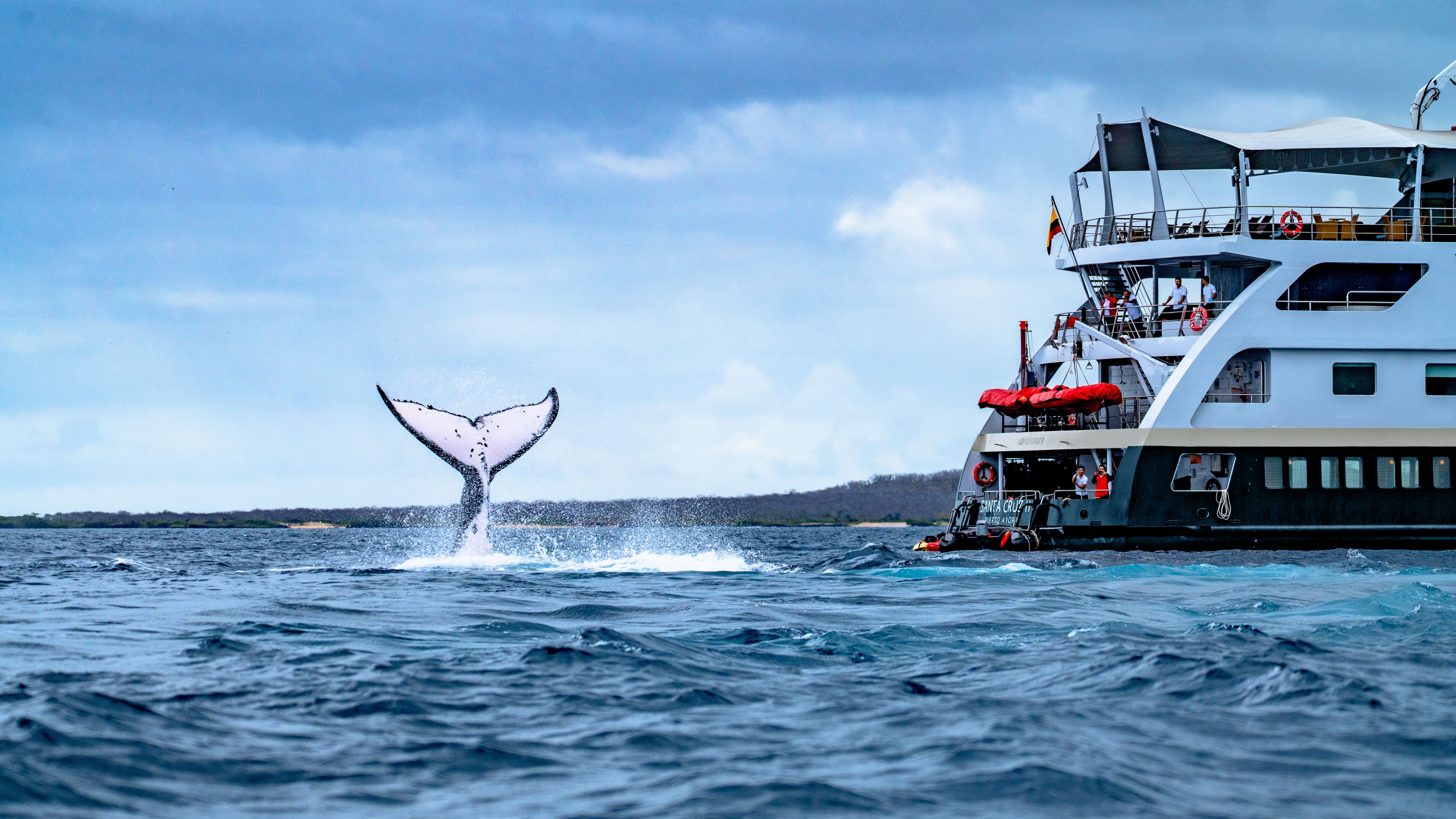
Most Galápagos trips follow a seven night loop, either in the central and eastern islands or the wilder western side. The exact route is tightly controlled by the national park, which is why each line talks about “itinerary A, B, C” rather than freestyling their way around the map.
From your point of view, that means a steady rhythm. Mornings usually bring a landing on one island, afternoons a second landing or a snorkel somewhere else, and evenings a drink on deck while something with wings glides past the bow.
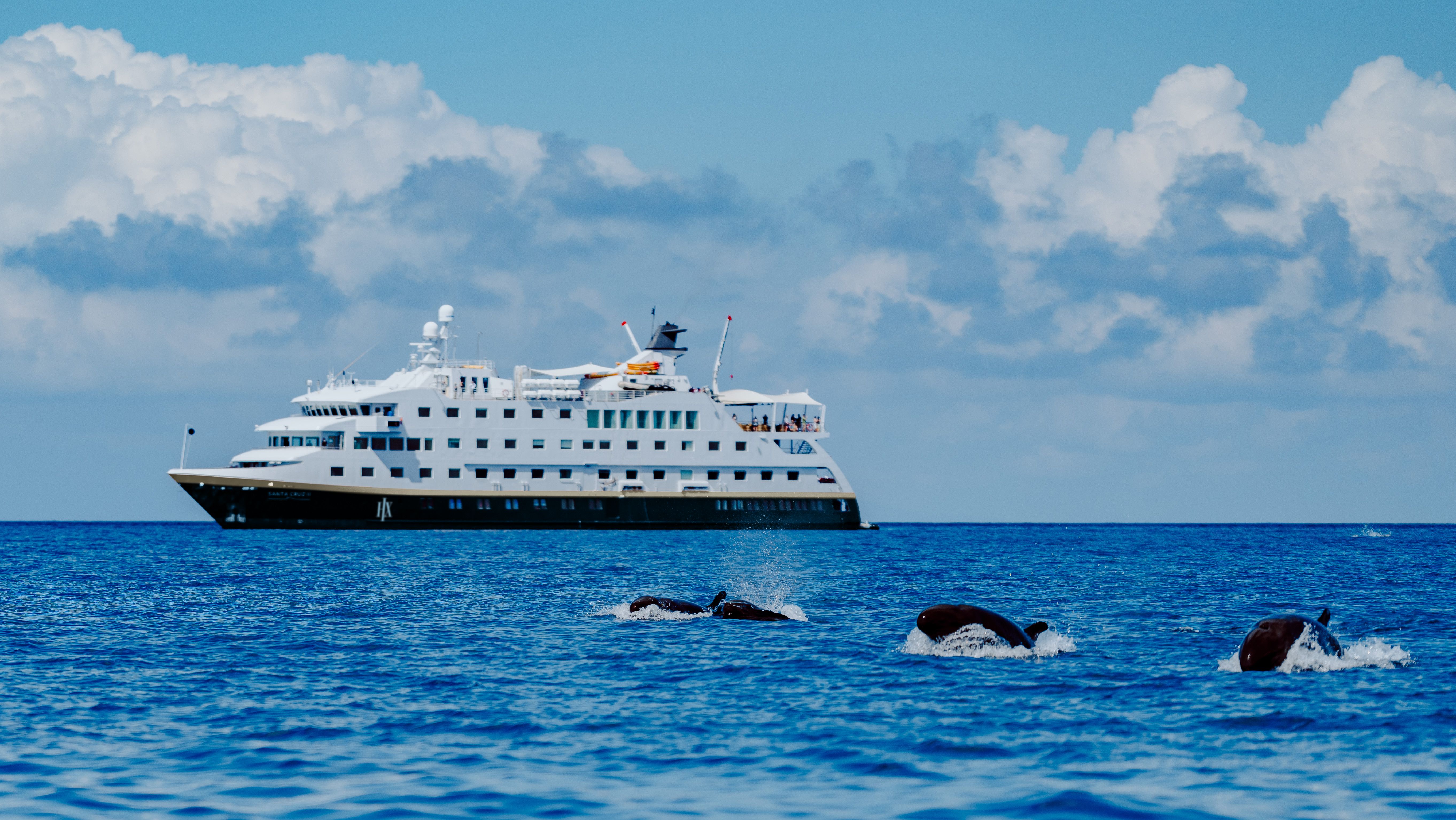
Ships are small by mainstream standards. At one end you have sixteen guest yachts with a handful of crew. At the other, expedition vessels for roughly 90 to 100 people run by lines such as Lindblad–National Geographic, Celebrity and Hurtigruten. All are capped by the park at 100 guests, so you never feel as if you have turned up with a festival crowd.
The feel is more “floating field station with a bar” than classic big-ship cruise. Which is, frankly, the point.
A real-life day: zodiacs, iguanas and a nap you definitely earned
Mornings start early, because the wildlife is most active before the heat kicks in. After breakfast you shuffle into a lifejacket and board a zodiac, locally called a panga, for the first outing of the day.
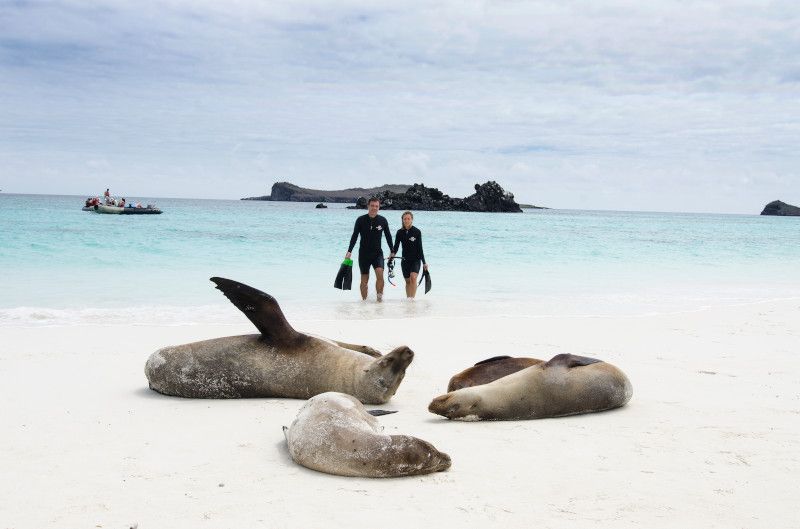
Some landings are dry, straight onto a little stone jetty where a sea lion may or may not be blocking the steps. Others are wet landings on a beach, where you swing your legs over the side and hop into the shallows. Guides keep the group small, usually up to sixteen people, so it feels more like a ramble than a school trip.
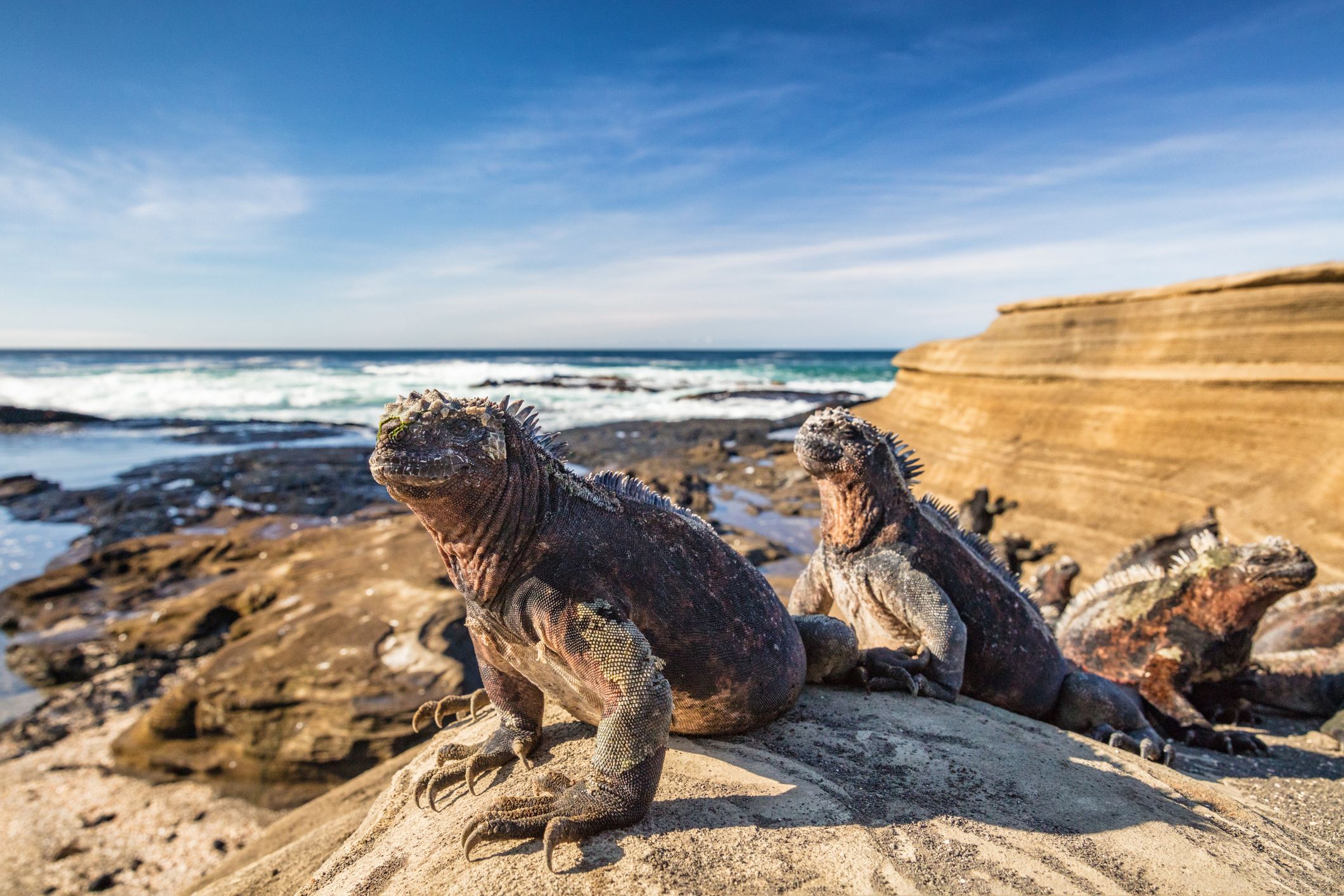
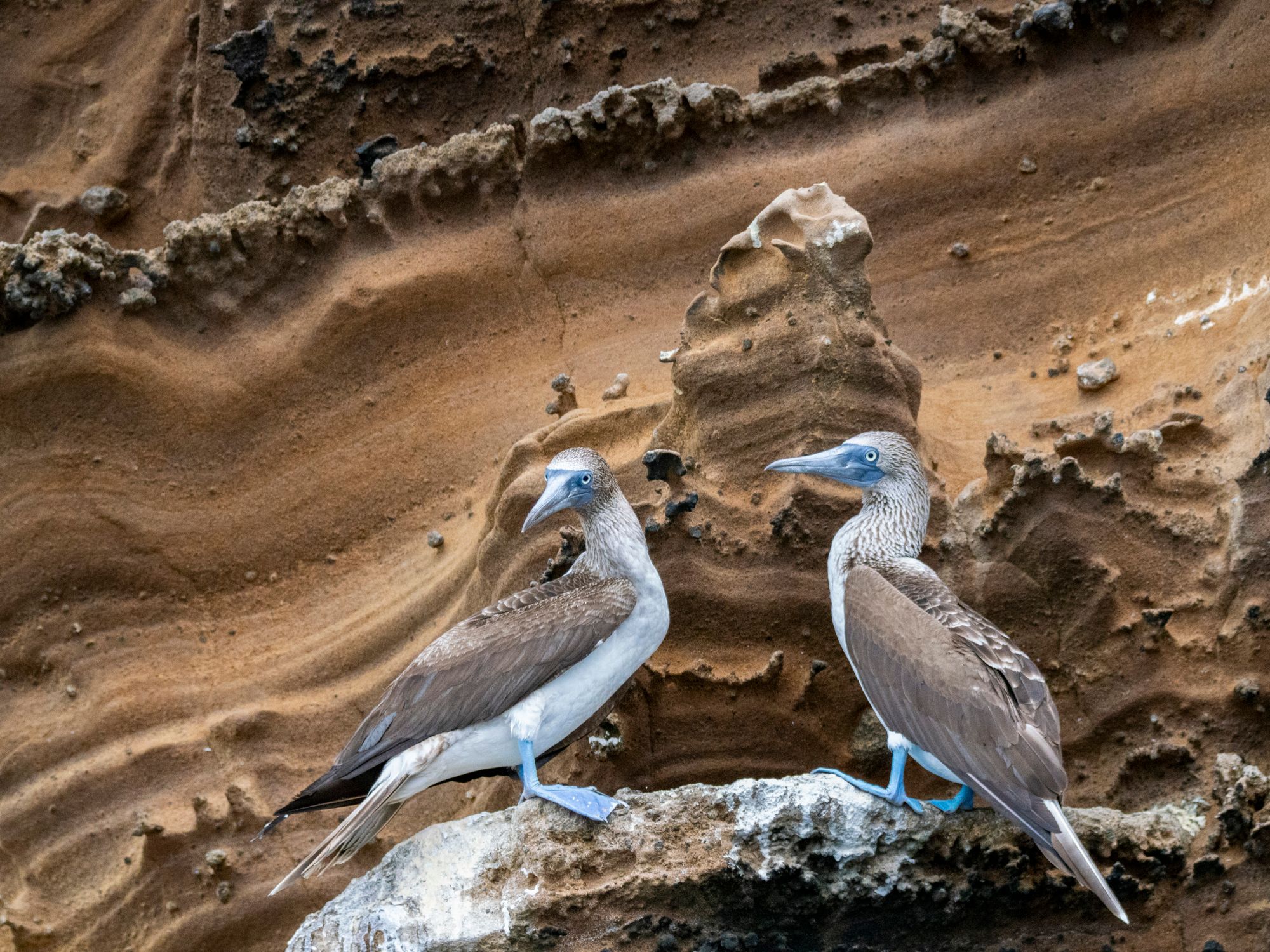
The walks are rarely difficult. Think dusty trails over lava, sandy paths between palo santo trees, short climbs to viewpoints. The real challenge is not stepping on something. Marine iguanas sunbathing on the path, blue-footed boobies practising their slightly ridiculous courtship dance a few feet away, lava lizards zooming past your boots. Because the animals evolved with very few land predators, they barely notice you, provided you keep a respectful distance.
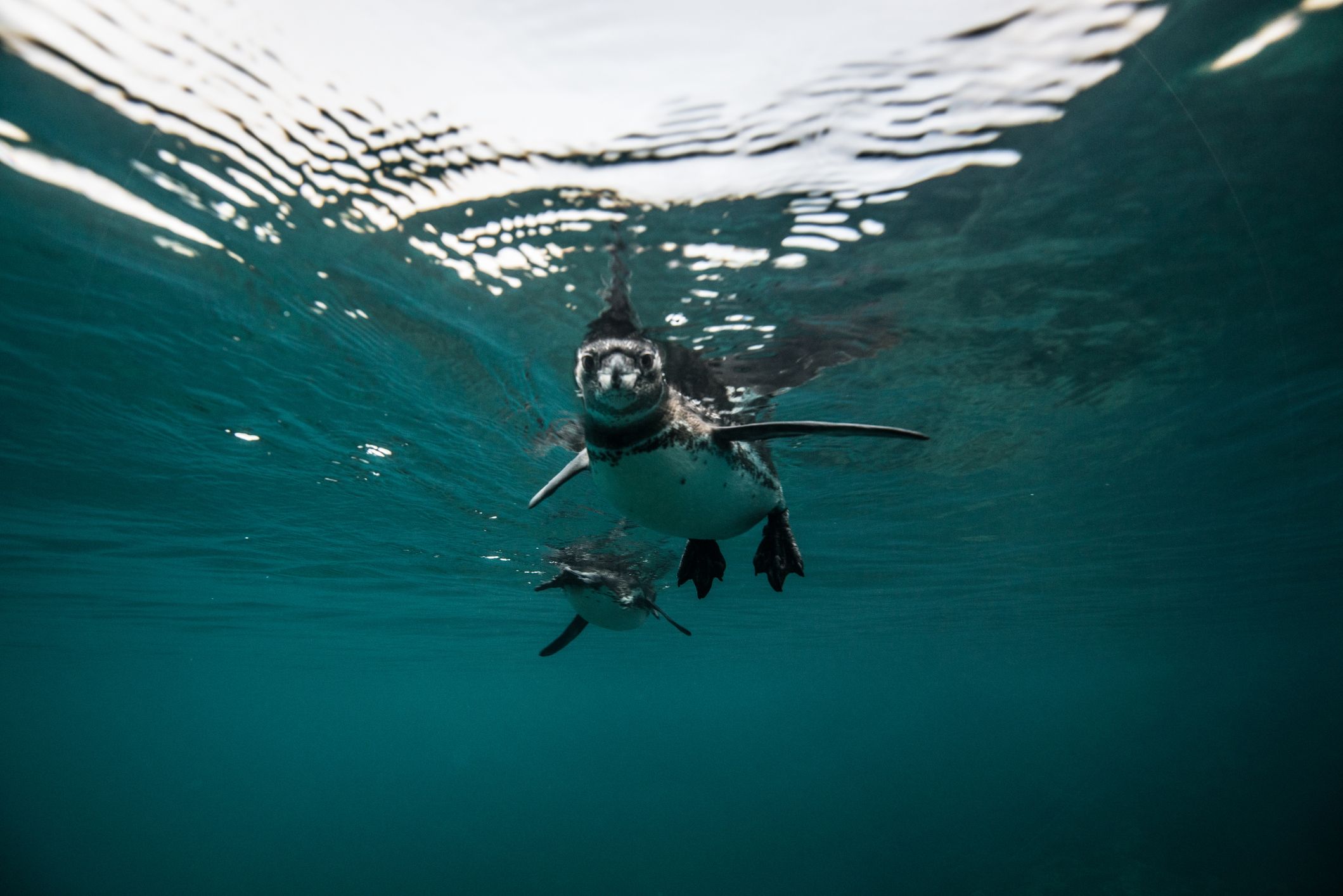
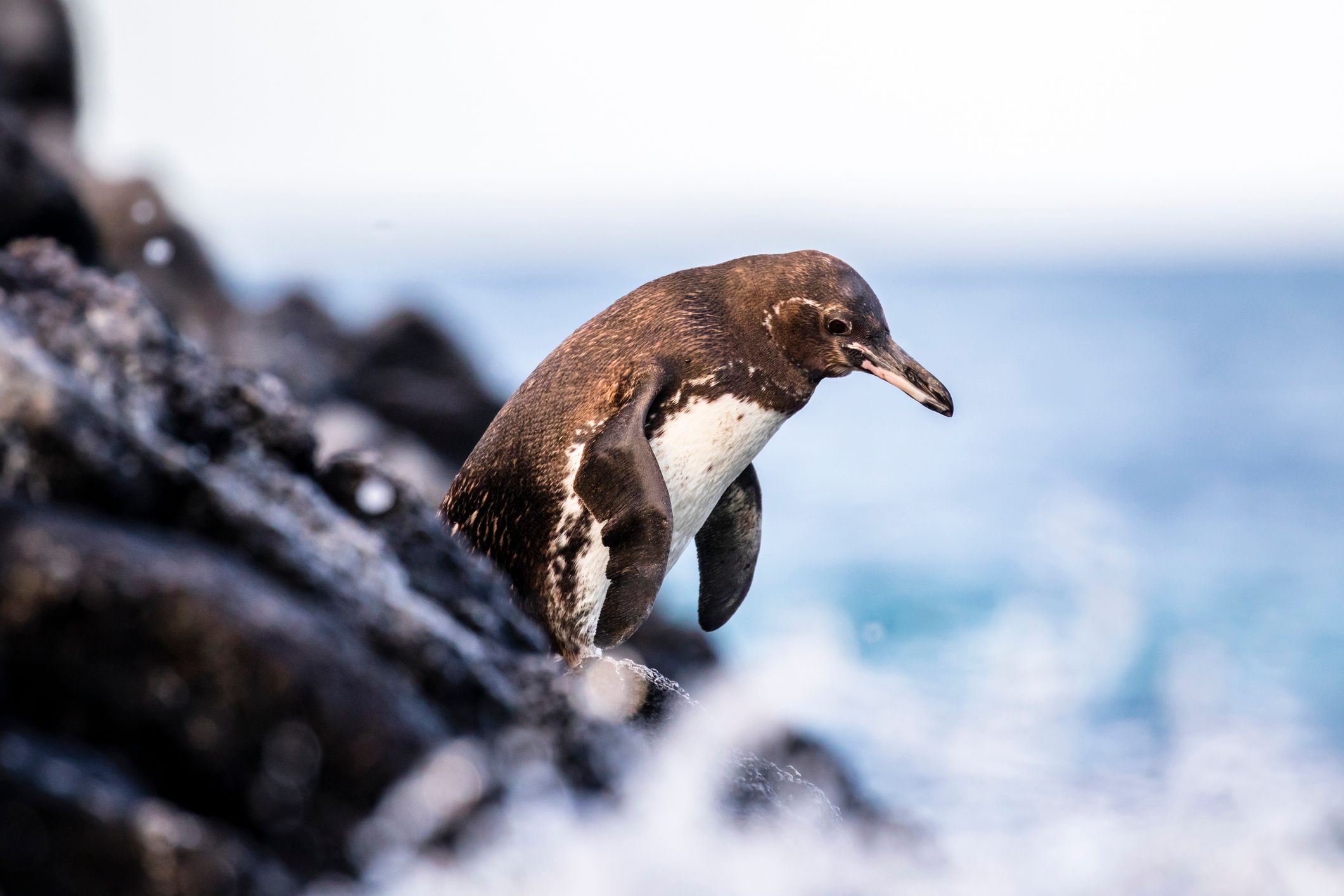
By late morning you are usually back on the zodiac and heading to a snorkel spot. Galápagos snorkelling is less gentle reef drift and more “who just zoomed past my elbow.” Sea lions loop around you like underwater acrobats, green turtles plod along with total indifference, and if you are lucky a Galápagos penguin shoots past like a small torpedo.
Lunch is back on board, followed by a blissful hour where everyone pretends they are going to sort photos and then falls asleep. In the afternoon there might be a more relaxed coastal ride by zodiac, a second landing, or time on a beach that you are sharing with several dozen iguanas and a frigatebird or two.
Evenings revolve around a short talk from the guide team, a rundown of tomorrow’s plan and dinner that tastes far better than you would expect in the middle of a marine reserve. By about ten o’clock the lounge is quiet. Tomorrow’s wake-up call is waiting.
What you actually see, beyond the brochure cover stars
The headliners do show up.
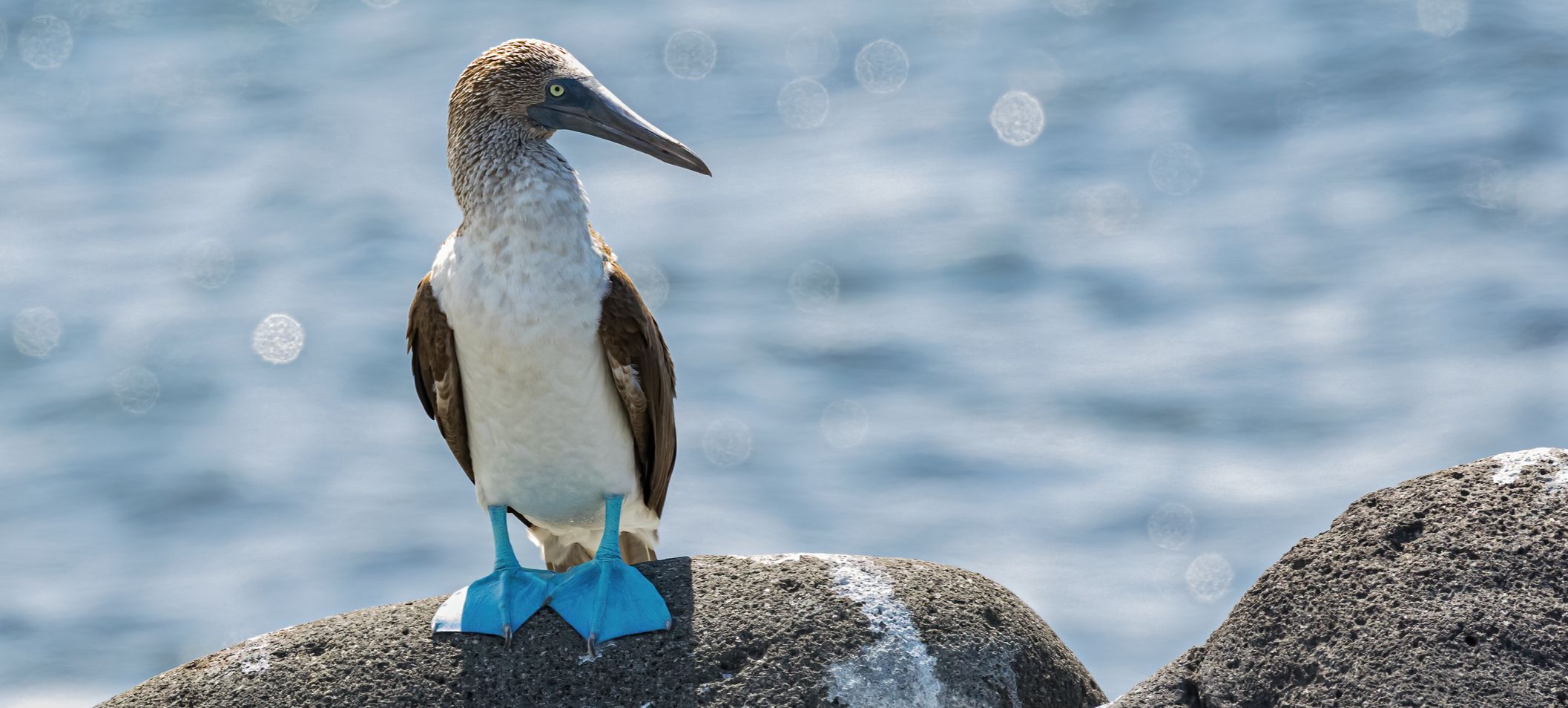
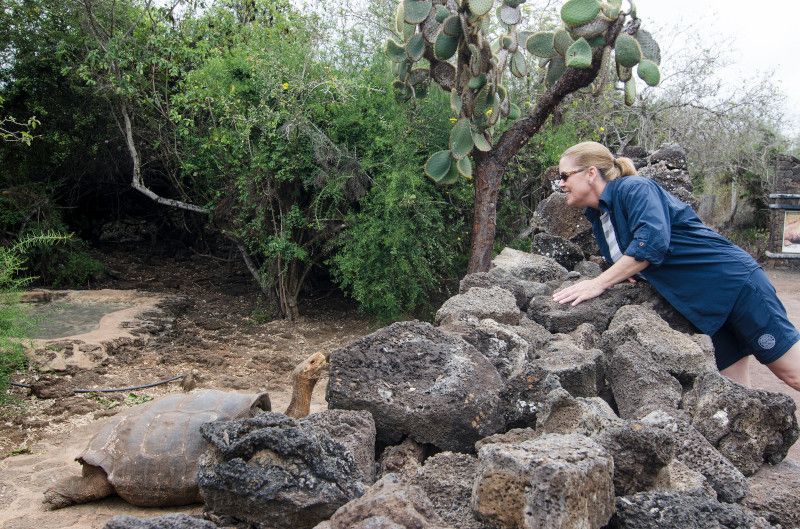
Blue-footed boobies really do pose with bright turquoise feet, usually on the eastern and central itineraries. Giant tortoises appear either in the wild highlands of Santa Cruz and San Cristóbal or at breeding centres where conservation teams are slowly dragging some species back from the brink.
Sea lions are everywhere. On steps. On jetties. On landing platforms. One may try to sleep on your snorkel fins. Marine iguanas stack themselves on black rocks like someone spilled a box of mythical creatures. Flightless cormorants and Galápagos penguins are more of a western-islands treat, often seen on Fernandina and the west coast of Isabela, where cooler currents swirl through.
Season and route tweak the mix. Between roughly April and December, for example, waved albatrosses nest on Española and you can watch what looks like a very earnest avian dance routine on the clifftops. Water is cooler and nutrient rich from June to November, which makes snorkelling incredible, even if you do briefly question your life choices when you first slide in.
But even on a “standard” week, you will see more wildlife at close range than almost anywhere else on earth, much of it behaving as if you are merely an oddly dressed bystander.
How strict are the rules when you are having fun?
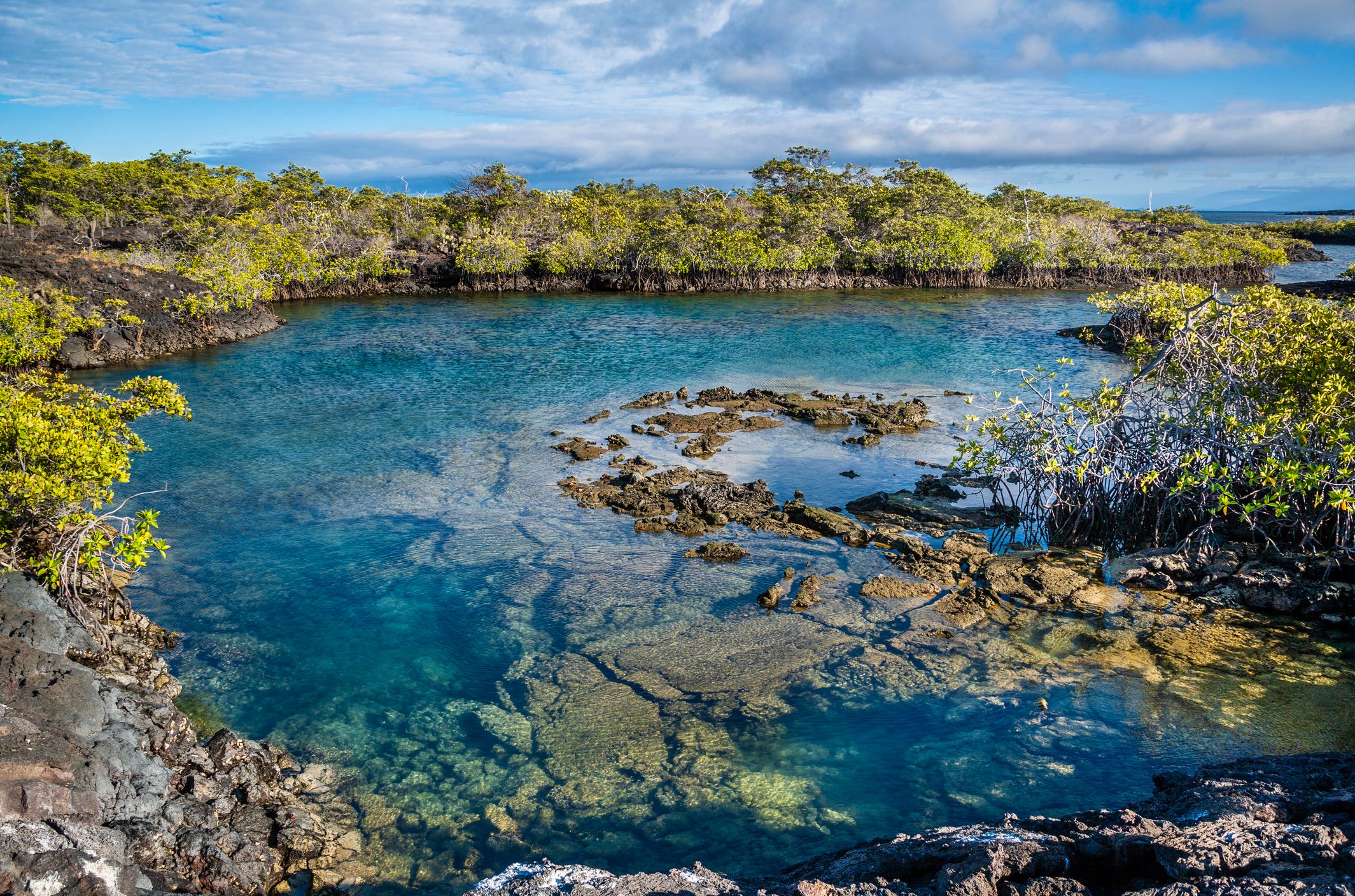

The national park has very clear rules. You stay on marked trails, keep a set distance from animals, do not feed anything, and do not pocket shells, lava or the particularly nice bit of coral you just found. Disposable plastic is heavily discouraged, drones are banned for regular visitors, and guides are expected to call people out gently if they overstep.
On paper it sounds severe. In reality it just becomes part of the day. You step around iguanas instead of edging closer. You sit down on a rock instead of leaning over a sea lion. You laugh with your guide when a mockingbird tries to steal your water bottle cap.
The small compromises are a fair trade for the feeling that you are visiting a place that is genuinely still wild, not a theme park with feathers.
Picking the right ship: science, comfort and your own threshold for linen shirts

Choosing an operator in the Galápagos is less about finding “the best ship” and more about finding the right style of trip.
If you like the idea of talks, photo advice and a slightly nerdy bar crowd, look for lines that build learning into the day. Operators working with National Geographic, long-established expedition brands and a handful of higher end small-ship companies all tend to field teams of naturalists, not just one heroic guide with a megaphone.
If you want something simpler and more intimate, small locally operated yachts with sixteen to twenty guests give you a house-party feel, basic but comfortable cabins and a very “you will know everyone by day two” atmosphere.
At the other end, slightly larger expedition ships give you stabilisers, more dining choice and extra toys such as kayaks and paddleboards, without tipping into floating resort territory. Cabins are still capped at 100 guests, so even the big names stay fairly low key by cruise standards.
Whatever you choose, check that the company talks plainly about conservation and park permits, not just in marketing fluff. The serious players are proud of their long relationships with the islands and the science that goes on behind the scenes.
So what does it feel like, really?

It feels like living inside a wildlife documentary for a week, but with decent coffee and hot showers.
You will come home with a phone full of slightly wonky sea-lion photos, a head full of new trivia about lava and finches, and the distinct sense that mainland beaches are suspiciously empty.
There are rules, early starts and the odd damp boot. There is also the quiet, surreal moment when a penguin surfaces next to your kayak, looks at you as if you are the odd one out, and vanishes again.
For most people, that is the bit that sticks.