Forget Africa’s Big Five. This is a place where dragons bask in the sun, birds forget how to fly, and tortoises move so lazily they put even sloths to shame. It’s nature at its most unfiltered, and thanks to Hurtigruten Expeditions and Celebrity Cruises, you don’t have to be Darwin to experience it firsthand.
So, who makes the cut for the Galápagos’ ultimate “Big Six”? Grab your binoculars, and let’s meet the evolutionary elite.
1. The Blue-Footed Booby
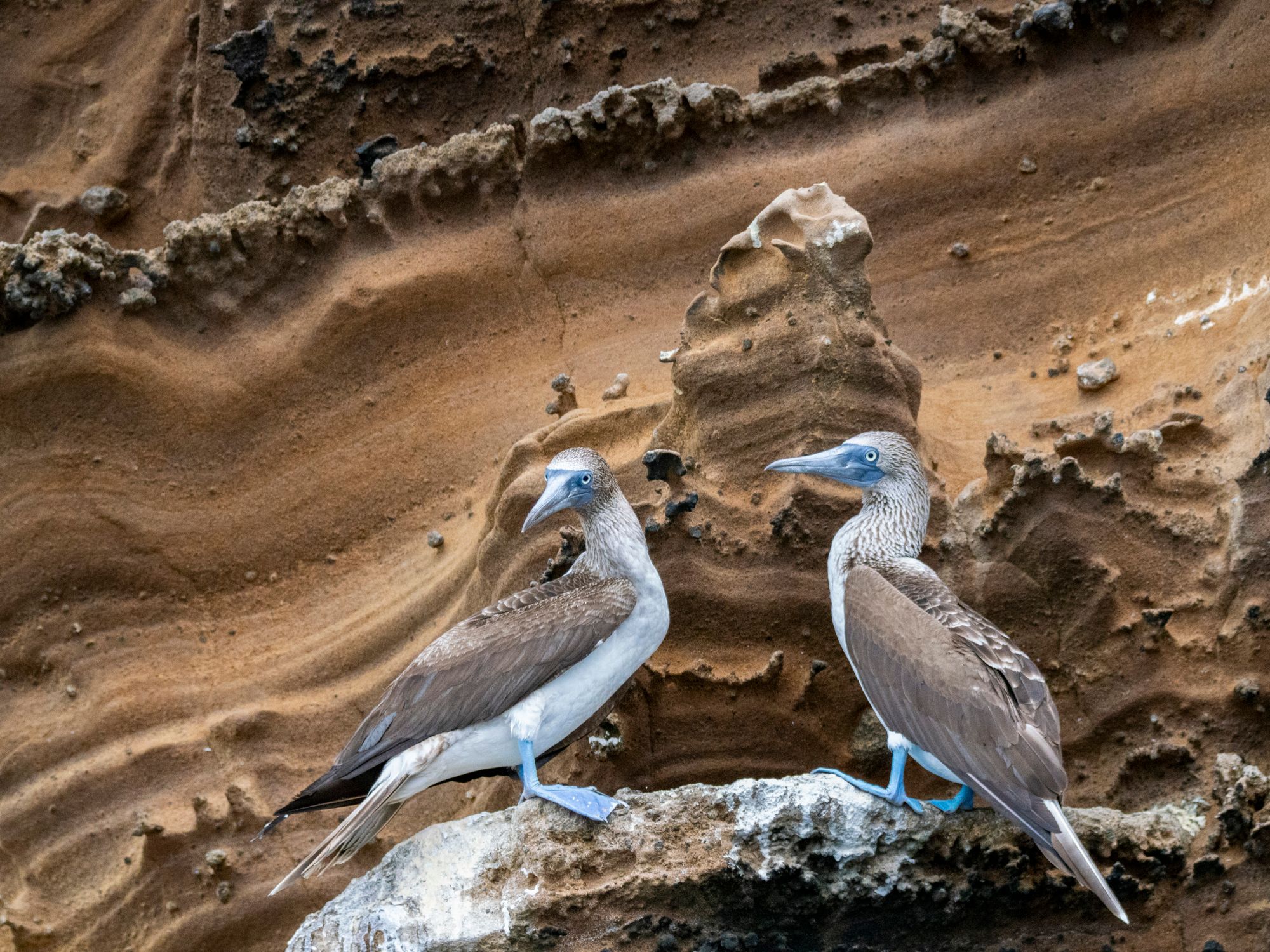
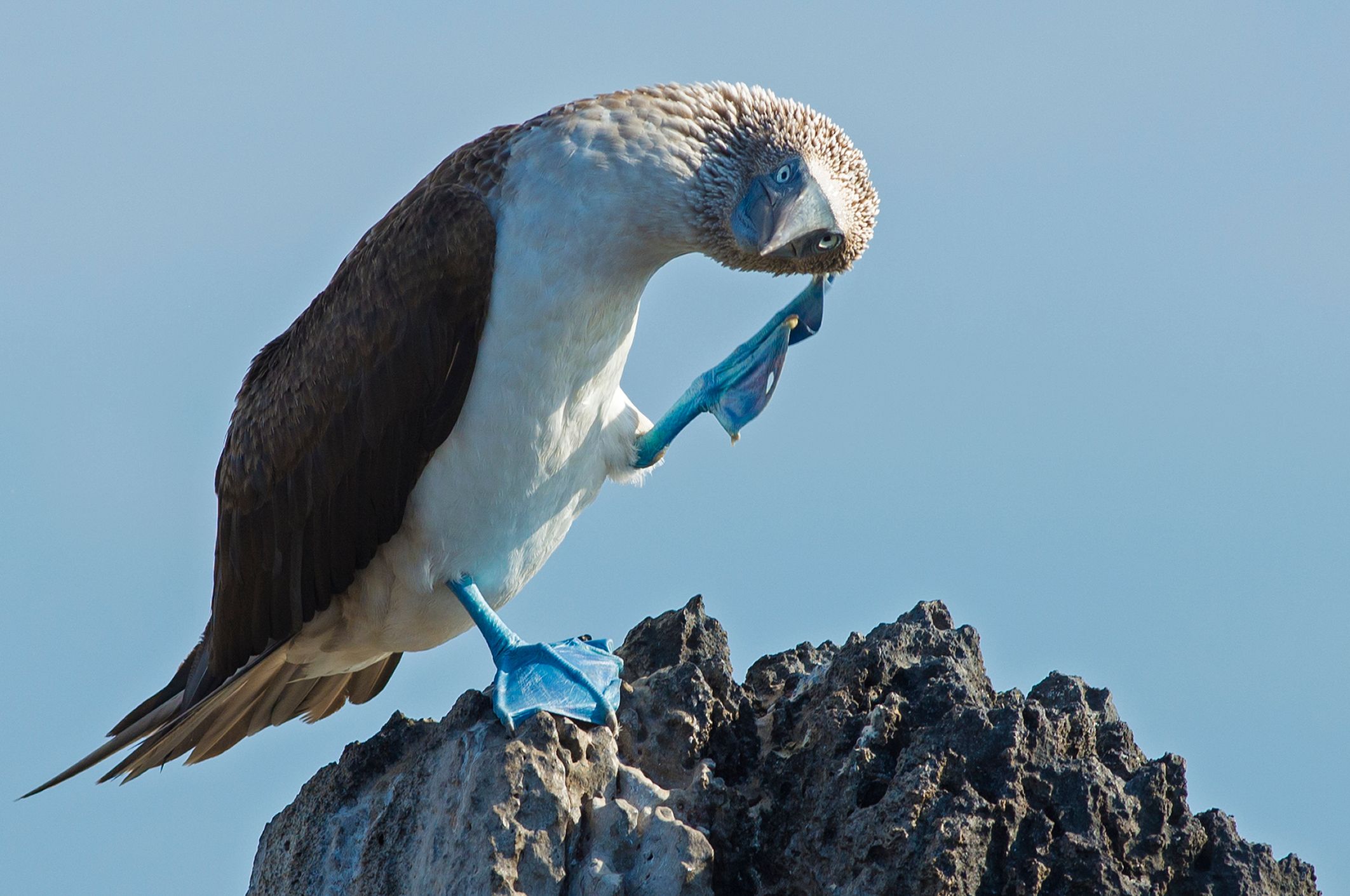
Imagine a bird auditioning for Strictly Come Dancing, but with a particularly bold choice of footwear. That’s the blue-footed booby. These avian exhibitionists are famous for their elaborate mating dance—an awkward, high-stepping routine designed to convinces the ladies that they’ve found a winner.
The brighter the blue feet, the better the booby (yes, that’s the actual rule). And with Celebrity and Hurtigruten stopping at breeding hotspots like Española Island, you’ll get front-row seats to their awkward, endearing performances.
Where to Spot Them: Everywhere. They have no shame.
2. The Galápagos Tortoise

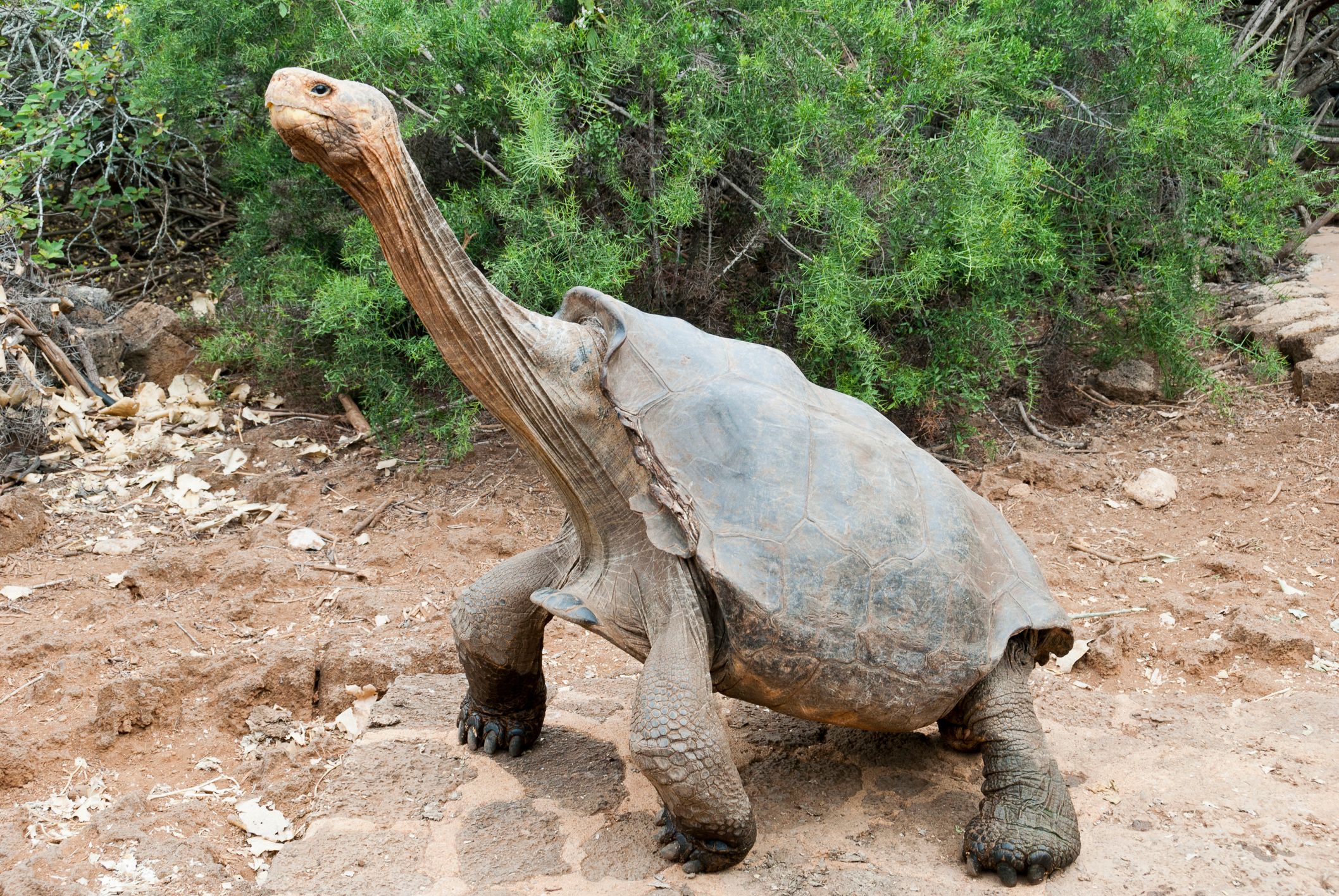
If patience is a virtue, then the Galápagos tortoise is practically a saint. These gentle giants can live over 100 years, weigh as much as a grand piano, all whilst moving at the pace of a 90s dial-up internet connection.
But what they lack in urgency, they certainly make up for in charisma. Watching a tortoise lumber through the highlands of Santa Cruz or Isabela Island is like seeing living history in action—especially since their ancestors likely drifted here on floating logs millennia ago.
Where to Spot Them: Santa Cruz Highlands, Isabela Island—anywhere they haven’t been overtaken by a particularly determined snail.
3. The Marine Iguana


Take a regular iguana, let it hang out on a lava field for a few centuries, and you get the marine iguana—an evolutionary miracle that's unlike any reptiles you'll find anywhere else.
These prehistoric-looking creatures are the only lizards on Earth that swim in the ocean, thanks to a diet that consists almost entirely of algae. They bask on the rocks, snort salt from their nostrils like grumpy old men, and then dive into the waves with all the grace of a sinking brick.
Where to Spot Them: Fernandina Island, Española Island, any warm rock in the sun.
4. The Flightless Cormorant
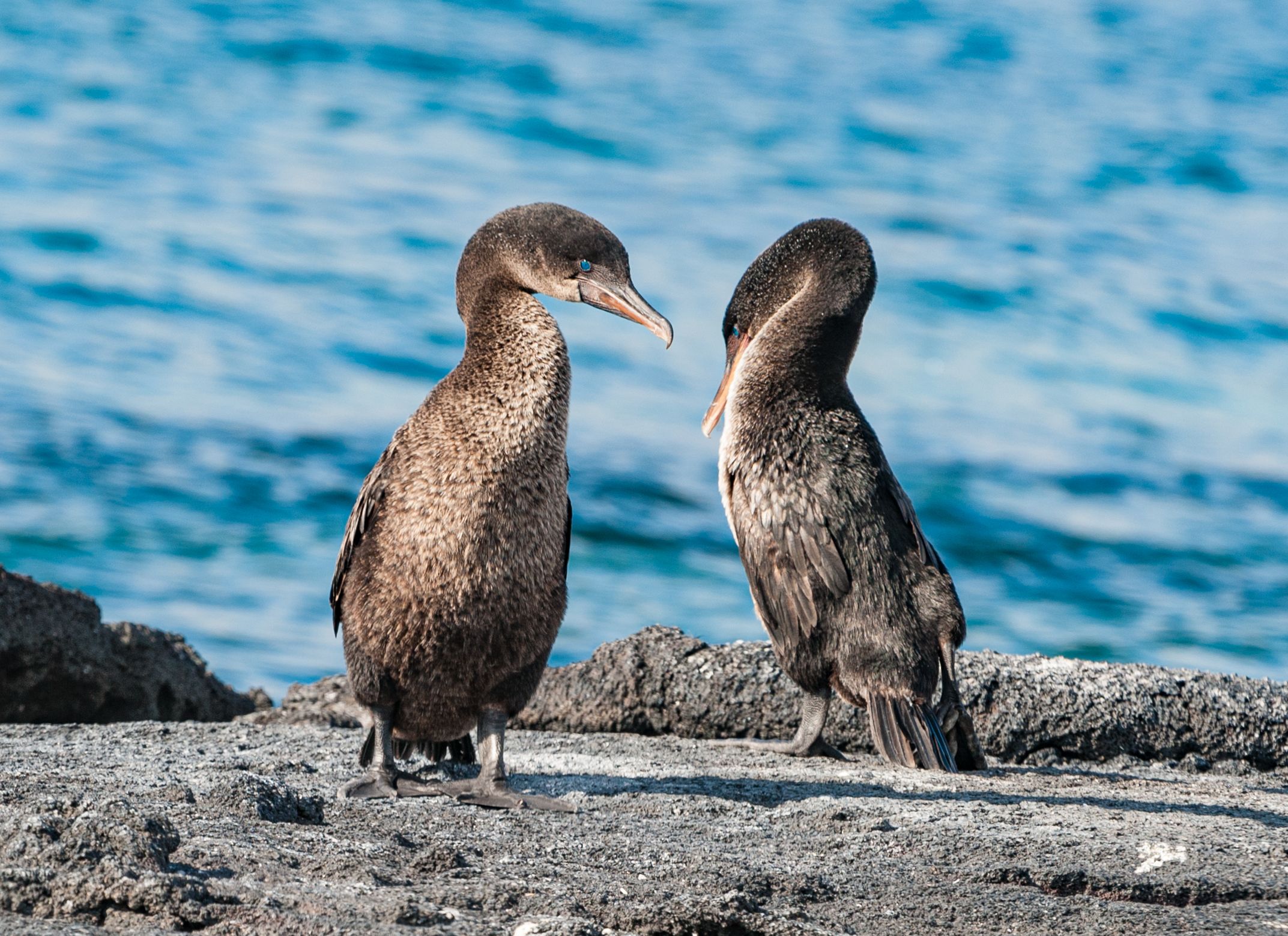
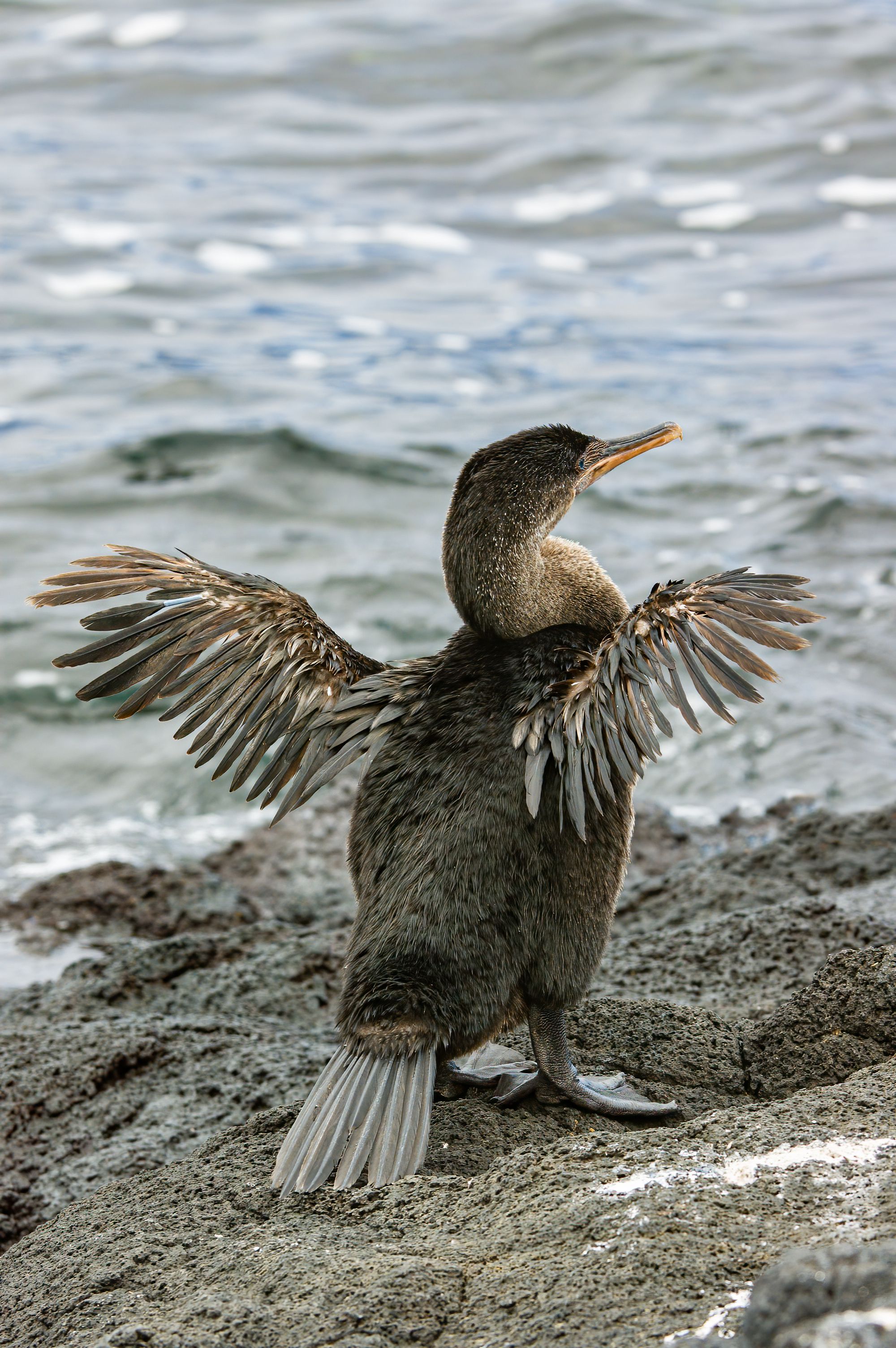
Evolution doesn’t always follow the most logical path, and nowhere is that more apparent than with the flightless cormorant.
Genetically (and physically) grounded, these strange, shaggy seabirds have adapted to life as expert divers, using their webbed feet to chase fish underwater. They might look permanently disheveled—like they just woke up late for work—but they've still a unique beauty (plus they're also among the rarest birds on the planet).
Where to Spot Them: Fernandina Island and Isabela Island, probably muttering regrets about their evolutionary choices.
5. The Galápagos Penguin
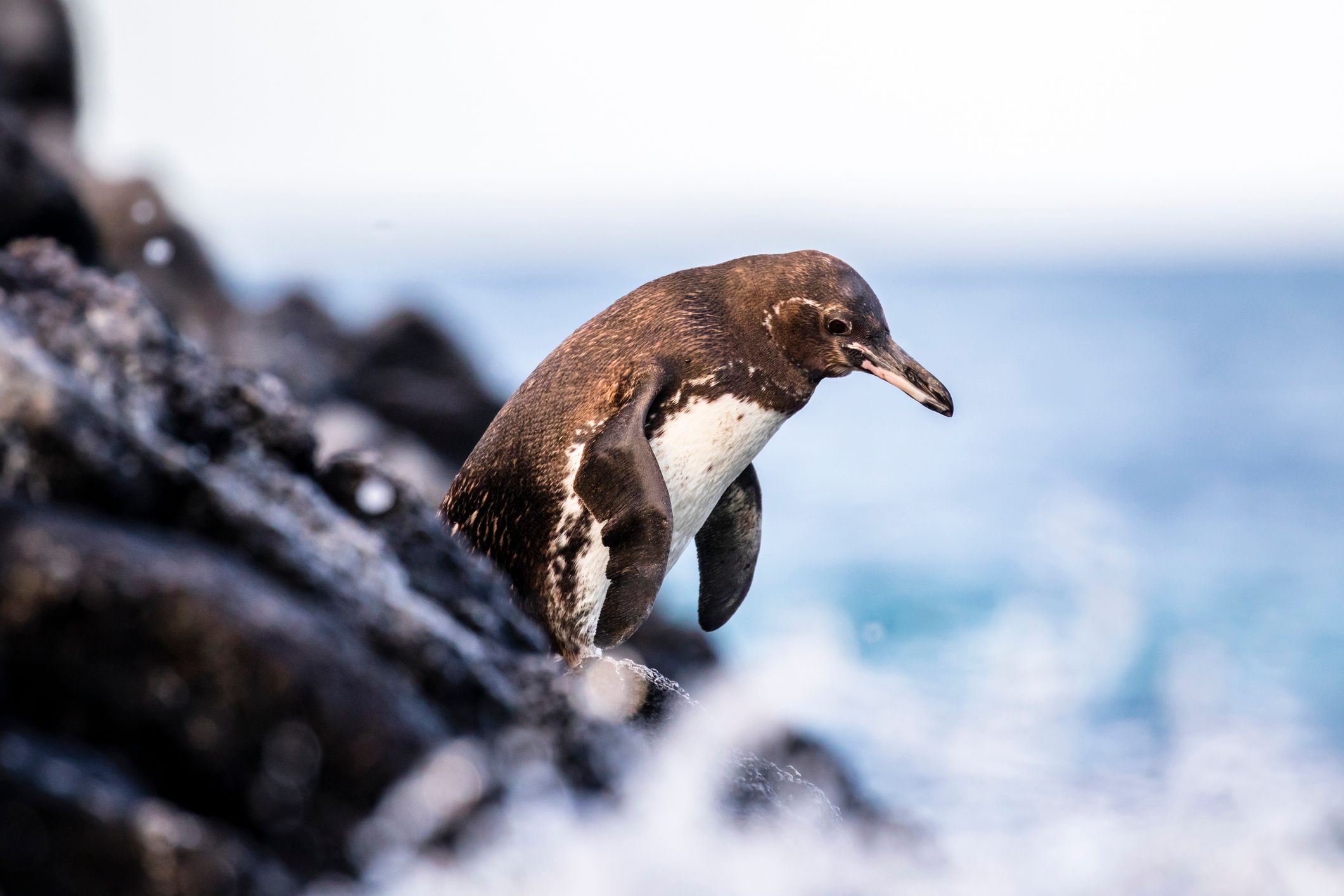
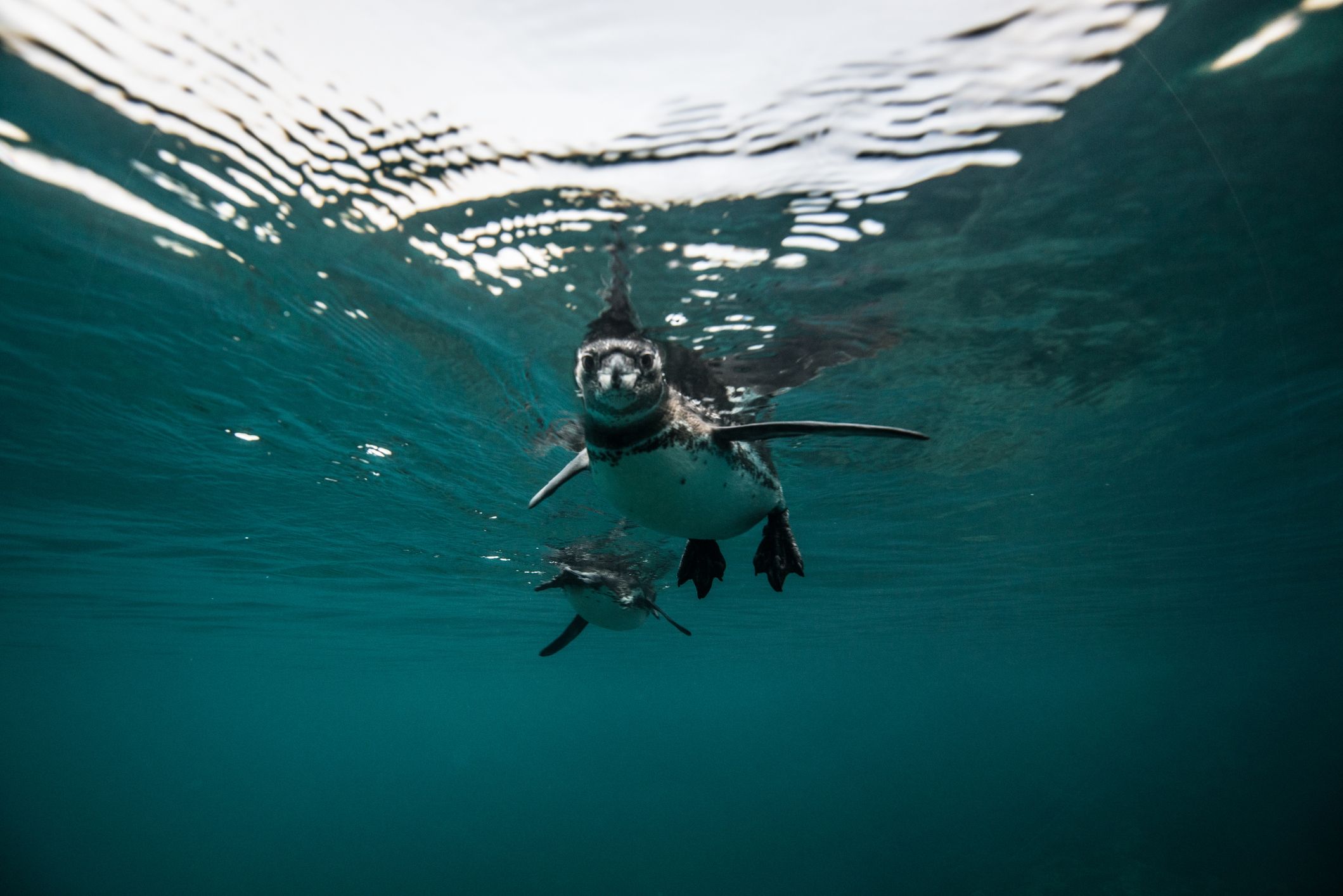
You’d expect penguins in Patagonia. You’d even expect them in South Africa. But in the Galápagos? That’s something like finding a polar bear in the Bahamas.
And yet, here they are—tiny, speedy, and living and very cute, these flightless wonders live in the only place north of the equator where penguins can be found in the wild. They dart through the water like torpedoes, occasionally stopping to give you the side-eye before zooming off again.
Where to Spot Them: Isabela and Fernandina Islands, usually laughing at slower swimmers.
6. The Galápagos Sea Lion
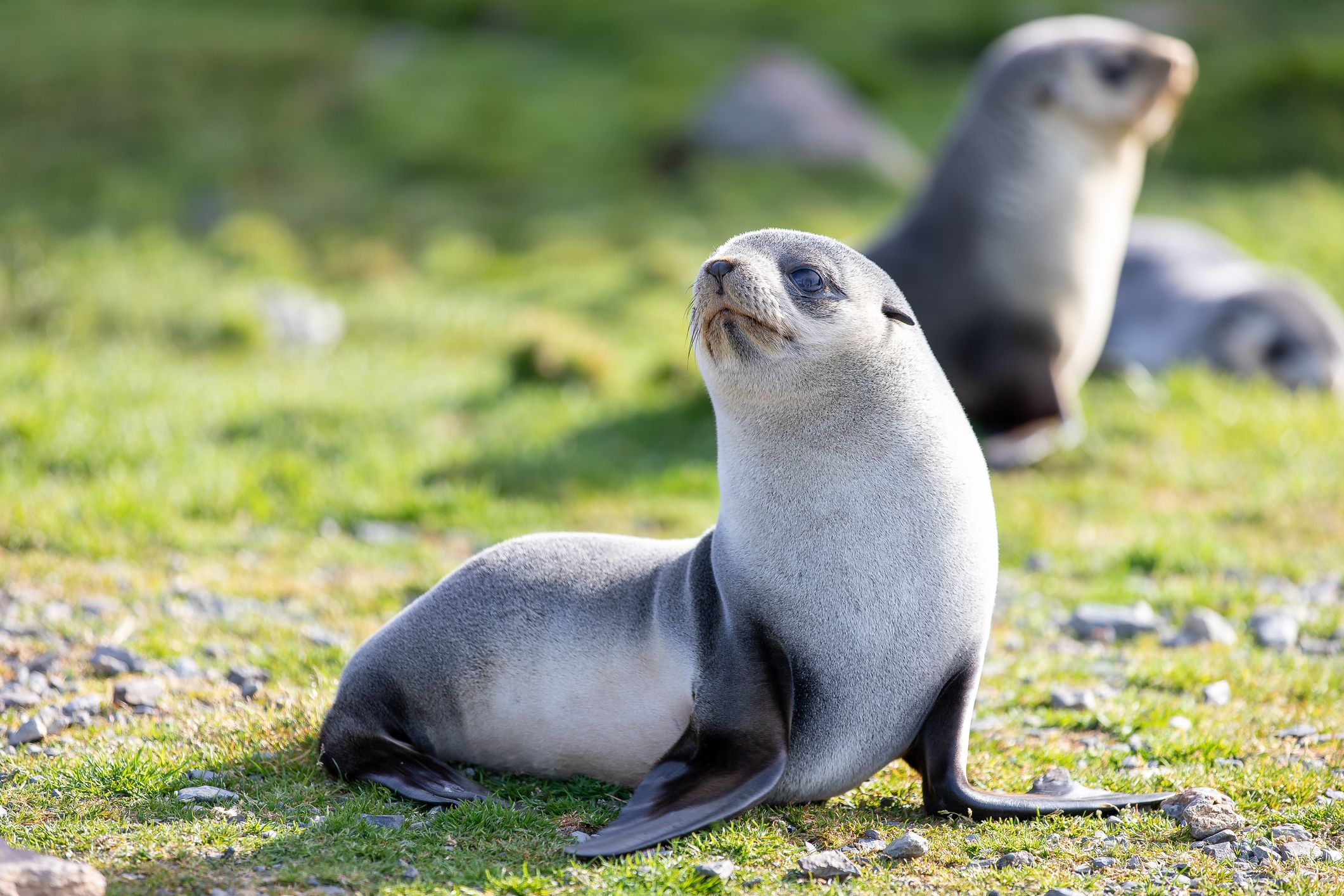
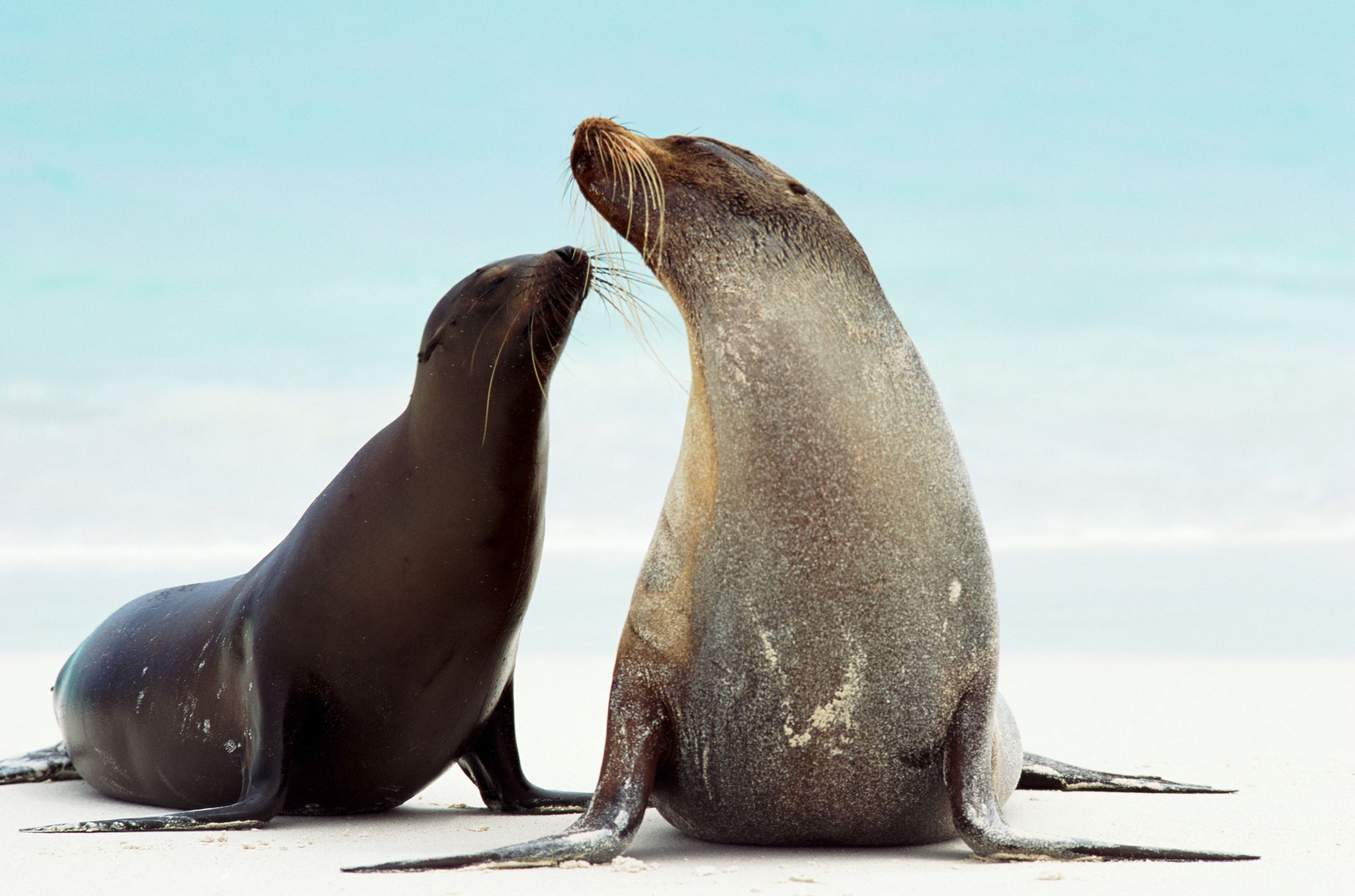
The undisputed hooligans of the Galápagos, sea lions spend their days either napping on beaches, barking at each other over territory disputes, or dramatically flopping into the water for an impromptu fishing session.
They have zero personal boundaries and will often take over benches, boats, and occasionally your snorkelling gear. Expect to see pups playing in the surf, adults sunbathing like they own the place, and the occasional overly friendly individual flopping up beside you as if to say, “What’s for lunch?”
Where to Spot Them: Everywhere. Seriously, you might have to step over them to get ashore.
How to See the Galápagos Big Six
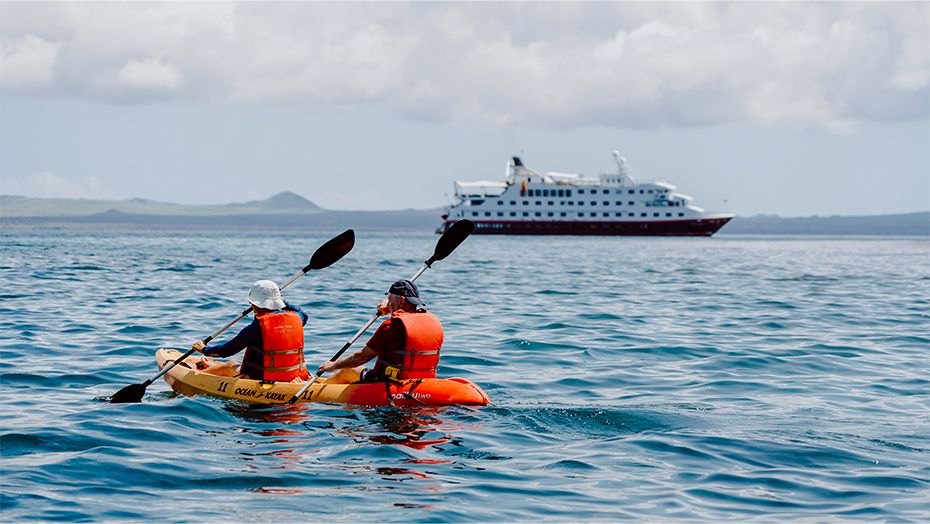
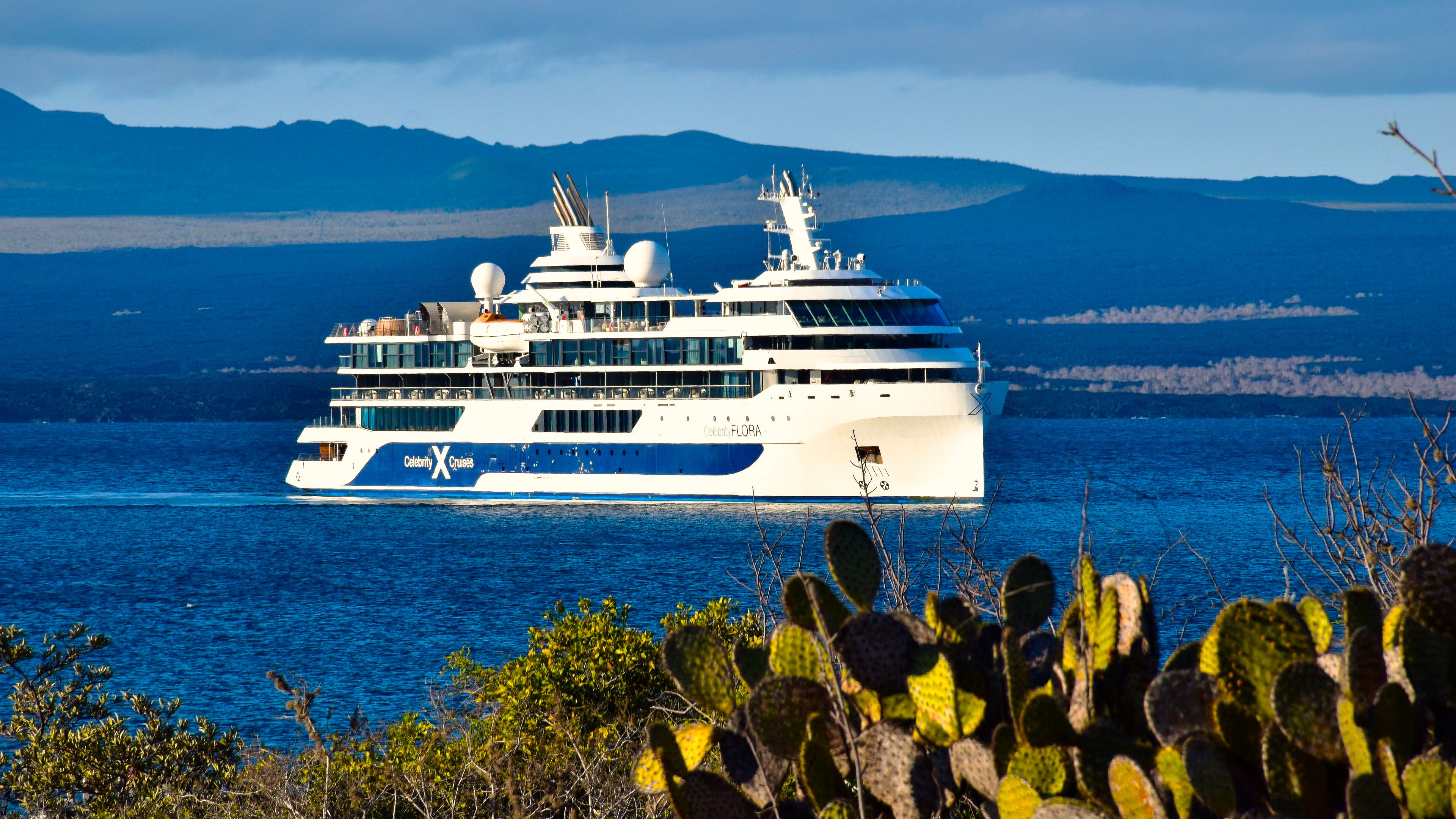
Both Hurtigruten Expeditions and Celebrity Cruises offer incredible small-ship sailings through the Galápagos, balancing adventure with sustainable tourism. These itineraries give you access to expert naturalists, up-close encounters with the wildlife, and enough once-in-a-lifetime moments to keep your social media feed smug for years.
With strict conservation rules in place, visitors are limited in numbers, meaning you get a front-row seat to nature’s weirdest and most wonderful creatures—all without disturbing their bizarrely perfect way of life.
So, if you’re ready to swap the usual safari for something a little wilder, the Galápagos Big Six are waiting. Just watch where you step—there’s more than likely a sea lion in your way.