
A Türkiye cruise can cover several thousand years of history without requiring you to unpack twice. The neatest way to understand the route is chronologically rather than geographically: Bronze Age Troy from Çanakkale, Roman Ephesus from Kuşadası or İzmir, the ancient cities around Antalya, medieval Bodrum and then Byzantine and Ottoman Istanbul.
Not every itinerary will include all of them, and that’s probably for the best. The point isn’t to collect ruins at industrial speed, but to use each port for the chapter of history it explains best.
Çanakkale for Troy and the Dardanelles
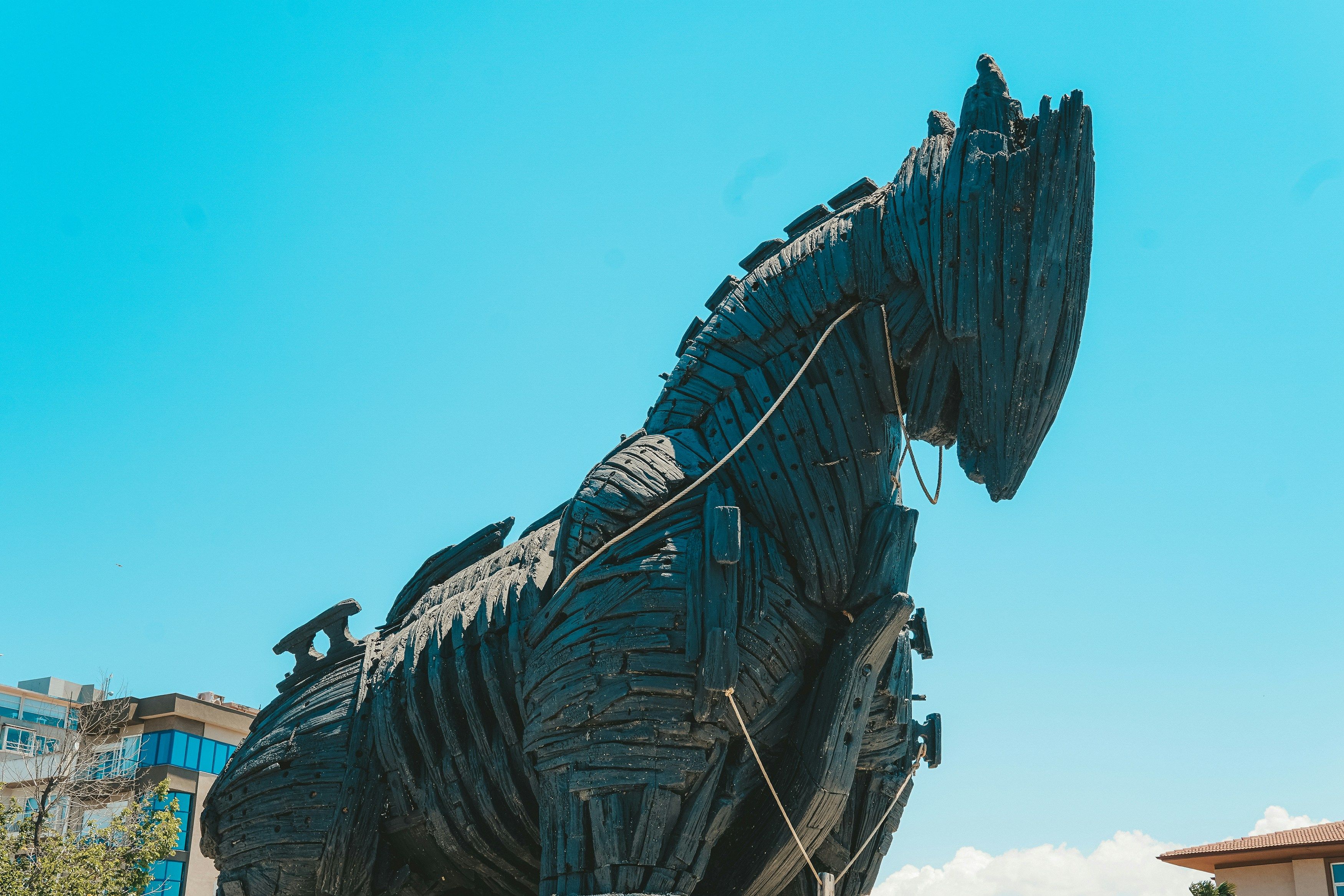
Çanakkale is the gateway to Troy, around 30 kilometres away and one of Türkiye’s most important archaeological sites. UNESCO records more than 4,000 years of settlement here, with successive cities built on top of one another. The site is traditionally associated with the Trojan War of Homer’s Iliad, although what survives today is less cinematic wooden horse and more layers of walls, foundations and archaeology. The excellent Troy Museum helps make sense of those layers and is worth treating as part of the visit rather than somewhere to rush through on the way back to the coach.
Çanakkale also opens onto the Gallipoli Peninsula, so this is a port where you may have to choose between the Bronze Age and the First World War. Trying to do both properly in one day is possible only if your preferred style of sightseeing involves looking at your watch every seven minutes.
Kuşadası or İzmir for Ephesus
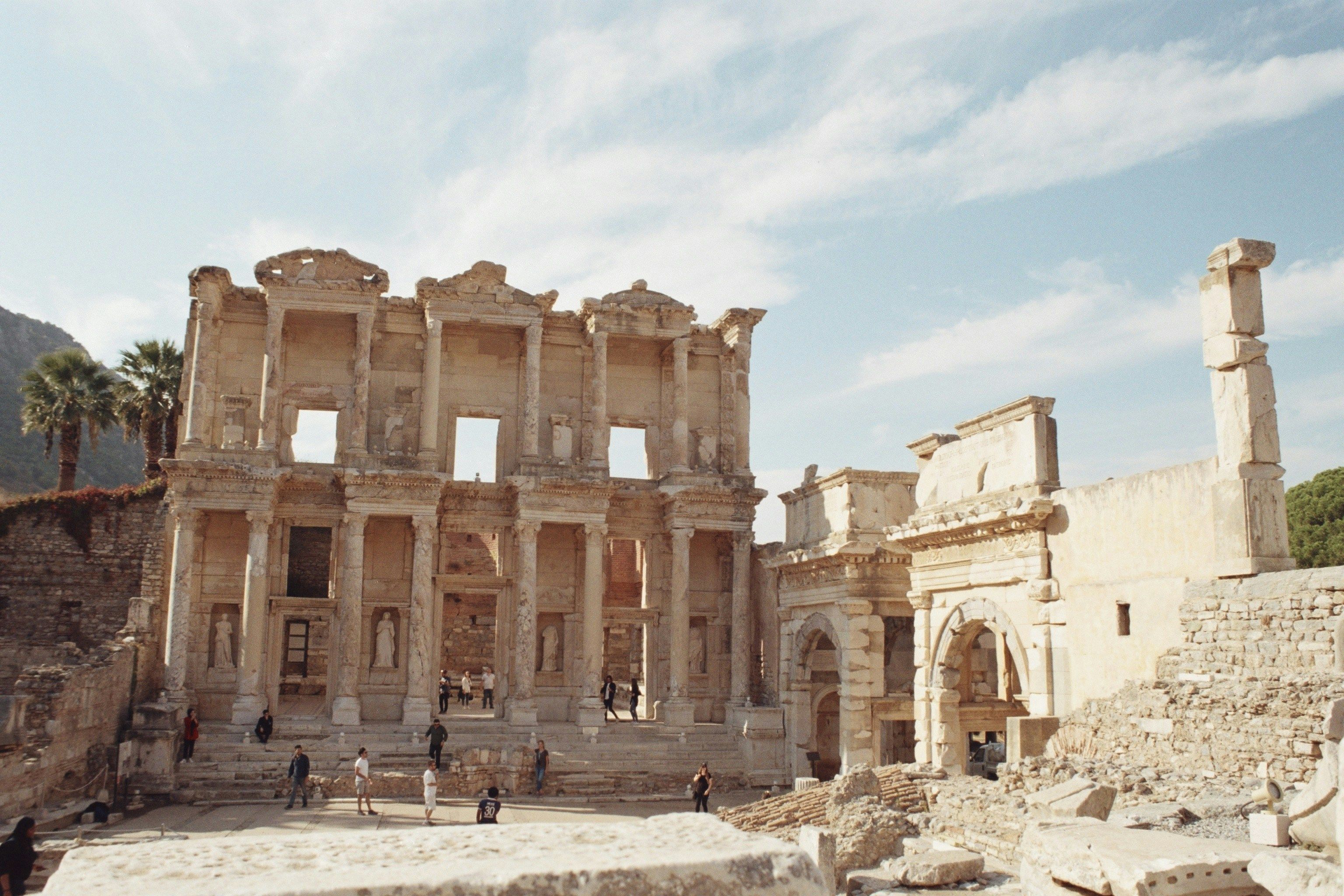
Ephesus is the obvious historical draw from Kuşadası and also accessible from İzmir. The city became capital of the Roman province of Asia and remains one of the Mediterranean’s most impressive ancient sites, with the Library of Celsus, Temple of Hadrian, marble streets, terrace houses and enormous theatre still clearly legible.
It’s also an unusually satisfying archaeological site because very little imagination is required. You can simply walk through it. The famous Temple of Artemis, once one of the Seven Wonders of the Ancient World, has survived rather less successfully, but that becomes something of a recurring theme with the Seven Wonders.
From Kuşadası, Ephesus is the obvious first choice. From İzmir, there’s more competition, including ancient Smyrna and Pergamon, so the port gives you more freedom to decide how deeply you want to commit to antiquity before lunch.
Antalya for Roman cities
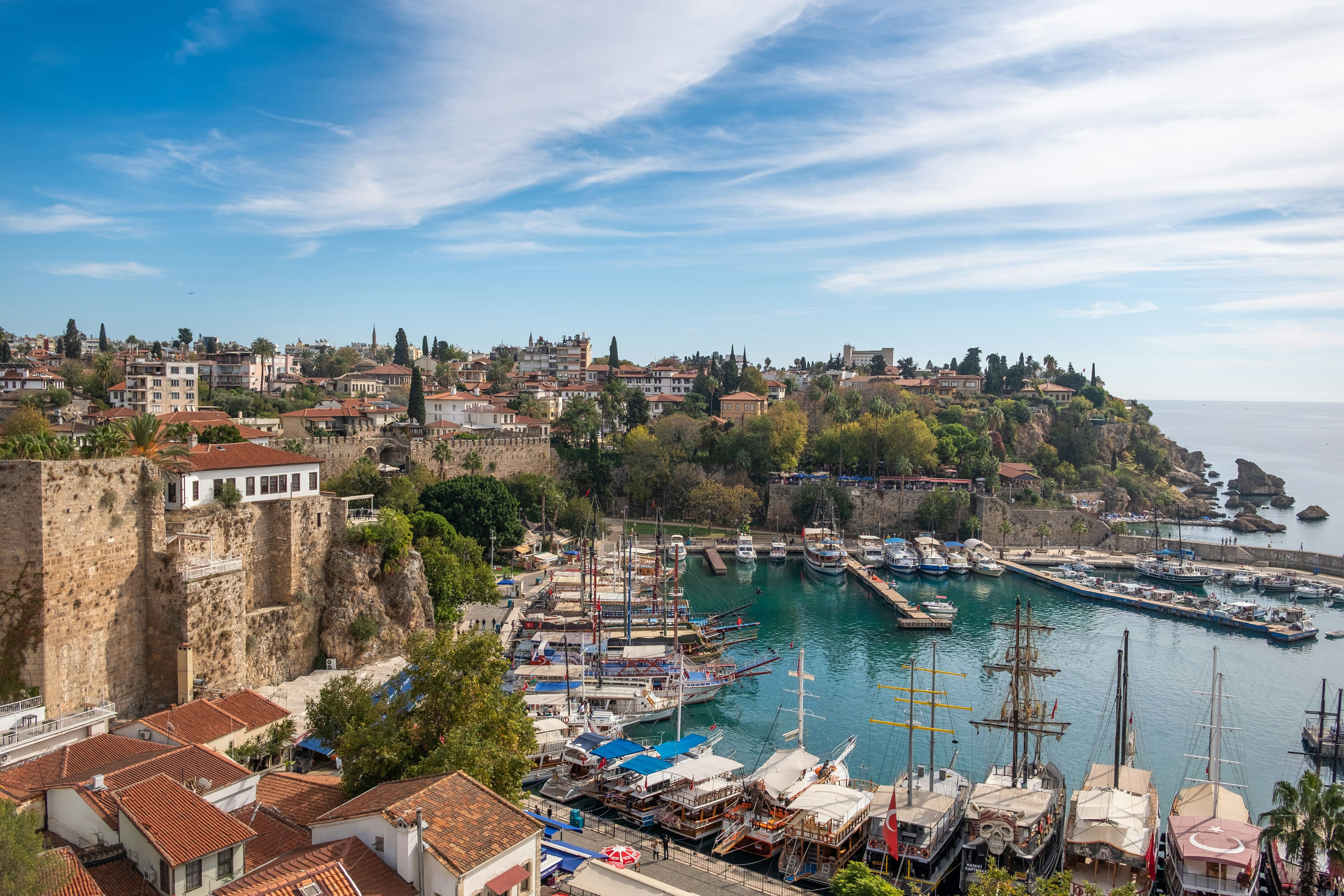
Around Antalya, ancient ruins become difficult to avoid. Perge, Aspendos and Side are among the easiest sites to reach on a cruise day, and for most itineraries Perge and Aspendos make the strongest pairing.
Perge preserves colonnaded streets, baths, an agora and stadium, while nearby Aspendos has one of the best-preserved Roman theatres in the world, built in the second century and large enough for around 15,000 spectators. Side, Phaselis and several other ancient cities are also within reach, but this is one of those regions where enthusiasm can quickly turn into spending most of the day viewing archaeological sites through a coach window. Rome had centuries. You have until all-aboard.
Bodrum for medieval history built from the ancient world
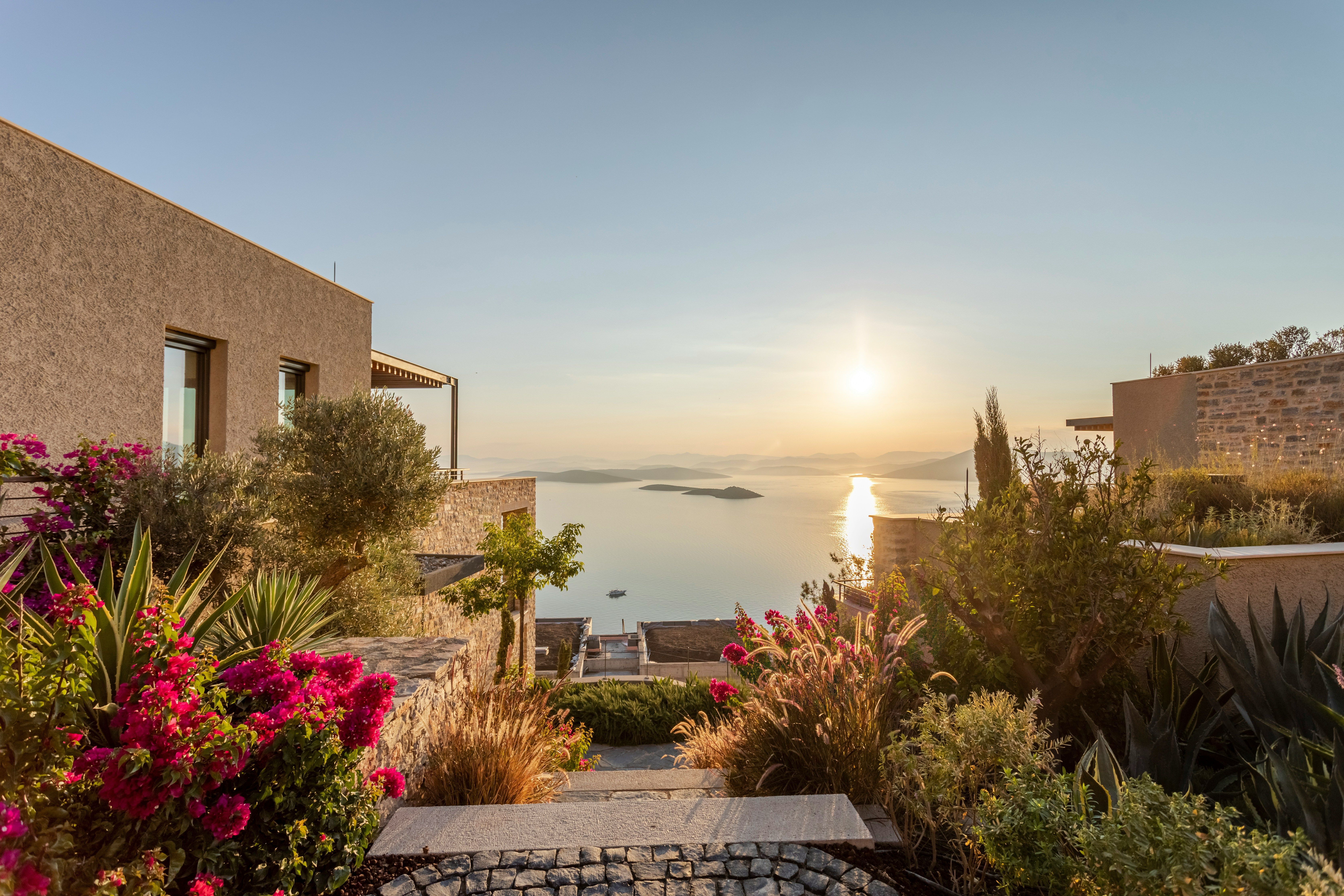
Bodrum Castle brings the timeline into the Middle Ages. The Knights Hospitaller began building the Castle of St Peter in the early 15th century, and today it houses the Bodrum Museum of Underwater Archaeology.
What makes Bodrum particularly satisfying is that the medieval castle is physically tied to the ancient city beneath it. Bodrum was once Halicarnassus, home of the Mausoleum of Mausolus, the fourth-century BCE tomb that gave us the word “mausoleum”. After earthquakes damaged it, some of its stone was reused in the castle.
So a crusader fortress was partly built from one of the Seven Wonders of the Ancient World. Recycling had more conviction in the 1400s.
The castle sits beside the harbour, which also makes it one of the easiest historical sights to reach on a short port call.
Istanbul for Byzantine and Ottoman Türkiye

Istanbul is where the chronology stops behaving neatly. Hagia Sophia was built in the sixth century under Emperor Justinian, while the Hippodrome and city walls preserve other traces of Byzantine Constantinople. After the Ottoman conquest in 1453 came Topkapı Palace, Süleymaniye Mosque, the Blue Mosque and centuries of further additions to the same historic peninsula.
Trying to cover all of it during one cruise call is unnecessarily punishing. For a first visit, either concentrate on Byzantine Istanbul with Hagia Sophia, the Basilica Cistern and Hippodrome, or lean Ottoman with Topkapı, Süleymaniye and the Grand Bazaar. If your ship stays overnight, use the extra time. Few cities benefit more from not having to experience 1,500 years of history while simultaneously calculating traffic back to the terminal.
Why Türkiye works so well as a history cruise
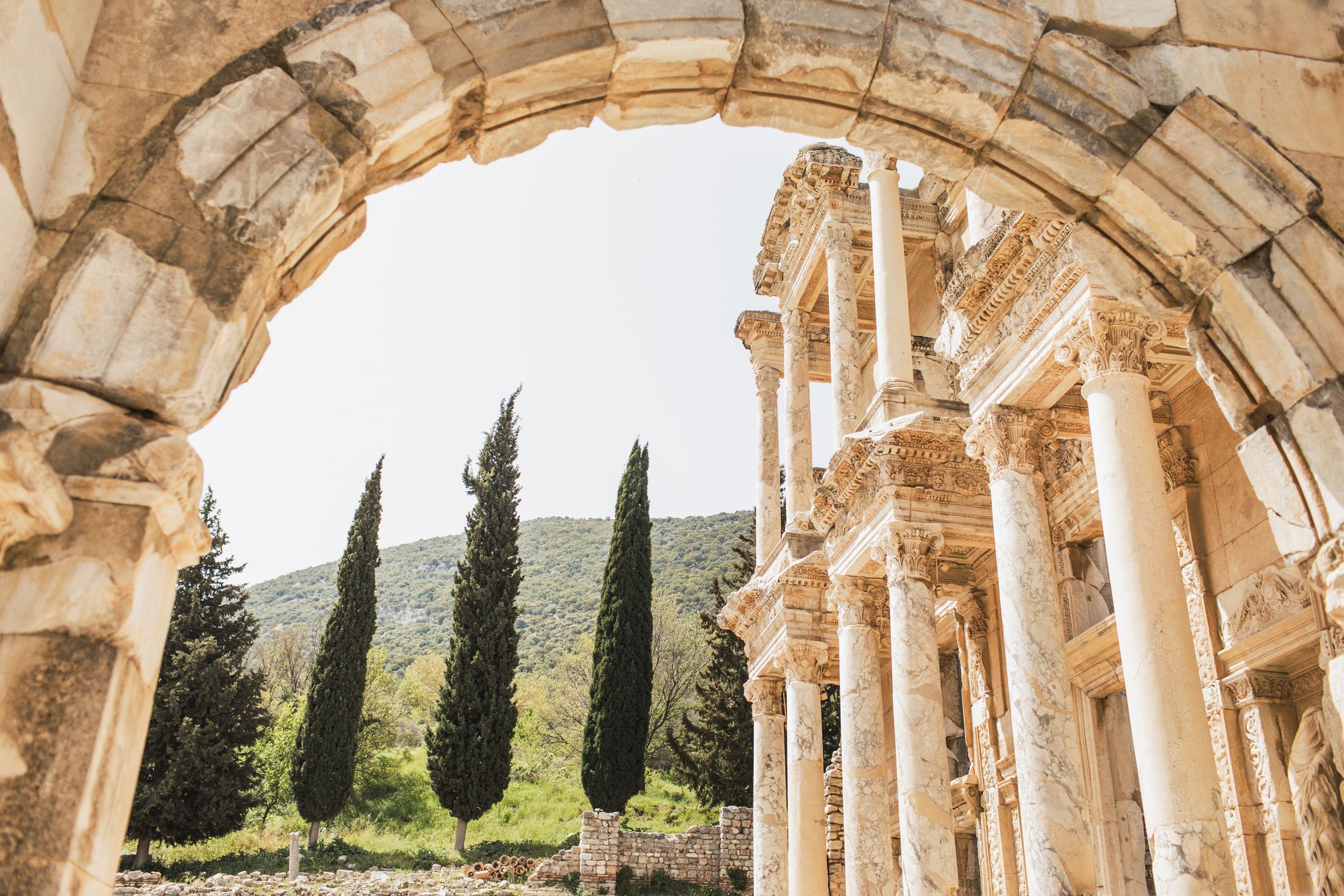
Türkiye’s advantage is the range. Çanakkale gives you Bronze Age Troy, Kuşadası gives you Roman Ephesus, Antalya opens onto entire ancient cities, Bodrum physically reuses antiquity inside a medieval castle, and Istanbul layers Byzantine and Ottoman history across the same peninsula.
The useful thing for cruise passengers is that the country’s major ports each offer a very different historical lens. You don’t need to see everything. In fact, you’ll probably enjoy it more if you don’t try.
Pick the site that best explains each port, and a Türkiye cruise starts to feel less like a string of shore excursions and more like a very long historical timeline with lunch in between.