
Ephesus does not tiptoe into view. It arrives with colonnades, processional streets and a theatre that could easily swallow a football crowd. In Roman times it was the capital of Asia Minor; today it is a UNESCO World Heritage site whose star turns still upstage most modern skylines. This was also a cradle of early Christianity, where the Council of Ephesus met at the Church of Mary in 431, a footnote that suddenly feels very large when you’re standing among its foundations.
The satisfying way to walk it
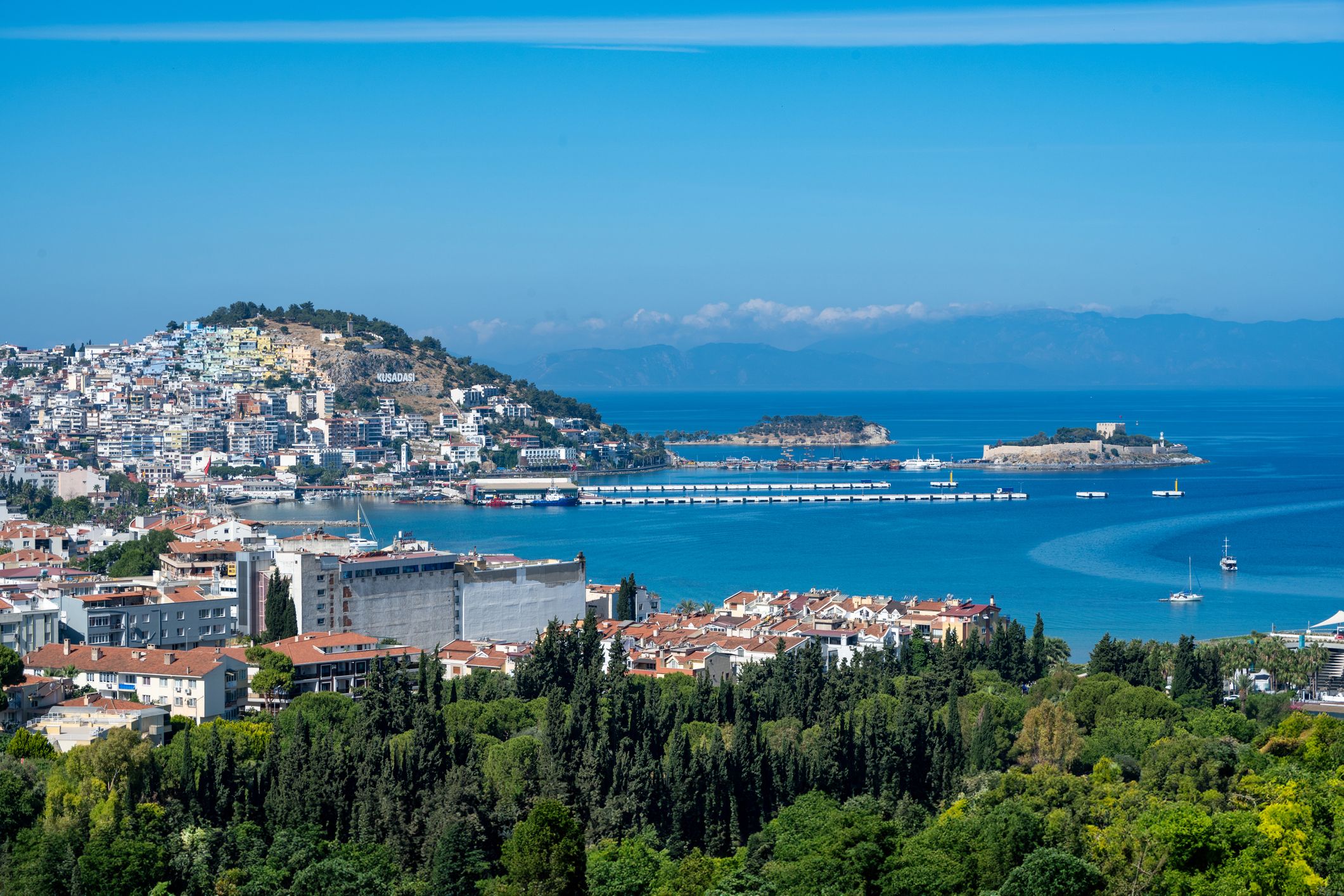
Most cruisers come in via Kuşadası, about 18 to 20 kilometres away. By road it is a straightforward 20–25 minute hop to the site, which has two entrances: the Upper Gate above the city and the Lower Gate near the Library of Celsus. If you can, start at the Upper Gate and amble downhill; gravity is the most considerate guide you’ll hire all day (particularly if you're visiting in the summer months!)
Showstoppers you should linger over
Curetes Street
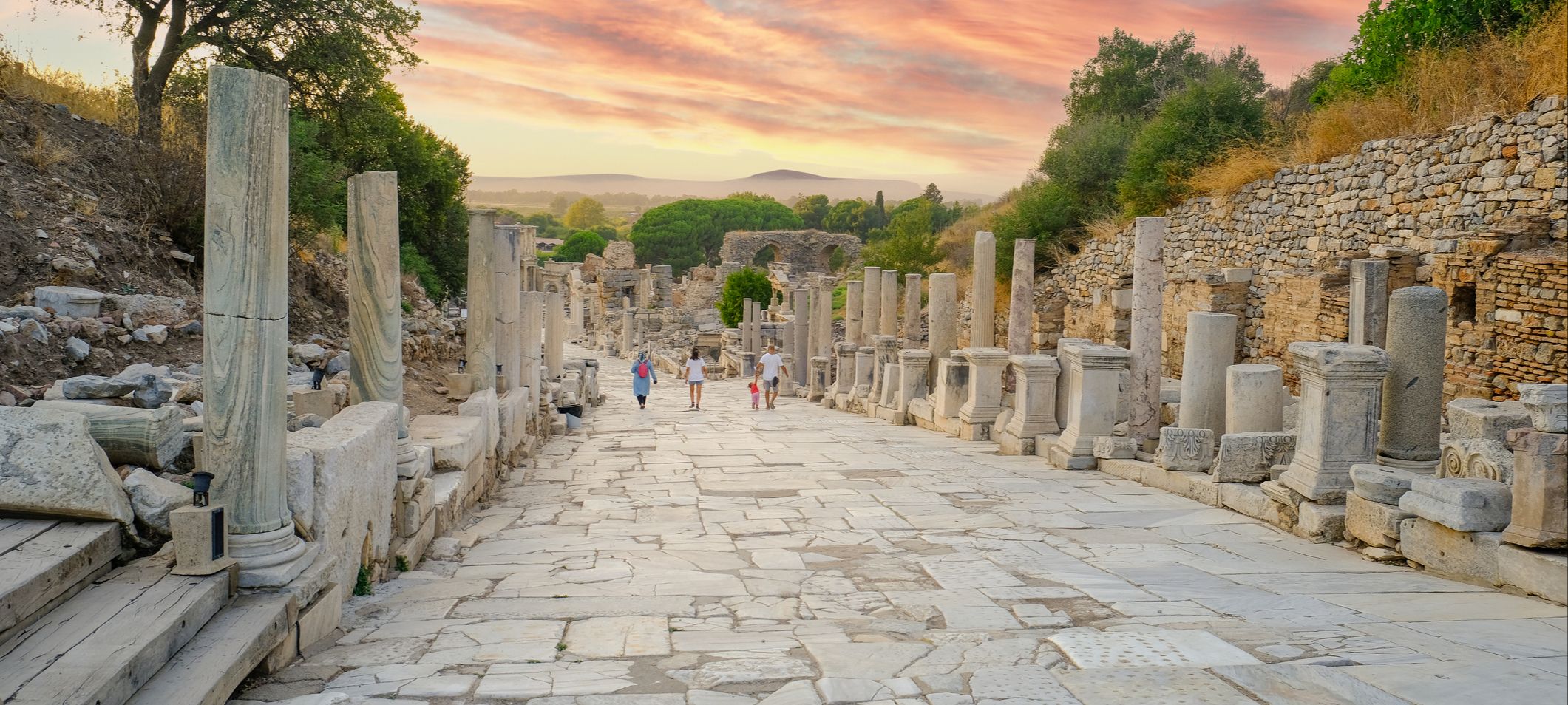
A marble boulevard once lined with shops, baths and shrines, connecting the upper city to the Library of Celsus. The name nods to the priestly attendants who led processions here; the present-day procession is mostly sun hats and camera straps.
The Library of Celsus
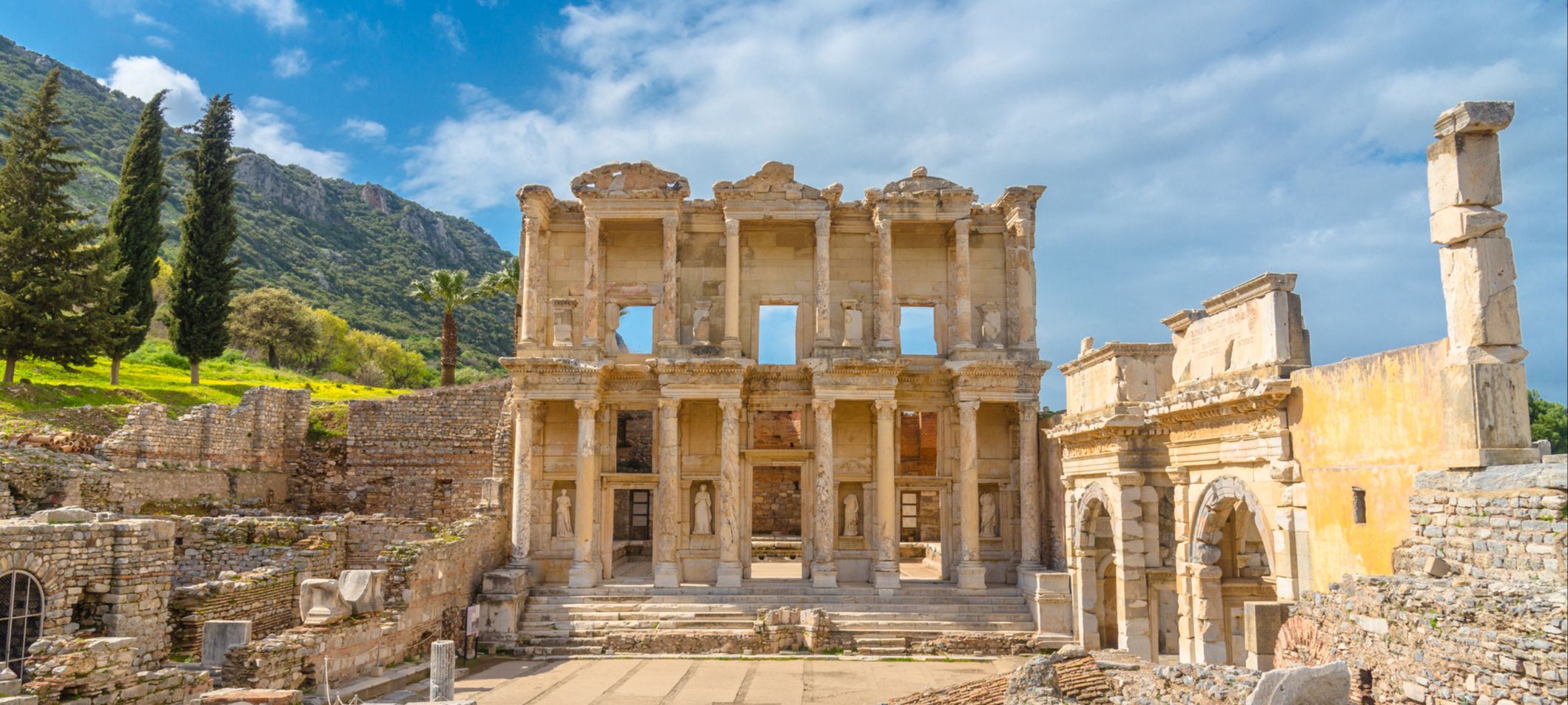
Ephesus’s most photographed façade is also a conservation story. Excavated by Austrian archaeologists and re-erected in the 1970s using original fragments and careful replacements, it was a bookish monument and a mausoleum for the Roman governor Celsus. Think of it as the world’s most glamorous memorial library, with trompe-l’œil proportions that flatter its own grandeur.
The Great Theatre
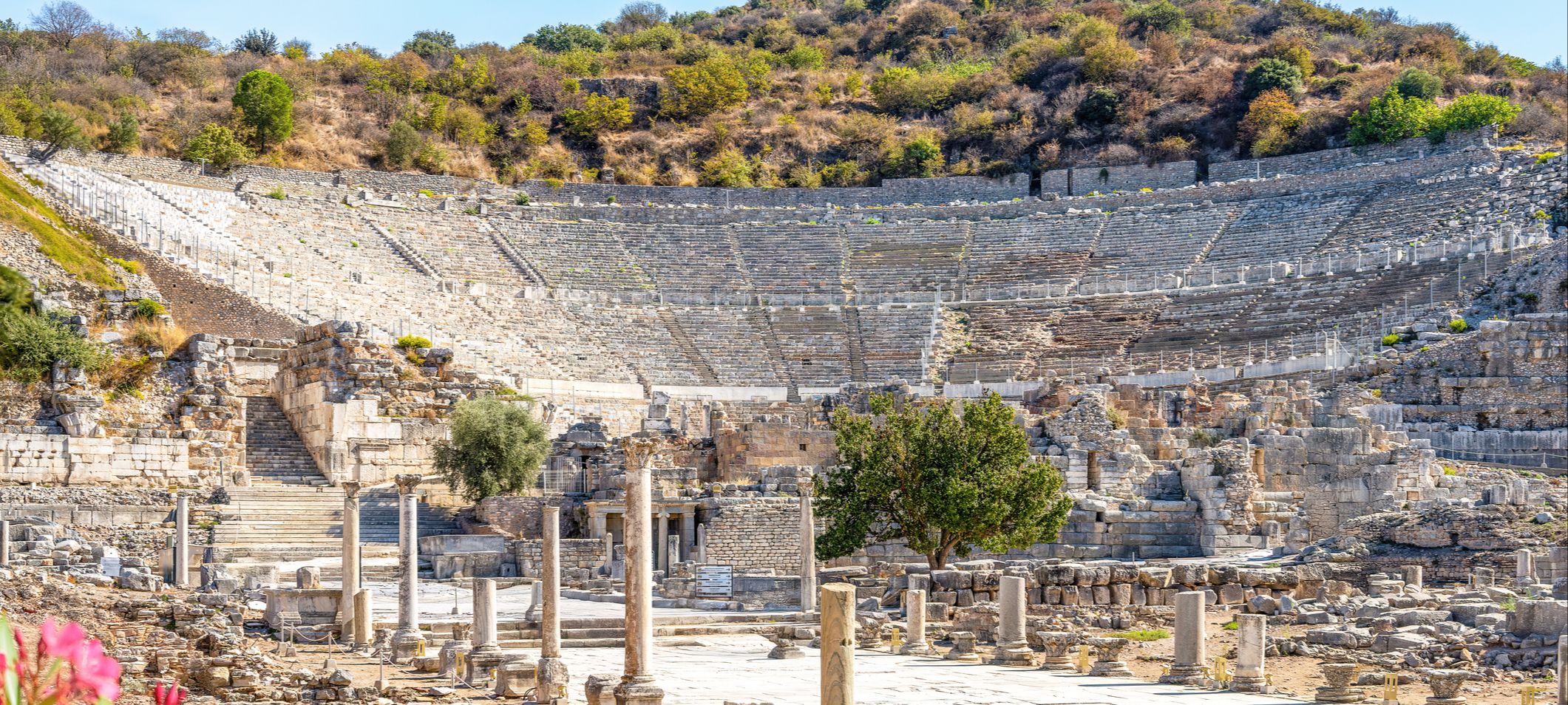
Cut into the slope and opening to a once-harbour road, this arena seated roughly twenty-four thousand spectators. It still overwhelms, even empty. Whisper a line at one end and it seems to travel, as if the stones have learned to listen.
Terrace Houses
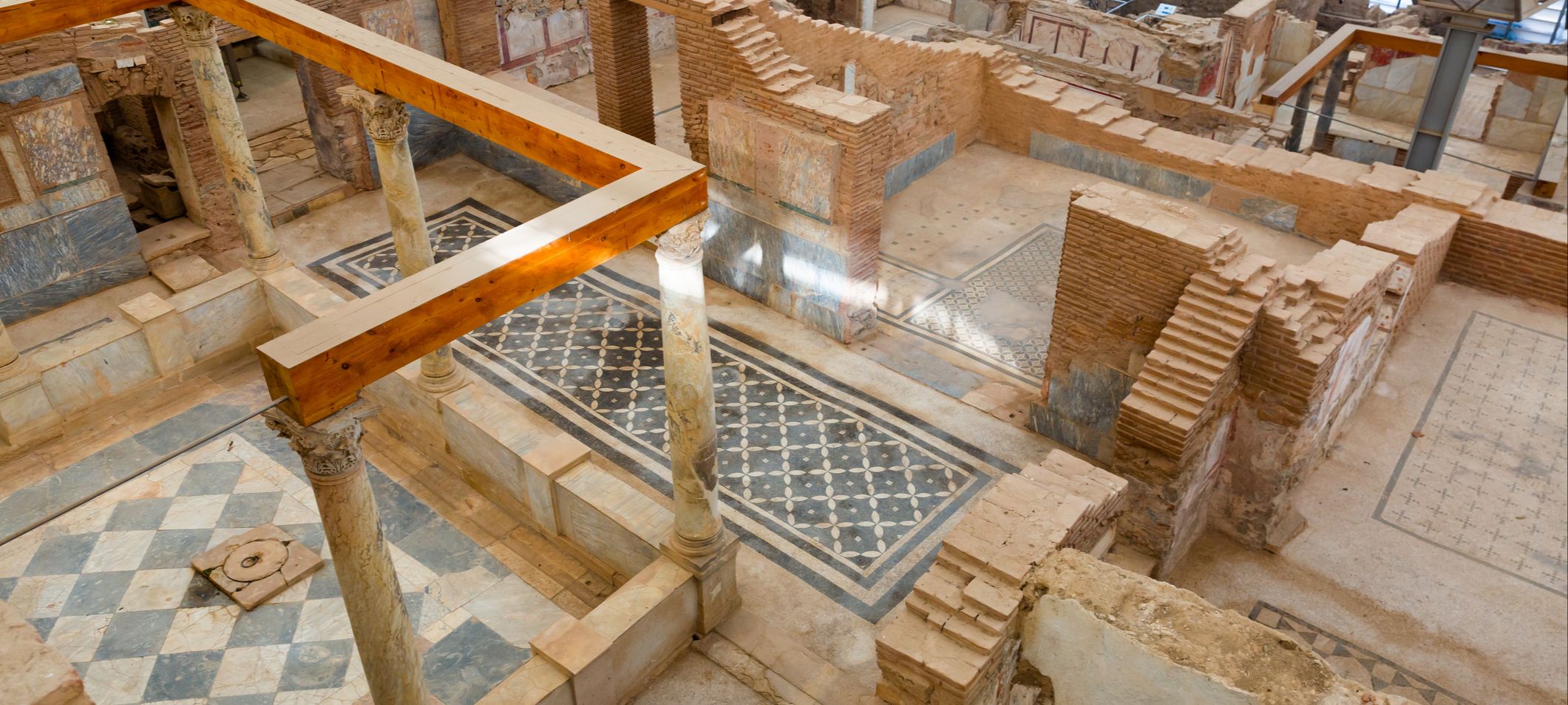
Behind glass-and-steel walkways lie the townhouses of Ephesus’s wealthy: mosaic floors, painted walls, private courtyards. They tell the domestic story the monuments miss. Entry is by separate ticket and well worth the extra minutes.
Side quests that repay the detour
Church of Mary
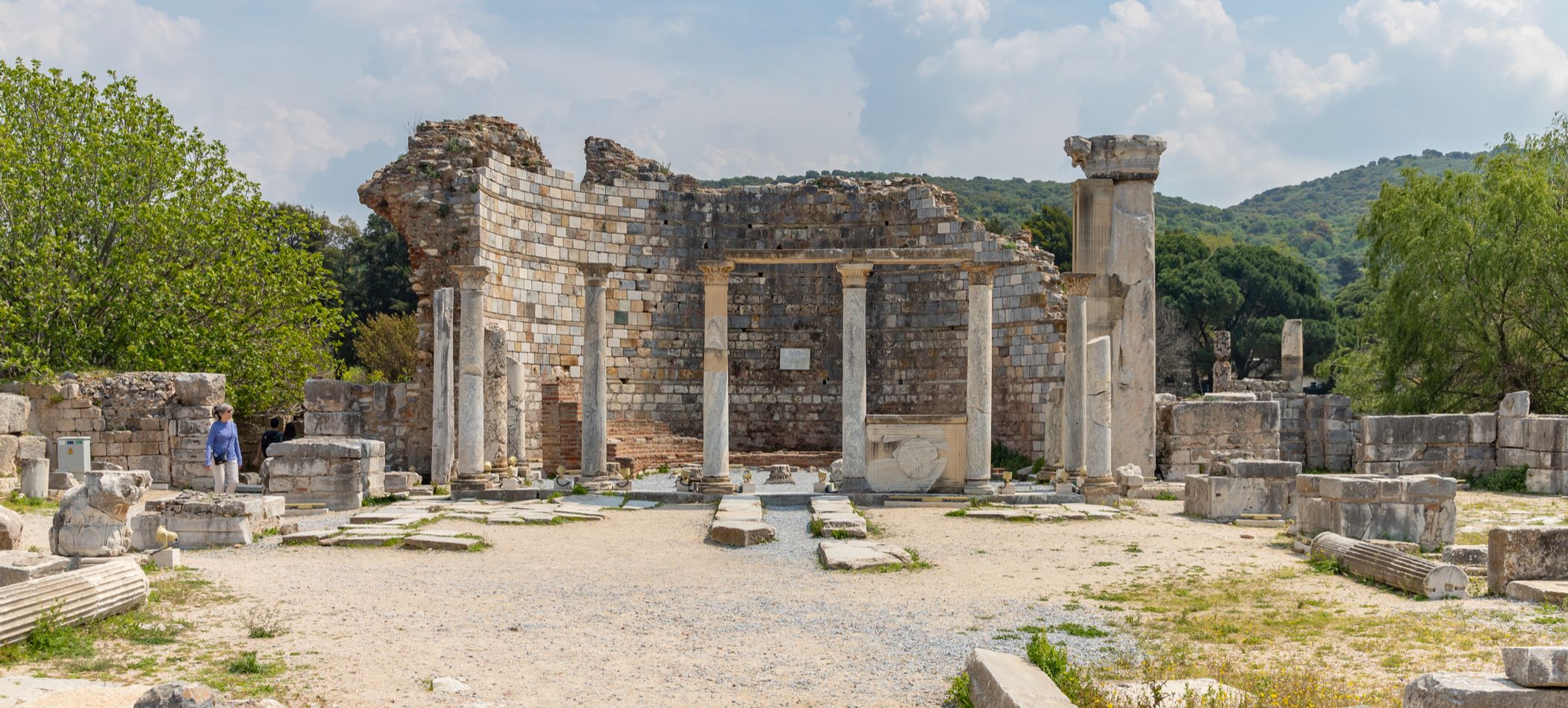
Ruins of the basilica where the Council of Ephesus met in 431. The setting is modest; the history is anything but. It sits near the old harbour zone, a reminder that Ephesus once faced the sea.
Temple of Artemis, Selçuk
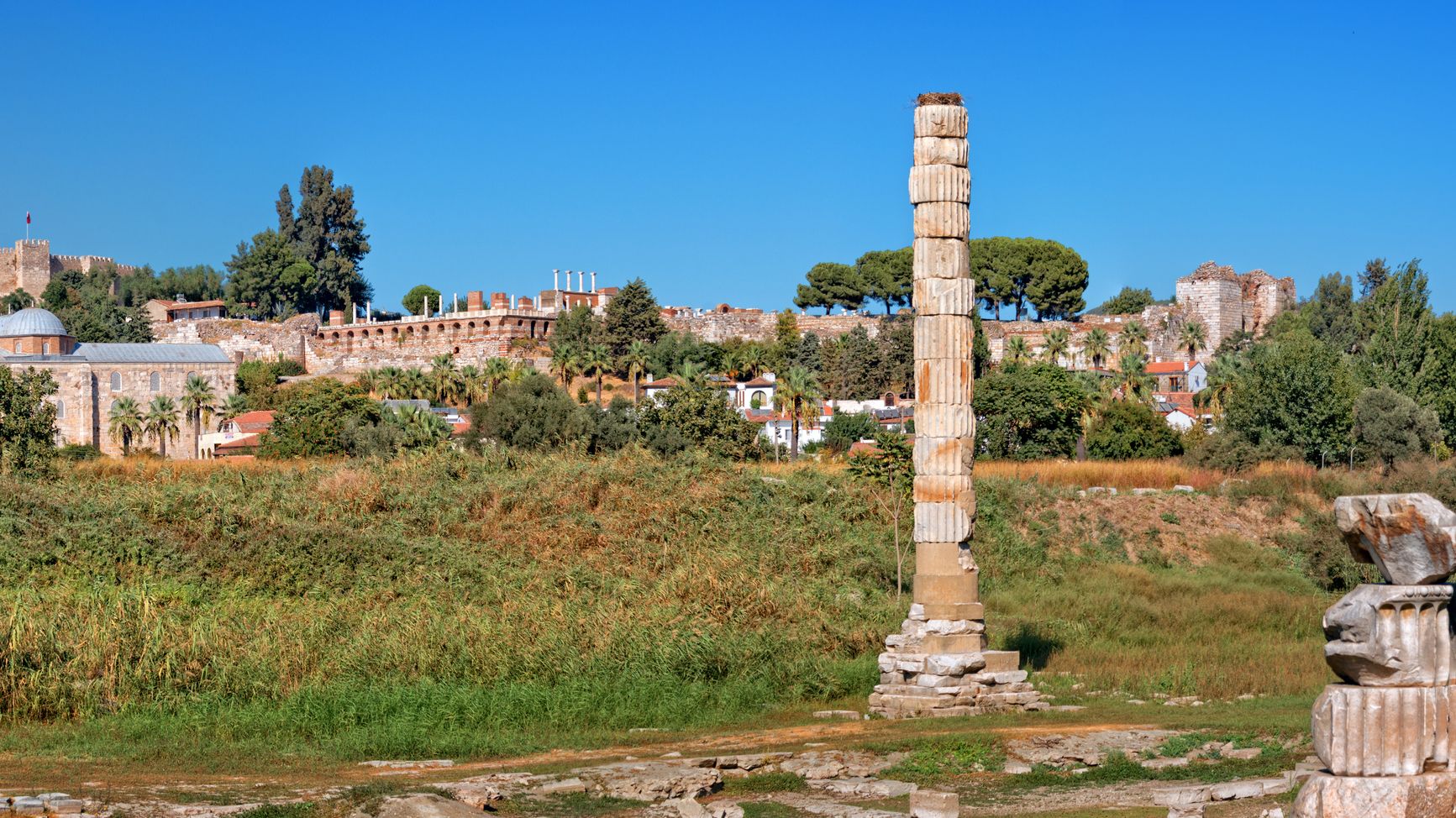
A short drive from the site brings you to the loneliest wonder of the ancient world: a marshy field with one melancholy column built from fragments. It is not visually grand, but the idea of it is, and that is sometimes enough.
House of the Virgin Mary
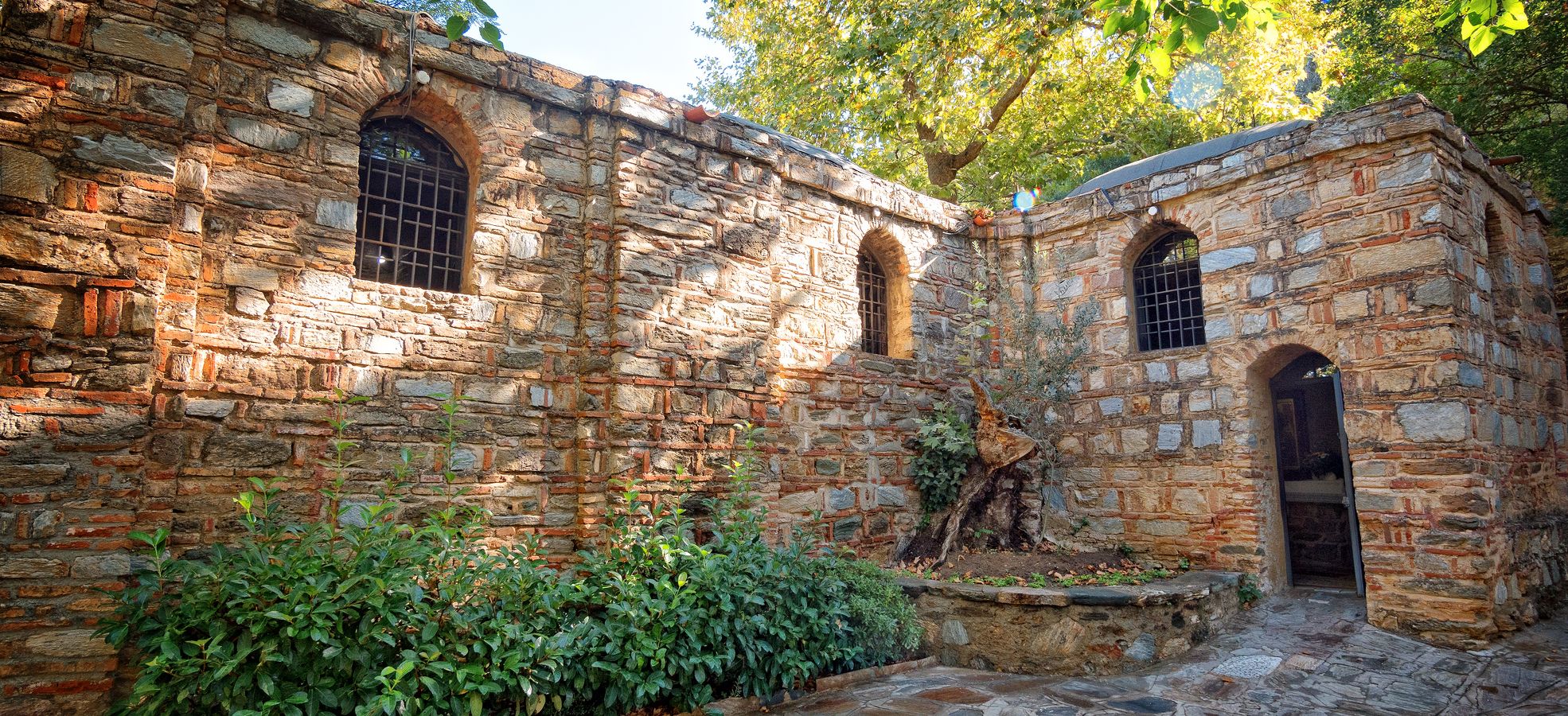
High in the hills above Ephesus, this quiet shrine draws pilgrims and the curious alike. If you are combining it with the Upper Gate start, drivers can stitch both into one neat loop.
Practicalities to consider
Tickets are priced in euros. A standard Ephesus ticket is widely listed at about €40, with the Terrace Houses as a separate add-on and the Ephesus Museum in nearby Selçuk ticketed separately. Seasonal hours vary; the Terrace Houses operate as a distinct museum unit with their own opening times. Check the official listings close to your visit, and note that ticket windows usually close before site closing.
From Kuşadası cruise pier, private transfers and ship tours are time-efficient; independent travellers can taxi to the Upper Gate and arrange a pickup at the Lower Gate to avoid retracing steps. Surfaces are polished marble and ancient paving, which is romantic until it’s slippery, so wear decent soles and bring water, shade and patience. The site is largely open to the sun; the best light and the kindest temperatures are early and late.
A suggested rhythm
Give yourself three unrushed hours for the classic downhill route: Upper Gate to the Odeon, along Curetes Street, a generous pause at the Terrace Houses, then the Library and the Great Theatre before you drift out through the Lower Gate. Add time for the Church of Mary or the museum in Selçuk if your schedule allows. It is the sort of day that rewards loitering. The stones are eloquent; they just like you to listen first.