Alaska has trained us to expect the Pacific Northwest to perform on command. A glacier should calve before lunch. A bald eagle ought to appear whenever somebody raises binoculars.
Sail south to Washington State and the scenery becomes less theatrical, but no less absorbing. Puget Sound and the San Juan Islands trade enormous icefields for evergreen shorelines, small harbours and short passages between islands that sometimes feel close enough to inspect from your balcony.
Strictly speaking, the San Juans sit within the wider Salish Sea rather than Puget Sound itself, but cruise lines sensibly avoid marketing voyages as “selected portions of the American Salish Sea”. Small ships suit the geography particularly well, linking Seattle or Tacoma with places such as Friday Harbor, Anacortes, Port Angeles and Port Townsend.
Start with Seattle
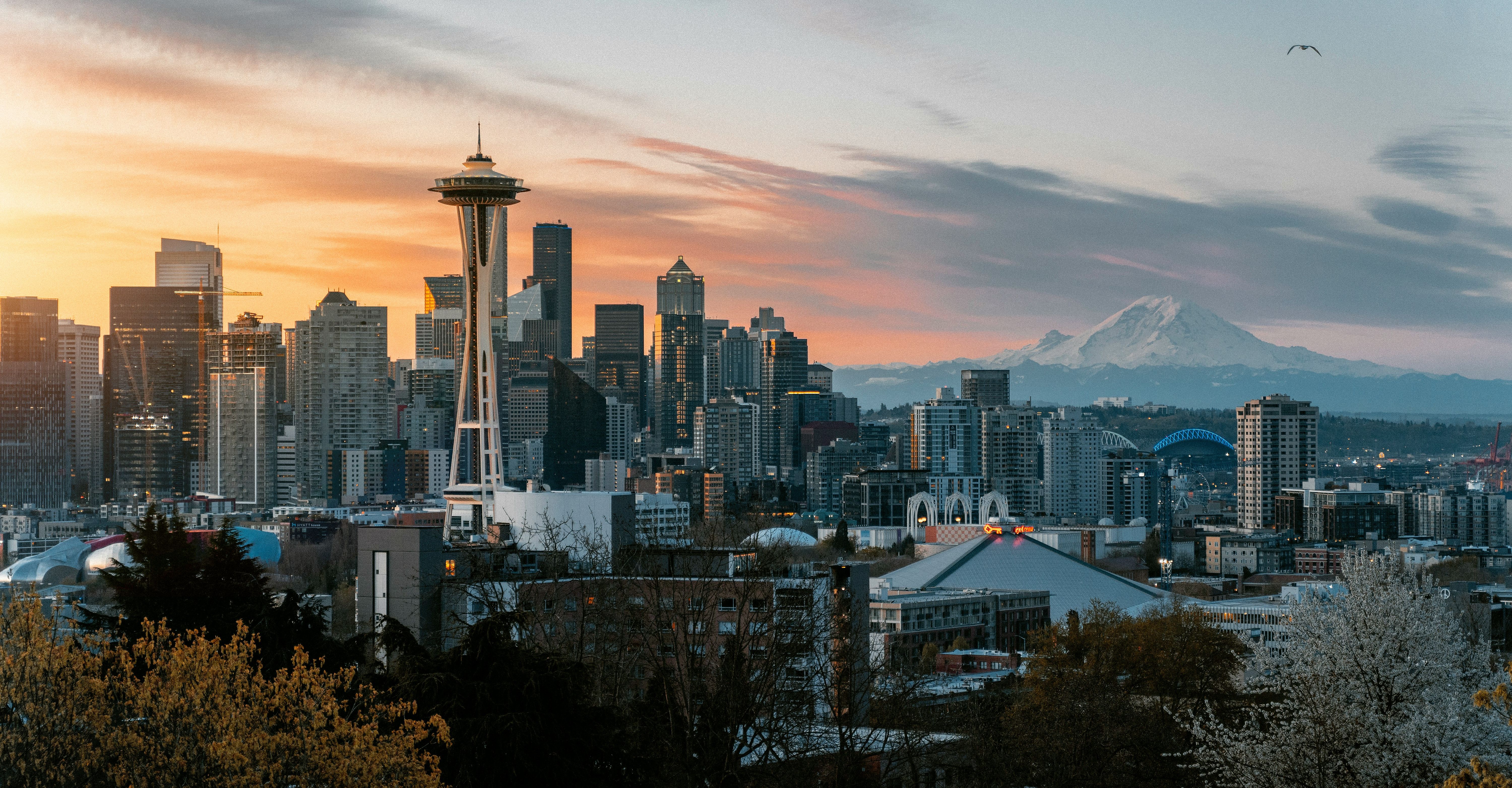
Even when the ship departs from Tacoma, Seattle is the obvious place to add a night or two.
Pike Place Market remains the sensible starting point, followed by the redeveloped waterfront and Elliott Bay. Washington State Ferries cross constantly towards Bainbridge Island and Bremerton, serving as everyday public transport rather than sightseeing vessels, which somehow makes them more pleasing to watch.
With another day, take the 35-minute ferry to Bainbridge for shops, restaurants and a first taste of the islands before boarding the cruise itself. Then return to Seattle and buy something involving coffee. The city has a reputation to maintain.
Friday Harbor and San Juan Island
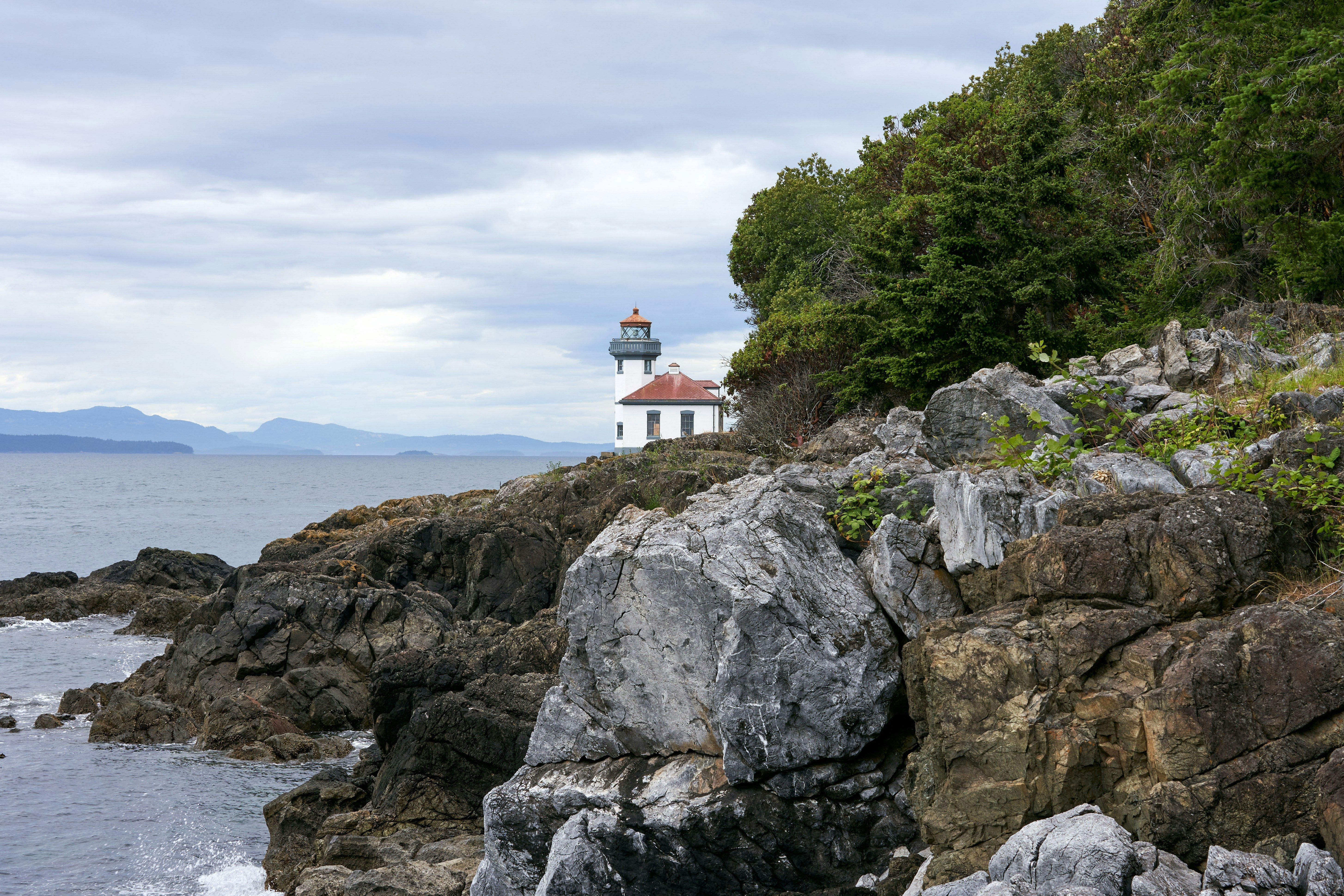
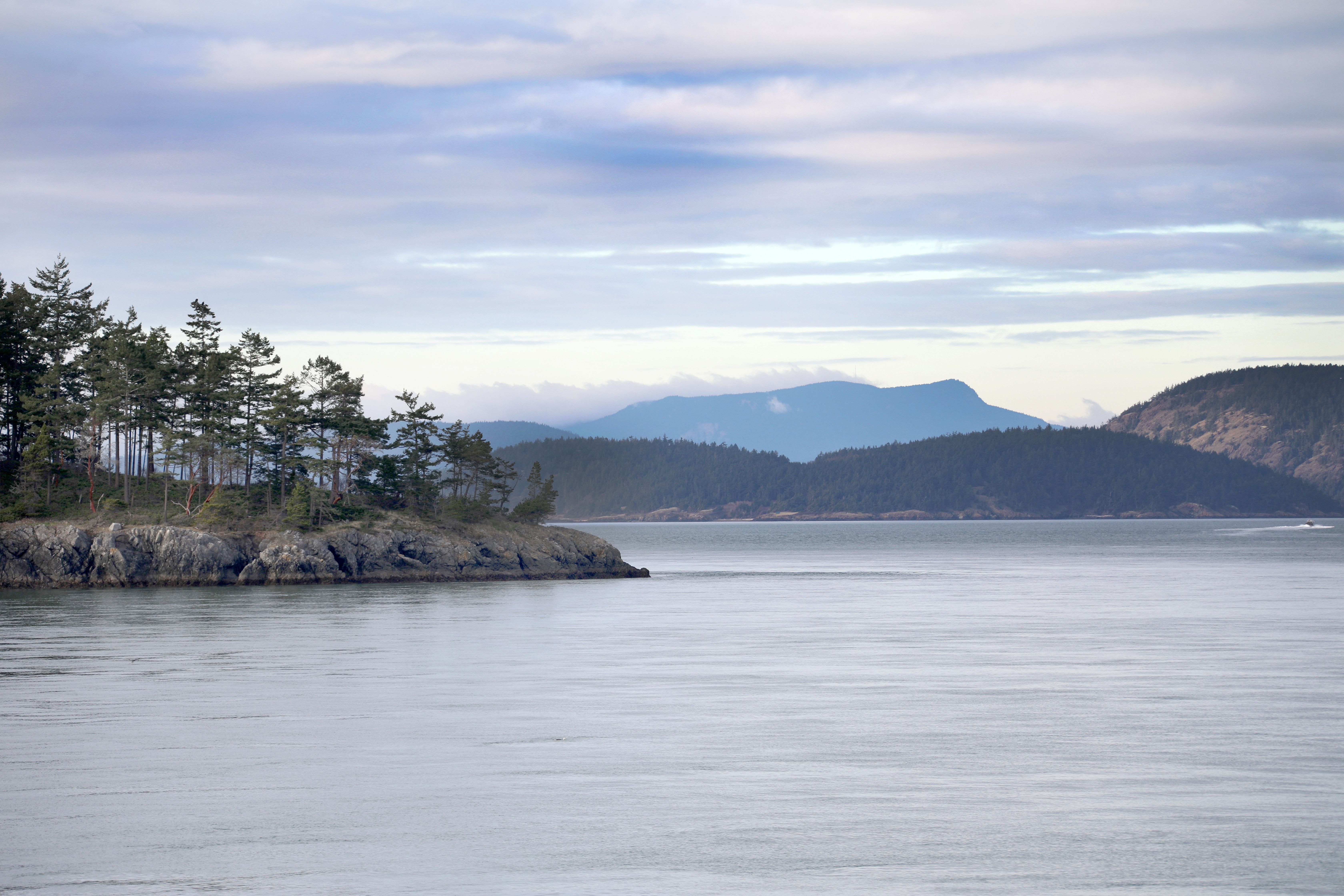
Friday Harbor is the natural centrepiece of the itinerary.
The small town sits directly on the waterfront, with cafés, galleries, restaurants and The Whale Museum all within easy reach. The museum provides useful context on the orcas and other marine life of the Salish Sea before you begin staring hopefully at every dark shape in the water.
It’s also worth seeing more of San Juan Island. Roads run through farmland and forest to rocky shoreline, historic sites and small bays. San Juan Island National Historical Park preserves American Camp and English Camp, reminders of the wonderfully named Pig War, an Anglo-American territorial dispute triggered in 1859 when an American settler shot a British-owned pig.
The pig was the only casualty. Britain and the United States then jointly occupied the island until the boundary was settled in 1872, making the whole episode unusually restrained by the standards of international disputes involving livestock.
Whale watching at Lime Kiln Point
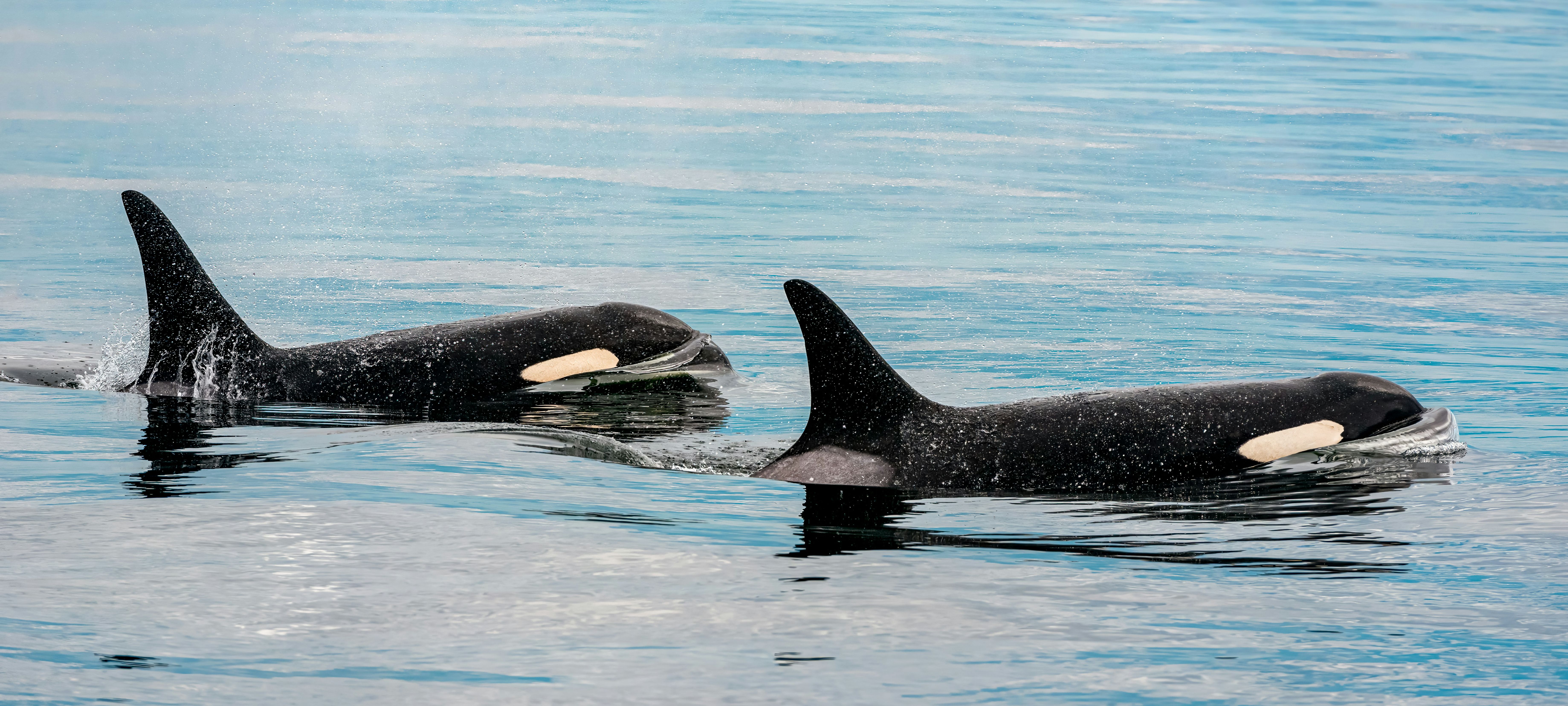
On the west coast of San Juan Island, Lime Kiln Point State Park overlooks Haro Strait and is one of the region’s best-known land-based whale-watching spots.
Orcas get most of the attention, but the Salish Sea also supports humpbacks, minke whales, porpoises, seals, sea lions, otters and bald eagles. April to October is generally considered the strongest period for whale watching, although sightings are never guaranteed.
That caveat matters particularly for the endangered Southern Resident killer whales. Their summer movements have shifted in recent years, with more time spent farther west around the Strait of Juan de Fuca and Vancouver Island.
So don’t book under the assumption that an orca has been contractually assigned to Tuesday.
If you take a wildlife boat, responsible viewing matters too. Washington requires vessels to keep substantial distance from Southern Resident killer whales, while shore-based watching at Lime Kiln is the least intrusive option of all.
Anacortes and Deception Pass
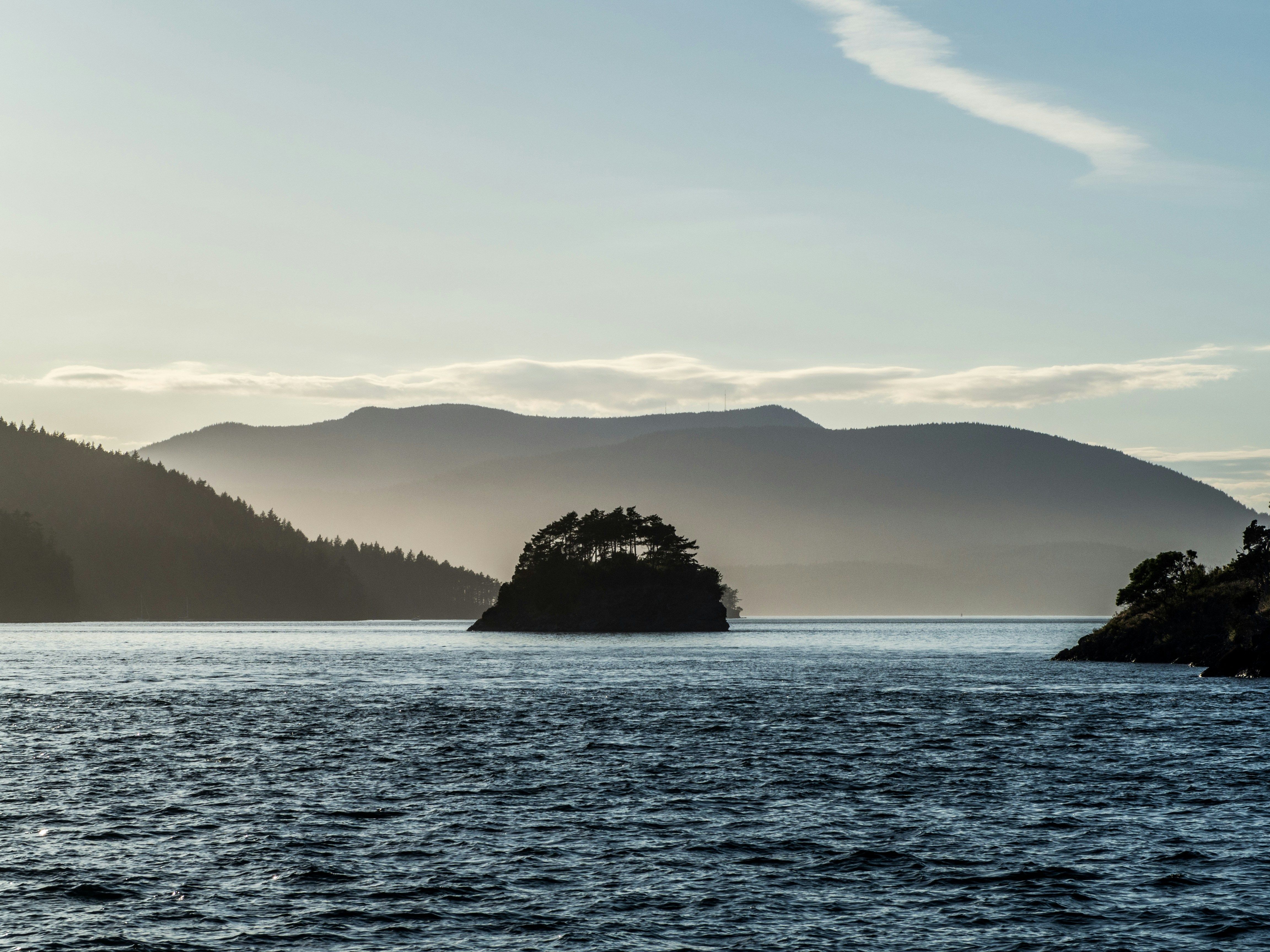
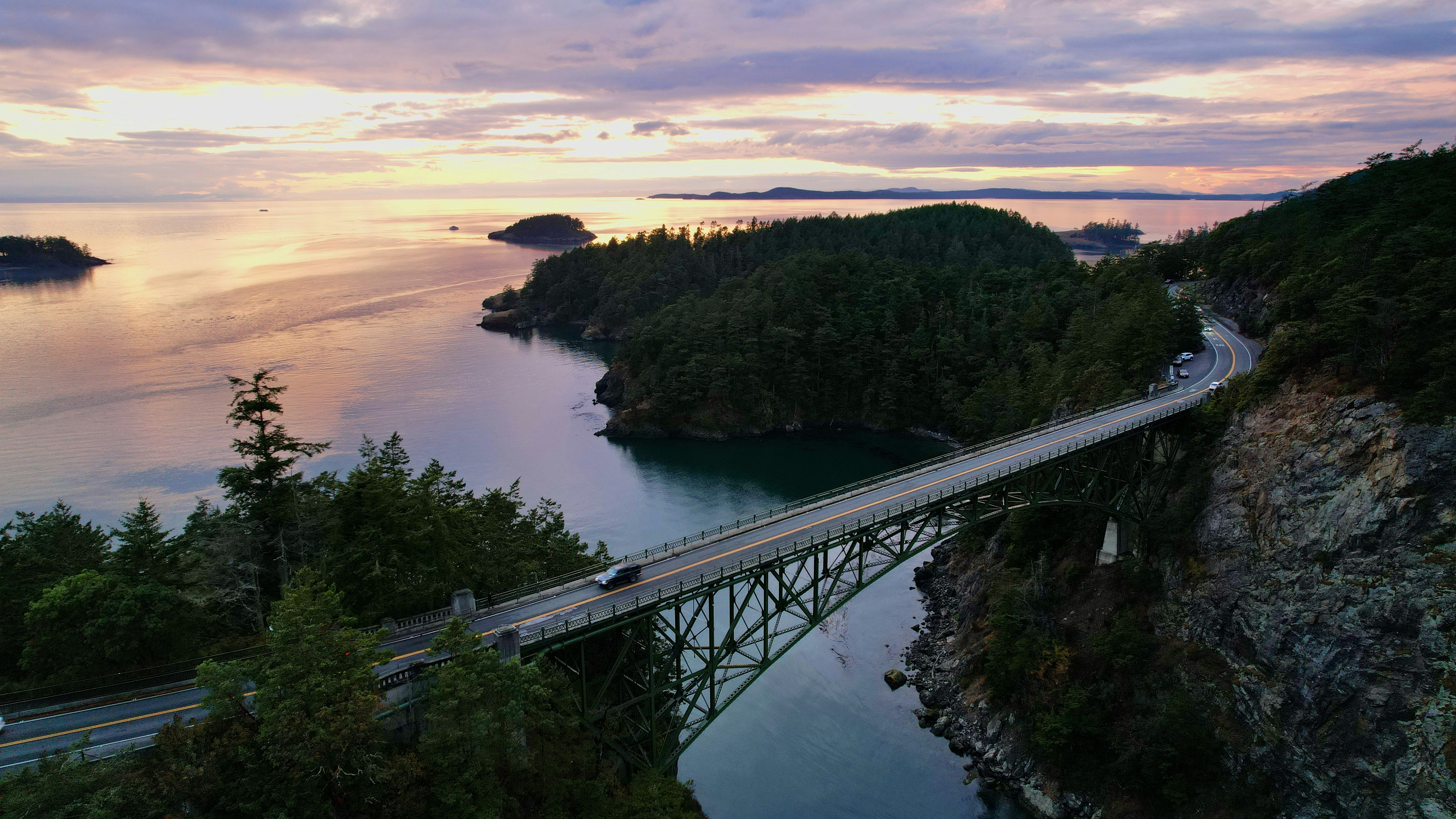
Anacortes sits on Fidalgo Island and acts as one of the main gateways to the San Juans.
The town itself has marinas, waterfront parks and small businesses, but the main excursion draw is nearby Deception Pass, where a high bridge crosses a narrow channel between Fidalgo and Whidbey islands.
Below, strong tidal currents funnel through the pass, while the surrounding state park combines beaches, forest, lakes and coastal trails. You can hike, explore tide pools or take a boat beneath the bridge.
This is the point at which the region briefly remembers it has dramatic scenery to provide.
Port Angeles and Olympic National Park
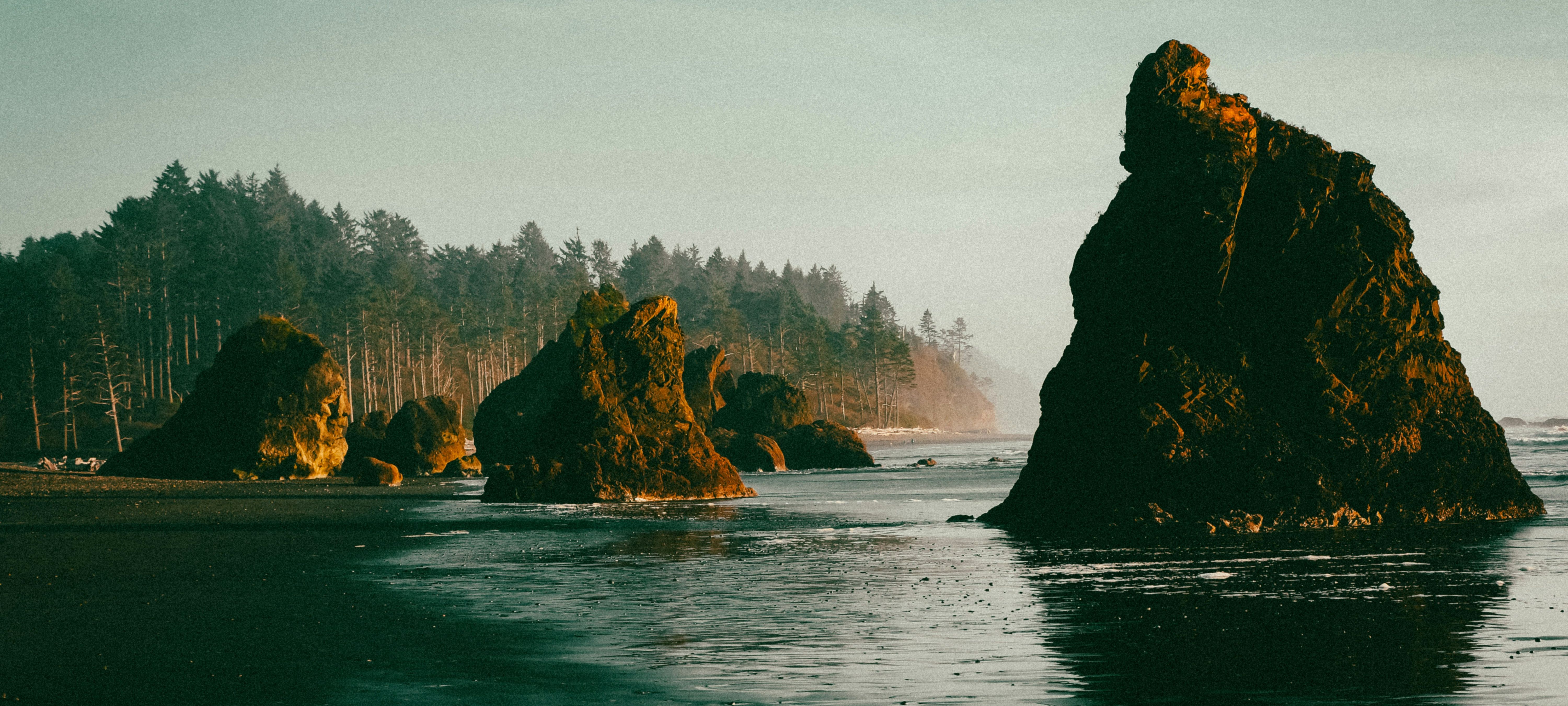
Port Angeles sits on the Strait of Juan de Fuca with the Olympic Mountains immediately behind it, making it a convenient gateway to Olympic National Park.
Hurricane Ridge lies around 17 miles south of the city and provides access to mountain walks and wide views across the range. A cruise call isn’t long enough to see the whole national park, which also contains temperate rainforest and a vast Pacific coastline, but it is enough for one focused excursion.
Hurricane Ridge makes most sense when visibility is good. Otherwise, the town’s waterfront or lower-elevation forest excursions may prove more rewarding than several hours in pursuit of a viewpoint currently contained inside a cloud.
Port Townsend for Victorian streets and an easy day ashore
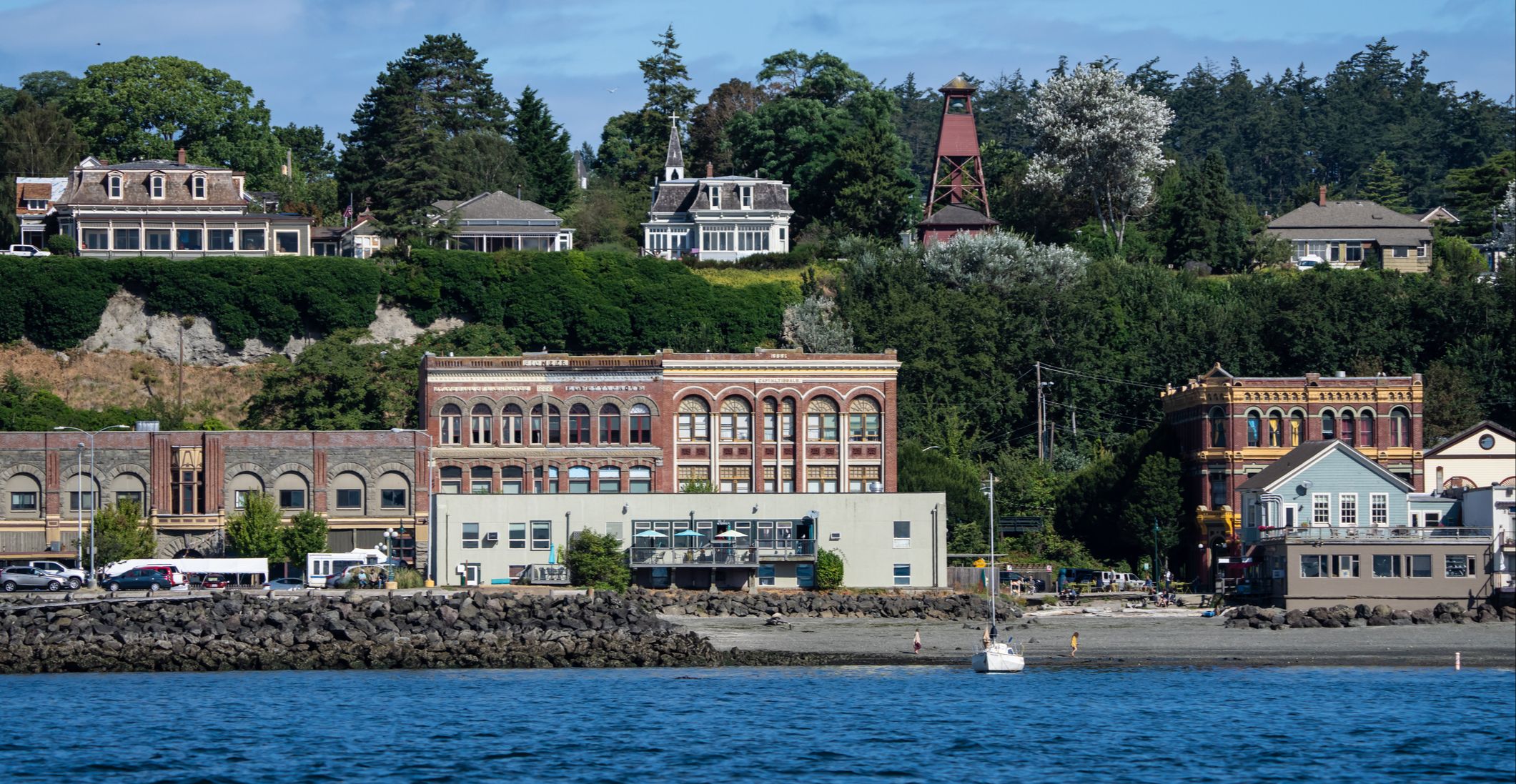
Port Townsend developed as a 19th-century seaport and still retains substantial Victorian architecture along the waterfront and on the streets climbing behind it.
Its historic centre is close to the ship, making this one of the itinerary’s easiest places to explore independently. Walk Water Street, browse the shops and galleries, continue towards Point Hudson or Fort Worden, then decide where to have lunch.
Spending several hours doing very little besides walking around and eating something good feels unusually defensible here.
When should you cruise the San Juan Islands?
The main small-ship season runs from spring into autumn.
Summer brings the longest days, warmer weather and the busiest island communities. Spring is greener and generally quieter, while early autumn can bring crisp weather and good chances of humpback sightings.
Rain remains entirely plausible throughout, so layers and a waterproof jacket are more useful than placing too much faith in one forecast.
You’re in the Pacific Northwest. The weather has a brand identity too.
Is Puget Sound a good alternative to Alaska?
Yes, provided you don’t expect Alaska with the volume turned down.
There are no tidewater glaciers on a dedicated Puget Sound itinerary and less of the immense empty wilderness associated with Alaska. Ferries, marinas, towns and working waterfronts remain visible throughout.
What you gain is intimacy. Friday Harbor puts you ashore somewhere interesting within minutes. Port Angeles opens the door to Olympic National Park. Port Townsend offers architecture, shops and cafés. Hiking and kayaking are available, but the entire week doesn’t need to become an organised test of endurance.
It’s also worth noting that small-ship cruising here isn’t necessarily a cheaper alternative. You’re paying for the vessel size, access and itinerary rather than merely the latitude. For walkers, photographers, wildlife enthusiasts and passengers who like small towns as much as big scenery, that trade-off makes sense.
The biggest adjustment is accepting that the landscape isn’t constantly building towards a climax. One morning might involve Friday Harbor and a lighthouse. The afternoon might produce seals on a rock and forested islands passing the window.
Nobody stands in front of a glacier before dinner. That’s rather the point.