Warnemünde has a slight branding problem. It is forever being introduced as the place from which you can get somewhere else, usually Berlin, which is a bit unfair on a port that has a sandy beach, a scenic lighthouse, and a very decent line in low-stress Baltic charm. The cruise terminal in Warnemünde sits right by the station, and no other German passenger harbour has such a direct rail connection. Berlin, meanwhile, is possible, but the fastest train journeys are still around two and a half hours each way, with typical journeys closer to three. That's less a “quick city hop” and more “committed logistical project.”
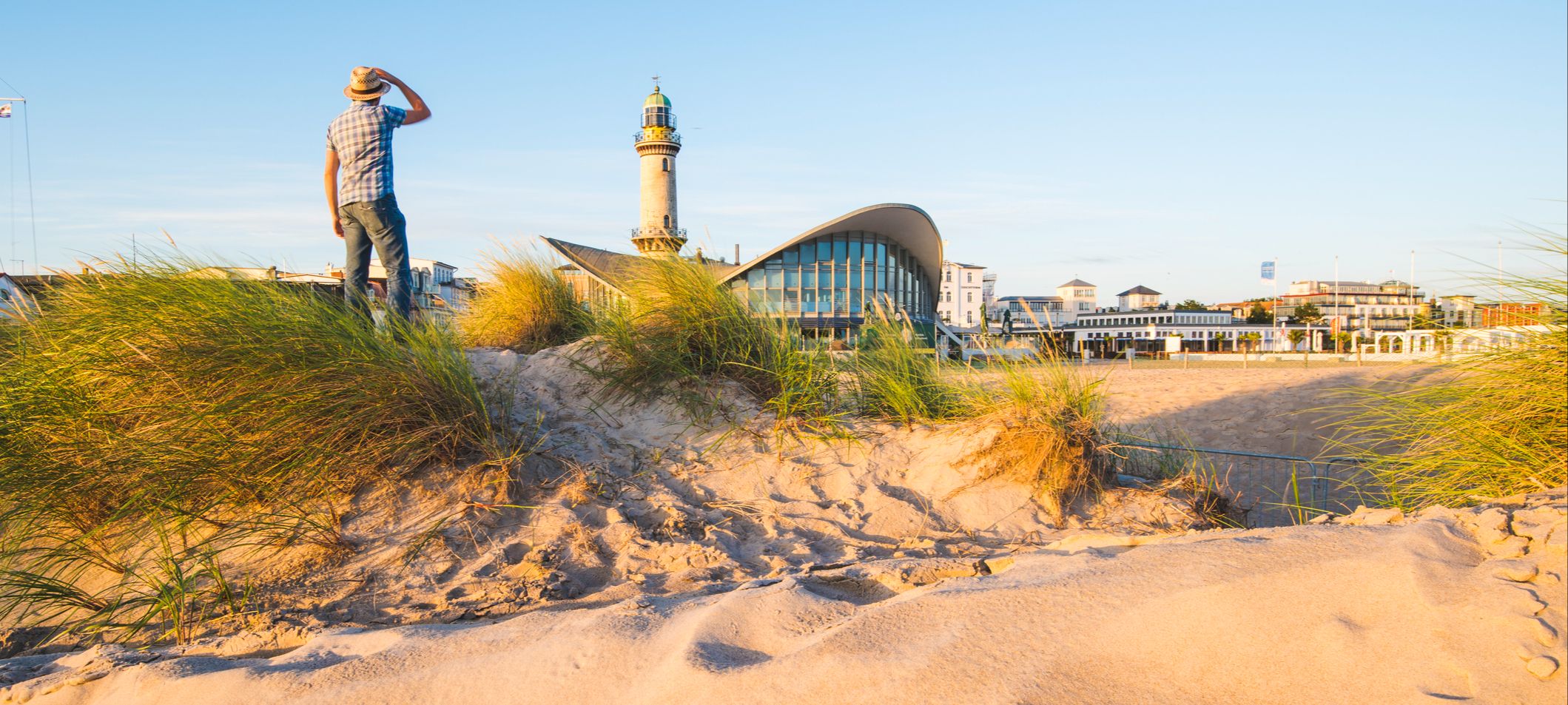
My call (and in my humble opinion, the cleverer one) is to save Berlin for a full city break, stay local and let the coast do the work. Warnemünde itself is not a sad transport preface to the real attraction. It's Rostock’s seaside resort, with a broad sandy beach, a white-brick architecture and the kind of maritime ease Germany does rather well (when it's not trying to persuade you to attend a trade fair). The beach is free to use, shallow at the shore and, according to the regional tourism board, up to 200 metres wide in places. The lighthouse, built in 1897 and 1898, rises 31 metres and gives you a proper view over the Baltic, the beach and the harbour mouth.
This is not anti-Berlin propaganda. Berlin is excellent. It's simply not the obvious answer every time a ship docks in Warnemünde, unless your idea of a relaxing shore day involves a very early train, a close eye on the return timetable and a light undertone of dread. Cruise ports have a way of encouraging maximum-distance thinking, as though the success of the day depends on putting as many miles as possible between yourself and the ship. Often the better question is not “what is the biggest name I can reach?” but “what will actually make this place feel distinct?” In Warnemünde’s case, that answer is the coast itself.
Start in Warnemünde
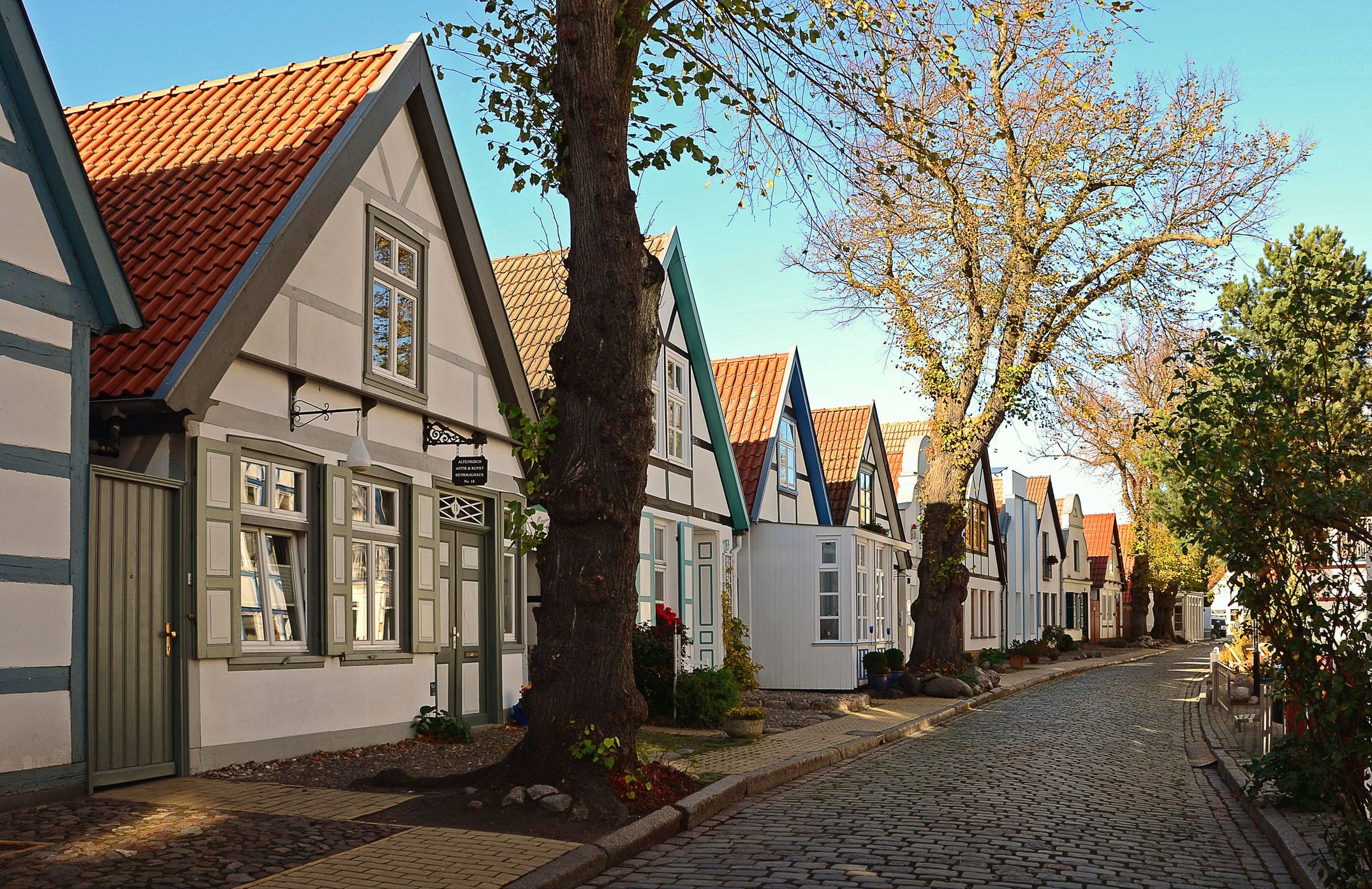
One of the joys of Warnemünde is that almost nothing about it feels punitive. The station is near the cruise terminal, the tourist information office is right there in town, and the beach and lighthouse are all easy walking distance. You can get off the ship and be looking at sea, sand and fishing boats within minutes, which is a much more civilised use of a Baltic morning than barrelling straight inland in pursuit of capital-city virtue.
Do the lighthouse if your legs are willing. Visit Mecklenburg-Vorpommern describes it as Warnemünde’s landmark, built of white glazed bricks, with galleries that open up a panorama over beach and Baltic. It is the sort of view that calms you down almost immediately. The town below is all exactly the right sort of seaside jumble: promenade, fish sandwiches, ferries nudging around the estuary and a resort atmosphere that feels pleasantly old-school.
Then take the easy train to Rostock
From Warnemünde, Rostock is the satisfying middle way. It is close enough to feel effortless and different enough to justify the outing. Trains run from Warnemünde to Rostock Hauptbahnhof every 15 minutes and take about 21 minutes, which is precisely the kind of statistic a port day likes to hear. It means you can have a coast-and-city day without once needing to mutter “this had better be worth it” into your coffee.
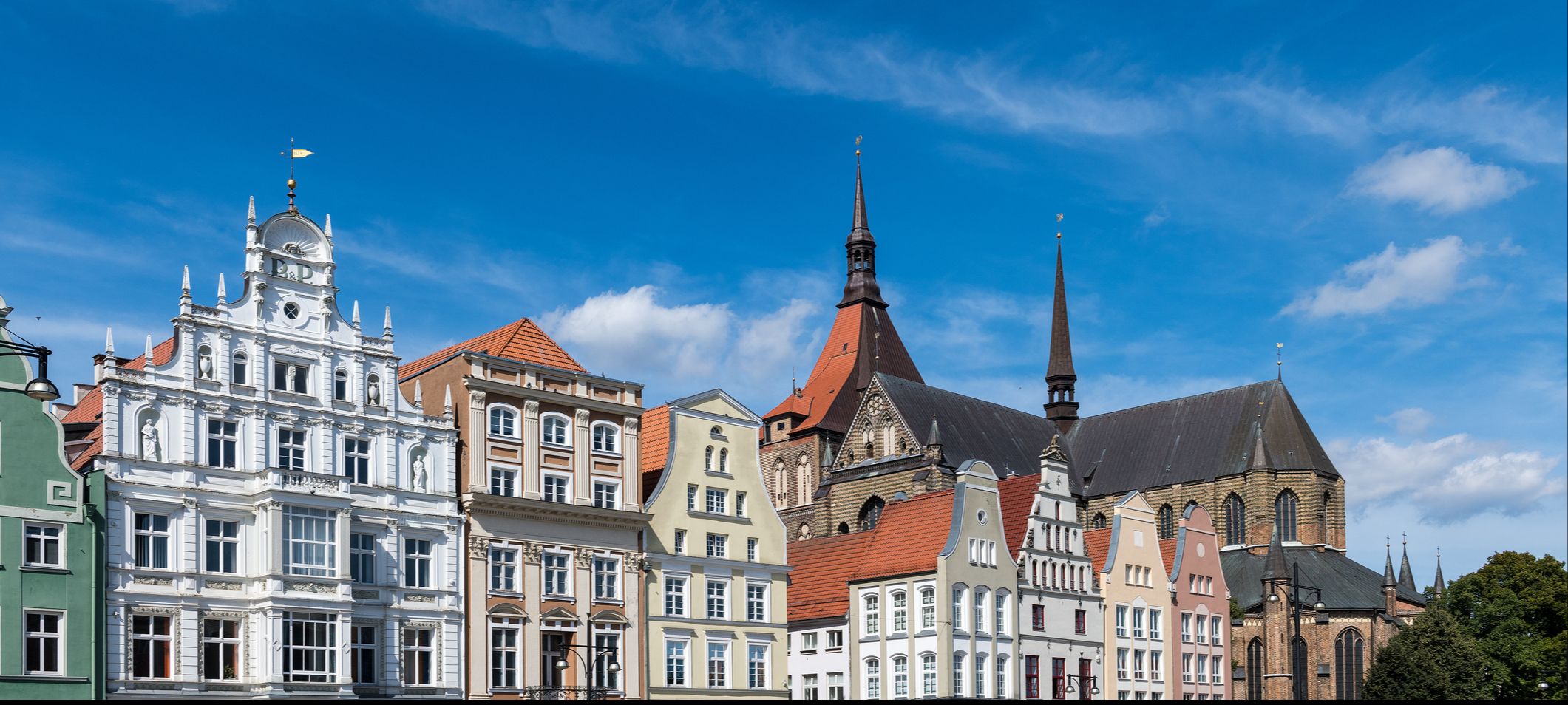
Rostock, when you actually give it a chance, is a very handsome piece of old Hanseatic brickwork with a maritime pulse still intact. It is a university city as well, with the University of Rostock founded in 1419 and proudly billing itself as the oldest university in the Baltic Sea region. That long mercantile, scholarly history gives the place more texture than the average “provincial city near a cruise port” briefing tends to allow. It feels lived in, not staged.
The obvious place to begin is Neuer Markt, where the town hall has been accumulating centuries rather than pretending to belong to one. The official tourism description notes it began around 1270 as a two-storey double-gabled house, and that the current complex brings together Gothic, Renaissance and Baroque layers in one municipal showpiece. Which sounds very grand, but in practical terms means it is a wonderfully satisfying thing to look at while pretending you have always appreciated brick Gothic.
After that, head for St Mary’s Church. The special sight here is the astronomical clock, created in 1472 by Hans Düringer, with original parts of the main clockwork still functioning. The University of Rostock’s project on the clock notes the same date and the survival of its original mechanism, which is the kind of thing that makes modern electronics seem a touch lacking in ambition. If you like medieval engineering, this is thrilling. If you do not, it is still an extremely good excuse to step into a huge northern German church and look impressed for a while.
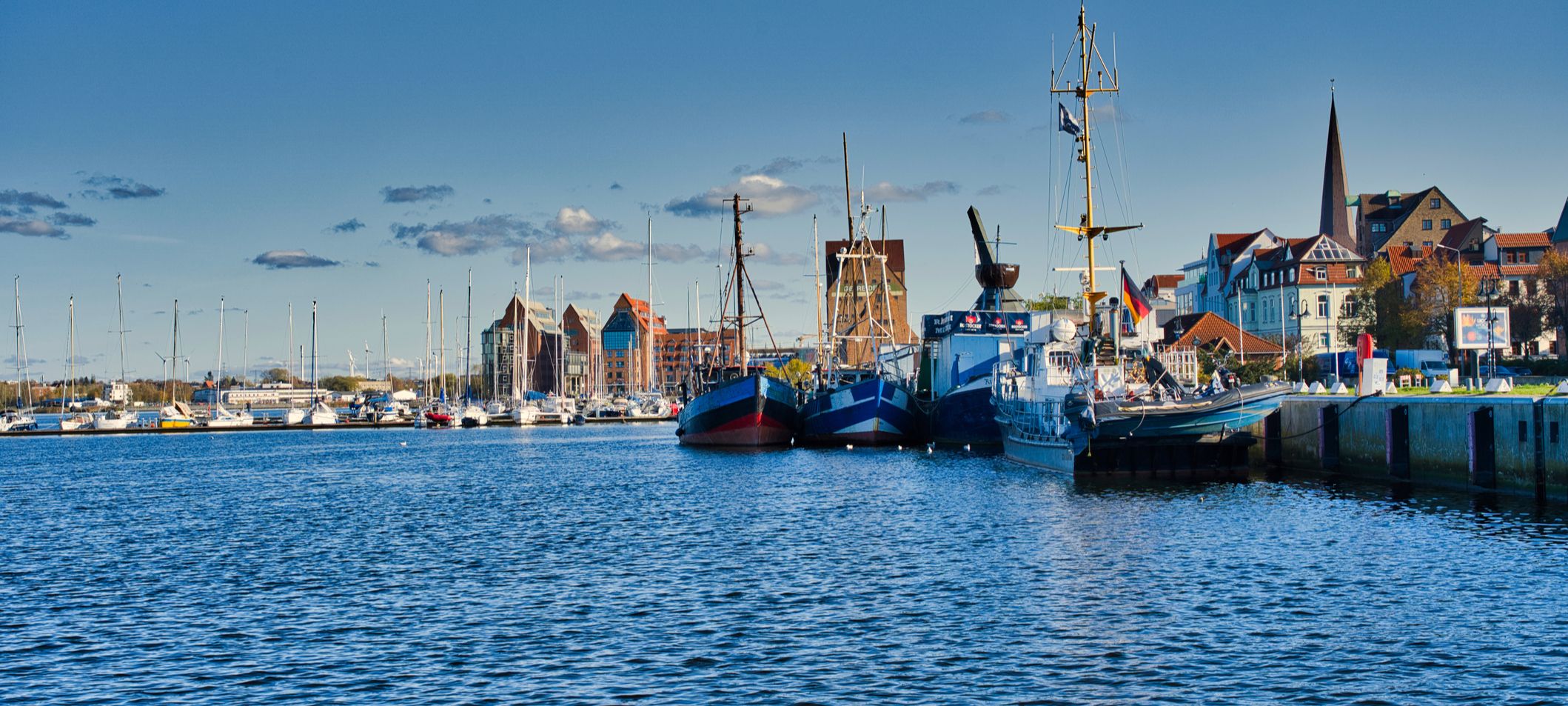
Then give the city harbour its due. Rostock’s tourist board describes it as a popular promenade along the Warnow with restaurants, shops, warehouses and a sailing harbour, with a good view from the Kanonsberg near the Fischerbastion. That may sound like a modest reward after centuries of mercantile history, but in truth it is exactly right. Port cities are often best appreciated at water level, with a bit of breeze, something fried in paper and no particular deadline apart from the train back.
If you want one more railway flourish, make it the Molli
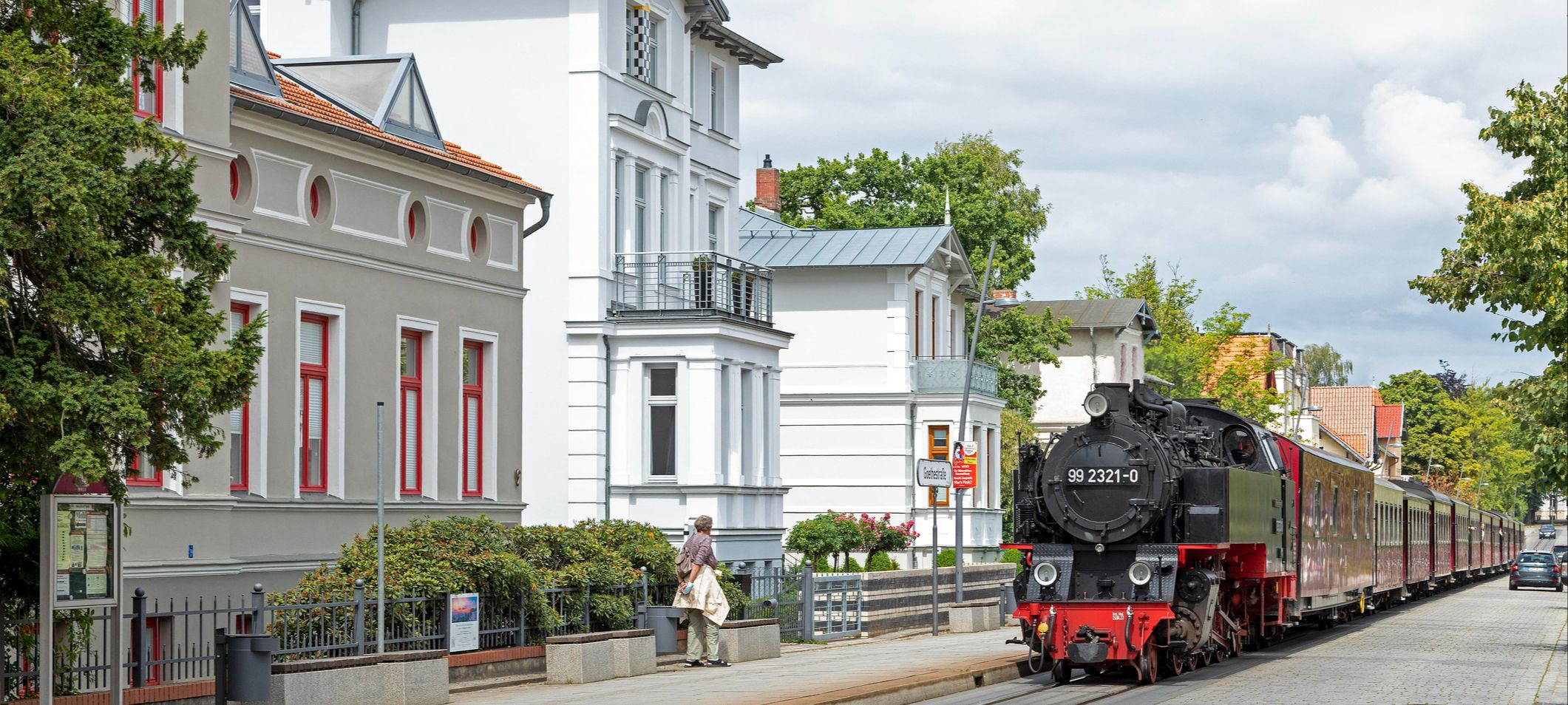
For people who can never fully resist a train once one has entered the narrative, there is a very pleasing extension to this day. The Molli, officially the Mecklenburg Resort Railway, runs between Bad Doberan, Heiligendamm and Kühlungsborn. Visit Mecklenburg-Vorpommern describes it as one of the world’s oldest narrow-gauge railways, covering 15.43 kilometres in about 40 minutes, trundling through Bad Doberan’s streets, past an elm avenue and on to Heiligendamm, which it notes is Germany’s oldest seaside resort. It is unapologetically nostalgic and therefore excellent.
I would not force the Molli into a short port call out of pure optimism. That way lies timetable stress and the sort of lunch you eat standing up. But on a long day, or for travellers who enjoy coastal railways almost as much as they enjoy arriving back on board feeling faintly superior, it is a lovely extra. The trick with Warnemünde is that the pleasures are additive. You do not need to sacrifice the coast to get the city, or the city to get the railway. You simply need to stop pretending the point of docking here is to leave it immediately.
There is something oddly freeing about a port that does not demand a once-in-a-lifetime performance from you. Warnemünde offers sea air and low stakes. Rostock offers Hanseatic brick, a clock from 1472 and a harbour walk. The Molli, if you fancy it, adds a puff of steam and a little Baltic theatre. Berlin will still be there another time, probably being very Berlin about something. For a cruise stop, Germany’s Baltic coast is more than enough.