
Cold water is honest. It tells you exactly what kind of day you’re about to have the moment it hits your ribs. The trick, when you’ve only got a port call to play with, is picking places that are not far from the berth, properly managed, and near a café that understands the restorative power of soup. Here’s how to do it in Belfast, Bergen and Akureyri; safely, joyfully, and back on board in time for sail-away.
Belfast: Helens Bay (with Crawfordsburn as your warm-up HQ)
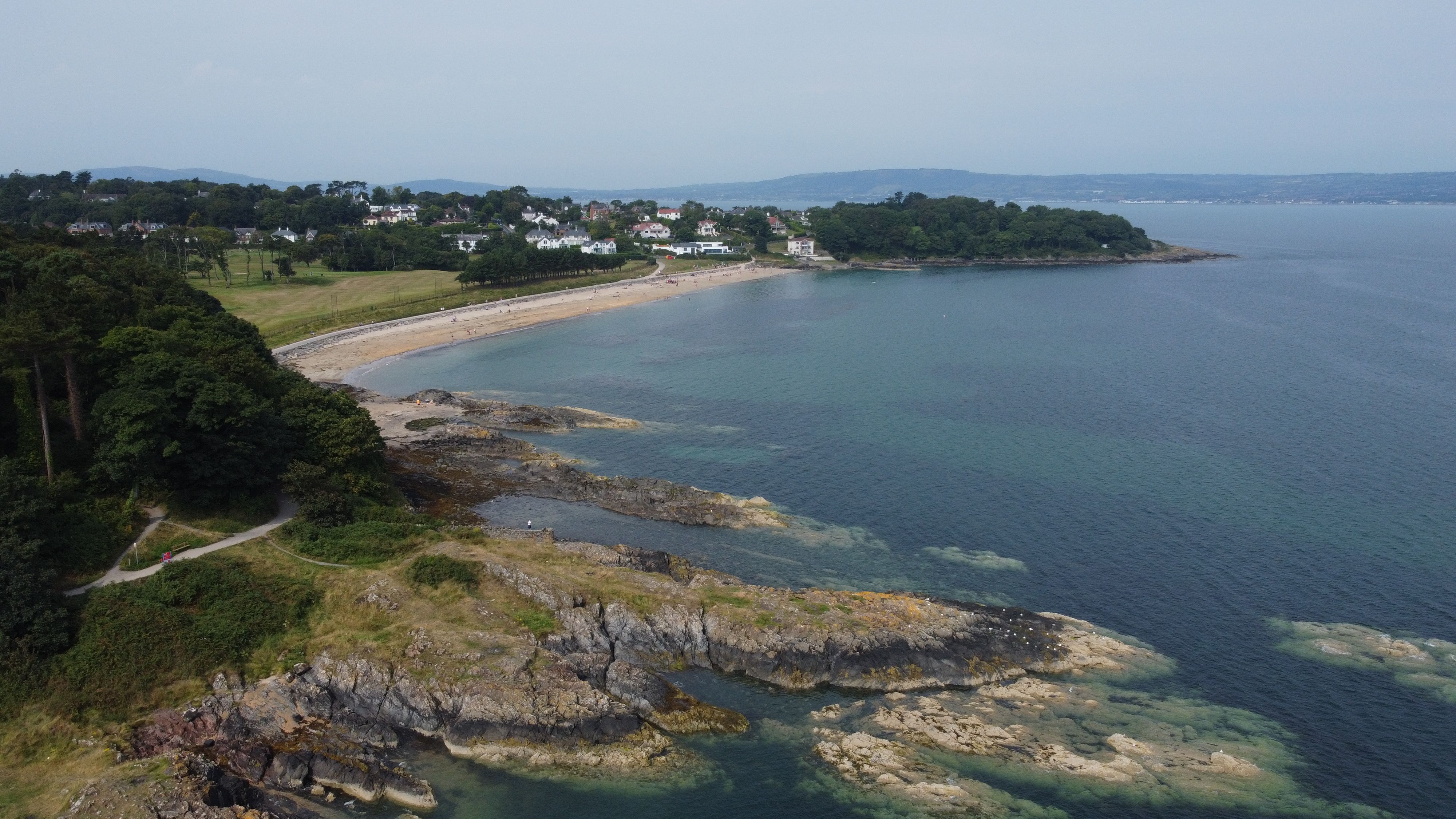
For a clean, sheltered dip within striking distance of the city, aim for Helens Bay, a designated bathing water on the North Down coast with published water-quality monitoring. Facilities cluster next door in Crawfordsburn Country Park: loos, visitor centre and the Woodlands Café for post-plunge heat and tray bakes. Expect calm sand underfoot, no lifeguards, and big Belfast-Lough skies.
Getting there from the cruise berth: public transport (Translink bus + train combo) runs around 55–60 minutes each way; it’s a straightforward hop once you’re into town. If time is tight, a taxi is quicker but traffic-dependent.
What the water feels like: November sea temperatures hover about 12°C (summer much milder, winter chillier). Plan short immersions.
Local colour: on the next headland, Donaghadee’s hardy Chunky Dunkers prove year-round dips are a community sport; if you detour that way, The Stormy Cup by the harbour is a cracking place to thaw.
Bergen: Nordnes Sjøbad (plus a sauna, by the sea)

Bergen practically hands you a cold-plunge playbook: the municipal Nordnes Sjøbad has a seawater pool, steps to the fjord, changing rooms and a sauna. It operates a summer and winter season (the latter from mid-October to around Easter—check the calendar for the exact switch-over dates each year). From the cruise quays it’s a scenic 15–25 minute waterside walk through Nordnes park.
If you want guaranteed toastiness between dips, book a slot at Heit Bergen’s floating saunas at Marineholmen—showers next door, sessions from 50 to 110 minutes, and easy online booking. For a quick café warm-up near Nordnes Sjøbad, the Bergen Aquarium has on-site dining and is open daily for most of the year.
What the water feels like: in late autumn, the North Sea here sits around 10°C. That’s “swift dip, big grin” territory.
Akureyri: cold plunge with hot pots (the Icelandic way)
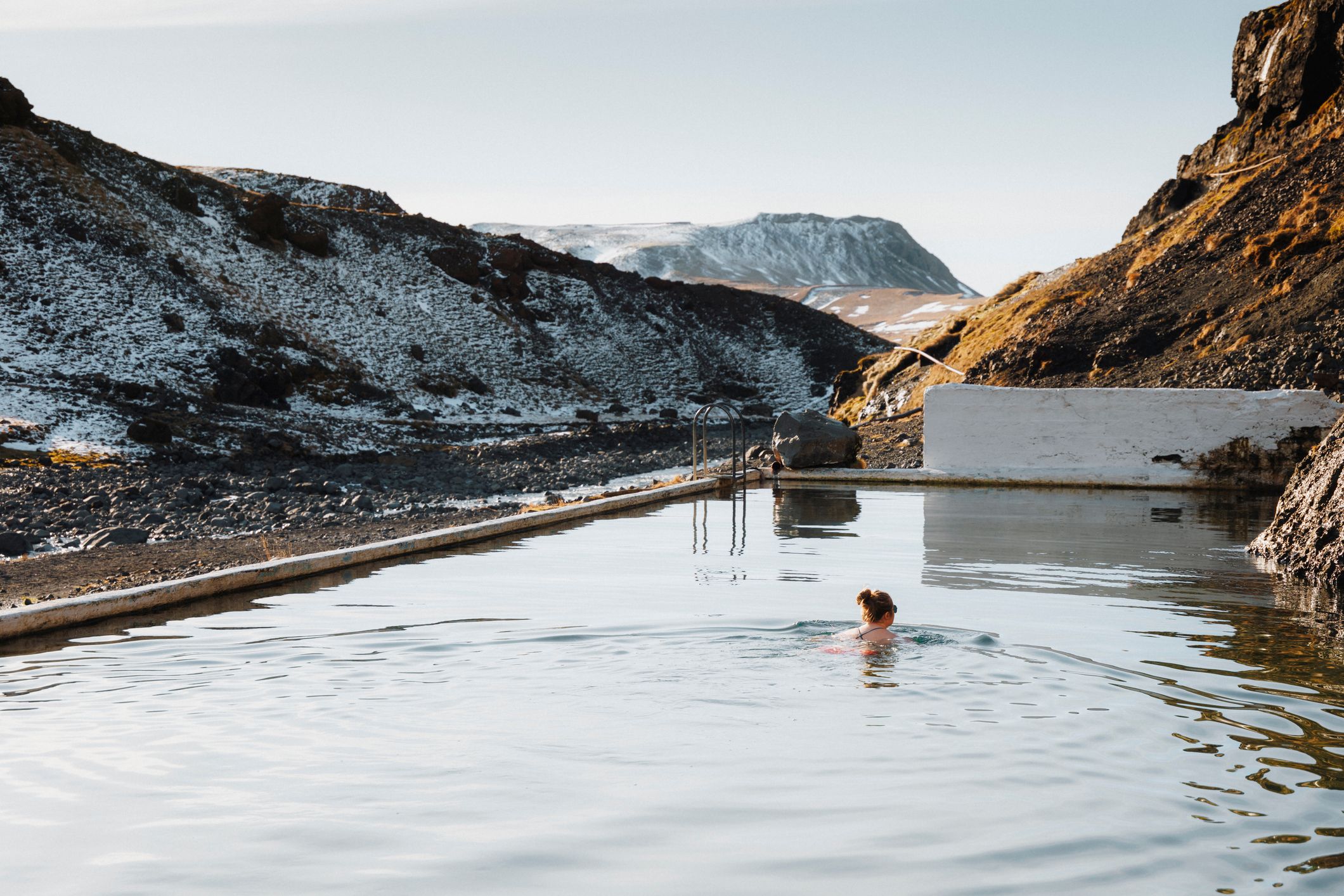
In North Iceland, the smart cold-water fix is municipal: the Akureyri Swimming Pool (Sundlaug Akureyrar) couples a bona fide cold bath (~5°C) with steam room and a string of geothermal hot pots at 38–42°C—dip, steam, repeat, and call it cultural immersion. It’s about a 20–25 minute walk from the cruise pier, right through town.
Need a café after? Kaffi Ilmur in a 1911 timber house does excellent cakes and hot drinks; it’s central and keeps daytime hours that play nicely with port calls. If your heart is set on a fjord-view soak (hot, not cold), Forest Lagoon sits 3.6 km from the centre with a shuttle from Hof Culture House in season—handy to know if friends are opting out of the bracing bit.
What the water feels like (if you insist on the fjord): Eyjafjörður averages ~5°C in November. Respect the cold; use the pool’s controlled plunge instead.
Timing it right from the berth
- Belfast → Helens Bay: ~55–60 mins each way by bus+train; allow 2.5–3 hours round-trip to dip, change and caffeinate.
- Bergen → Nordnes Sjøbad: ~15–25 mins on foot; a neat 90-minute outing covers a couple of sea-sauna cycles and a coffee.
- Akureyri → Sundlaug: ~20–25 mins on foot; budget 90 minutes poolside for dip/hot-pot intervals.
Safety bits
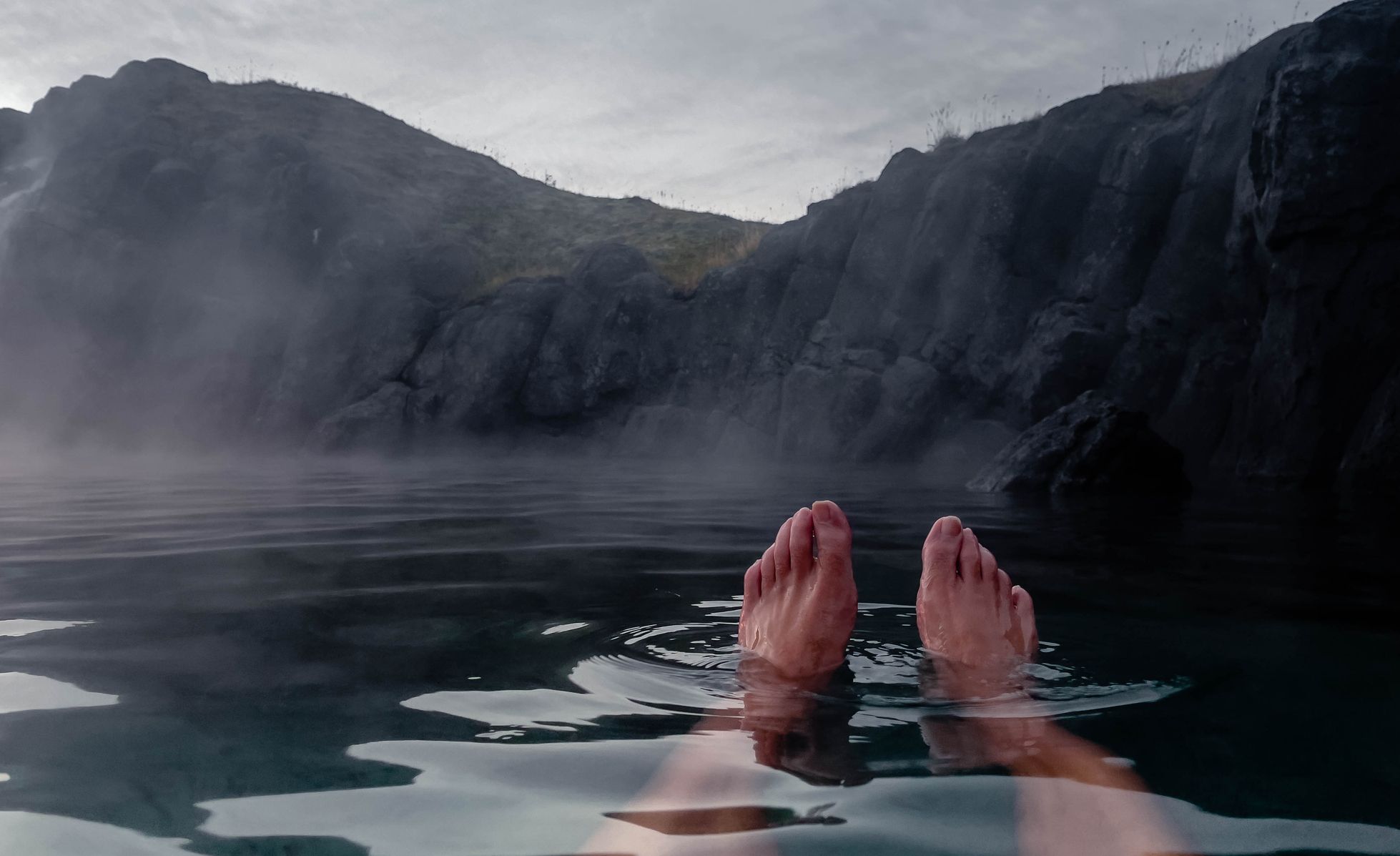
Cold water is wonderful; it also means business. If you’re new to it: enter slowly, keep to waist depth at first, and float for 60–90 seconds if the shock catches your breath—then exit or swim only once breathing is calm. Build exposure gradually, never dip alone, and warm up in layers, not scalding showers. Municipal pools and designated bathing waters publish rules for good reasons; follow them.
Handy reality checks
- Seasons shift: Nordnes Sjøbad has distinct summer/winter schedules—winter swimming generally begins in mid-October (for 2025, from 9 October). Check before you set out.
- Facilities count: Helens Bay/Crawfordsburn has toilets and a café in the park; there are no lifeguards. Municipal pools in Akureyri have full amenities, including hot pots for a proper rewarm.
- Temperatures are… northern: Late-autumn seas typically run ~12°C in Belfast, ~10°C in Bergen, ~5°C in Akureyri. Dress and plan accordingly.
Pack a woolly hat, bring a sense of humour, and promise yourself cake. The memory will outlast the shiver.