Some people step off a ship hoping for a historic landmark, a market and a decent lunch. Others would quite like to spend the day staring at a cliff face while saying things like “look at the strata on that”. This article is for the latter group. Or, at the very least, for those of us who, with age, have become unexpectedly interested in lava, basalt and the sort of coastline that looks as though the Earth once had a temper.
Cruising suits geology rather well. You get to see coastlines the way they were meant to be seen: from the water, where the cliffs, cones and collapsed calderas can get on with their performance without a car park in the foreground. If your idea of a successful shore day involves crater lakes, columnar basalt, limestone escarpments or a volcano that is to put it frankly, showing off, there are some very good sailings out there.
Iceland cruises for basalt columns, lava fields and tectonic drama
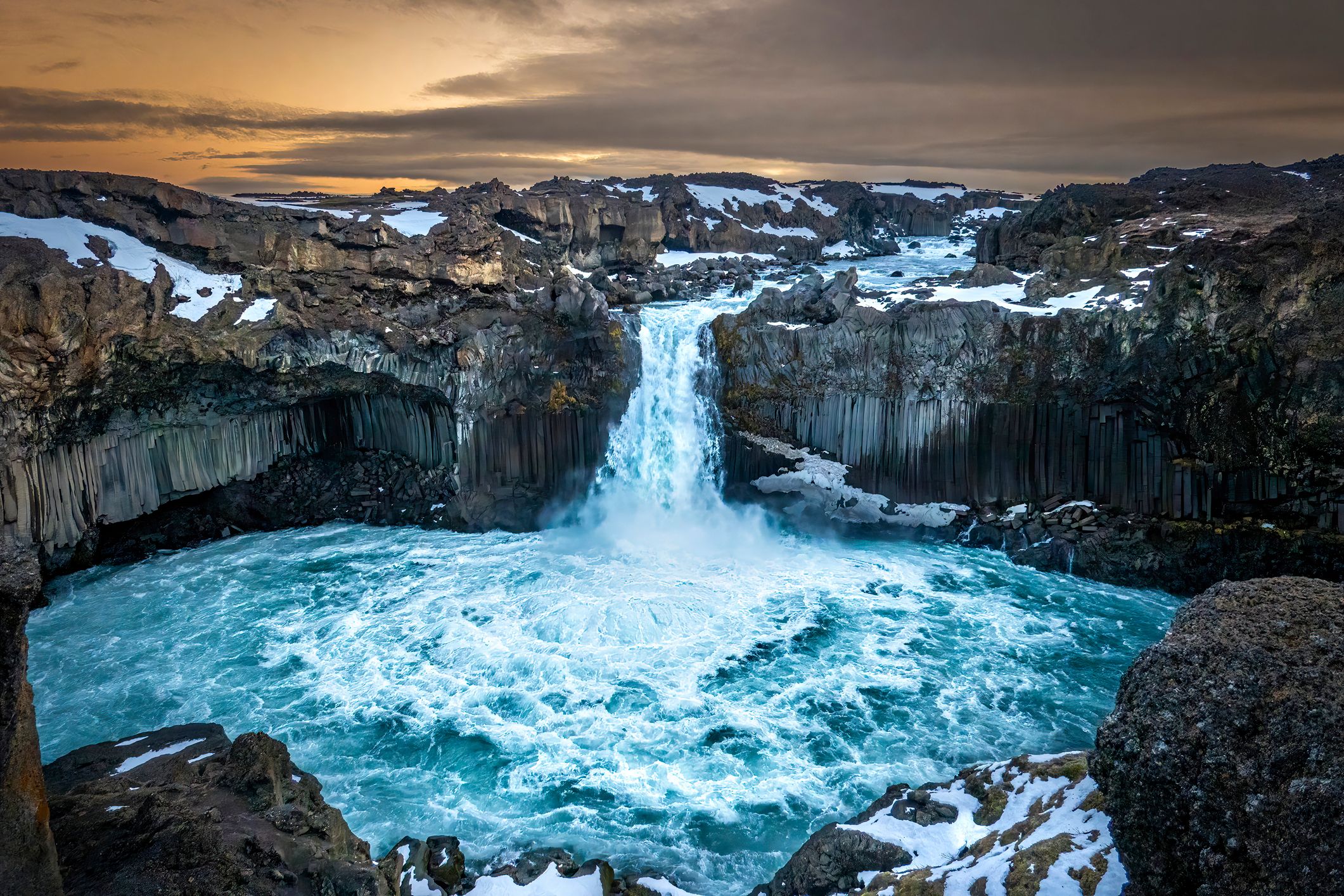
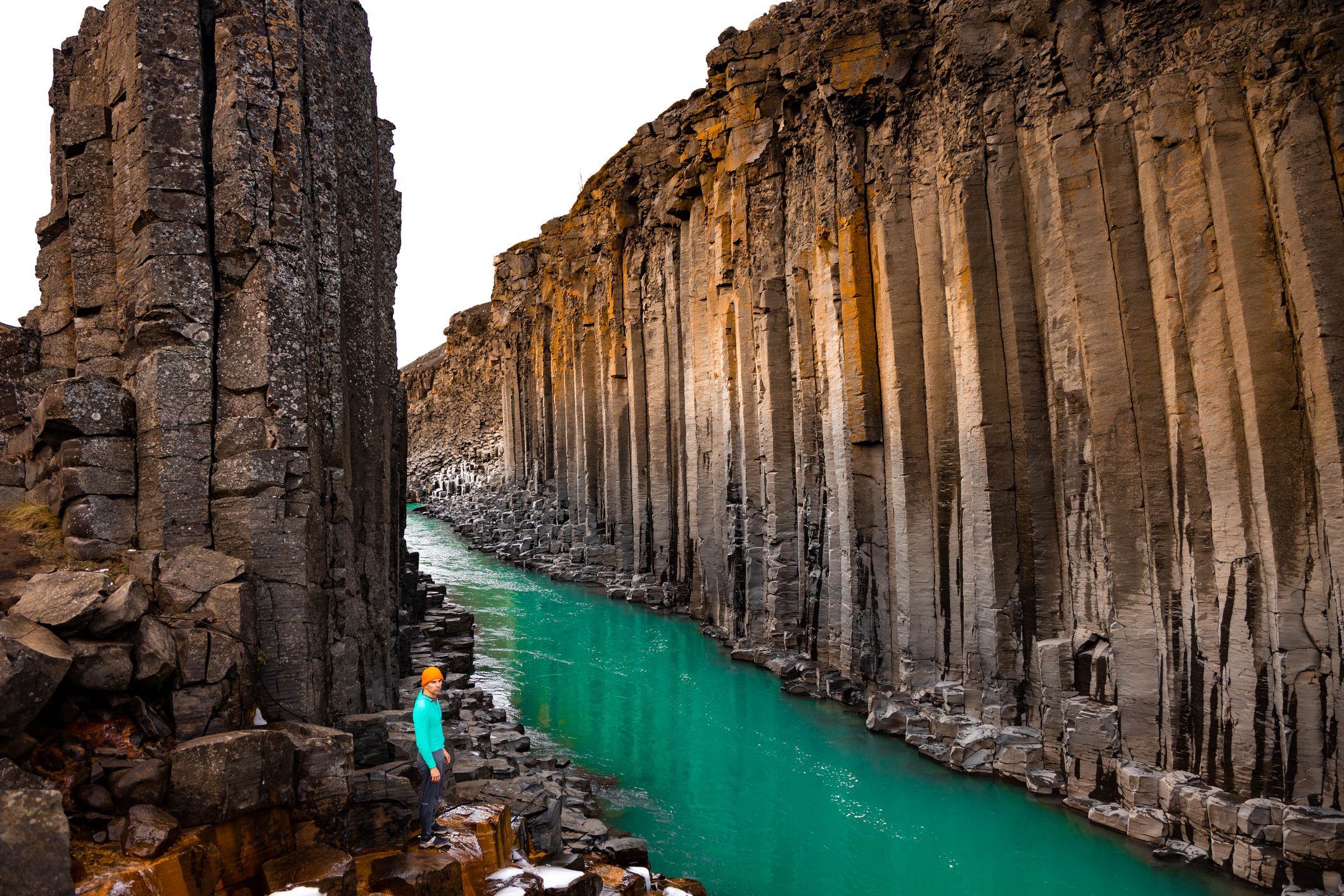
Iceland is, naturally, the overachiever in this category. The country is a dreamscape for geologists, shaped by fire and ice, with brand new basalt lava fields as part of the attraction. This is the sort of place where the geology is not merely background. It's the entire reason you visit. If your ship calls at Reykjavík, Ísafjörður or Akureyri, you are never very far from lava, volcanic fissures or landscapes that look as though they have only just cooled enough to permit coach parking.
Thingvellir is the crowd-pleasing geology stop because it lets you stand, rather dramatically, in the rift between the North American and Eurasian plates. Iceland also does basalt columns with unnerving competence, so if your interest lies less in plate tectonics and more in rock behaving with suspicious neatness, the country remains indecently well supplied.
Azores cruises for crater lakes and volcanic calderas
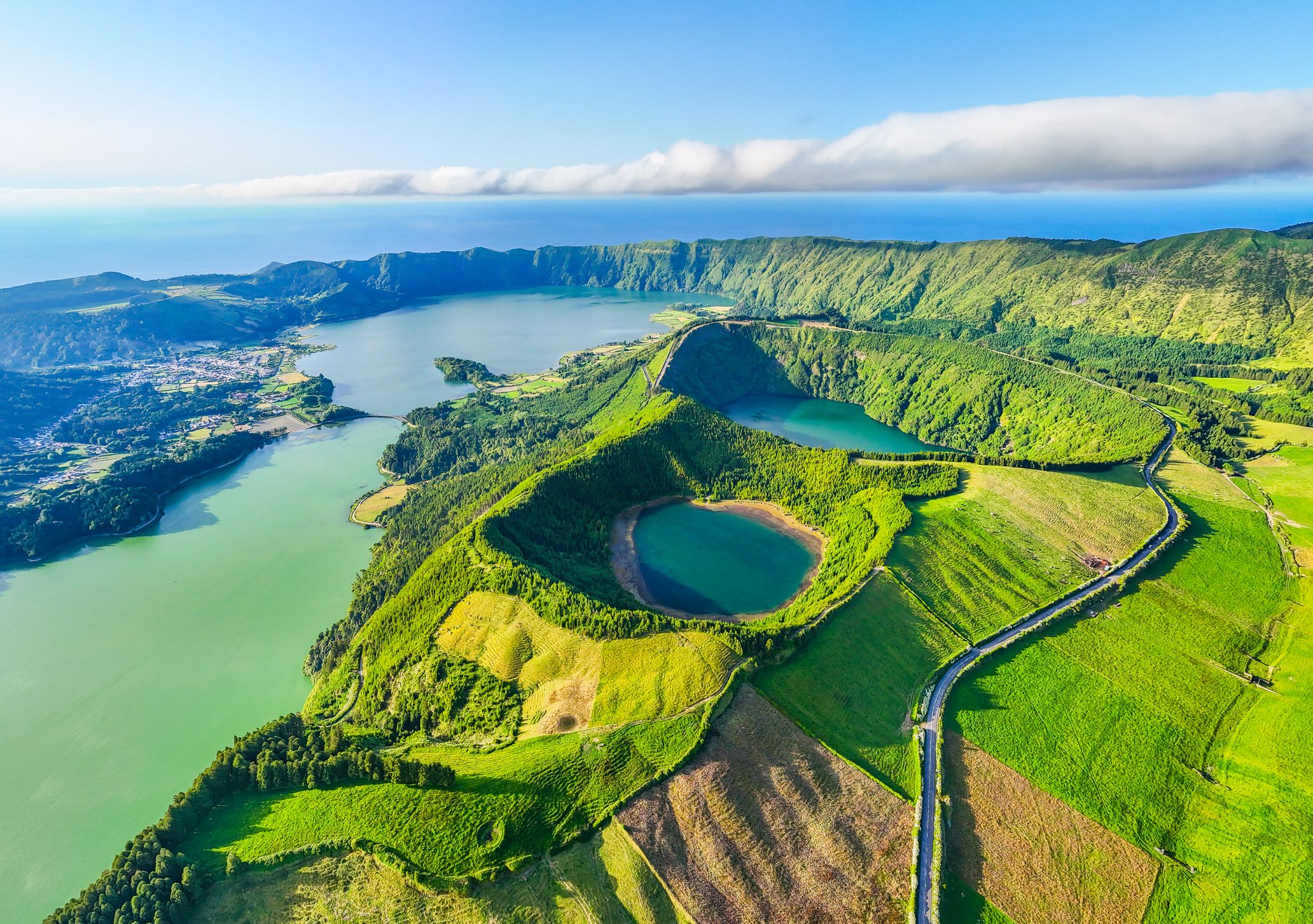
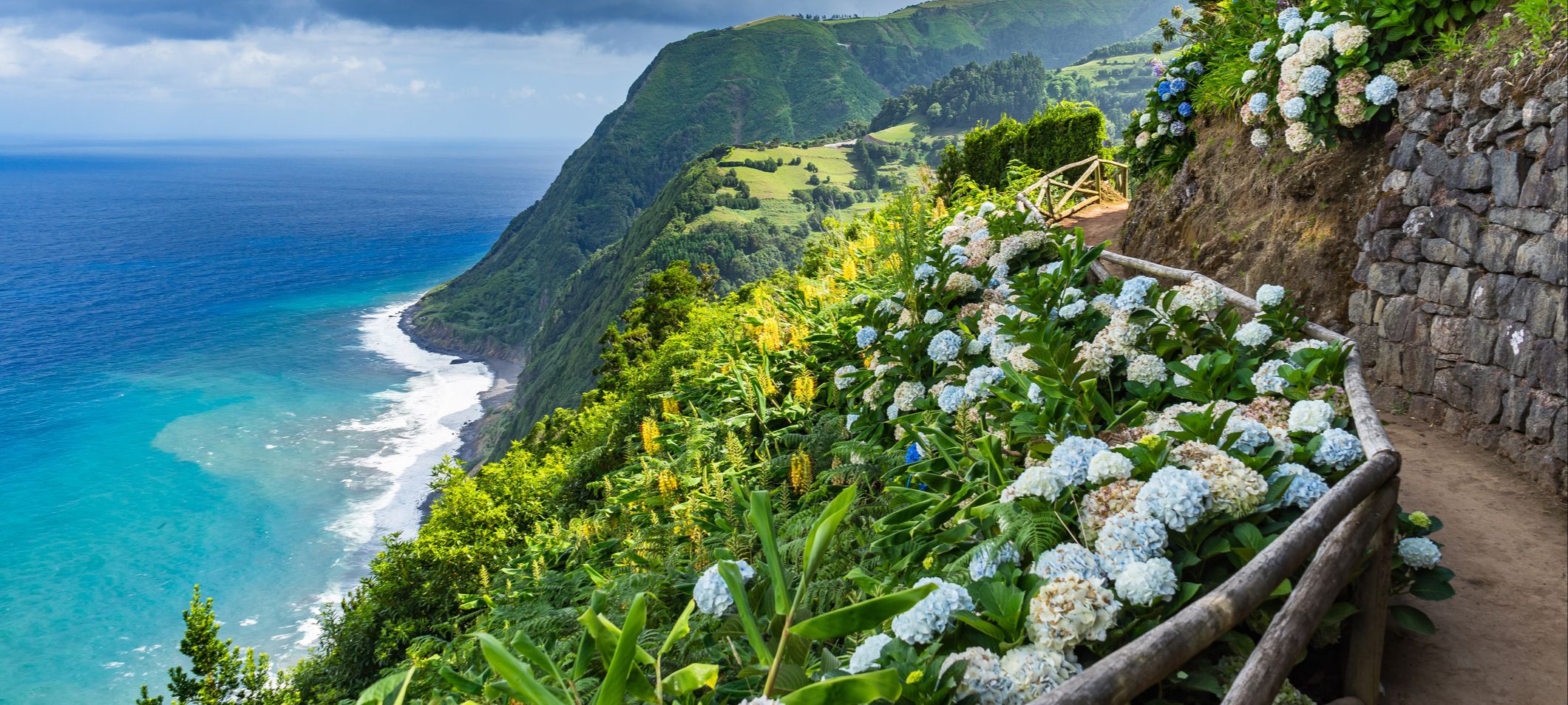
The Azores are the cruise for people who like their geology lush. These islands are volcanic, certainly, but they wear it in a greener, softer way than Iceland. São Miguel is a land of lakes nested in volcanic craters, with Sete Cidades and Lagoa do Fogo as the headline acts, while the official trails site on Faial explains that the island’s Caldeira is around two kilometres in diameter and was formed through several eruptions over roughly 400,000 years.
What works so well about the Azores from a ship is that the islands are spectacularly legible. You can look at the crater lakes, the calderas, the coastal caves and the sheer cliffs and actually see the volcanic logic of the place. Each island has its own physiography, from crater lakes and waterfalls to huge caverns and cliff-lined fajãs. It is one of the few places where “let’s just go and look at some landforms” feels like a complete and entirely respectable plan.
Canary Islands cruises for lava coasts and giant volcanoes
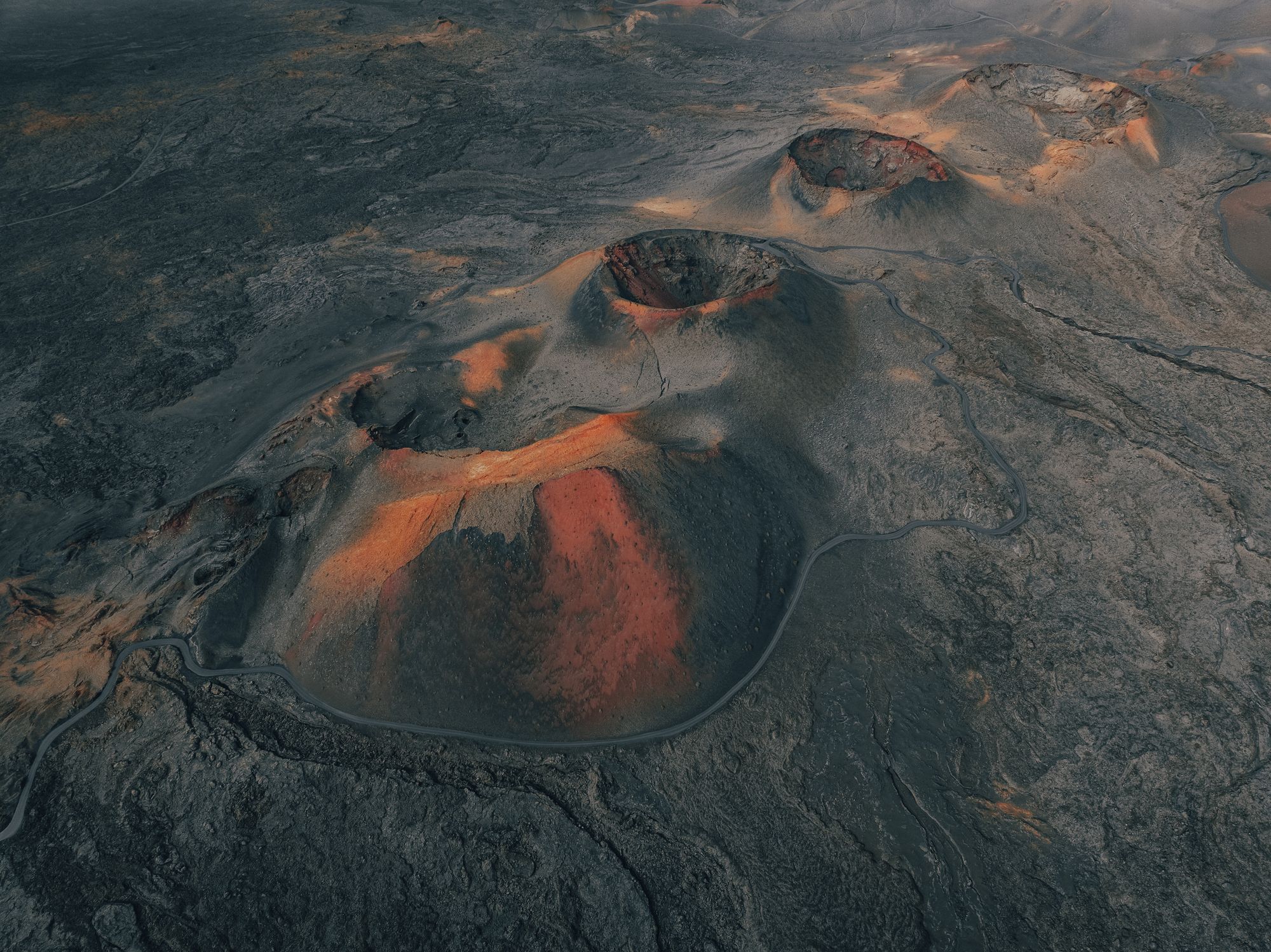
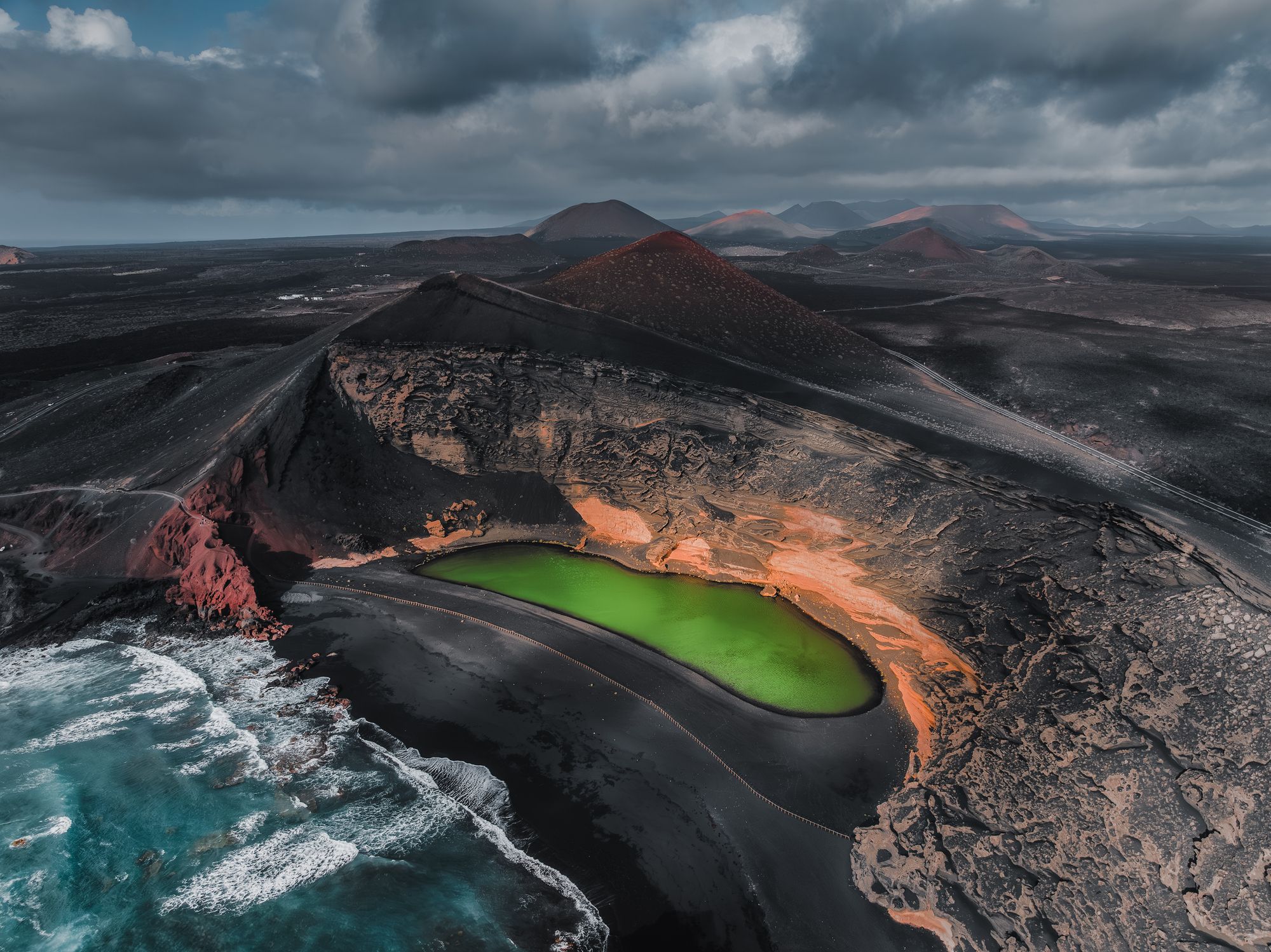
If the Azores are volcanic but verdant, the Canaries are volcanic with no interest in toning it down. Lanzarote’s Timanfaya National Park is described by the official Canary Islands tourism site as a landscape of volcanic cones, tongues of lava and almost extraterrestrial textures right next to the sea, created by the eruptions of 1730 to 1736 that changed the island forever. Spain’s tourism board goes even further and basically concedes that the place looks lunar. Which, in fairness, it does. If you like your geology dramatic, desolate and coloured in reds, oranges and browns, Lanzarote remains one of the great shore days.
Tenerife, meanwhile, offers Teide, and Teide is one of those mountains that seems faintly unreasonable until you remember you are in the Canaries and unreasonable is part of the package. UNESCO says Teide-Pico Viejo rises to 3,718 metres and is regarded as the world’s third-tallest volcanic structure from the ocean floor. Web Tenerife describes the national park as the best example of the Canary Islands’ high-mountain landscape. Which is a tactful understatement for a place that looks as though some giant child has been playing with cinders and scale models of Mars.
Malta and Gozo cruises for limestone cliffs
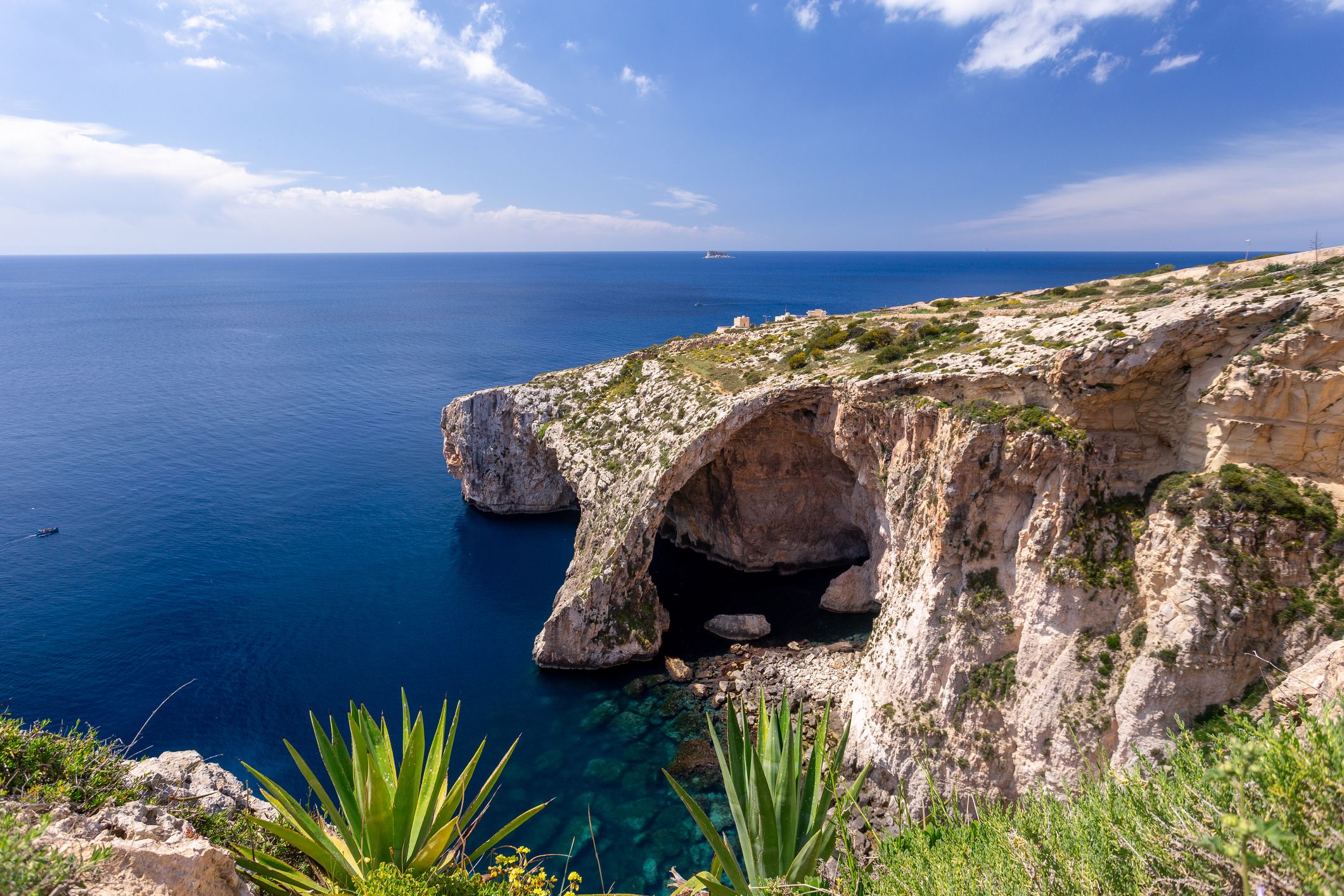
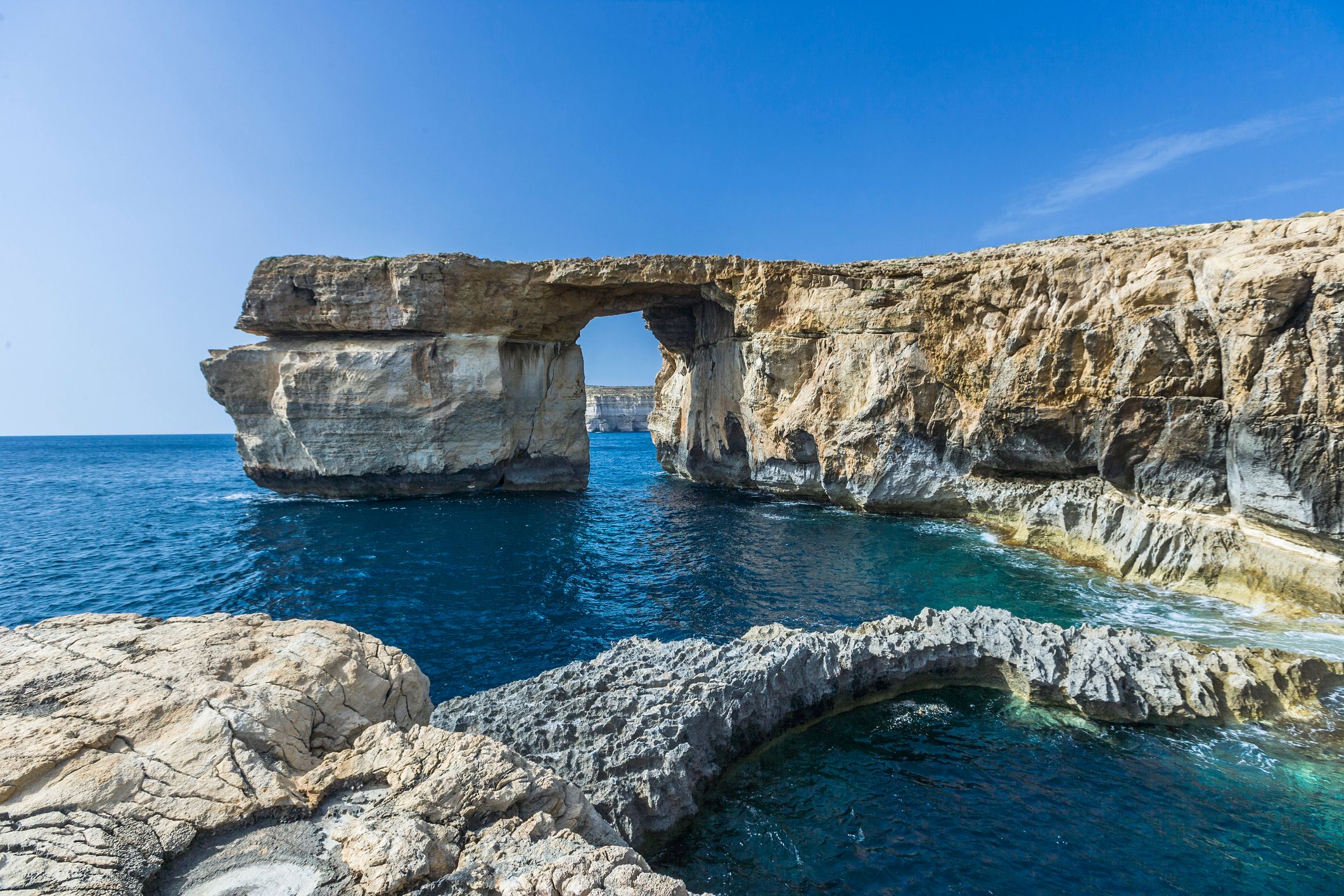
Not all geology has to be volcanic in order to make you stop mid-walk and say “good grief”. Malta is the route for people who enjoy limestone doing serious work. Malta’s Environment and Resources Authority explains that Lower Coralline Limestone, the oldest exposed rock in the islands, forms steep-sided cliffs along much of the western coast, while Visit Malta points out that Ta’ Ċenċ Cliffs in Gozo rise to around 150 metres. If your tastes run less to molten drama and more to pale, sculpted severity above very blue water, Malta and Gozo are extremely strong.
There is also something pleasingly instructive about Malta’s geology because it feels tied to almost everything else. The limestone is not just scenery. It is the islands’ building stone, their cliffs, their look, and much of their mood. That means a cruise call here can easily become a day of looking at rock in several different states: as coastline, as architecture and as the reason your photos keep coming out looking as though somebody adjusted the brightness. Geology, in Malta, is not a niche interest. It is practically the national wallpaper.
British Isles cruises for basalt columns at Giant’s Causeway
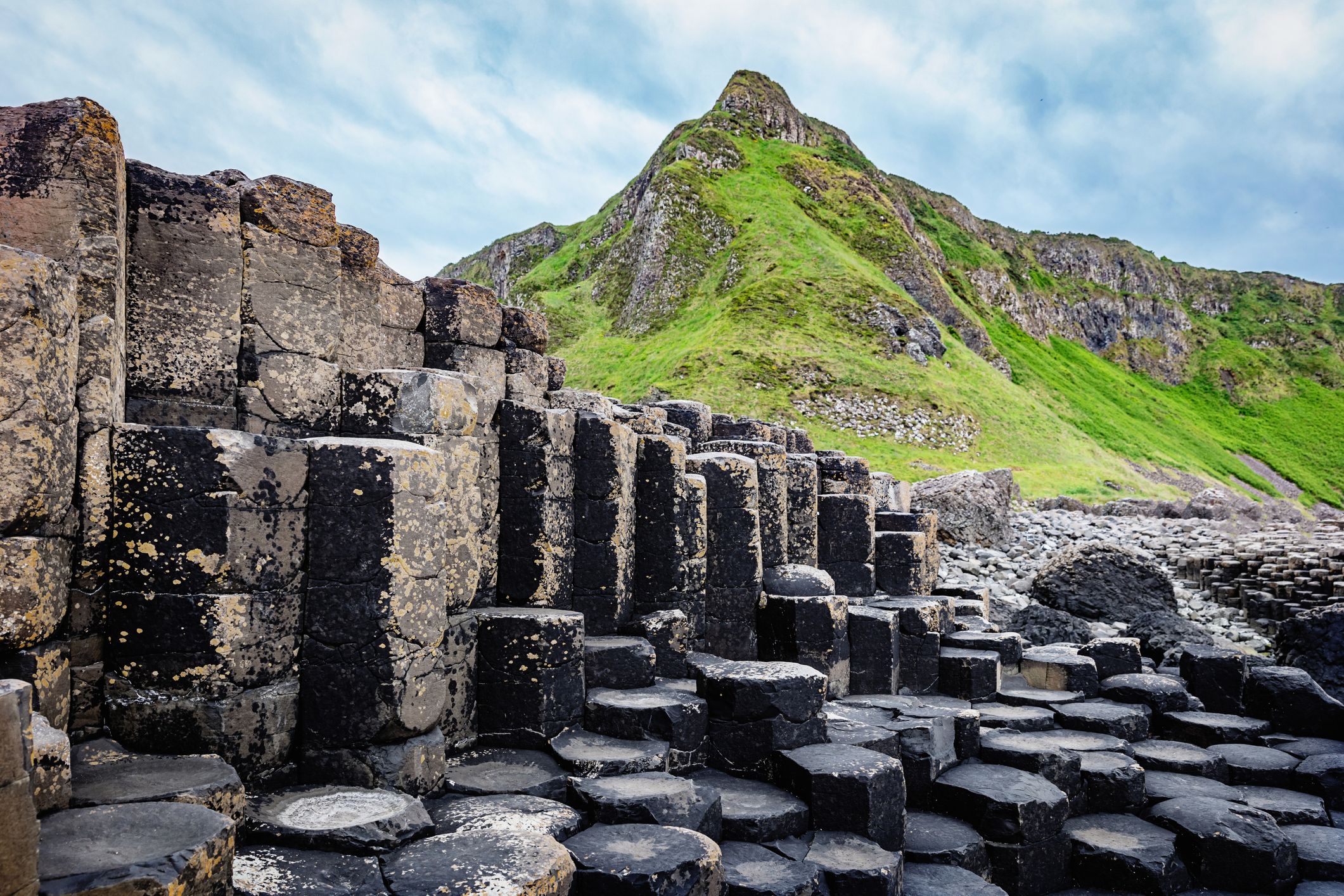
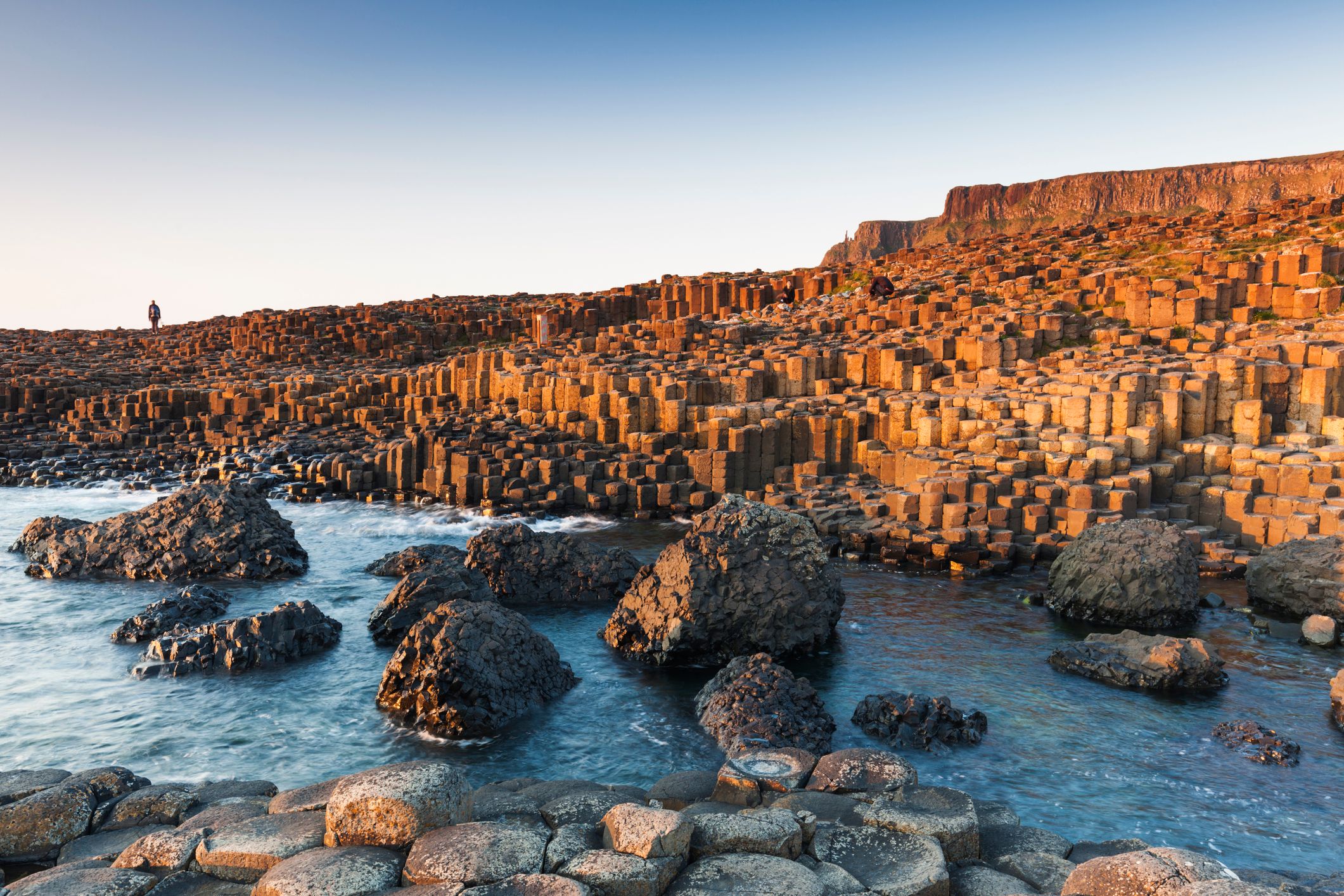
The Giant’s Causeway is the sort of geological site that can make even non-geology people briefly get the point. UNESCO describes it as a spectacular area of global geological importance with some 40,000 regularly shaped polygonal basalt columns forming a great stone pavement along the edge of the Antrim plateau. The National Trust, in its quieter way, simply invites you to experience the hexagonal columns yourself. Both are correct. It is absurdly good.
This is the bit where geology and myth also become very good company for one another. The basalt columns were formed by volcanic activity around 60 million years ago, but the legends about giants striding to Scotland remain stubbornly popular, and frankly they do the rocks no harm at all. From a cruise point of view, it is one of those shore days where the main event is not a city at all but a coastline, which feels right. Sometimes the best excursion is simply to go and look at something extraordinary that the Earth made once and never really bettered.
Aeolian Islands cruises for active volcanoes and textbook volcanology
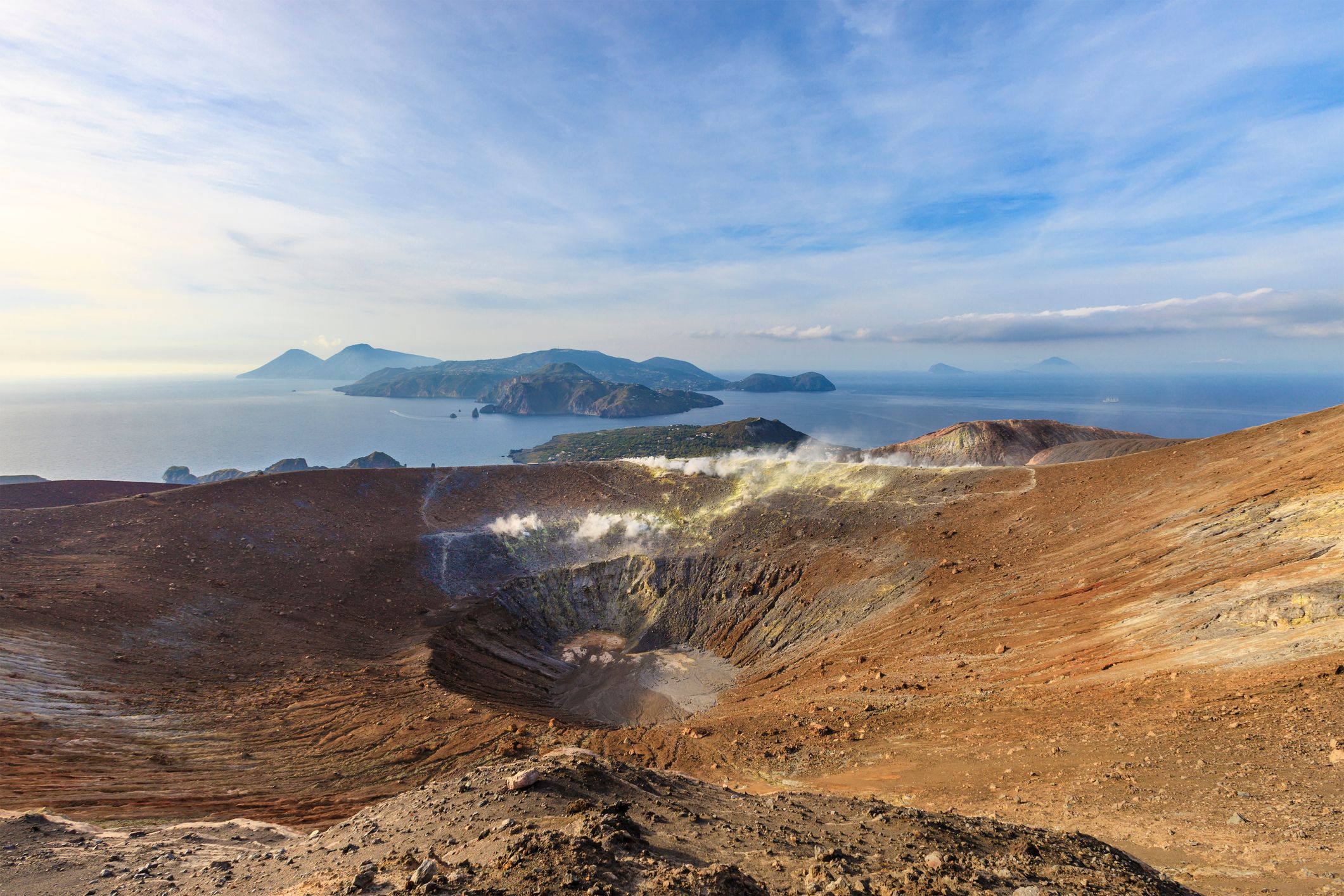
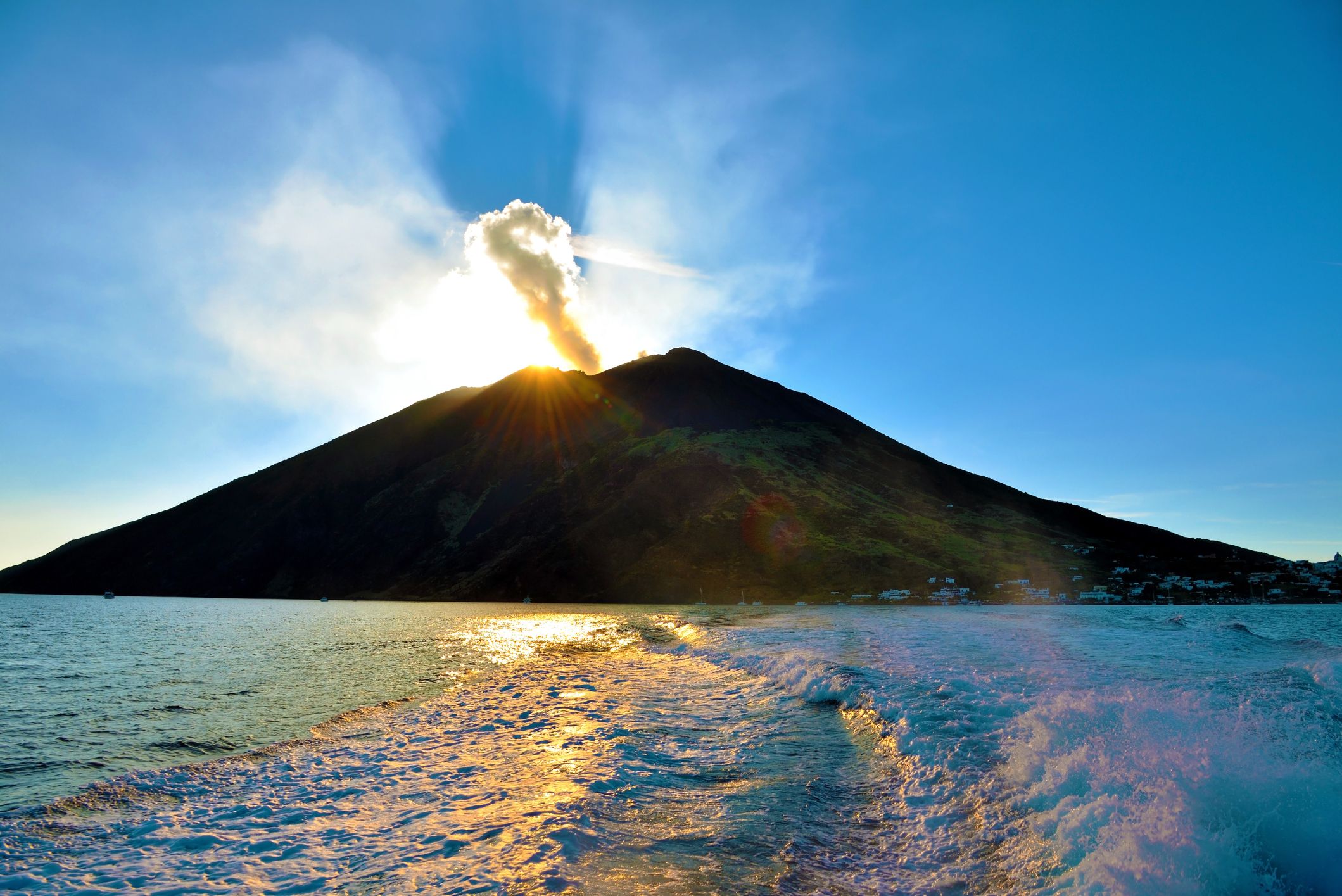
Then there are the Aeolian Islands, which are basically catnip for anyone who has ever read the word “vulcanology” and felt a little thrill. UNESCO’s listing could not be much clearer: the islands provide an outstanding record of volcanic island-building and destruction, as well as ongoing volcanic phenomena, and they have given science two eruption types, Strombolian and Vulcanian. It is not often that a holiday destination can say, with a straight face, that it has contributed directly to the vocabulary of geology. The Aeolians can.
The practical joy of seeing them by ship is that volcanoes look better from the sea. Stromboli, especially, has the decency to behave like a volcano should in the public imagination: steep, isolated and visibly active enough to keep the whole island feeling slightly on edge. UNESCO’s documentation notes that Stromboli and Vulcano are the two islands marked by considerable volcanic activity, which is a magnificently restrained way of describing places that have spent centuries reminding people who is in charge. From the water, it all becomes clearer. The archipelago is not just beautiful. It is explanatory.
Why geology makes such a good reason to cruise
The nicest thing about geology-led cruising is that it rescues you from the pressure to perform culture in a respectable way. You do not have to pretend you have understood a city completely in five hours. You can simply go and admire the evidence of lava, uplift, collapse, erosion, sediment and time. There is something wonderfully freeing in that. Rocks are patient. They do not need your itinerary to be efficient.
And they are often better from a ship than almost anything else. A lava coast wants to be approached from the sea. Basalt columns want a bit of weather. Limestone cliffs want distance. Volcanoes, especially, prefer an audience that arrives by water looking faintly respectful. If that all sounds a little overblown, fine. But I would still maintain that some of the best cruises are the ones where the rocks are doing most of the storytelling and the humans are just trying not to trip over while taking it in.