Cruising is surprisingly good for accidental hikers, because some routes are full of ports that make walking feel both irresistible and inevitable. These aren't “active holidays” in the organised sense. They're the kind of trips where one viewpoint leads to another, old towns spill into promenades and where coastal paths begin far too close to the gangway for your own good. The best of these routes currently show up on major line programmes through Norway, Iceland, the Adriatic, the Canaries and Madeira, and northern Spain, which is great if you like your holidays to come with scenery and mild overexertion.
Norwegian fjords cruises for people who can’t leave a viewpoint alone
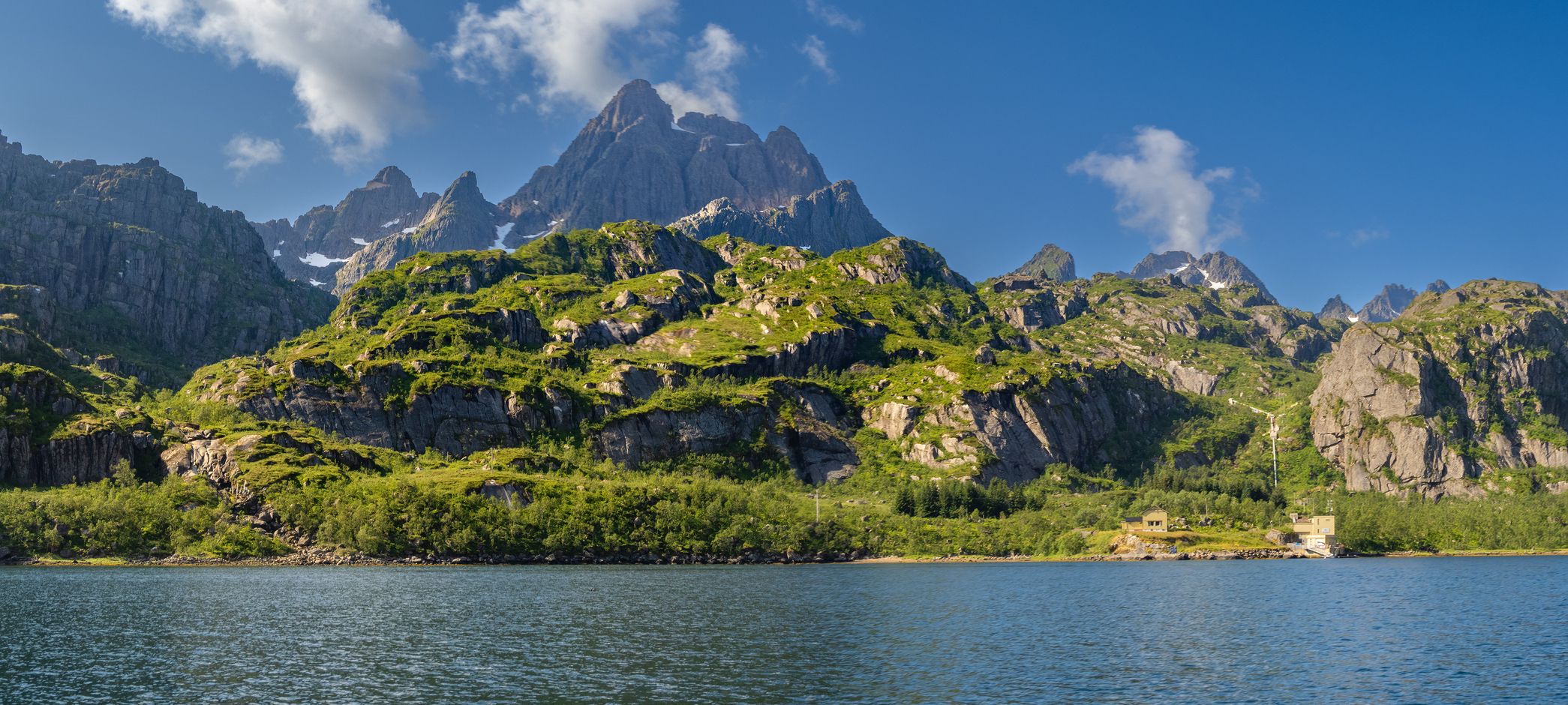
If you are the sort of person who turns every lookout into the start of a longer walk, Norway is not going to help you get your habit in check. Bergen alone sets a dangerous tone. Fløibanen gets you from the city centre to Mount Fløyen in six minutes, after which the mountain politely offers a whole network of walks, from accessible circuits to much longer rambles such as the Vidden hike towards Ulriken, which visitBergen says takes about five hours. This is exactly the sort of place where a “quick look at the view” becomes half the day and nobody is especially sorry about it.
Further into the fjords, Geiranger keeps the standard unnecessarily high. Visit Norway’s Waterfall Walk runs directly from the centre of Geiranger, climbing 327 steps beside the Storfossen waterfall, while local fjord tourism also points walkers towards the trail behind Storseterfossen, where you can literally walk behind the falling water.
Madeira and Canary Islands cruises for levadas and volcanic paths
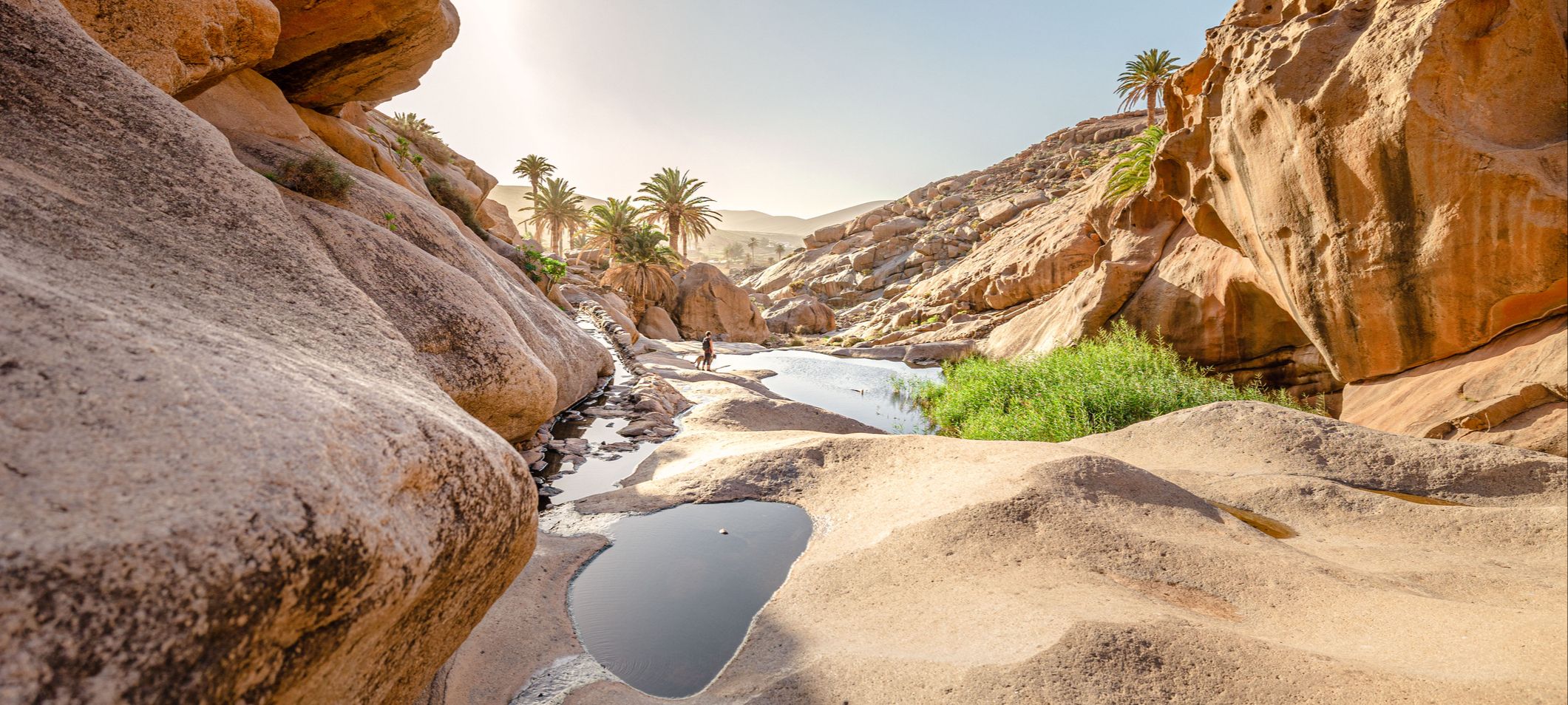
The Atlantic-islands route is ideal for walkers because it encourages a particular kind of overconfidence. The weather is kind, the scenery is ridiculous and everything sounds pleasantly manageable until you realise the island is all gradients, ravines and “easy” paths that end in a life-affirming appetite. Madeira is the clearest example. Visit Madeira says the Balcões viewpoint is reached by a short 1.5km trail beginning at Ribeiro Frio and running along the levada through Laurissilva forest.
The Canary Islands add a slightly more volcanic flavour to the same mistake. Tenerife’s Anaga Rural Park, according to the official island guide, is a world of sharp mountains, deep ravines and black-sand coves, all less than an hour from Santa Cruz and threaded with trails. La Palma, meanwhile, has an official trail network of more than 1,000 kilometres, and its Ruta de los Volcanes passes ancient volcanic remains and cones formed by historic eruptions.
Adriatic cruises for city walls, fortress steps and one more hill
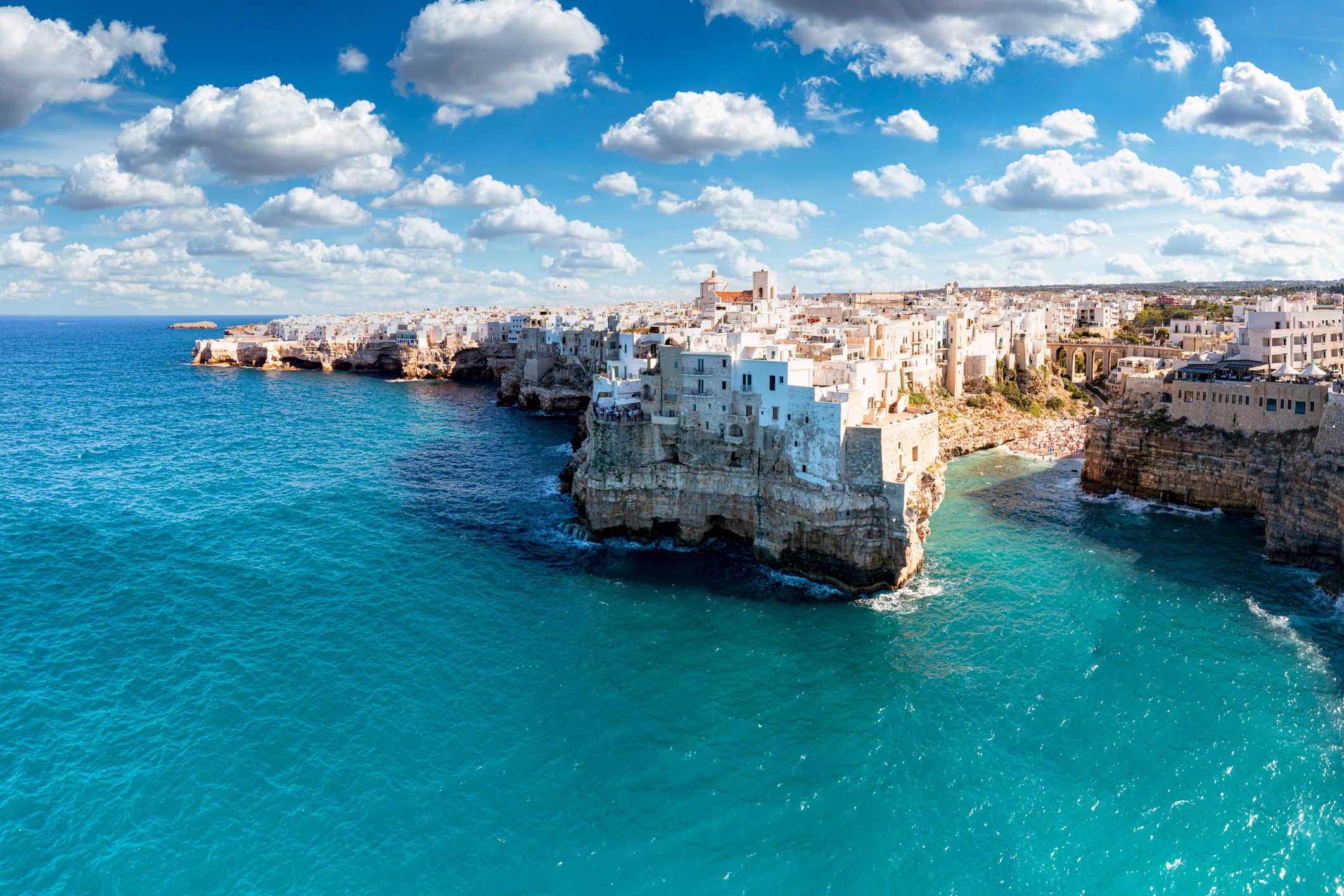
The Adriatic is what happens when excellent old towns start competing with their own topography. Kotor is the most obvious offender. Montenegro’s official tourism site says the city walls climb St John’s Hill and involve 1,350 steps, all in exchange for magnificent views over the bay.
Dubrovnik and Split continue the pattern in slightly different moods. Dubrovnik’s official walls site puts the circuit at 1,940 metres, shaped in its current form from the 13th century onwards, which means a port call can very easily become a heaty, stair-filled defence of your own poor choices. Split offers a more forgiving but equally tempting version. Visit Split says Marjan rises directly from the Riva and gives visitors natural pathways, trim trails and lookout points over the city and islands.
Iceland cruises for people who prefer their walks with waterfalls
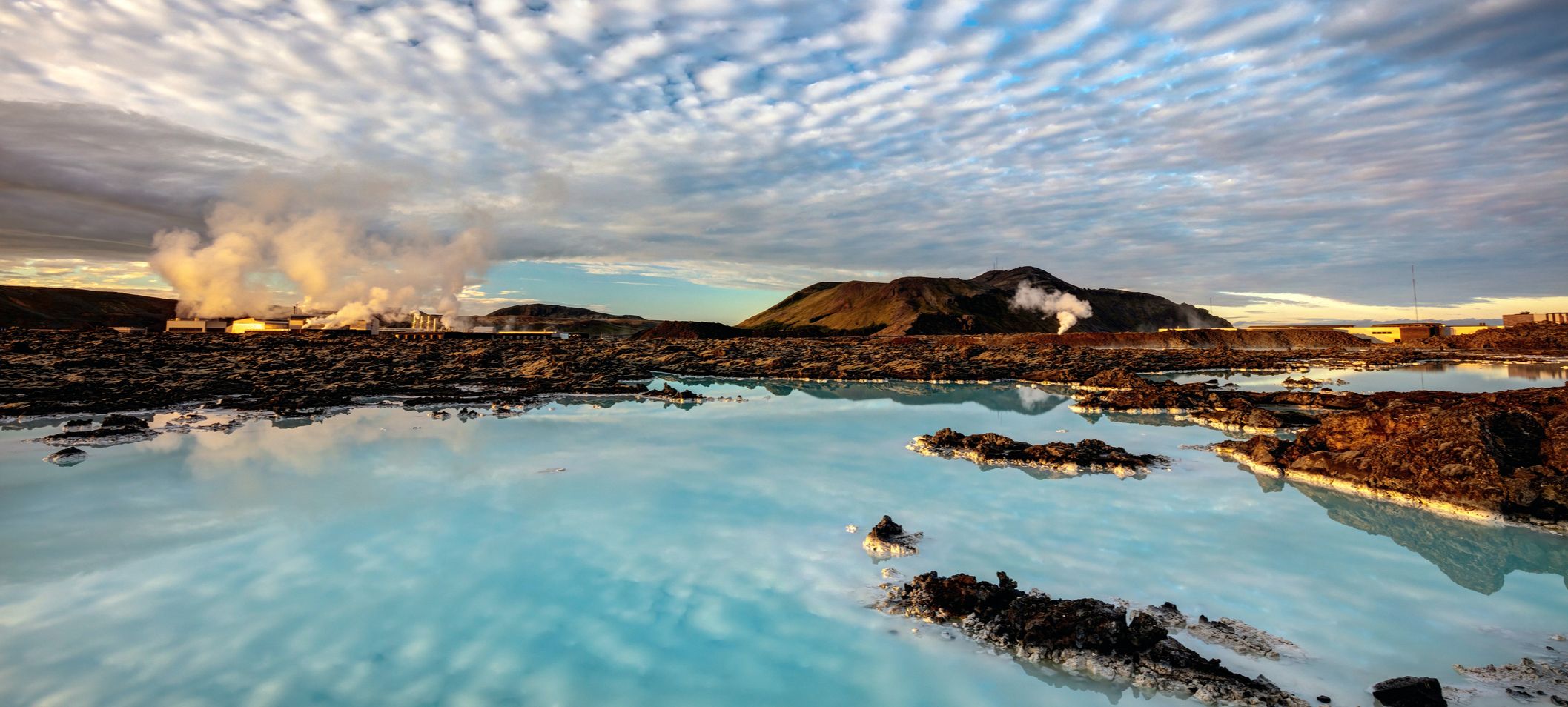
Icelandic cruise itineraries tend to attract people who already suspect they may end up outdoors for longer than originally intended. Quite right too. MSC’s current Iceland destination pages still spotlight Reykjavík, Akureyri, Ísafjörður and Seyðisfjörður, and those ports are all excellent for people whose walking plans are shaped less by discipline than by curiosity. Seyðisfjörður is especially dangerous in this respect. East Iceland’s official site describes it as a town of singing waterfalls, creativity and delightful hiking trails, which is basically catnip for anyone who cannot see a valley path without wandering into it.
Akureyri and Ísafjörður are just as capable of ruining a neat timetable. Visit Akureyri highlights a 9km paved path towards Hrafnagil that can be shortened if you have a rare fit of restraint, while Visit Westfjords points out that even a simple stroll around old Ísafjörður can slide into a larger network of walking paths in and around town.
Northern Spain cruises for promenades, funiculars and serious urban mileage
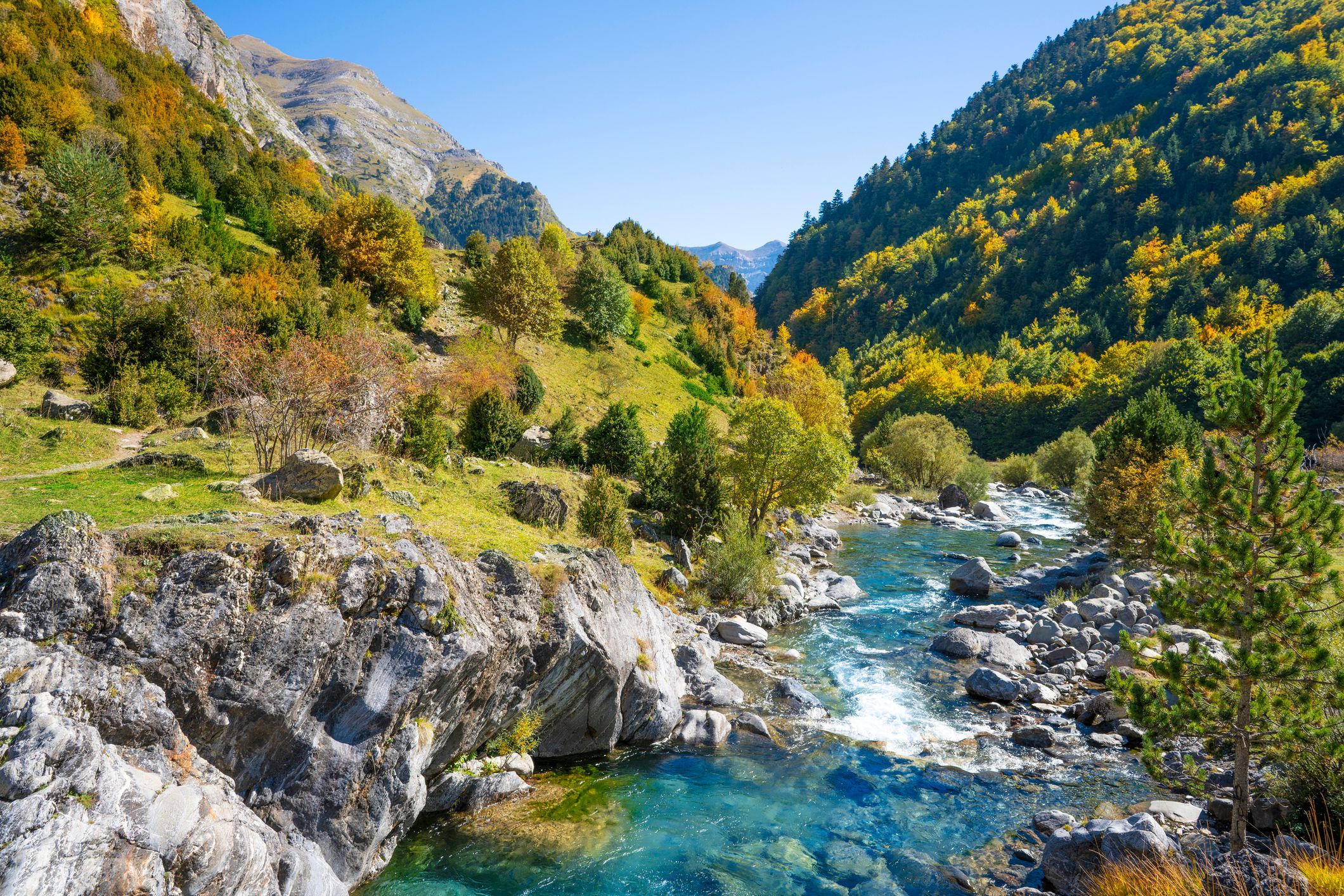
Northern Spain is the sleeper hit for this whole category because it does not sell itself as a walking route in the dramatic way Norway or Iceland does. It just quietly leaves city after city lying around, all of them suspiciously good for long urban rambles that become coastal rambles that somehow become hill rambles. Fred. Olsen’s current northern Spain cruises still group ports such as Santander, Bilbao, Gijón and A Coruña into one week, which is exactly the right format for people who like ending every day feeling pleasantly but unmistakably overused.
A Coruña is the clearest case. Spain’s tourism site says the city has the longest seaside promenade in Europe at 13 kilometres, starting from the port and running past the Tower of Hercules, beaches and sea views that make “just a short loop” impossible to say with a straight face. Bilbao adds the Artxanda funicular, which Bilbao Turismo says is a ten-minute walk from City Hall and reaches the summit in barely three minutes, after which there are relaxing walks and views over the city. Santander, meanwhile, keeps things elegant rather than strenuous, with the official tourism site recommending a Magdalena Peninsula walk beginning on Avenida Reina Victoria.
How to choose a cruise route if you always walk more than planned
The trick is not to book the most overtly “active” itinerary. Those can be a bit earnest. Better to look for routes where the geography itself encourages walking: ports close to the centre, hills with obvious access, island trails that start near the road, harbour promenades that keep extending, and old towns that spill naturally into coastal paths or viewpoints.
That is why the best cruise routes for habitual over-walkers are not really about fitness at all. They are about seduction. Norway seduces with mountains and waterfalls. Madeira and the Canaries do it with levadas and volcanic tracks. The Adriatic uses stairs and fortresses. Iceland deploys fjords and waterfalls with almost unfair confidence. Northern Spain simply lets the city keep going until the sea takes over. If you are the sort of person who always means to have a light stroll and never does, those are the routes worth booking. Just pack shoes with a decent arch support.