For years the Camino de Santiago has been sold as a romantic blur of early starts, blisters, communal dinners and profound self discovery somewhere around kilometre 600. Lovely in theory, less appealing if your knees, diary or appetite for bunk beds say otherwise.
If you like the idea of tracing the pilgrim routes to Santiago de Compostela, but are more “glass of wine on deck” than “35km before lunch”, there is another option. You can, within reason, do a version of the Camino by ship.
This is what that itinerary really looks like.
Is a Camino-by-cruise actually a thing?
Yes, but not in the sense of your captain affixing a scallop shell to the bow and pottering up a medieval footpath.
What cruise lines can do is follow the Atlantic and Cantabrian coasts, then run excursions that tap into the main pilgrimage routes. Think of it as an edited Camino; you sleep afloat, you travel between key regions by ship, and on certain days you go ashore to walk short stretches and visit Santiago itself.
Several mainstream and smaller cultural lines periodically schedule itineraries along the north-western corner of Spain and Portugal. The key is not the brand so much as the words in the brochure. You are looking for phrases like “gateway to Santiago de Compostela”, “Camino-themed shore excursion” or, more bluntly, “day trip to Santiago from A Coruña or Vigo”.
So yes, it is feasible. No, you will not earn pilgrim bragging rights in the albergue (hostel) that way, but you will see more of the coast and considerably less of your own socks.
How it works in practice
From a cruise point of view there are two important facts about the Camino.
First, “the Camino” is not one route but many. Second, Santiago de Compostela is inland. Ships cannot pull up next to the cathedral, however much the marketing might imply otherwise.
Most Camino-related cruises orbit three routes:
- The Camino Francés, the classic overland trail that finishes in Santiago and passes through Galicia’s interior.
- The Camino Inglés, historically used by British and northern European pilgrims, with coastal starting points like A Coruña and Ferrol.
- The Camino Portugués, running up from Lisbon and Porto, with a coastal variant that hugs the shore.
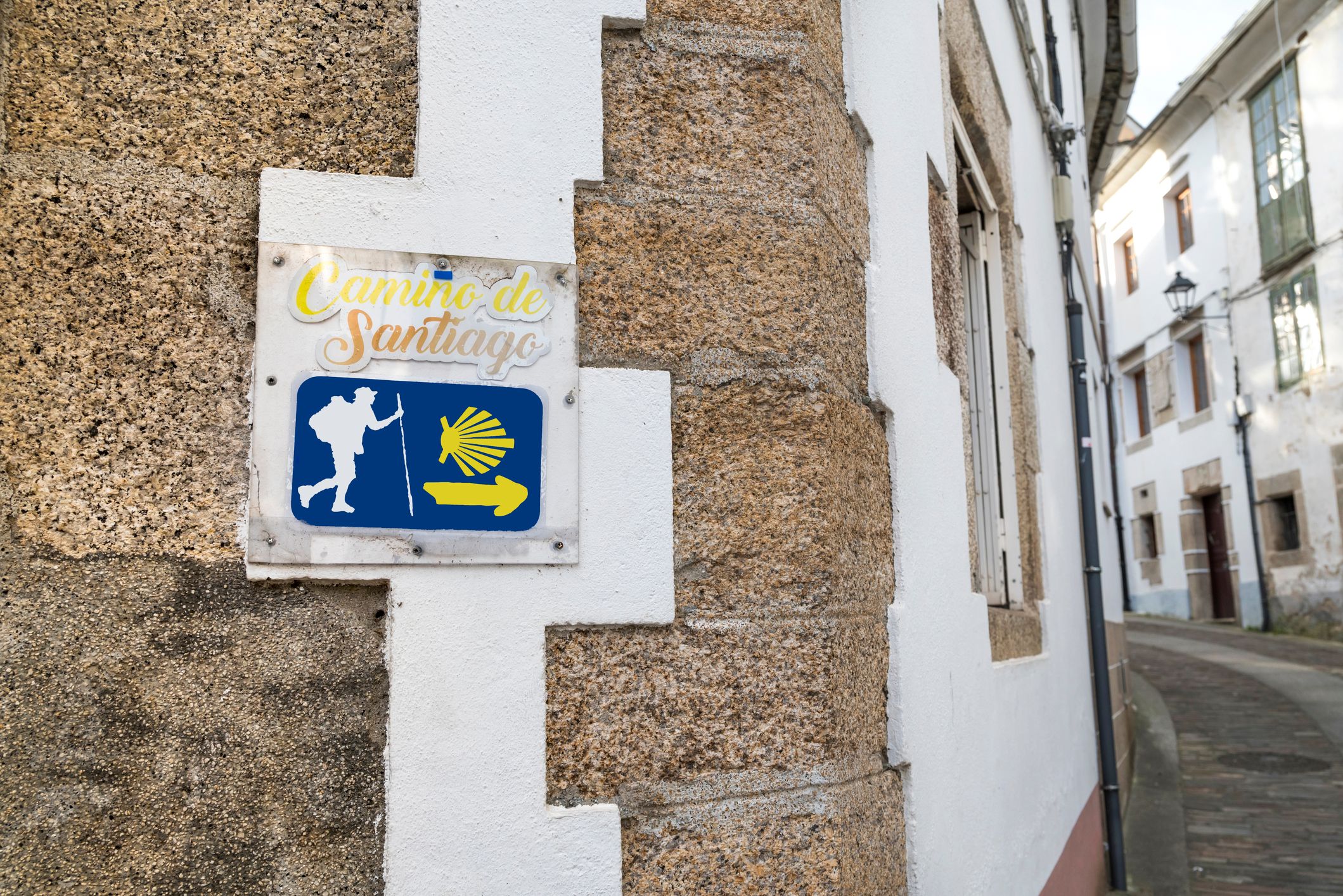
A typical ship-based day goes something like this. You dock at A Coruña, Vigo or occasionally Ferrol. Those signed up to the “Santiago and the Camino” excursion board a coach for roughly an hour and a half through green, gently hilly countryside. Somewhere outside the city you stop and walk a short stretch of waymarked path, complete with yellow arrows and the familiar scallop-shell markers. It might be twenty minutes, it might be an hour, but it gives you enough of the rhythm and scenery to understand what people put themselves through for weeks.
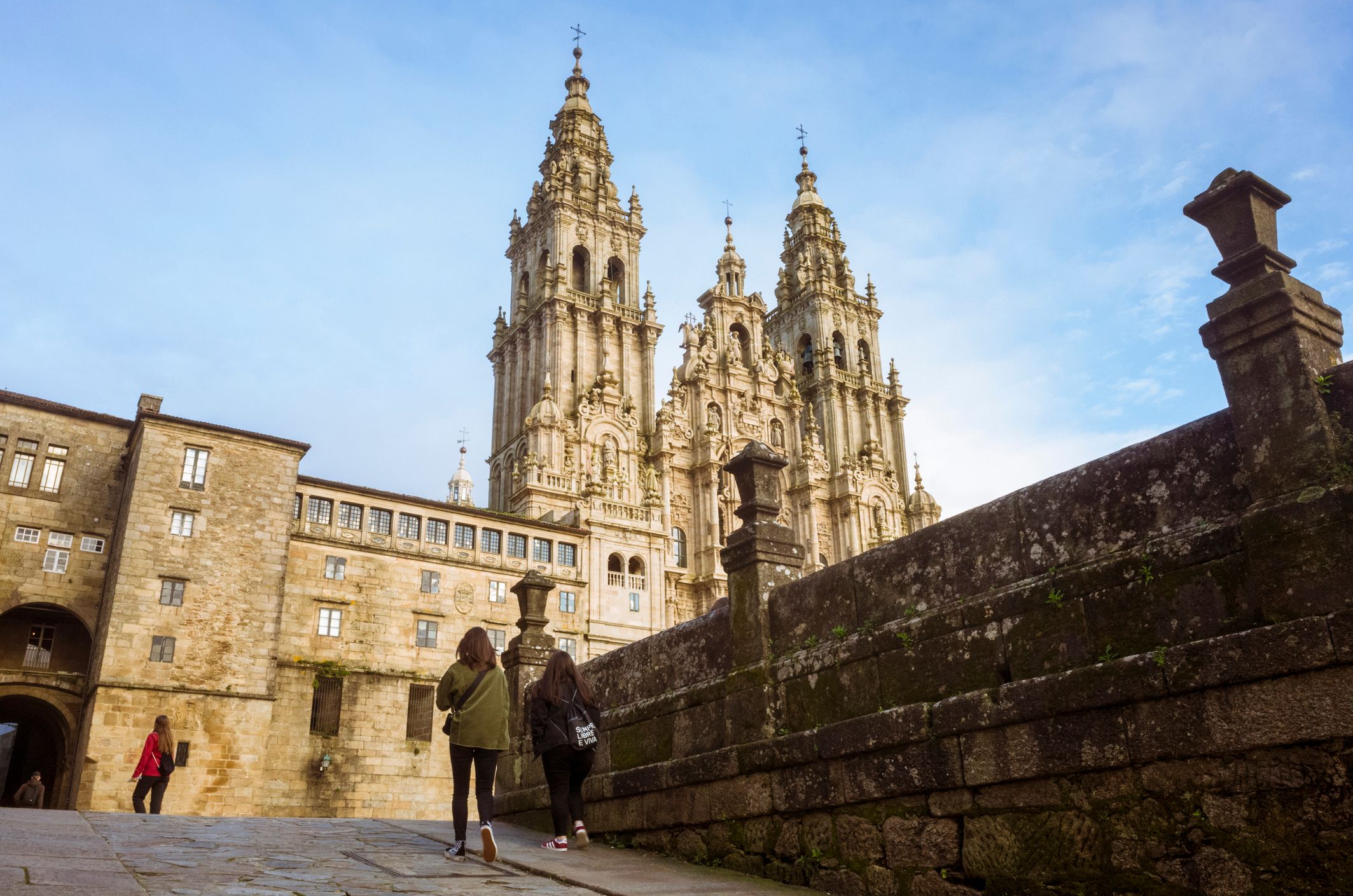
From there you continue into Santiago itself, where most tours include the cathedral, the Praza do Obradoiro, time in the medieval streets and perhaps the Pilgrims’ Mass if timings line up. There is usually a bit of free time to find lunch, buy a shell you did not strictly earn and watch actual walkers limping in with an expression somewhere between joy and mild disbelief.
Then it is back on the coach and down to the ship, which will be entirely unbothered by all this and preparing to sail quietly on to the next port.
The ports that matter
If you are serious about the lazy Camino idea, it is worth understanding the geography so the brochure makes more sense.
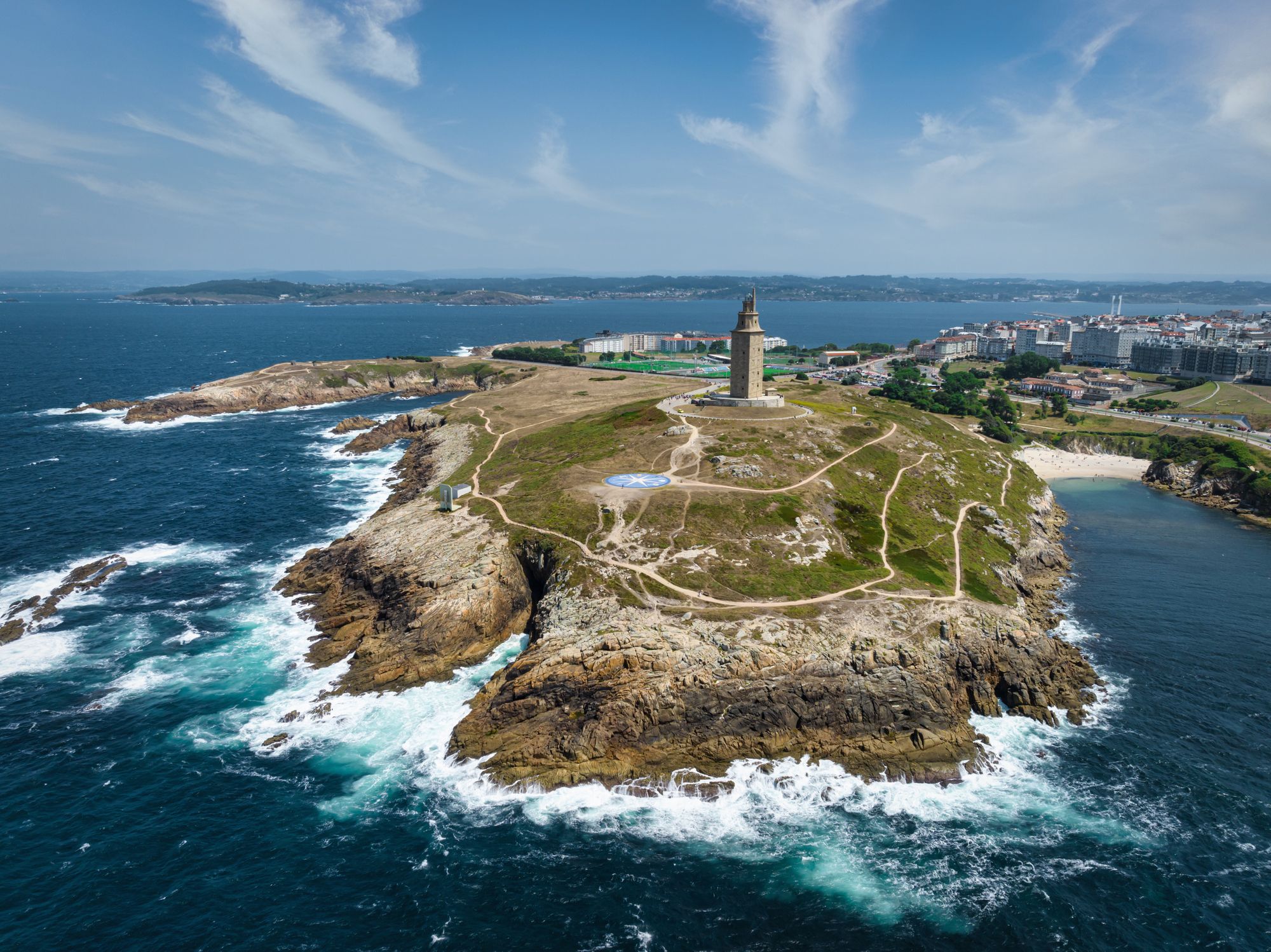
A Coruña is one of the principal gateways. It curves around a bay with a historic lighthouse, the Tower of Hercules, on its headland. From here, Santiago is about 75 kilometres away by road. Most lines sell it as the obvious pilgrimage excursion and, to be fair, they are right. You can, however, stay in A Coruña itself and walk a short section of the Camino Inglés from the harbour if you want something quieter.
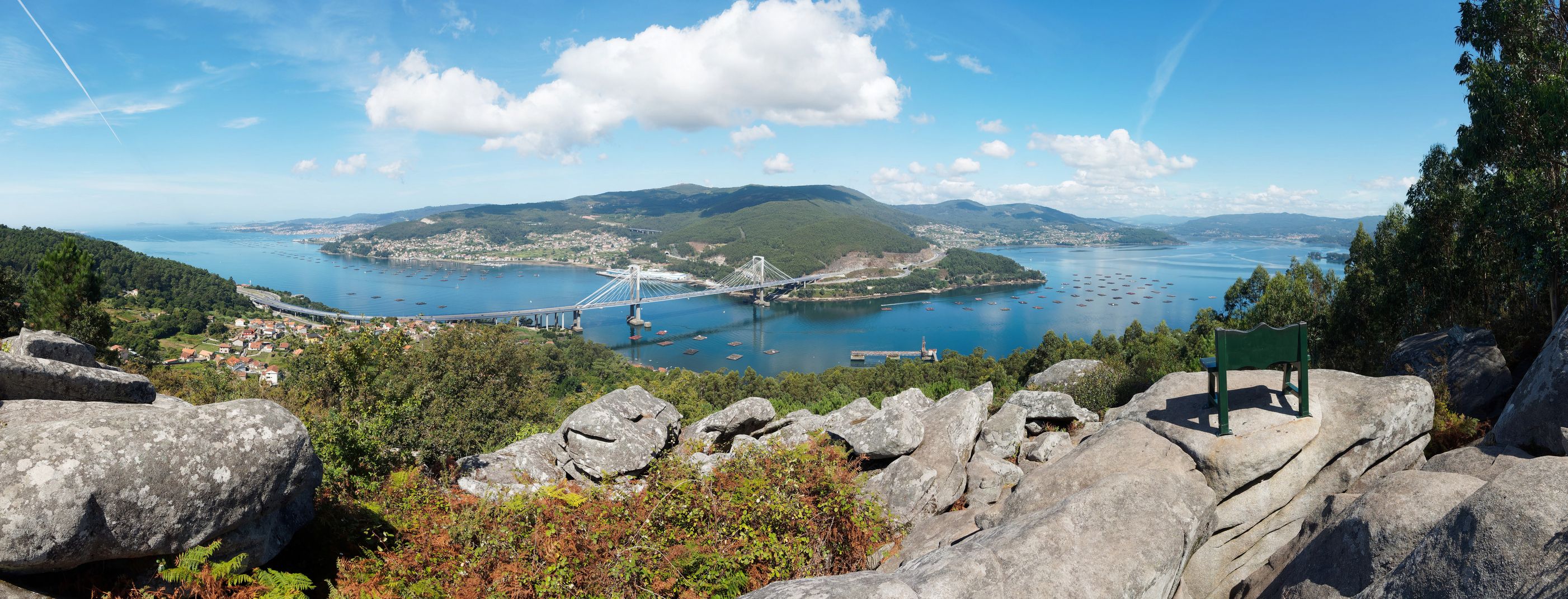
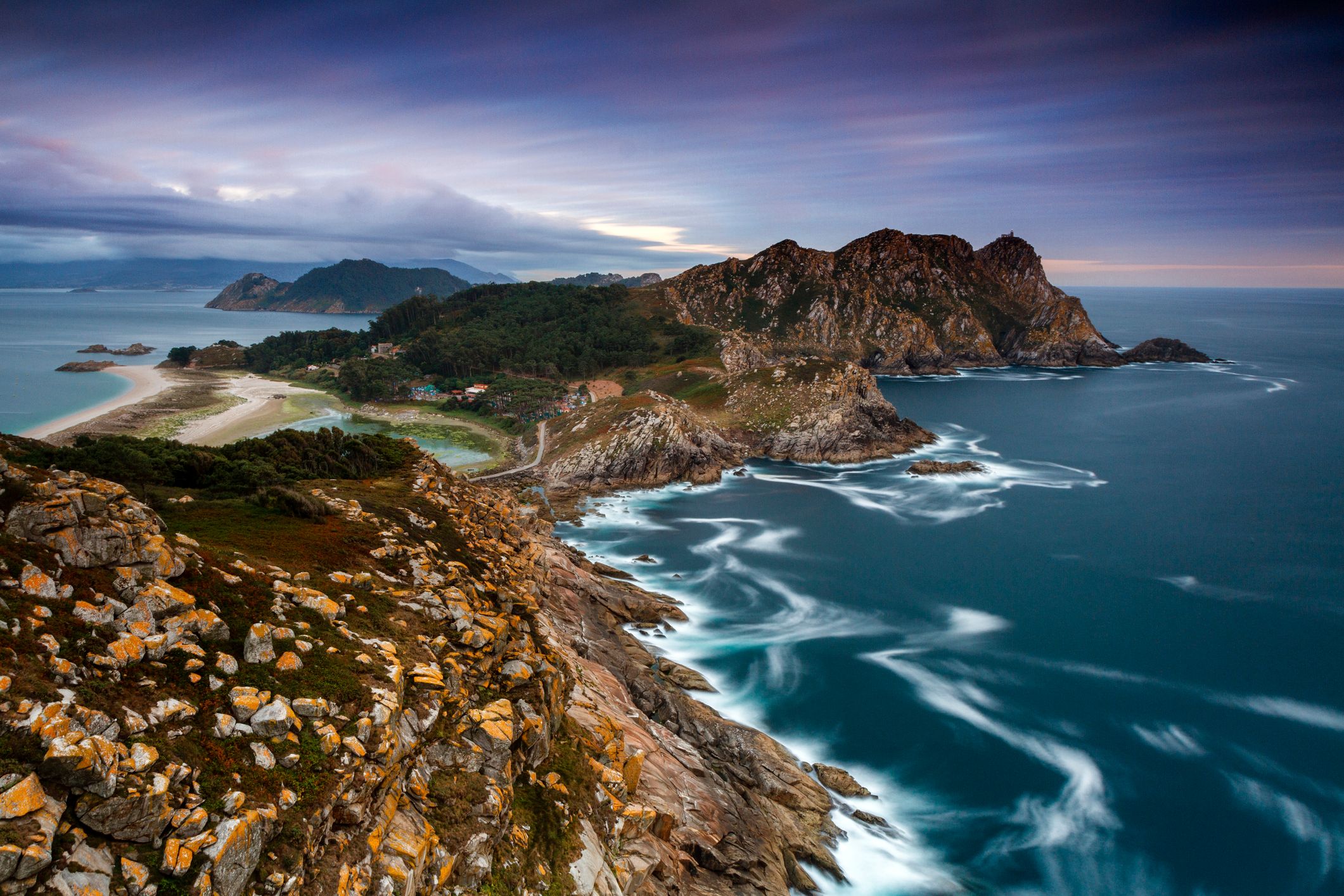
Vigo is the other common launch point. It sits further south in the Rías Baixas, a region of fjord-like inlets known for seafood and Albariño wine. Santiago is slightly further inland from here, and the drive feels different; less Atlantic fringe, more rolling countryside. Vigo-based excursions sometimes weave in coastal sections of the Portuguese Camino too, which gives you a sense of how many threads feed into the cathedral doors.
Ferrol appears less often on itineraries but has particular appeal if you are interested in the English Route, since this is one of its traditional starting points. A small ship calling here with a well designed excursion can give you a day that feels closer to the spirit of the Camino than the big coach convoys.
Throw in cities like Porto, Lisbon and Bilbao, which some itineraries use to frame the trip, and you have something that looks like a maritime version of the pilgrimage network rather than a straight line march.
Which cruise itineraries to look for
Because I cannot dive into every booking engine on your behalf, it is safer to think in patterns rather than fixating on specific departure codes.
You are looking for:
- Atlantic or “Iberian coast” itineraries that mention Galicia, often in combination with northern Portugal and sometimes Brittany.
- Phrases like “Northern Spain and the Camino”, “Atlantic coast of Iberia” or “From Lisbon to Santiago” in the title or day-by-day descriptions.
- A clear reference to an organised excursion into Santiago de Compostela with at least some walking element, not just a bus and a quick photo.
Both larger UK-focused lines and smaller, more overtly cultural operators programme this sort of thing from time to time. The difference tends to be scale. On a big ship you might share your Camino “experience” with several coachloads of people. On a smaller one, the whole thing may feel more like an extended day trip with a small group and a guide who has actually walked the trail.
If the details are vague in the brochure, it is worth reading the excursion descriptions very carefully and, if possible, checking how much walking is included. “Taste of the Camino” can mean anything from a genuine hour on the trail to three steps for a photo and a lot of coach.
What you actually see and feel
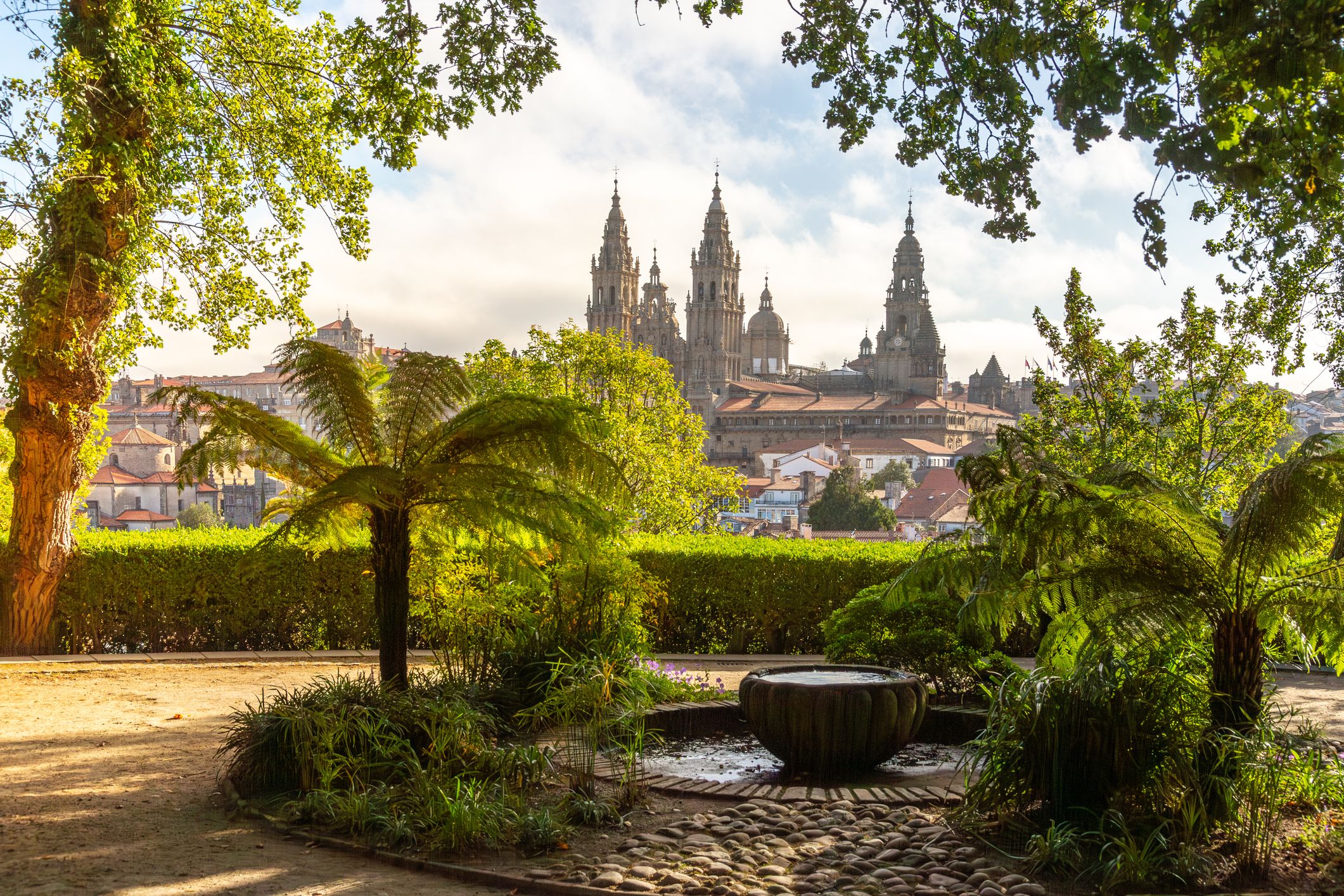
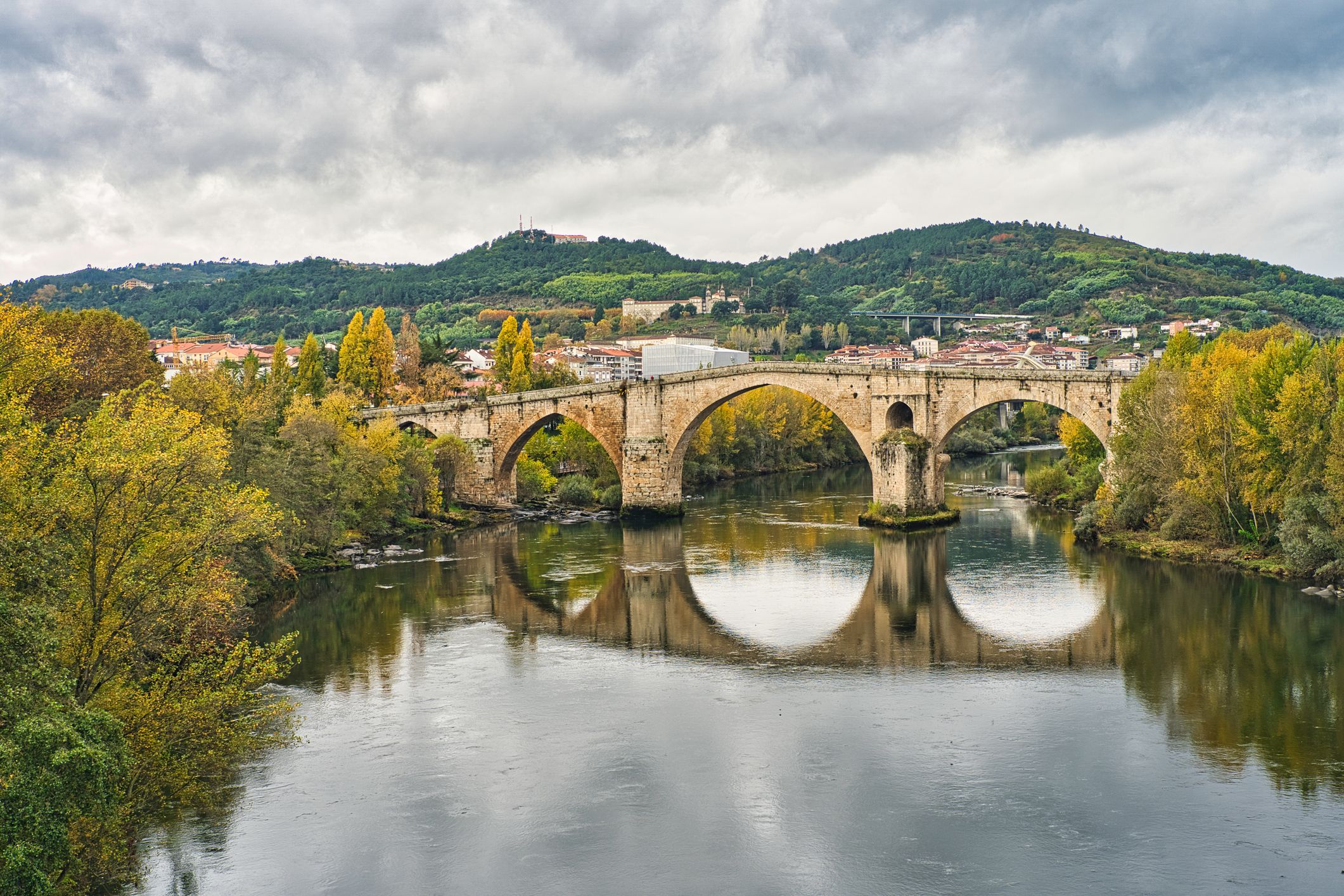
Done well, a Camino-by-cruise gives you a handful of distinct impressions.
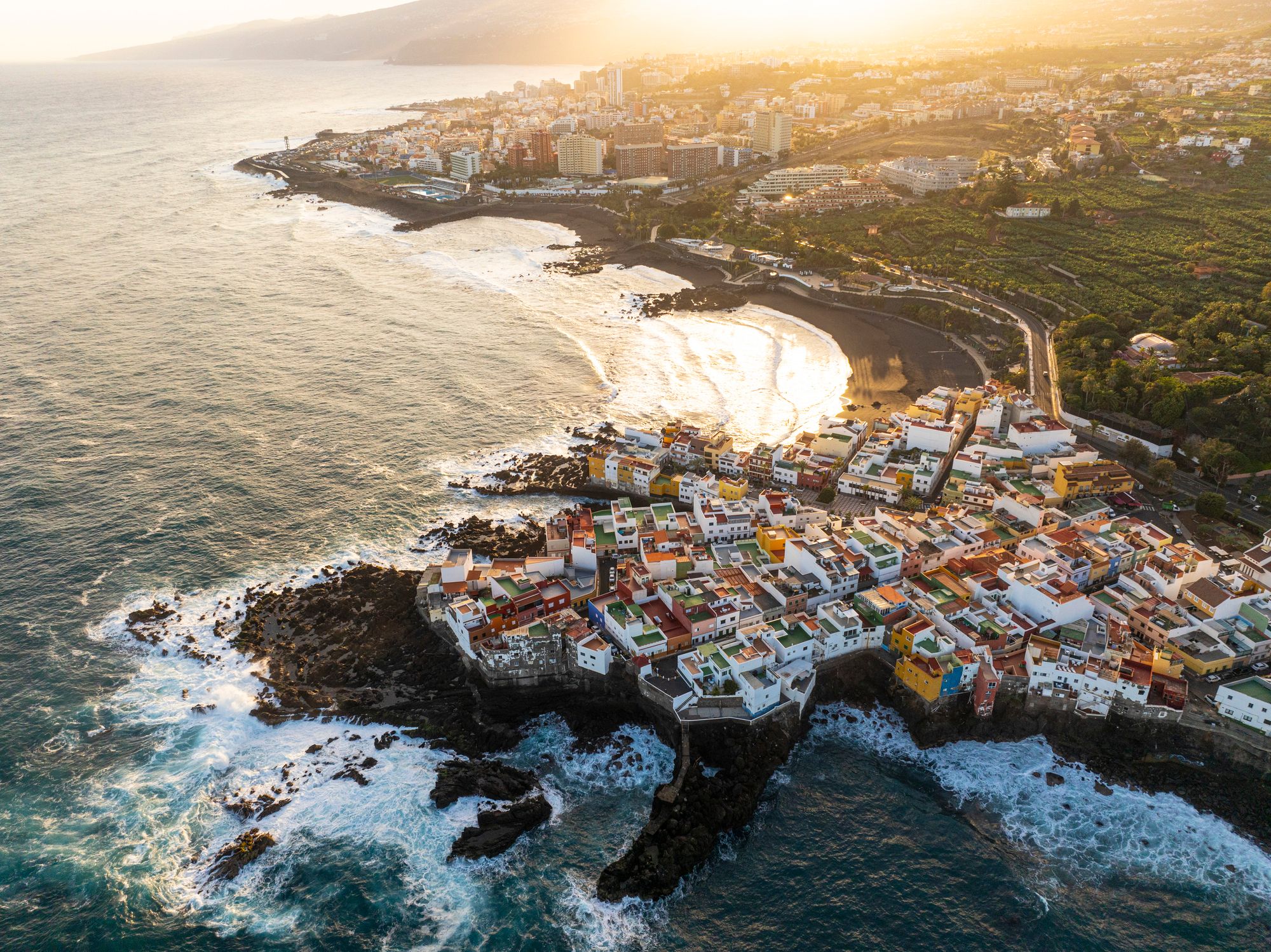
You get the green, damp, almost Celtic side of Spain from the deck as you sail along the rías and past Galician headlands. You see the way the pilgrimage routes spill into Santiago’s old town, with scallop shells hanging from backpacks and sticks propped outside cafés. You walk at least a short stretch of path, enough to feel the texture of the stones and the slightly stubborn atmosphere that comes with repetition.
You also get the simple but powerful moment of seeing the cathedral façade from the main square, knowing that for most of the people around you it marks the end of weeks of effort. You, by contrast, have arrived by air-conditioned coach with a sensible day bag and a firm intention to be back on board in time for dinner. If you have a functioning sense of irony, you will enjoy this.
Back on the ship, the Camino becomes part of a wider coastal journey. One day you might be walking under eucalyptus trees on the outskirts of Santiago, the next exploring Porto’s riverfront or wandering along the walls of a Basque fishing town. It is more varied than the straight line of most overland Caminos, just with a lot more cutlery.
Who this version suits
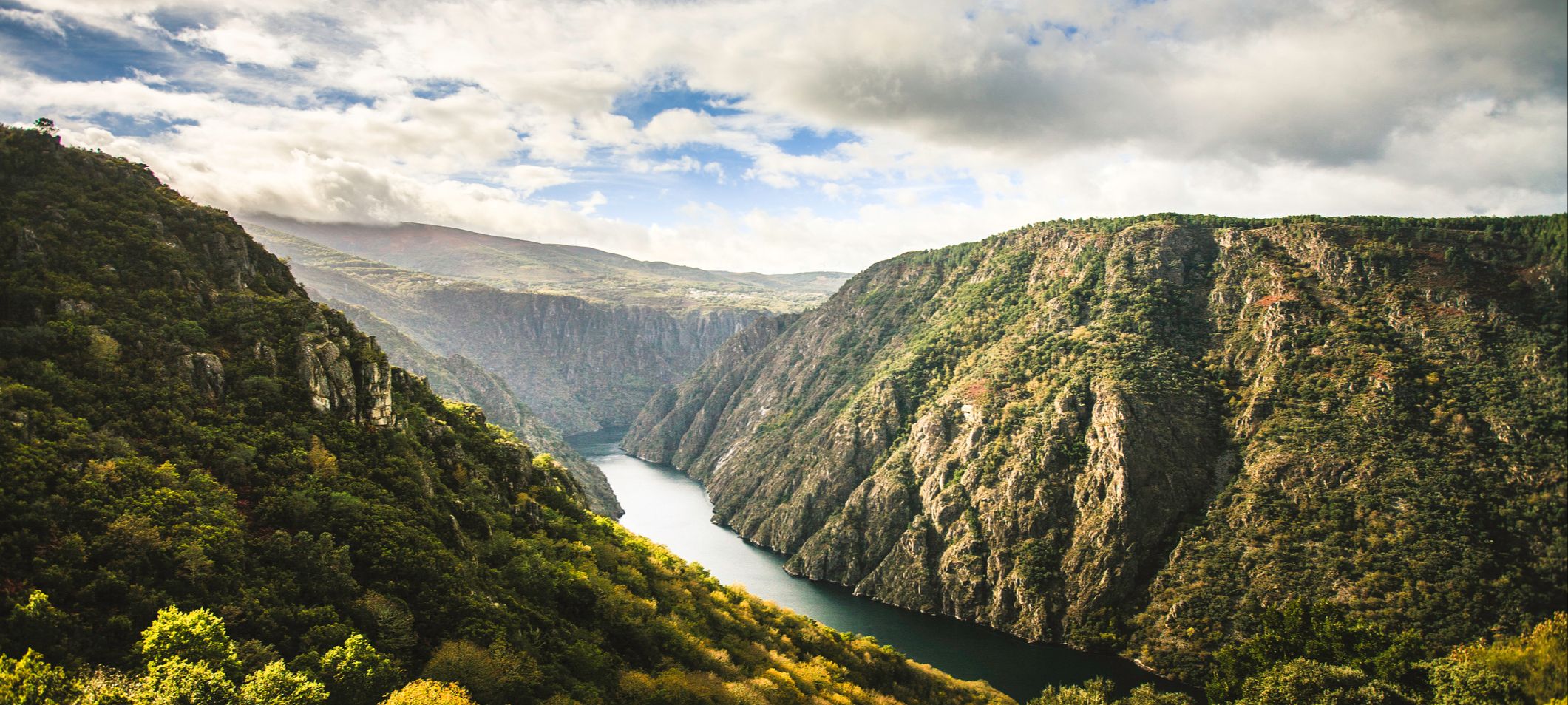
A ship based Camino is not a lesser thing, just a different one.
It suits people who are interested in the history and atmosphere of the pilgrimage but realistically are not going to lace up for hundreds of kilometres. It works for travellers with limited mobility or time, and for those who like the idea of Galicia but want the security and comfort of a ship at the end of the day rather than a dormitory of strangers.
It can also work as reconnaissance. A few days of tasting the Camino this way is enough to tell you whether you would genuinely enjoy a future walking trip or if you prefer your spirituality with ensuite and turndown service.
What it is not
This is the part where expectations need to be gently adjusted.
The cathedral authorities are very clear about who qualifies for a Compostela, the official pilgrim certificate. At the moment you need to have walked at least 100 kilometres or cycled 200 kilometres along recognised routes and had your pilgrim passport stamped along the way. Being carried by ship and coach does not count, however soulful you felt on the coach.
If having that certificate matters to you, the cruise can be a prelude rather than a replacement. One neat option is to cruise into Galicia, then stay on afterwards to walk the last 100 kilometres from somewhere like Sarria. That way the ship gives you the broader context, and your feet earn the paperwork.
Even if you have no interest in certificates, it helps to be honest about what you are buying. A cruise version of the Camino trades days of physical effort for broader geography, better food and more comfortable beds. You will see more coastline and fewer blisters. For many people, that is a perfectly sensible swap.
The lazy Camino, done properly
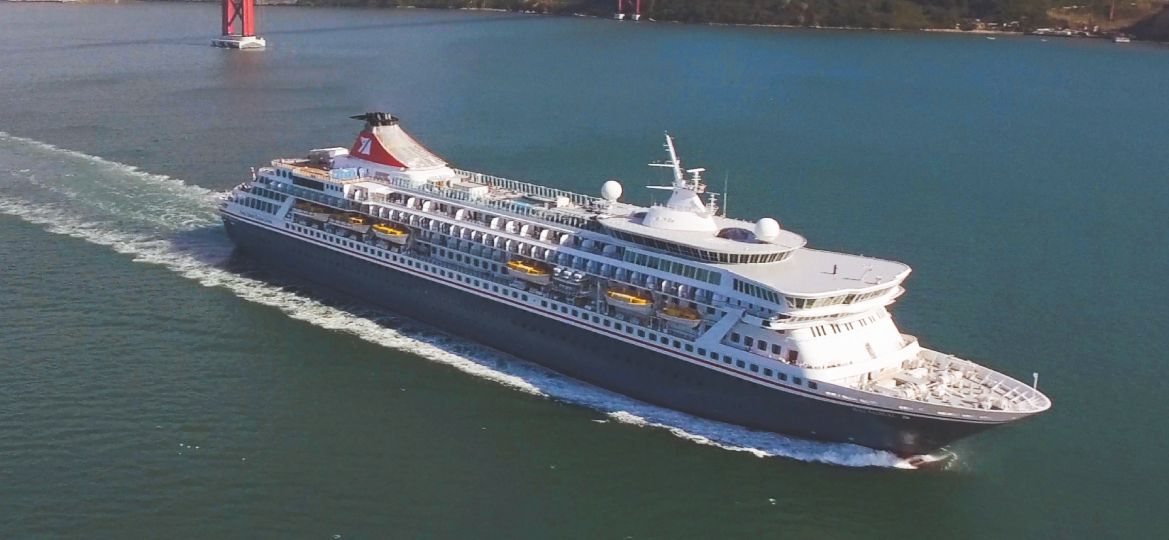
If you picture pilgrimage as something inherently miserable, involving wet socks and self denial, doing it by cruise ship will feel faintly wrong. If you see it instead as a long tradition of journeying towards a particular place, with room for modern variations, a maritime Camino makes more sense.
You will not arrive in Santiago dusty and aching, and nobody will quiz you on how many kilometres you have done. You will, however, stand in the same square as everyone else, look up at the same towers and hear the same bells.
If you can do that and then wander back to your cabin, watch the Galician coast slide away and fall asleep to the quiet thrum of the engines, there is a good chance you have found the right version of the Camino for you.