
From a ship’s deck, Corsica looks theatrical: mountains heaving straight out of the Mediterranean, villages glued to cliffs, and acres of flowering scrubland that smells as good as it looks. The island earns its nickname “mountain in the sea” with more than twenty peaks over 2,000 metres and some of Europe’s toughest long-distance trails.
The good news is that you don't need two weeks and a pair of heroic knees to get a taste of it. With a bit of planning, you can fit a proper walk into a single day in port, be back on board in time for sailaway and still feel as if you have met the natural wonder of the island (as opposed to just its souvenir stalls).
But before we lace up: Corsica is at its best for walking in late spring and early autumn, when the temperatures are mild, the trails quieter and the maquis still green. May, June, September and October are widely recommended as the sweet spot for hiking, with warm but not oppressive days and fewer crowds than high summer. In July and August, walks are still possible, but you will want an early start, plenty of water and a healthy respect for the midday sun.
What follows are five hikes that are realistic within a standard cruise call, starting from or very near the main ports used by most ocean lines. Distances and times are approximate rather than something to present to a mountain guide. Always check your ship’s all-aboard time before deciding that “one more cove” is a good idea.
1. Ajaccio: the Sentier des Crêtes above the Gulf
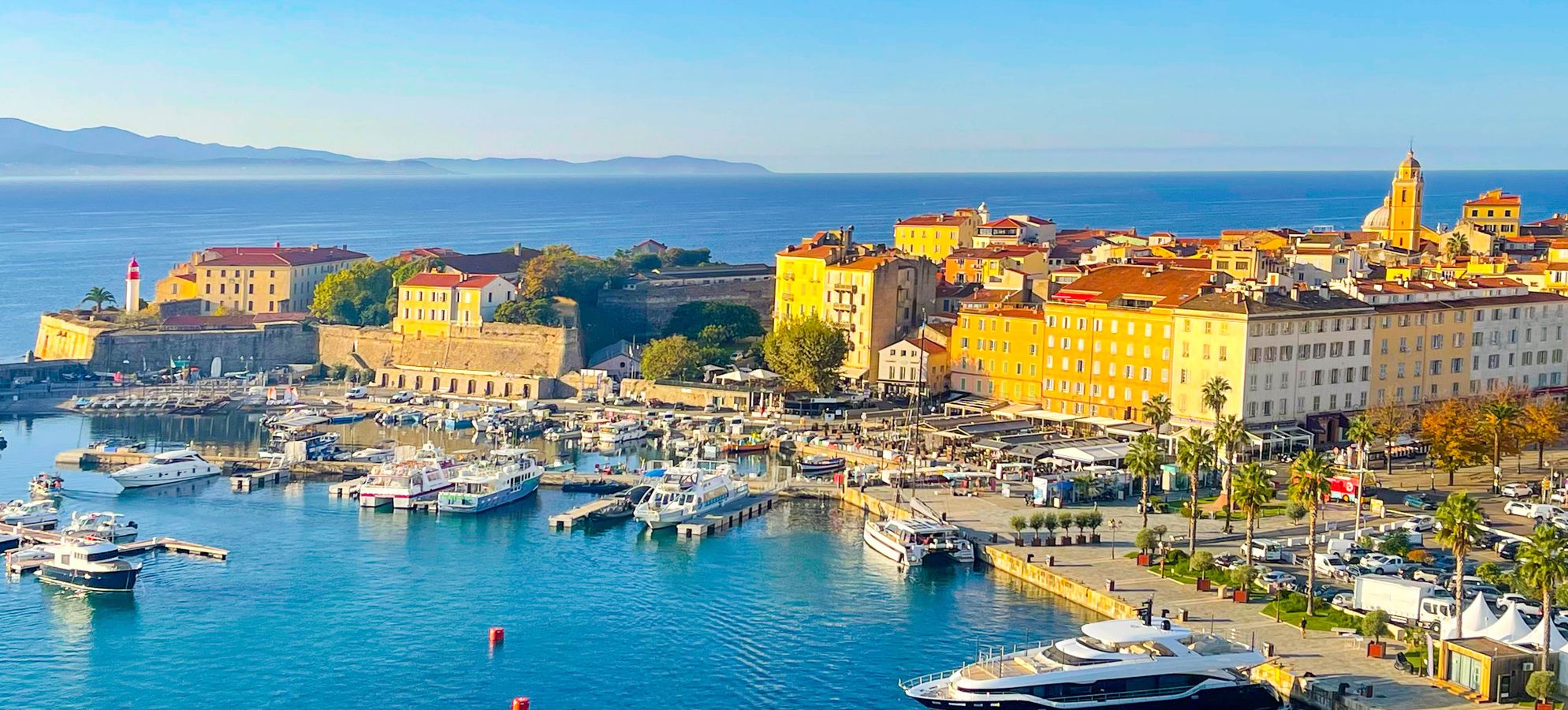
Ajaccio is one of Corsica’s most common cruise calls, and it has a gift for walkers right on the edge of town. The Sentier des Crêtes, or Chemin des Crêtes, climbs from the outskirts into low hills behind the city, then ambles along a ridge with views over the bay, the Sanguinaires Islands and the inland mountains.
The classic route is a moderate path of around 7 to 9 kilometres with roughly 350 metres of ascent, usually walked in about three hours. It starts from the Bois des Anglais or nearby residential streets; from the cruise terminal you can either walk up through the centre or cheat slightly with a local bus or short taxi ride to the trailhead, which saves time and legs.
Once on the path, the city drops away surprisingly quickly. The trail winds through scrub scented with herbs, past scattered pines and rocky outcrops, with those alternating sea and mountain views. There are steeper sections but nothing technical in dry conditions.
For a typical day in port, this works well as a morning outing: up and along the ridge, a few distant photos of your ship glinting in the bay below, then back down in time for a late lunch in the old town. In high summer, an early start and a hat are non-negotiable.
2. Calvi: up to Notre-Dame de la Serra
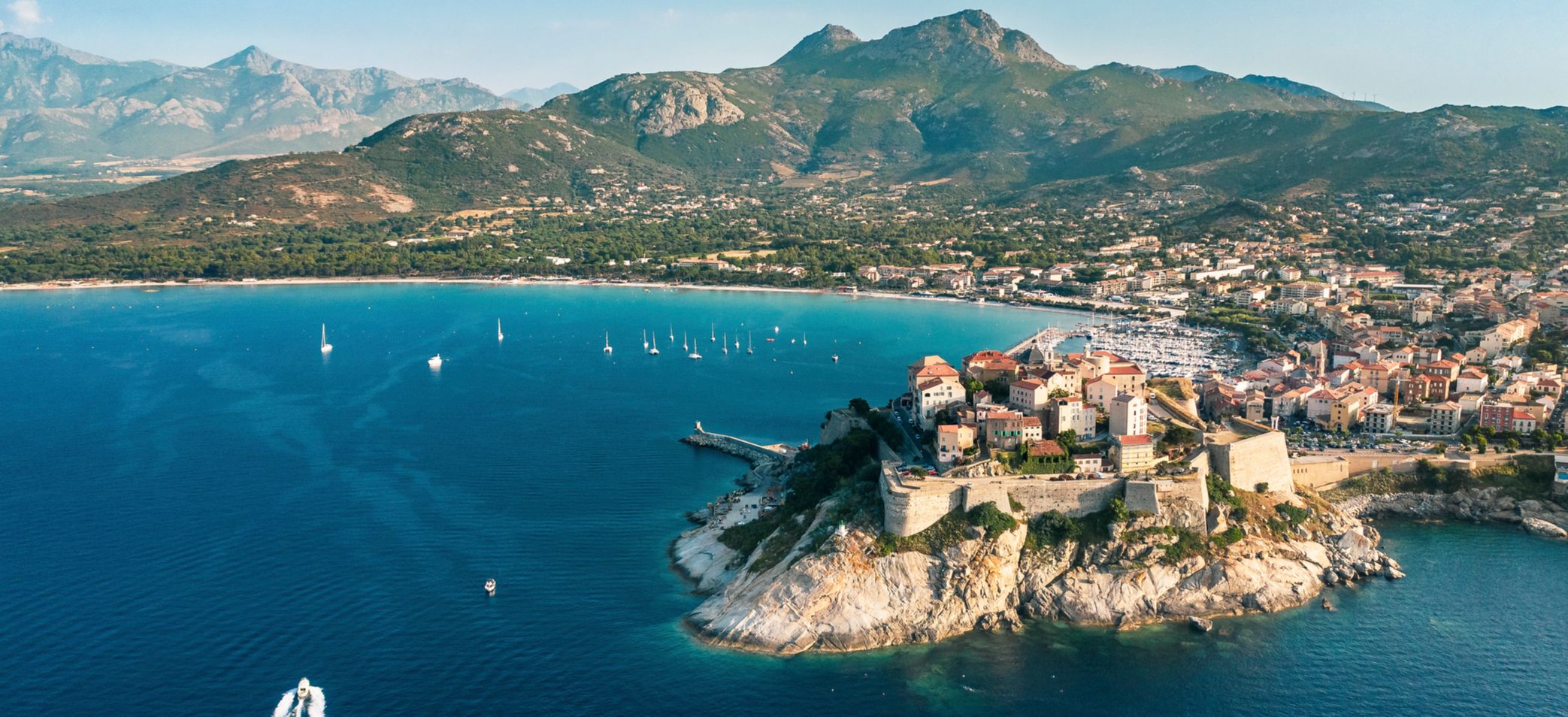
Calvi’s citadel is impressive from the quayside; from Notre-Dame de la Serra it looks like a model town, neatly arranged around a bright blue bay. The little chapel sits on a rocky knoll behind Calvi and has become one of the classic short hikes on the island’s northwest coast.
Several variations are possible, but the direct trail from the edge of town is only about 2.5 to 5 kilometres there and back, with around 200 to 230 metres of climb and a walking time of roughly an hour and a quarter to two hours, depending on your fitness and willingness to stop for photos.
The path leaves the beach and streets quickly and heads uphill on a mix of rough track and rocky slabs. Waymarking is decent but not meticulous, so paying attention on the way up pays off on the way down. At the top, the reward is a wide-angle view over Calvi, the bay and, on a clear day, the mountains behind. Locals consider Notre-Dame de la Serra a protective presence; hikers tend to consider it an excellent excuse for a rest.
From a cruise passenger’s point of view, this is an ideal “half-day with legs” walk. You can step off the ship, wander through town, make the climb, then be back in time for a leisurely drink on the harbour without constantly checking your watch. In summer, late afternoon works well, when the light softens and the worst of the heat has passed.
3. Calvi again: the Pointe de la Revellata
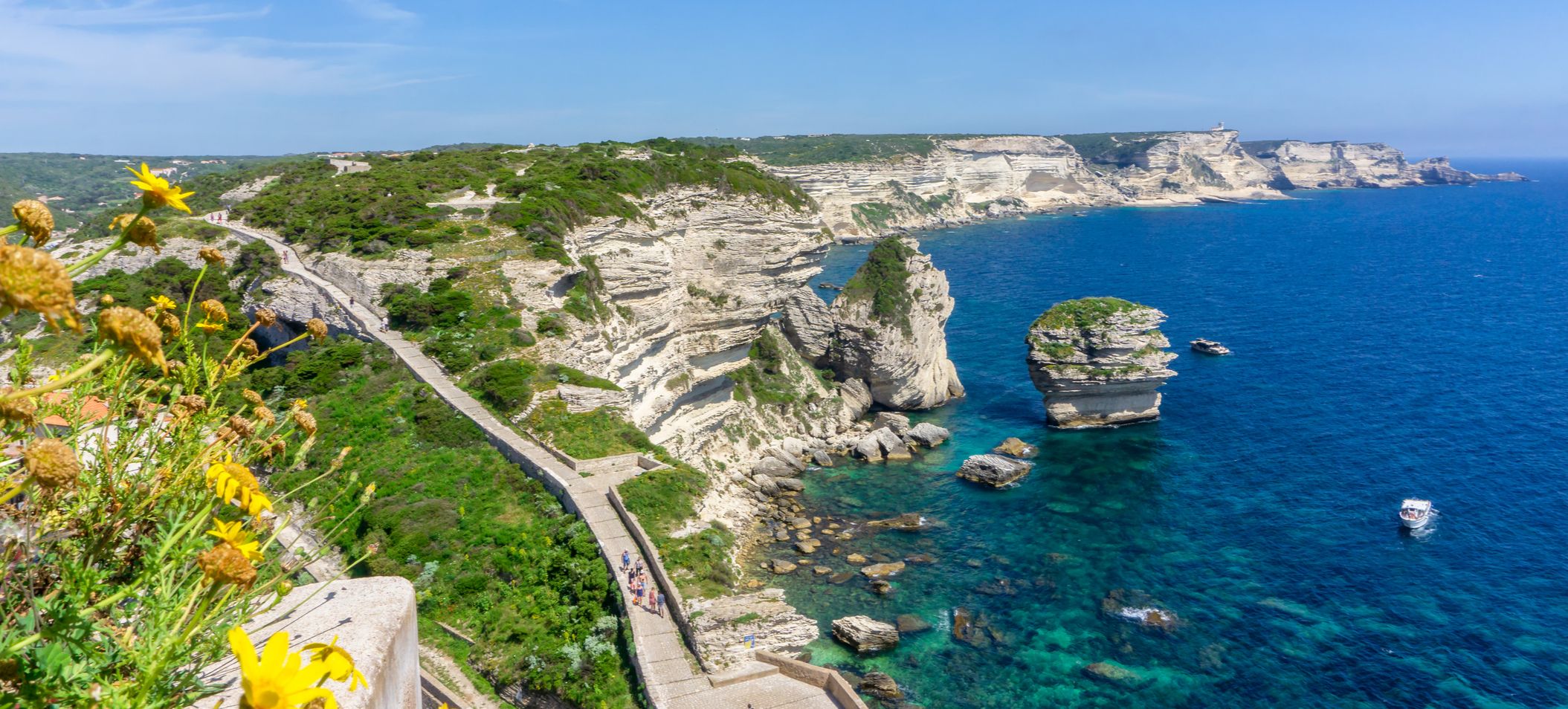
If you prefer your walks horizontal rather than vertical, the Pointe de la Revellata offers a classic coastal outing west of Calvi. A track winds out along a rocky peninsula with views back to the citadel on one side and open sea on the other.
The standard route is described as a fairly easy but fairly long there-and-back walk, taking a little over three hours, and it is recommended that you wear good shoes and show some respect for the summer sun. The path undulates rather than climbs dramatically, passing maquis, small coves and stretches of bare rock.
From the port you can either walk through town and out towards the trailhead, or shorten the road section by using a taxi. Once you hit the peninsula, the feel changes from resort to something closer to wild coast, with the odd research station or lighthouse to remind you that civilisation still exists.
This is the sort of walk that suits people who like the idea of “going for a hike” but secretly want ample opportunities to stop and look at the sea. On a clear day, the combination of turquoise water, pale rock and the outline of Calvi behind you does a very convincing impression of a travel brochure.
4. Bastia: the Aldilonda and the coastal promenade
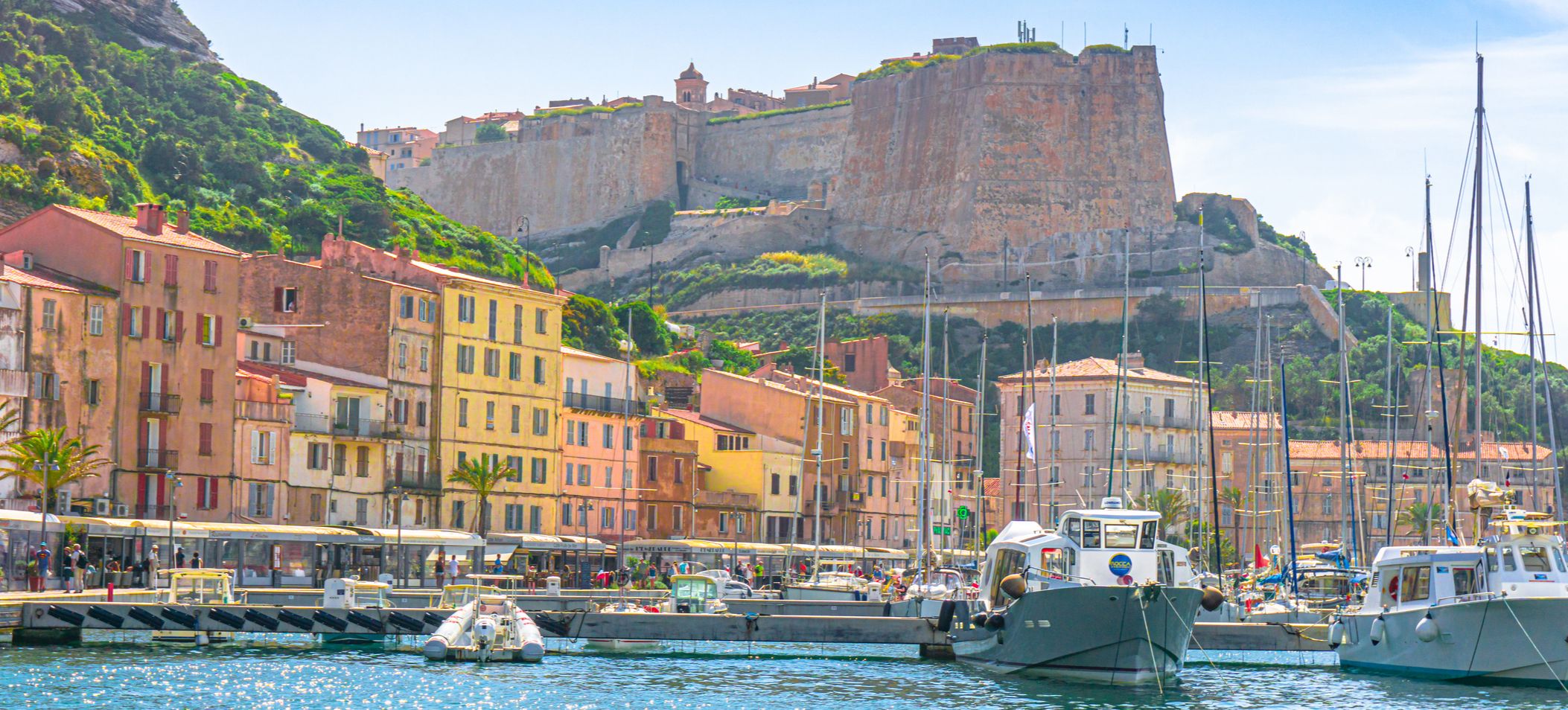
On the map, Bastia looks more like a classic port city than a hiking base, but the recent creation of the Aldilonda walkway and the joined-up seafront promenade has given it a rather good linear “hike without actually leaving town”.
The Aldilonda is a 450 metre path pressed against the rocks below the citadel, a few metres above the sea, linking the old harbour area with the longer coastal Spassimare route towards the beaches. From Arinella beach to the old port and up to Place Saint-Nicolas the flat, seafront route is around five kilometres in total, with no meaningful ascent, just long views and plenty of air.
From the cruise quay it is a short hop into the old port. From there you can follow the Aldilonda around the base of the citadel, watch the waves below your feet and then either turn back or continue along the promenade. It is not mountain hiking in the heroic sense, but for a winter or shoulder-season call it offers a genuinely scenic, low-stress walk that shows off both the historic waterfront and the open coastline.
For anyone who likes the idea of stretching their legs but not necessarily climbing anything, this is a very civilised option. You can do the whole thing in two hours or less, with coffee breaks, and still have time to explore the citadel or sit in a café pretending you live there.
5. Propriano: Campomoro and the Genoese tower
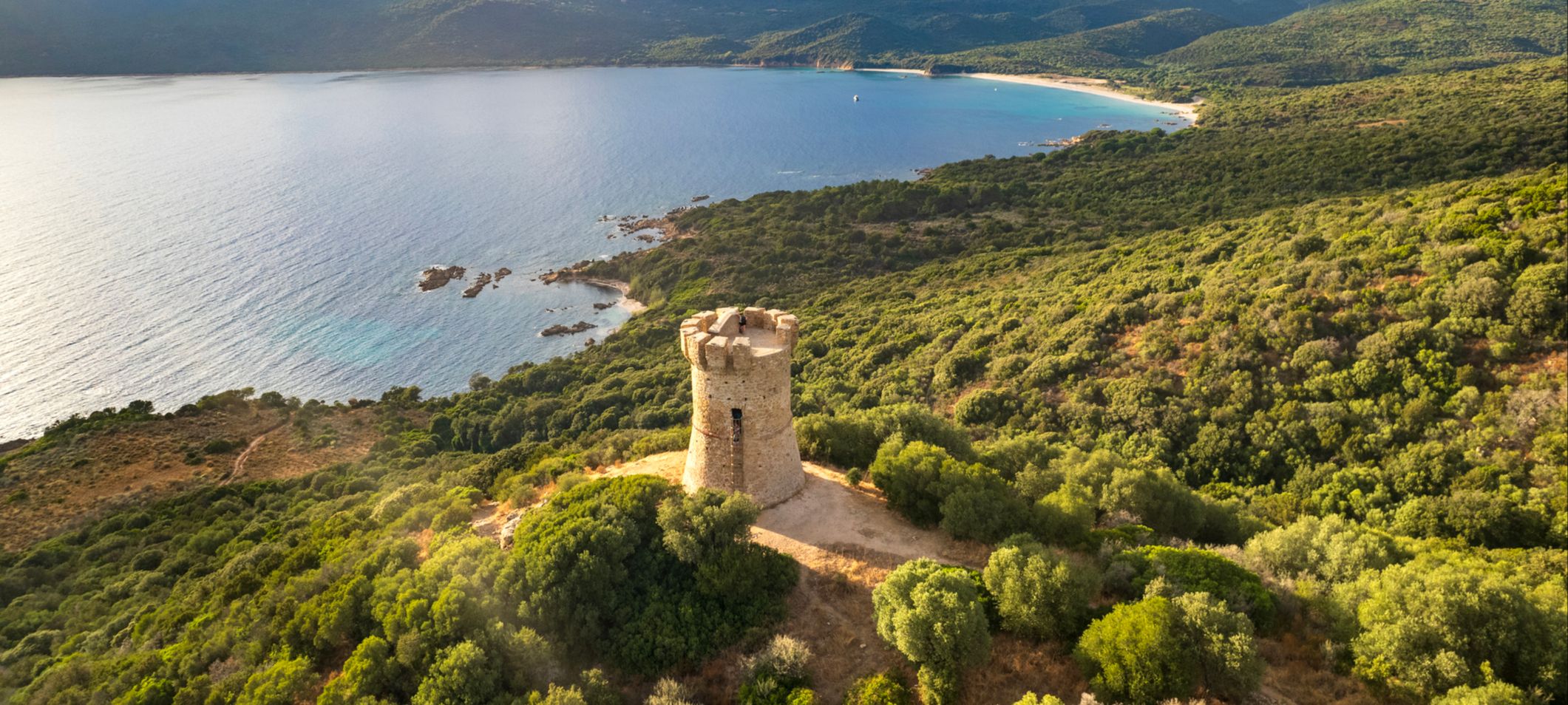
Propriano sits roughly halfway between Ajaccio and Bonifacio on Corsica’s southwest coast, a compact harbour town ringed by hills and beaches. The real hiking interest for a day in port, though, lies a short drive away in Belvédère-Campomoro, where a network of coastal trails wraps around a headland capped by a Genoese watchtower.
From the village you can follow signposted paths through the Campomoro tower estate, ranging from short loops of under an hour to half-day circuits that reach the tower itself and continue along the cliffs. One of the best known routes is a coastal loop of around 14 to 16 kilometres with about 300 metres of ascent, described as not difficult, which takes you past rocky shores and small coves to Cala d’Aguglia before returning inland through maquis with wide views over the Gulf of Valinco.
If that sounds a little ambitious for your available hours, it is perfectly possible to shorten things by making the tower your main target. The climb up gives you a textbook Corsican panorama: wild headland, inland mountains, sea in several directions. The tower itself is one of the largest of its kind on the island, and walking up to it feels satisfyingly purposeful without requiring alpine levels of fitness.
From Propriano, Campomoro is about twenty to thirty minutes by road, so you would want to arrange a taxi or local transfer and keep an eye on your timings. The payoff is a walk that feels a long way from the main shipping lanes, even though your ship is quietly waiting for you just around the corner.
When to lace up – and when to head for the café instead
Corsica rewards walkers all year, but not always in the same way. Spring and autumn bring mild temperatures, blooming wildflowers and quieter paths; several hiking guides point to March to May and September to October as ideal for day walks, with November still pleasant in many low-level areas. High summer offers long days and warm seas but little shade on many coastal paths. In winter, higher ground can see snow, while coastal routes stay usable but can feel raw in a mistral.
For cruise visitors, the sensible rule of thumb is simple. If it is a hot, bright day in July, pick something shorter, start early and factor in a swim. If it is a clear morning in May or September, this is your moment to try a ridge or headland and see why hikers talk about Corsica obsessively. Either way, a good pair of shoes, a bottle of water and a quiet awareness of the time will take you a long way.