
Avid readers rejoice, and take advantage of the ultimate guilt-free place to enjoy a day between the pages of your new favourite story: a sea day. The chair here is more comfortable, the horizon is your backdrop, and perhaps most importantly, someone else is making lunch. Read the right book in the right place and the whole thing becomes more than just passing the time between calls, it's part of your itinerary.
That said, I'd still advise against packing a full maritime library, nobody wants to return from the Greek Islands with a hefty chiropractor's bill. But a cruise does invite a certain kind of reading: stories of voyages, islands, wrecks, harbours, riverboats, whaling towns, polar ice and oceans that are either thrilling, symbolic or behaving very badly indeed.
Here are eight books that I think are absolutely made for reading at sea, with just enough travel inspiration alongside to justify buying another paperback at the terminal.
The Odyssey by Homer: read it on a Greek islands cruise

If any book has earned deckchair status on a Greek islands cruise, it is The Odyssey. Homer’s epic gives us Odysseus trying to get home after the Trojan War, which sounds straightforward until you factor in monsters, gods, temptations, storms, and levels of travel disruption even modern airlines might consider excessive.
It is the original long journey home, and still one of the best books to read anywhere near the Aegean or Ionian. The beauty of taking it on a cruise is that you don’t need to be scholarly, you can simply enjoy the strangeness of reading about ancient sea routes while your own ship glides between islands with Wi-Fi and a breakfast buffet.
A Greek islands sailing gives the book some lovely context. Ithaca is the obvious reference point, but the wider world of The Odyssey belongs to water, islands and the pull of home across uncertain seas. Read it between calls at Corfu, Kefalonia, Katakolon, Crete or the Cyclades for ultimate literary impact (just don't expect to finish it during the trip, it's heroically long).
The modern traveller, thankfully, has fewer angry gods to manage than Odysseus, but anyone who's tried to board a tender in high winds might still feel these old stories have something to teach us.
Treasure Island by Robert Louis Stevenson: read it on a Caribbean cruise
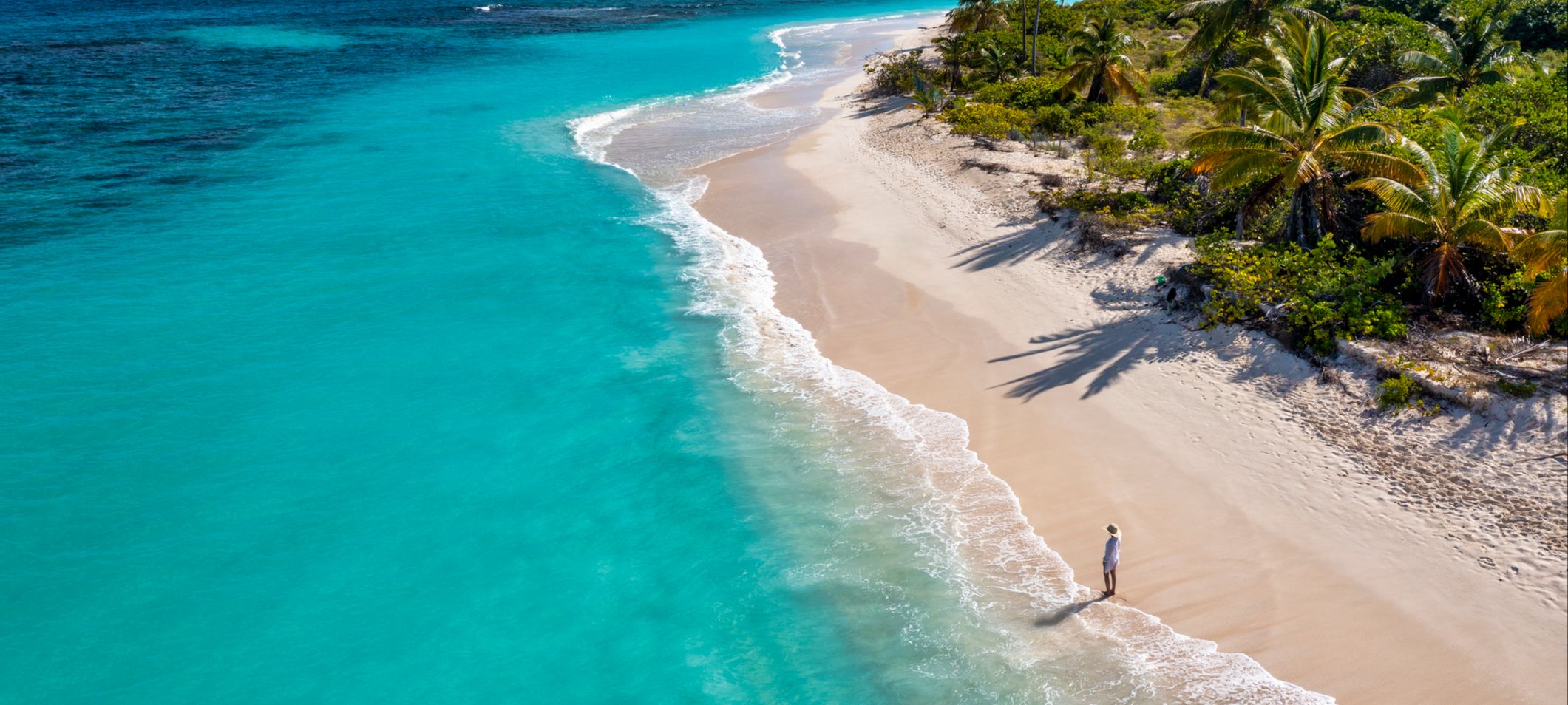
Treasure Island is the reason many of us grew up expecting every tropical island to come with a map, a mutiny and at least one person saying “mark my words” in a troubling accent. It is pure adventure machinery: pirates, buried treasure, secret plans, dangerous charm and the sort of voyage that makes a modern cruise ship’s safety briefing look almost comically reassuring.
It is also short, lively and absolutely ideal for a Caribbean cruise, particularly if your itinerary includes old colonial ports, forts, coves, beaches or anywhere with the faint suggestion that someone once hid something under a palm tree. Obviously, no cruise line is taking you to Skeleton Island, which is probably for the best; the shore excursion liability forms alone would be a legal nightmare.
Perfect for younger readers (I first read this when I was about 10) the book has that bright, dangerous energy of childhood adventure, with more bite to it than your nostalgia might have you remember. Long John Silver remains one of literature’s great charmers, which is a useful reminder that charisma is not the same as trustworthiness, a lesson that also applies to cocktail bar staff.
Take it on a Caribbean sailing and read it with a view of the water. You’ll find yourself looking at every headland, inlet and distant island with mild suspicion; a very pleasant way to pass an afternoon.
Moby-Dick by Herman Melville: read it on a New England cruise

Moby-Dick is not casual holiday reading in the conventional sense. It is large, strange, brilliant, maddening and very committed. You don’t so much read it as agree to be taken hostage by a genius with strong views on cetology. And yet, there may be no better place to tackle it than at sea.
Melville’s novel follows the final voyage of the whaling ship Pequod, driven by Captain Ahab’s obsession with the white whale. It is a sea story, certainly, but also a book about labour, capitalism, fate, nature, madness, faith, masculinity and what happens when one man’s unresolved issues are given command of a ship. In other words, quite a lot for a pool lounger.
A Canada and New England cruise is the natural pairing. You may not call at Nantucket, but sailings through Boston, Newport, Bar Harbor, Halifax or other North Atlantic ports put you close to the old whaling and maritime world that fed Melville’s imagination. Harbours there still have a certain salt-and-rope seriousness, even when they are also selling lobster rolls to people in fleeces.
Moby-Dick is especially good for a longer sailing, when you have the time to wade through it. Don't attempt a sprint; that way lies resentment. Read a chapter, look at the water, wonder whether Ahab needed a quieter hobby, then go and have lunch.
The Old Man and the Sea by Ernest Hemingway: read it on a Caribbean cruise
The Old Man and the Sea is small enough to read in a day. Hemingway’s short novel follows Santiago, an ageing Cuban fisherman, as he battles a giant marlin far out at sea. It is clean, spare, sun-struck and full of the kind of stoicism that makes most of us feel we complain too much about poor cabin storage.
This is the book to take on a Caribbean cruise when you want something nautical but not enormous. It contains heat, salt, loneliness, fish, pride and the terrible dignity of continuing with something long after it has become obviously inconvenient (I'm looking at you Herman Melville). Cruise passengers may recognise a milder version of this feeling when trying to finish a large breakfast before a 9am excursion.
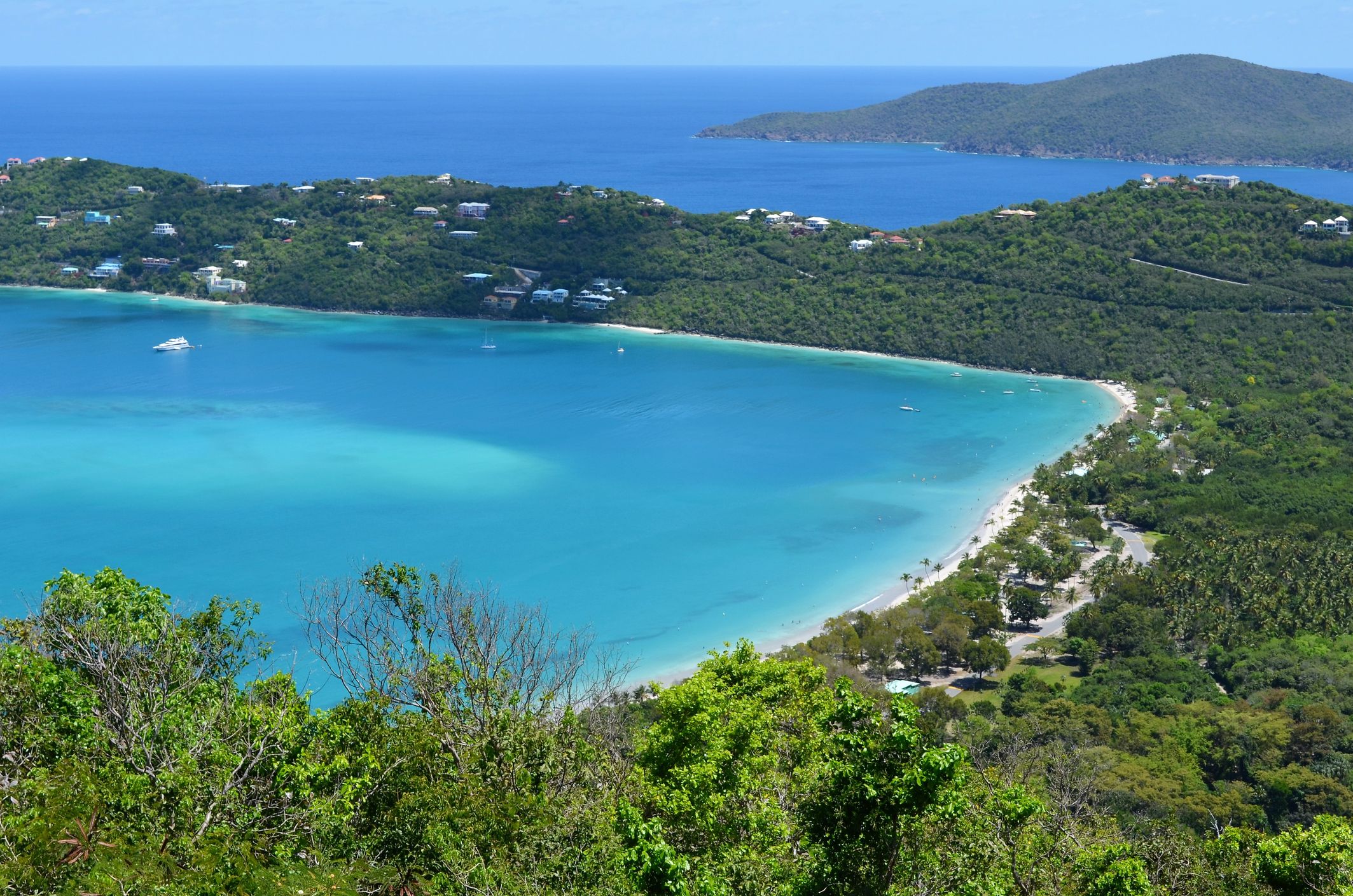
Its natural setting is Cuba and the Gulf Stream, but the emotional weather works across the wider Caribbean: bright water, small boats, fishing harbours, hot afternoons and that particular blue horizon that makes human concerns seem both more dramatic and slightly ridiculous. Read it after a morning ashore in a fishing town or during a quiet sea day when the ship has slowed your thoughts down enough for Hemingway’s restraint to properly wash over you.
There is no excess here, which is refreshing on a cruise, where excess is often available before 10am and comes with a pancake station.
Death on the Nile by Agatha Christie: read it on a Nile river cruise

Yes, technically this one is for a river rather than the sea, but cruise readers are a broad-minded bunch and murder always travels well.
Death on the Nile is one of Agatha Christie’s most famous Poirot mysteries, and it gives the river cruise a level of dramatic menace that most operators wisely leave out of their brochures. A glamorous Nile steamer, wealthy passengers, jealousy, suspicion, sun, temples and a murder investigation. It is all deeply satisfying, provided you are not personally on board with Poirot, in which case your holiday has taken a statistically worrying turn.
Read it on a Nile cruise and the setting becomes almost indecently helpful. The river, the heat, the slow movement between ancient sites, the sense of passengers being enclosed together in a floating little society. Christie understood something very useful about travel: put strangers in a confined space, add money, romance and resentment, and suddenly everyone in a dinner jacket looks suspicious.
A Nile itinerary through Luxor, Aswan, Edfu, Kom Ombo or Cairo gives the book its proper stage, though ideally with fewer bodies and more guided temple visits. It is a perfect cruise read because it does what the best holiday books do: it belongs to the place without demanding too much solemnity from you.
The Shipping News by Annie Proulx: read it on a Canada and Newfoundland cruise

Some sea books are about ships. The Shipping News is about what happens when a life runs aground and has to be rebuilt somewhere cold and windy beside the ocean.
Annie Proulx’s Pulitzer Prize-winning novel follows Quoyle, a bruised and awkward newspaper reporter who moves with his daughters to Newfoundland, where the weather, community, family history and maritime life begin to reshape him. It is funny, harsh, tender and full of sentences that seem carved out of rock and fog.
This is the book to read on a Canada and New England cruise, especially if the itinerary reaches Newfoundland or brushes against the Atlantic edge of eastern Canada. It suits ports where the sea is not decoration but weather, work, memory and threat. St John’s, Halifax, Corner Brook, Sydney and the wider North Atlantic coastline all make more sense with Proulx somewhere in your bag.
The Shipping News is not a glossy harbour read. It's too sharp for that and understands that coastal places can be beautiful and brutal at the same time, which is precisely why they're so interesting. Read it when you want something with more bite than a soft-focus seaside novel, preferably with a hot drink and a view of water that looks slightly stormy.
Endurance by Alfred Lansing: read it on an Antarctica cruise
There are holiday books that make you excited for the trip ahead. Endurance may make you deeply grateful for your thermal layers, your expedition team and the fact that dinner is being prepared by professionals rather than rationed on the pack ice.
Alfred Lansing’s account of Ernest Shackleton’s failed Imperial Trans-Antarctic Expedition remains one of the great survival narratives. Shackleton and his crew set out for Antarctica in 1914, only for Endurance to become trapped and crushed by ice, leaving the men to endure an almost unbelievable struggle across ice and sea.
It's gripping, but perhaps not one to read too early if you are nervous about the Drake Passage. But its point is to give you perspective; reading this your mild concern about waterproof trousers will feel markedly less urgent.
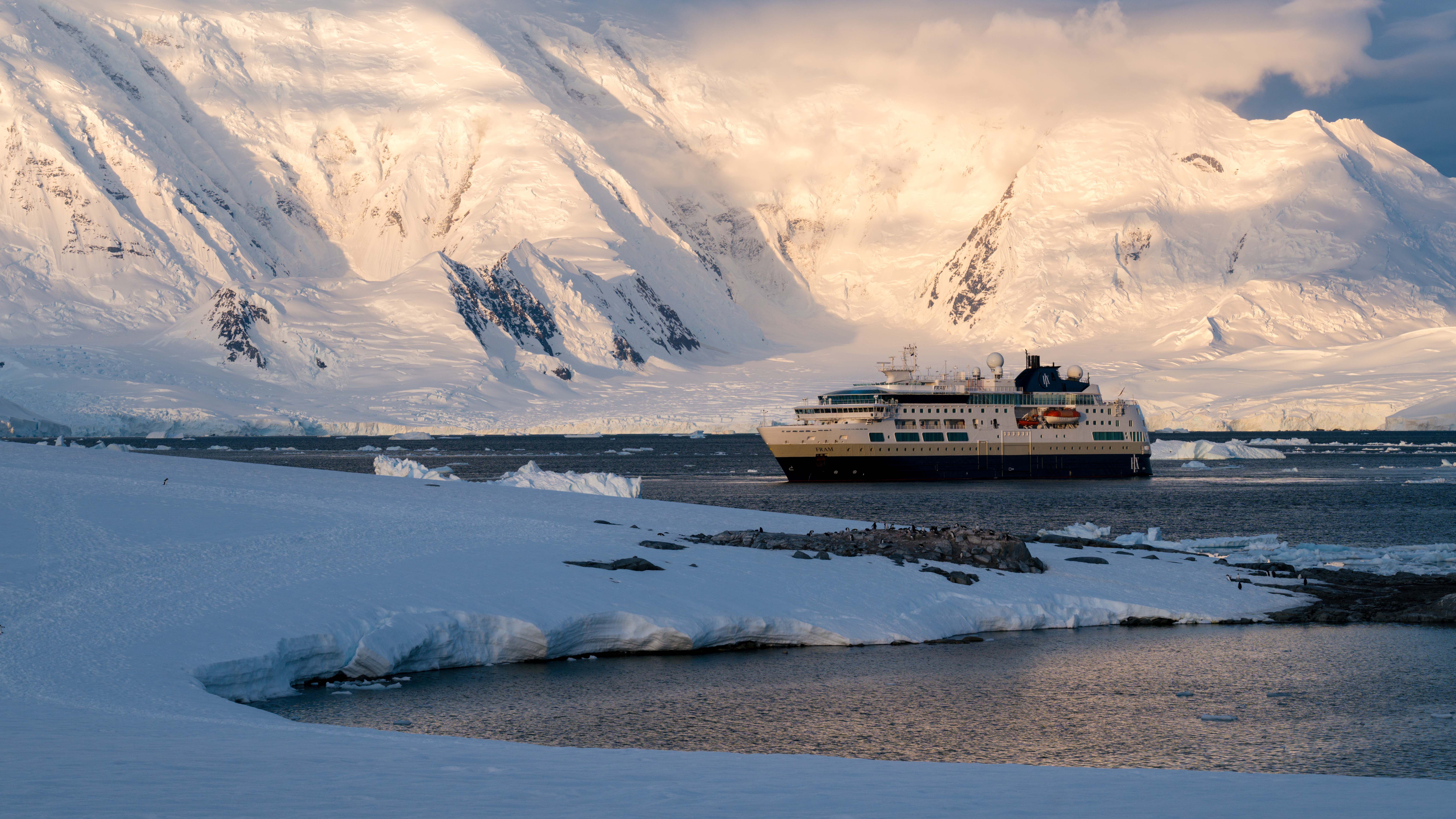
On an Antarctica cruise, Endurance gives the landscape a human scale, though that scale is mostly “very small humans, very big ice”. Modern expedition cruising is worlds away from Shackleton’s ordeal, thank goodness. You have guides, forecasts, heated cabins, proper boots and someone explaining penguin behaviour without everyone fearing for their lives. Still, the book reminds you that the continent was entered first through danger, ambition, courage and a lot of extremely bad luck.
Read it between landings, or during the crossing, if you are feeling robust. It will make the white distances outside feel less empty and more charged. It may also make you unusually appreciative of a warm soup.
Kon-Tiki by Thor Heyerdahl: read it on a South Pacific cruise
Kon-Tiki is the sort of book that begins with an idea so unlikely that any sensible friend would have suggested a weekend in Oslo instead. In 1947, Thor Heyerdahl and five companions sailed a balsa-wood raft from South America towards Polynesia, trying to demonstrate that ancient peoples could have made such a crossing.
The theory behind the expedition remains debated, and Heyerdahl’s wider ideas about Polynesian settlement have not been widely accepted by anthropologists. Still, as a sea adventure, Kon-Tiki has tremendous pull. It is a book about drift, risk, stars, fish, weather, boredom, excitement and the Pacific being something too vast for humans to properly comprehend.
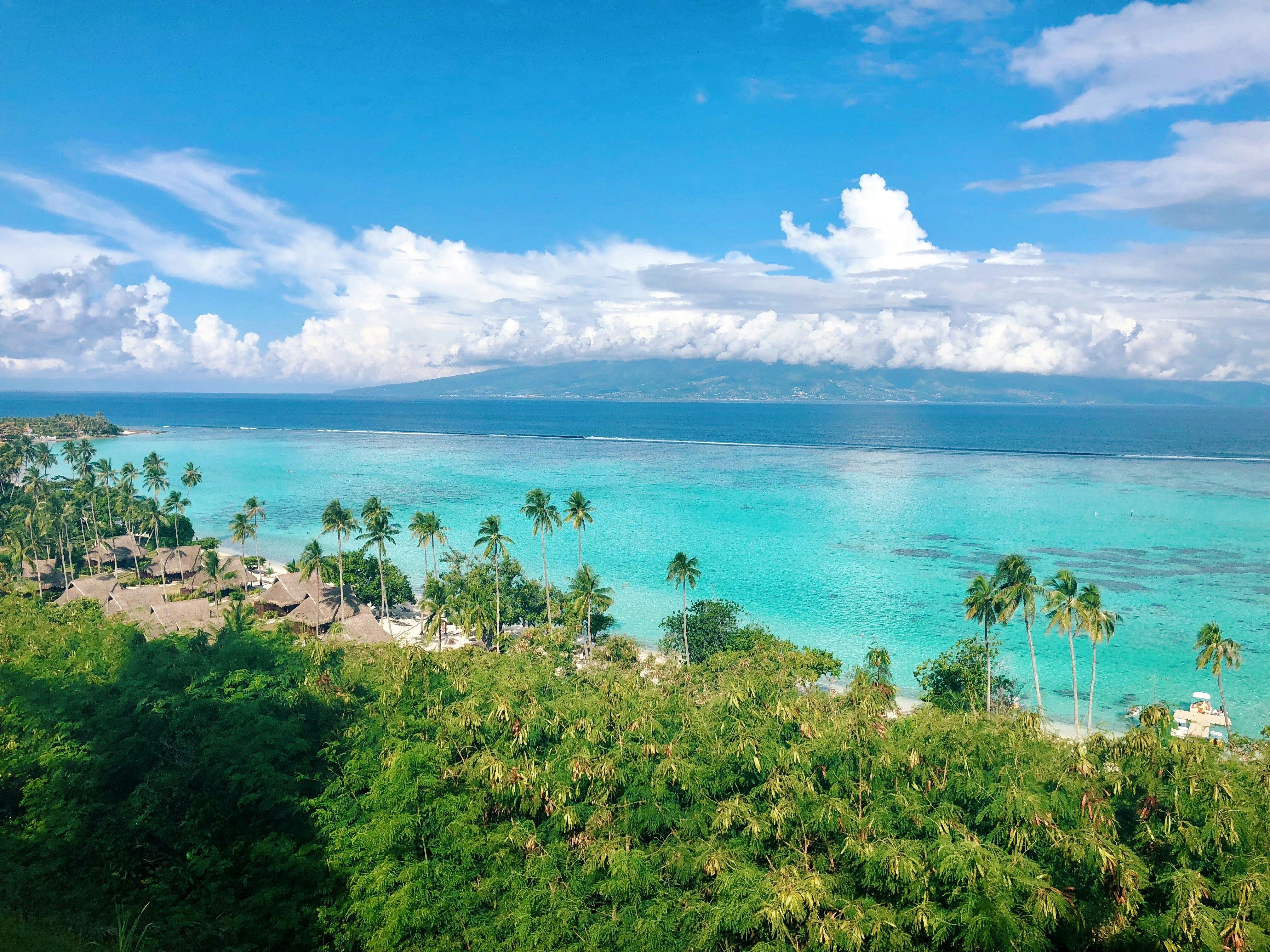
It's a natural read for a South Pacific cruise, especially if your route touches French Polynesia, the Marquesas, Tuamotus, Tahiti, Moorea or other islands where ocean distances feel less like blank space and more like the central fact of the region.
What makes Kon-Tiki such a good book at sea is its scale. Cruise ships can make even wide oceans feel manageable. Heyerdahl’s raft does the opposite. It makes the sea enormous again. Read it from the comfort of a cabin balcony and you may feel a little fraudulent, but in the nicest possible way. There you are, with a proper bed, coffee in hand, reading about men crossing an ocean on logs.
How to choose the right book for your cruise
The main rule is simple: let the route choose the book. Read something that makes the water outside feel less generic. Something that gives the harbour, coastline or sea day a second layer. Something that makes you look up from the page and think, yes, this is exactly the right place to be reading this. That's one of the great pleasures of cruising. You get time, water and movement in the same place; add the right book and you've turned your sea days into an indelible literary memory (or at least an afternoon well spent).