Some people book a cruise for the pool deck, the weather and a general sense of rest and relaxation. Others would quite like to spend the week thinking about wrecks, naval disasters, ghostly harbours and the sort of coastline that has been collecting stories for centuries. I am very much in favour of the second set of travellers. The sea, after all, has an excellent memory. It keeps wrecks, preserves stories and leaves whole ports with a slightly haunted atmosphere.
Plus, when you cruise you arrive by water at places that were shaped by water in the first place, which means the story often begins before you have even stepped off the ship. Forts make more sense from the harbour. Wreck museums feel less abstract when you have sailed into the same bay. Legends, too, land rather well when the horizon is right there behind them looking faintly complicit.
British Isles cruises for Scapa Flow and wartime wrecks
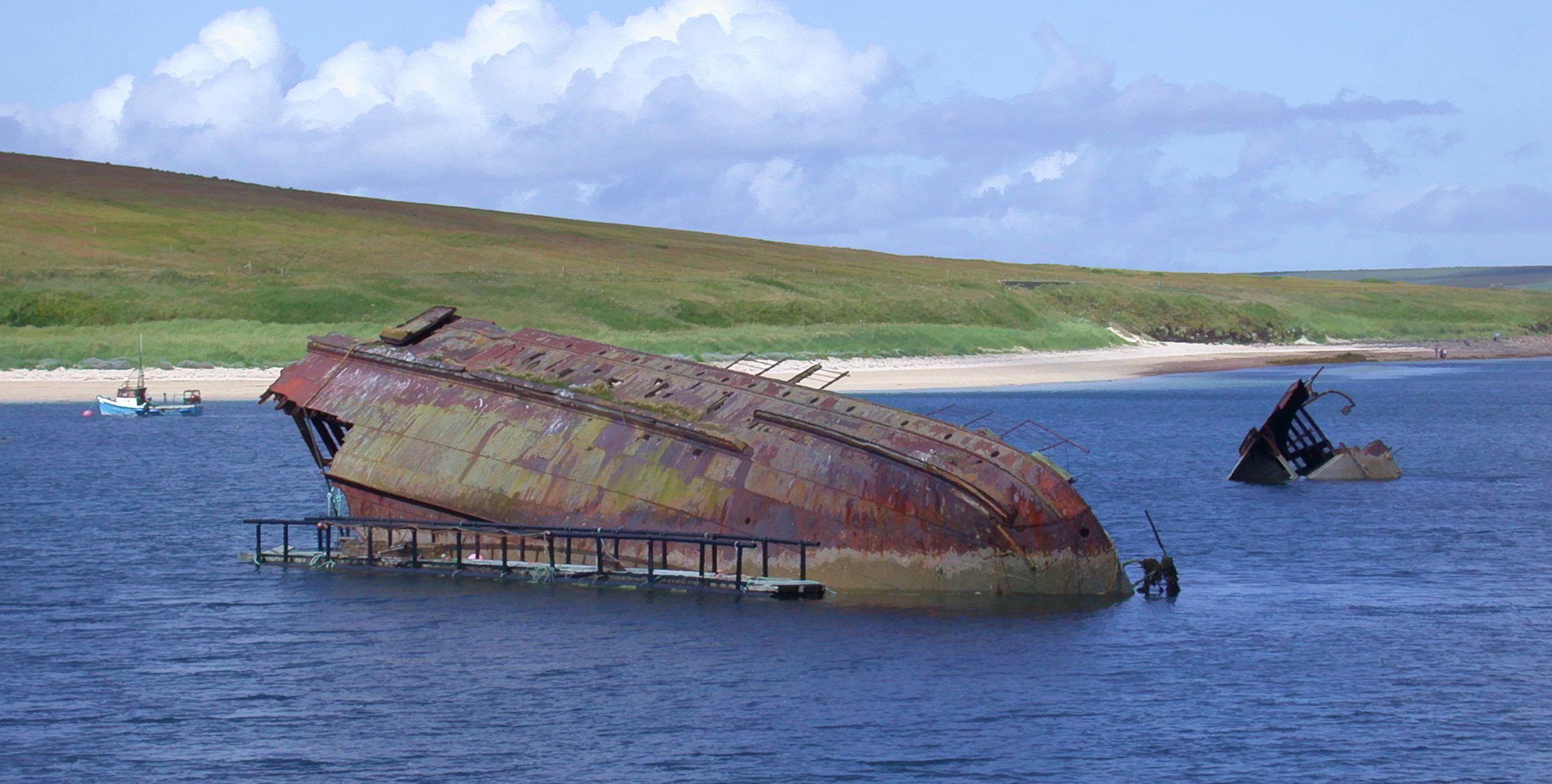
If you are even mildly interested in naval history, Scapa Flow tends to become less a place than a recurring thought. British Isles sailings that call at Kirkwall give you access to one of the great maritime theatres of the 20th century: a vast natural harbour that served as Britain’s northern naval base in both world wars and that still carries the after-image of the German High Seas Fleet scuttled there in June 1919. Orkney Museums notes that 52 of the 74 interned German ships were deliberately sunk in Scapa Flow, while the Scapa Flow Museum at Lyness now tells the wider story of the harbour, the wars and the salvage industry that followed. Cruise Britain also points out that Kirkwall is the main cruise gateway, with shuttle access from Hatston into town.
What I like about an Orkney call is that it does not ask you to choose between gravity and atmosphere. The museum is serious, as it should be, but the setting does a lot of work too. Scapa Flow has the sort of name that already sounds like weather and history in one phrase, and the islands around it still feel like they know they were important. A good maritime-history port should leave you with a sense not merely of facts learned, but of geography finally making sense. Orkney does that very well.
Baltic cruises for Stockholm and the Vasa story
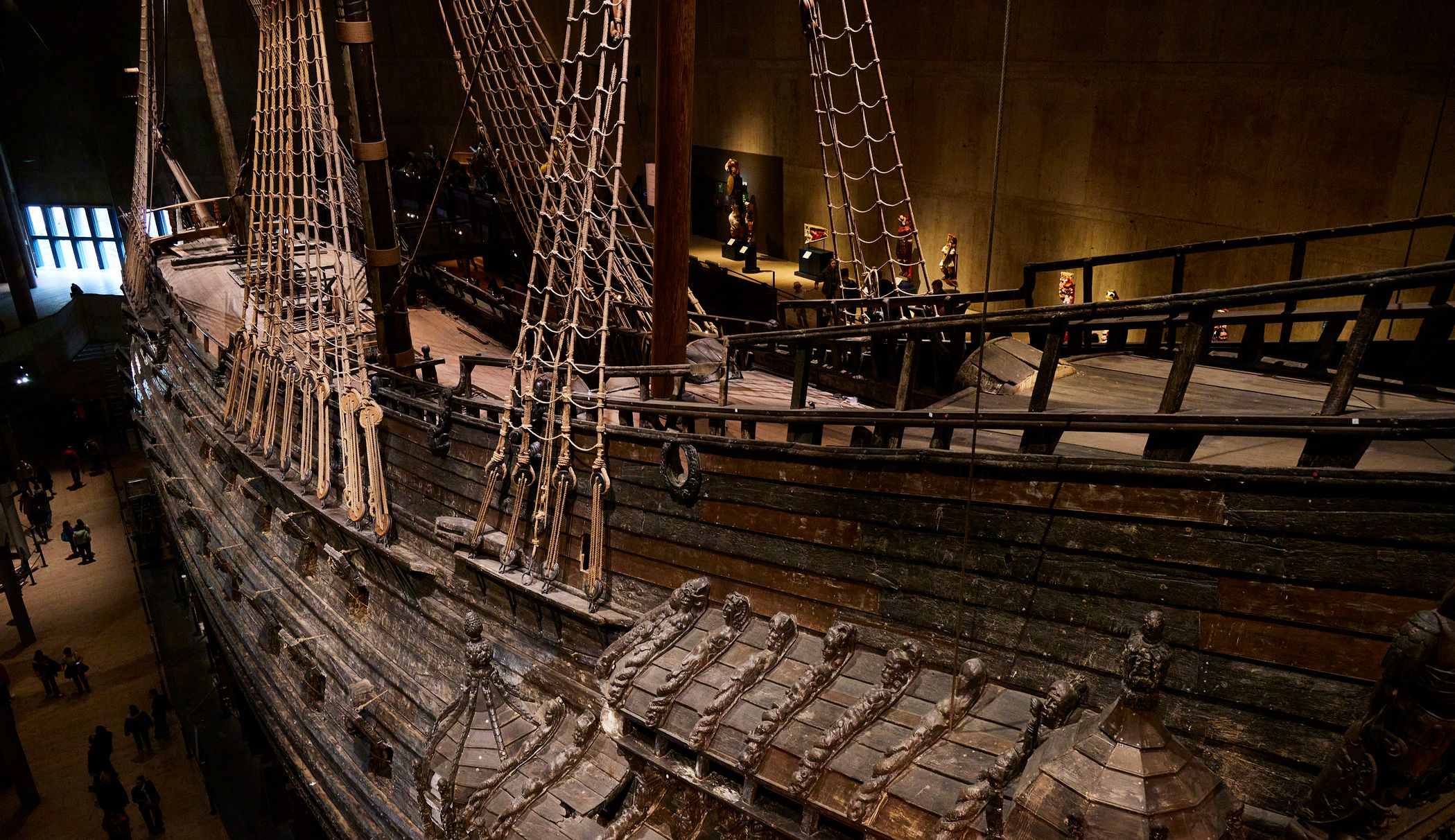
Then there is Stockholm, which has the enormous advantage of offering one of the finest shipwreck encounters anywhere without requiring you to get wet, wear specialist goggles or pretend you enjoy marine archaeology more than lunch. The Vasa Museum houses the world’s only preserved 17th-century ship, and the museum’s own site says the warship capsized and sank on her maiden voyage in 1628. Visit Stockholm adds that more than 98 percent of the ship is original, which is frankly a slightly unreasonable level of survival for something that spent centuries at the bottom. The museum sits on Djurgården, reachable by ferry, tram or bus, which means a Baltic cruise call can turn into a very satisfying day of naval hubris, salvage wonder and broad maritime melancholy with minimal faff.
What makes Vasa so irresistible is that it gives you the whole package. It is a wreck story, certainly, but also a story about spectacle, state ambition and the very old human habit of building things slightly too impressively for their own good. There are grander maritime legends in the world, but very few that end with such visual clarity. You stand there looking at this vast, elaborate object and think, yes, that does seem like exactly the sort of ship that might topple over almost immediately. Which is part of the charm.
Canada and New England cruises for Halifax and Titanic history
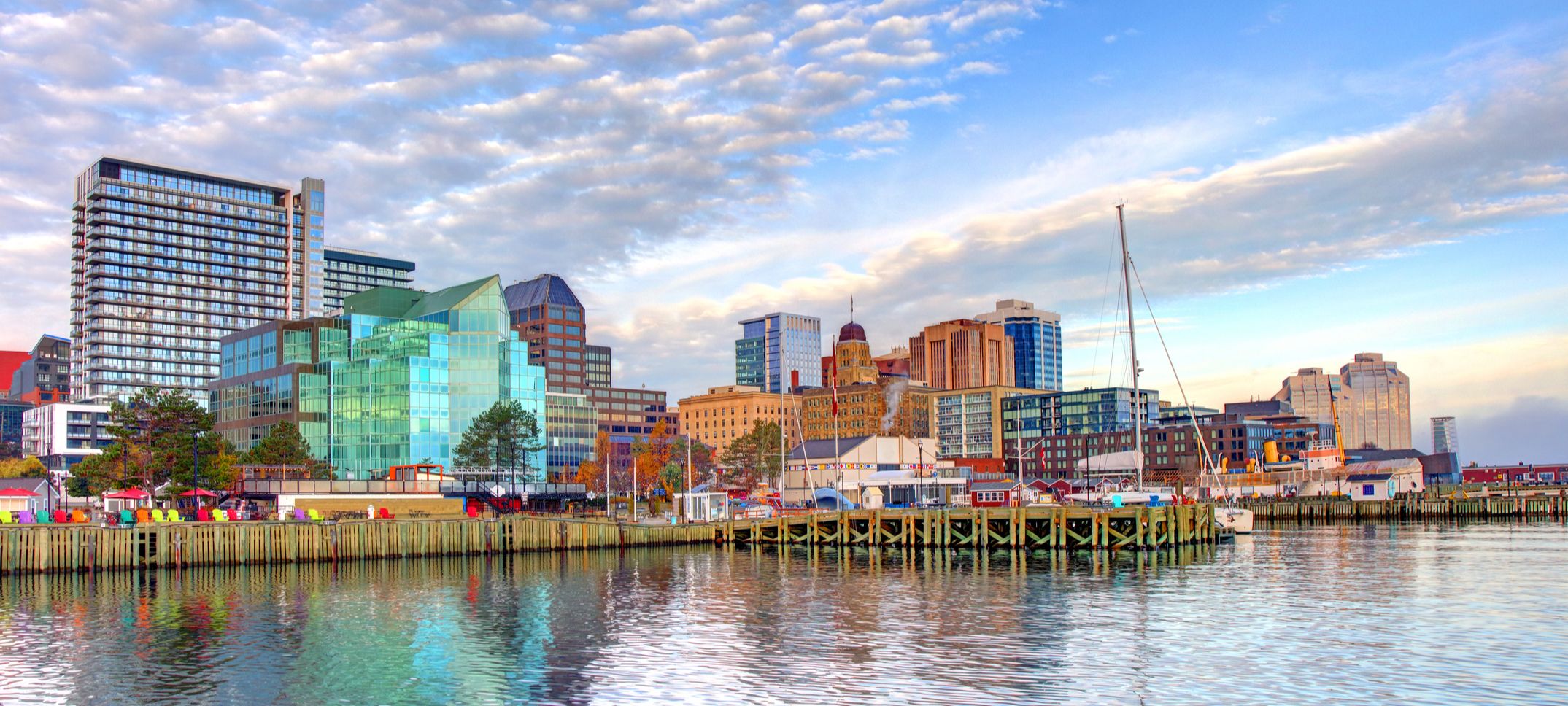
Halifax is the stop for people who like their maritime history a little more solemn and a little less theatrical. The Maritime Museum of the Atlantic sits on the historic waterfront and describes itself as Canada’s premier maritime museum, with the Titanic exhibition one of its defining draws. The museum’s Titanic page says the stories of victims buried in Halifax sit at the heart of the city’s connection to the disaster, while Halifax Regional Municipality notes that Fairview Lawn Cemetery is home to Titanic graves. There is something unusually affecting about Halifax in this context, because it is not trying to turn the story into a romantic ruin or a glamorous tragedy. It was the working port that dealt with the aftermath.
That distinction matters. Many places borrow a little Titanic glow because they can. Halifax earned its place in the story through labour, logistics and grief. On a Canada and New England sailing, it gives the route an unexpectedly weighty centre of gravity. The sea lanes off Nova Scotia can feel abstract from the deck, just open water and weather and distance, until Halifax reminds you how many of the North Atlantic’s great stories ended with somebody here having to sort through what was left. It is not exactly cheerful. It is, however, completely absorbing.
Bermuda cruises for shipwreck lore and The Tempest

Bermuda belongs in this conversation because shipwrecks there are not merely part of the local story. They are practically foundational myth. UNESCO describes the town of St George, founded in 1612, as the earliest English urban settlement in the New World, and Bermuda’s London office notes that the Sea Venture was wrecked off St George’s in 1609 after being caught in a hurricane. The same source says Shakespeare’s The Tempest is thought to have been inspired by passenger William Strachey’s account of that wreck, while the Royal Shakespeare Company says the Sea Venture story supplied Shakespeare with details for the play. Few cruise calls can offer quite such a clean line from storm to settlement to literature.
Bermuda also has the enormous good manners to make all this lore look lovely. That is useful, because maritime-history people do not object to beauty. They just prefer it with a little ballast. In St George’s, the fortifications, the lanes and the Sea Venture afterlife all combine into a place that feels improbably rich for its size. You can do the beaches later. First, I would recommend spending a little time with the idea that one badly damaged ship, one storm and one unexpectedly useful island helped redirect both colonial history and English theatre. That is a decent morning ashore by any standard.
Mediterranean cruises for Malta’s Grand Harbour and naval history
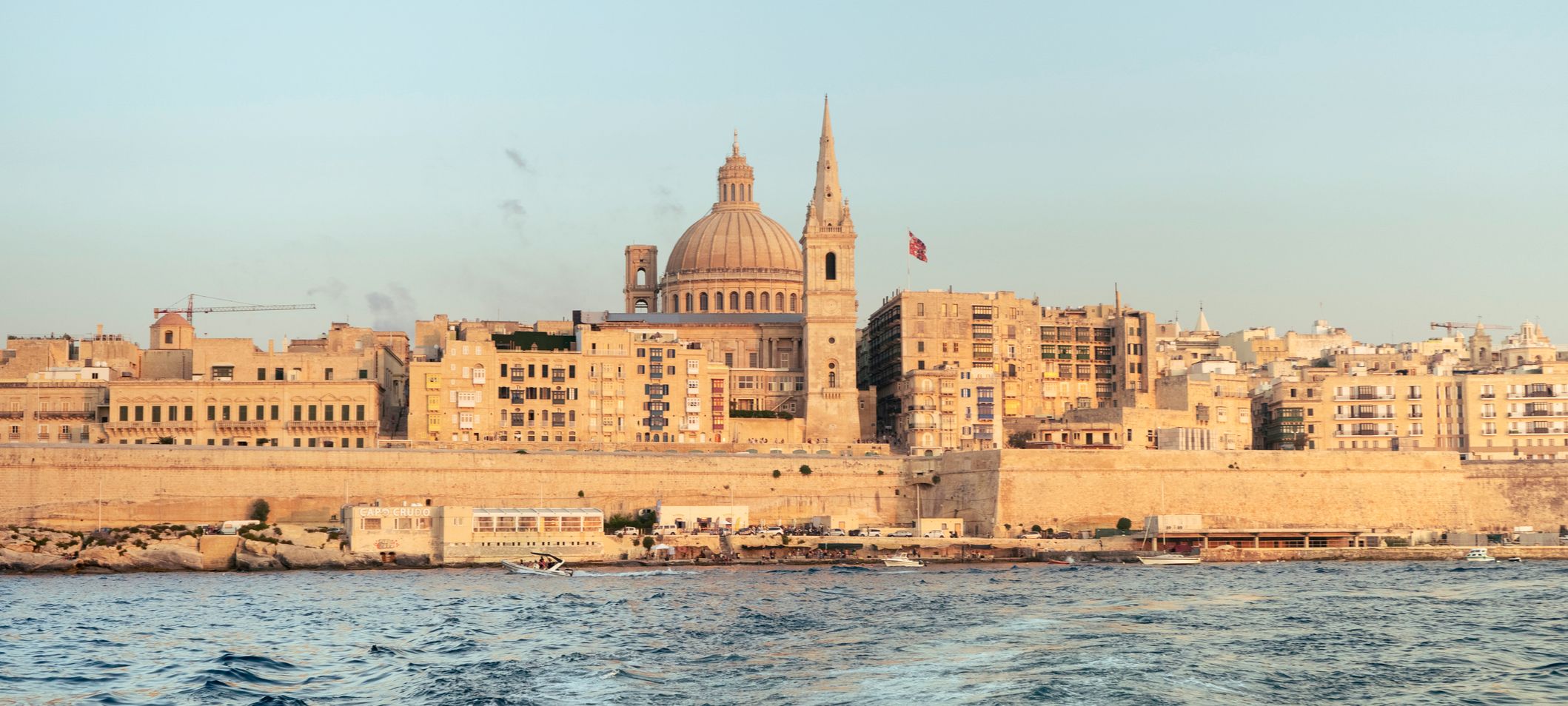
Malta is the route for people who hear the phrase “strategic harbour” and light up in a way that worries their travelling companions. Valletta Cruise Port quite reasonably calls itself the door to the Mediterranean, and the Port of Valletta is described by Malta’s transport authority as a natural deep-water harbour extending about 3.6 kilometres inland. This is a place where maritime history is not tucked away in one museum and politely isolated from the rest of the city. It is the whole setting. Fort St Elmo, built in 1552, guards the harbour entrance and now houses the National War Museum, while the Malta Maritime Museum in Birgu traces the island’s millennia-old naval story from ancient seafaring to the 20th century.
The clever thing about a Malta call is that it lets you move between scales. You can think about empires, sieges, dockyards and fleets, then look across the harbour and see the physical logic of all of it in the bastions and creeks. You can also, because this is Malta, do it all in very flattering limestone light. A lot of historic ports become easier to understand only once somebody starts explaining them to you with a stick and a map. Valletta and Birgu manage the rarer trick of making maritime power visible on arrival. The harbour itself is already the argument.
Ionian cruises for Ithaca and sea legends that refuse to die
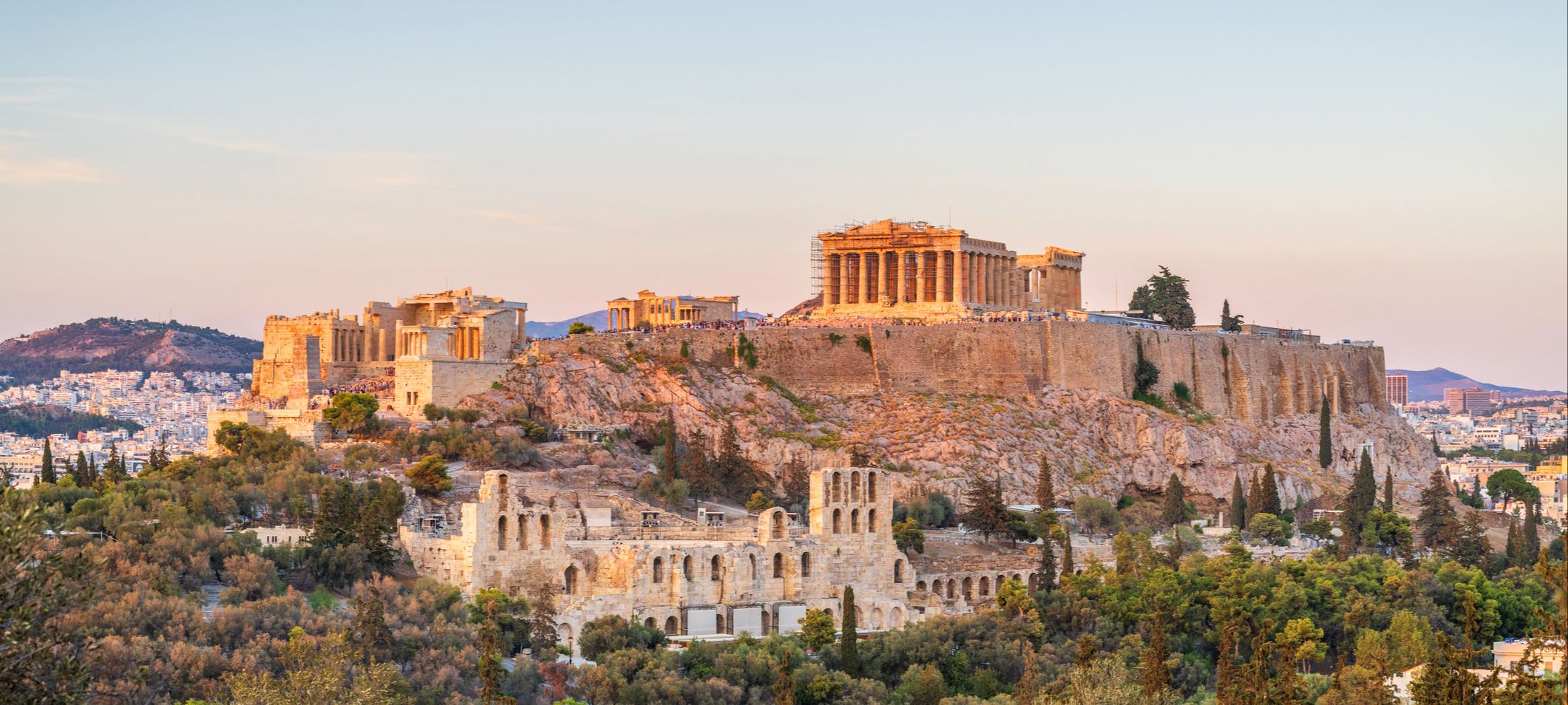
Not every maritime-history cruise has to involve a wreck, a battle or a museum full of cannon. Sometimes what you want is a coastline thick with legend and an island that has spent several millennia being identified with one of the great sea stories. In that respect, Ithaca remains very hard to beat. Visit Greece describes it as the home of Odysseus, while the municipality’s tourism site leans fully into the “journey home” framing, complete with Penelope, Telemachus and Odysseus walking its ancient footpaths. The island’s archaeological materials push its historical depth back well before the era usually associated with the Odyssey. Whether you come to it as literature, myth or identity, Ithaca has understood for a very long time that the sea can make a place symbolic as well as strategic.
That is why Ionian routes can be so satisfying for the more romantically inclined maritime-history traveller. You are not just looking at an old harbour and being told what happened there. You are sailing through waters still narrated by return, wandering and improbable homecomings. There is a limit, obviously, to how much one should mythologise one’s own shore excursion. Nobody wants to become unbearable over lunch. Still, if you are going to indulge a weakness for sea legends anywhere, Ithaca is an excellent place to do it. The island has been encouraging the habit for centuries.
The best cruises for shipwreck and sea-history people, then, are usually the ones where the port has not forgotten what the water did to it. Sometimes that means a museum built around a recovered warship. Sometimes it means a graveyard, a fortress, a natural harbour or a town still living off a 1609 wreck with remarkable professionalism. And sometimes it means a legend so durable that the coastline itself starts to feel like part of the archive. That is the pleasure of these routes. They give the sea its full due, which is more than can be said for many seaside holidays.