There’s a decent chance that, if Liepāja appeared on a cruise itinerary a few years ago, you’d have reached for Google Maps. In 2027, Latvia’s west-coast city is rather more determined to introduce itself.
After welcoming a record seven cruise ships and 4,276 passengers in 2026, the Port of Liepāja already has 11 cruise calls scheduled for next year. Those are still modest numbers by Baltic standards, which is partly the appeal. At the same time, Liepāja becomes one of Europe’s two Capitals of Culture for 2027, alongside Évora in Portugal, with more than 500 events planned across the city and surrounding region.
For cruise passengers, the timing is unusually good. Liepāja is compact, walkable in its centre and blessed with the sort of slightly odd combination of things that makes a port day interesting: Art Nouveau and wooden houses, an enormous white-sand beach, a working harbour, contemporary music and a former Russian military city containing ruined forts and a prison.
Riga, it isn’t. That’s rather the point.
Why more cruise ships are calling at Liepāja

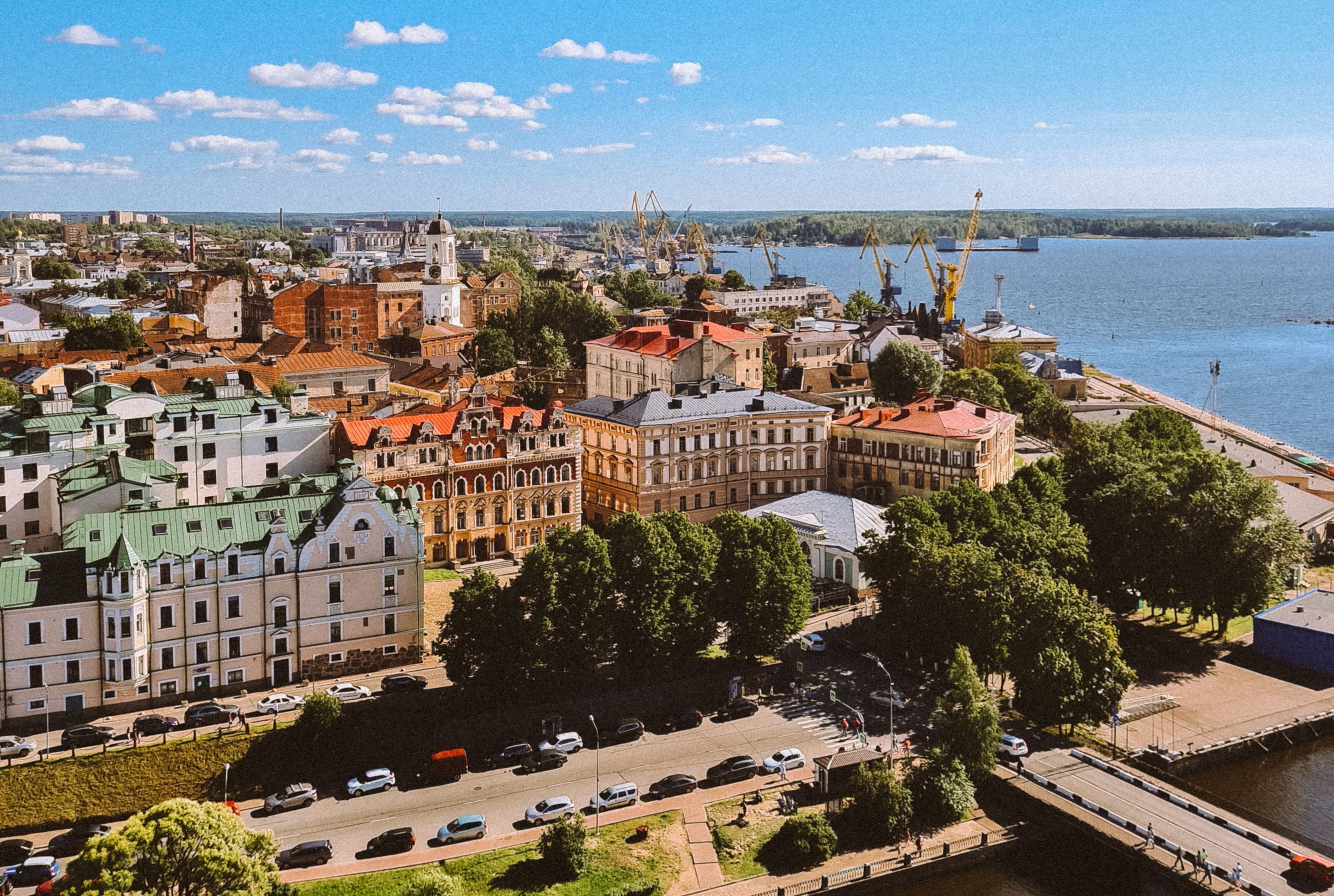
Cruise tourism here is still small enough that a ship arriving is an event rather than background street furniture. Liepāja’s seven calls in 2026 were the most it had ever received in a single season, and the 11 already booked for 2027 represent another sizeable jump. The city has previously welcomed ships from lines including Silversea, Oceania, Windstar, Regent and Fred. Olsen.
There’s also an encouraging statistic buried in the port’s figures. Of the 4,276 cruise passengers who arrived in 2026, 2,244 took one of 86 organised excursions. That means almost half didn’t, suggesting Liepāja works unusually well as a place where you can simply get off and construct your own day rather than immediately submitting to a numbered paddle.
The centre gathers together the Trade Canal promenade, historic streets, churches, cafés and the amber-coloured Great Amber concert hall, while the beach and Seaside Park sit close by. Liepāja Tourism even publishes a self-guided walking route through the city, taking in the waterfront, concert hall and Holy Trinity Cathedral.
What European Capital of Culture 2027 means for Liepāja
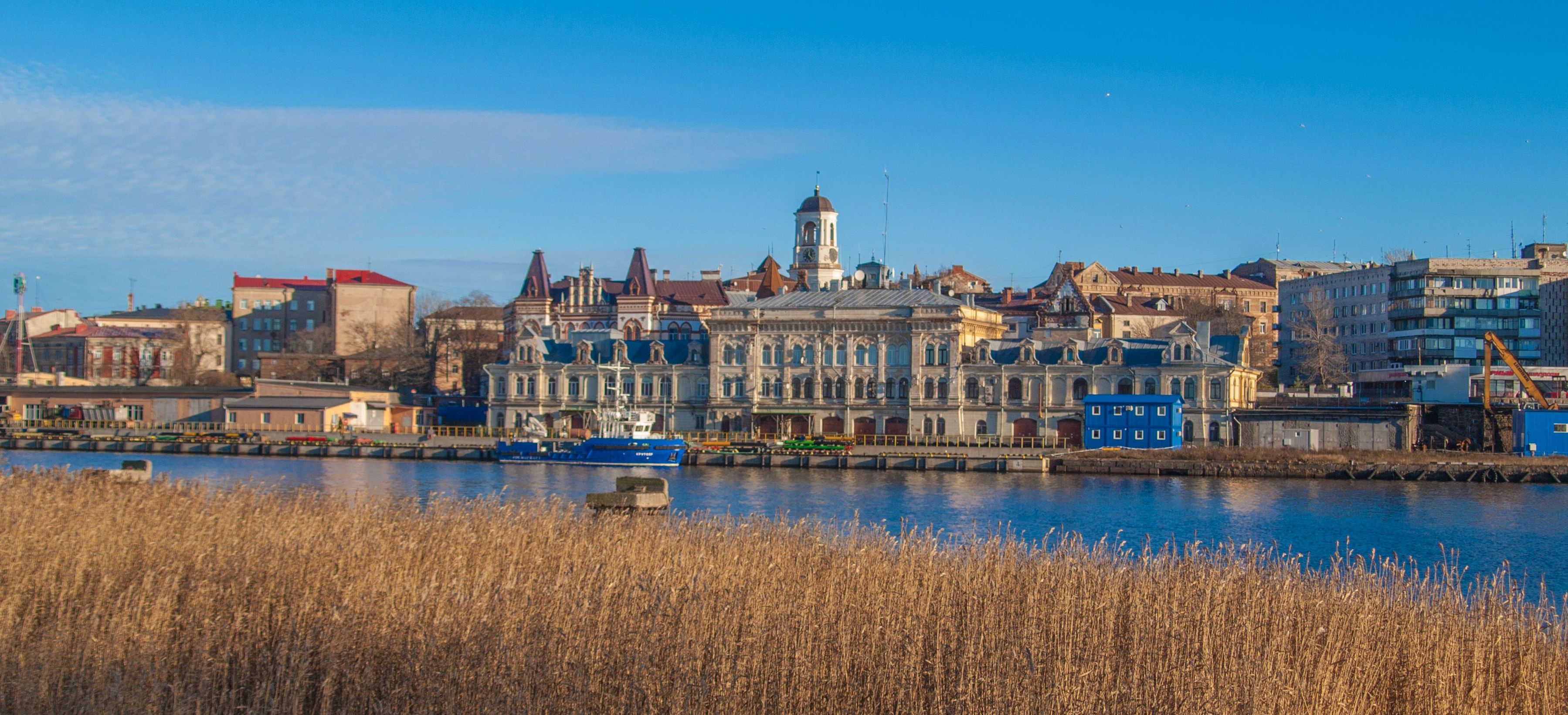
The timing of Liepāja’s cruise growth is not accidental. Its European Capital of Culture year officially begins in January 2027, with the programme built around the slightly excellent title “(un)rest”.
More than 500 events are planned across Liepāja, South Kurzeme and Kuldīga, with around 60% taking place in Liepāja itself and the busiest period falling across June, July and August, conveniently overlapping with the main Baltic cruise season.
The programme includes a solo exhibition by Japanese artist Chiharu Shiota, the Golden Lion-winning contemporary opera Sun & Sea, the Stars in Amber international concert series and Europa Cantat, which is expected to bring more than 3,000 singers and musicians to Liepāja in August. There will also be an Opera by the Sea festival, international theatre and contemporary art events.
One of the programme’s five themes is literally called “Port Paradox”, exploring the strange coexistence of industry, beach culture, military history and music that defines the place. Its projects include plans to rethink Karosta, the former military district, as a cultural quarter. For once, a European cultural programme’s abstract curatorial language rather neatly describes what you’ll see from the ship.
If your cruise calls in 2027, check the official programme against your date before making plans. There is a reasonable chance something considerably more interesting than your usual port-day craft market will be happening.
What to see in central Liepāja from a cruise ship
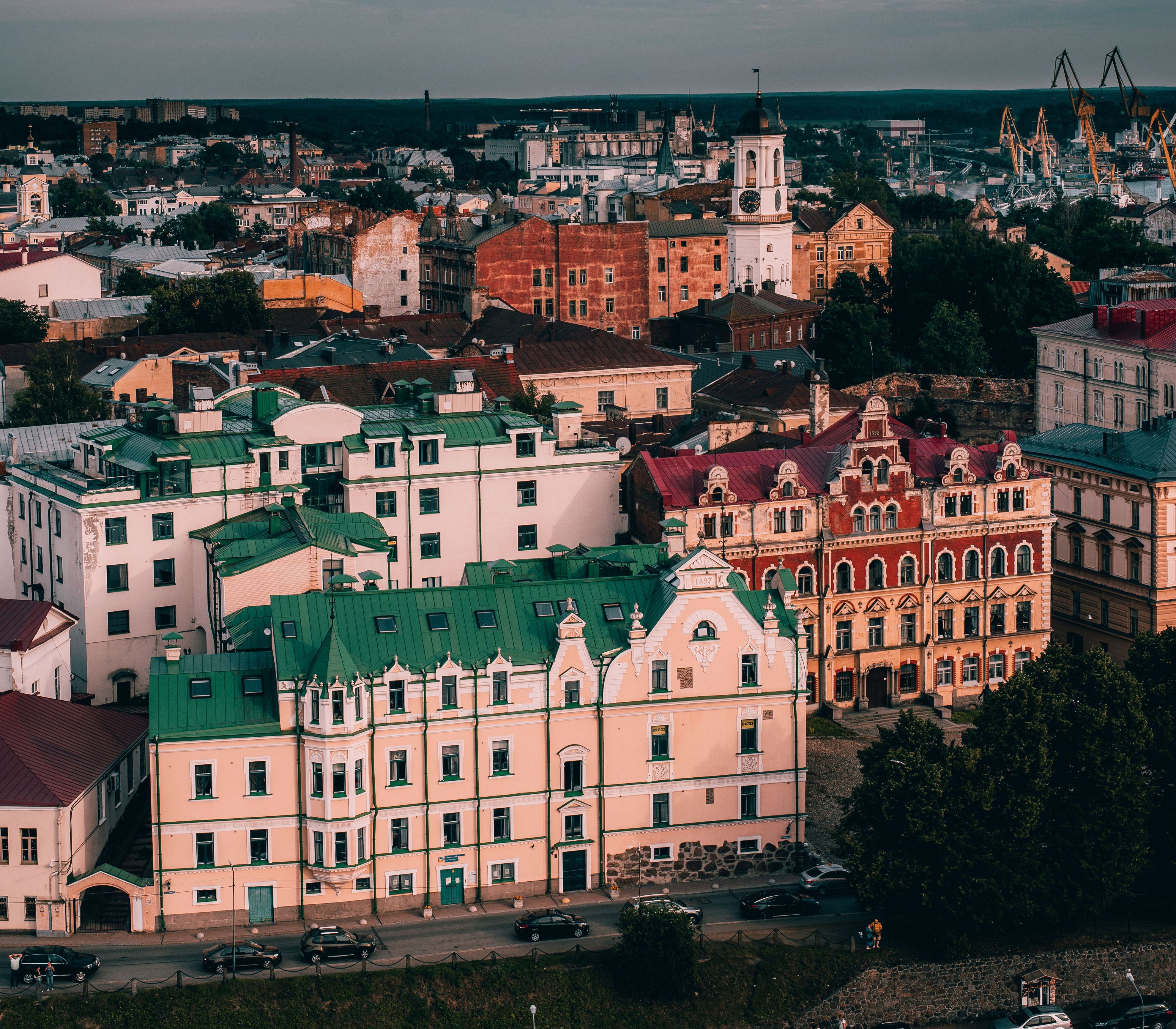
The advantage of staying central is that Liepāja doesn’t require much strategy.
Start around the Trade Canal, where fishing boats, yachts and working-port activity sit alongside converted industrial buildings. From there, Great Amber is difficult to miss. Opened in 2015 and designed by Austrian architect Volker Giencke, the eight-storey concert hall houses the Liepāja Symphony Orchestra and offers guided visits that include views from the seventh floor. In 2027 it will also be one of the main venues for the Capital of Culture programme.
A short wander brings you into a centre containing both ornate wooden architecture and Art Nouveau, rather than the carefully uniform old-town prettiness you might expect from a Baltic port. Holy Trinity Cathedral contains an extraordinary mechanical organ with more than 7,000 pipes, while Peter’s Market occupies an Art Nouveau pavilion dating from 1910.
Then there’s the beach. Liepāja has eight kilometres of unusually fine white sand, with the central section backed by Seaside Park. It has been drawing holidaymakers since the 19th century, including Russian aristocracy, and remains a perfectly legitimate use of an afternoon if your appetite for pipe organs has been satisfied.
A Baltic cruise port where you can spend the morning looking at Rococo church interiors and the afternoon lying on a beach is already doing quite a lot of work.
Karosta: the Liepāja excursion worth making
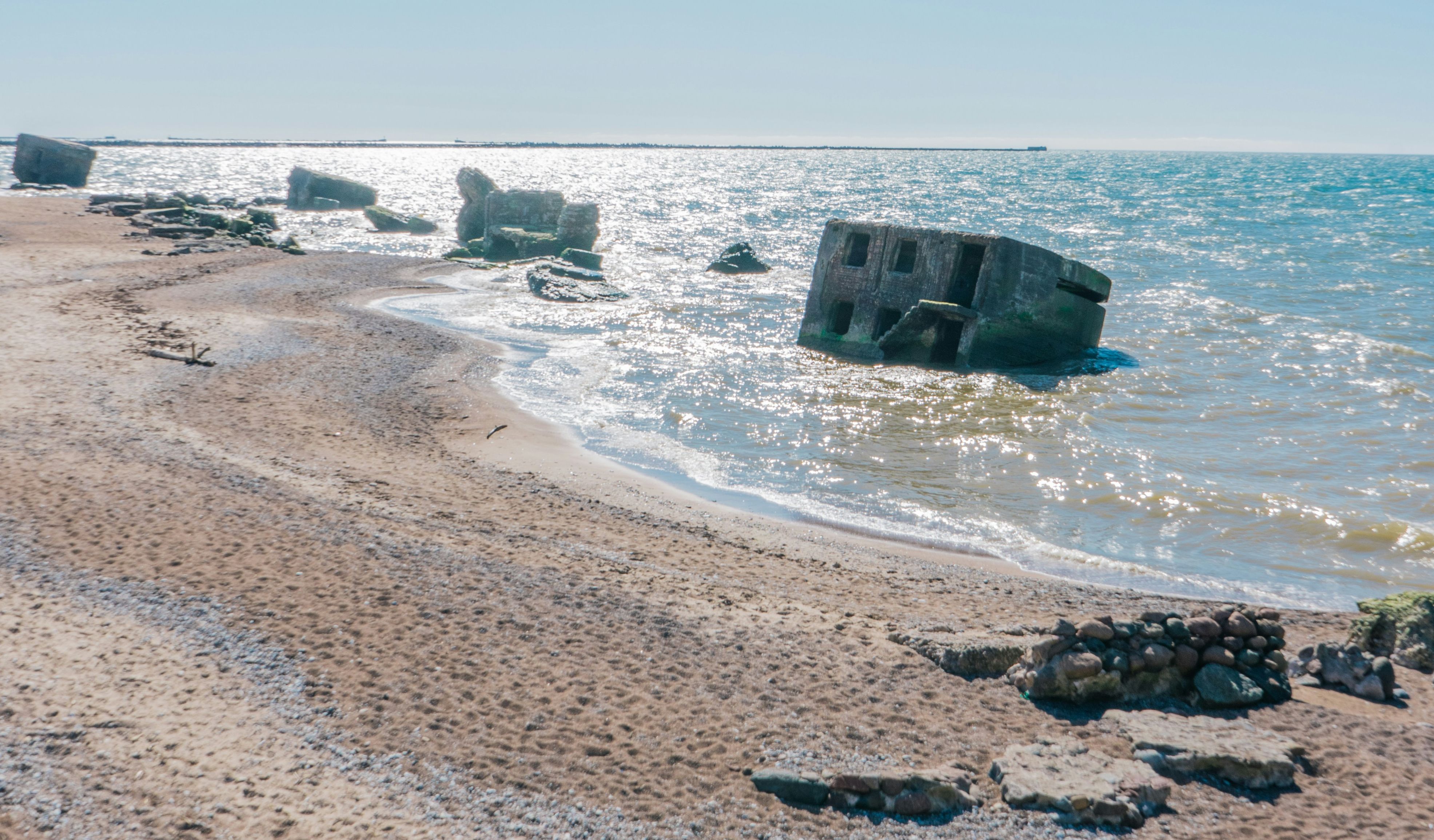
If there is one reason to venture beyond central Liepāja, make it Karosta.
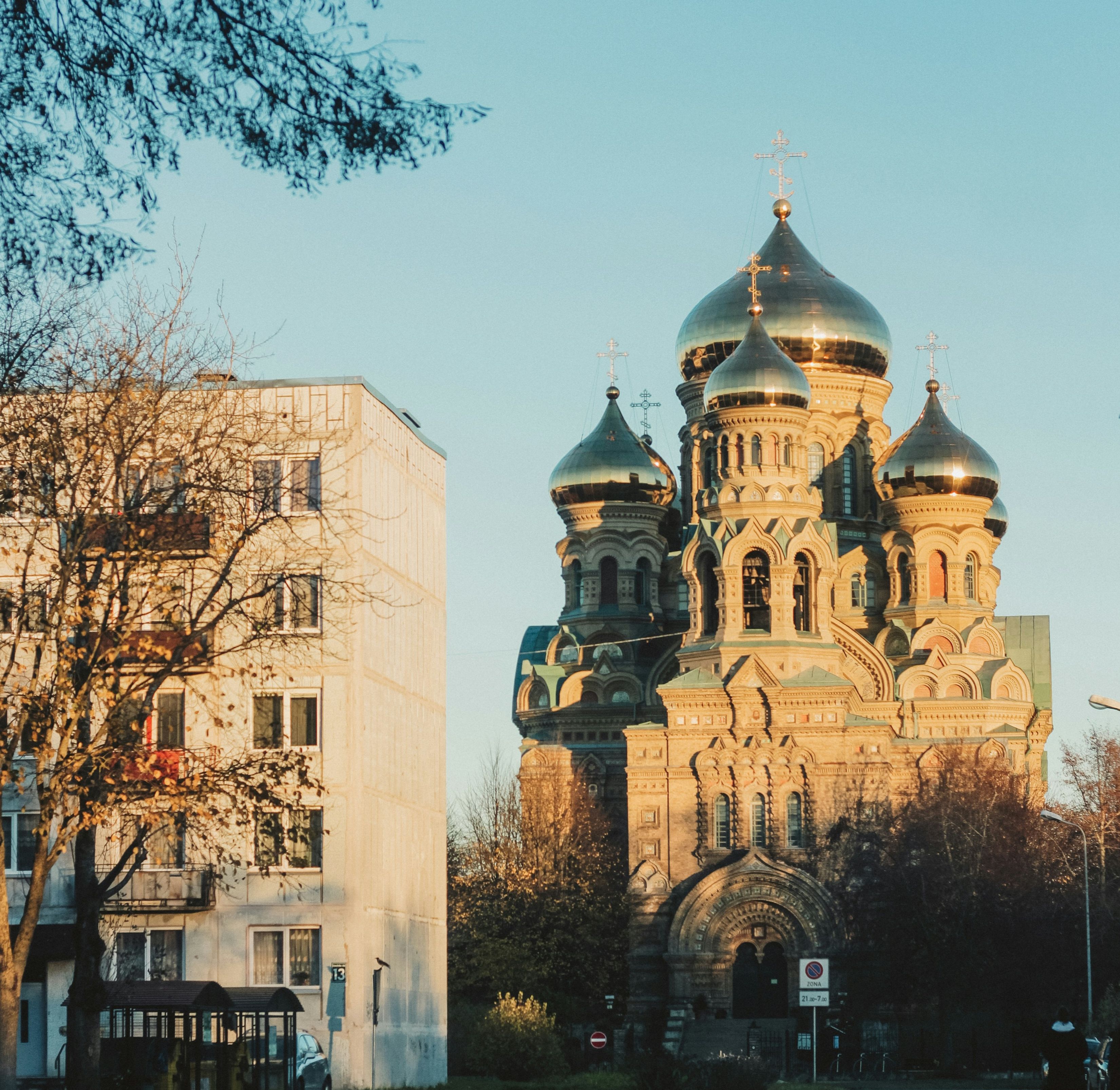
The district accounts for almost a third of the city and began life in the late 19th century as a vast military port ordered by Tsar Alexander III. It was designed as an autonomous naval settlement with its own power station, water system, schools and cathedral, then became a closed military zone during the Soviet occupation. Soviet troops finally left in 1994.
The result is fascinatingly peculiar. Ornate Tsarist buildings sit alongside Soviet-era remnants, military housing and monumental infrastructure. The Northern Forts were partly blown up after the fortress was declared strategically useless in 1908, leaving chunks of concrete artillery positions collapsing slowly towards the Baltic. The Northern Breakwater, meanwhile, stretches 1.8 kilometres out to sea.
There are museums devoted to Karosta and Latvia’s independence struggle, but the district’s real strength is the atmosphere created by all these layers occupying the same space. It feels less like a preserved historical quarter than somewhere history has repeatedly happened to, with varying degrees of enthusiasm.
In 2027 that contrast becomes part of the cultural programme itself, with events and artistic interventions planned across Karosta. If your only previous experience of Baltic military history involves walking politely around a museum display case, this should feel rather different.
Is Liepāja worth exploring independently?
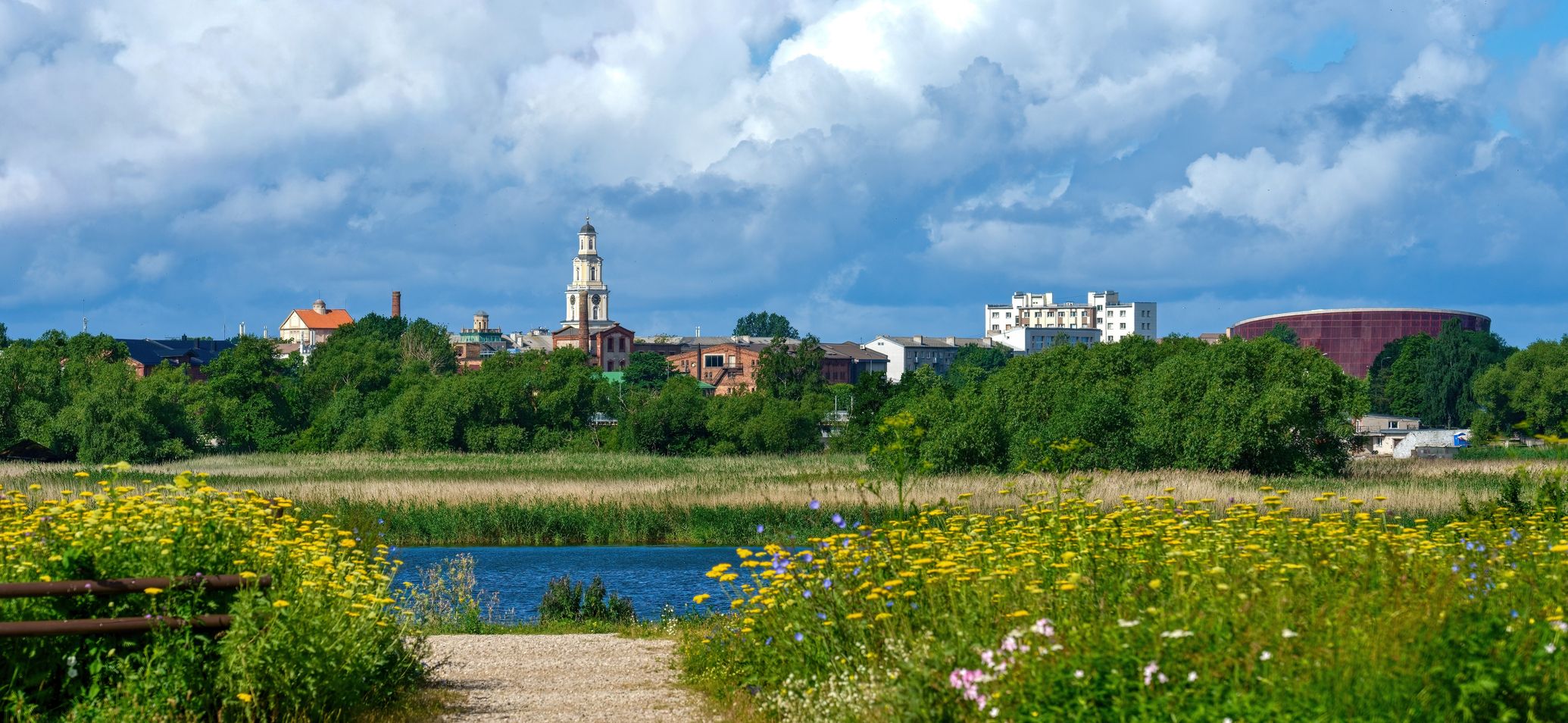
Very much so, particularly if it’s your first visit.
Central Liepāja offers enough for a full port day without an organised excursion, and the port authority itself highlights the compact geography as one of the city’s strengths for cruise visitors. You could spend several hours between the canal, city centre, Great Amber, market and beach without feeling you had constructed a military operation around seeing them.
Karosta is where I’d consider a tour, taxi or other organised transport, because the attractions are spread over a much larger district and understanding what you’re looking at adds considerably to the experience. It’s also where Liepāja stops resembling a pleasant Baltic city break and becomes something far harder to categorise.
That distinction gives the port an unusually good two-speed day. You can keep things easy and walk around town, or head farther north into military history and ruined fortifications before returning for a swim.
Why Liepāja could be one of 2027’s most interesting Baltic calls
Liepāja isn’t about to replace Copenhagen or Stockholm on the Baltic’s greatest-hits circuit, and nor would 4,276 cruise passengers suggest it is trying to.
What makes 2027 interesting is the convergence of two things. Cruise lines are putting the city on more itineraries just as Liepāja is spending a year making an unusually concerted effort to show visitors what it is. Eleven scheduled cruise calls remain few enough that you are unlikely to encounter the peculiar spectacle of several thousand people simultaneously following identical signs towards the old town.
Instead, you get a working Latvian port with an enormous beach, a serious musical life, beautiful and occasionally battered architecture and an entire former military city attached to its northern edge.
Which, compared with another afternoon photographing the same medieval square as everybody else in the Baltic, sounds like rather good timing.